Overview
## Overview
Kingsley College is an independent/private school offering a holistic Australian education in Rockhampton. The school typically serves a mid-sized student community and supports a learning environment that values academic growth alongside sport, arts, and social development. The atmosphere aims to be nurturing and inclusive, with opportunities for students to explore interests across academics, sport, and creative pursuits.
- School type: Independent/private
- School size: Medium
- Class size: Approximately 20–25 students per class
- Atmosphere/culture: Nurturing, inclusive, and balanced with a focus on academics, sport, and arts
Note: Please verify these details with the school for the most current information.
---
## Academics & Learning
- Academic strengths: Emphasis on literacy and numeracy with strong programs in STEM, English, leadership development, and opportunities in languages.
- Special programs: Potential for accelerated learning and gifted/talented programs; options may include enrichment opportunities and targeted learning pathways.
- NAPLAN / Ofsted trends: Australian NAPLAN trends are used to track progress over time; expect to see steady or improving performance in literacy and numeracy relative to state norms. Ofsted is a UK framework and not applicable in Australia; the school will report local progress and NAPLAN trends instead.
- Student-teacher ratios: Typical independent/private schools aim for moderate ratios to support personalized learning; expect a ratio around 1:12–1:18 (subject to year level and staffing).
- Support for diverse learners: EAL (English as an Additional Language) and SEN (Special Educational Needs) support, with targeted interventions and inclusive practices to assist a range of learners.
Note: Details should be confirmed with the school, as programs and ratios can vary by year level and staffing.
---
## Sports & Extracurricular Strengths
- Sports offered: Common offerings at Australian independent schools include rugby or football, soccer, cricket, netball, basketball, swimming, athletics, and fitness; Rockhampton’s climate supports outdoor sports across the year.
- Strong teams or achievements: Schools in regional areas often participate in local inter-school competitions and regional tournaments; check current year achievements and representative pathways.
- Music, arts, drama programs: Regular ensembles, school productions, and arts electives commonly feature in independent schools to complement academics.
- Clubs: Robotics, chess, coding, debating, and other STEM and didactic clubs are typical; look for student leadership and competition opportunities.
- Partnerships: Local sports academies, community clubs, regional inter-school competitions, and collaboration with cultural or STEM organizations.
Note: Specific offerings and achievements should be confirmed with the school’s current extracurricular calendar.
---
## Wellbeing & Pastoral Care
- Anti-bullying approach: Clear policies and proactive programs to promote respectful behavior, with student support structures.
- House system: Many Australian independent schools use a house system to foster belonging, mentorship, and social connections across year levels.
- Counsellors / wellbeing officers: Access to school counsellors or wellbeing staff to support mental health, resilience, and transition needs.
- Transition support for new students: Orientation programs, buddy systems, and tailored onboarding to help new students settle in.
Note: For precise wellbeing supports and house arrangements, refer to the school’s current pastoral care framework.
---
## Facilities
- Sports grounds: On-site playing fields or courts suitable for multiple sports.
- Libraries: Dedicated spaces for study, research, and quiet reading; may include digital resources.
- Science labs: Modern laboratories to support STEM learning and experiments.
- Music/performing arts centers: Spaces for rehearsals, performances, and productions.
- Tech/innovation labs: Rooms equipped for technology, coding, robotics, and design projects.
- Cafeteria: On-site dining or canteen facilities for students.
- Updated playgrounds: Safe, contemporary play and activity areas.
Note: Facility details can evolve; verify current facilities with the school.
---
## School Values & Community Culture
- School values / mission: A values-based approach focusing on character, integrity, teamwork, and service alongside academic achievement.
- Leadership style: Collaborative and student-centered, with opportunities for student voice and leadership roles.
- Behaviour expectations: Clear codes of conduct emphasizing respect, responsibility, and resilience.
- Community reputation: A community-oriented school with family engagement and local partnerships; reputation can vary over time—verify with current families and the school.
- Diversity & inclusion: Commitment to inclusive practices and opportunities for a diverse student body.
Note: Values and culture are best understood by speaking with current families and the school’s leadership.
---
## School Logistics & Daily Operations
- School hours: Regular daytime schedule with potential after-school activities.
- Before/after school care: Availability varies; some campuses offer supervision or care programs before or after the standard day.
- Uniform requirements: Defined school uniform policy; details on items and shopping outlets typically provided at enrolment.
- Transport (train/bus routes): Transport options often include local bus routes or coordinated school transport; specifics depend on location and year level.
- Canteen availability: On-site canteen or lunch facilities; vending or meal options may be offered.
- Fees (low/medium/high ranges): Independent/private schools generally charge tuition and additional fees (materials, excursions, levies); exact ranges should be confirmed with the school for current year.
Note: Check with the school for the latest hours, transport options, uniform specifics, and fee schedules.
---
## Enrolment & Admissions
11. What is the enrolment process and timeline?
- Typical steps: Submit an online or paper application with required documents (birth certificate, immunization records, school reports); participate in a campus tour or information session; attend any required assessment or interview; receive offer if space is available; accept the offer and complete enrolment agreement; pay enrolment and any applicable fees; attend orientation prior to the start date.
- Timeline: Applications are usually accepted several months before the start of the school year; offers are issued after review, with processing times ranging from a few weeks to a couple of months depending on space and compliance checks.
Note: Verify current process and timelines with the school's admissions team.
12. Is there a waiting list, and how does it work?
- Many independent/private schools maintain a waiting list when enrolment capacity is reached. Applications on the waitlist are typically prioritized by factors such as cohort vacancies, sibling priority, and date of application. Updates are provided periodically as spaces become available.
Note: Confirm the specific waitlist policy and any fees or timelines with the admissions office.
13. Are there any entry requirements, tests, or interviews?
- Entry requirements often include submitting documentation, a formal interview or meeting with the family, and possibly an assessment or readiness check for certain year levels. Some programs may require language or reading assessments or references from current/previous schools.
Note: The exact requirements and assessments vary by year level and cohort; confirm with the school.
14. Does the school accept mid-year transfers?
- Many independent/private schools consider mid-year transfers if there is space and if the student’s prior records and transcripts can be provided. There may be a transition assessment, timetable alignment, and a period of adjustment.
Note: Space availability and transfer timing depend on current enrolments and term dates; contact the admissions team to discuss.
---
## Frequently Asked Questions
- Why Parents Choose This School?
- A community-focused environment with small to mid-sized class sizes, a balanced emphasis on academics, sport, and arts, and strong wellbeing support.
- What type of student thrives at this school?
- Students who are engaged, collaborative, curious, and ready to participate in academics as well as co-curricular activities such as sport, music, and clubs.
- What opportunities are available for students to extend their skills (academics, sports, arts)?
- Access to STEM and English programs, leadership and citizenship opportunities, accelerated or enrichment pathways, competitive sports, music ensembles, drama productions, robotics, coding, debating, and other clubs.
- How does the school communicate with parents?
- Through digital portals, newsletters, email updates, parent-teacher conferences, and regular progress reports.
- What is the school’s approach to teaching and learning?
- A balanced, student-centered approach with differentiation to meet diverse needs, a focus on critical thinking, collaboration, and practical application of knowledge.
- How does the school support students who need extra academic help?
- In-class support, targeted literacy/numeracy programs, tutoring or study sessions, and access to specialist staff for SEN or EAL needs.
- What support is available for academic challenges?
- Structured support plans, differentiated instruction, and collaboration with families to monitor progress and adjust learning pathways.
- How does the school communicate with parents?
- See above: digital platforms, communications channels, and scheduled meetings.
- What are the class sizes and how much individual attention do students receive?
- Classes are mid-sized, typically around 20–25 students, with teacher focus on individual guidance and progress monitoring.
- What extracurricular and sports opportunities are available?
- A broad offering including team sports, arts, music, drama, robotics, coding, chess, debating, and leadership activities; availability varies by year level and term.
- What facilities does the school offer (sports, science, arts)?
- Sports grounds/courts, libraries, science labs, music/performing arts facilities, technology/innovation labs, canteen, and modern playgrounds or outdoor spaces.
- What is the school’s approach to technology and digital learning?
- Modern classrooms often integrate digital learning platforms, devices or BYOD arrangements, online resources, and focus on digital literacy and safe technology use.
- What transport and accessibility options are available?
- Local bus routes or school transport options, with campus accessibility considerations; check current transport arrangements with the school.
- What are typical school fees or additional costs?
- Tuition and additional levies for materials, excursions, and activities; exact figures vary by year level and program—please obtain an up-to-date fee schedule from the school.
---
## Short Pros & Cons list
- Pros
- Supportive, community-focused environment
- Mid-sized class sizes enabling more individual attention
- Balanced emphasis on academics, sport, and arts
- Comprehensive wellbeing and pastoral care
- Modern facilities and resources to support learning
- Cons
- Fees may be higher than public schools
- Potential waiting lists during peak enrolment periods
- Travel time may be a factor for families outside the immediate area
- Enrollment processes and documentation requirements can be time-consuming
Note: For precise details on any item above, contact the school’s admissions and communications teams.





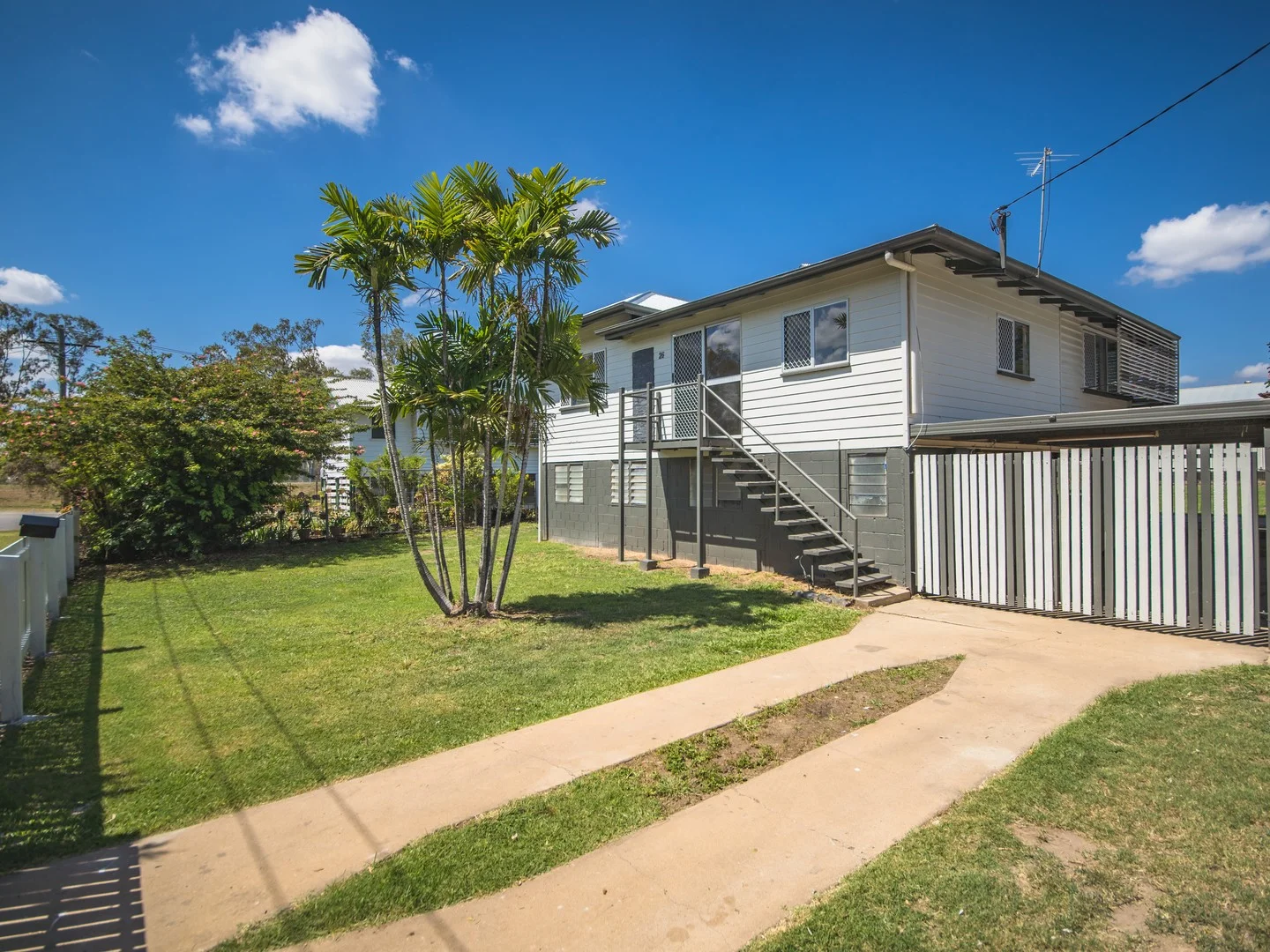 $510
House
$510
House
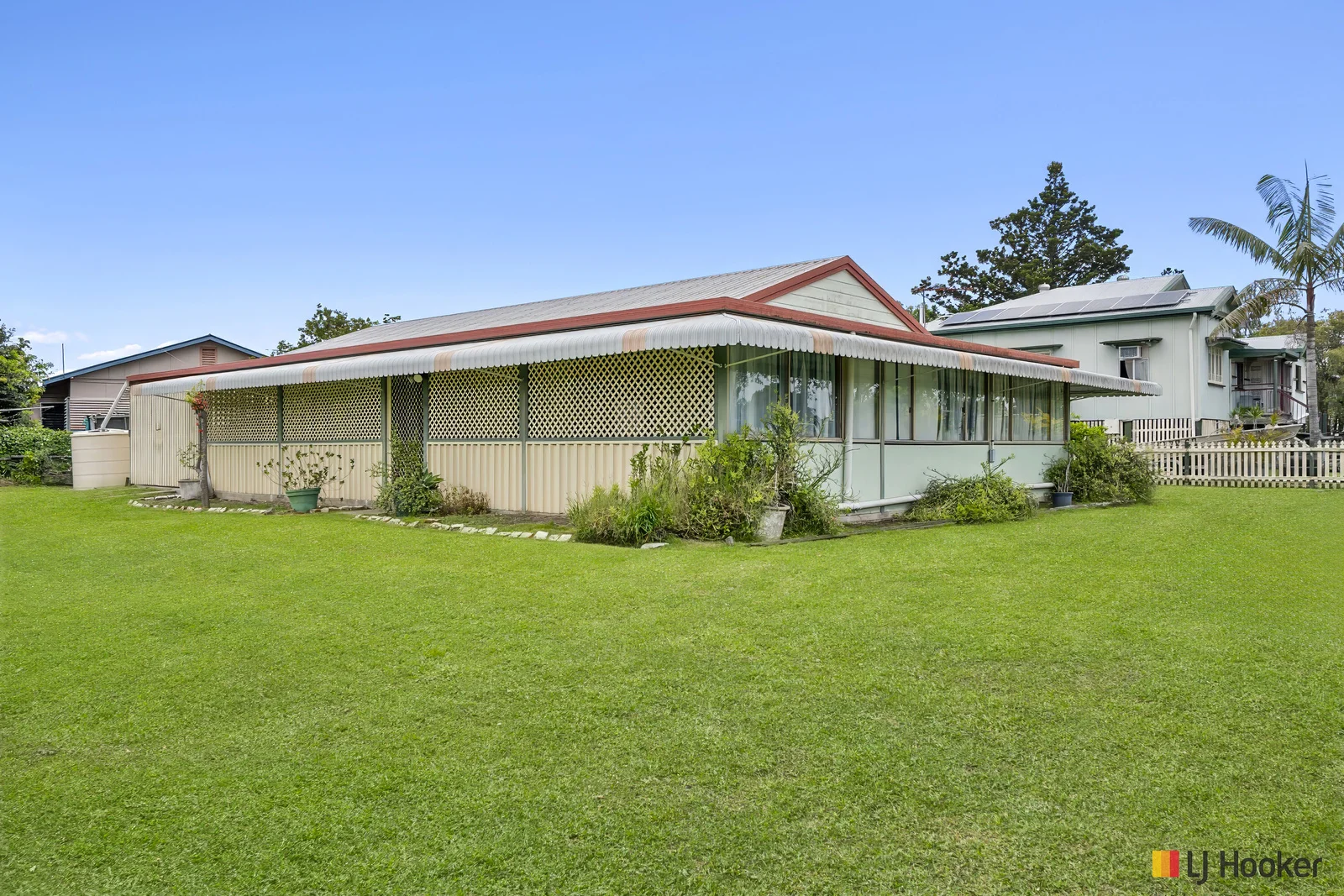 $413,250
House
$413,250
House
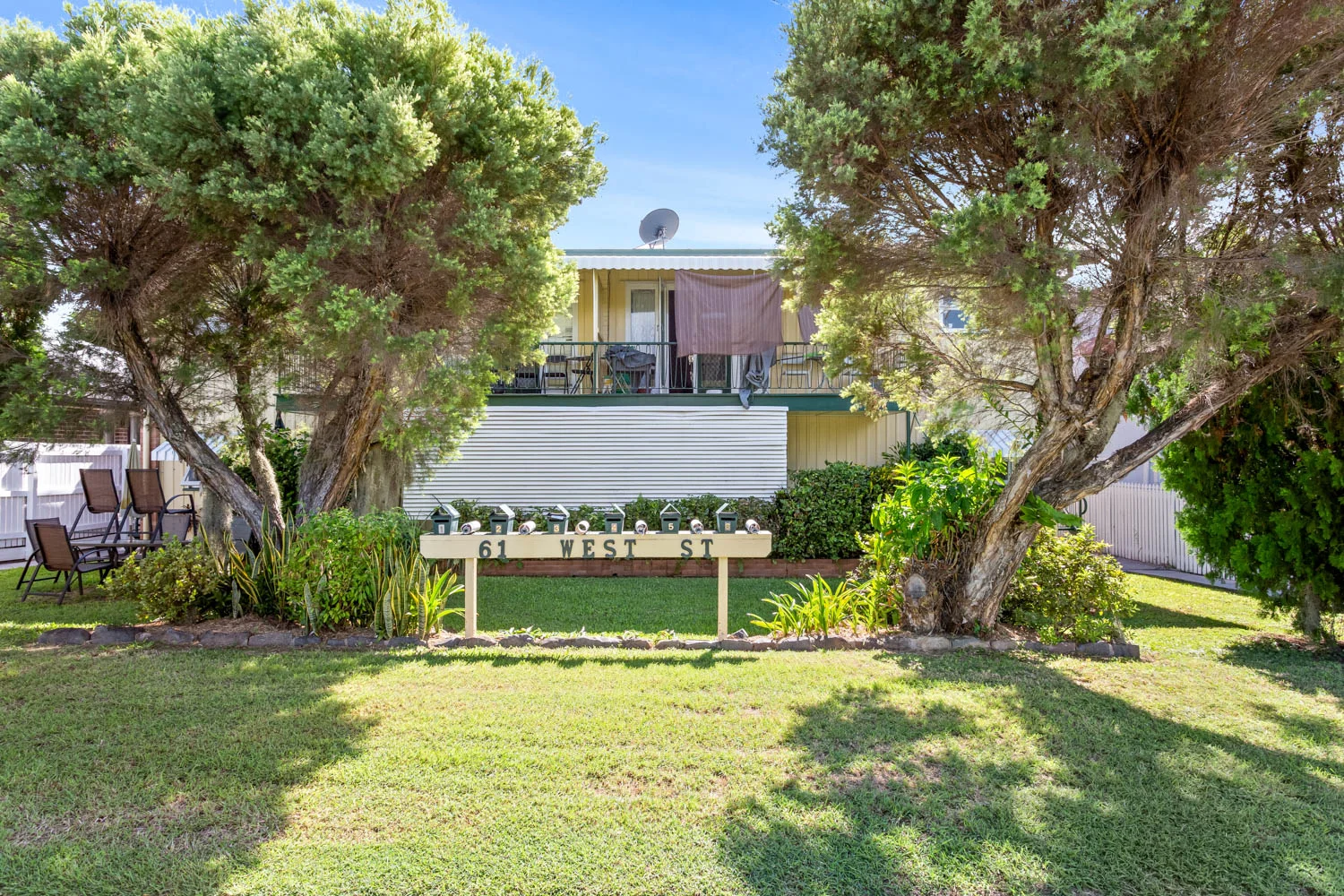 $1,499,000
propertyType.BLOCK OF UNITS
$1,499,000
propertyType.BLOCK OF UNITS
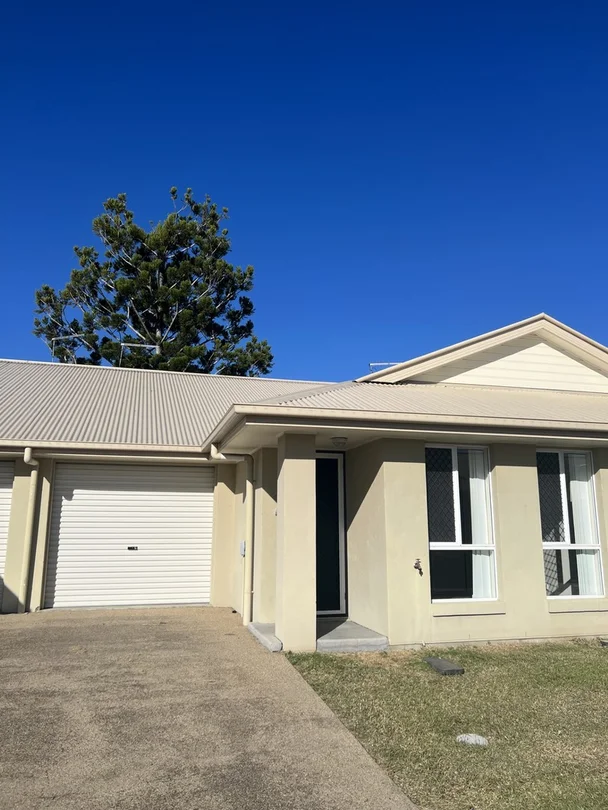 $480
House
$480
House
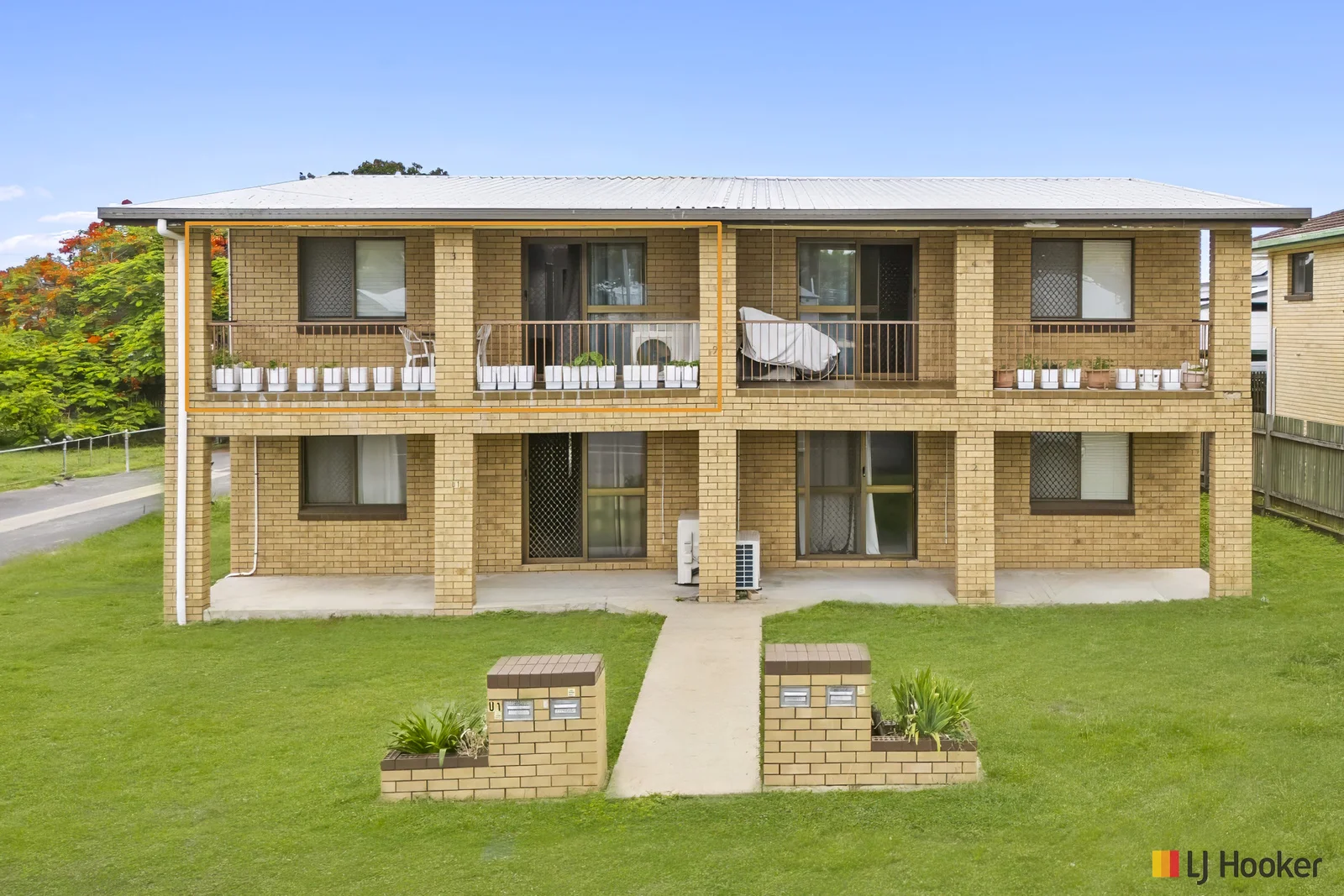 $280,250
House
$280,250
House
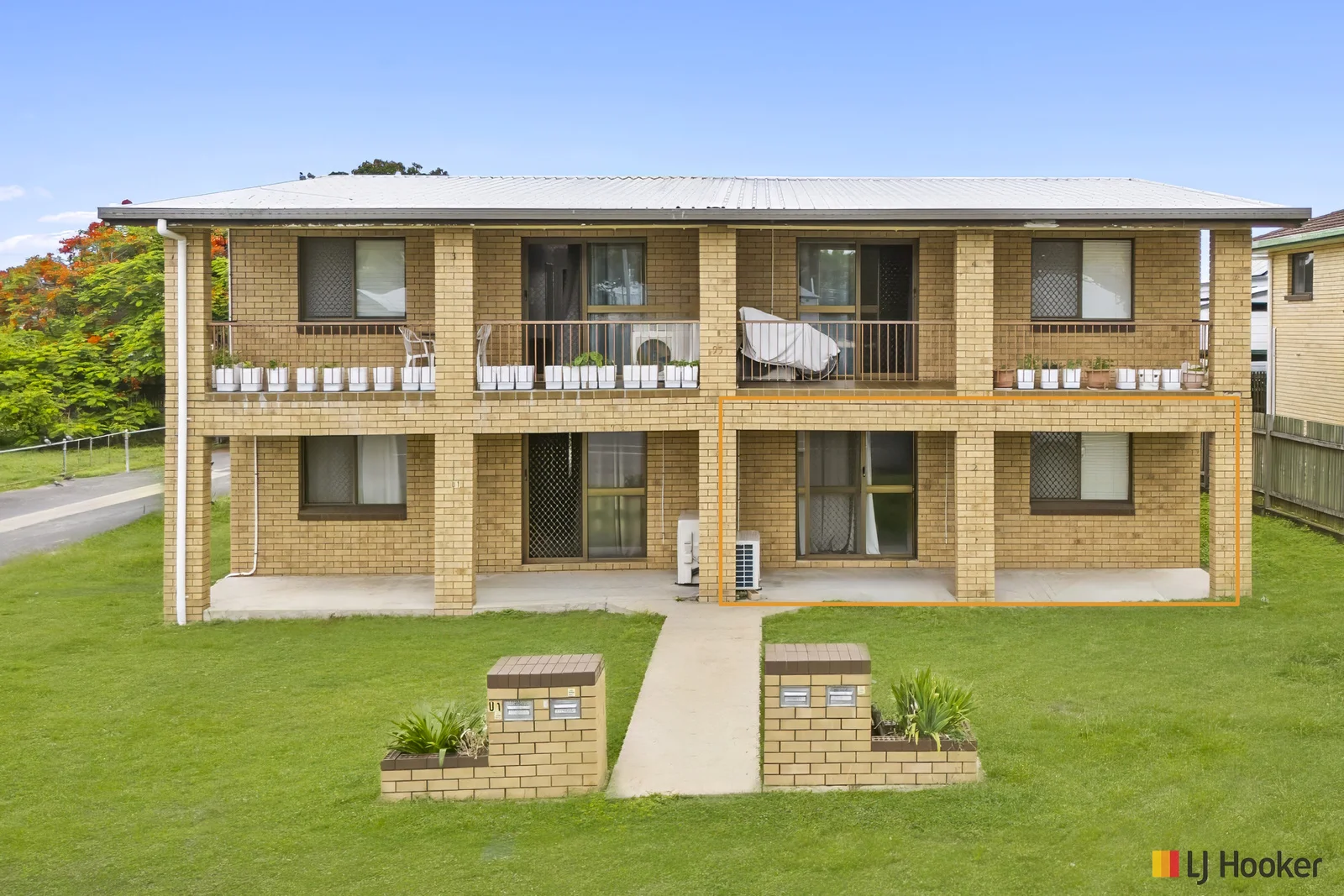 $280,250
Apartment / Unit / Flat
$280,250
Apartment / Unit / Flat
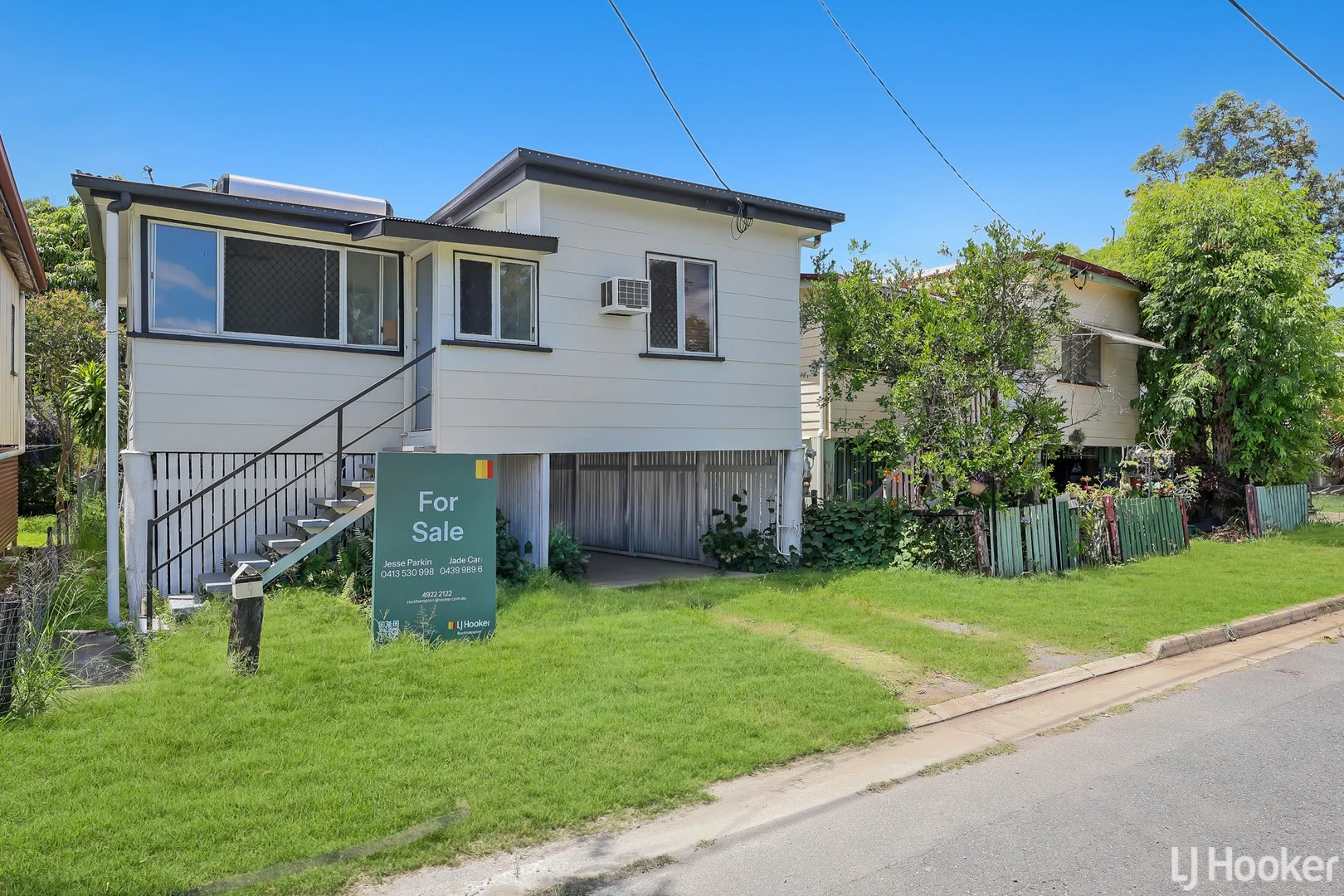 $274,550
House
$274,550
House
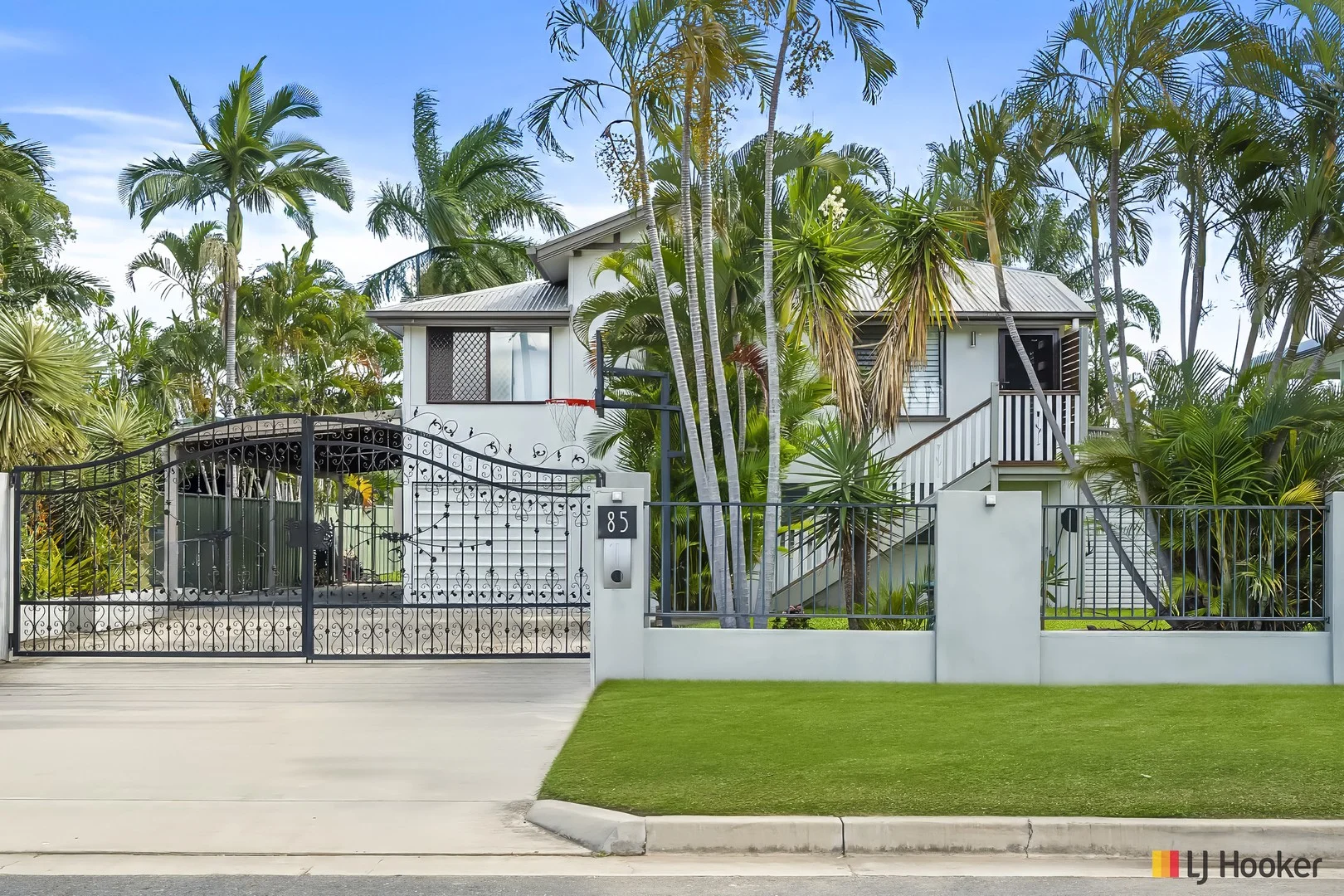 $612,750
House
$612,750
House
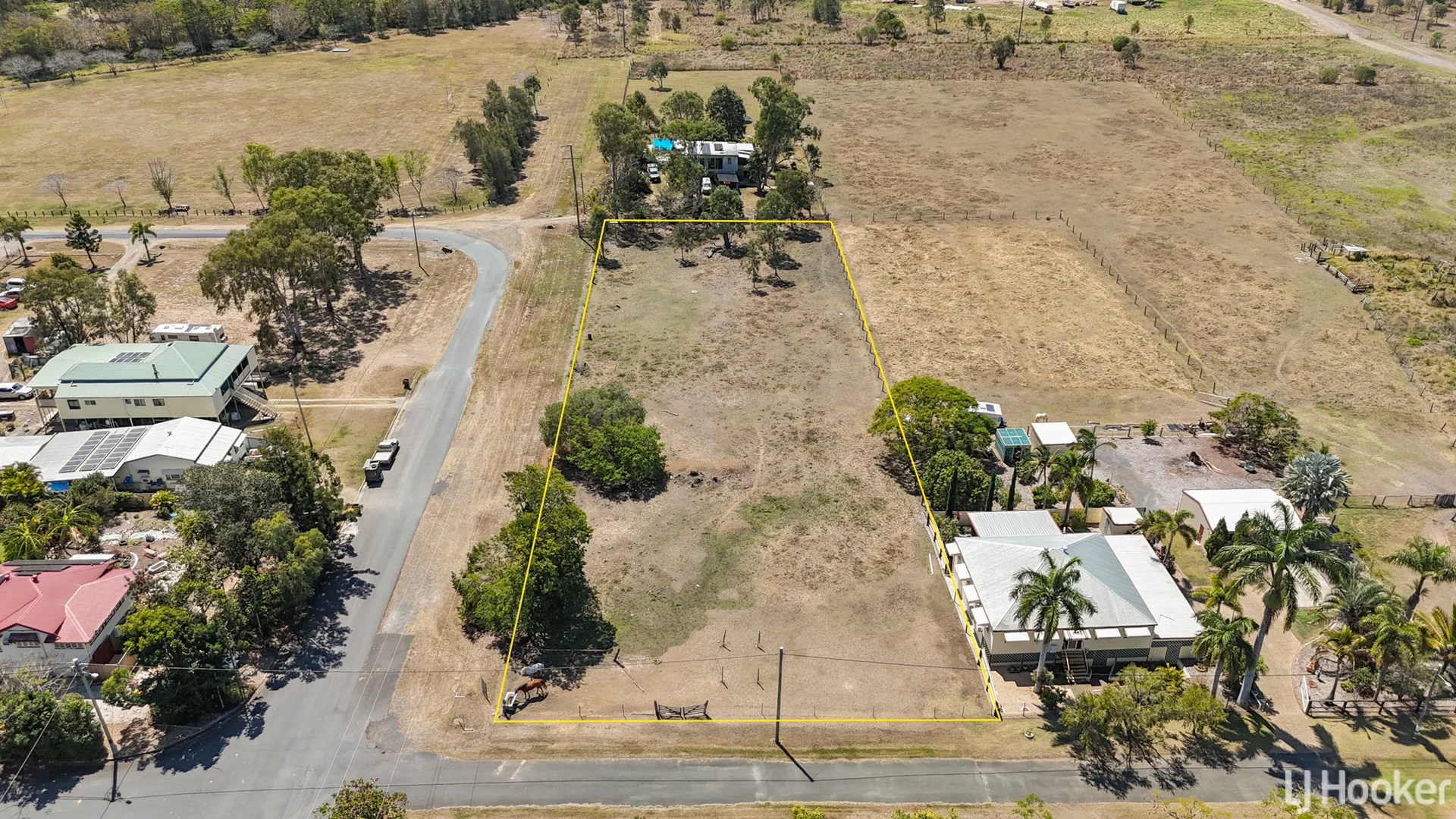 $139,000
Vacant Land
$139,000
Vacant Land


