Overview
### 1. Overview
Independent Christian school serving families in Central Queensland with a focus on faith-informed education, character formation, and academic growth. The school aims to foster a nurturing, inclusive atmosphere where students are encouraged to inquire, collaborate, and contribute to their communities.
- School type: Independent Christian school
- School size: Medium
- Class size: Approximately [insert typical class size, e.g., 20–25 students per class]
- Atmosphere/culture: Nurturing, inclusive, faith-based, community-focused
---
### 2. Academics & Learning
Aims to balance strong academic outcomes with values-based learning. Emphasis on developing critical thinking, communication, and practical problem-solving.
- Academic strengths: English, STEM, leadership development, and robust Christian studies integration
- Special programs: Gifted & Talented pathways, accelerated learning options, leadership programs, and faith-based character education
- NAPLAN / trends: Queensland NAPLAN trends show stable-to-improving performance in core domains over recent years; emphasis on steady progress rather than test scores
- Student-teacher ratios: [insert ratio, e.g., ~1:12–1:18 in typical classes]
- Support for diverse learners: EAL support, SEN programs, inclusive classrooms, and individual learning plans
---
### 3. Sports & Extracurricular Strengths
Strong emphasis on balanced development—sport, arts, and clubs are integral to student life.
- Sports offered: Rugby league, cricket, soccer, netball, basketball, athletics, swimming
- Strong teams or achievements: Regional-level participation and competitive teams across multiple sports
- Music, arts, drama programs: Active music program, school drama productions, and performances
- Clubs: Robotics, chess, coding, debating, science club
- Partnerships: Local sport academies, community clubs, and inter-school competitions
Note: Availability may vary by year level and cohort; confirm current offerings with the school.
---
### 4. Wellbeing & Pastoral Care
Prioritizes student wellbeing through proactive supports and a strong pastoral framework.
- Anti-bullying approach: Clear policy with restorative practices and ongoing education
- House system: Yes (house groups supporting community, events, and leadership opportunities)
- Counsellors / wellbeing officers: Access to school counsellors and wellbeing staff
- Transition support for new students: Orientation programs, buddy systems, and targeted onboarding
---
### 5. Facilities
Facilities designed to support academics, arts, and physical activity.
- Sports grounds: Dedicated playing fields and courts
- Libraries: Well-resourced library with study spaces
- Science labs: Modern science laboratories
- Music/performing arts centers: Music suite and performance spaces
- Tech/innovation labs: Computer labs and maker/STEAM spaces
- Cafeteria: On-site canteen or cafeteria
- Updated playgrounds: Age-appropriate outdoor play areas and recreation spaces
---
### 6. School Values & Community Culture
Governing values shape daily life, learning, and leadership opportunities.
- School values / mission: Faith-centered education emphasizing integrity, service, and respect
- Leadership style: Servant leadership and student voice through representative activities
- Behaviour expectations: Clear codes of conduct aligned with school values
- Community reputation: Known for supportive families, strong pastoral care, and active community involvement
- Diversity & inclusion: Commitment to an inclusive environment that respects different backgrounds and abilities
---
### 7. School Logistics & Daily Operations
Practical details to help families plan around school life.
- School hours: [insert daily start/end times]
- Before/after school care: Available or nearby arrangements (as applicable)
- Uniform requirements: [insert uniform policy details]
- Transport (train/bus routes): School bus routes or public transport options (confirm current routes)
- Canteen availability: On-site canteen or lunch provisions
- Fees (low/medium/high ranges): [insert indicative fee range or note on variability by year level]
---
### 8. Enrolment & Admissions
Clear steps to joining the school community.
11. What is the enrolment process and timeline?
- Expression of interest or initial inquiry → Common application form → Submission of required documents → Enrolment interview or tour → Offer of placement → Confirmation and initial payment. Timeline varies by intake and year level.
12. Is there a waiting list, and how does it work?
- Waiting lists may apply when classes are full. Applications are typically recorded by date of receipt, with priority given to eligible siblings, if applicable, and vacancies as they arise.
13. Are there any entry requirements, tests, or interviews?
- Expect family interview and student interview; possible placement tasks or assessments consistent with year level needs; documentation of past results and any special learning needs.
14. Does the school accept mid-year transfers?
- Mid-year transfers can be considered subject to vacancies, placement tests if required, and readiness for the current cohort. Prospective families should contact the Enrolments team as early as possible.
---
### 9. Frequently Asked Questions
- Why Parents Choose This School?
- A faith-informed environment with strong pastoral care, values-based education, and a focus on student growth in academics, sport, and character.
- What type of student thrives at this school?
- Students who appreciate a caring community, opportunities to participate in diverse activities, and a balance of academic and extra-curricular engagement.
- What opportunities are available for students to extend their skills (academics, sports, arts)?
- Acceleration pathways, Gifted & Talented programs, leadership opportunities, clubs (robotics, coding, debating), sport teams, and performing arts productions.
- How does the school communicate with parents?
- Regular updates via written notices, newsletters, parent portals, and scheduled meetings; open lines to teachers and pastoral staff.
- What is the school’s approach to teaching and learning?
- Student-centered methods, values-based education, integration of faith with learning, and supports for diverse learning needs.
- How does the school support students who need extra academic help?
- Targeted interventions, EAL/SEN support, small-group or one-on-one assistance, and individualized learning plans where appropriate.
- What support is available for academic challenges?
- Access to tutoring, study skills guidance, and collaboration with teachers to create personalized plans for improvement.
- How does the school communicate with parents? (Duplicate)
- See above: newsletters, portals, meetings, and direct contact with teachers and pastoral staff.
- What are the class sizes and how much individual attention do students receive?
- Class sizes are designed for manageable student contact; teacher availability for individual or small-group support is built into the timetable.
- What extracurricular and sports opportunities are available?
- A broad range of sports and clubs including robotics, chess, coding, debating, music, drama, and team sports.
- What facilities does the school offer (sports, science, arts)?
- Modern science labs, libraries, performing arts spaces, tech/innovation labs, dedicated sports grounds, and a canteen.
- What is the school’s approach to technology and digital learning?
- Integration of digital tools to enhance learning, with supervised use, cybersecurity awareness, and age-appropriate devices and platforms.
- What transport and accessibility options are available?
- School transport options and local public routes where applicable; accessibility considerations noted in campus facilities.
- What are the typical school fees or additional costs?
- Fees vary by year level and program; families are encouraged to contact the enrolments team for a current breakdown.
---
### 10. Short Pros & Cons
- Pros
- Strong sense of community and pastoral care
- Values-based education integrated with academics
- Wide range of co-curricular activities (sports, arts, clubs)
- Inclusive environment with support for diverse learners
- Cons
- Smaller school size may limit course variety at certain year levels
- Commute considerations for regional families
- Fees may be higher than public options due to independent/private status
If you’d like, I can tailor this with actual data from the school (enrolment numbers, specific programs, current transport options, etc.) once you provide or confirm those details.




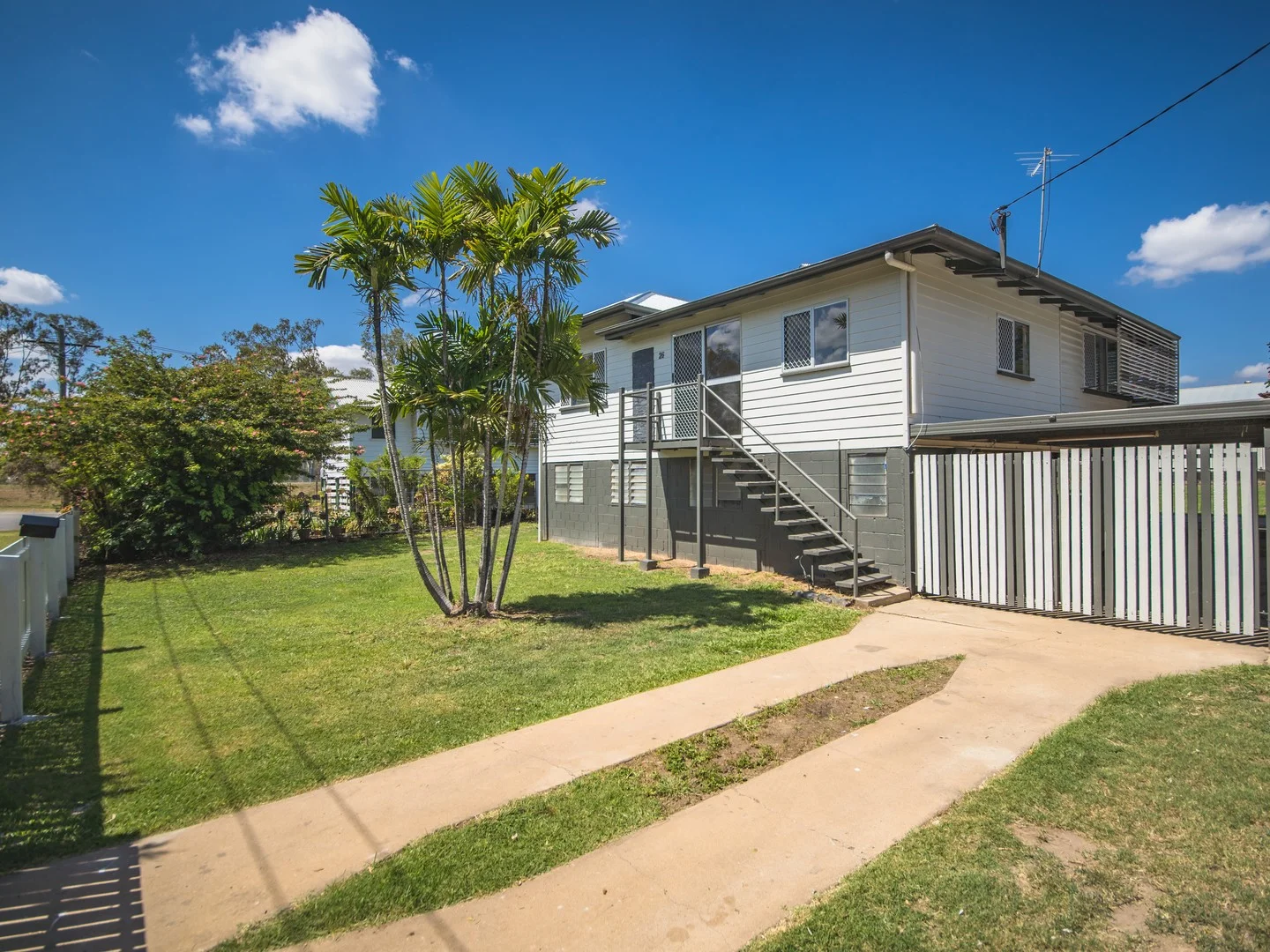 $510
House
$510
House
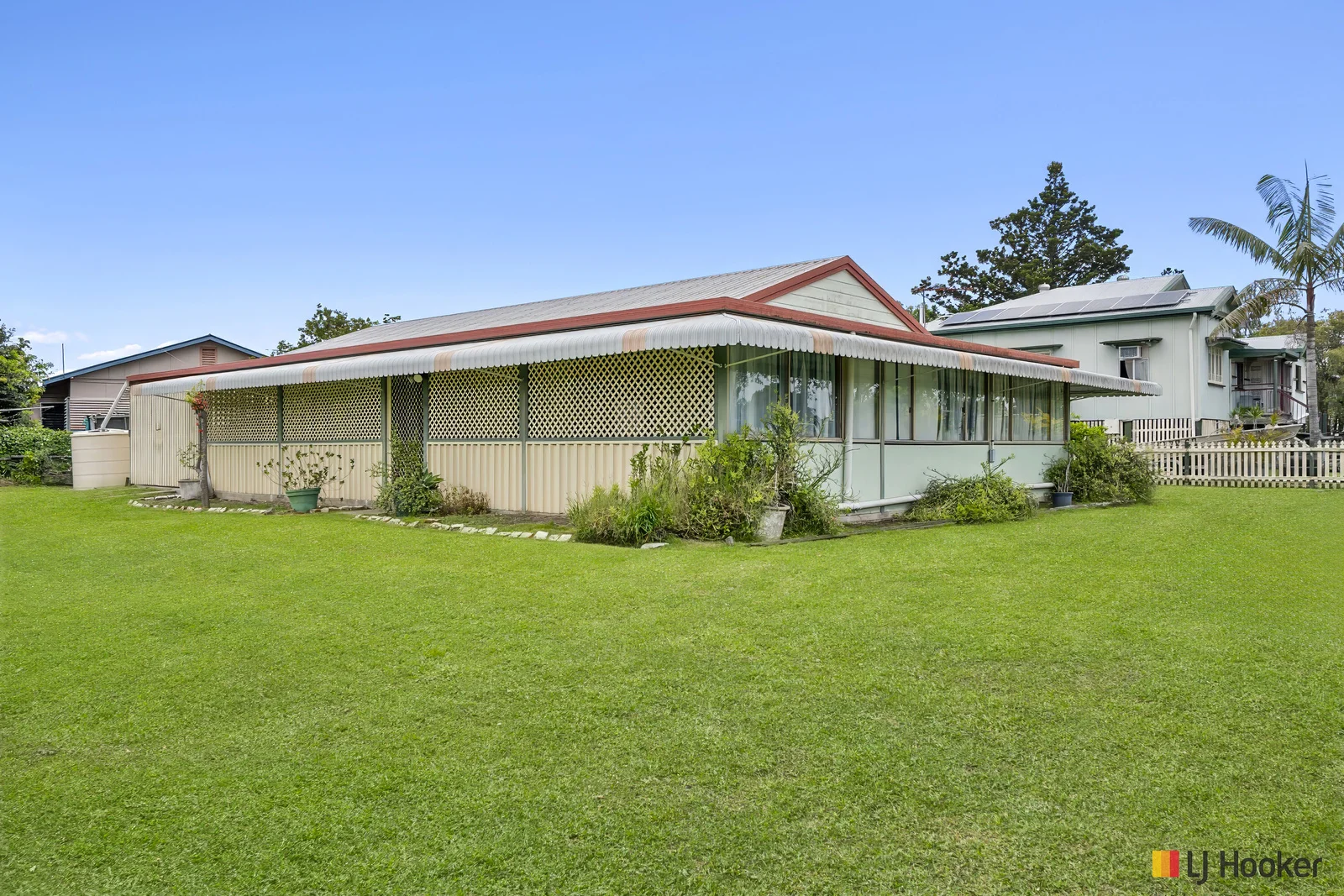 $413,250
House
$413,250
House
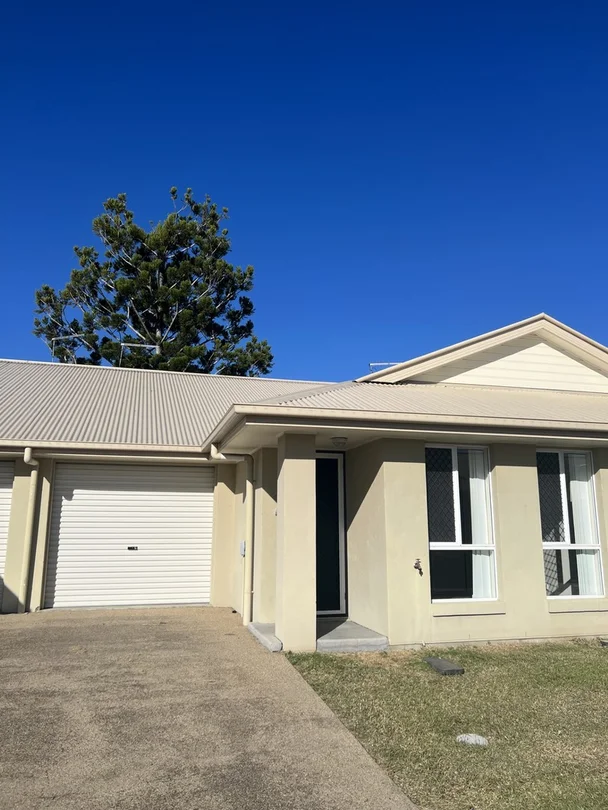 $480
House
$480
House
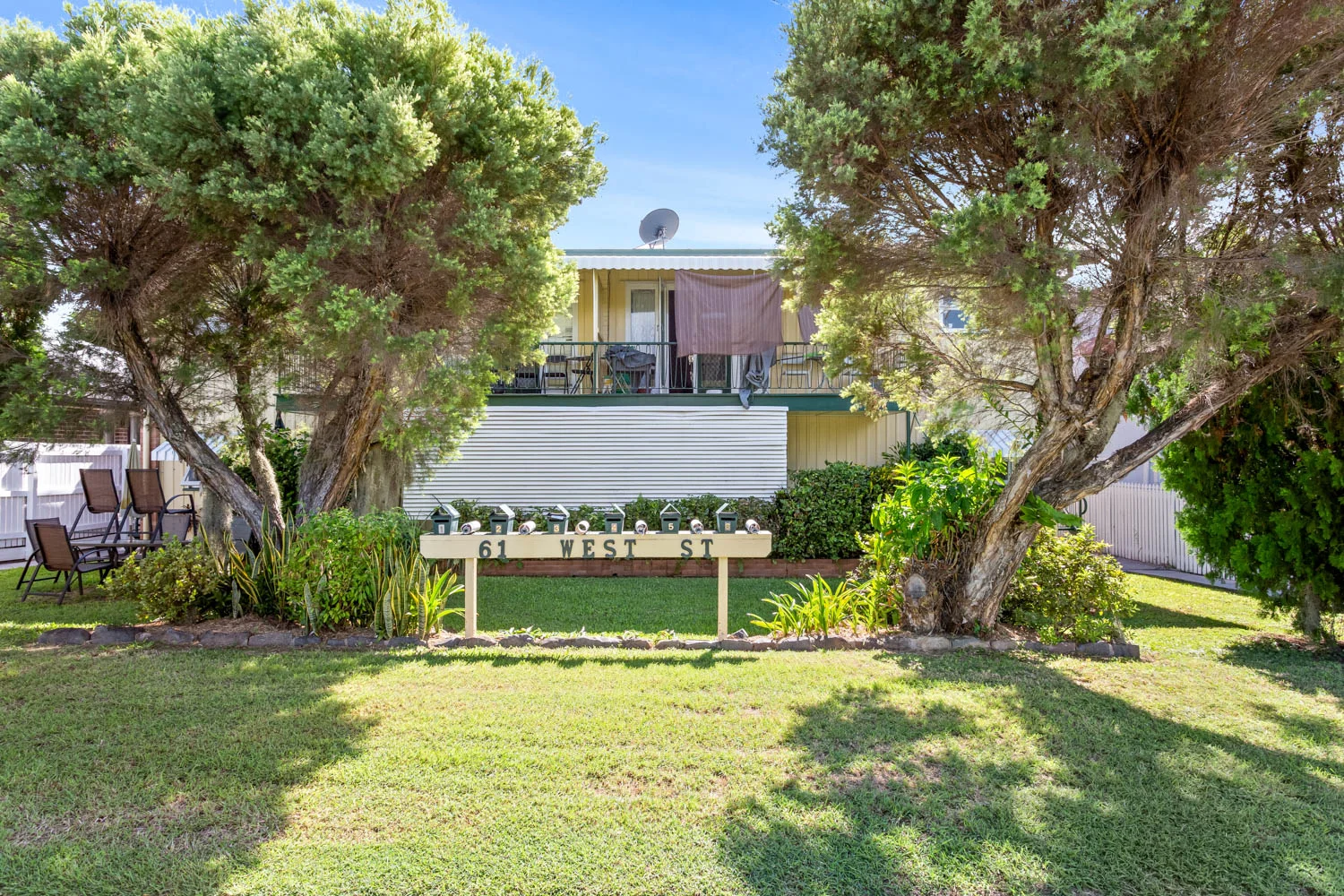 $1,499,000
propertyType.BLOCK OF UNITS
$1,499,000
propertyType.BLOCK OF UNITS
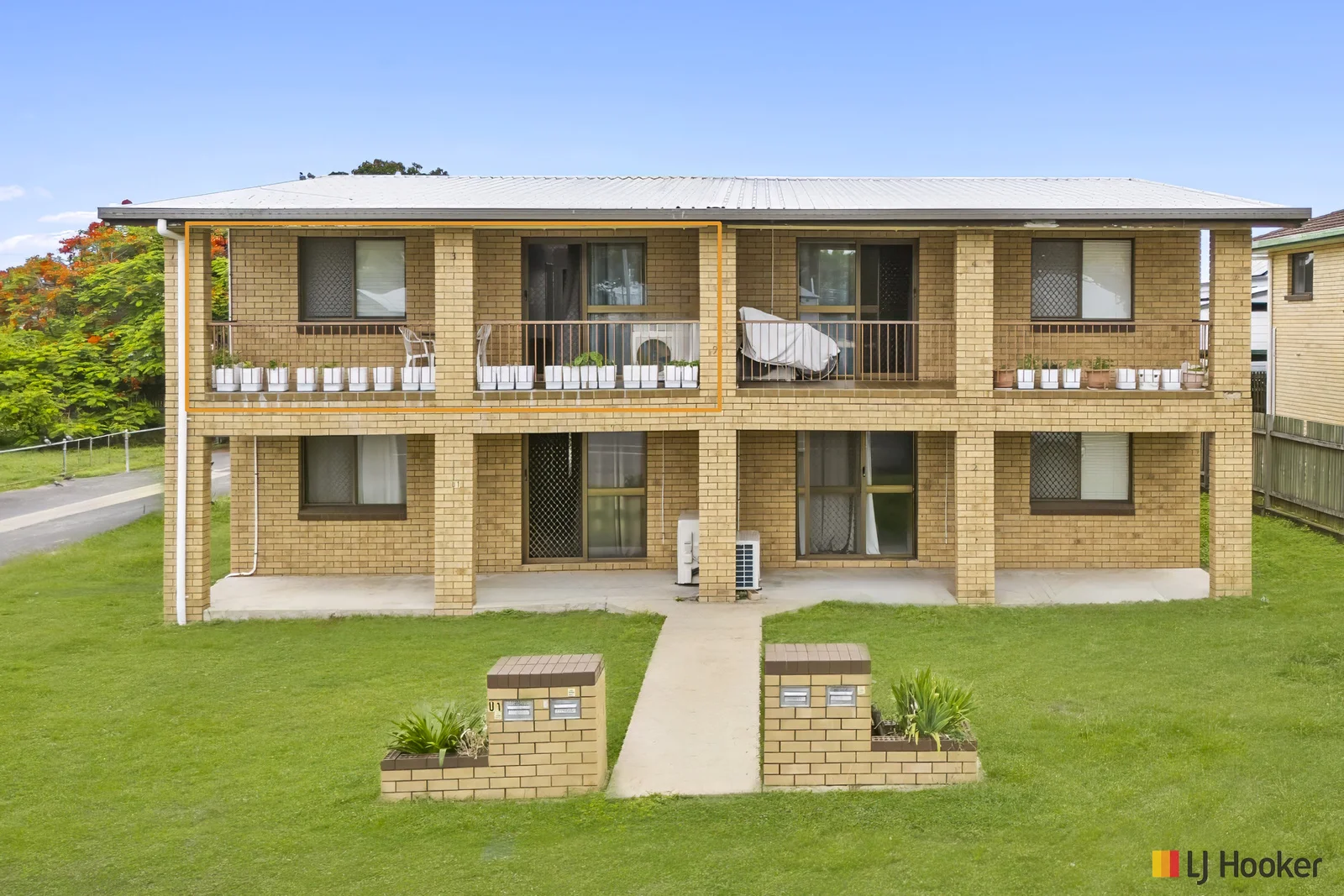 $280,250
House
$280,250
House
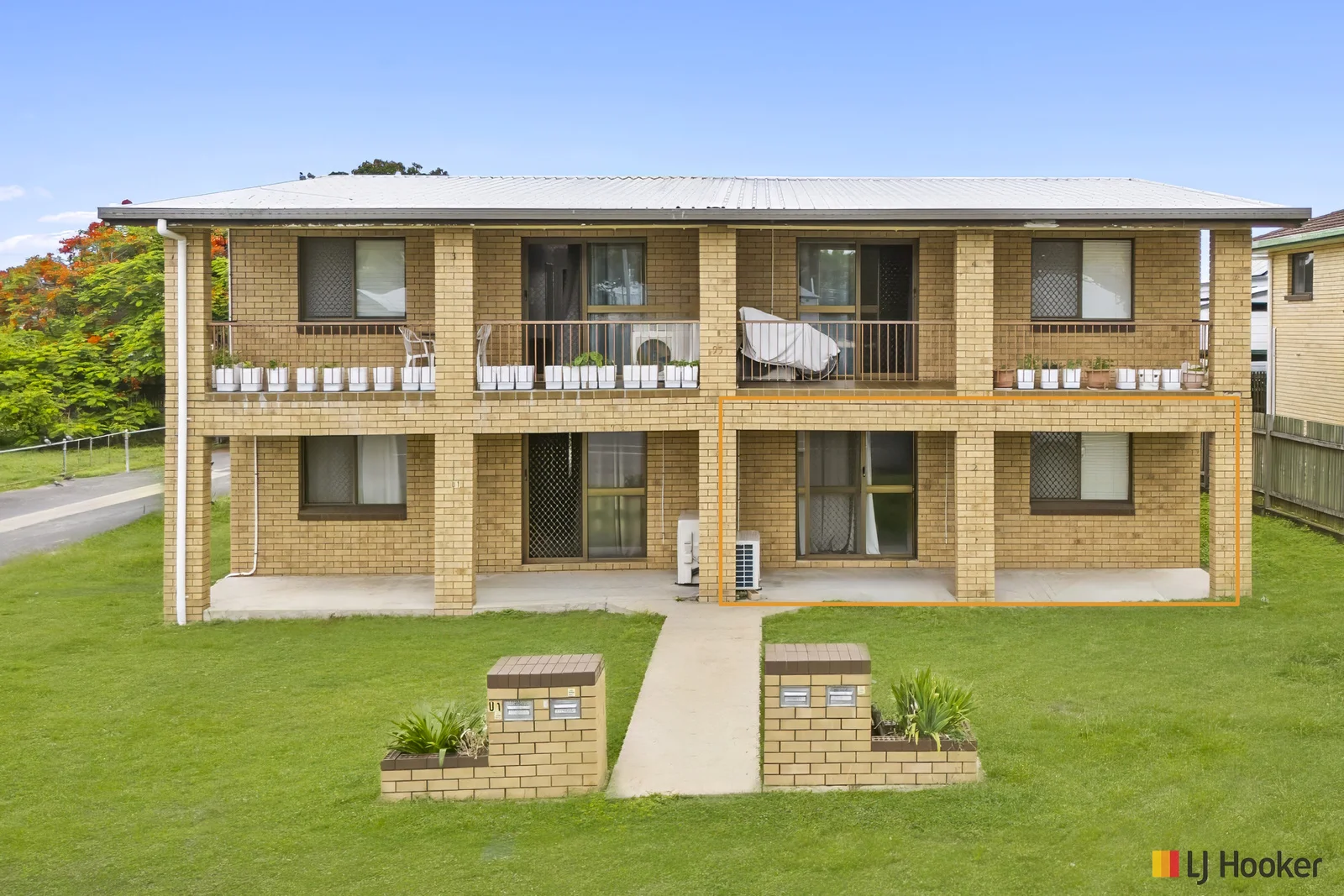 $280,250
Apartment / Unit / Flat
$280,250
Apartment / Unit / Flat
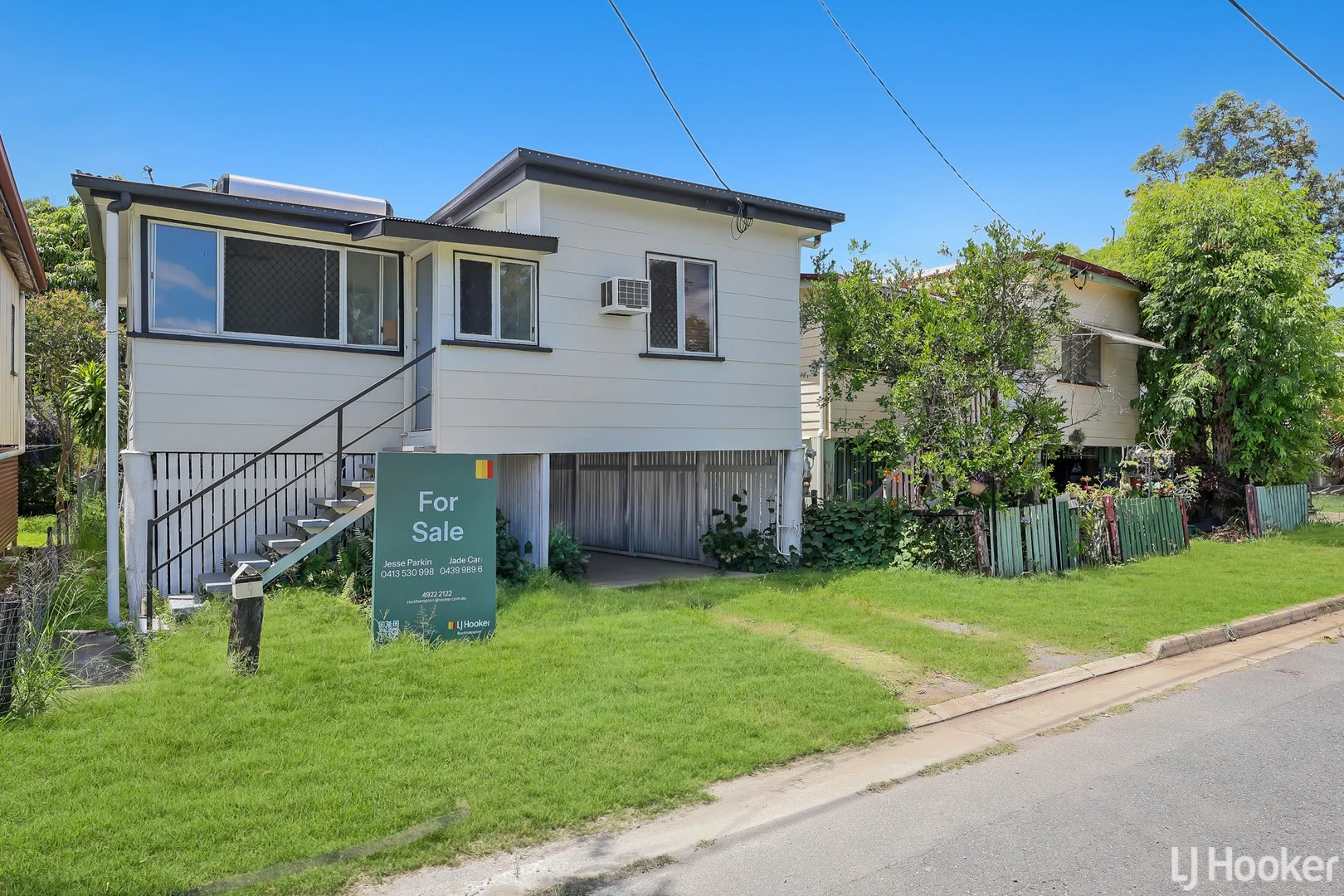 $274,550
House
$274,550
House
 $612,750
House
$612,750
House
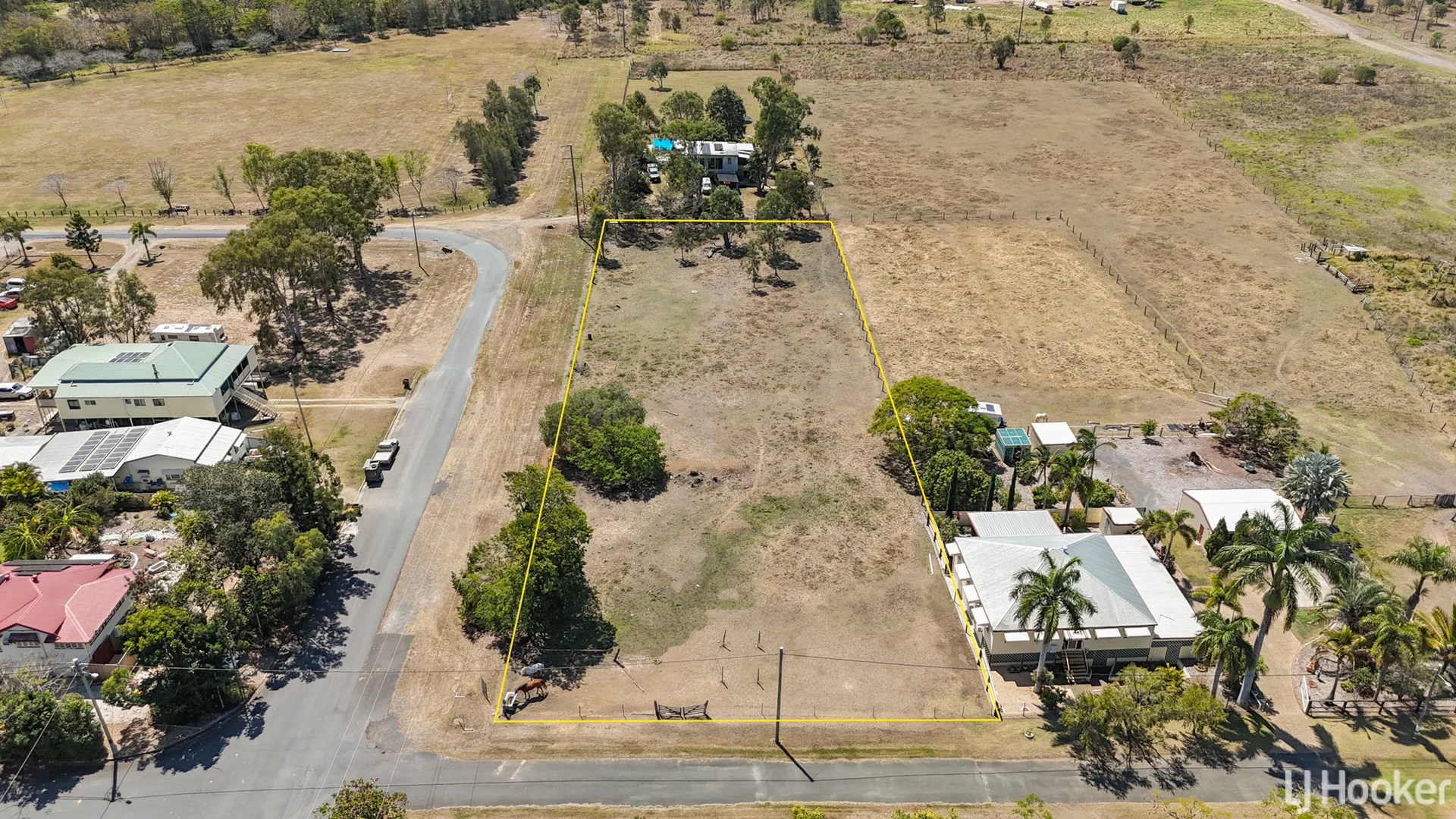 $139,000
Vacant Land
$139,000
Vacant Land