Overview
## Overview
Birmingham Primary School is a public (government) primary school servicing families in Mt Evelyn and the surrounding area. The school focuses on fostering a welcoming, inclusive community where students are supported to grow across academic, social and personal development.
With a medium-sized student body and small to moderate class groupings, Birmingham Primary emphasizes a nurturing atmosphere that balances strong literacy and numeracy with opportunities in STEM, arts and physical activity. Classrooms aim to be collaborative and student-centered, helping children feel valued and motivated to learn.
---
## Academics & Learning
- Academic strengths: English and mathematics are core priorities, with a growing emphasis on STEM, digital literacy and creative thinking embedded across the curriculum.
- Special programs: Enrichment and extension opportunities sit within the regular program, with targeted literacy/numeracy support and access to creative and coding activities. The school supports differentiation to meet diverse learning needs and can offer additional support for students requiring extra challenge or assistance.
- NAPLAN trends: Public school data typically shows progression over time with performance around state averages in key strands; individual school trends are best reviewed in the annual school report.
- Student-teacher ratios: Typical primary-class environments aim for about 20–25 students per class, with teacher aides supporting targeted groups to maintain effective student engagement.
- Support for diverse learners: EAL (English as an Additional Language) support and learning support staff are available to assist diverse learners, including targeted interventions and inclusive teaching strategies.
---
## Sports & Extracurricular Strengths
- Sports offered: Regular participation in district-level and school-based programs across ball sports, athletics, cross-country and swimming (where available through the school calendar and local opportunities).
- Strong teams or achievements: Active involvement in inter-school sport and local competitions; emphasis on teamwork, fair play and personal bests.
- Music, arts, drama programs: School ensembles, music groups and drama activities are common, with opportunities to perform in school events and community showcases.
- Clubs: Robotics, coding, chess and debating are typical extracurricular options, along with other student-led clubs and activities aligned to interests.
- Partnerships: Connections with local community clubs, sports associations and regional competitions help extend opportunities beyond the classroom.
---
## Wellbeing & Pastoral Care
- Anti-bullying approach: A clear positive-behaviour framework supports respectful interactions, with proactive strategies to prevent bullying and promote wellbeing.
- House system: A house structure is used to build community, foster belonging, and organise friendly competitions and recognition.
- Counsellors / wellbeing officers: A wellbeing coordinator or school counsellor supports students’ social-emotional needs, with access to additional services as required.
- Transition support for new students: Orientation activities, buddy programs and strong communication with families help new students settle in smoothly.
---
## Facilities
- Sports grounds: Outdoor play spaces and sports fields suitable for a range of activities.
- Libraries: A dedicated library with a loan system and opportunities for reading programs and research.
- Science labs: Practical science activities supported by classroom resources and age-appropriate experiments.
- Music/performing arts centers: Space for music tuition, rehearsals and small performances.
- Tech/innovation labs: Access to digital devices and age-appropriate technology learning areas.
- Cafeteria: On-site canteen or lunch facilities supporting healthy eating options.
- Updated playgrounds: Modern play spaces designed for active play and social interaction.
---
## School Values & Community Culture
- School values / mission: A commitment to respect, responsibility, resilience and inclusion, with a focus on student voice and growth.
- Leadership style: Collaborative and participatory, encouraging student leadership opportunities and family involvement.
- Behaviour expectations: Clear codes of conduct based on respect and responsibility, reinforced through positive reinforcement and consistent routines.
- Community reputation: A welcoming, family-friendly culture with active engagement from parents and local community groups.
- Diversity & inclusion: A culture that celebrates diversity and strives to ensure all students feel included and supported.
---
## School Logistics & Daily Operations
- School hours: Typically around 9:00 am–3:30 pm, with after-school activities scheduled on certain days.
- Before/after school care: An OSHC or similar program may be available for before and after school care.
- Uniform requirements: School uniform is standard, with guidelines provided by the school.
- Transport (train/bus routes): Bus services and local transport options connect families to surrounding areas; families may need to arrange or use public transport as appropriate.
- Canteen availability: Canteen or lunch facilities are available on certain days, offering healthy meal and snack options.
- Fees (low/medium/high ranges): As a public school, there is no tuition fee; families may contribute via voluntary levies or book packs. Additional costs may apply for activities or excursions.
---
## Enrolment & Admissions
11. What is the enrolment process and timeline?
- Submit an enrolment application through the school or state portal, following the current Department of Education guidelines. You will typically provide proof of age, identity, immunisation status and residency details. Once the application is lodged, the school will confirm availability and provide next steps, including any orientation or information sessions.
12. Is there a waiting list, and how does it work?
- Some year levels may have limited spots, especially in popular catchments. If spaces are not immediately available, a waiting list may be established, and families are notified of their position and expected timelines. Entry from the waiting list is subject to space and departmental processes.
13. Are there any entry requirements, tests, or interviews?
- Primary school enrolments generally do not involve entry exams. Some families or in-area/out-of-area considerations may prompt a brief information-sharing process or discussions to understand readiness and placement. Interviews are not standard for routine enrolment.
14. Does the school accept mid-year transfers?
- Yes, mid-year transfers can be considered if there is space and the necessary documentation is provided. Families transitioning mid-year should contact the school promptly to discuss availability and the transfer process.
---
## Frequently Asked Questions
- Why Parents Choose This School?
- A welcoming community with a focus on student wellbeing, solid literacy and numeracy development, and opportunities in sports, arts and technology.
- What type of student thrives at this school?
- Students who enjoy a collaborative learning environment, value inclusive education, and participate in a range of academic and extracurricular activities.
- What opportunities are available for students to extend their skills (academics, sports, arts)?
- Differentiated learning within classes, enrichment activities, coding/robotics clubs, arts and drama programs, and school-based or local sports opportunities.
- How does the school communicate with parents?
- Regular newsletters, notices, and updates via the school's chosen communications channels; parent-teacher conferences and information nights are common.
- What is the school’s approach to teaching and learning?
- Student-centered, inquiry-based learning within a structured curriculum; emphasis on literacy, numeracy and digital literacy, supported by differentiated instruction.
- How does the school support students who need extra academic help?
- Targeted interventions in literacy and numeracy, small-group support, and access to learning support staff.
- What support is available for academic challenges?
- Access to tutoring or intervention programs, additional in-class support, and collaboration with families to create personalised learning plans.
- How does the school communicate with parents? (Repeated)
- See above: regular updates, parent-teacher meetings, and accessible channels for timely information.
- What are the class sizes and how much individual attention do students receive?
- Class sizes typically around 20–25 students, with teacher aides and targeted supports to provide additional individual attention where needed.
- What extracurricular and sports opportunities are available?
- A range of sports, music and arts programs, and clubs such as robotics, coding, chess and debating, with opportunities to participate in inter-school events.
- What facilities does the school offer (sports, science, arts)?
- Sports grounds, a library, science labs, music/performing arts spaces, tech/innovation labs, a canteen and updated outdoor play areas.
- What is the school’s approach to technology and digital learning?
- Integration of digital literacy across the curriculum, access to devices and age-appropriate technology learning activities.
- What transport and accessibility options are available?
- Local bus routes and public transport connections are available; families should confirm current routes and eligibility with the school or transport provider.
- What are the typical school fees or additional costs?
- Public primary schools do not charge tuition; there may be voluntary contributions, book packs and costs for optional activities or excursions.
---
## Short Pros & Cons list
- Pros
- Public, inclusive environment with supportive staff and a focus on wellbeing.
- Moderate class sizes and opportunities across academics, sports, arts and technology.
- Active student involvement through clubs and house-based activities; strong sense of community.
- Cons
- As a smaller to mid-sized school, offerings may depend on available staffing and funding; some specialist programs may be limited compared to larger schools.
- Mid-year transfers depend on space; waiting lists can apply during peak periods.
- Costs related to excursions, book packs and optional activities may vary by year and program.
If you’d like, I can tailor this content further with any specifics you’ve heard from the school or your own notes to fit your Aroundschools pages.













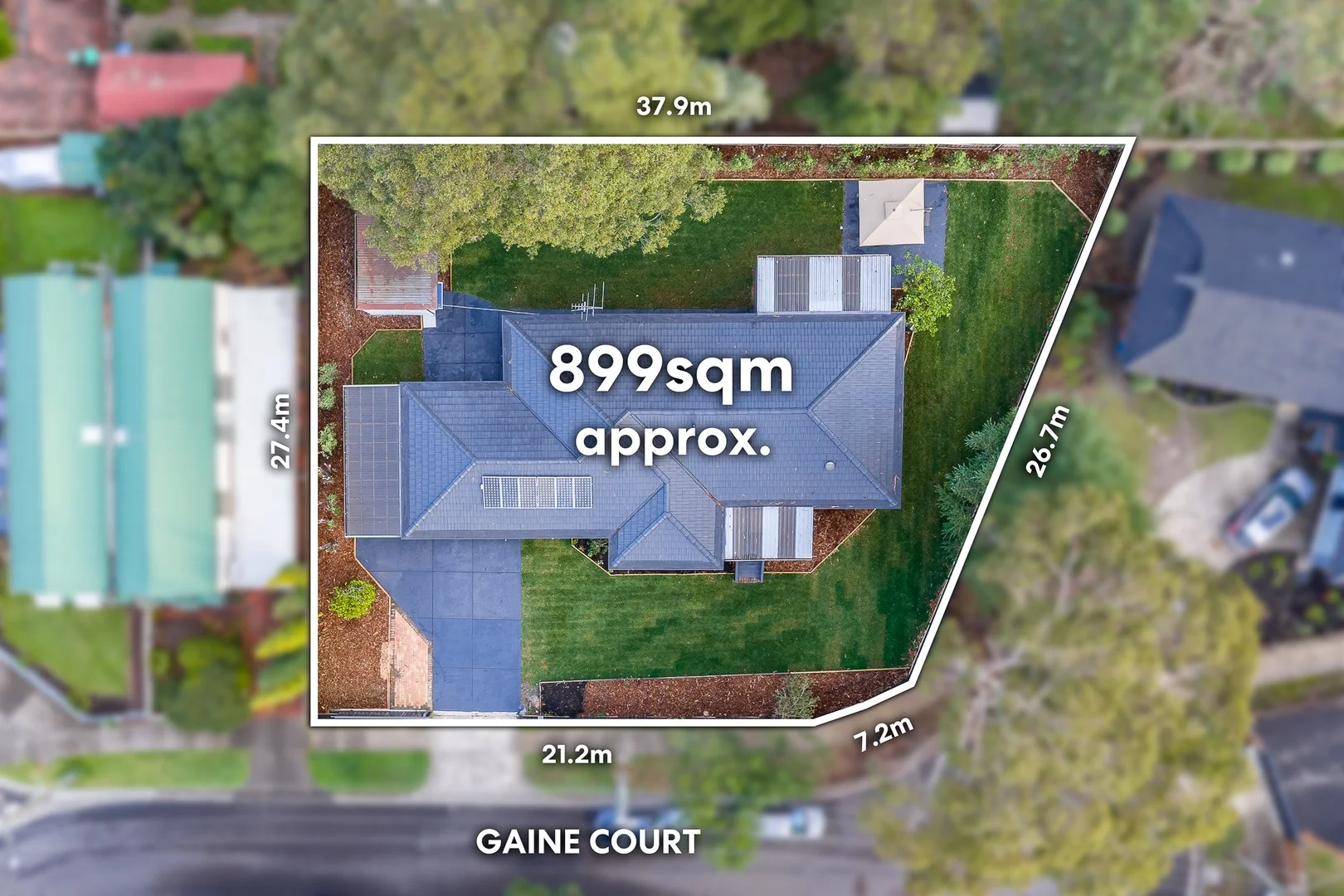 $990,000 - $1,080,000
House
$990,000 - $1,080,000
House
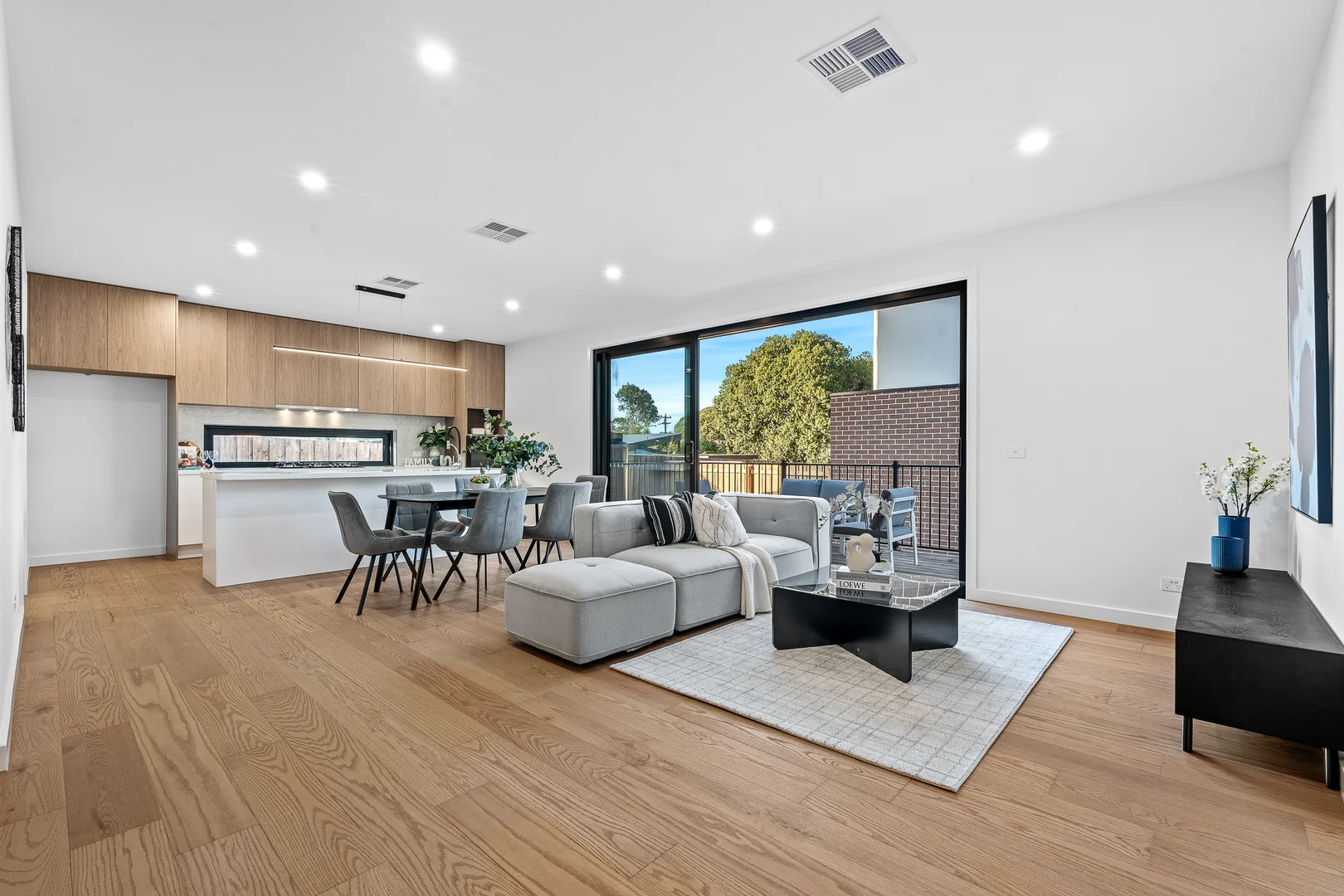 $990,000 - $1,080,000
Townhouse
$990,000 - $1,080,000
Townhouse
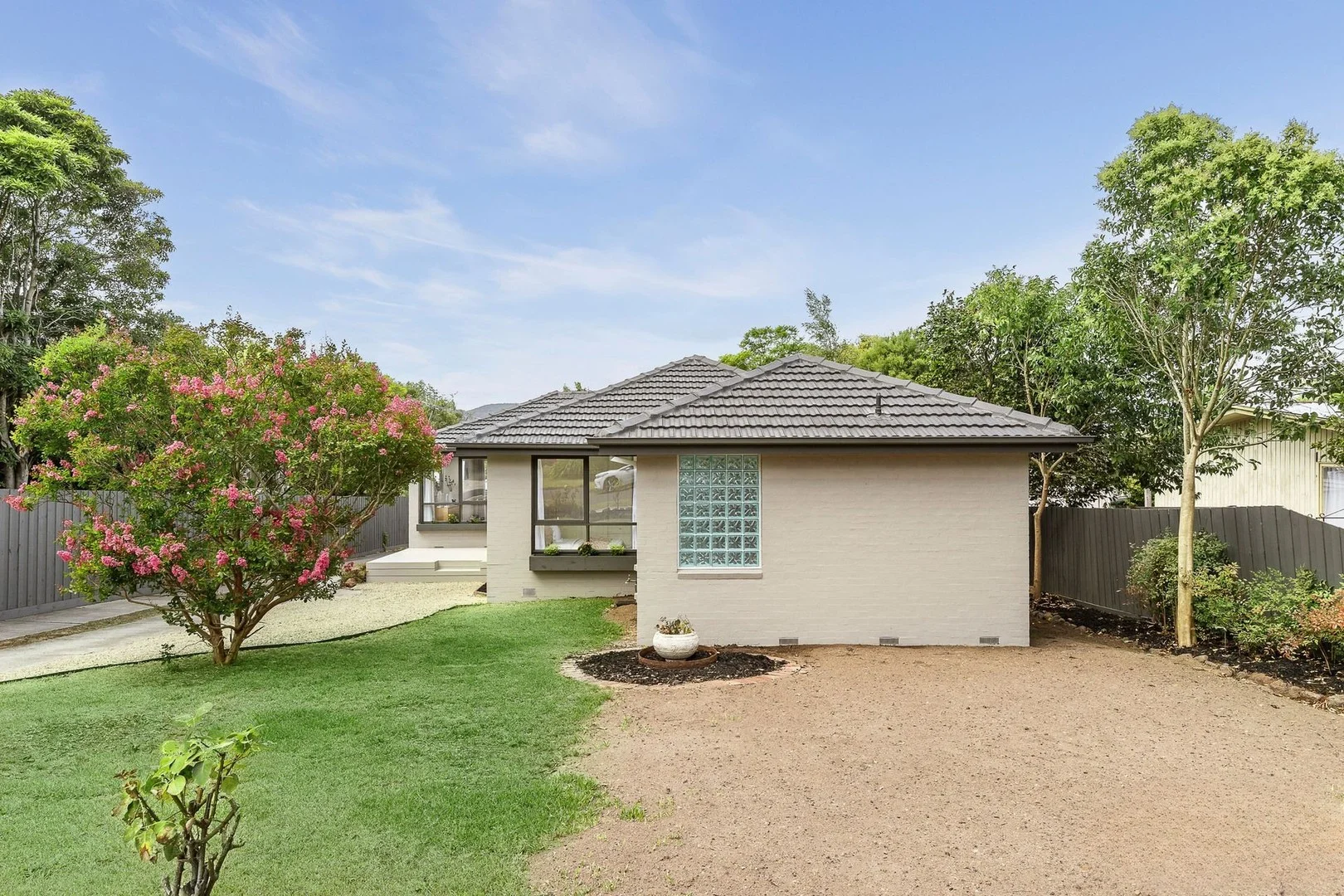 $700
Apartment / Unit / Flat
$700
Apartment / Unit / Flat