## Overview
Blessed Sacrament Catholic Primary School Clifton Gardens is a Catholic primary school that emphasizes faith-based education within a small-to-medium school community. The school aims to provide a nurturing, inclusive environment where students develop academically, spiritually, and socially.
- School type: Catholic private primary
- School size: small to medium
- Class size: approximately 20–25 students per class
- Atmosphere/culture: nurturing, inclusive, faith-informed, community-focused
## Academics & Learning
- Academic strengths: strong literacy and numeracy foundations, with a focus on faith-informed learning, leadership development, and social-emotional growth.
- Special programs: Catholic faith formation integrated with curriculum; opportunities for leadership and positive student initiatives; some ICT/digital learning initiatives; targeted support for gifted and talented students where available.
- NAPLAN / trends: consistent focus on improving reading and numeracy over time, with ongoing monitoring to support student progress.
- Student-teacher ratios: typically low enough to enable individualized attention (roughly around 1:12–1:20, depending on year and class).
- Support for diverse learners: dedicated support for EAL and SEN students via a learning support team; inclusive teaching practices and accommodations as needed.
## Sports & Extracurricular Strengths
- Sports offered: common primary programs include soccer, netball, basketball, and other Canberra/Sydney-area interschool activities; participation in school-wide and inter-school sports events.
- Strong teams or achievements: regular involvement in local Catholic or combined primary sports events; focus on teamwork, sportsmanship, and growth.
- Music, arts, drama programs: active music and performing arts opportunities, including choir or ensembles and school productions.
- Clubs: robotics, coding, chess, debating, environmental clubs, and other STEM or academic-interest groups.
- Partnerships: collaboration with local community sports clubs and archdiocesan activities; participation in inter-school competitions and cultural events.
## Wellbeing & Pastoral Care
- Anti-bullying approach: clear anti-bullying policy with restorative practices and ongoing wellbeing education.
- House system: house groups to foster belonging, healthy competition, and community involvement.
- Counsellors / wellbeing officers: access to school-based wellbeing support; on-site counsellor or wellbeing staff as part of student support.
- Transition support for new students: buddy programs, orientation activities, and targeted transition support to help new students settle in smoothly.
## Facilities
- Sports grounds: multi-purpose play areas and outdoor spaces for physical activity.
- Libraries: well-stocked library with study and reading spaces.
- Science labs: dedicated spaces for hands-on experiments and inquiry.
- Music/performing arts centers: rehearsal and performance spaces for music and drama.
- Tech/innovation labs: computer/STEM labs and maker spaces for coding and exploration.
- Cafeteria: on-site canteen or lunch provision with student meal options.
- Updated playgrounds: modern, safe playground equipment and outdoor learning spaces.
## School Values & Community Culture
- School values / mission: faith-based education emphasizing values such as respect, responsibility, compassion, and service.
- Leadership style: collaborative leadership with opportunities for student voice and leadership roles.
- Behaviour expectations: clear code of conduct and positive behaviour framework; emphasis on respect, integrity, and responsibility.
- Community reputation: welcoming, supportive school community with active parent involvement.
- Diversity & inclusion: committed to inclusive education, supporting students from diverse backgrounds and with varying needs.
## School Logistics & Daily Operations
- School hours: typical primary day with start and finish times aligned to NSW school schedules; after-hours care options often available.
- Before/after school care: available through on-site or partner programs.
- Uniform requirements: standard school uniform with seasonal adjustments; guidelines for dress and grooming.
- Transport (train/bus routes): accessible by public transport with nearby bus/train options; convenient car drop-off/pick-up zones.
- Canteen availability: canteen or lunch-order system available.
- Fees (low/medium/high ranges): moderate fees typical for a Catholic private primary; additional costs may apply for excursions, activities, and book lists.
## Enrolment & Admissions
11. What is the enrolment process and timeline?
- Applications are typically submitted via the school’s enrolment process; timelines vary by intake year and space available. Expect an application period, documentation, and an offer if a place is available.
12. Is there a waiting list, and how does it work?
- Waiting lists are common when spaces are limited. Placement on the list is usually based on priority criteria (e.g., Catholic family affiliation, date of application) and space availability. Offers proceed when a place frees up.
13. Are there any entry requirements, tests, or interviews?
- Entry requirements may include confirmation of Catholic affiliation (where applicable), basic documentation, and sometimes an informal interview or meeting with families to understand fit with the school’s values and environment. Some schools may assess suitability for enrolment through an informal conversation rather than formal testing.
14. Does the school accept mid-year transfers?
- Mid-year transfers can be possible if there is space, subject to discussion with the principal and availability of a suitable class placement. Parents are typically required to provide the student’s records and attend a meeting as part of the transfer process.
## Frequently Ask Questions
- Why Parents Choose This School?
- A faith-based, nurturing community with a focus on strong literacy and numeracy, values education, and inclusive support for diverse learners.
- What type of student thrives at this school?
- Motivated, community-minded students who value faith, service, and collaboration; learners who benefit from small-class attention and a supportive pastoral environment.
- What opportunities are available for students to extend their skills (academics, sports, arts)?
- Access to leadership opportunities, clubs (robotics, coding, chess, debating), sports teams, music and drama programs, and enrichment activities.
- How does the school communicate with parents?
- Regular newsletters, emails, a school app or portal for announcements, parent-teacher meetings, and annual reports.
- What is the school’s approach to teaching and learning?
- Differentiated instruction within a faith-based curriculum; emphasis on literacy and numeracy foundations, hands-on learning, and the integration of technology.
- How does the school support students who need extra academic help?
- Learning support teams, targeted interventions, EAL support, and accommodations as required to help students progress.
- What support is available for academic challenges?
- Additional tutoring or targeted programs, progress monitoring, and collaboration with families to plan appropriate supports.
- How does the school communicate with parents?
- See above: newsletters, digital platforms, meetings, and regular updates from teachers.
- What are the class sizes and how much individual attention do students receive?
- Class sizes are small-to-medium (around 20–25 students per class), enabling frequent teacher interaction and personalized feedback.
- What extracurricular and sports opportunities are available?
- Sports (soccer, netball, basketball, etc.), music and drama programs, and clubs such as robotics, coding, chess, and debating.
- What facilities does the school offer (sports, science, arts)?
- Sports grounds, library, science labs, music/performing arts spaces, tech/innovation labs, canteen, and updated playgrounds.
- What is the school’s approach to technology and digital learning?
- Integration of ICT and digital learning tools in daily teaching; access to computer labs and age-appropriate technology opportunities.
- What transport and accessibility options are available?
- Proximity to public transport and convenient drop-off/pick-up arrangements; accessible facilities and car-parking options.
- What are the typical school fees or additional costs?
- Fees are in the moderate range for Catholic private primary schools; additional costs may include excursions, activity charges, and book lists.
## Short Pros & Cons list
- Pros
- Faith-based education within a nurturing, inclusive community
- Small-to-medium class sizes enabling individualized attention
- Strong emphasis on literacy, numeracy, and values education
- Broad extracurricular options (sports, arts, clubs)
- Support for diverse learners (EAL, SEN) and pastoral care
- Access to modern facilities (labs, library, performing arts spaces)
- Cons
- As a private Catholic school, tuition is required
- Limited space can mean waiting lists or selective admissions
- Some programs may have participation costs beyond basic fees
- Availability of mid-year transfers depends on space and arrangement
- Specific program offerings may vary year to year and depend on staffing










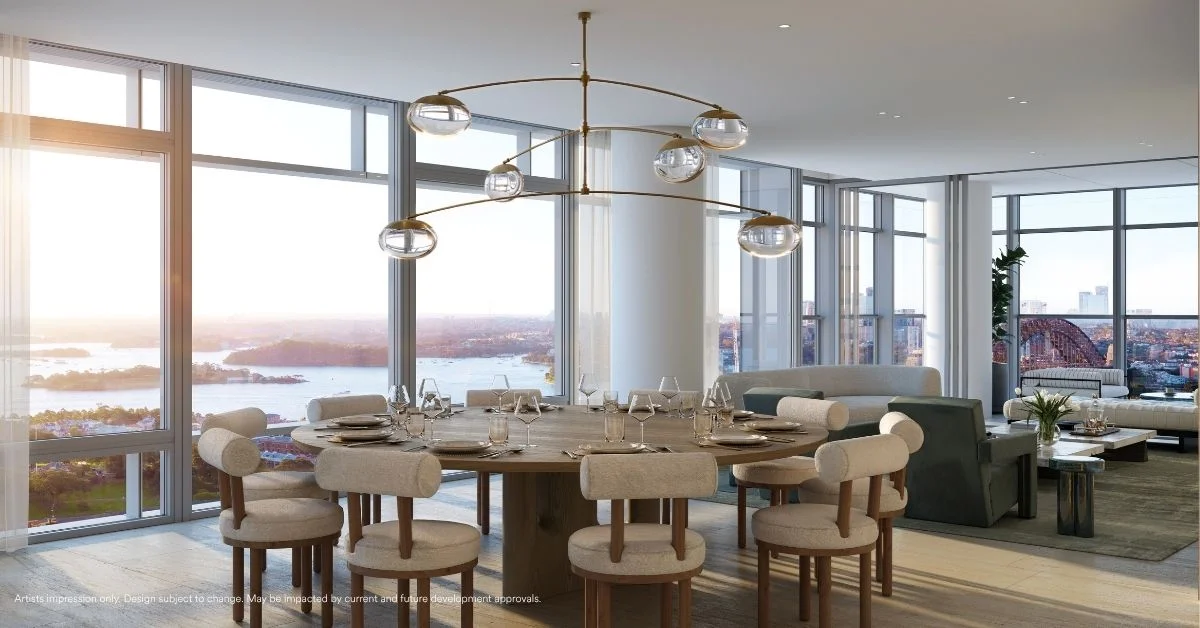 $26,550,000
propertyType.NEW APARTMENTS / OFF THE PLAN
$26,550,000
propertyType.NEW APARTMENTS / OFF THE PLAN
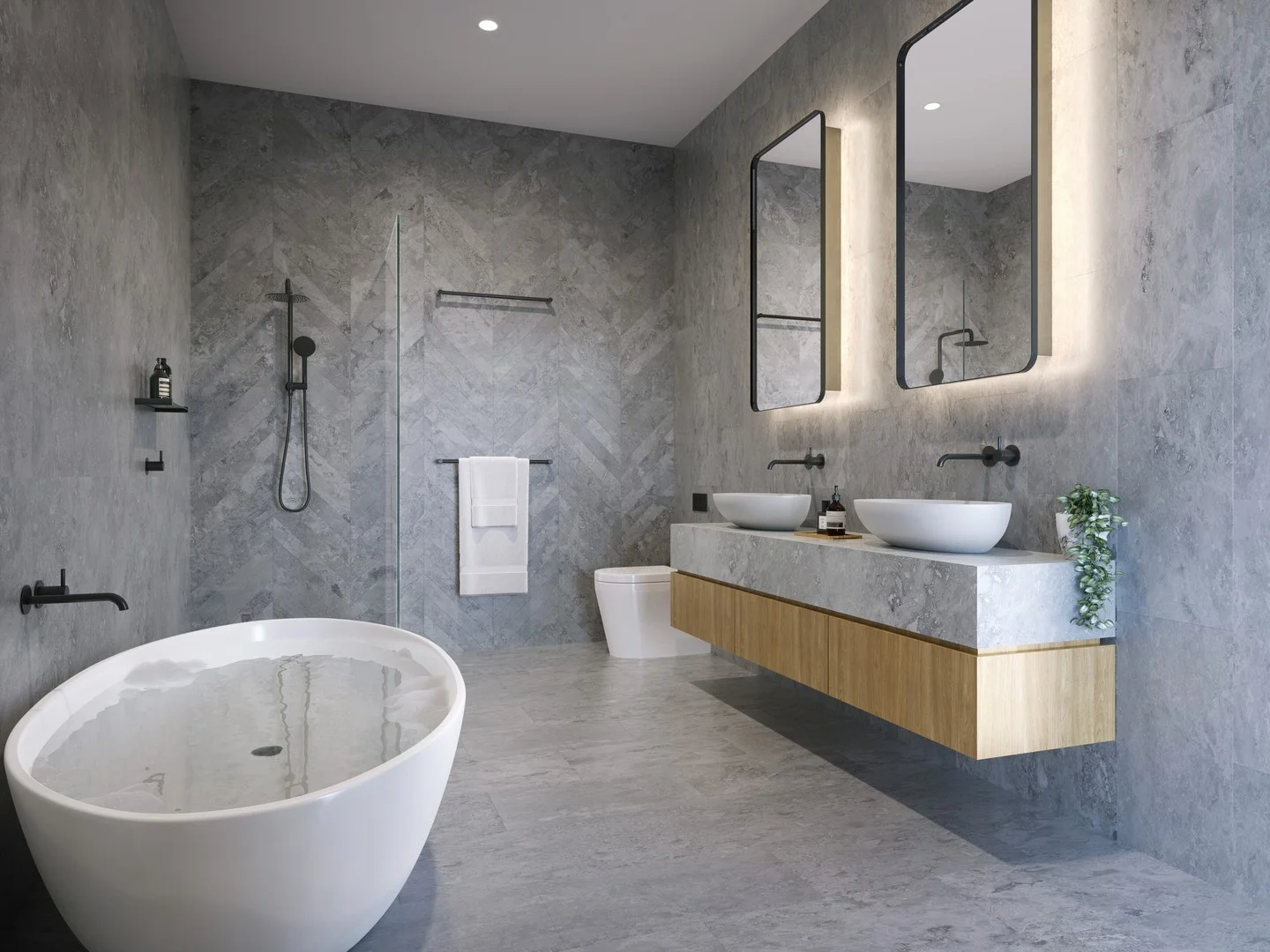 $2,824,000
Apartment / Unit / Flat
$2,824,000
Apartment / Unit / Flat
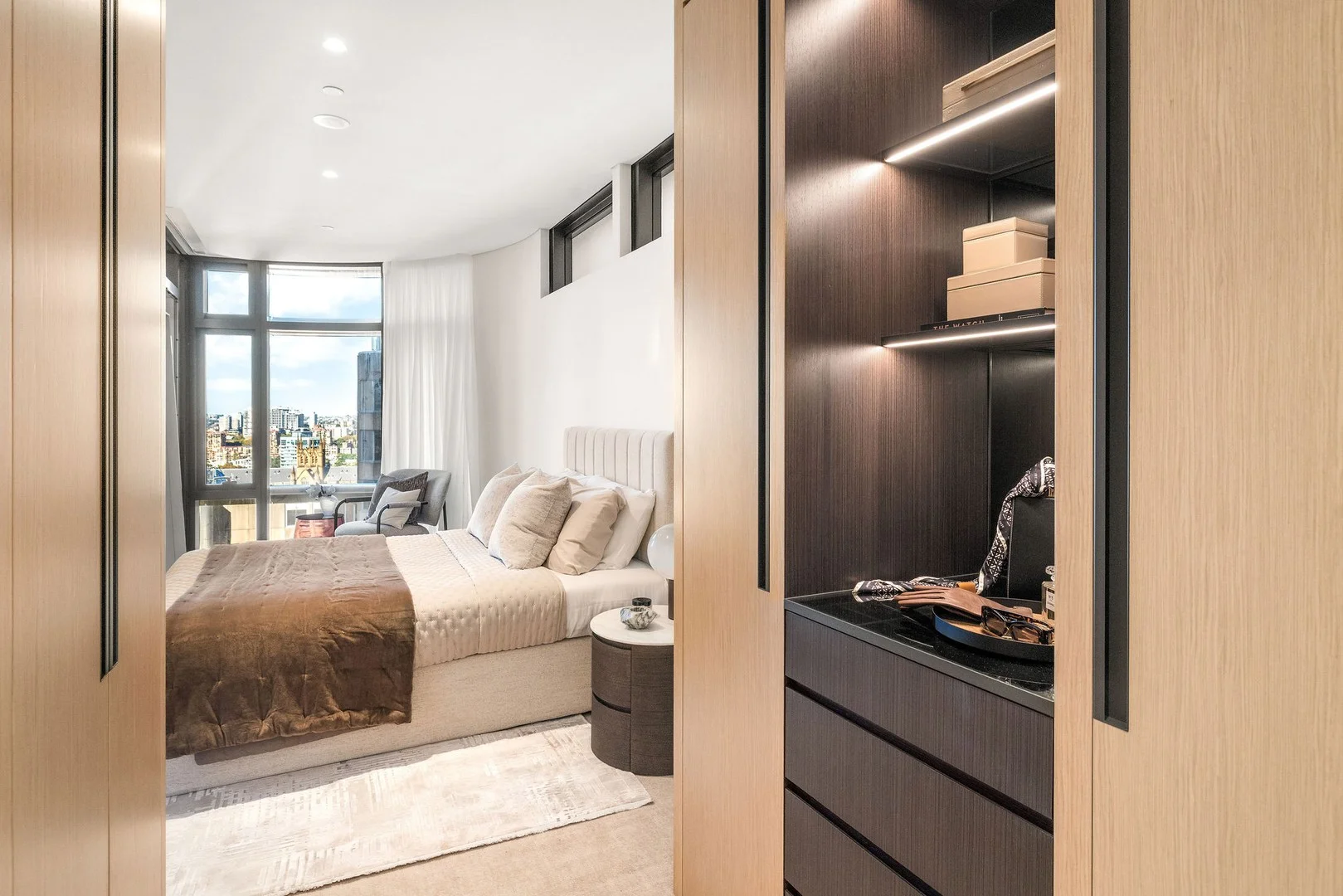 $2,745,000
propertyType.NEW APARTMENTS / OFF THE PLAN
$2,745,000
propertyType.NEW APARTMENTS / OFF THE PLAN
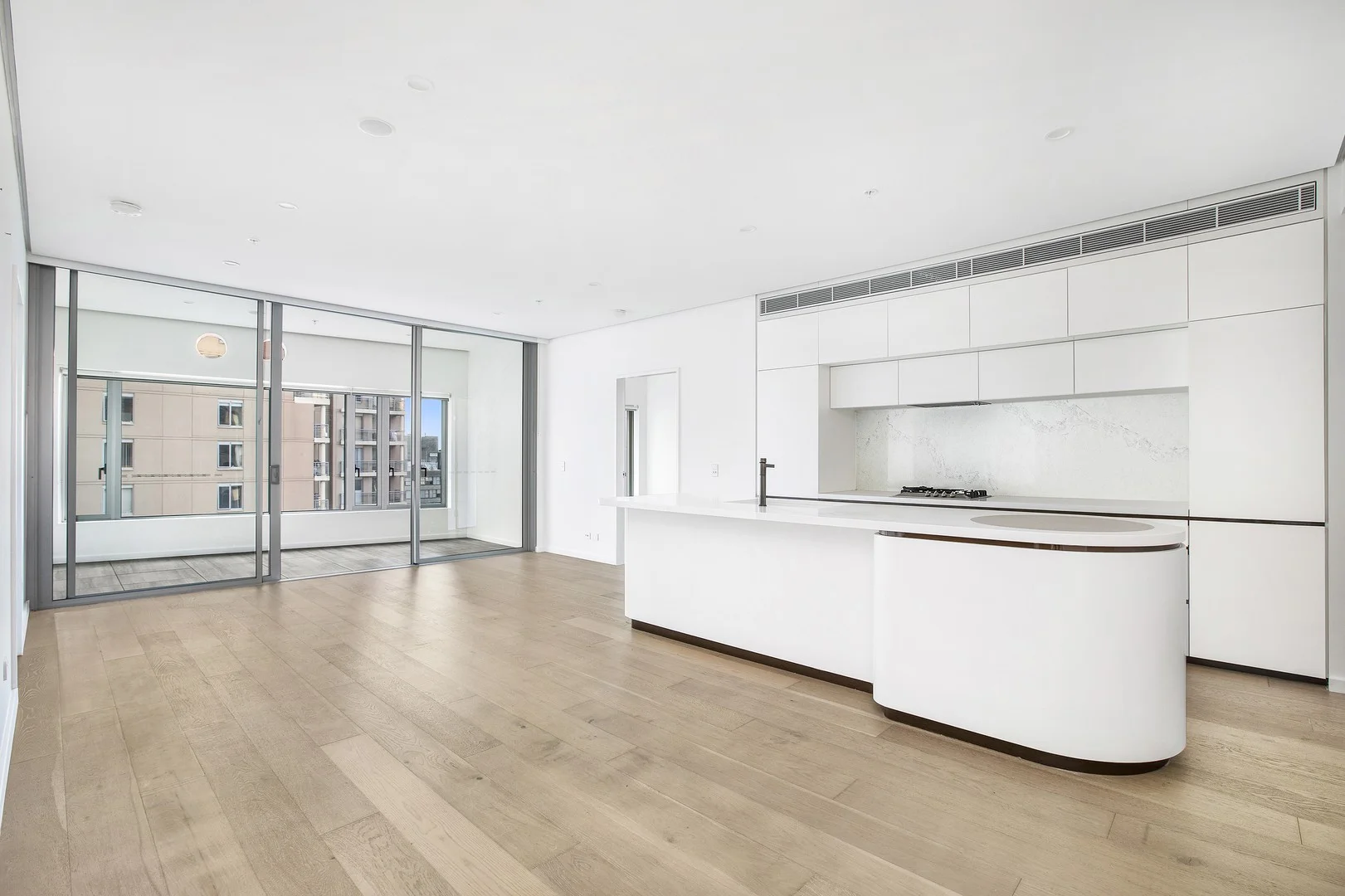 $2,250,000
Apartment / Unit / Flat
$2,250,000
Apartment / Unit / Flat
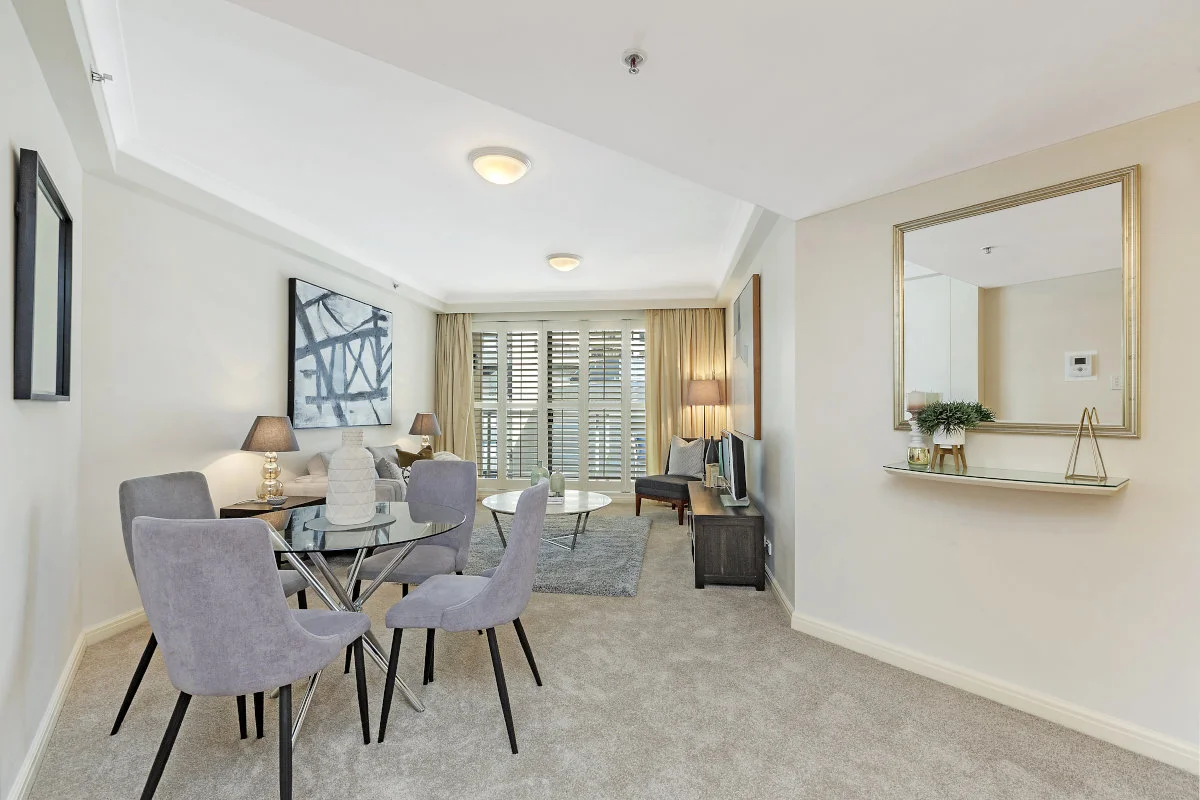 $660,000 - $725,000
Apartment / Unit / Flat
$660,000 - $725,000
Apartment / Unit / Flat
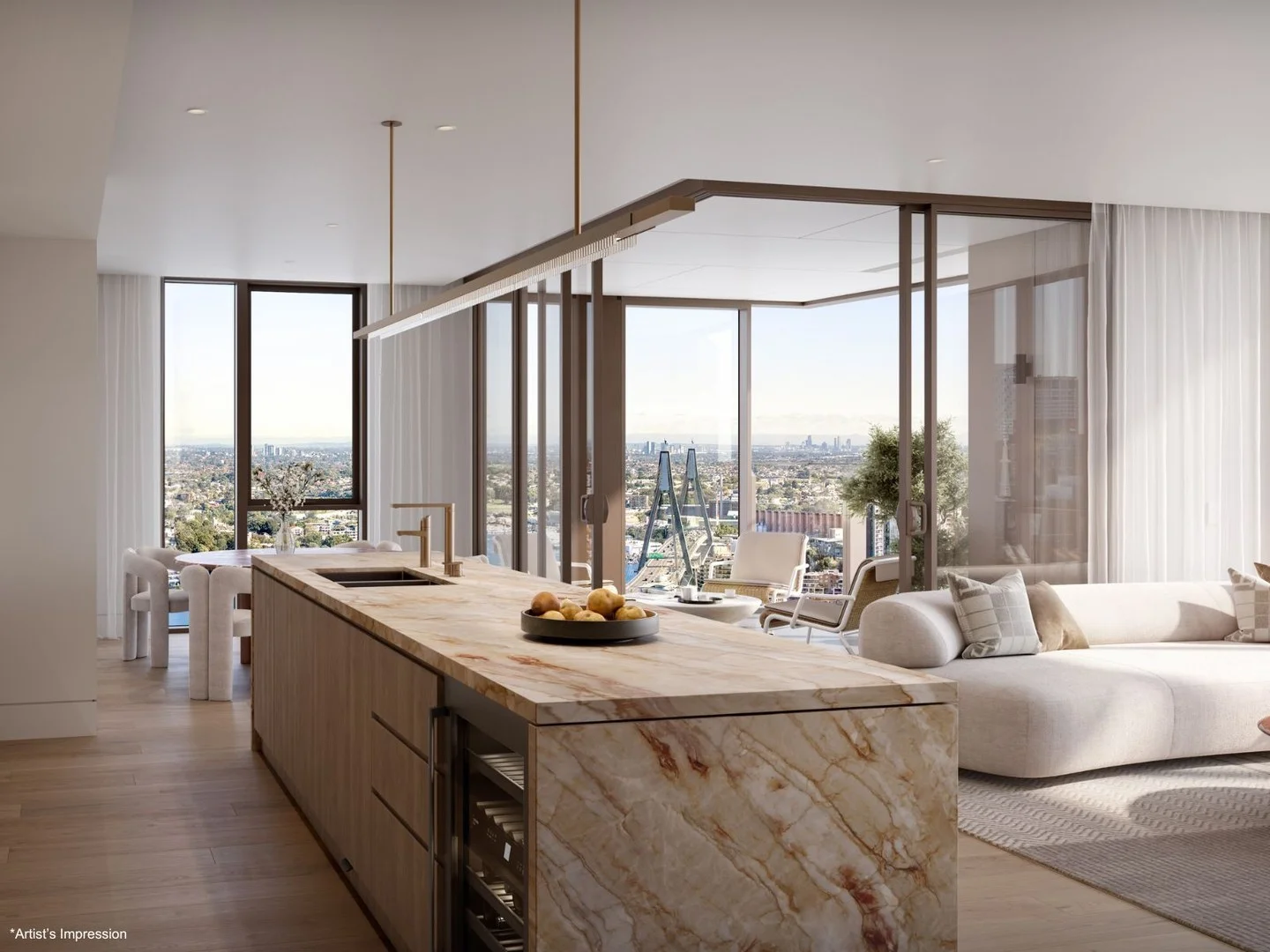 $9,020,000
propertyType.NEW APARTMENTS / OFF THE PLAN
$9,020,000
propertyType.NEW APARTMENTS / OFF THE PLAN
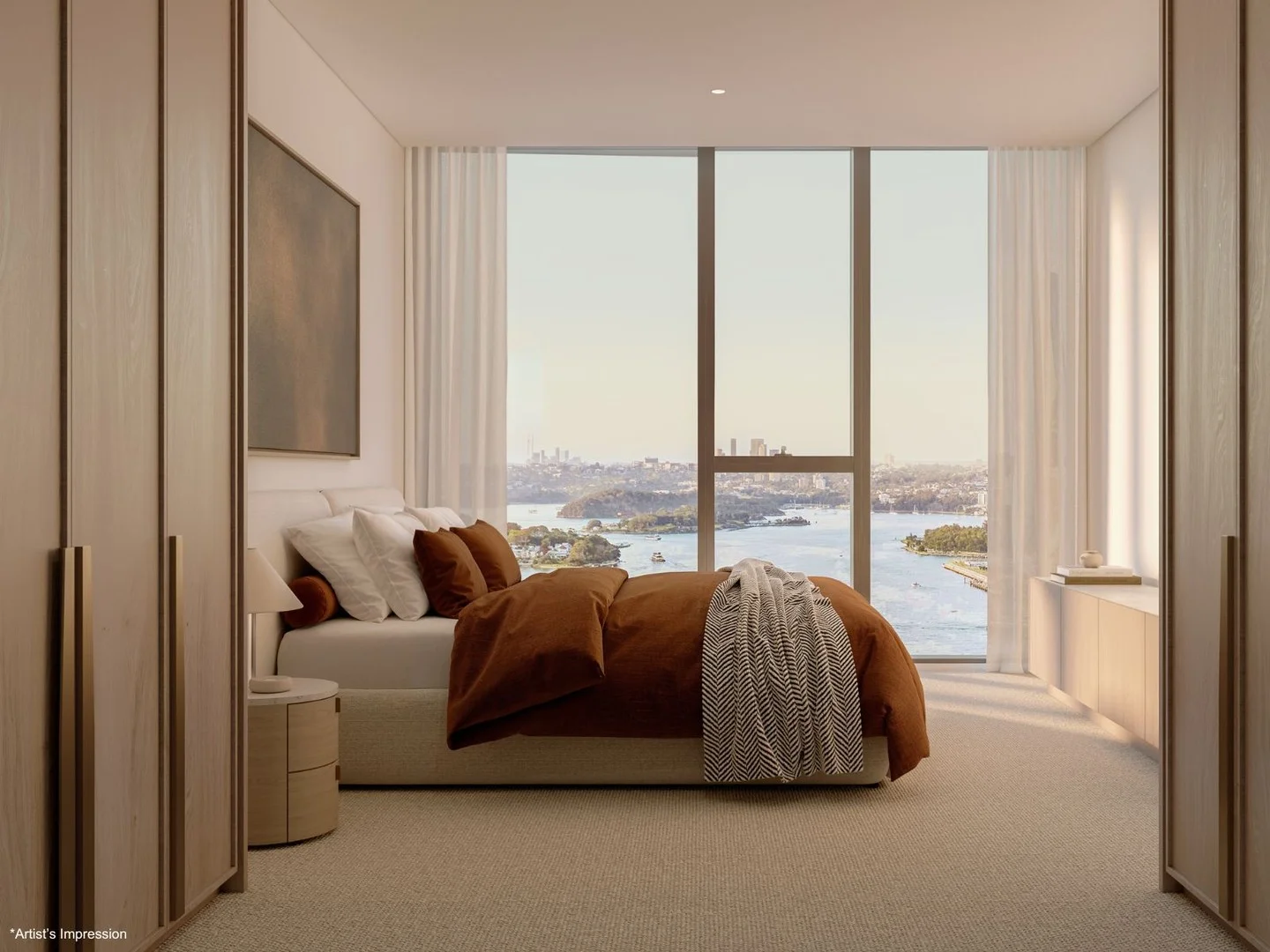 $8,630,000
propertyType.NEW APARTMENTS / OFF THE PLAN
$8,630,000
propertyType.NEW APARTMENTS / OFF THE PLAN
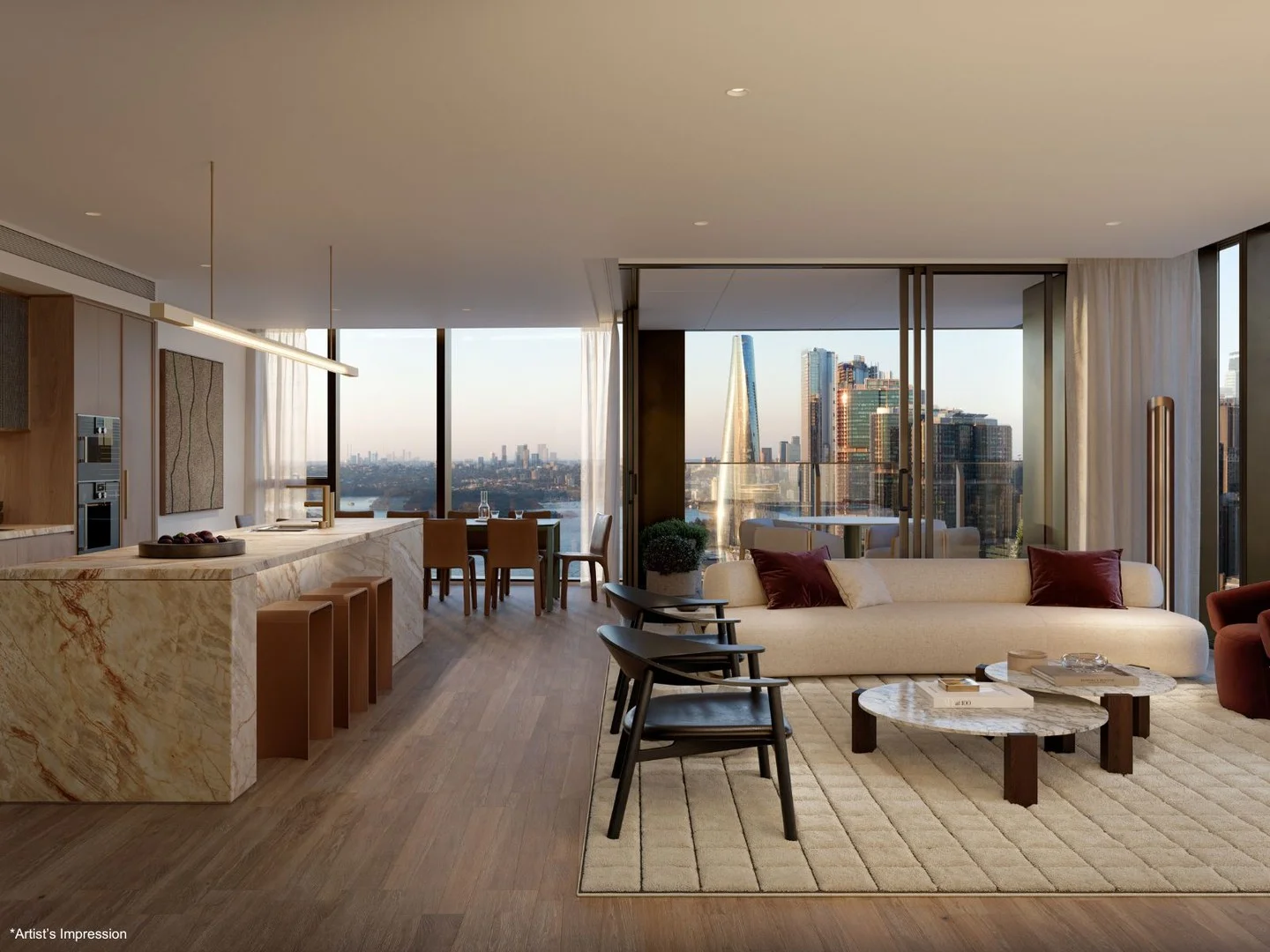 $12,980,000
propertyType.NEW APARTMENTS / OFF THE PLAN
$12,980,000
propertyType.NEW APARTMENTS / OFF THE PLAN
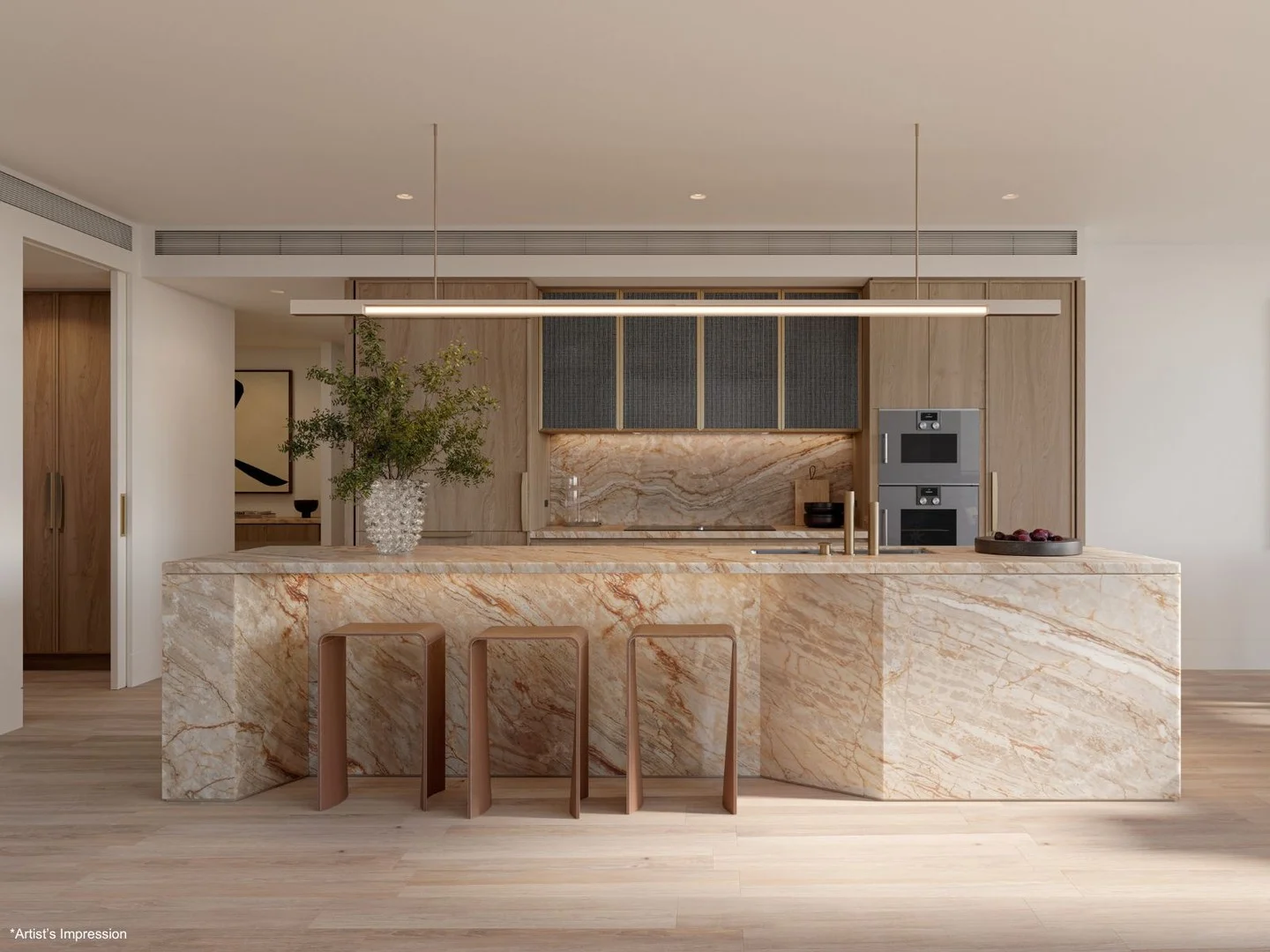 $6,225,000
propertyType.NEW APARTMENTS / OFF THE PLAN
$6,225,000
propertyType.NEW APARTMENTS / OFF THE PLAN


