1. Overview
Mosman Church of England Prep School is an independent Anglican primary school in Mosman, NSW, offering a small, close-knit learning community for boys and girls from early years through to Year 6. The school emphasises values-based education in a supportive environment, balancing strong academics with character development and wellbeing. Class sizes are designed to be manageable, supporting personalised attention and meaningful teacher–student relationships.
The atmosphere is nurturing and inclusive, with a culture that values respect, collaboration, and high expectations. As a private preparatory school, it aims to prepare students for the next stage of their education while fostering curiosity, resilience, and a sense of community.
⸻
2. Academics & Learning
• Academic strengths: solid literacy and numeracy foundations, with emphasis on critical thinking, problem-solving, and communication.
• Special programs: opportunities for leadership development and targeted learning experiences; gifted and talented pathways may be available within the school's framework.
• NAPLAN / trends: trends typically show steady progress in reading, writing, and numeracy over time, reflecting ongoing improvement and support for all learners.
• Student-teacher ratios: small class sizes designed to maximise individual attention and tailored feedback.
• Support for diverse learners: inclusive approaches with support for EAL and SEN learners, focusing on accessibility and customised learning plans.
⸻
3. Sports & Extracurricular Strengths
• Sports offered: a range of team and individual sports appropriate for primary students (e.g., soccer, cricket, rugby or rugby league variants, netball, swimming, athletics).
• Strong teams or achievements: consistent development of school-level teams with opportunities to compete in local inter-school events and showcases.
• Music, arts, drama: active music and performing arts programs supporting vocal and instrumental learning, drama productions, and public performance.
• Clubs: robotics, coding, chess, debating, and other enrichment clubs to extend skills beyond the core curriculum.
• Partnerships: collaboration with local sport and arts clubs or regional competitions to broaden opportunities for students.
⸻
4. Wellbeing & Pastoral Care
• Anti-bullying approach: proactive programs and clear safeguarding policies to promote respectful behaviour and a safe school climate.
• House system: a houses framework to foster belonging, friendly competition, and teamwork across year levels.
• Counsellors / wellbeing officers: access to school-based wellbeing support and guidance for students and families.
• Transition support: structured programs to help new students adjust, including orientation activities and peer mentoring.
⸻
5. Facilities
• Sports grounds: on-site outdoor spaces suitable for physical education and sport.
• Libraries: age-appropriate library facilities supporting reading and research.
• Science labs: dedicated spaces for hands-on science exploration and experiments.
• Music/performing arts centers: spaces for music lessons, ensembles, and drama activities.
• Tech/innovation labs: classrooms or spaces equipped for coding, ICT and STEM projects.
• Cafeteria: dining facilities that support healthy meals and snacks.
• Updated playgrounds: modern, safe play areas with age-appropriate equipment.
⸻
6. School Values & Community Culture
• School values / mission: values-driven education emphasising respect, integrity, responsibility, and community.
• Leadership style: collaborative leadership with input from staff, students, and families where appropriate.
• Behaviour expectations: clear codes of conduct aligned with the school’s values, promoting courtesy, effort, and accountability.
• Community reputation: perceived as a welcoming, family-oriented school with a strong sense of tradition and community involvement.
• Diversity & inclusion: commitment to an inclusive environment that respects individual differences and supports all learners.
⸻
7. School Logistics & Daily Operations
• School hours: typical day starts in the morning with a finish in the mid-afternoon; specific times vary by year level.
• Before/after school care: options usually available to extend care beyond regular hours.
• Uniform requirements: standard uniform policy with distinctions by year level; needs to be worn during school hours and for official events.
• Transport: local transport options (bus routes or public transport links) to support commuter families.
• Canteen availability: canteen or lunch provisions available on school days.
• Fees: indicative of a mid-to-high range for private primary education, with information typically published by the school’s admissions team.
⸻
8. Enrolment & Admissions
11. What is the enrolment process and timeline?
- Initial expression of interest, followed by an application form, submission of requested documents, and an interview or meeting with key staff. The school may outline a timeline for applications, assessments (if applicable), and notification of decisions.
12. Is there a waiting list, and how does it work?
- Some years may have waiting lists. The school typically manages the list by date of application, with factors such as year level vacancies and sibling considerations affecting placement.
13. Are there any entry requirements, tests, or interviews?
- Entry may involve an age-appropriate assessment or discussion with staff to understand learning needs, alongside standard eligibility checks and family interviews to ensure fit with the school’s values and programs.
14. Does the school accept mid-year transfers?
- Mid-year transfers may be possible depending on vacancy and alignment with the curriculum, with a process to assess prior learning and ensure a smooth transition for the student.
⸻
9. Frequently Asked Questions
• Why Parents Choose This School?
- A values-based, nurturing environment with small class sizes and personalised attention, strong pastoral care, and a well-rounded curriculum that balances academics with character development.
• What type of student thrives at this school?
- Students who respond well to a close-knit community, a supportive learning culture, and opportunities to participate in a broad range of academic, artistic, and extracurricular activities.
• What opportunities are available for students to extend their skills (academics, sports, arts)?
- Enrichment programs, leadership opportunities, clubs (robotics, coding, chess, debating), music and drama, and sport pathways that encourage higher levels of achievement.
• How does the school communicate with parents?
- Regular updates through newsletters, formal meetings, parent portals, and open days or information evenings; timely communication about student progress and school events.
• What is the school’s approach to teaching and learning?
- A student-centered approach that emphasises engagement, critical thinking, collaboration, and applying knowledge across contexts, with support for diverse learning needs.
• How does the school support students who need extra academic help?
- Targeted interventions, small-group or one-on-one support, and monitoring of progress to tailor assistance to individual requirements.
• What support is available for academic challenges?
- Structured academic support plans, access to learning support staff, and coordination with families to address challenges early.
• What are the class sizes and how much individual attention do students receive?
- Class sizes are small to medium, designed to maximise teacher-student interaction, feedback, and personalised guidance.
• What extracurricular and sports opportunities are available?
- A diverse range of sports, music, arts, drama, and clubs such as robotics, coding, chess, and debating to develop varied interests and talents.
• What facilities does the school offer (sports, science, arts)?
- Modern facilities including sports grounds, libraries, science labs, music/performing arts spaces, and tech/innovation labs.
• What is the school’s approach to technology and digital learning?
- Integration of age-appropriate technology and digital literacy across the curriculum, with responsible use policies and support for teachers to deliver ICT-rich learning experiences.
• What transport and accessibility options are available?
- Local transport options and accessibility considerations to support families commuting to and from school.
• What are the typical school fees or additional costs?
- Fees are in the mid-to-high range for private primary education, with potential additional costs for activities, trips, and materials; exact figures are provided by the school on request.
⸻
10. Short Pros & Cons list
Pros
- Small to medium, close-knit community
- Values-based education with strong pastoral care
- Personalised attention through small class sizes
- Broad range of extracurriculars (sports, arts, clubs)
- Inclusive environment supporting diverse learners
Cons
- Higher tuition relative to public options (typical for private prep)
- Limited number of Year levels (K–Year 6) may require transition to another school for higher education
- Availability of places can be competitive in some year levels
⸻











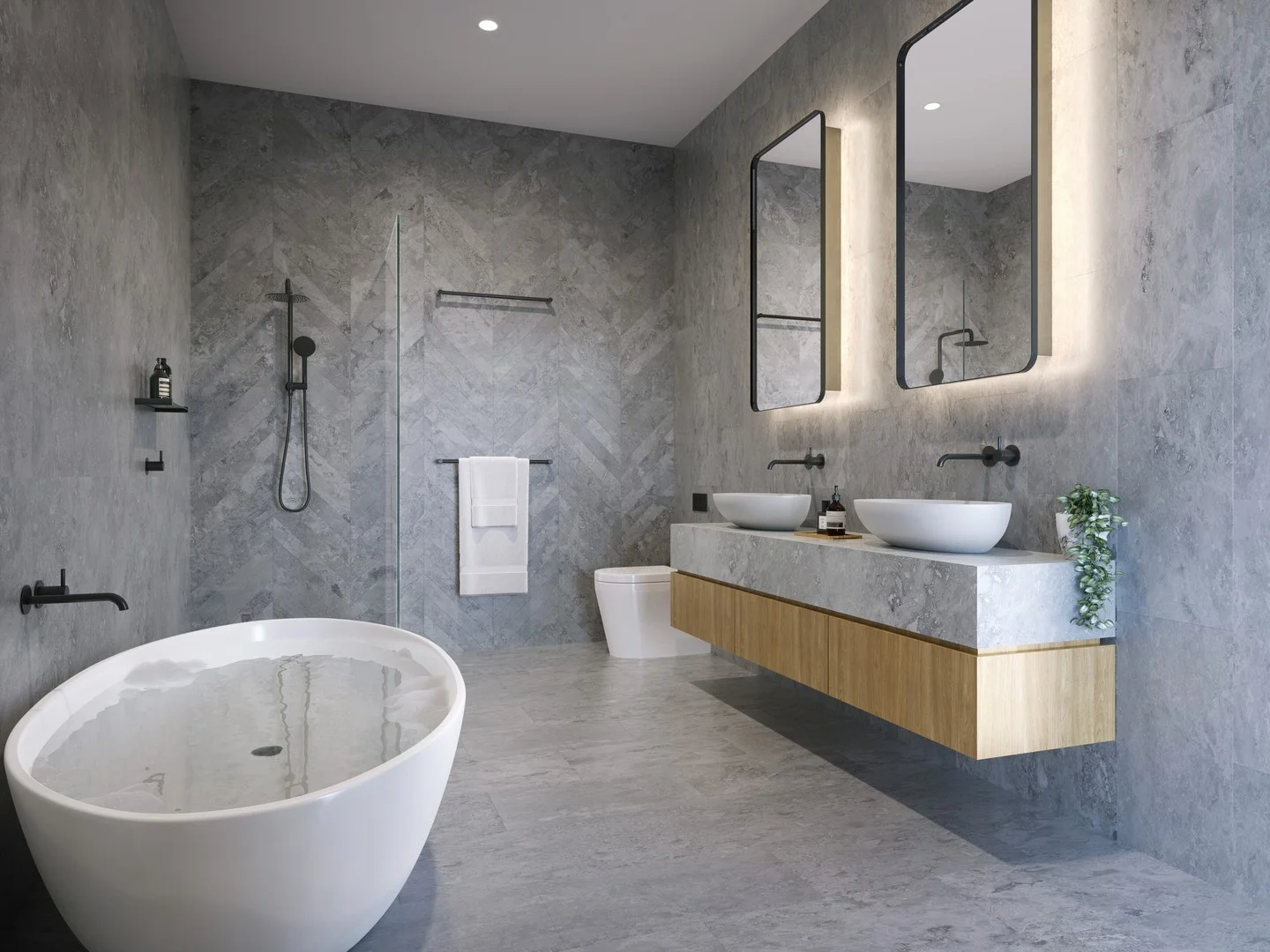
 $26,550,000
propertyType.NEW APARTMENTS / OFF THE PLAN
$26,550,000
propertyType.NEW APARTMENTS / OFF THE PLAN
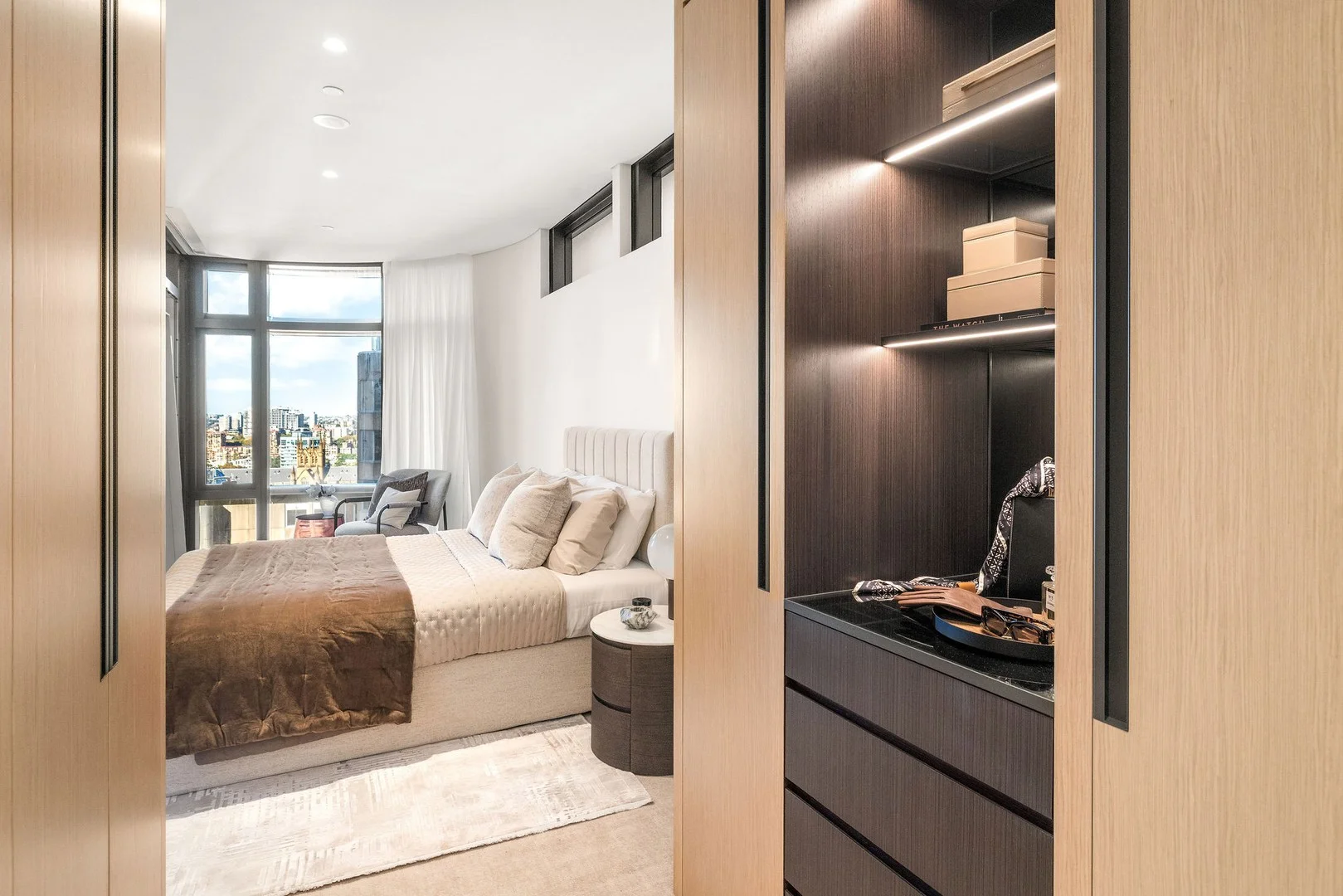
 $2,824,000
Apartment / Unit / Flat
$2,824,000
Apartment / Unit / Flat
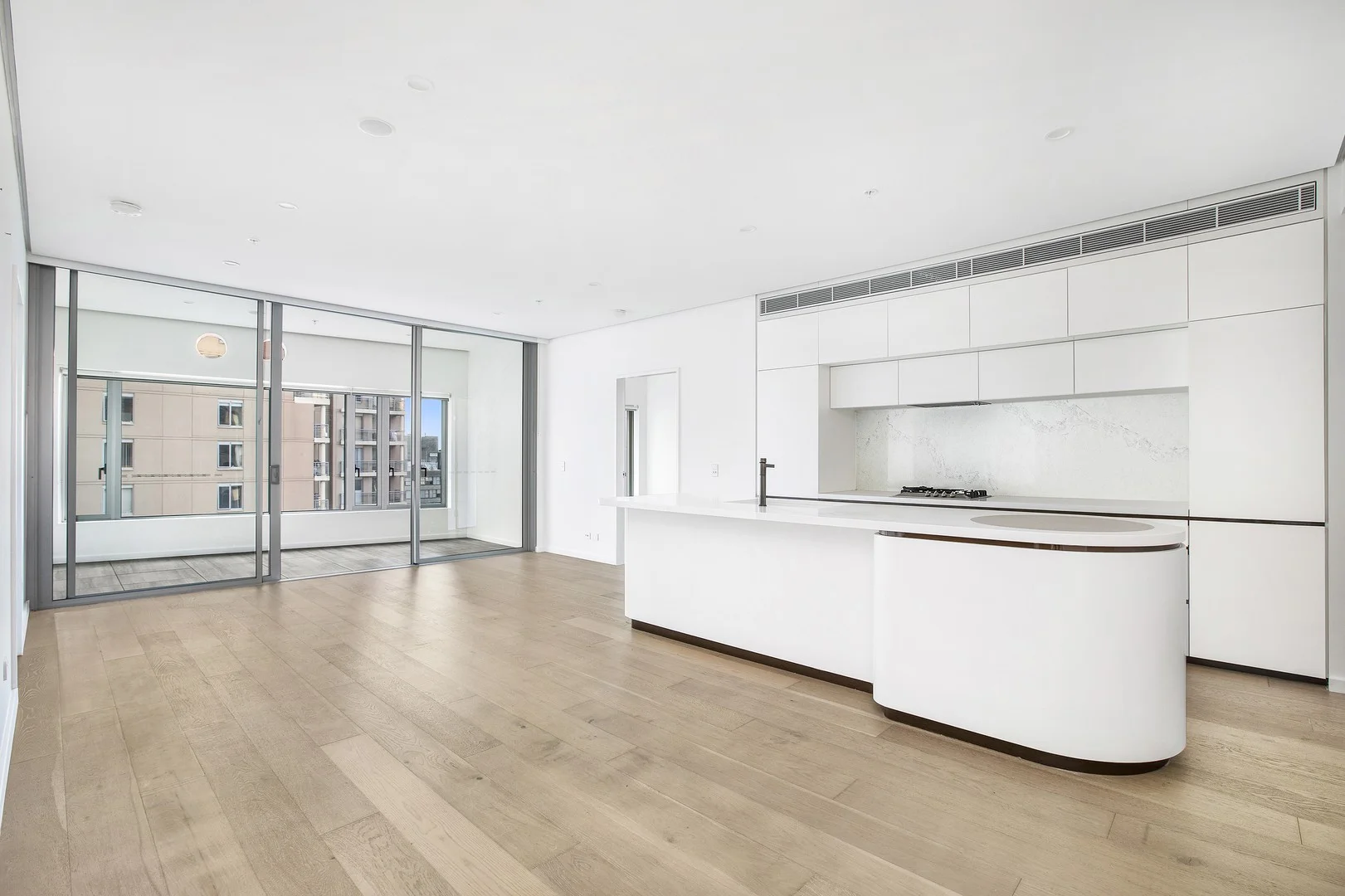
 $2,745,000
propertyType.NEW APARTMENTS / OFF THE PLAN
$2,745,000
propertyType.NEW APARTMENTS / OFF THE PLAN
 $2,250,000
Apartment / Unit / Flat
$2,250,000
Apartment / Unit / Flat
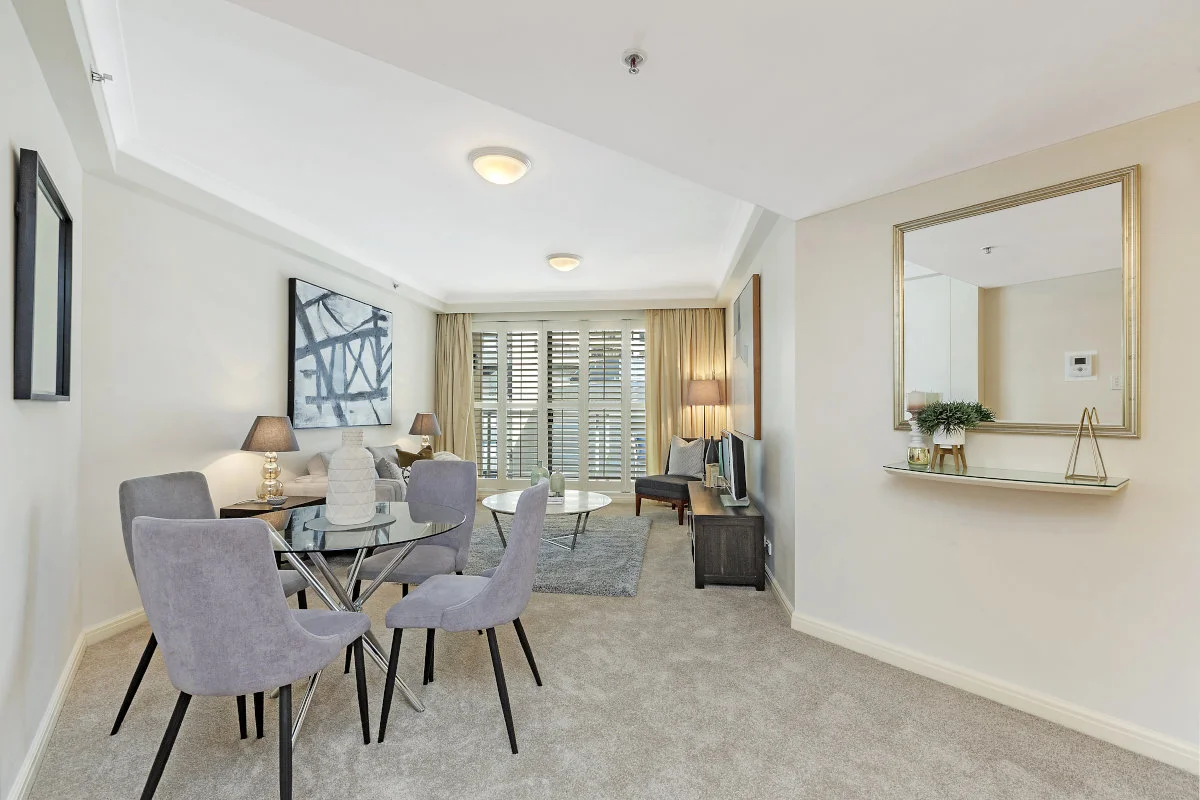 $660,000 - $725,000
Apartment / Unit / Flat
$660,000 - $725,000
Apartment / Unit / Flat
 $6,225,000
propertyType.NEW APARTMENTS / OFF THE PLAN
$6,225,000
propertyType.NEW APARTMENTS / OFF THE PLAN
 $12,980,000
propertyType.NEW APARTMENTS / OFF THE PLAN
$12,980,000
propertyType.NEW APARTMENTS / OFF THE PLAN
 $8,630,000
propertyType.NEW APARTMENTS / OFF THE PLAN
$8,630,000
propertyType.NEW APARTMENTS / OFF THE PLAN
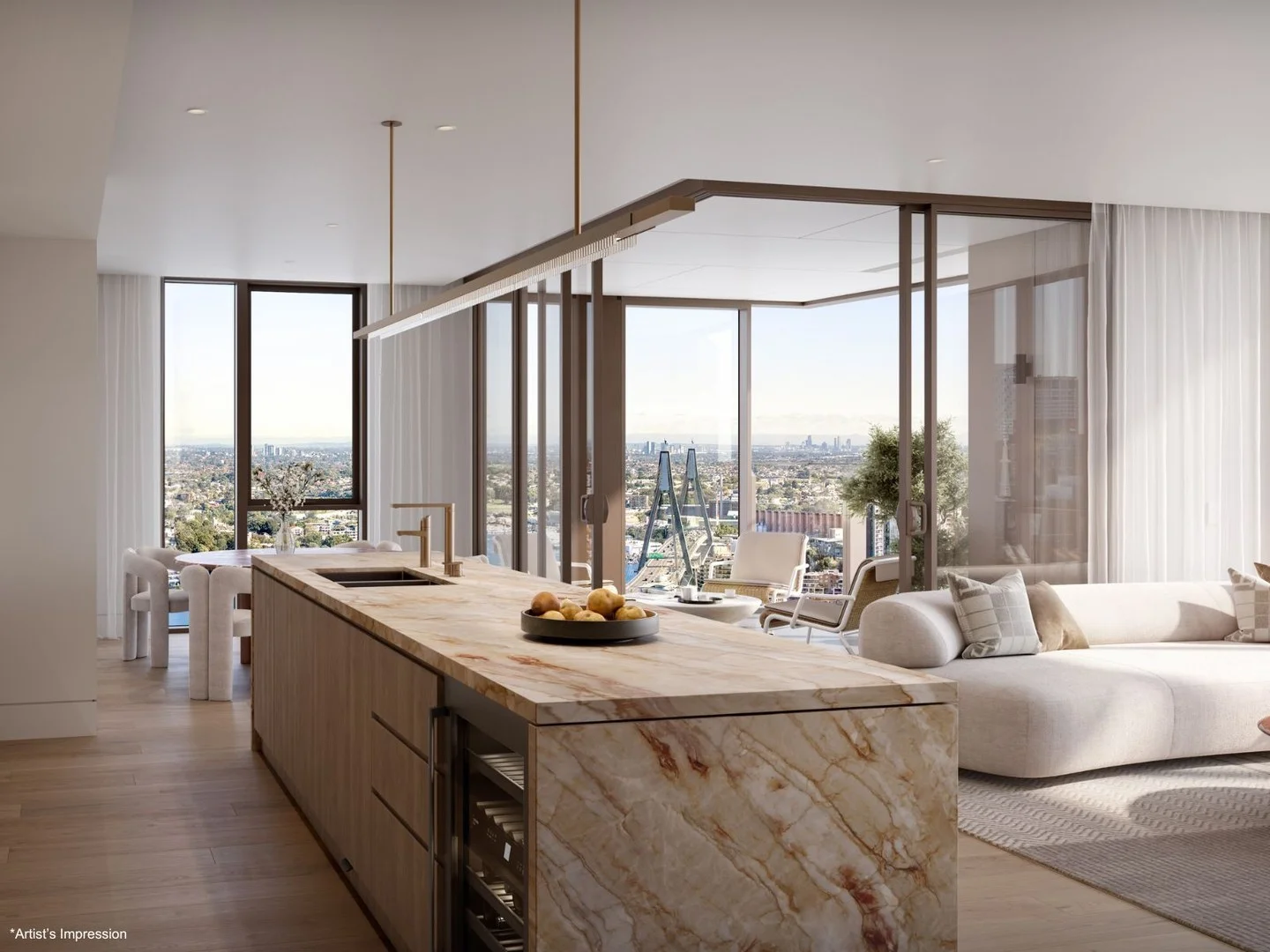 $9,020,000
propertyType.NEW APARTMENTS / OFF THE PLAN
$9,020,000
propertyType.NEW APARTMENTS / OFF THE PLAN


