Overview
Queenwood is an independent Anglican day school for girls located in Mosman, Sydney. Catering to students from prep through to Year 12, the school aims to develop confident, principled young women through a values-driven education. The student body is medium to large for a NSW independent school, with class sizes tending to be in the high-teens to low twenties, and a culture that balances strong academics with a nurturing, inclusive environment that supports leadership, creativity, and sport.
- School type: Independent Anglican girls’ school
- School size: Medium to large (roughly 800–1,000 students)
- Atmosphere/culture: Nurturing, academically rigorous, inclusive, diverse, sports- and arts-friendly
Academics & Learning
Queenwood places emphasis on rigorous academics along with opportunities to extend learning across core disciplines, languages, and leadership.
- Academic strengths: STEM, English/literacy, languages, and leadership development
- Special programs: Extension/accelerated opportunities, gifted and talented initiatives, leadership programs
- Support for diverse learners: EAL support, SEN/inclusive education services, specialist staff and targeted learning support
A strong focus on well-rounded development, with a broad range of options for girls aged 10–14 and beyond.
- Sports offered: Netball, Tennis, Soccer, Basketball, Hockey, Athletics, Swimming (plus broader intramural and inter-school programs)
- Strong teams or achievements: Competitive inter-school teams with regional/state-level participation and recognized performance
- Music, arts, drama programs: Comprehensive music ensembles, choirs, orchestras, theatre productions and arts programs
- Clubs: Robotics, Chess, Coding, Debating, and other innovation/academic clubs
- Partnerships: Local inter-school competitions, regional arts and sports festivals, and collaborations with community and coding/robotics programs
Wellbeing & Pastoral Care
Wellbeing and pastoral care are prioritized to foster a safe and supportive school experience.
- Anti-bullying approach: Proactive policies and programs, clear reporting channels and student empowerment
- House system: House structure to support mentoring, wellbeing, and peer connection (typical of Australian independent schools)
- Counsellors / wellbeing officers: Access to school psychologists, counsellors, and wellbeing staff
- Transition support for new students: Orientation programs, buddy systems, and targeted induction for Year 7 and other transitions
Facilities
Facilities are designed to support learning across academics, sport, arts, and technology.
- Sports grounds: Multiple sports fields and courts
- Libraries: Modern library facilities with study spaces
- Science labs: Well-equipped science laboratories
- Music/performing arts centers: Dedicated music suites and performing arts spaces
- Tech/innovation labs: Dedicated STEM and digital learning spaces
- Cafeteria: On-site food services
- Updated playgrounds: Modern, safe outdoor play and learning spaces
Queenwood emphasizes character, leadership, and community, shaping the culture and expectations of students.
- School values / mission: Principles-based education focused on integrity, respect, resilience, and service
- Leadership style: Student-centric, with opportunities for student voice and leadership roles
- Behaviour expectations: Clear code of conduct aligned with school values
- Community reputation: Positive reputation within the NSW independent school community for academic seriousness and school spirit
- Diversity & inclusion: Commitment to an inclusive environment with opportunities for all students to thrive
School Logistics & Daily Operations
Practical details to help families plan their day-to-day.
- School hours: Typically standard primary- and secondary-school day hours (approx. 8:00–3:30, with variations by year group)
- Before/after school care: Availability of before/after school care programs
- Uniform requirements: School uniform policy with required items for different year levels
- Transport (train/bus routes): Access to public transport and school shuttle/bus options; convenient for Mosman area
- Canteen availability: On-site canteen or food services
- Fees (low/medium/high ranges): Fees generally fall in the mid-to-high range for NSW independent day schools
Enrolment & Admissions
- What is the enrolment process and timeline?
- Is there a waiting list, and how does it work?
- Are there any entry requirements, tests, or interviews?
- Does the school accept mid-year transfers?
- Enrolment process and timeline: Online application, submission of supporting documents (academic reports, references as required), screening/interview, assessment or trial activities for certain year levels, offer of placement, and enrolment confirmation with a deposit. Timelines vary by intake year.
- Waiting list: Waiting lists are common and offered places depend on year and availability; priority may be given to existing families or siblings in some cases.
- Entry requirements, tests, or interviews: Interviews are typically part of the process; entry tests or screening tasks may be used for certain year levels; recommendations or reports from previous schools may be requested.
- Mid-year transfers: Transfers mid-year are possible if a place is available; placement often depends on current year cohort capacity and alignment with curriculum, with supporting documents and a smooth transition plan requested.
Frequently Asked Questions
- Why Parents Choose This School?
- Independent Anglican education with strong academics, a nurturing and inclusive culture, leadership opportunities, and a broad co-curricular program.
- What type of student thrives at this school?
- Motivated, curious, collaborative, and involved students who value academics, arts, sport, and community contributions.
- What opportunities are available for students to extend their skills (academics, sports, arts)?
- Extension and accelerated programs, leadership roles, advanced coursework, high-level sport teams, music ensembles, drama productions, and clubs such as robotics, coding, and debating.
- How does the school communicate with parents?
- Regular newsletters and notices, online portals, emails, parent-teacher evenings, and app-based updates.
- What is the school’s approach to teaching and learning?
- A student-centered, inquiry-based approach aligned with NSW curriculum, supported by technology integration and project-based learning.
- How does the school support students who need extra academic help?
- Dedicated learning support, EAL assistance, SEN coordination, and targeted interventions or tutoring.
- What support is available for academic challenges?
- Academic tutoring, progress monitoring, individualized learning plans, and coordination with families to address needs.
- How does the school communicate with parents? (Note: this question appears again)
- See above: regular updates through portals, newsletters, and events; direct communication with teachers and coordinators as needed.
- What extracurricular and sports opportunities are available?
- A wide range of sports (netball, tennis, soccer, basketball, hockey, athletics, swimming), plus music ensembles, drama, and clubs (robotics, chess, coding, debating).
- What facilities does the school offer (sports, science, arts)?
- Sports grounds, libraries, science labs, performing arts/music facilities, tech/innovation labs, cafeterias, and updated outdoor spaces.
- What is the school’s approach to technology and digital learning?
- Integrated technology in learning, digital literacy programs, supported by appropriate safeguarding and policies; use of devices and online learning platforms as part of the curriculum.
- What transport and accessibility options are available?
- Public transport access (bus/train routes) with potential school shuttle options; clear drop-off/pick-up arrangements and parking guidance.
- What are the typical school fees or additional costs?
- Fees are in the mid-to-high range for NSW independent day schools; additional costs may include uniforms, excursions, and specific program fees.
Short Pros & Cons list
- Independent Anglican environment with a strong academic reputation
- Broad co-curricular program (sport, arts, clubs)
- Supportive wellbeing framework and clear pastoral care
- Stable pathway to NSW senior schooling outcomes (HSC-level preparation)
- Fees are higher than public schools and many other options
- Competitive environment may feel intensive for some students
- Places can be limited; waiting lists may apply for certain year levels

 $95+
$95+











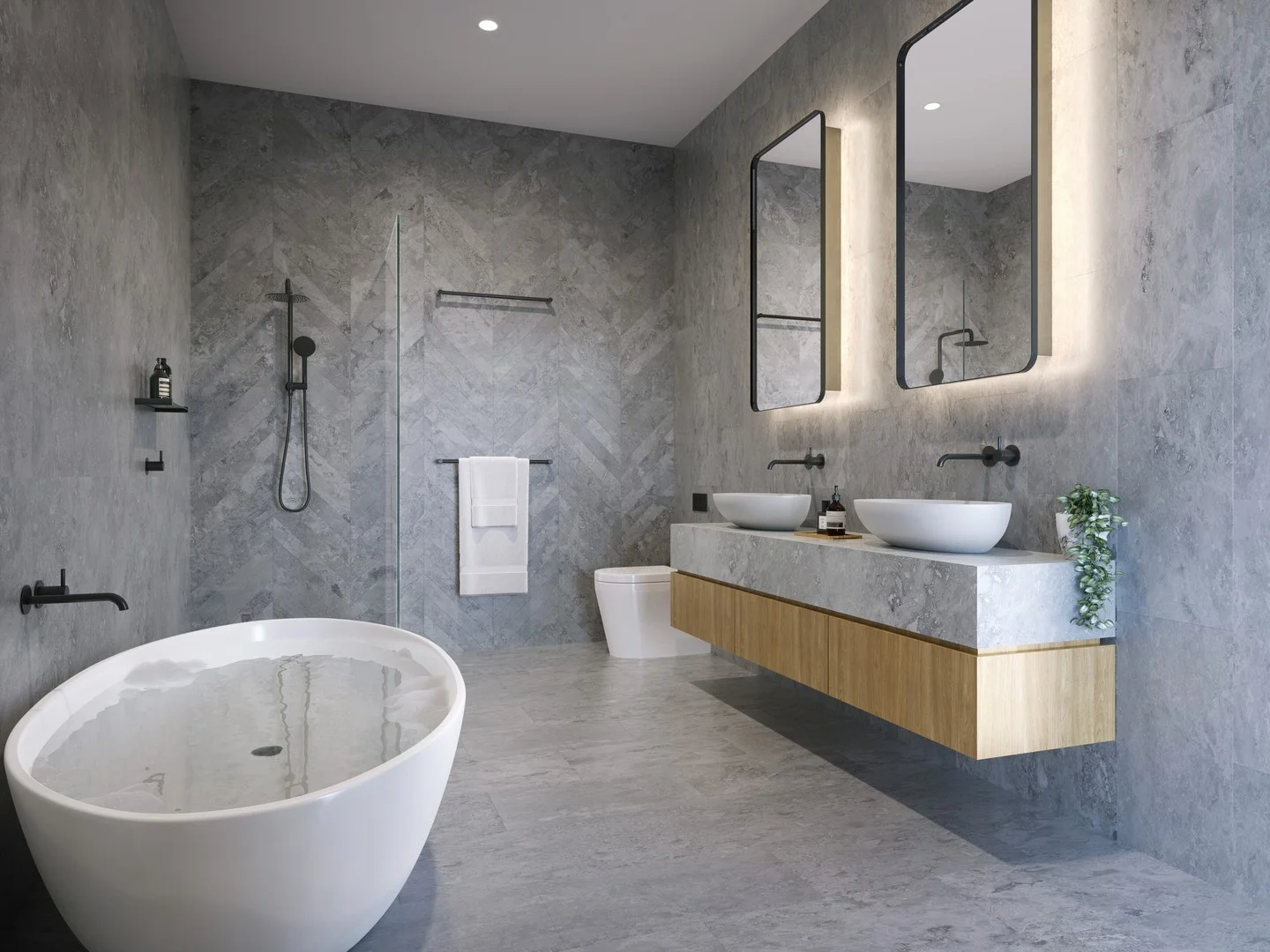 $2,824,000
Apartment / Unit / Flat
$2,824,000
Apartment / Unit / Flat
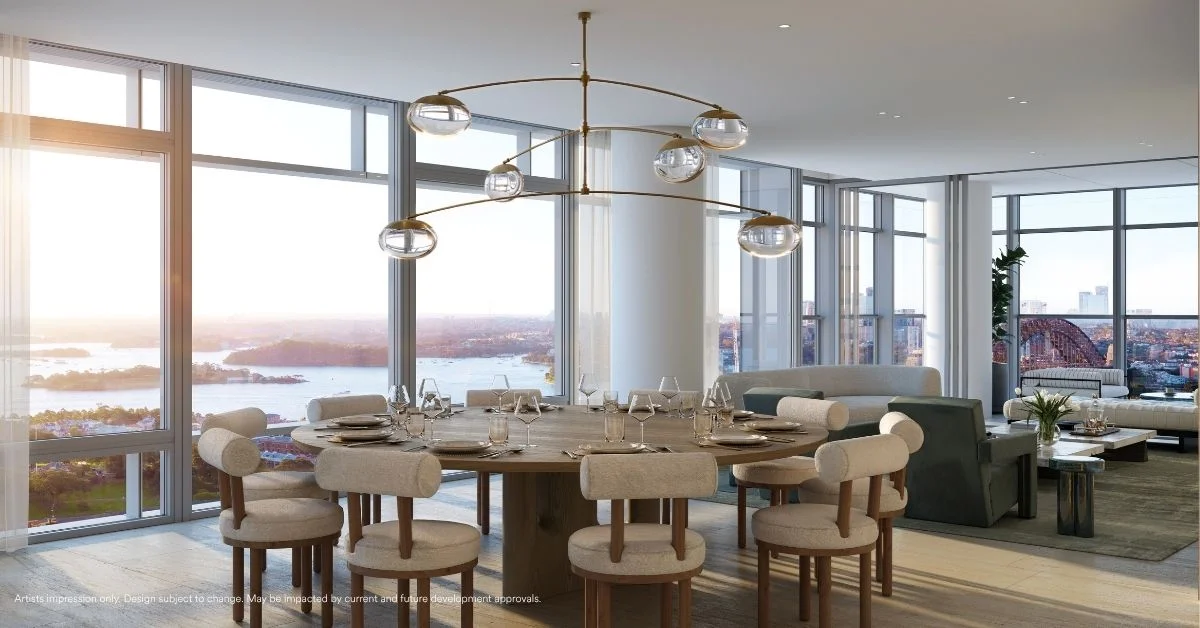 $26,550,000
propertyType.NEW APARTMENTS / OFF THE PLAN
$26,550,000
propertyType.NEW APARTMENTS / OFF THE PLAN
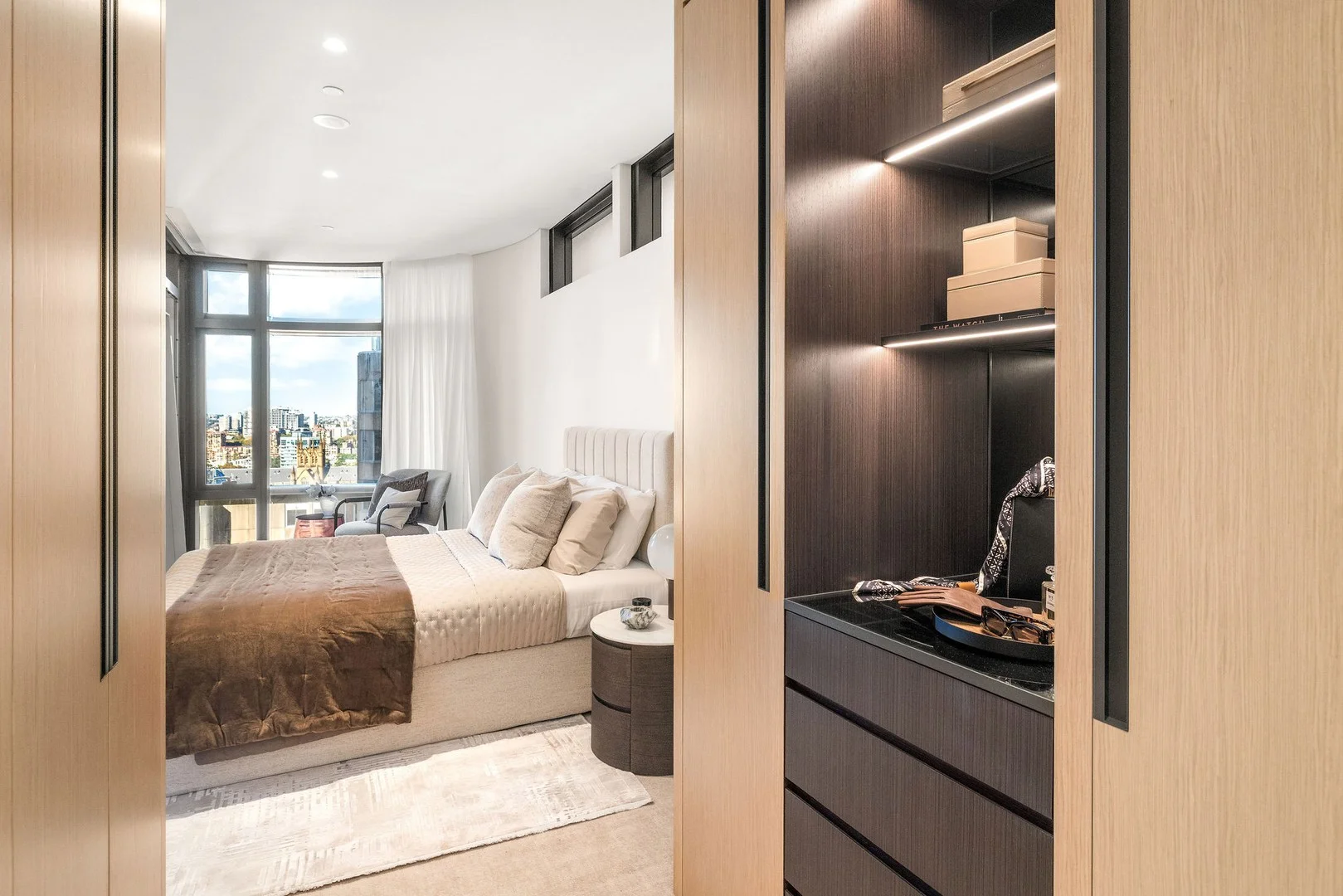 $2,745,000
propertyType.NEW APARTMENTS / OFF THE PLAN
$2,745,000
propertyType.NEW APARTMENTS / OFF THE PLAN
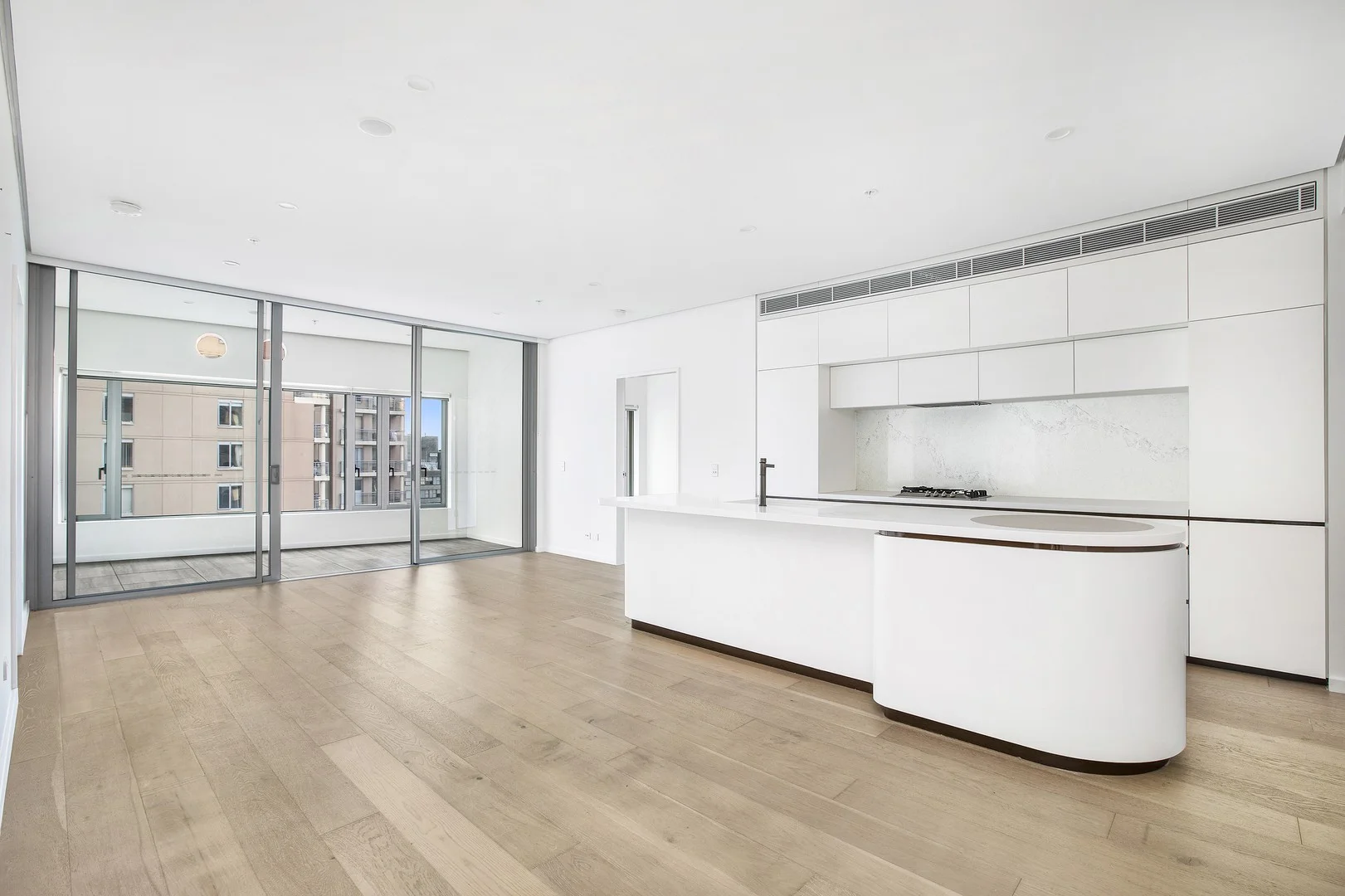 $2,250,000
Apartment / Unit / Flat
$2,250,000
Apartment / Unit / Flat
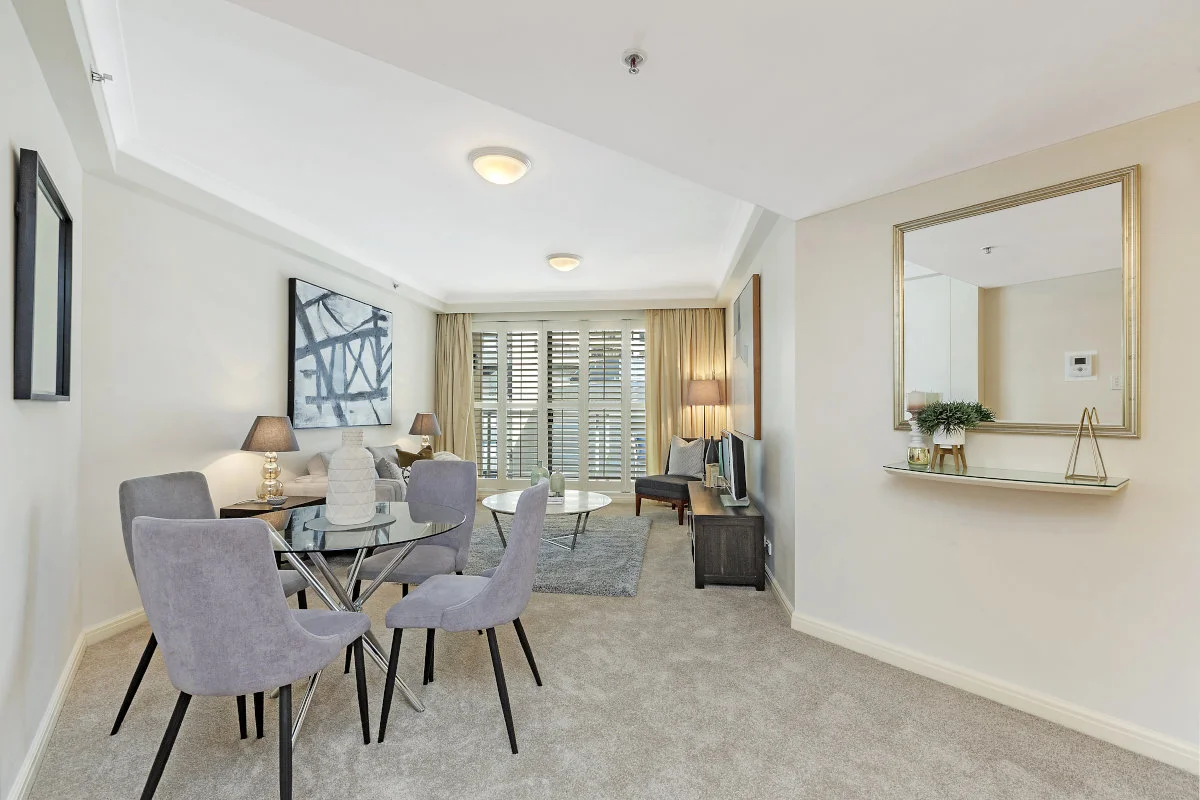 $660,000 - $725,000
Apartment / Unit / Flat
$660,000 - $725,000
Apartment / Unit / Flat
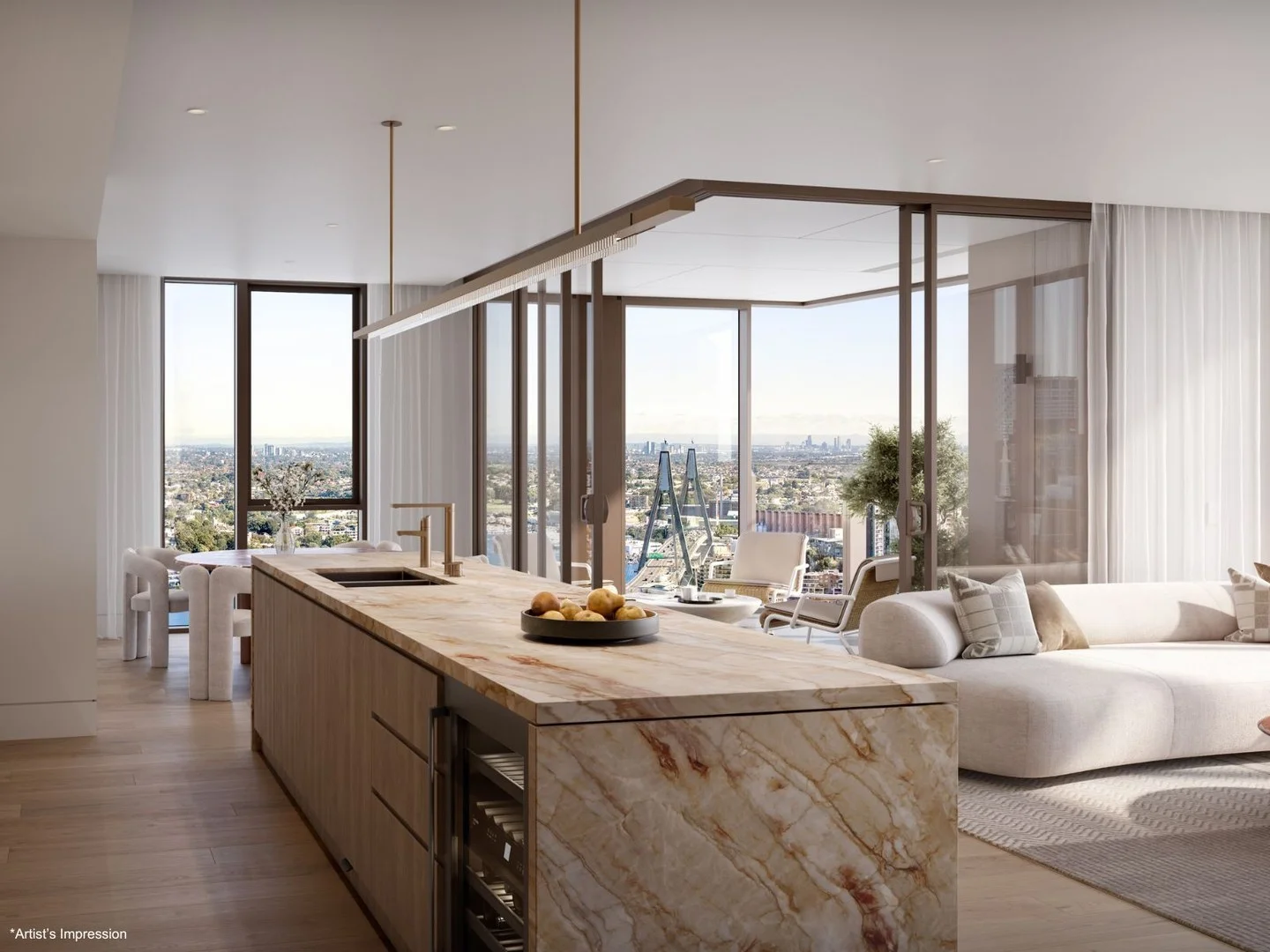 $9,020,000
propertyType.NEW APARTMENTS / OFF THE PLAN
$9,020,000
propertyType.NEW APARTMENTS / OFF THE PLAN
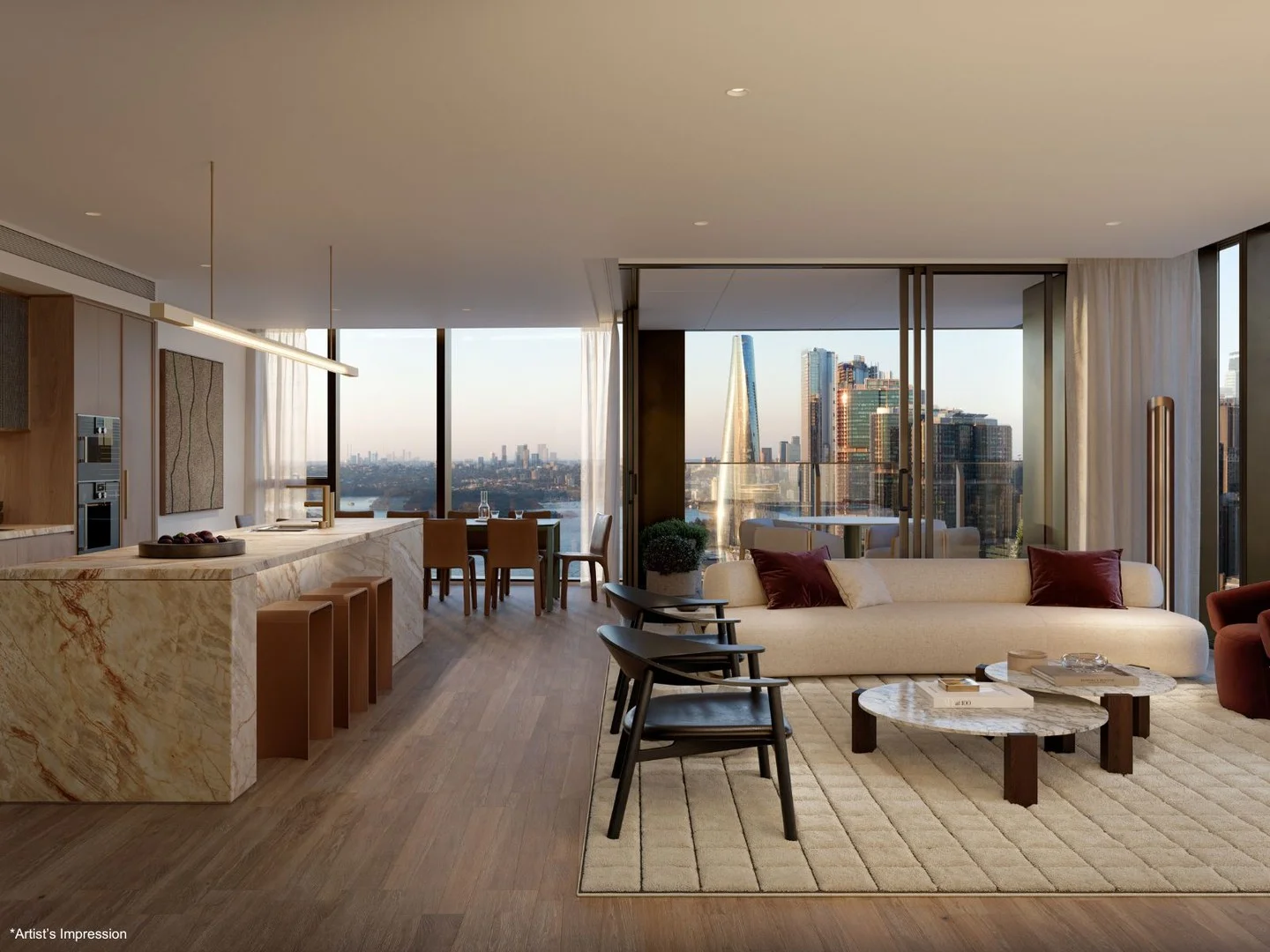 $12,980,000
propertyType.NEW APARTMENTS / OFF THE PLAN
$12,980,000
propertyType.NEW APARTMENTS / OFF THE PLAN
 $6,225,000
propertyType.NEW APARTMENTS / OFF THE PLAN
$6,225,000
propertyType.NEW APARTMENTS / OFF THE PLAN
 $8,630,000
propertyType.NEW APARTMENTS / OFF THE PLAN
$8,630,000
propertyType.NEW APARTMENTS / OFF THE PLAN