## 1. Overview
Sacred Heart Catholic Primary School Mosman is a Catholic school in Mosman, NSW, dedicated to providing a faith-centered, values-driven education for primary-aged students. The school emphasizes a caring, inclusive atmosphere where learning is joyful and student progress is celebrated. With a small-to-medium size community and classroom settings designed for personal attention, students experience a nurturing environment that supports academic growth, spiritual development, and community involvement.
The school aims to balance strong academics with strong character formation, fostering respect, resilience, and teamwork. Class sizes are typically in the low 20s, allowing teachers to engage students individually while meeting diverse learning needs and encouraging positive, collaborative learning cultures.
---
## 2. Academics & Learning
- Academic strengths: Strong focus on literacy and numeracy, with integrated inquiry-based learning across subjects. Emphasis on critical thinking, communication skills, and a values-informed approach to learning.
- Special programs: Opportunities for gifted and talented cohorts or extension activities; access to targeted learning supports integrated within the school day.
- NAPLAN / trends: Expect steady or improving trends over time as part of ongoing NSW Catholic education programs; specific school trend data should be checked with the school.
- Student-teacher ratios: Typical primary-class ratios designed for responsive teaching, generally around 1:20 to 1:25, with small-group support as needed.
- Support for diverse learners: Programs and staff support for EAL and SEN learners, with differentiated instruction and targeted interventions to meet individual needs.
---
## 3. Sports & Extracurricular Strengths
- Sports offered: A range of team and individual sports typical for NSW primary schools (e.g., football/soccer, netball/basketball, athletics, swimming, cricket).
- Strong teams or achievements: The school focuses on participation, teamwork, and healthy competition, with opportunities to represent the school in local events.
- Music, arts, drama programs: Active arts program including music, drama, and visual arts to complement academics.
- Clubs: Robotics, chess, coding, and debating are commonly offered or supported through after-school activities.
- Partnerships: Local community clubs and friendly competition opportunities with nearby schools and youth programs.
Note: Many parents find value in the balance between academics, sport, and the arts, especially for students aged 10–14 who benefit from structured team environments.
---
## 4. Wellbeing & Pastoral Care
- Anti-bullying approach: Clear policies and restorative practices to promote respect, safety, and a positive school climate.
- House system: A house-based framework for leadership, team-building, and community recognition (house activities and status).
- Counsellors / wellbeing officers: Access to wellbeing staff or visiting professionals to support student mental health and resilience.
- Transition support: Programs to help new students settle in, including orientation activities and buddy systems.
---
## 5. Facilities
- Sports grounds: On-site spaces for physical education and outdoor activities.
- Libraries: A dedicated library or learning hub to support literacy and inquiry.
- Science labs: Purpose-built spaces for hands-on science and experiments.
- Music/performing arts centers: Areas dedicated to music, drama, and performance activities.
- Tech/innovation labs: Learning spaces equipped for digital literacy, coding, and technology integration.
- Cafeteria: On-site dining or canteen facilities for daily meals and snacks.
- Updated playgrounds: Safe and engaging outdoor play areas for recreation and active learning.
---
## 6. School Values & Community Culture
- School values / mission: Faith-centered education grounded in Catholic teachings, fostering integrity, service, and community-mindedness.
- Leadership style: Collaborative and inclusive, with student leadership opportunities and teacher-guided pathways to develop responsibility.
- Behaviour expectations: Clear, consistent expectations based on respect, responsibility, and care for others.
- Community reputation: A welcoming, supportive school community with strong parish connections and parent involvement.
- Diversity & inclusion: Commitment to inclusive practices and welcoming students from varied backgrounds.
---
## 7. School Logistics & Daily Operations
- School hours: Standard primary-school day with morning start and afternoon finish times (typical NSW schedule).
- Before/after school care: Availability of on-site or partnered programs for before and after school care.
- Uniform requirements: Formal uniform policy with daily wear; details available from the school.
- Transport (train/bus routes): Access to local bus routes and proximity to public transport; information on recommended travel options provided by the school.
- Canteen availability: On-site canteen or food program offering healthy choices.
- Fees (low/medium/high ranges): Fees vary by year level and program; inquire for up-to-date fee ranges and any additional costs (materials, excursions, uniforms).
---
## 8. Enrolment & Admissions
11. What is the enrolment process and timeline?
- Submission of an enrolment application with required supporting documents.
- Information sessions or open mornings to learn about the school.
- Enrolment priority and timelines depend on the school’s Catholic Education guidelines and year-level availability.
12. Is there a waiting list, and how does it work?
- Waiting lists are common when year levels have limited places. Applications may be placed on a waiting list after submission, with placement decisions determined by school policies and parish guidelines.
13. Are there any entry requirements, tests, or interviews?
- Some year levels may require interviews or discussions with families; religious education references or statements of Catholic practice may be requested as part of the process.
14. Does the school accept mid-year transfers?
- Mid-year transfers are sometimes possible, subject to space and placement considerations. Contact the school early to discuss availability and the transfer process.
---
## 9. Frequently Asked Questions
- Why Parents Choose This School?
- A faith-based environment with a strong sense of community, emphasis on academics and character, supportive staff, and opportunities for spiritual growth and service.
- What type of student thrives at this school?
- Students who are curious,Kind, respectful, and engaged in both learning and community life; those who benefit from a values-based framework and collaborative environment.
- What opportunities are available for students to extend their skills (academics, sports, arts)?
- Access to enrichment programs, clubs (robotics, coding, debating), arts and music programs, and sport teams that encourage skill development and leadership.
- How does the school communicate with parents?
- Regular newsletters, emails, a school portal or learning management system, parent-teacher conferences, and annual progress updates.
- What is the school’s approach to teaching and learning?
- A student-centered, inquiry-based approach integrated with Catholic education principles; emphasis on literacy, numeracy, critical thinking, and real-world applications.
- How does the school support students who need extra academic help?
- Differentiated instruction, in-class supports, targeted interventions, and collaboration with families to plan appropriate learning goals.
- What support is available for academic challenges?
- Access to learning support staff and programs designed to help students catch up or deepen understanding, with ongoing progress monitoring.
- How does the school communicate with parents?
- See above; multiple channels such as newsletters, portal updates, and conferences.
- What are the class sizes and how much individual attention do students receive?
- Typical primary-class sizes are in the low 20s, with opportunities for targeted small-group support and individual check-ins.
- What extracurricular and sports opportunities are available?
- A broad mix of sports, arts, music, drama, and clubs (robotics, chess, coding, debating), plus school-based competitions and community partnerships.
- What facilities does the school offer (sports, science, arts)?
- Sports grounds, libraries, science labs, music/performing arts spaces, tech/innovation labs, canteen, and updated playgrounds.
- What is the school’s approach to technology and digital learning?
- Focus on digital literacy, safe and responsible use of technology, and integration of devices and software to enhance learning.
- What transport and accessibility options are available?
- Local transport options (bus routes and walking access) and accessibility considerations; details provided by the school.
- What are the typical school fees or additional costs?
- Fees vary by year and program; there may be additional costs for uniforms, excursions, and materials. Check the current schedule with the school.
---
## 10. Short Pros & Cons list
- Pros
- Catholic, values-based education with a nurturing community
- Balanced focus on academics, wellbeing, and faith
- Small-to-medium class sizes enabling individualized attention
- Broad range of extracurriculars and clubs
- Strong support for diverse learners and inclusive culture
- Cons
- Fees and contributions typical of Catholic schools; costs vary by year level
- Enrolment may be competitive with waitlists for popular year levels
- Specific programs or clubs may depend on staffing and year-level demand












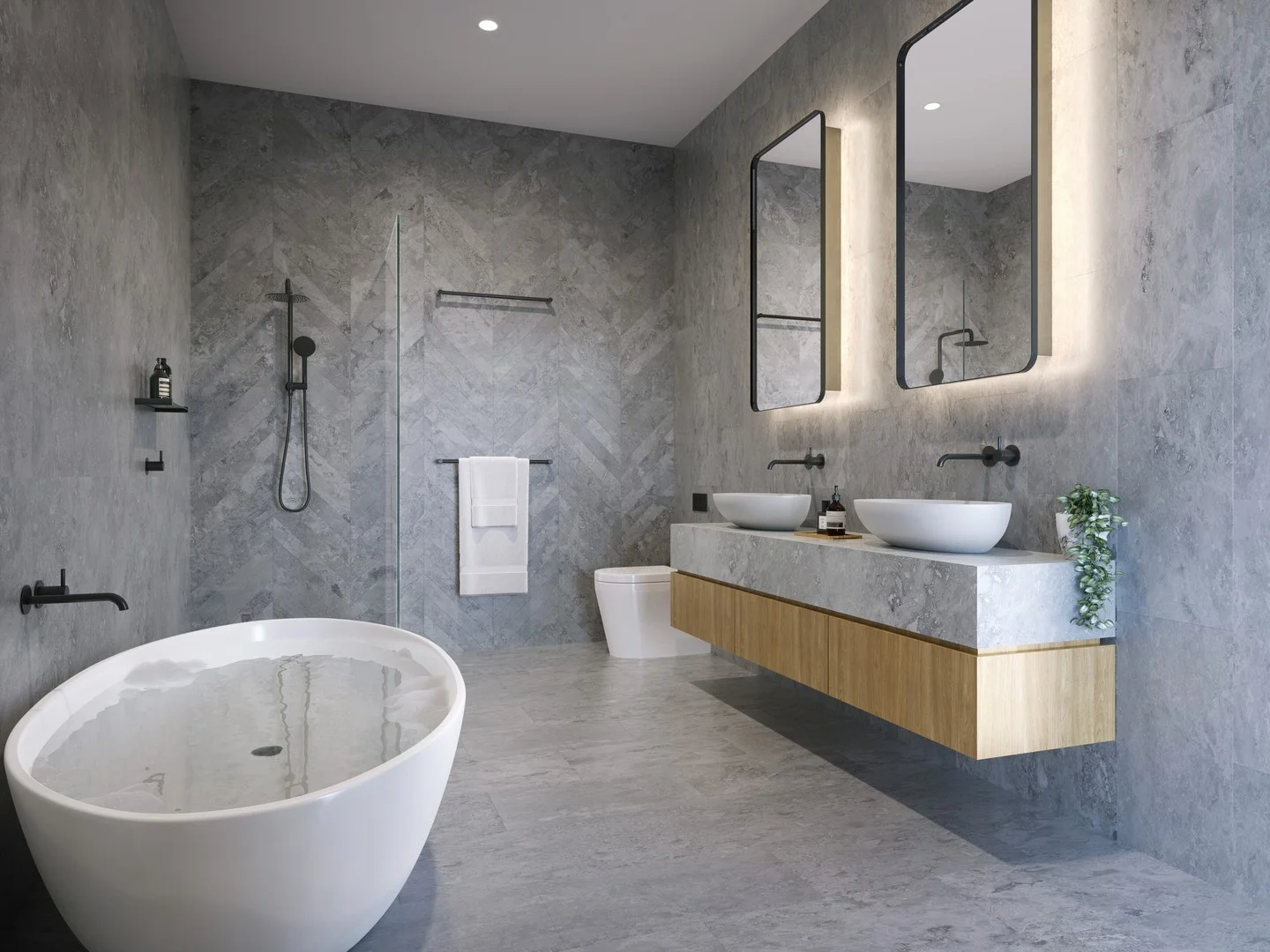 $2,824,000
Apartment / Unit / Flat
$2,824,000
Apartment / Unit / Flat
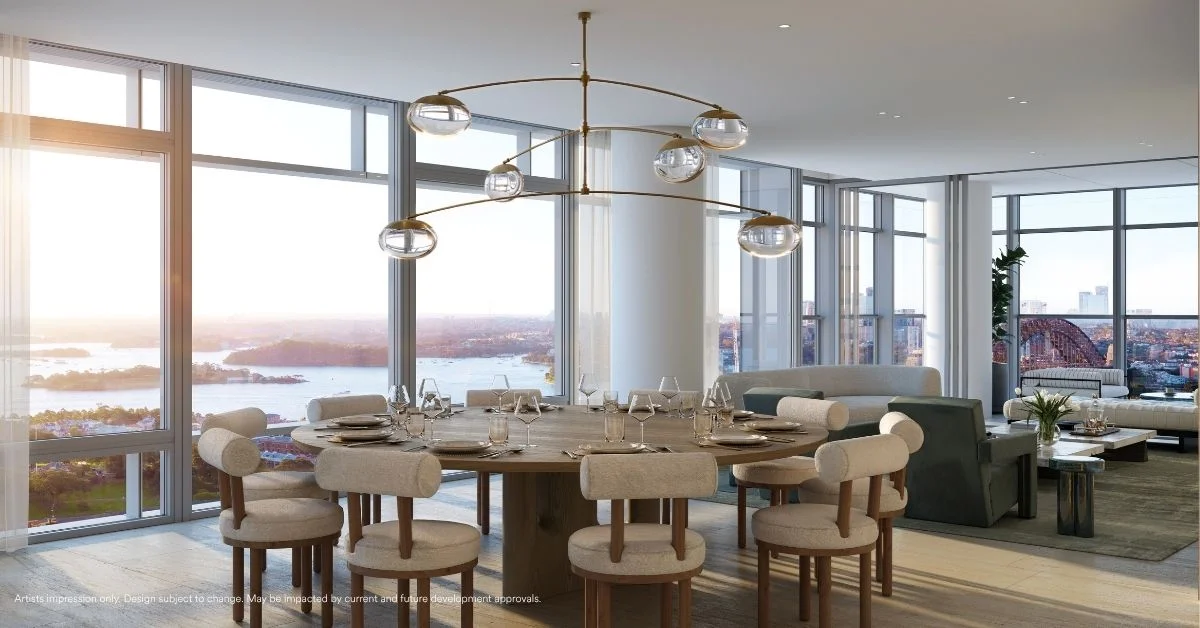 $26,550,000
propertyType.NEW APARTMENTS / OFF THE PLAN
$26,550,000
propertyType.NEW APARTMENTS / OFF THE PLAN
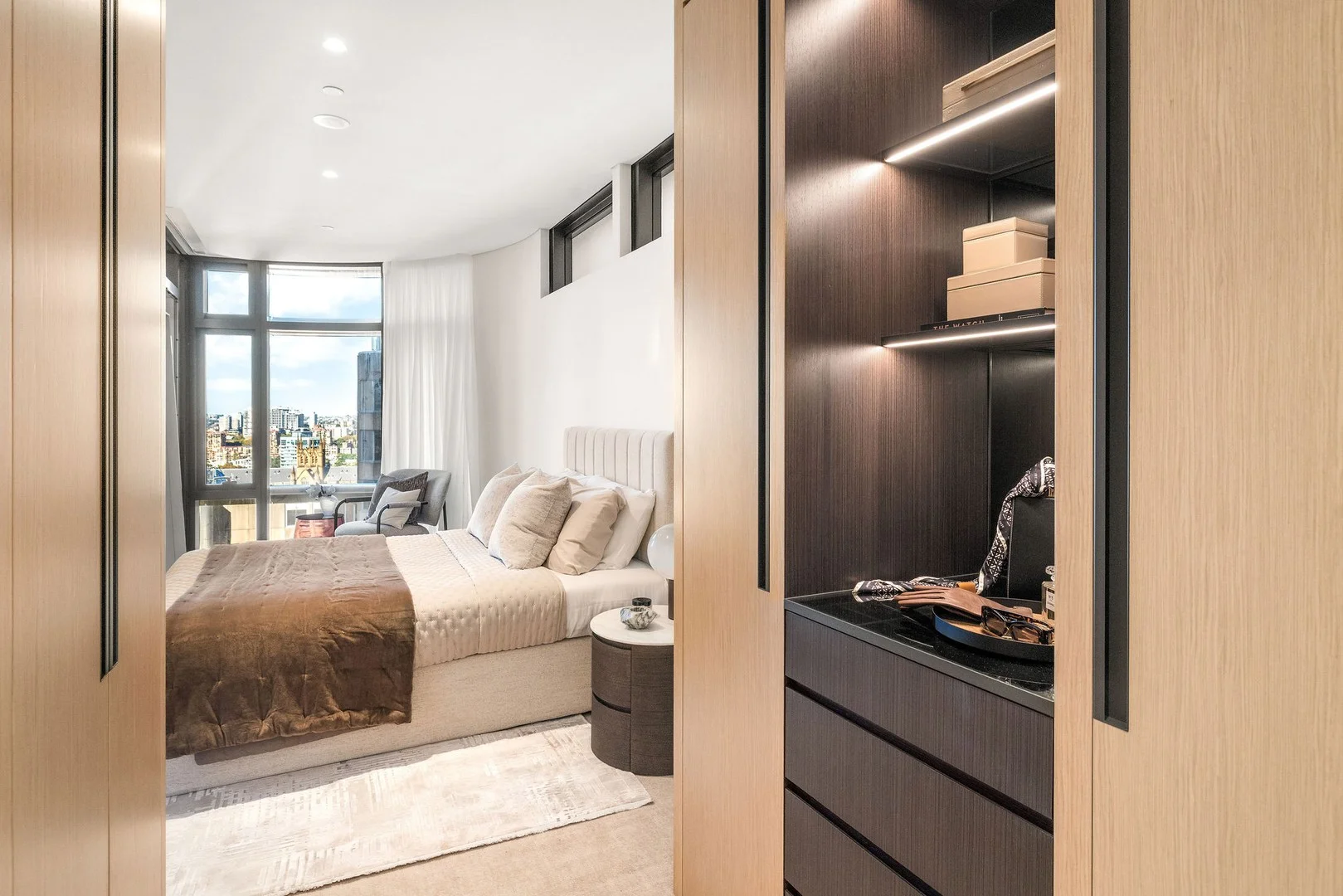 $2,745,000
propertyType.NEW APARTMENTS / OFF THE PLAN
$2,745,000
propertyType.NEW APARTMENTS / OFF THE PLAN
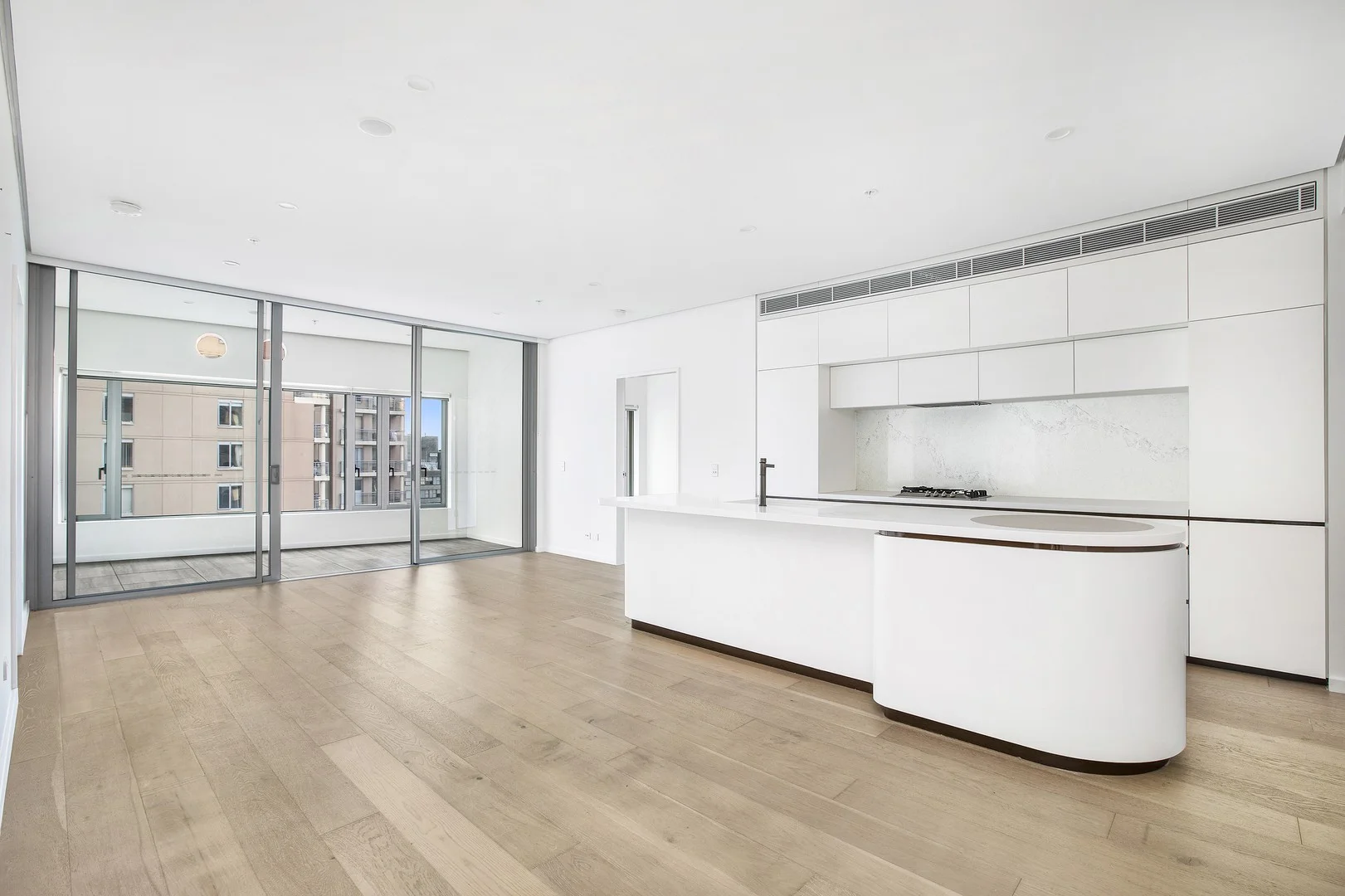 $2,250,000
Apartment / Unit / Flat
$2,250,000
Apartment / Unit / Flat
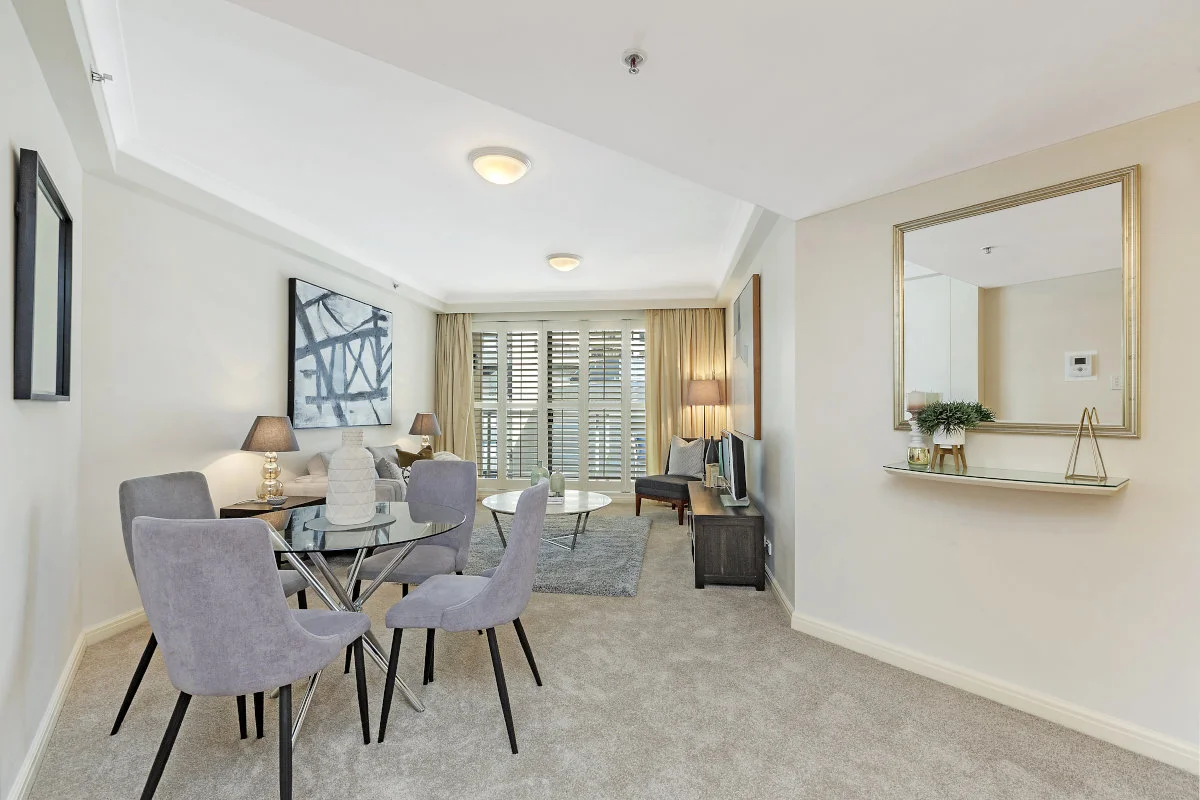 $660,000 - $725,000
Apartment / Unit / Flat
$660,000 - $725,000
Apartment / Unit / Flat
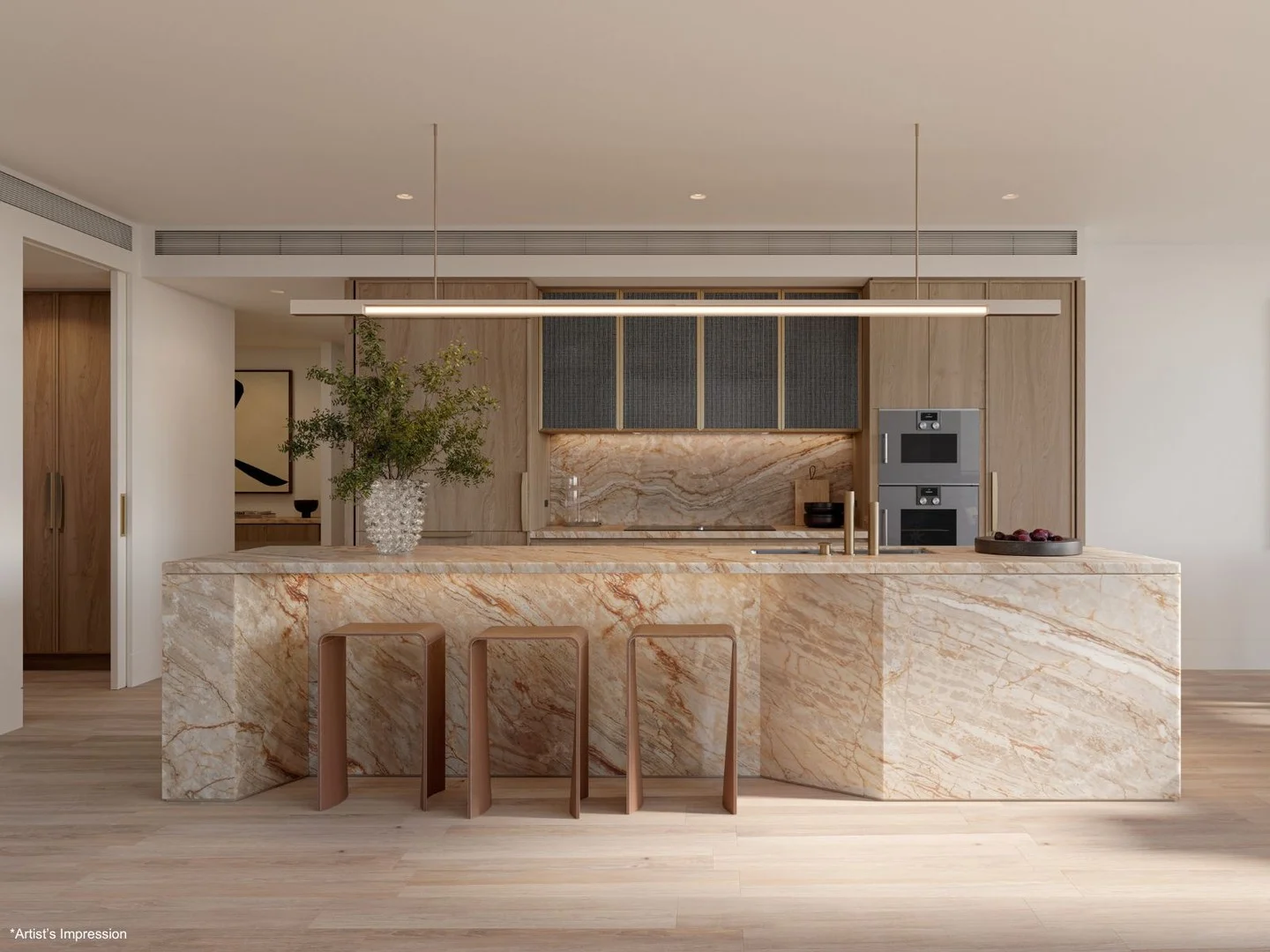 $6,225,000
propertyType.NEW APARTMENTS / OFF THE PLAN
$6,225,000
propertyType.NEW APARTMENTS / OFF THE PLAN
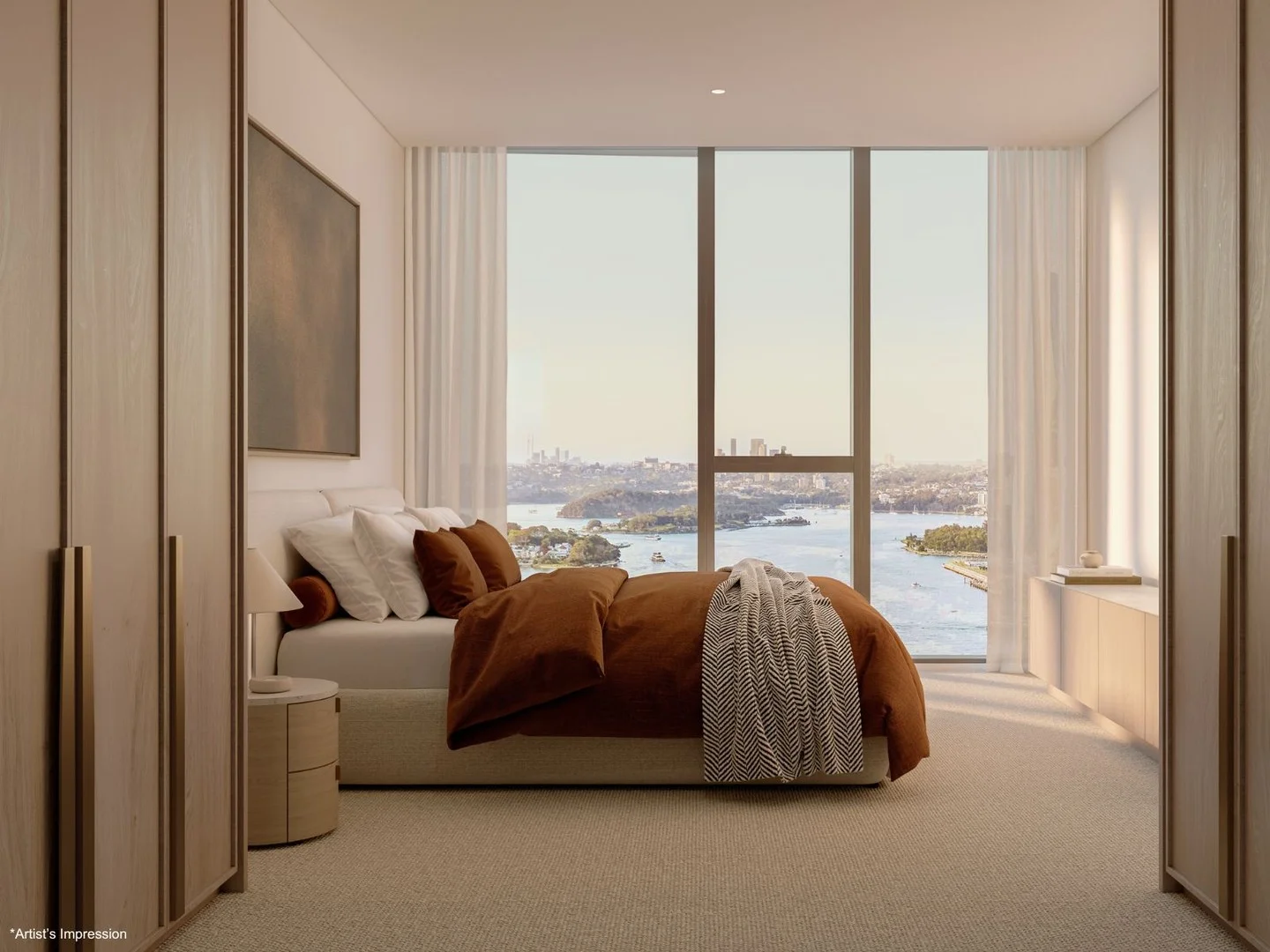 $8,630,000
propertyType.NEW APARTMENTS / OFF THE PLAN
$8,630,000
propertyType.NEW APARTMENTS / OFF THE PLAN
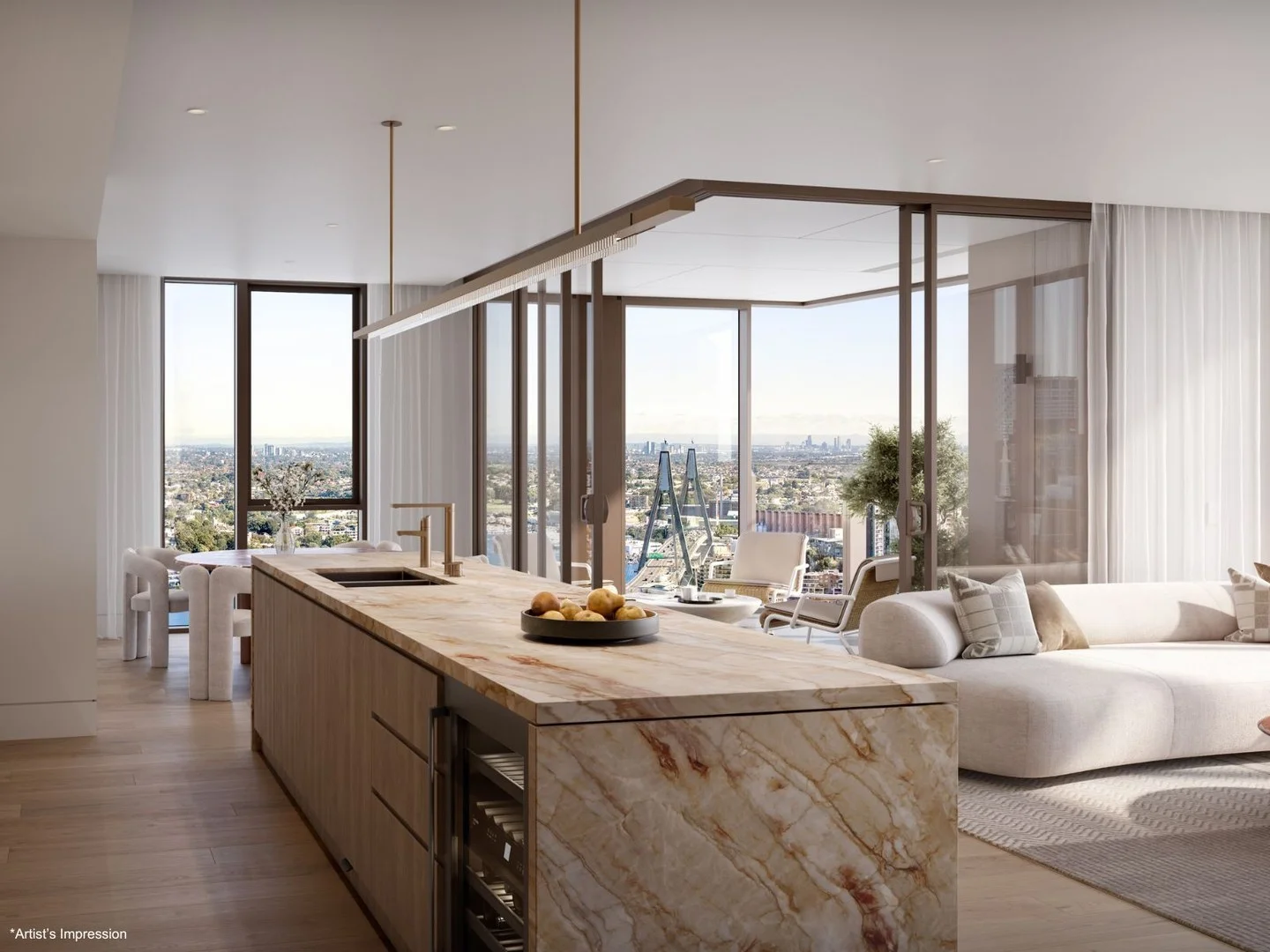 $9,020,000
propertyType.NEW APARTMENTS / OFF THE PLAN
$9,020,000
propertyType.NEW APARTMENTS / OFF THE PLAN
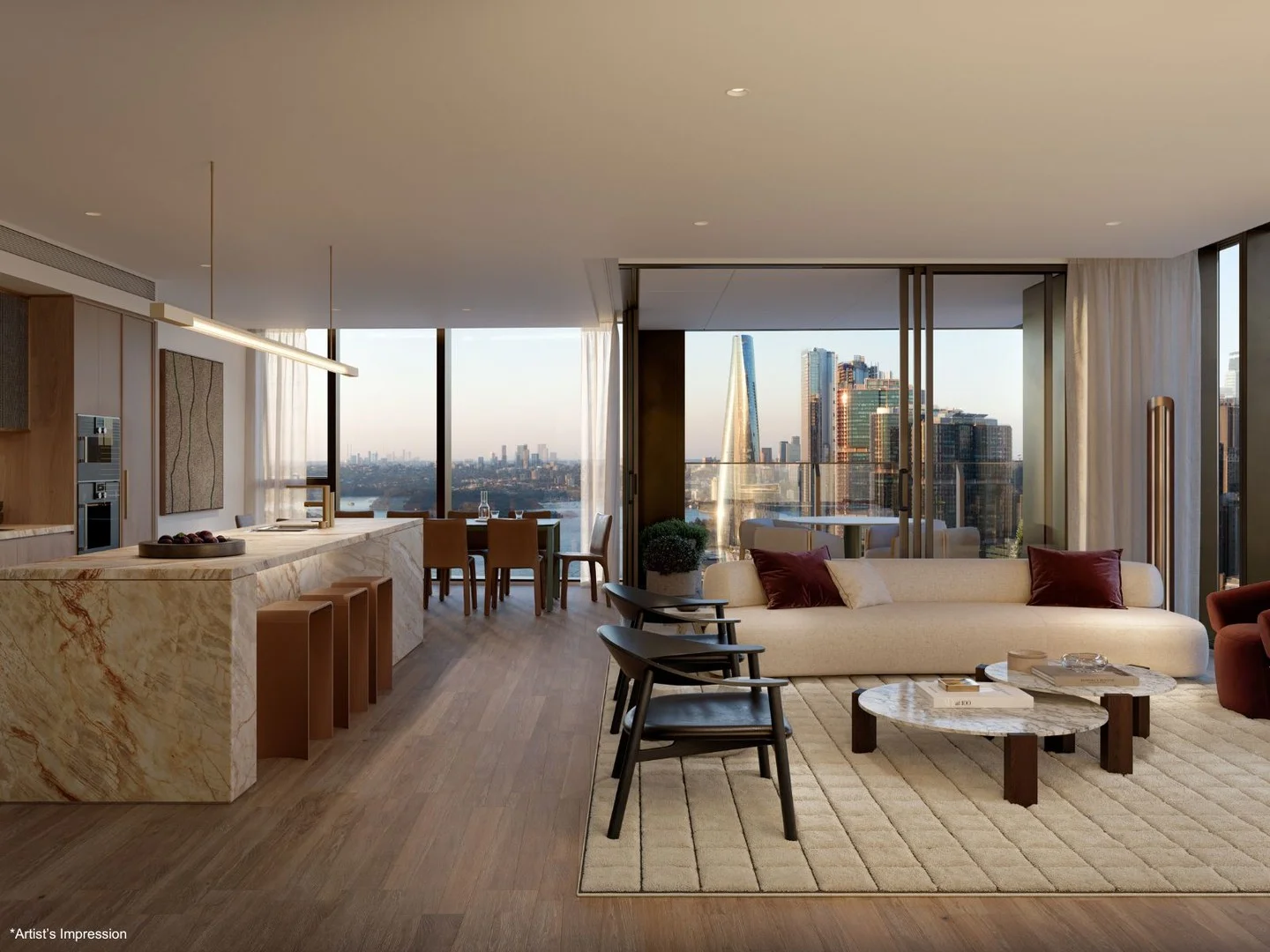 $12,980,000
propertyType.NEW APARTMENTS / OFF THE PLAN
$12,980,000
propertyType.NEW APARTMENTS / OFF THE PLAN


