## 1. Overview (1–2 paragraphs max)
Bonnyrigg Heights Public School is a public primary school serving the Bonnyrigg Heights area. It is a medium-sized, co-educational school focusing on a supportive, inclusive learning environment where students are encouraged to grow academically and socially. Class sizes are typically in the mid-20s, allowing teachers to give students individual attention while fostering collaboration and peer learning. The atmosphere is nurturing and respectful, with a strong emphasis on wellbeing, community involvement, and high expectations for student achievement.
The school seeks to build a diverse, welcoming culture where students feel safe to take risks, participate in a broad range of learning experiences, and develop as confident, responsible young people ready for the next stage of their education.
⸻
## 2. Academics & Learning
- Academic strengths: Strong emphasis on English and Mathematics as foundations, with integrated STEM and digital literacy across subjects. There is a focus on developing reading, writing and numeracy skills, along with inquiry-based learning to build problem-solving and critical thinking.
- Special programs: Gifted and Talented opportunities and extension activities are offered where available, with targeted tasks and challenges aligned to student needs. Leadership and collaborative projects are encouraged to develop student initiative.
- NAPLAN / trends: The school aims for steady improvement and consistent performance in reading, writing, and numeracy over time, with a focus on growth for all students.
- Student-teacher ratios: Typically around NSW public school norms (roughly mid-20s students per class with a corresponding teacher allocation and support staff to support learning).
- Support for diverse learners: Strong EAL/D support and inclusive education approaches, with learning and support teams to assist students with additional educational needs, language support, and targeted interventions.
⸻
## 3. Sports & Extracurricular Strengths
- Sports offered: A range of school-level team and individual sports, including ball sports (e.g., soccer, basketball), athletics and swimming programs, and opportunities to participate in district and zone events.
- Strong teams or achievements: Active participation in local inter-school competitions with opportunities for students to progress to district levels through selection processes.
- Music, arts, drama programs: Music and performing arts opportunities, school productions or assemblies, and involvement in arts activities to develop creativity and performance skills.
- Clubs: Robotics, chess, coding, and debating are among the clubs typically offered to broaden interests and develop problem-solving and teamwork.
- Partnerships: Connections with local sports clubs and district-level competitions to provide additional training and competitive opportunities for students.
⸻
## 4. Wellbeing & Pastoral Care
- Anti-bullying approach: Whole-school wellbeing programs, positive behaviour support, and anti-bullying initiatives to promote respectful relationships and cyber-safety.
- House system: A house-based structure is used to foster community, teamwork, and healthy competition across year levels.
- Counsellors / wellbeing officers: Access to school wellbeing staff, including counsellors or wellbeing officers, to support student mental health and emotional regulation.
- Transition support for new students: Buddy programs, orientation sessions, and transition activities to help new students settle in smoothly and build connections.
⸻
## 5. Facilities
- Sports grounds: On-site sports areas and fields suitable for a variety of outdoor activities and physical education.
- Libraries: A library that supports reading and research across year levels.
- Science labs: Dedicated spaces for science experiments and hands-on learning.
- Music/performing arts centers: Facilities or spaces for music, drama, and performance activities.
- Tech/innovation labs: Access to computer and coding resources to support digital literacy and STEM learning.
- Cafeteria: On-site canteen or café-style options for healthy meals and snacks.
- Updated playgrounds: Play areas designed to support active play and social development.
⸻
## 6. School Values & Community Culture
- School values / mission: A set of core values focused on respect, responsibility, inclusion, and achievement, guiding everyday learning and behaviour.
- Leadership style: Collaborative leadership that involves staff, students, and families in decision-making and school improvement initiatives.
- Behaviour expectations: Clear codes of conduct with restorative practices to address behavioural concerns and build positive relationships.
- Community reputation: Known for a family-friendly, supportive environment with active parent involvement and a commitment to inclusion.
- Diversity & inclusion: Emphasis on creating a welcoming environment for students from diverse backgrounds, languages, and abilities.
⸻
## 7. School Logistics & Daily Operations
- School hours: Typical daily schedule follows NSW public school times for primary students, with start and finish times aligned to the regional timetable.
- Before/after school care: After-school and before-school care options are available through OSHC or local providers.
- Uniform requirements: School uniform policy in place with appropriate daily attire required.
- Transport (bus routes): Accessible bus routes and public transport links within the local area to support commuting to and from school.
- Canteen availability: Canteen or food services available to provide healthy meal and snack options.
- Fees (low/medium/high ranges): Public schools have no tuition fees for core schooling; there are small voluntary contributions and approved item costs for activities and supplies.
⸻
## 8. Enrolment & Admissions
11. What is the enrolment process and timeline?
- Check whether you are in-catchment; obtain the required documentation (birth certificate, proof of address, immunisation records, and any relevant healthcare or supporting documentation).
- Submit an enrolment application through the NSW Department of Education process or the school’s intake process; timelines vary by intake period and year level, with offers typically issued after the application is reviewed. Plan ahead for term beginnings and any year-level transitions.
12. Is there a waiting list, and how does it work?
- Waiting lists can apply if cohorts are full; priority is usually given to in-catchment applicants. Placement on a waitlist depends on vacancies and the order of submission, with timelines varying by year level and term.
13. Are there any entry requirements, tests, or interviews?
- Primary school enrolment generally does not require entrance exams. Some schools may conduct informal meetings or discussions to understand student needs (e.g., language support or learning needs) but formal testing is uncommon for standard intake.
14. Does the school accept mid-year transfers?
- Yes, mid-year transfers are considered subject to vacancies and the readiness of the receiving year level, with the usual transition processes to support continuity of learning.
⸻
## 9. Frequently Ask Questions
- Why Parents Choose This School?
- A welcoming, inclusive community with a strong focus on student wellbeing, solid literacy and numeracy programs, and broad learning opportunities.
- What type of student thrives at this school?
- Students who are curious, collaborative, and dedicated to learning across academics, sport, arts, and community activities.
- What opportunities are available for students to extend their skills (academics, sports, arts)?
- Access to enrichment tasks in core subjects, clubs such as robotics and coding, music and drama programs, and participation in inter-school competitions and events.
- How does the school communicate with parents?
- Regular updates through newsletters, notices, parent portals, and meetings; open channels for teacher and office contact.
- What is the school’s approach to teaching and learning?
- A balanced approach combining explicit instruction with inquiry-based and hands-on learning, differentiating for diverse learners, and integrating digital literacy.
- How does the school support students who need extra academic help?
- Targeted interventions through learning support teams, EAL/D assistance, and access to additional in-class or small-group support.
- What support is available for academic challenges?
- Coordinated support through teachers, learning support staff, and specialists as needed to address gaps and build skills.
- How does the school communicate with parents? (Repeated)
- See above: newsletters, portals, meetings, and direct contact with teachers and administration.
- What are the class sizes and how much individual attention do students receive?
- Class sizes are in the mid-20s range, with teacher attention and targeted support provided through differentiation and small-group work where needed.
- What extracurricular and sports opportunities are available?
- A range of sports, arts, music, and clubs (robotics, chess, coding, debating) with opportunities to participate in district-level events.
- What facilities does the school offer (sports, science, arts)?
- Sports grounds, libraries, science labs, music/performing arts spaces, tech/innovation labs, a canteen, and updated playgrounds.
- What is the school’s approach to technology and digital learning?
- Integration of digital literacy across the curriculum, including access to devices and coding activities to develop technological skills.
- What transport and accessibility options are available?
- Local bus routes and transport options are available, with considerations for accessibility and ease of travel for families.
- What are the typical school fees or additional costs?
- Core education is funded by public schooling; there are voluntary contributions and costs for certain activities, resources, and excursions.
⸻
## 10. Short Pros & Cons list
- Pros
- Public, inclusive environment with a strong focus on wellbeing and student growth.
- Balanced curriculum with support for literacy, numeracy, and STEM.
- Broad range of extracurriculars and clubs, including sports, arts, and technology.
- Active support for diverse learners (EAL/D and SEN) and strong family engagement.
- Welcoming community culture and opportunities for student leadership.
- Cons
- As a public school, class configurations and enrolment can vary by year level and demand.
- Popular programs or clubs may have waitlists during peak periods.
- Large communities can mean varying levels of parental involvement; some families may need to invest time to participate in school activities.
⸻









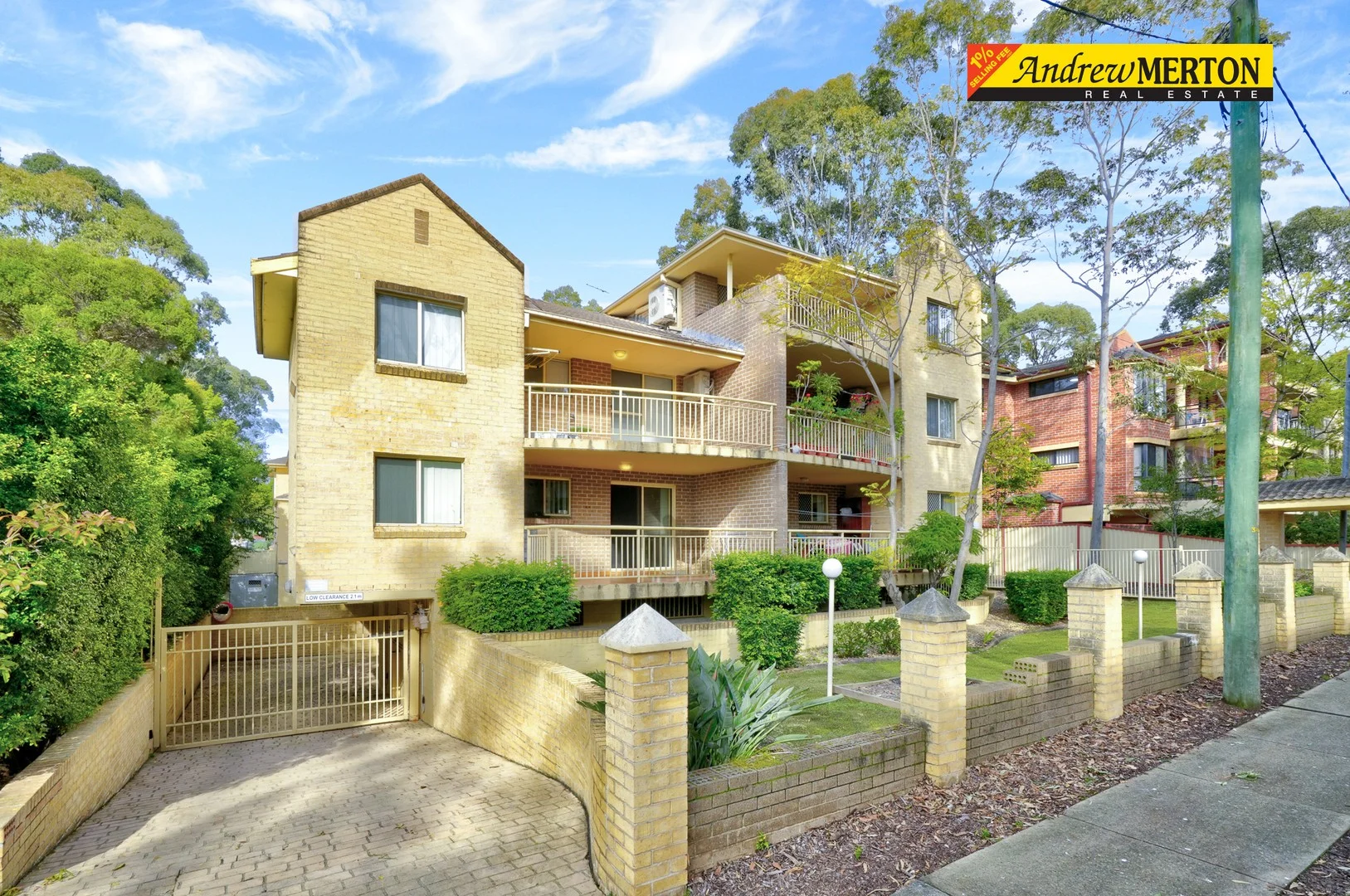 $530,000
Apartment / Unit / Flat
$530,000
Apartment / Unit / Flat
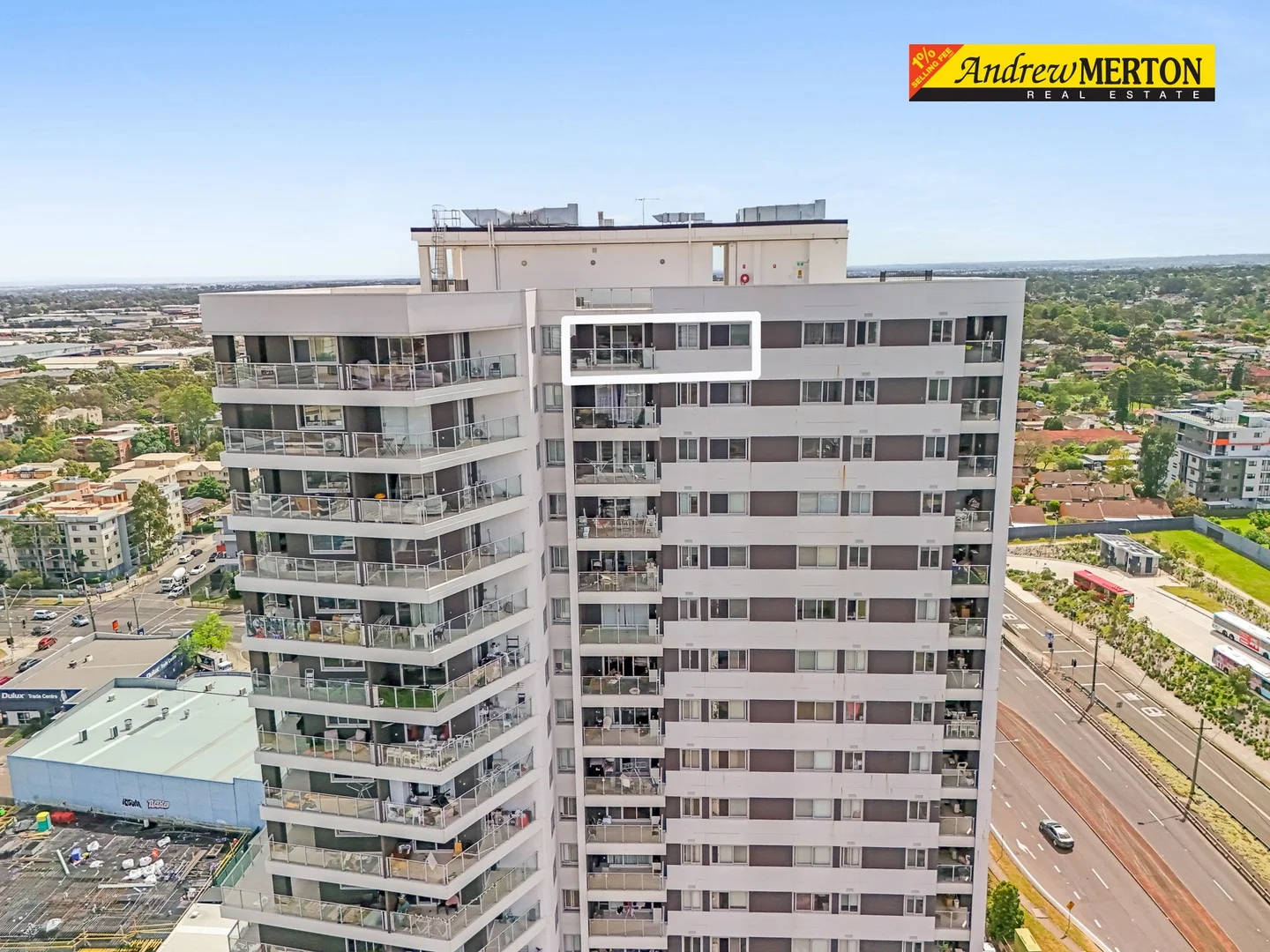 $399,900
Apartment / Unit / Flat
$399,900
Apartment / Unit / Flat
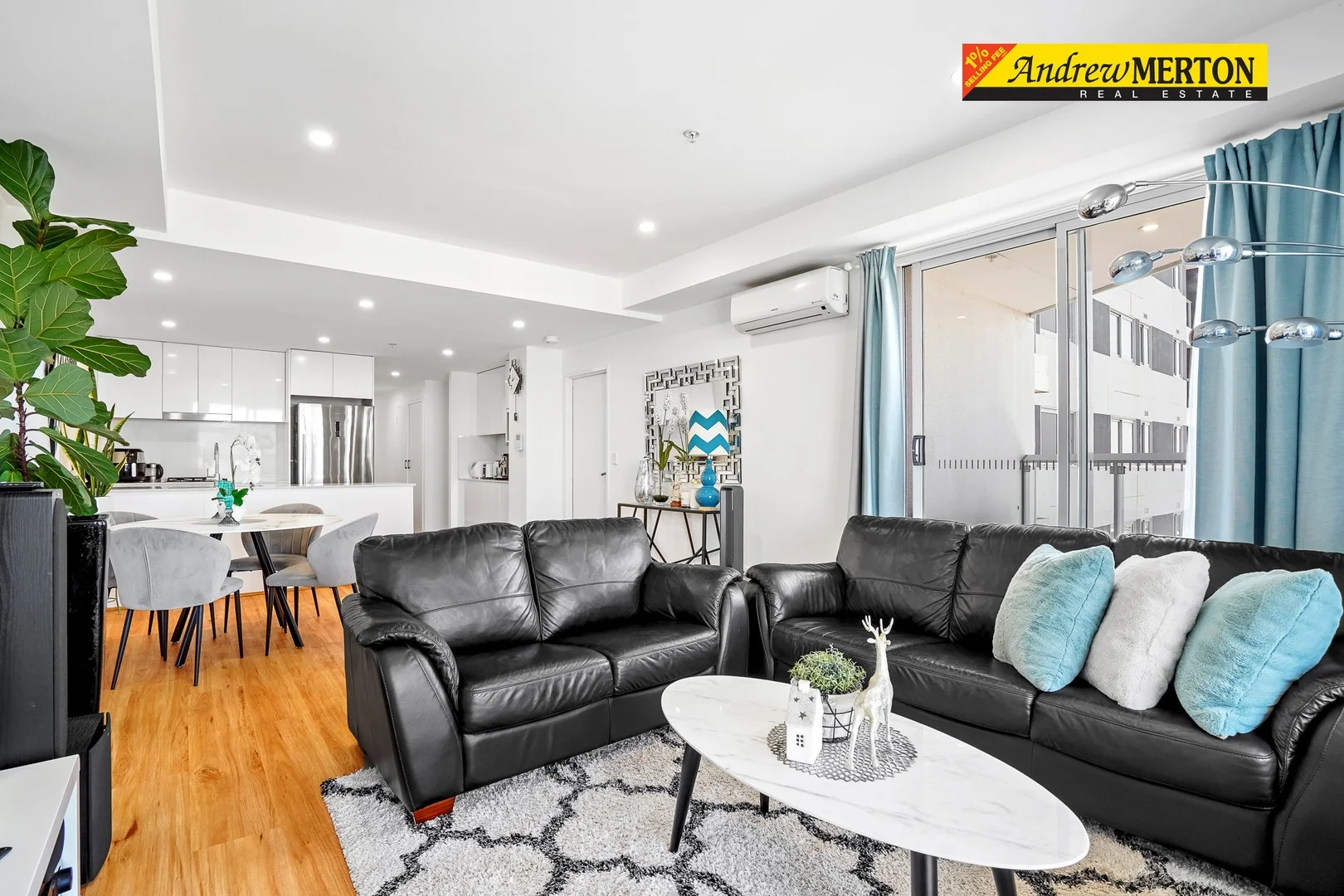 $475,000
Apartment / Unit / Flat
$475,000
Apartment / Unit / Flat


