## 1. Overview
John the Baptist Catholic Primary School is a Catholic primary school serving families in Bonnyrigg Heights, NSW. As part of the NSW Catholic education system, the school focuses on faith-based learning within a supportive, community-driven environment. The school aims to provide a balanced, holistic education that nurtures both academic growth and personal development.
Size and atmosphere vary by year level, but it is generally a medium-sized community with a close-knit feel. Class sizes are typically in the small-to-mid range for NSW primary schools, supporting more individual attention. The culture is grounded in inclusivity, care, and a respectful, faith-led atmosphere that encourages student voice, service, and collaboration.
## 2. Academics & Learning
- Academic strengths: Emphasis on English and Mathematics with strong literacy and numeracy programs; commitment to STEM activities and inquiry-based learning; opportunities for leadership through student councils and classroom roles.
- Special programs: Gifted and Talented or extension options where available; targeted support for EAL/D learners; integration of faith-based values across learning experiences.
- NAPLAN / trends: Schools monitor NAPLAN progress over time, typically focusing on growth in reading, writing, and numeracy with targeted interventions where needed; latest trend data should be checked with the school for the current year.
- Student-teacher ratios: Generally around 1:20 (varies by year level and class). Class structures are designed to allow meaningful student-teacher interaction.
- Support for diverse learners: EAL/D support, SEN support, and inclusive education approaches to help students reach their personal best.
## 3. Sports & Extracurricular Strengths
- Sports offered: Common primary-level programs include soccer, basketball, cricket, athletics, swimming, and general physical education activities.
- Strong teams or achievements: Participation in inter-school competitions and local sport events; emphasis on teamwork, fair play, and personal improvement.
- Music, arts, drama programs: School choirs, school band or ensemble opportunities, school productions or drama clubs, visual arts initiative.
- Clubs: Robotics, chess, coding, debating, and other STEM/logic or public-speaking clubs commonly available.
- Partnerships: Local community partnerships with clubs, sports associations, and inter-school competitions to broaden opportunities.
## 4. Wellbeing & Pastoral Care
- Anti-bullying approach: Whole-school anti-bullying programs and clear policies; emphasis on respectful relationships and safeguarding.
- House system: House-based activities and competitions to foster belonging and leadership opportunities.
- Counsellors / wellbeing officers: Access to school counsellors or wellbeing staff to support student resilience and mental health.
- Transition support for new students: Welcome activities, buddy systems, and orientation sessions to ease transitions for new families and students.
## 5. Facilities
- Sports grounds: On-site sports facilities or access to nearby fields for physical activity.
- Libraries: On-site library with reading programs and a focus on literacy.
- Science labs: Dedicated science spaces or flexible learning environments for STEM activities.
- Music/performing arts centers: Music room or performing arts space for classes and performances.
- Tech/innovation labs: Computer labs or maker spaces supporting digital learning and coding.
- Cafeteria: On-site canteen or lunchroom facilities.
- Updated playgrounds: Age-appropriate play areas and outdoor learning spaces.
## 6. School Values & Community Culture
- School values / mission: Faith-based education emphasizing respect, responsibility, compassion, service, and integrity.
- Leadership style: Participative and student-inclusive, with opportunities to lead through student councils, prefect roles, and classroom leadership tasks.
- Behaviour expectations: Clear code of conduct aligned with Catholic values; emphasis on courtesy, resilience, and responsibility.
- Community reputation: Typically viewed as a welcoming parish-based community with a focus on family involvement and values-based education.
- Diversity & inclusion: Commitment to an inclusive environment welcoming students from diverse backgrounds and abilities.
## 7. School Logistics & Daily Operations
- School hours: Typically a morning-to-afternoon schedule (e.g., around 9:00 am–3:00 pm); specific times may vary by year level.
- Before/after school care: OSHC or after-school programs commonly available to families.
- Uniform requirements: Standard school uniform policy (navy/green tones common in many Catholic primary schools); specifics provided by the school.
- Transport (train/bus routes): Local bus routes and public transport options serve the area; drop-off/pick-up zones and arrangements are communicated by the school.
- Canteen availability: Canteen or lunch facilities available with routine menu offerings.
- Fees: Catholic systemic schools typically have moderate annual fees and materials charges; exact amounts vary by year level and program.
## 8. Enrolment & Admissions
11. What is the enrolment process and timeline?
- Applications are usually invited during a defined open enrolment period each year. Families submit the required documentation (birth certificate, immunisation records, proof of parish involvement where applicable, baptismal certificate if relevant). There may be information sessions or open days, and families are asked to complete any school-specific forms. The school will confirm next steps and timelines after submission.
12. Is there a waiting list, and how does it work?
- Some years or grade levels may have waitlists if demand exceeds places. Waiting lists are typically managed by date of application and may consider factors such as siblings enrolled, parish affiliation, and space availability. The school can provide current details about waitlist length and process.
13. Are there any entry requirements, tests, or interviews?
- Catholic schools may have entry requirements aligned with parish eligibility, enrollment suitability, and readiness for the program. Some schools conduct brief interviews or information sessions, and there may be assessments or discussions to understand learning needs and support requirements.
14. Does the school accept mid-year transfers?
- Mid-year transfers are possible if space is available and the school can meet the student’s needs. Parents should contact the admissions team as early as possible to discuss availability, documentation, and transition planning.
## 9. Frequently Asked Questions
- Why Parents Choose This School?
- Strong Catholic ethos and values-based education, supportive community, and focus on both academic and personal growth.
- What type of student thrives at this school?
- Students who respond well to a caring, faith-informed environment, with a readiness to engage in a broad curriculum including sport, arts, and community activities.
- What opportunities are available for students to extend their skills (academics, sports, arts)?
- Gifted/extension options where offered, leadership roles, clubs (robotics, coding, debating), inter-school sports, music and performing arts programs.
- How does the school communicate with parents?
- Regular newsletters, emails, parent-teacher meetings, school app or portal updates, and an open-door policy with teachers and leadership.
- What is the school’s approach to teaching and learning?
- Balanced approach combining core literacy and numeracy with inquiry-based learning, faith-informed values, and differentiation to meet diverse learning needs.
- How does the school support students who need extra academic help?
- Targeted interventions in literacy and numeracy, EAL/D and SEN support, access to specialists or learning support staff, and ongoing progress monitoring.
- What support is available for academic challenges?
- Individual or small-group interventions, accommodation plans where appropriate, and collaboration with families to set goals.
- How does the school communicate with parents?
- See above: regular channels such as newsletters, emails, parent-teacher meetings, and digital portals.
- What are the class sizes and how much individual attention do students receive?
- Class sizes are typically in the small-to-mid range for primary schools, designed to support teacher-student interaction and personalized feedback.
- What extracurricular and sports opportunities are available?
- A range of sports, arts, music, and clubs (robotics, chess, coding, debating) with opportunities to participate in inter-school events.
- What facilities does the school offer (sports, science, arts)?
- Facilities include sports grounds, library, science labs, music/performing arts spaces, tech/innovation spaces, canteen, and updated playgrounds.
- What is the school’s approach to technology and digital learning?
- Integration of digital learning through computer/lab access, coding and ICT activities, and use of age-appropriate educational tech.
- What transport and accessibility options are available?
- Local bus routes and public transport access; well-organized drop-off/pick-up arrangements; information provided to families.
- What are the typical school fees or additional costs?
- Fees are generally moderate for NSW Catholic primary schools, with some additional costs for activities, excursions, and materials; exact figures provided by the school.
## 10. Short Pros & Cons list
- Pros:
- Strong Catholic ethos with values-based education
- Nurturing, inclusive culture and supportive staff
- Range of academic, arts, sport, and extracurricular opportunities
- Focus on wellbeing, pastoral care, and transition support
- Active community involvement and faith-based community connections
- Cons:
- Enrolment numbers may create waitlists in certain year levels
- Uniform and elective costs are an ongoing consideration for families
- Transport options depend on local routes and may require planning for some families
If you’d like, I can tailor this draft further with any specific information you might have from the school or update sections with more precise details (hours, exact programs, current fees) once you share them.











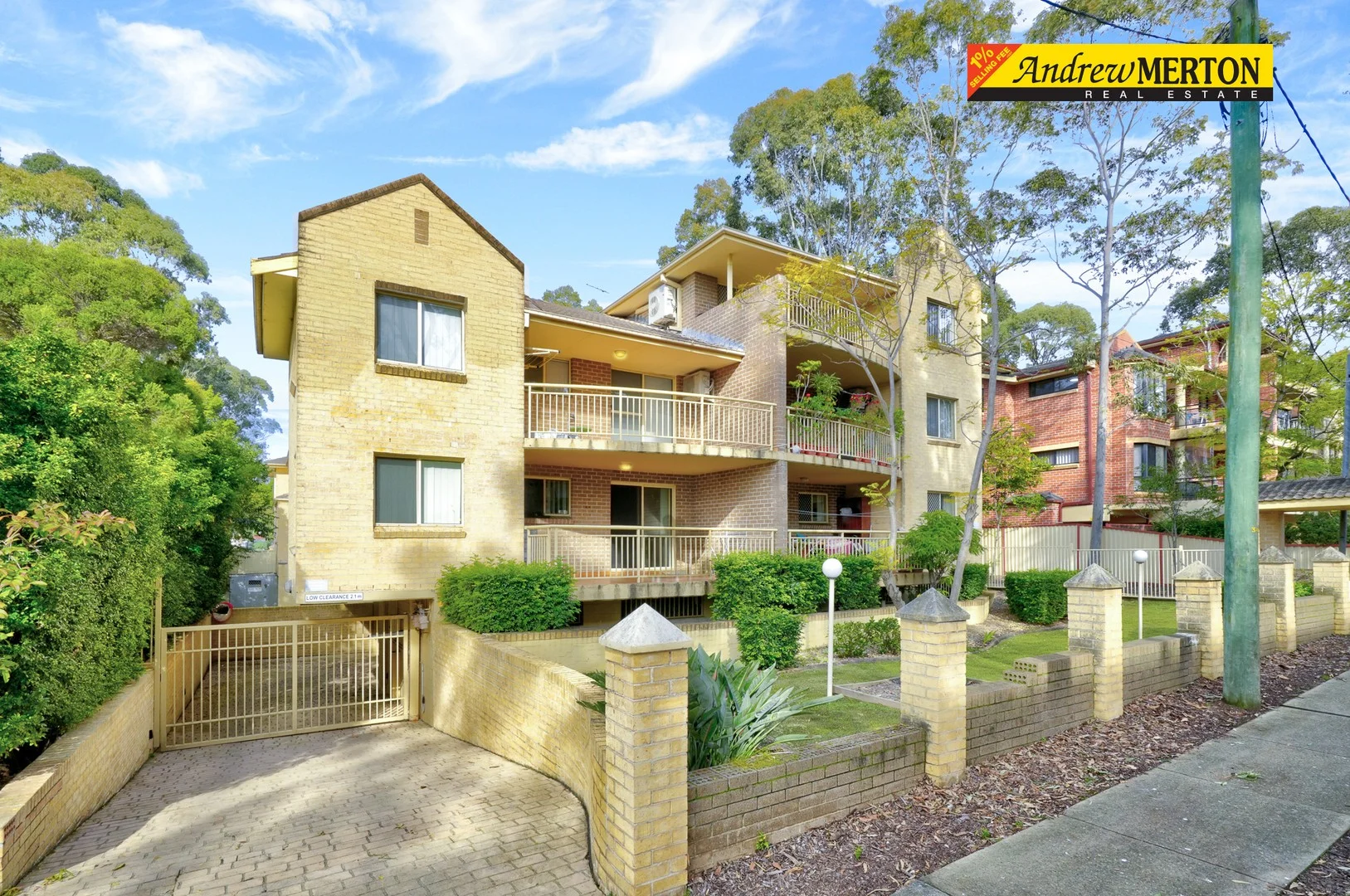 $530,000
Apartment / Unit / Flat
$530,000
Apartment / Unit / Flat
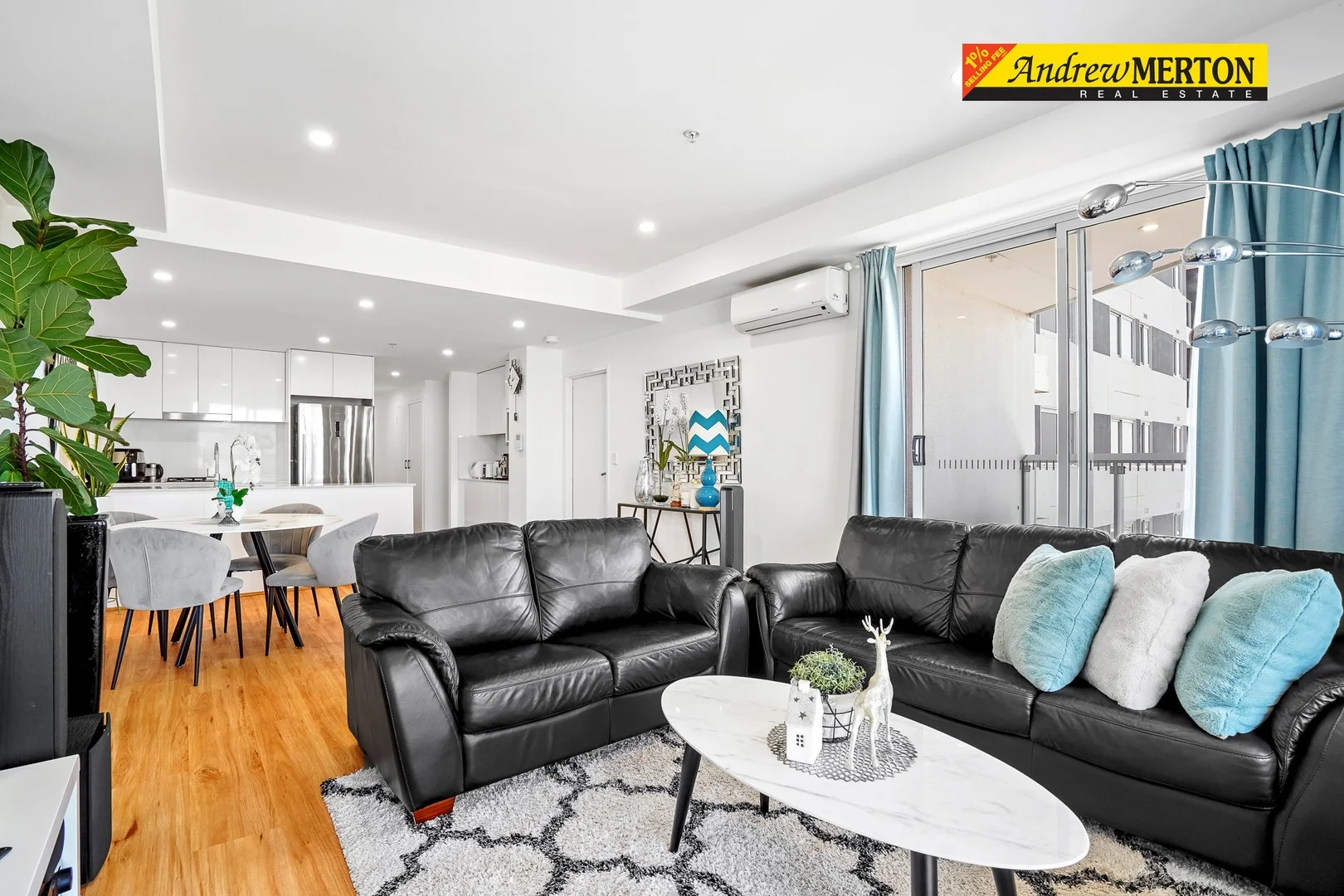 $475,000
Apartment / Unit / Flat
$475,000
Apartment / Unit / Flat
 $399,900
Apartment / Unit / Flat
$399,900
Apartment / Unit / Flat


