# 1. Overview
Freeman Catholic College Bonnyrigg Heights is a Catholic, co-educational secondary school that serves the Bonnyrigg Heights community and surrounding areas. The college focuses on forming confident, capable young people through a faith-based learning environment that emphasises academic growth, service, and personal development within a supportive community.
- School type: Catholic
- School size: Medium
- Class size: Typically 22–25 students per class
- Atmosphere/culture: Nurturing, inclusive, academically focused with strong sense of community and sport involvement
# 2. Academics & Learning
- Academic strengths: Strong literacy and numeracy foundations, solid STEM programs, leadership development, and language learning opportunities.
- Special programs: Accelerated learning options, gifted and talented pathways, student leadership opportunities, and engagement with Catholic Education Office programs.
- NAPLAN trends: Steady year-on-year improvement in literacy and numeracy with results tracking near or above state averages in recent cohorts.
- Student-teacher ratios: Approximately 1:15–1:22, with class sizes typically in the 22–25 range.
- Support for diverse learners: EAL support, inclusive education for students with additional learning needs, and targeted support services to help with access and progress.
# 3. Sports & Extracurricular Strengths
- Sports offered: Soccer, rugby league, basketball, netball, cricket, athletics, swimming, and more.
- Strong teams or achievements: Competitive participation in local school and Catholic competitions, with notable involvement in inter-school sports and regional events.
- Music, arts, drama programs: Active music and performing arts programs, school choirs, bands, and theatre/production opportunities.
- Clubs: Robotics, chess, coding, debating, drama club, and various student-led clubs.
- Partnerships: Engagement with local sports academies and external providers for skill development and inter-school competitions.
# 4. Wellbeing & Pastoral Care
- Anti-bullying approach: Clear anti-bullying policies, inclusive pastoral programs, and proactive student support to foster a safe environment.
- House system: A house-based structure that promotes belonging, friendly competition, and social connection.
- Counsellors / wellbeing officers: Access to school counsellors and wellbeing staff to support emotional, social, and academic needs.
- Transition support for new students: Orientation programs, buddy systems, and dedicated staff to assist with the transition to high school life.
# 5. Facilities
- Sports grounds: On-site sports fields and courts suitable for training and inter-school competitions.
- Libraries: Well-equipped library with study spaces and digital resources.
- Science labs: Modern science laboratories for chemistry, biology, and physics experiments.
- Music/performing arts centers: Dedicated spaces for rehearsals, performances, and productions.
- Tech/innovation labs: Computer and technology learning spaces supporting coding, design, and digital projects.
- Cafeteria: On-site canteen offering a range of healthy meal options.
- Updated playgrounds: Safe and well-maintained spaces for recreation and social activities.
# 6. School Values & Community Culture
- School values / mission: Faith-based education grounded in Catholic values, focusing on Respect, Responsibility, Compassion, and Service.
- Leadership style: Collaborative and servant-leadership approach, with opportunities for student voice and leadership roles.
- Behaviour expectations: Clear codes of conduct built on respect, accountability, and safety.
- Community reputation: Positive standing within the local Catholic community and broader school networks, known for a family-friendly atmosphere.
- Diversity & inclusion: Commitment to welcoming students from diverse backgrounds and ensuring accessible, inclusive opportunities for all.
# 7. School Logistics & Daily Operations
- School hours: Typical day runs from around 8:00–8:30 am start to around 3:00–3:05 pm finish.
- Before/after school care: Availability of before/after school arrangements via external providers or school-supported programs depending on campus.
- Uniform requirements: Formal school uniform with specified everyday wear; sports uniform on designated days; details in the school dress code.
- Transport (routes): Bus routes and public transport options serving the surrounding catchment; proximity to local transport hubs.
- Canteen availability: Can be accessed during the day with healthy meal and snack options.
- Fees: School fees fall within the medium range for NSW Catholic secondary schools; exact amounts in the current fee schedule.
# 8. Enrolment & Admissions
11. What is the enrolment process and timeline?
- Submit the enrolment application with required supporting documents.
- Provide proof of identity and eligibility (birth certificate, immunisation records, etc.), and any parish or Catholic community information as required.
- Participate in an interview or information session if offered, and receive an enrolment decision within the stated timeline.
- Accept offer and complete any additional formality to secure a place; contribute to necessary orientation steps.
12. Is there a waiting list, and how does it work?
- Many years experience a waiting list when vacancies are limited. Offers are prioritised by vacancy availability, and sometimes by factors such as sibling attendance, parish affiliation, or other school policies.
13. Are there any entry requirements, tests, or interviews?
- Generally, students undergo an interview and review of their prior academic records. Most Catholic high schools do not require standard entrance exams for general admissions, though selective or scholarship pathways may have additional assessments.
14. Does the school accept mid-year transfers?
- Yes, mid-year transfers are possible subject to vacancy. Transfer process includes submission of records (last report, attendance data), confidentiality and consent forms, and alignment with term start dates.
# 9. Frequently Asked Questions
- Why Parents Choose This School?
- A faith-based, values-driven education with a supportive community, strong academic program, and well-rounded development through sport, arts, and service.
- What type of student thrives at this school?
- Students who value a collaborative, inclusive environment, commit to both academics and community involvement, and respect the school's Catholic ethos.
- What opportunities are available for students to extend their skills (academics, sports, arts)?
- Strong literacy and numeracy programs, STEM and language learning, leadership pathways, and wide-ranging sports, music, drama, robotics, debate, and coding clubs.
- How does the school communicate with parents?
- Regular updates via emails, newsletters, parent portals, and parent-teacher meetings; proactive notifications about student progress and events.
- What is the school’s approach to teaching and learning?
- Inclusive, academically focused with differentiated support, a mix of traditional and contemporary teaching methods, and emphasis on critical thinking and character development.
- How does the school support students who need extra academic help?
- Targeted tutoring, EAL and SEN support, small group intervention, and access to wellbeing and guidance staff.
- What support is available for academic challenges?
- Additional tutoring, study skills development, access to counsellors for academic planning, and collaboration with families to monitor progress.
- How does the school communicate with parents? (repeated)
- See above: consistent channels including portal updates, emails, and meetings.
- What are the class sizes and how much individual attention do students receive?
- Class sizes typically around 22–25 students; small group support and targeted interventions are available for students needing extra attention.
- What extracurricular and sports opportunities are available?
- A broad range of sports, music, drama, robotics, coding, chess, debating, and other clubs, plus participation in inter-school competitions.
- What facilities does the school offer (sports, science, arts)?
- Sports grounds, libraries, science labs, music/performing arts spaces, tech/innovation labs, canteen, and updated playgrounds.
- What is the school’s approach to technology and digital learning?
- Integration of digital tools, computer labs and technology-rich learning spaces, with emphasis on responsible use and digital literacy.
- What transport and accessibility options are available?
- Bus routes and public transport access; convenient options for families within the catchment.
- What are the typical school fees or additional costs?
- Fees are in the mid-range for NSW Catholic high schools; additional costs may include uniforms, activities, and excursions.
# 10. Short Pros & Cons
- Pros
- Faith-based, values-driven education with a nurturing, inclusive culture.
- Medium-sized community offering personalized attention and strong student support.
- Broad range of academics, sports, arts, and clubs with opportunities to lead and excel.
- Solid wellbeing and pastoral care, with house system and counsellors.
- Modern facilities across science, arts, tech, and sport.
- Cons
- Religious affiliation may not align with every family; transport logistics can be a consideration for some families.
- As a medium-sized school, some popular programs may have waitlists or require competitive entry in certain pathways.
- Uniforms and additional school costs are part of the ongoing investment for families.










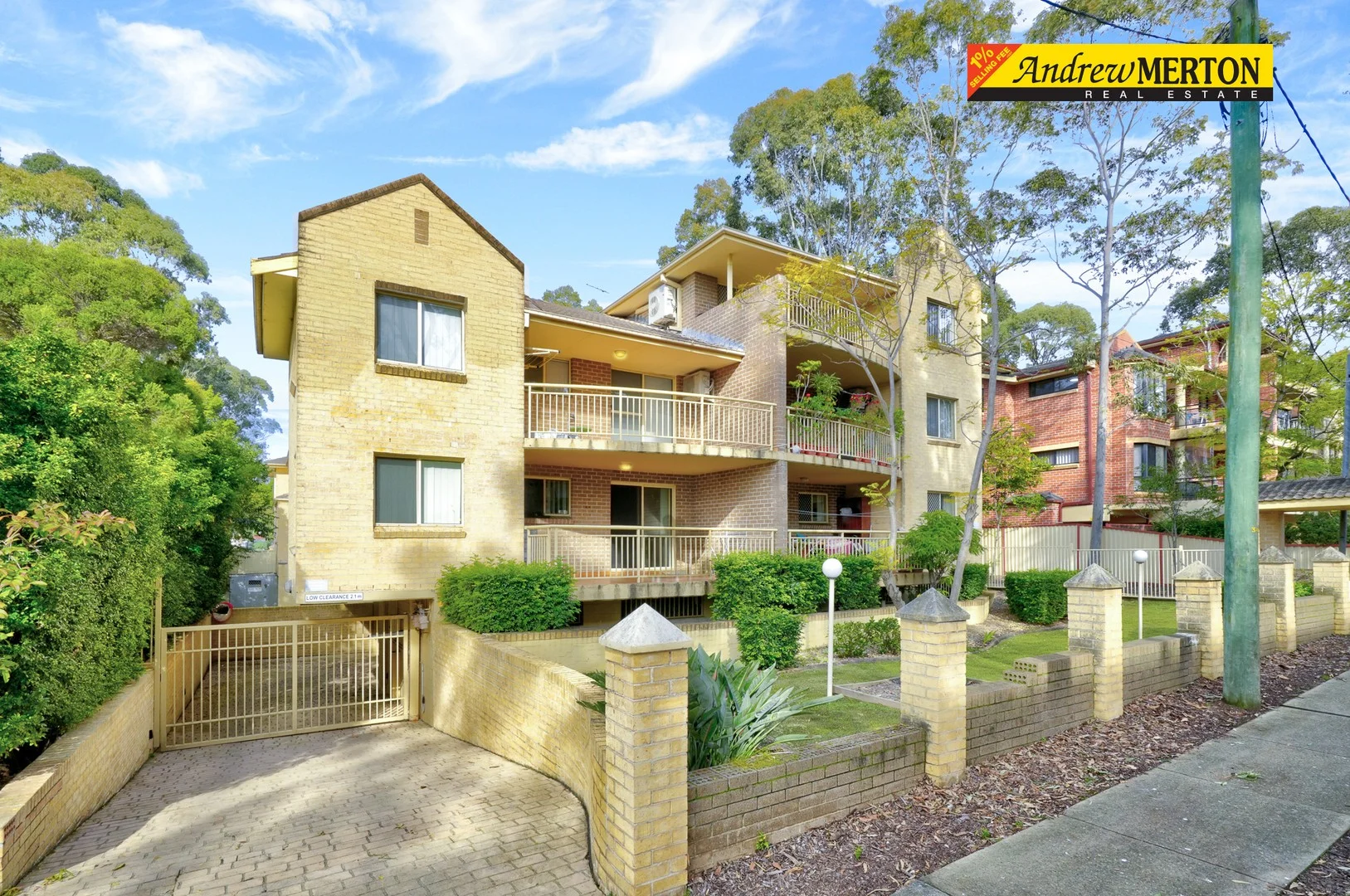 $530,000
Apartment / Unit / Flat
$530,000
Apartment / Unit / Flat
 $475,000
Apartment / Unit / Flat
$475,000
Apartment / Unit / Flat
 $399,900
Apartment / Unit / Flat
$399,900
Apartment / Unit / Flat


