## 1. Overview
Cecil Hills Public School is a public, co-educational primary school serving students from Kindergarten to Year 6. Located in Cecil Hills, NSW, the school draws a diverse local community and provides a balanced, well-rounded education aligned with the NSW curriculum. The school is medium-sized, offering a welcoming and inclusive atmosphere where teachers, students, and families work together to support learning. Class sizes are typical for NSW public primary schools, with ranges commonly around the low-to-mid 20s, varying by year level. The culture focuses on nurturing student wellbeing, strong relationships, and active community involvement.
The school emphasises an inclusive environment where academic growth, wellbeing, and personal development are prioritized. There is an emphasis on respectful behaviour, positive habits for learning, and opportunities for students to participate in a broad range of activities beyond the classroom.
---
## 2. Academics & Learning
- Academic strengths: Strong focus on literacy and numeracy, with robust opportunities in STEM and digital technologies. The school supports leadership development and encourages creative and critical thinking across key learning areas.
- Special programs: Gifted and Talented (G&T) initiatives, targeted literacy and numeracy interventions, and opportunities for accelerated learning where appropriate. Programs to foster student agency and inquiry are promoted.
- NAPLAN / trends: Public NSW primary schools typically show steady or improving trends over recent years in reading and numeracy, with ongoing attention to writing and grammar/punctuation. The school aims to maintain consistent progress year to year.
- Student-teacher ratios: Class sizes and staffing align with NSW public primary school norms, with qualified teachers leading classrooms and specialist support staff available to assist students as needed.
- Support for diverse learners: Comprehensive support for diverse learners, including English as an Additional Language (EAL) learners and students with additional learning needs (SEN). Access to learning support staff and targeted small-group interventions is provided.
---
## 3. Sports & Extracurricular Strengths
- Sports offered: A range of team and individual sports typical for NSW primary schools, including soccer, basketball, cricket, athletics, and cross-country. Opportunities to participate in inter-school and district-level events.
- Strong teams or achievements: Active participation in interschool sports with ongoing opportunities to contribute to school-wide athletic programs and regional competitions.
- Music, arts, drama programs: Music education, school concerts, choir or ensemble activities, and drama/drama club opportunities are available to enrich the arts experience.
- Clubs: Robotics, coding, chess, debating, and other technology or academic clubs are offered to extend learning beyond the classroom.
- Partnerships: Connections with local clubs, community groups, and external coaches for enrichment, clinics, and competitions that provide broader pathways for student growth.
---
## 4. Wellbeing & Pastoral Care
- Anti-bullying approach: Whole-school approach to wellbeing with clear anti-bullying policies, positive behaviour guidelines, and proactive programs to promote respectful interactions.
- House system: A house-based pastoral framework to support belonging, teamwork, and healthy competition across year levels.
- Counsellors / wellbeing officers: Access to school counsellors or wellbeing staff to support emotional, social, and mental health needs.
- Transition support for new students: Orientation and buddy programs to help new students settle in, along with tailored support during transitions within the school and to higher year levels.
---
## 5. Facilities
- Sports grounds: Outdoor playing fields and prepared outdoor spaces for physical education and recreation.
- Libraries: A dedicated library space supporting literacy and research activities.
- Science labs: On-site science facilities to support hands-on experiments and scientific inquiry.
- Music/performing arts centers: Facilities or dedicated spaces for music, drama, and performances.
- Tech/innovation labs: Access to technology and digital learning spaces to support coding, robotics, and project-based learning.
- Cafeteria: On-site canteen or lunch facilities for daily meals and snacks.
- Updated playgrounds: Well-maintained play areas supporting active, imaginative play.
---
## 6. School Values & Community Culture
- School values / mission: Core values typically emphasize respect, responsibility, inclusivity, and striving for personal best within a culture of encouragement and safety.
- Leadership style: Collaborative and distributed leadership, with staff and student voice encouraged in school improvement and daily operations.
- Behaviour expectations: Clear expectations around positive behaviour for learning, consistent routines, and restorative practices to address conflicts.
- Community reputation: A supportive school community with engaged families and local partnerships that contribute to a positive learning environment.
- Diversity & inclusion: Commitment to welcoming students from diverse backgrounds and providing inclusive learning experiences.
---
## 7. School Logistics & Daily Operations
- School hours: Typical primary hours, commonly around 9:00 am to 3:00 pm, with variations for year levels and break times.
- Before/after school care: After-school care options available via on-site or local providers to support working families.
- Uniform requirements: Standard school uniform policy with guidance on acceptable attire for daily wear and excursions.
- Transport (train/bus routes): Access to local bus routes and public transport options; school catchment areas influence placement and transport needs.
- Canteen availability: On-site or nearby canteen options providing lunch and snack choices during the school day.
- Fees (low/medium/high ranges): As a public school, there is no tuition fee, with potential costs related to uniforms, excursions, and voluntary contributions or activity fees.
---
## 8. Enrolment & Admissions
11. What is the enrolment process and timeline?
- Check local catchment requirements and prepare essential documents (proof of address, birth certificate or passport, immunisation records).
- Submit an enrolment application through the NSW Department of Education system or the school intake process.
- Depending on demand, a placement offer is issued within a defined timeframe, with orientations arranged prior to the start of the school year.
12. Is there a waiting list, and how does it work?
- Some years or cohorts may have limited places. If the school is full, a waiting list is managed by the Department of Education and the school, with priority given to local catchment students and siblings where applicable.
13. Are there any entry requirements, tests, or interviews?
- For most Year K–6 entrants, there are no formal entrance exams. The process focuses on documentation, eligibility, and placement. Some programs or supports may involve brief discussions or assessments to determine appropriate interventions, if required.
14. Does the school accept mid-year transfers?
- Mid-year transfers are considered subject to available places and alignment with the cohort. Prospective families should contact the school early to discuss options and necessary documentation.
---
## 9. Frequently Ask Questions
- Why Parents Choose This School?
- A supportive, inclusive environment with a strong focus on wellbeing, solid academic foundations, and a broad range of learning opportunities in sports, arts, and technology.
- What type of student thrives at this school?
- Students who engage with a balanced program across academics, arts, and sport, demonstrate resilience, participate in school life, and value positive relationships and supportive teachers.
- What opportunities are available for students to extend their skills (academics, sports, arts)?
- Opportunities in literacy and numeracy extension, STEM and coding activities, gifted and talented initiatives, advanced sport programs, music and drama, and various clubs.
- How does the school communicate with parents?
- Regular newsletters, emails, parent-meetings, a school app or portal, and timely updates about events, assessments, and student wellbeing.
- What is the school’s approach to teaching and learning?
- A student-centered, evidence-based approach that combines explicit instruction with inquiry, collaboration, and opportunities for hands-on learning.
- How does the school support students who need extra academic help?
- Targeted interventions, in-class support, Learning and Support Team involvement, EAL support, and access to SEN assistance where needed.
- What support is available for academic challenges?
- Reading and maths interventions, additional tutoring or small-group work, and ongoing progress monitoring to adjust supports.
- How does the school communicate with parents? (reiterated)
- See above: newsletters, digital communications, parent-teacher meetings, and progress updates.
- What are the class sizes and how much individual attention do students receive?
- Class sizes align with NSW public primary norms, with teachers delivering instruction to whole classes while providing targeted support in smaller groups when needed.
- What extracurricular and sports opportunities are available?
- A range of sports, clubs (robotics, coding, chess, debating), arts and music programs, and opportunities to participate in interschool events and local competitions.
- What facilities does the school offer (sports, science, arts)?
- Sports grounds, library, science labs, music/arts facilities, technology/innovation spaces, canteen, and playgrounds.
- What is the school’s approach to technology and digital learning?
- Integration of digital technologies and coding into the curriculum, with access to computer labs or devices for student use to support learning and projects.
- What transport and accessibility options are available?
- Local bus routes and standard public transport options; accessibility considerations are managed through the school and DOE guidelines.
- What are the typical school fees or additional costs?
- There are no tuition fees as a public school. Costs may include uniforms, voluntary contributions, excursions, and optional activity fees.
---
## 10. Short Pros & Cons list
- Pros
- Public, community-focused school with inclusive culture
- Strong emphasis on wellbeing and positive behaviours
- Broad curriculum with opportunities in academics, sports, arts, and technology
- Engaged families and diversified, supportive staff
- Wide range of clubs and enrichment programs
- Cons
- As a medium-sized public school, some programs may run on a rotation basis or with limited capacity for every program each year
- Uniform and excursion costs can add to out-of-pocket expenses
- Transit and transport options depend on local routes and catchment boundaries
- Availability of mid-year transfers depends on vacancies and cohort needs









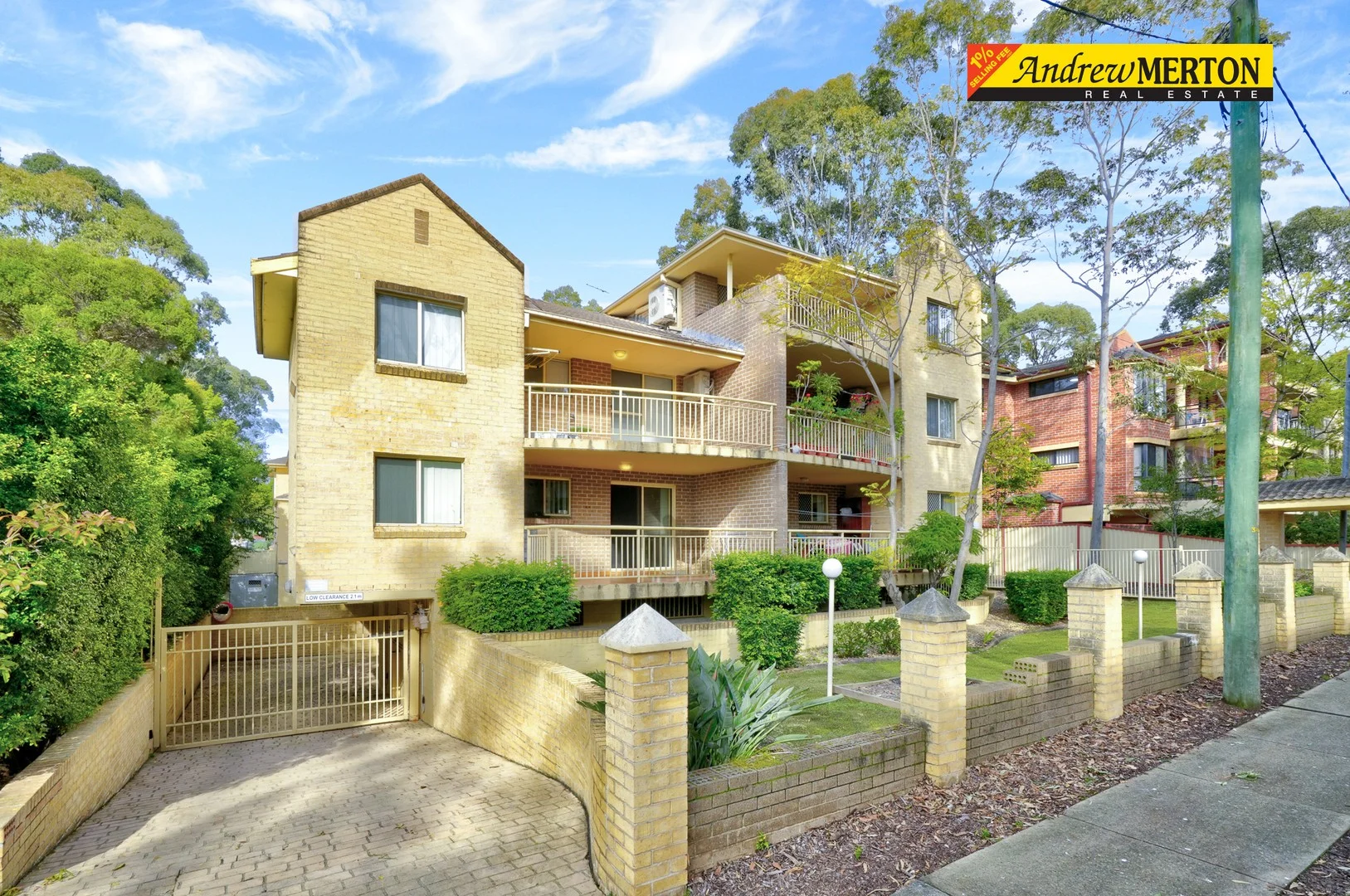 $530,000
Apartment / Unit / Flat
$530,000
Apartment / Unit / Flat
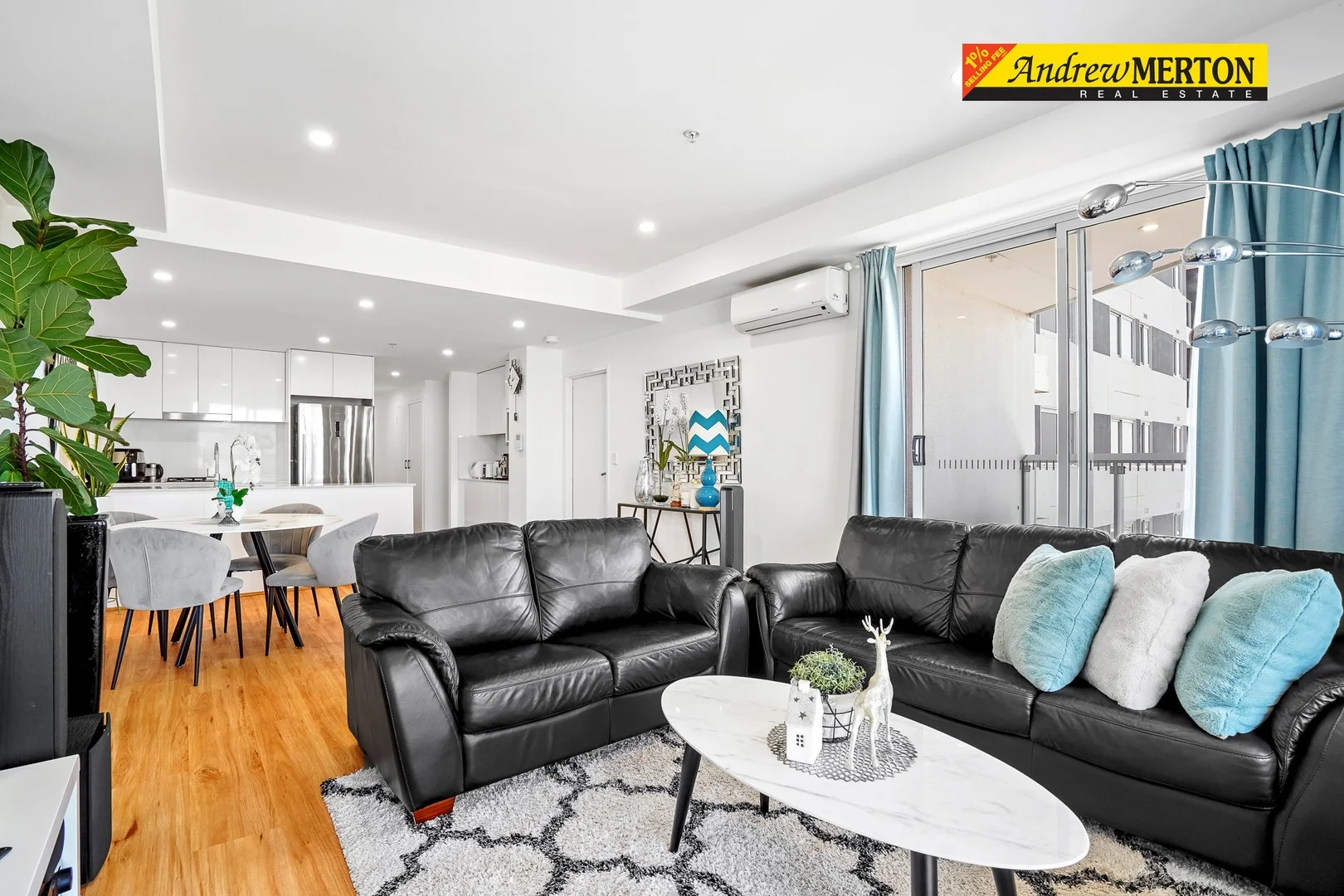 $475,000
Apartment / Unit / Flat
$475,000
Apartment / Unit / Flat
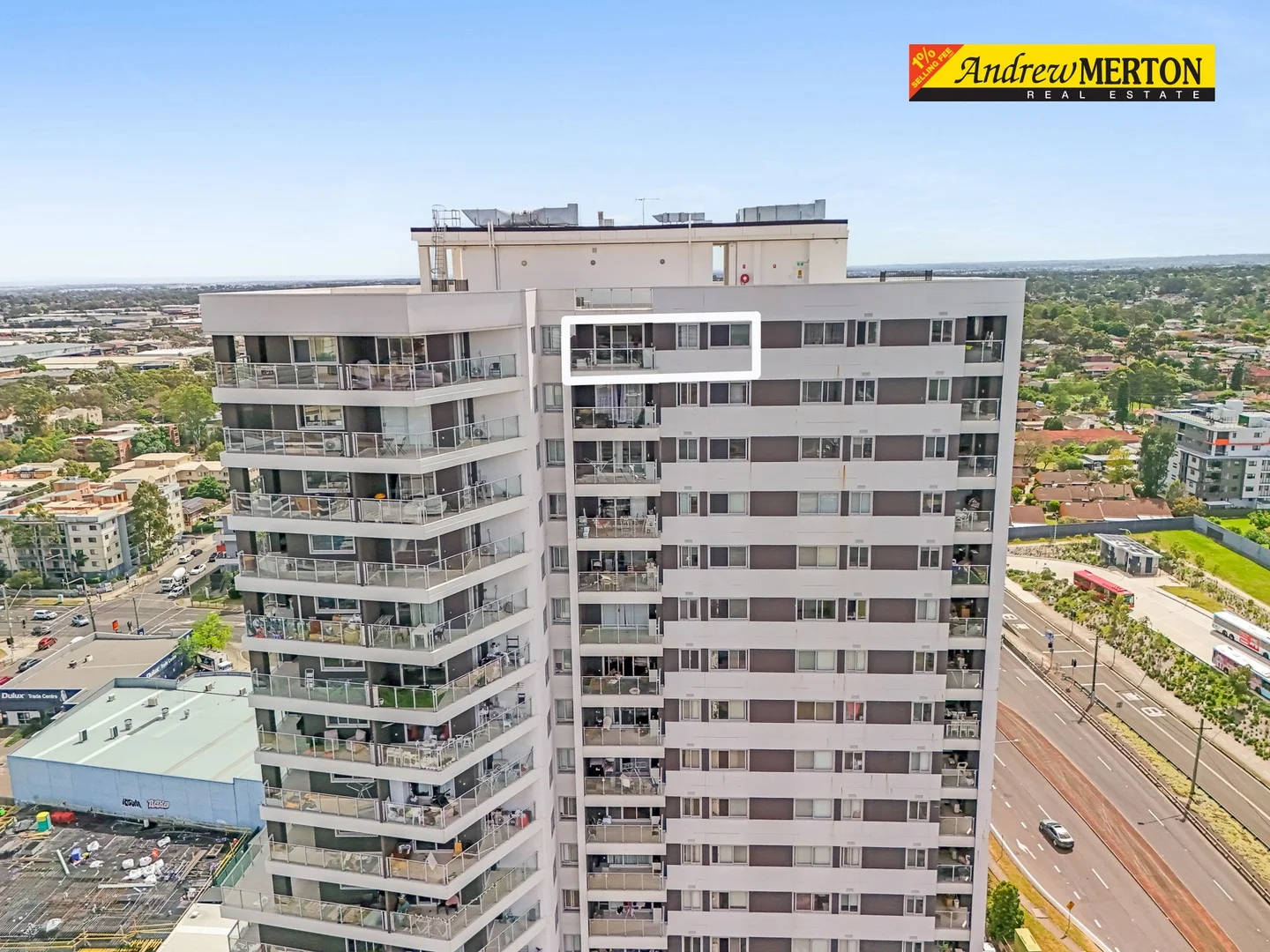 $399,900
Apartment / Unit / Flat
$399,900
Apartment / Unit / Flat


