## 1. Overview
Box Hill High School is a public, co-educational secondary school serving students from Box Hill and surrounding suburbs. As a large Victorian government high school, it offers a comprehensive curriculum through Years 7–12 and a broad range of subject choices to support diverse student interests and pathways. The school emphasises an academic focus within an inclusive and supportive environment, helping students develop academically, socially and personally.
- School type: Public
- School size: Large
- Class size: Typically mid‑20s per class (subject and year level can vary)
- Atmosphere/culture: Academic, diverse, inclusive, and student‑centred
---
## 2. Academics & Learning
- Academic strengths: Strong emphasis on English and STEM areas, with broad subject options to support different interests and future pathways. Leadership and student voice opportunities are encouraged alongside core learning.
- Special programs: VCE-focused curriculum with opportunities for subject extension and accelerated learning where appropriate; access to a broad range of elective subjects; pathways support for gifted and talented students as available within the state system.
- NAPLAN trends: Victorian public schools typically show stable to improving trends in reading and numeracy over recent years, with outcomes measured against state benchmarks. Schools publicly report trends rather than scores.
- Student-teacher ratios: Class groups generally in the low‑to‑mid 20s, with specialist teachers supporting subject areas; overall ratios align with Victorian public school norms.
- Support for diverse learners: Comprehensive support for diverse learners, including EAL (English as an Additional Language) and SEN (Special Educational Needs) supports, learning support staff, and tailored assistance as needed.
---
## 3. Sports & Extracurricular Strengths
- Sports offered: A broad range of inter-school sports common to Victorian public schools (e.g., cricket, football codes, basketball, netball, soccer, athletics, swimming, tennis, volleyball) with opportunities to trial and compete in district events.
- Strong teams or achievements: Schools at this size typically participate in district/northern/southern regional competitions; eligibility and success vary year by year.
- Music, arts, drama programs: Active music and performing arts programs with ensembles and school productions; opportunities for drama, choir, and concert performances.
- Clubs: Robotics, coding, chess, debating, and other interest clubs are commonly available to students seeking enrichment beyond the classroom.
- Partnerships: Participation in local inter-school competitions and leagues, with potential collaborations with community clubs and regional programs.
---
## 4. Wellbeing & Pastoral Care
- Anti-bullying approach: Proactive policies and programs to promote respectful behaviour, digital citizenship, and safe school environments.
- House system: A house or pastoral grouping structure to foster belonging, school spirit and peer support (name varies by school but serves a similar purpose).
- Counsellors / wellbeing officers: On-site counsellors and wellbeing staff to support mental health, academic planning, and personal development.
- Transition support for new students: Orientation activities, buddy systems and targeted transition support to help new students settle in.
---
## 5. Facilities
- Sports grounds: On-site sports facilities suitable for a range of physical education activities and inter-school events.
- Libraries: School libraries with study spaces and access to learning resources.
- Science labs: Equipped science laboratories for biology, chemistry, physics and related practical work.
- Music/performing arts centers: Dedicated spaces for music education and performances.
- Tech/innovation labs: Computer labs, ICT facilities and spaces for project-based learning and digital literacy.
- Cafeteria: On-site canteen or cafeteria providing meals and snacks.
- Updated playgrounds: Well-maintained outdoor spaces for break times and physical activity.
---
## 6. School Values & Community Culture
- School values / mission: A focus on achievement, integrity, respect and inclusion; commitment to providing a supportive learning environment.
- Leadership style: Inclusive and student‑centred leadership, with opportunities for student input through councils or representative bodies.
- Behaviour expectations: Clear expectations around conduct, respect, and responsibility; emphasis on positive student behaviour and consequences aligned with school policy.
- Community reputation: Generally regarded as a welcoming, diverse and academically oriented community school within Box Hill.
- Diversity & inclusion: Active inclusivity with a student body from diverse backgrounds and a commitment to equity and access for all students.
---
## 7. School Logistics & Daily Operations
- School hours: Typical day runs roughly from start in the morning to mid‑afternoon (exact times published by the school each year).
- Before/after school care: Possible extension programs or partner arrangements; check with the school for availability.
- Uniform requirements: School uniform is required, with details provided by the school (including where to purchase and any season-specific guidelines).
- Transport (train/bus routes): Accessible by public transport with nearby train/bus options; students may use local services and school travel assistance programs as applicable.
- Canteen availability: On-site canteen or snack facilities available during the day.
- Fees (low/medium/high ranges): As a public school, there is no tuition fee; families may incur modest levies or charges for materials, excursions or optional programs.
---
## 8. Enrolment & Admissions
11. What is the enrolment process and timeline?
- Enrolment for Year 7 typically follows the Department of Education processes for Victorian government schools, with applications submitted through the state system. There is usually a timetable published by the school and DET outlining key dates for applications, offers and transitions. A local catchment often governs eligibility for regular entry, with out‑of‑catchment places considered if spaces exist.
12. Is there a waiting list, and how does it work?
- Some years may have a waiting list depending on demand and space availability. Offers are generally prioritized by catchment and availability, with out‑of‑catchment placements considered as places permit.
13. Are there any entry requirements, tests, or interviews?
- For most Victorian government high schools, there are no academic entry tests for Year 7 admissions. The process focuses on enrolment documentation, proof of residence, and compliance with state policy. Some schools may offer information sessions or tours; selective testing is not typical for this school unless it participates in a separate selective program.
14. Does the school accept mid-year transfers?
- Mid-year transfers may be possible if spaces are available and enrollment criteria are met. Availability varies by year and cohort; prospective families should contact the school directly to confirm current capacity and the process.
---
## 9. Frequently Asked Questions
- Why Parents Choose This School?
- Public, comprehensive secondary education with a supportive, inclusive culture; strong academic emphasis and broad subject choice to support diverse futures.
- What type of student thrives at this school?
- Students who are motivated to engage across academics, sports, arts and clubs; those who value a collaborative, respectful learning environment.
- What opportunities are available for students to extend their skills (academics, sports, arts)?
- A broad range of subjects, elective options, leadership and student council opportunities, inter-school sports, music and drama programs, robotics, chess, debating clubs, and other enrichment activities.
- How does the school communicate with parents?
- Regular updates via newsletters, emails, and the school website; parent-teacher communications and student progress reporting are standard components of the school’s practice.
- What is the school’s approach to teaching and learning?
- A curriculum aligned to Victorian standards with a priority on literacy, numeracy, critical thinking and applied learning; emphasis on inclusive teaching and student support.
- How does the school support students who need extra academic help?
- Targeted student support through learning helpers, EAL/SEN support, and access to additional tutoring or in-class differentiation as needed.
- What support is available for academic challenges?
- Access to teachers, learning support staff, and counsellors to help with organization, study skills and personalised learning plans.
- How does the school communicate with parents? (Duplicate question)
- See above: newsletters, emails, portal access, and parent meetings.
- What are the class sizes and how much individual attention do students receive?
- Class sizes are typically in the low‑to‑mid 20s, with additional teacher support and targeted help available for students needing extra attention.
- What extracurricular and sports opportunities are available?
- A wide range of sports and many clubs, including robotics, coding, chess, debating, music and drama programs; inter-school competitions are common.
- What facilities does the school offer (sports, science, arts)?
- Sports grounds, libraries, science labs, music/performing arts spaces, tech/innovation labs, canteen and updated playgrounds.
- What is the school’s approach to technology and digital learning?
- Emphasis on digital literacy, ICT facilities and integration of technology to support teaching and learning across subjects.
- What transport and accessibility options are available?
- Access via public transport (train/bus routes) with local connections; accessibility considerations are addressed per DET guidelines.
- What are the typical school fees or additional costs?
- No tuition fees for government schooling; modest costs for materials, excursions or optional programs as outlined by the school.
---
## 10. Short Pros & Cons list
- Pros
- Public, comprehensive secondary education with wide subject choice.
- Large, diverse student community and inclusive culture.
- Strong emphasis on academics with broad enrichment options.
- Robust wellbeing, pastoral care and transition support.
- Wide range of facilities and extracurricular opportunities.
- Cons
- Large school environment may feel busy; individual attention can depend on subject and year.
- Availability of some elective programs may vary year to year based on staffing and enrolment.
- Transport options depend on local access and public transit schedules; travel time may be longer for some families.

 Free
Free











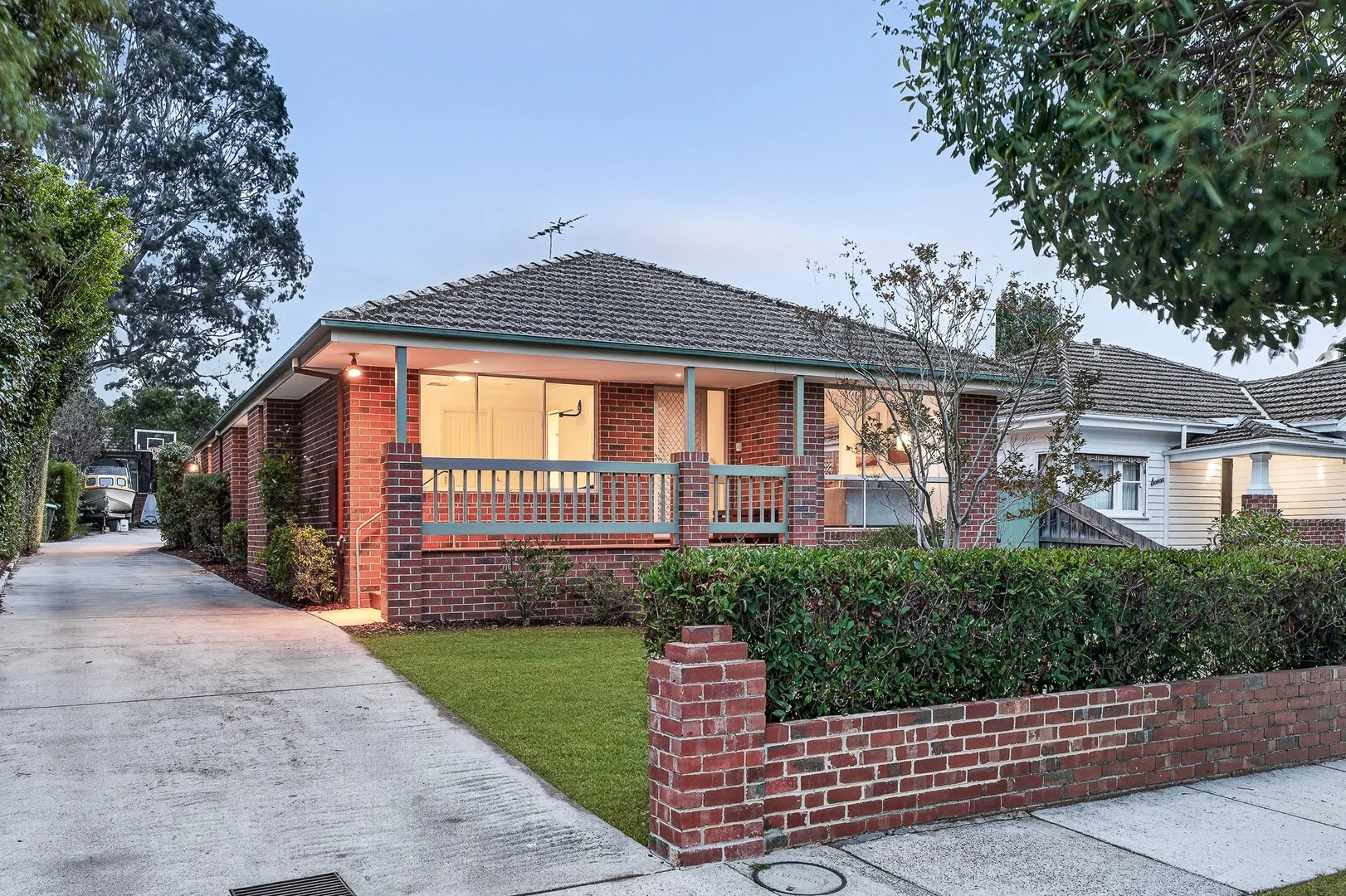 $1,200,000 - $1,300,000
House
$1,200,000 - $1,300,000
House
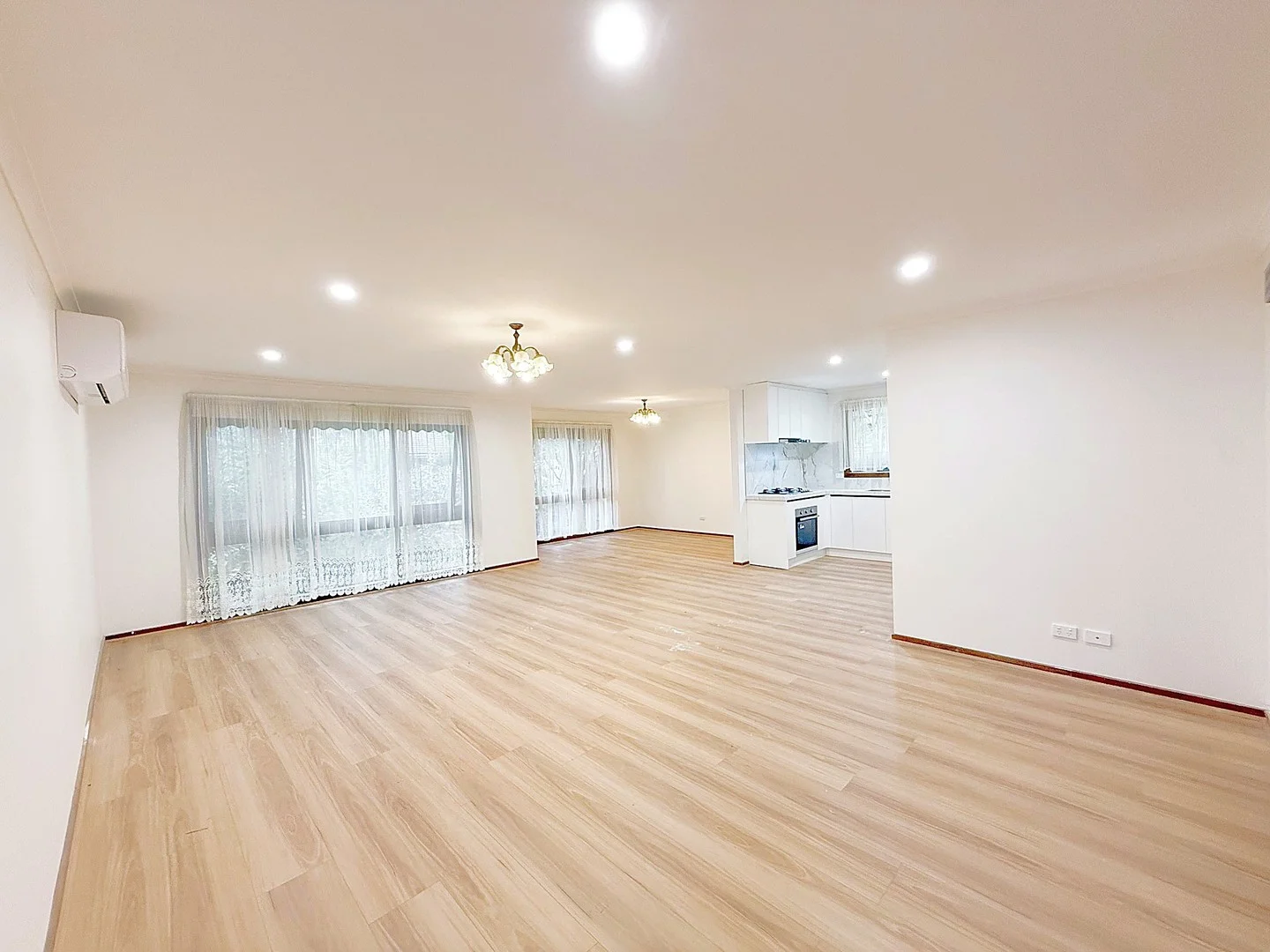 $1,100
House
$1,100
House
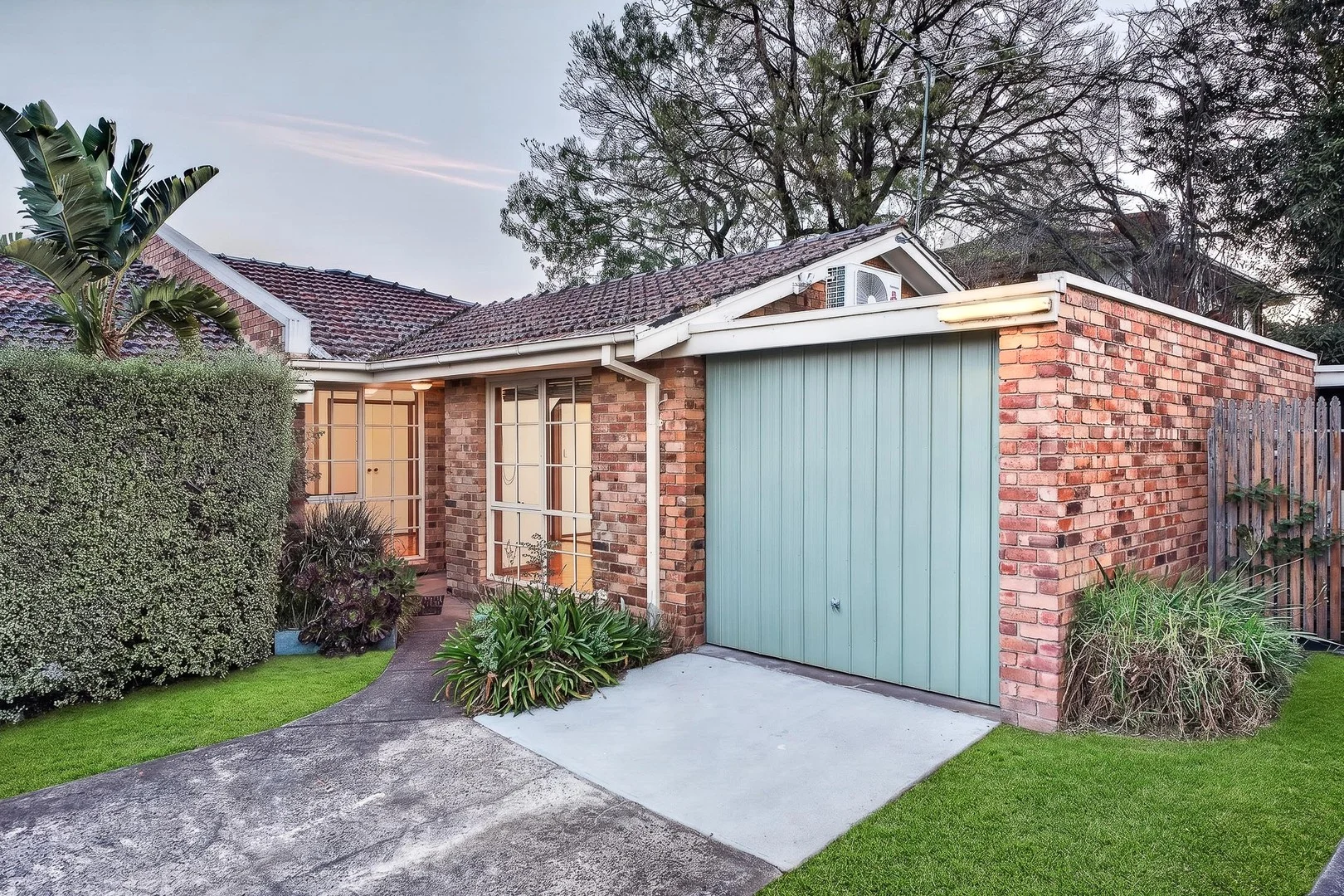 $765,000 - $825,000
Apartment / Unit / Flat
$765,000 - $825,000
Apartment / Unit / Flat
 $630,000 - $680,000
Apartment / Unit / Flat
$630,000 - $680,000
Apartment / Unit / Flat
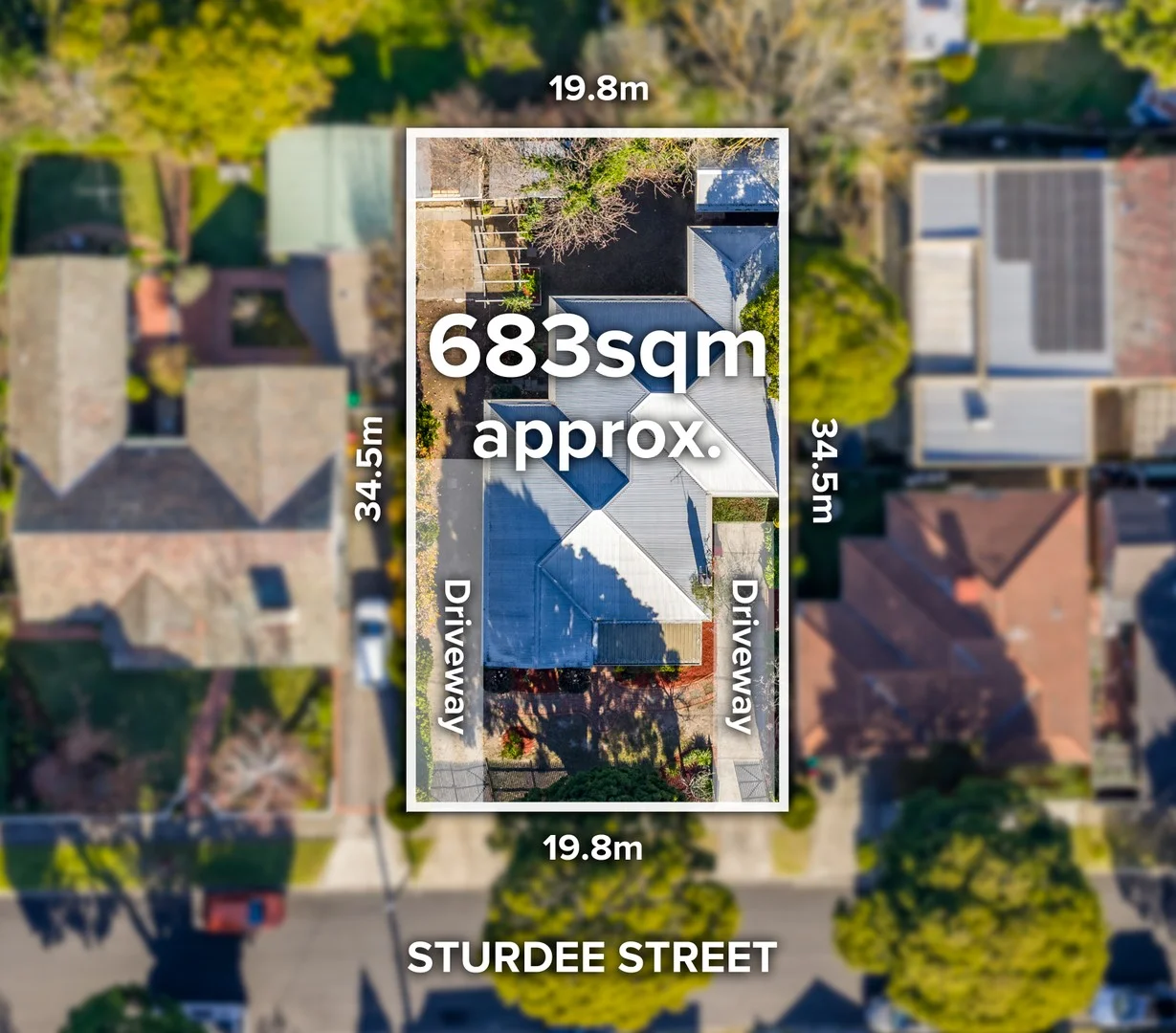 $2,000,000
House
$2,000,000
House
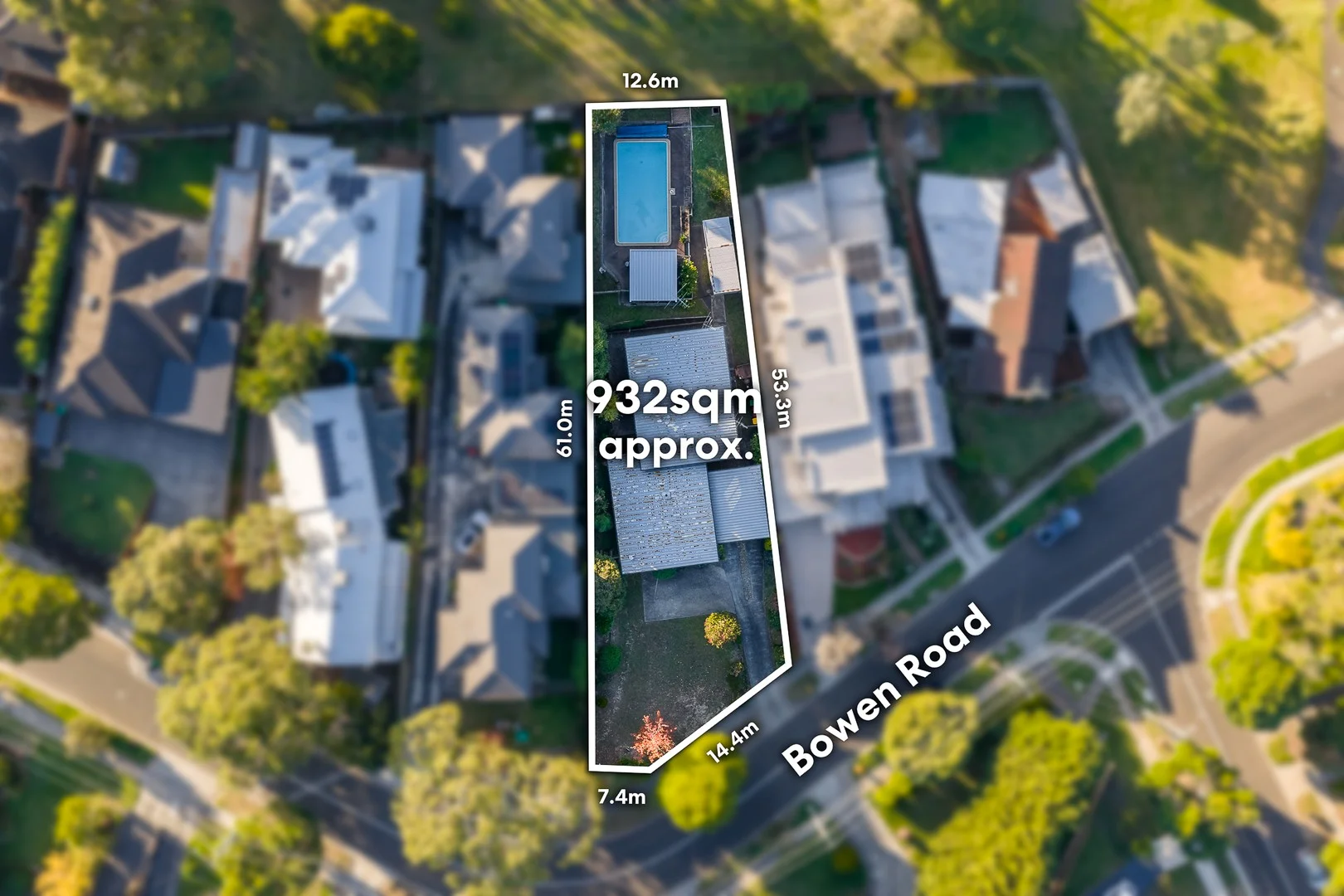 $1,300,000 - $1,400,000
House
$1,300,000 - $1,400,000
House
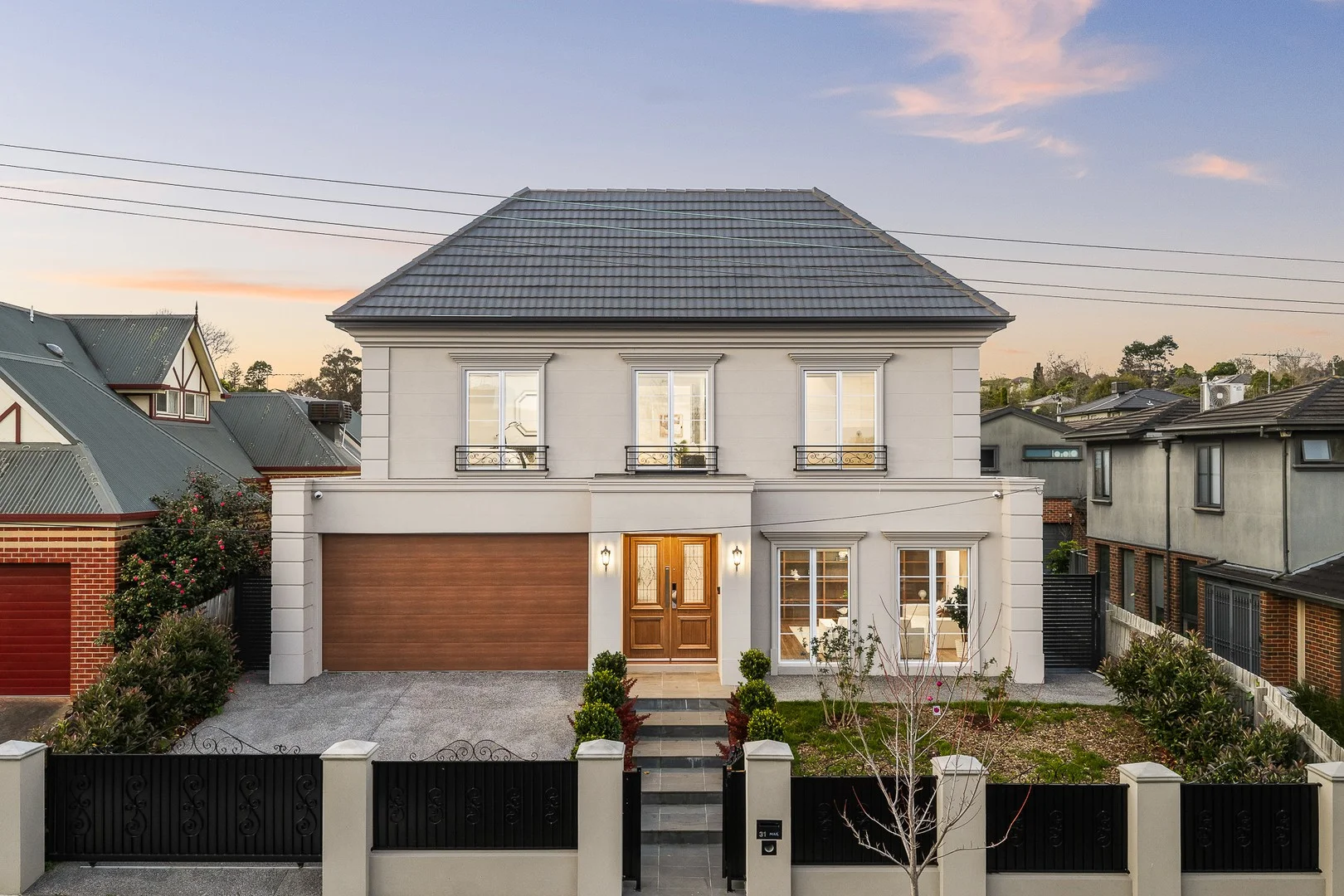 $2,550,000
House
$2,550,000
House
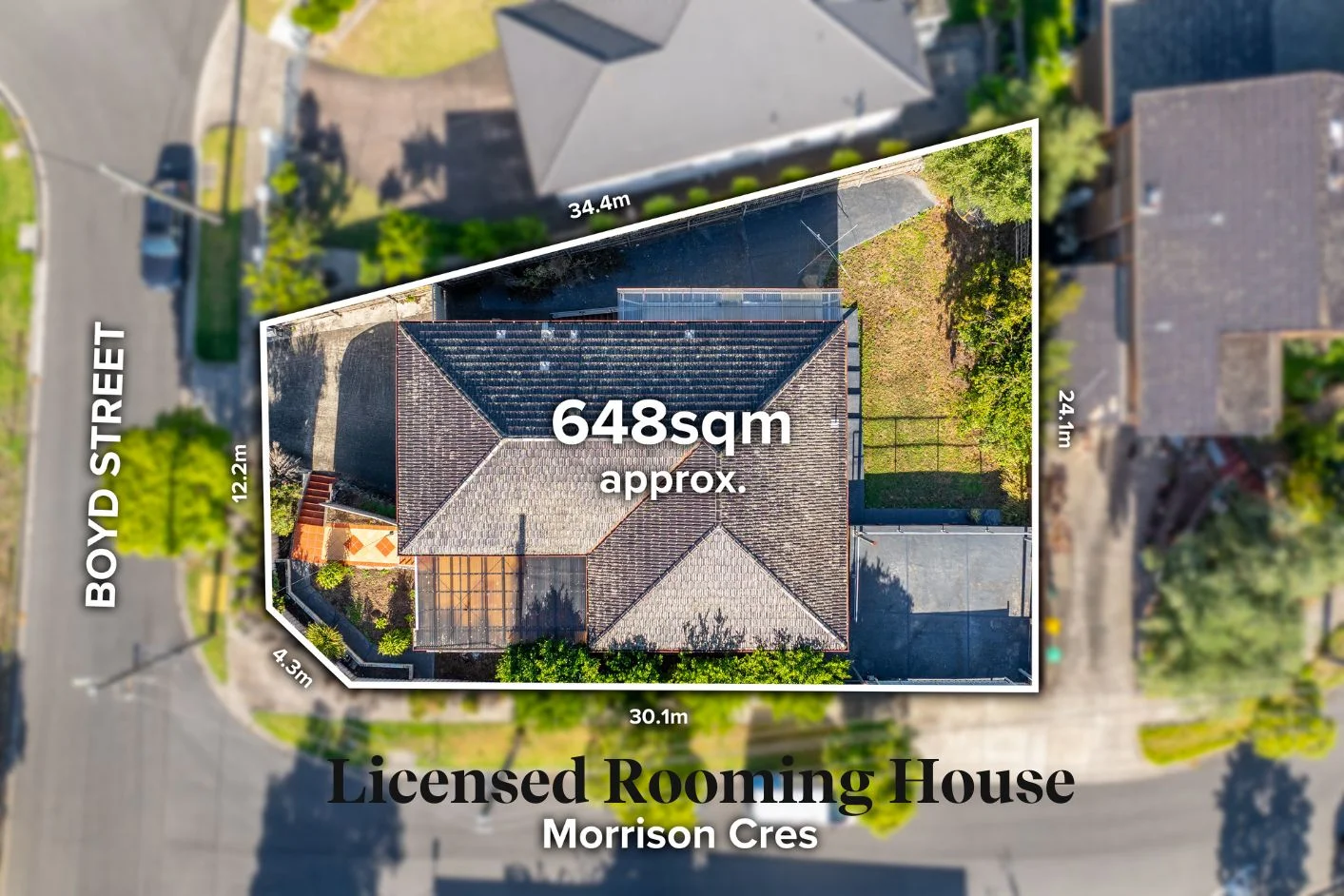 $1,780,000
House
$1,780,000
House
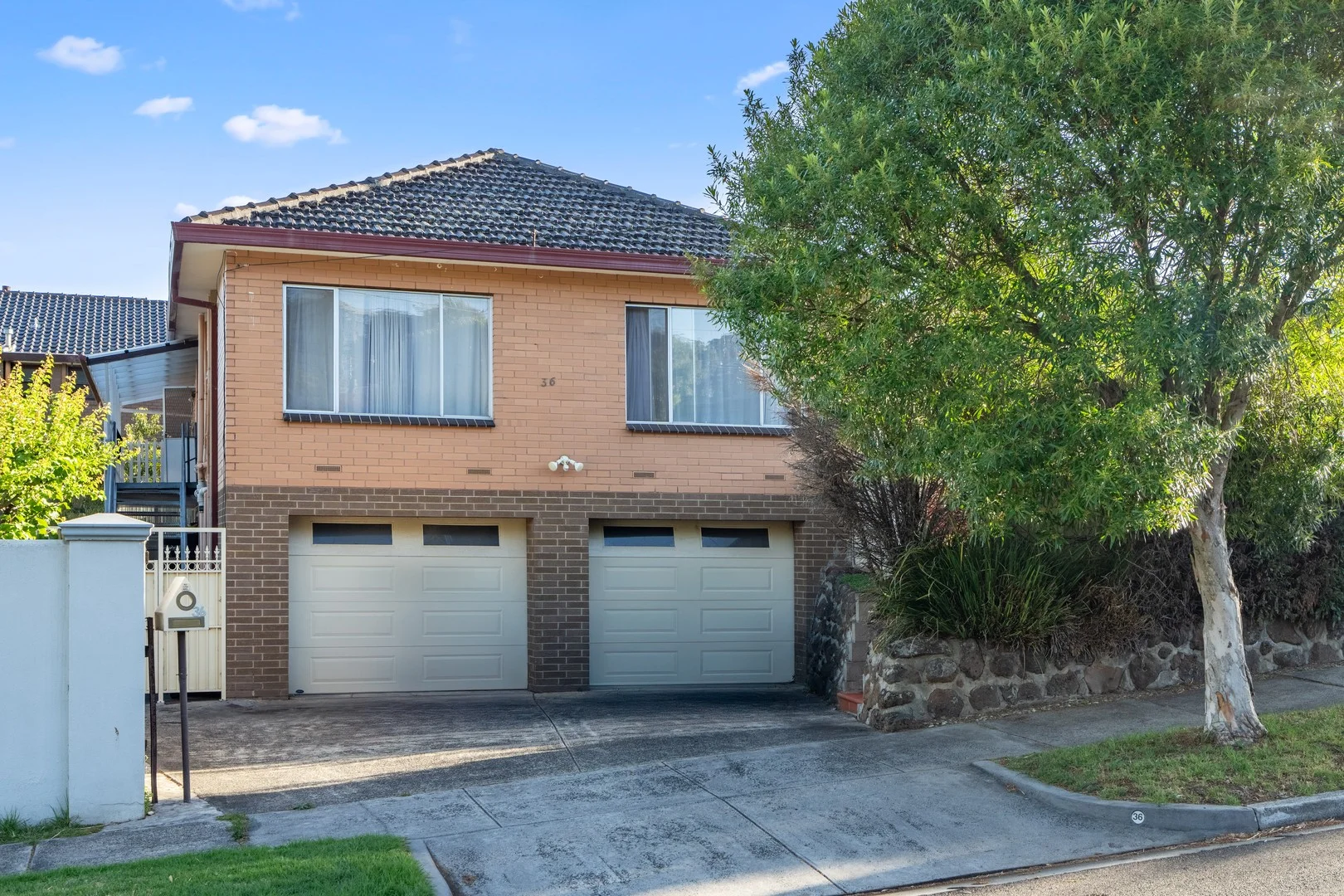 $140
Studio
$140
Studio


