Overview
1. Overview (1–2 paragraphs max)
St Francis Xavier's Catholic Primary School in Box Hill is a Catholic, co-educational primary school that focuses on a faith-filled, inclusive learning community. The school aims to nurture the whole child—academic growth, social skills, and spiritual development—within a supportive environment. It maintains a medium-sized school community that fosters close relationships among students, families, staff, and parish.
- School type: Catholic
- School size: Medium
- Class size: Typically around 20–25 students per class, varying by year level
- Atmosphere/culture: Nurturing, inclusive, faith-based, with a strong sense of community and service
⸻
2. Academics & Learning
- Academic strengths: English literacy and numeracy are core focuses, with an emphasis on critical thinking, problem solving, and inquiry-based learning across subjects. The school supports a well-rounded curriculum that includes science, humanities, arts, and religious education.
- Special programs: Catholic education programs, enrichment opportunities, and targeted learning support. Gifted and Talented/extension activities may be offered for eligible students; EAL support can assist students for whom English is an additional language.
- NAPLAN / trends: Local trends typically show steady progress in literacy and numeracy with ongoing emphasis on writing and comprehension. Schools generally monitor performance to tailor instructional approaches.
- Student-teacher ratios: Approximately 1:12–1:20, depending on year level and staffing.
- Support for diverse learners: Dedicated learning support staff, EAL support, and inclusion practices to assist students with diverse needs; access to tailored interventions and small-group sessions.
⸻
3. Sports & Extracurricular Strengths
- Sports offered: Basketball, netball, football (soccer), cricket, athletics, and other local-school competition sports as part of the school program.
- Strong teams or achievements: Regular participation in inter-school and district events; opportunities to contribute to age-appropriate competitive teams and festival events.
- Music, arts, drama programs: Active music and performing arts programs, school productions, and opportunities to participate in choirs or ensembles.
- Clubs: Robotics, chess, coding, debating, and other enrichment clubs that run during lunch breaks or after school.
- Partnerships: Local community sports clubs, inter-school competitions, and arts collaborations with nearby cultural organizations.
⸻
4. Wellbeing & Pastoral Care
- Anti-bullying approach: Clear anti-bullying policies, student well-being programs, and a culture that promotes respect, empathy, and safe reporting of concerns.
- House system: A house system is often used to build team spirit, friendly competition, leadership opportunities, and pastoral support across year levels.
- Counsellors / wellbeing officers: Access to school counselors or wellbeing staff who provide guidance, social-emotional learning, and targeted support as needed.
- Transition support for new students: Orientation activities, buddy programs, and gradual integration plans to help new students settle in.
⸻
5. Facilities
- Sports grounds: On-site fields or courts suitable for a range of physical activities.
- Libraries: School library with reading resources and study spaces.
- Science labs: Dedicated science facilities for hands-on experiments and inquiry.
- Music/performing arts centers: Spaces for rehearsals, performances, and creative projects.
- Tech/innovation labs: Computer rooms or makerspace environments to support coding and technology projects.
- Cafeteria: On-site canteen or lunch facilities supporting student nutrition.
- Updated playgrounds: Well-maintained play areas for breaks and outdoor learning.
⸻
6. School Values & Community Culture
- School values / mission: A Catholic ethos centered on faith, service, respect, and integrity; a commitment to developing the whole child.
- Leadership style: Collaborative and student-involved, with opportunities for student leadership and voice.
- Behaviour expectations: Positive behavior framework emphasizing courtesy, responsibility, and accountability.
- Community reputation: Strong parish connection and supportive parent community; emphasis on inclusivity and service.
- Diversity & inclusion: Welcoming environment for families from diverse backgrounds; focus on equitable access to learning and participation in school life.
⸻
7. School Logistics & Daily Operations
- School hours: Typical day runs from morning start to mid-afternoon finish (exact times may vary by year/term).
- Before/after school care: Availability of before-school and after-school care or programs may be offered.
- Uniform requirements: Clear uniform policy with seasonal options (summer/winter), consistent with Catholic school guidelines.
- Transport (train/bus routes): Accessible by local transport networks; bus routes and proximity to train stations in Box Hill area support student commuting.
- Canteen availability: On-site canteen or lunch facilities offering a range of healthy options.
- Fees (low/medium/high ranges): Catholic primary schools generally have modest, transparent fees and levies; families should expect annual fees with additional costs for camps, excursions, and some activities.
⸻
8. Enrolment & Admissions
11. What is the enrolment process and timeline?
- Submit a formal application with required documentation (e.g., birth/baptism certificates, immunization record, proof of address). The school typically schedules information sessions for prospective families and outlines the timeline for enrolment applications and offer of places.
12. Is there a waiting list, and how does it work?
- Yes, there may be a waiting list. Placement often considers factors such as parish allocations, siblings, availability, and the date of application.
13. Are there any entry requirements, tests, or interviews?
- Entry often involves an information session or interview or conversation with families to understand fit with the school’s Catholic ethos, readiness for school, and learning needs. Formal academic testing is not always required.
14. Does the school accept mid-year transfers?
- Mid-year transfers may be possible if places are available. Transfer applications typically require transfer documentation, teacher references, and meeting enrolment criteria.
⸻
9. Frequently Ask Questions
- Why Parents Choose This School?
- A values-driven Catholic education, supportive teachers, a nurturing environment, and a focus on the whole child contribute to a strong sense of community and steady academic progress.
- What type of student thrives at this school?
- Students who value community, faith-based learning, collaboration, and participation in a range of academic, sporting, and creative activities tend to thrive.
- What opportunities are available for students to extend their skills (academics, sports, arts)?
- Enrichment in literacy and numeracy, STEM and language activities, music and performing arts programs, drama productions, robotics and coding clubs, and competitive sports opportunities.
- How does the school communicate with parents?
- Regular newsletters, parent portals, emails, telephone contacts, and scheduled parent-teacher meetings. Some schools use apps or systems for real-time updates.
- What is the school’s approach to teaching and learning?
- A mix of explicit instruction, inquiry-based learning, differentiated support, and a Catholic values framework to guide learning and character development.
- How does the school support students who need extra academic help?
- Targeted intervention, small group instruction, learning support staff, and EAL support as needed.
- What support is available for academic challenges?
- Additional tutoring, early intervention programs, and collaboration with families to set personalized goals and track progress.
- How does the school communicate with parents? (Repeated)
- See above: newsletters, portals, and regular updates from teachers and leadership.
- What are the class sizes and how much individual attention do students receive?
- Typical class sizes around 20–25 students, with teacher-led instruction and opportunities for some individual or small-group attention as part of regular teaching.
- What extracurricular and sports opportunities are available?
- Sports teams and inter-school competitions, music ensembles, drama, and clubs such as robotics, chess, coding, and debating.
- What facilities does the school offer (sports, science, arts)?
- Sports grounds, library, science laboratories, performing arts spaces, technology/innovation labs, canteen, and well-equipped play areas.
- What is the school’s approach to technology and digital learning?
- Integration of digital tools to support learning, classroom devices and interactive resources, and guided use of technology aligned with curriculum goals and digital citizenship.
- What transport and accessibility options are available?
- Access via local public transport options, nearby bus routes and train stations; facilities with accessibility considerations and accommodations as needed.
- What are the typical school fees or additional costs?
- Annual tuition and levies with additional costs for camps, excursions, uniforms, and some extracurricular activities; families can usually expect a moderate level of ongoing costs.
⸻
10. Short Pros & Cons list
Pros:
- Catholic, values-driven education with a strong sense of community
- Supportive staff and a focus on pastoral care
- Balanced academics with opportunities in arts, sports, and clubs
- Inclusive environment with diverse learner support
- Modern facilities and well-maintained learning spaces
Cons:
- As a medium-sized school, some specialist programs may have limited capacity compared to larger schools
- Fees and additional costs are a consideration for families
- Availability of places can fluctuate; mid-year transfers depend on space
⸻













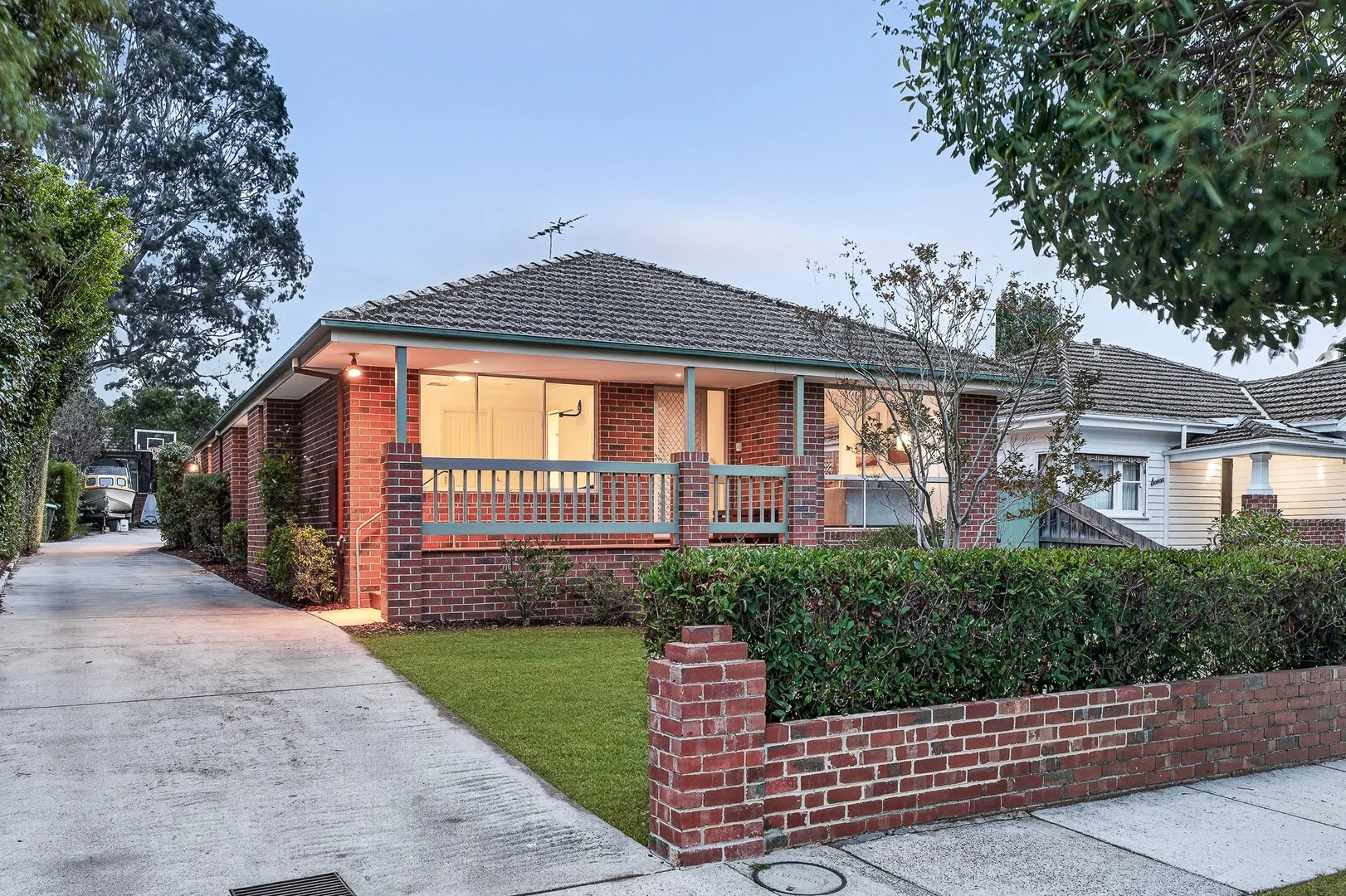 $1,200,000 - $1,300,000
House
$1,200,000 - $1,300,000
House
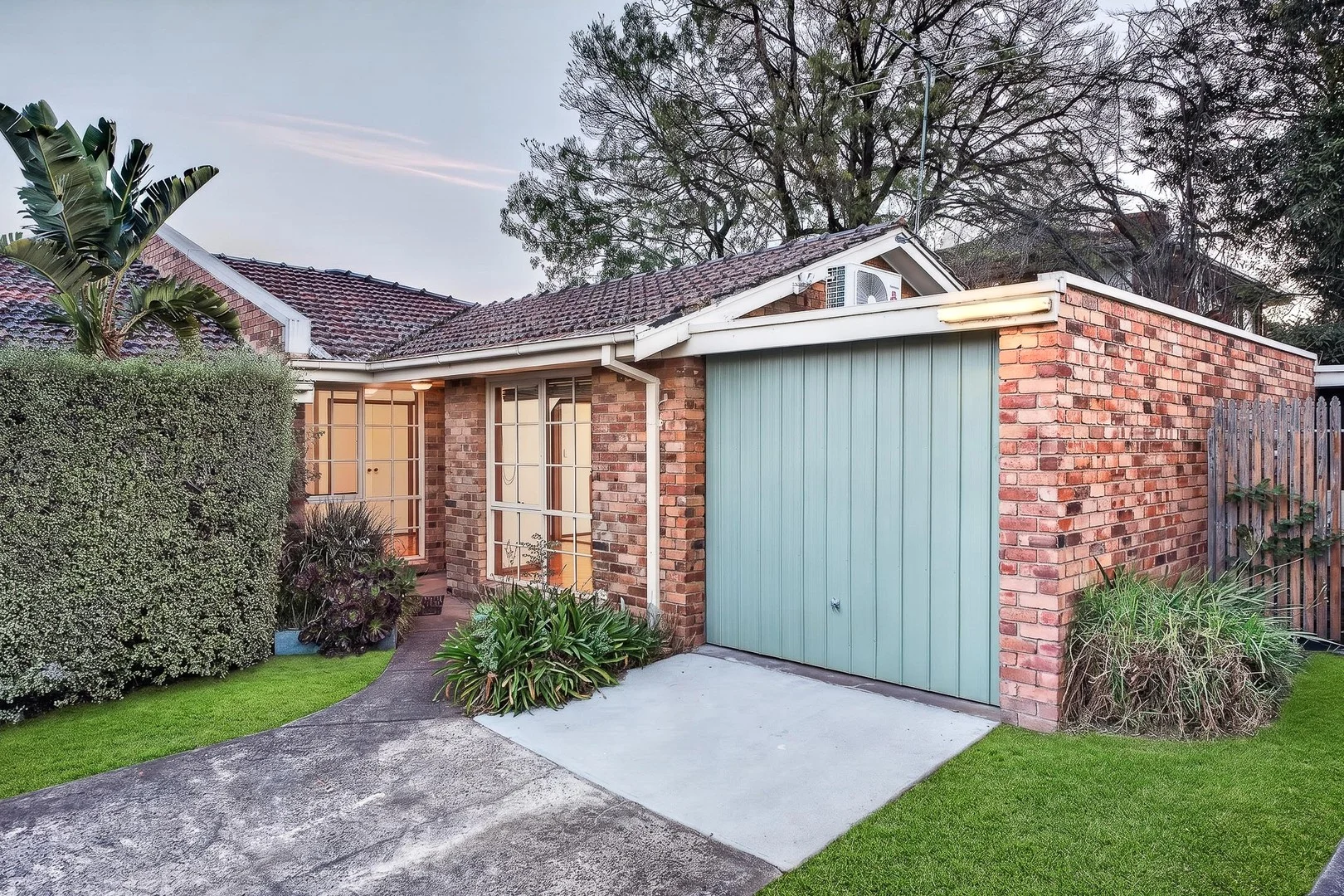 $765,000 - $825,000
Apartment / Unit / Flat
$765,000 - $825,000
Apartment / Unit / Flat
 $630,000 - $680,000
Apartment / Unit / Flat
$630,000 - $680,000
Apartment / Unit / Flat
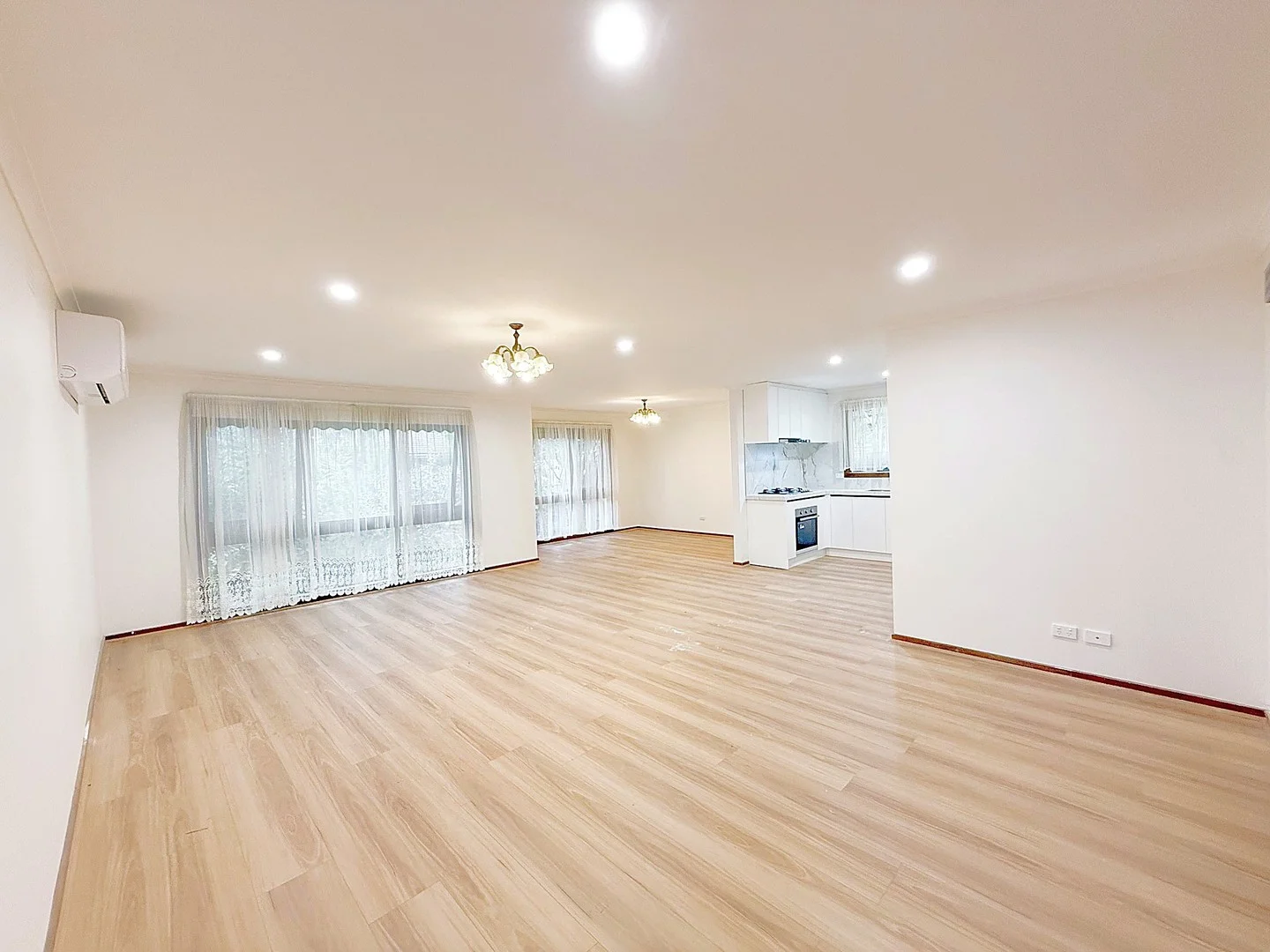 $1,100
House
$1,100
House
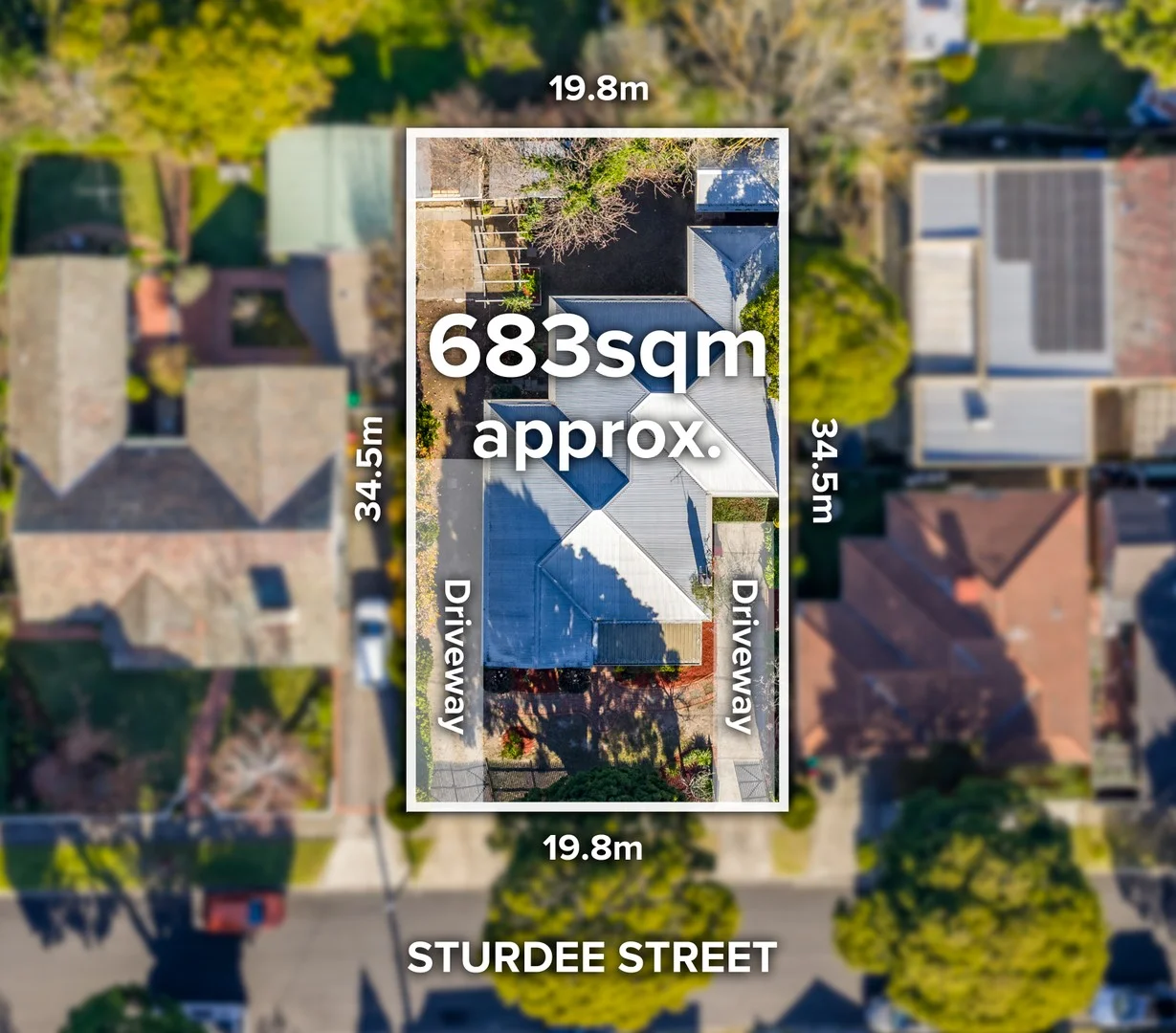 $2,000,000
House
$2,000,000
House
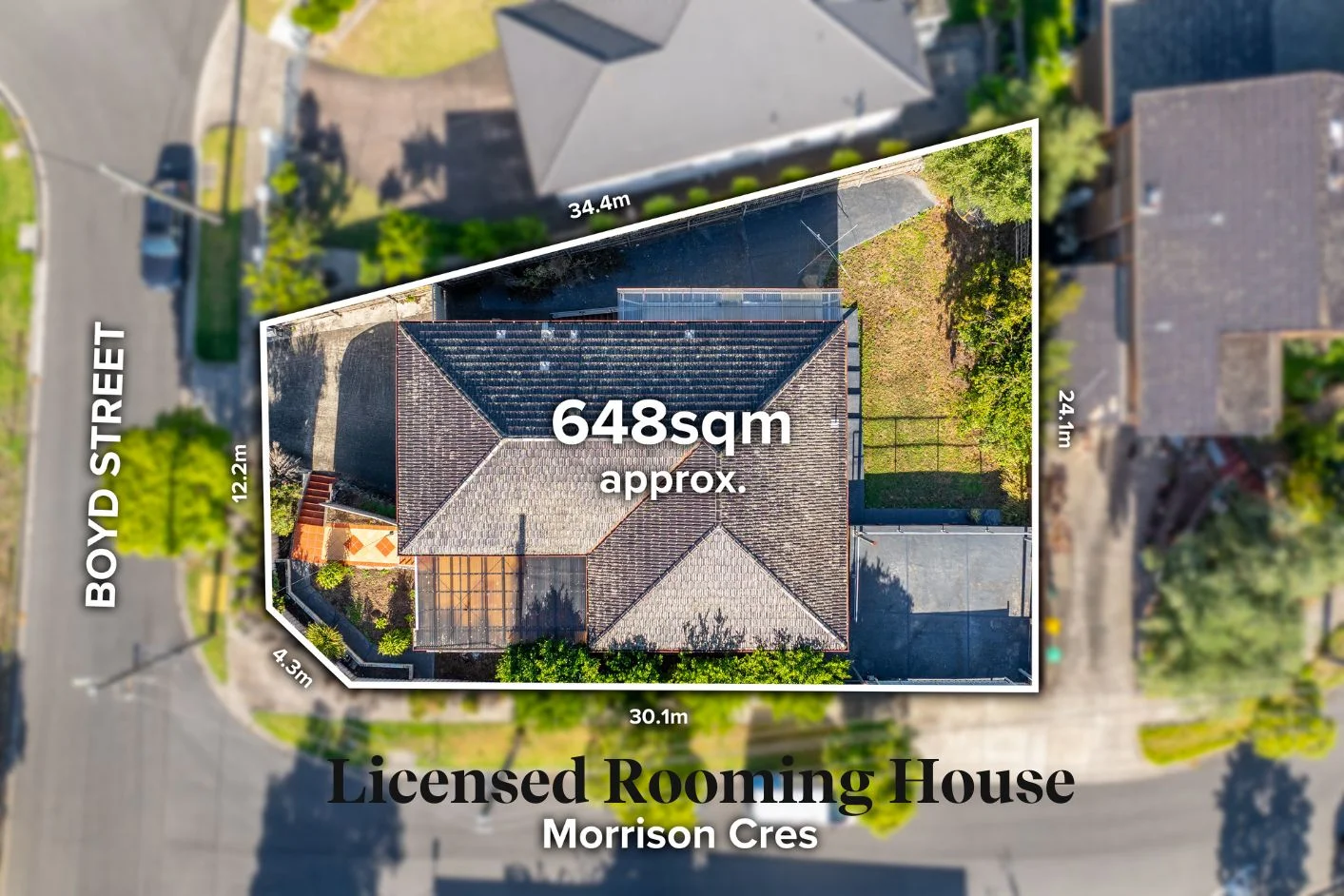 $1,780,000
House
$1,780,000
House
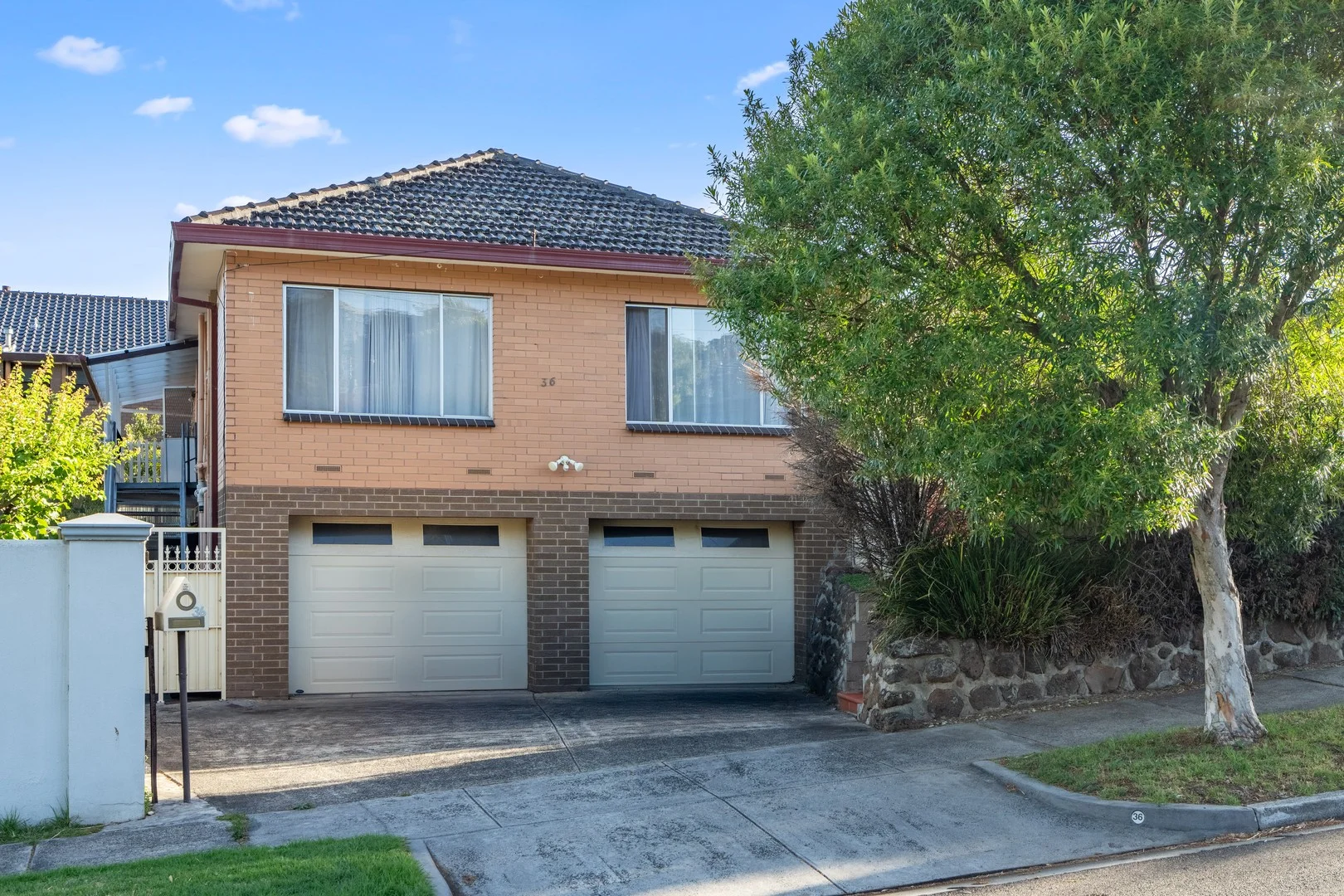 $140
Studio
$140
Studio
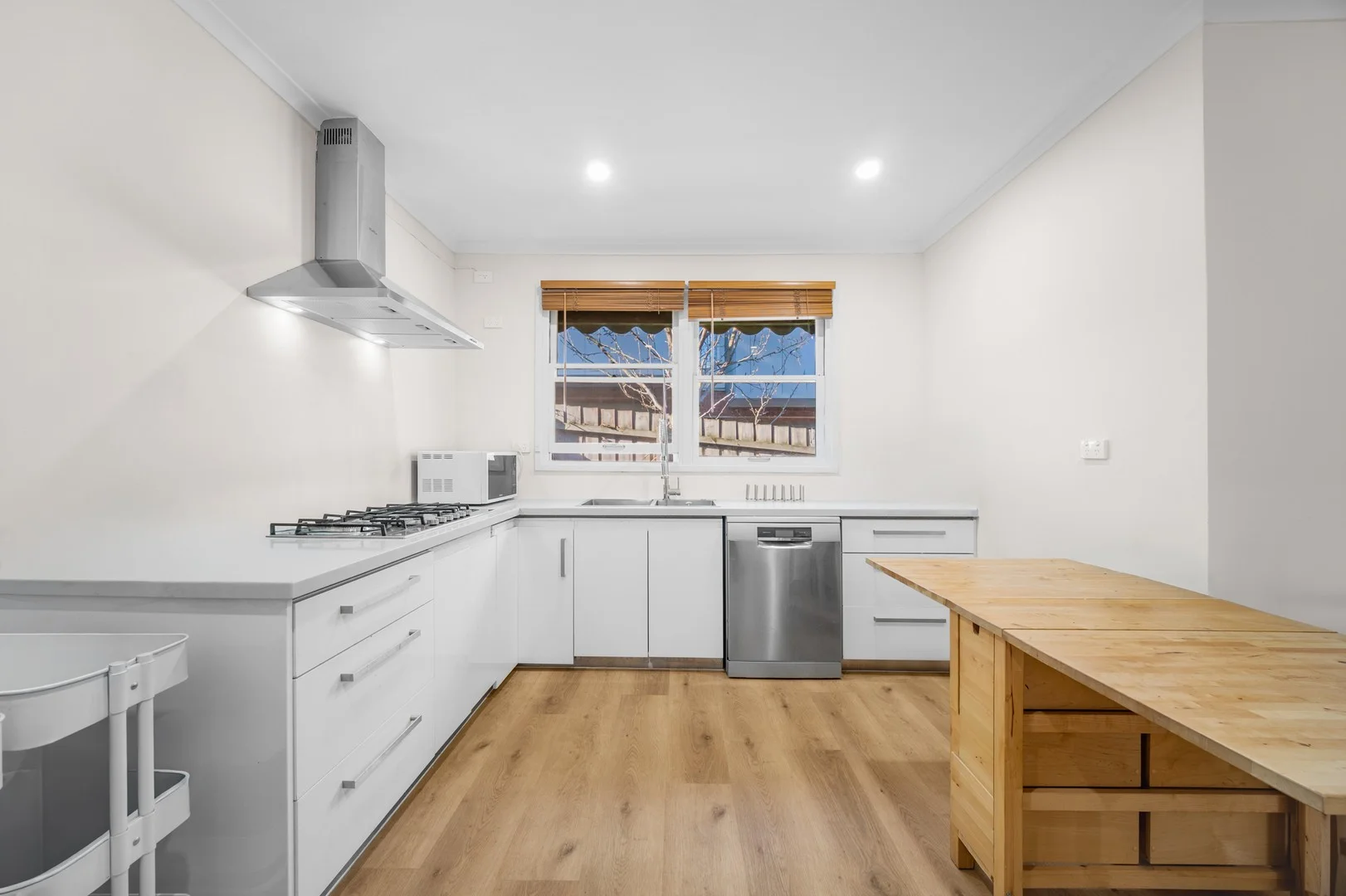 $680
Apartment / Unit / Flat
$680
Apartment / Unit / Flat
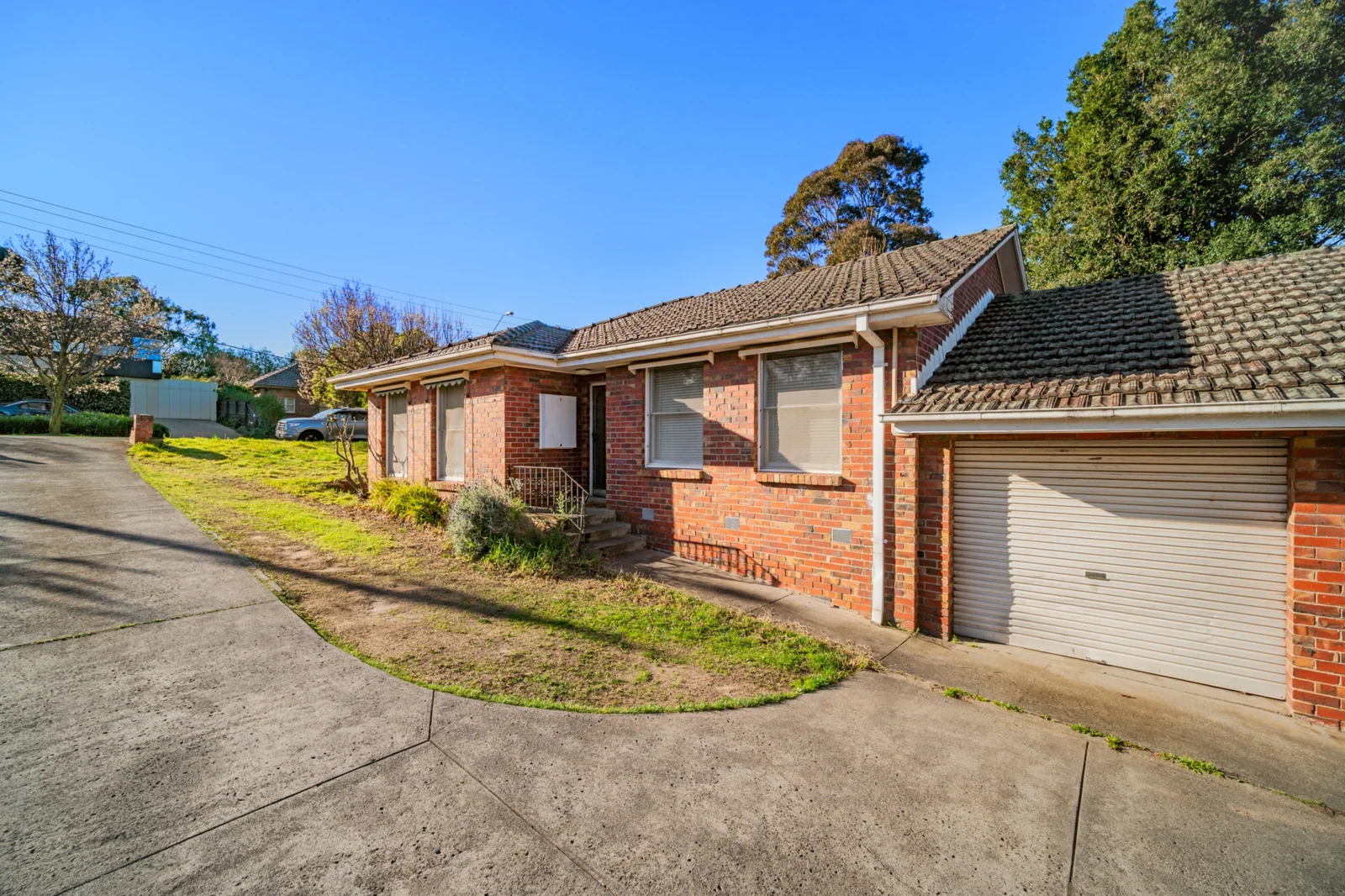 $580
Apartment / Unit / Flat
$580
Apartment / Unit / Flat