## 1. Overview
Our Lady of Sion College is a Catholic independent girls’ school in Box Hill, Victoria. The school emphasises faith-informed education within a supportive, values-driven community. It is a mid-sized school that focuses on both academic achievement and personal development, offering a welcoming atmosphere where students are encouraged to grow as confident, compassionate young women.
With a nurturing culture and inclusive environment, students at Sion College benefit from small-to-medium class sizes that support individual attention, strong teacher-student relationships, and opportunities to participate in a broad range of activities beyond the classroom.
## 2. Academics & Learning
- Academic strengths: English/literacy, STEM/Maths, languages, and leadership development are central to the learning programs, with an emphasis on critical thinking and practical application.
- Special programs: VCE subject offerings with pathways for senior secondary study, plus accelerated or enriched learning options for high-ability students; leadership development and service-focused programs are part of the curriculum.
- NAPLAN / trends: Publicly reported trends typically show positive growth in literacy and numeracy over time, with students performing well relative to state benchmarks.
- Student-teacher ratios: Class sizes are kept intentionally manageable to maximise teacher support and personalised feedback (typical ratios around the low-to-mid teens).
- Support for diverse learners: Dedicated support for diverse learners, including English as an Additional Language (EAL) assistance and targeted SEN (special educational needs) support through a learning diversity team.
## 3. Sports & Extracurricular Strengths
- Sports offered: Netball, basketball, volleyball, soccer/football, tennis, athletics, swimming and cross-country are commonly available, with opportunities to compete in interschool and local competitions.
- Strong teams or achievements: Teams regularly participate in regional and school-level competitions, with emphasis on skill development, teamwork, and fair play.
- Music, arts, drama programs: Active music ensembles, vocal groups, instrumental lessons, and regular drama productions contribute to a vibrant performing arts culture.
- Clubs: Robotics, coding, chess, debating and other academic or interest clubs run to support inquiry and practical learning.
- Partnerships: Connections with local sporting bodies, arts networks, and interschool competitions provide additional pathways for competition and performance.
## 4. Wellbeing & Pastoral Care
- Anti-bullying approach: A clear wellbeing framework and anti-bullying policies promote respectful, safe school life for all students.
- House system: A house-based pastoral structure helps build community, leadership opportunities, and a sense of belonging.
- Counsellors / wellbeing officers: A team of wellbeing professionals provides confidential support, guidance, and access to counselling as needed.
- Transition support for new students: Comprehensive orientation programs, buddy systems, and transition support help new students settle in smoothly.
## 5. Facilities
- Sports grounds: On-site outdoor spaces and courts for physical education and sport.
- Libraries: Well-equipped library spaces that support study, reading for pleasure, and research.
- Science labs: Modern science laboratories for hands-on experiments and practical learning.
- Music/performing arts centers: Dedicated spaces for music ensembles, rehearsals, and performance.
- Tech/innovation labs: Computer labs and spaces that support ICT, design, and technology projects.
- Cafeteria: On-site dining facilities offering healthy meal options.
- Updated playgrounds: Age-appropriate play and recreation areas for break times and social development.
## 6. School Values & Community Culture
- School values / mission: A Catholic education prioritising faith, service, integrity, and academic excellence within a community context.
- Leadership style: Collaborative and student-centered, with opportunities for student voice and mentorship.
- Behaviour expectations: Clear standards of respect, responsibility, and accountability across all aspects of school life.
- Community reputation: A supportive, faith-informed community with active parental involvement and strong collegial relationships.
- Diversity & inclusion: Welcomes students from diverse backgrounds and strives to create an inclusive environment where every student can thrive.
## 7. School Logistics & Daily Operations
- School hours: Typical day generally runs within a standard school timetable (start in the morning with a structured series of classes and breaks, finishing in the afternoon).
- Before/after school care: Often provides or coordinates after-school care options to support families.
- Uniform requirements: Formal school uniform with seasonal options (summer and winter variants), including appropriate accessories and footwear.
- Transport (train/bus routes): Accessible by public transport with nearby train stations and bus routes; details depend on enrolment year and location within the Box Hill area.
- Canteen availability: On-site canteen or dining options offering convenient meals and snacks.
- Fees (low/medium/high ranges): Fees sit in the mid-to-high range for Melbourne private Catholic schools, with information varying by year level and included facilities.
## 8. Enrolment & Admissions
11. What is the enrolment process and timeline?
- Initial inquiry and application submission, followed by documentation gathering, a family interview, and submission of any required assessments. The timeline typically spans several weeks to a few months depending on the year level and space availability.
12. Is there a waiting list, and how does it work?
- There is often a waiting list when spaces are limited. The waiting list typically operates on a priority basis related to date of application, year level, and availability of places, with ongoing updates to families.
13. Are there any entry requirements, tests, or interviews?
- Entry usually involves an interview for the family and student, and may include subject or aptitude discussions, and consideration of alignment with the school’s values and programs.
14. Does the school accept mid-year transfers?
- Mid-year transfers are possible where space and alignment with the year-level cohort permit, subject to the school’s transfer policies and timetabling.
## 9. Frequently Ask Questions
- Why Parents Choose This School?
- A strong Catholic ethos, supportive community, balanced focus on academics, wellbeing, and broad co-curricular opportunities.
- What type of student thrives at this school?
- Motivated, collaborative students who value faith-informed education, personal growth, and participation in both academics and activities outside the classroom.
- What opportunities are available for students to extend their skills (academics, sports, arts)?
- Access to advanced or enriched subject options, leadership and service programs, competitive sports teams, performing arts, robotics and coding clubs, debating, and other clubs that stretch talents.
- How does the school communicate with parents?
- Regular newsletters, parent portals or intranet, scheduled parent-teacher meetings, and timely updates about events and student progress.
- What is the school’s approach to teaching and learning?
- Student-centered learning that integrates faith, critical thinking, inquiry-based activities, and opportunities for hands-on, real-world projects.
- How does the school support students who need extra academic help?
- Targeted learning support, tutoring, EAL assistance, and access to SEN specialists as part of the learning diversity framework.
- What support is available for academic challenges?
- Additional tutoring, personalised learning plans, and collaboration between teachers, support staff, and families to address gaps.
- How does the school communicate with parents? (Reinforcing question)
- See above: regular updates through multiple channels to keep families informed and involved.
- What are the class sizes and how much individual attention do students receive?
- Class sizes are designed to be small-to-medium, enabling frequent teacher feedback and individual support; student-teacher ratios typically around 1:12–1:15.
- What extracurricular and sports opportunities are available?
- A range of sports (netball, basketball, volleyball, etc.), music and drama programs, and clubs such as robotics, coding, chess, and debating.
- What facilities does the school offer (sports, science, arts)?
- Comprehensive facilities including sports grounds, libraries, science labs, music/performing arts spaces, tech/innovation labs, and a canteen.
- What is the school’s approach to technology and digital learning?
- Emphasis on digital literacy and safe, effective use of technology in learning, with ICT resources and supervised, curriculum-aligned use of devices.
- What transport and accessibility options are available?
- Access to public transport options (train and bus routes nearby) with reasonable drop-off/pick-up arrangements and accessible facilities.
- What are the typical school fees or additional costs?
- Fees fall in the mid-to-high range for Melbourne private Catholic schools, with additional costs for uniforms, excursions, and some activities.
## 10. Short Pros & Cons list
- Pros
- Strong Catholic values and community
- Supportive learning environment with small-to-medium class sizes
- Broad range of co-curriculars (sport, arts, STEM, clubs)
- Focus on wellbeing, pastoral care, and student leadership
- Access to modern facilities and resources
- Cons
- Higher fee range typical of private Catholic education
- Limited to female students (if seeking coeducational environments)
- Space for new enrollments can vary; may require waiting lists at certain year levels
If you’d like, I can tailor this content further with more current details or adjust tone to match specific Aroundschools style guidelines.

 Free
Free











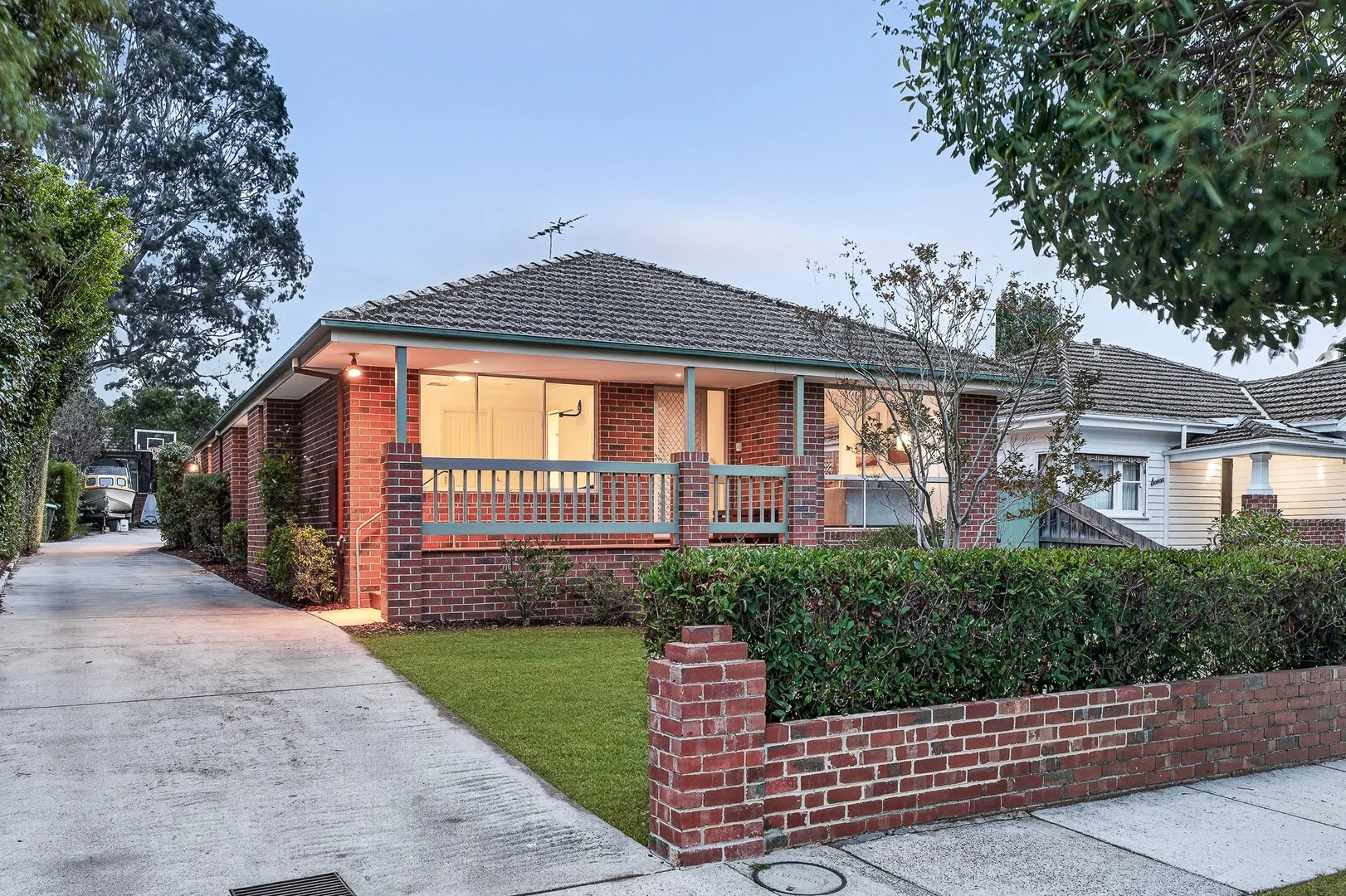 $1,200,000 - $1,300,000
House
$1,200,000 - $1,300,000
House
 $630,000 - $680,000
Apartment / Unit / Flat
$630,000 - $680,000
Apartment / Unit / Flat
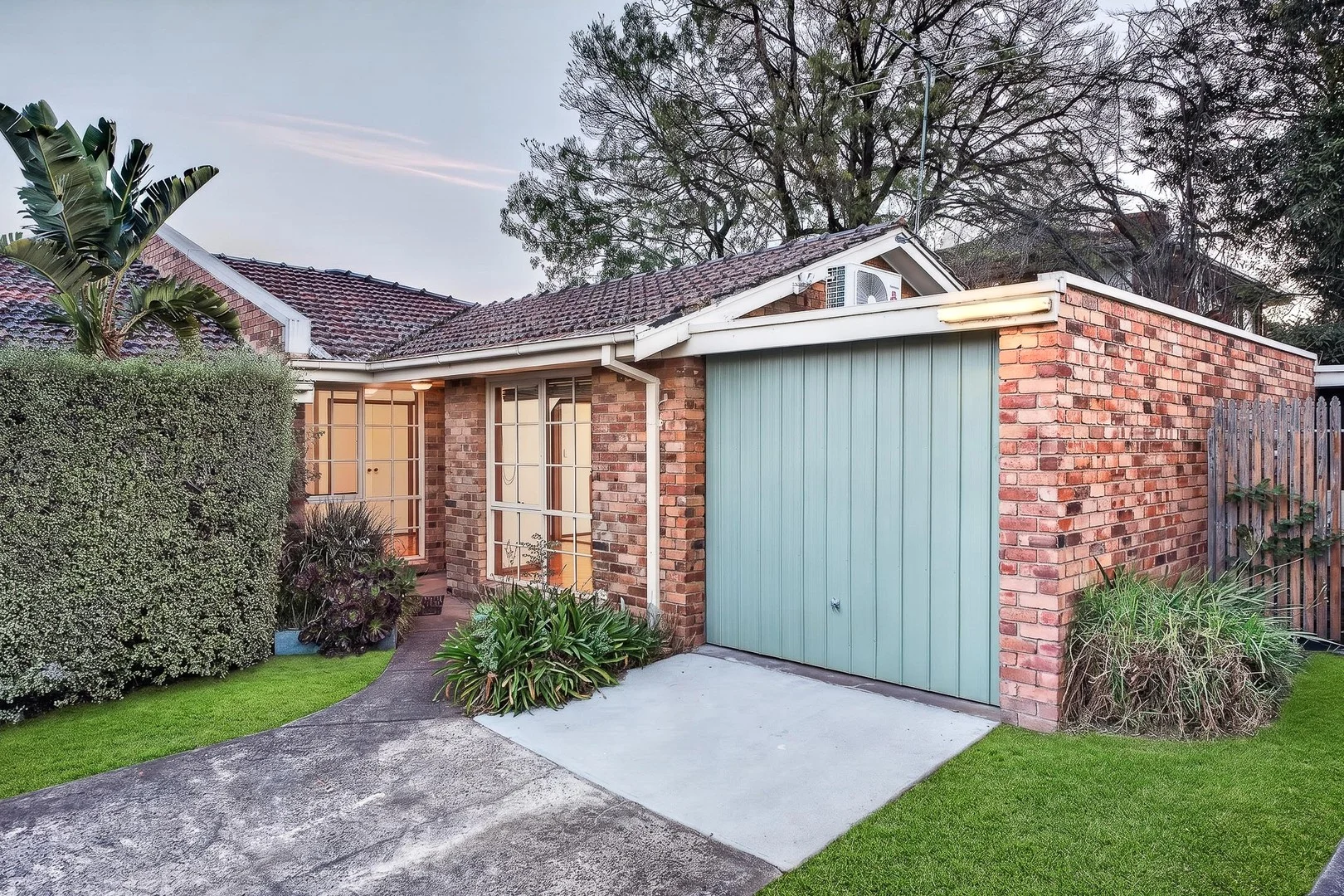 $765,000 - $825,000
Apartment / Unit / Flat
$765,000 - $825,000
Apartment / Unit / Flat
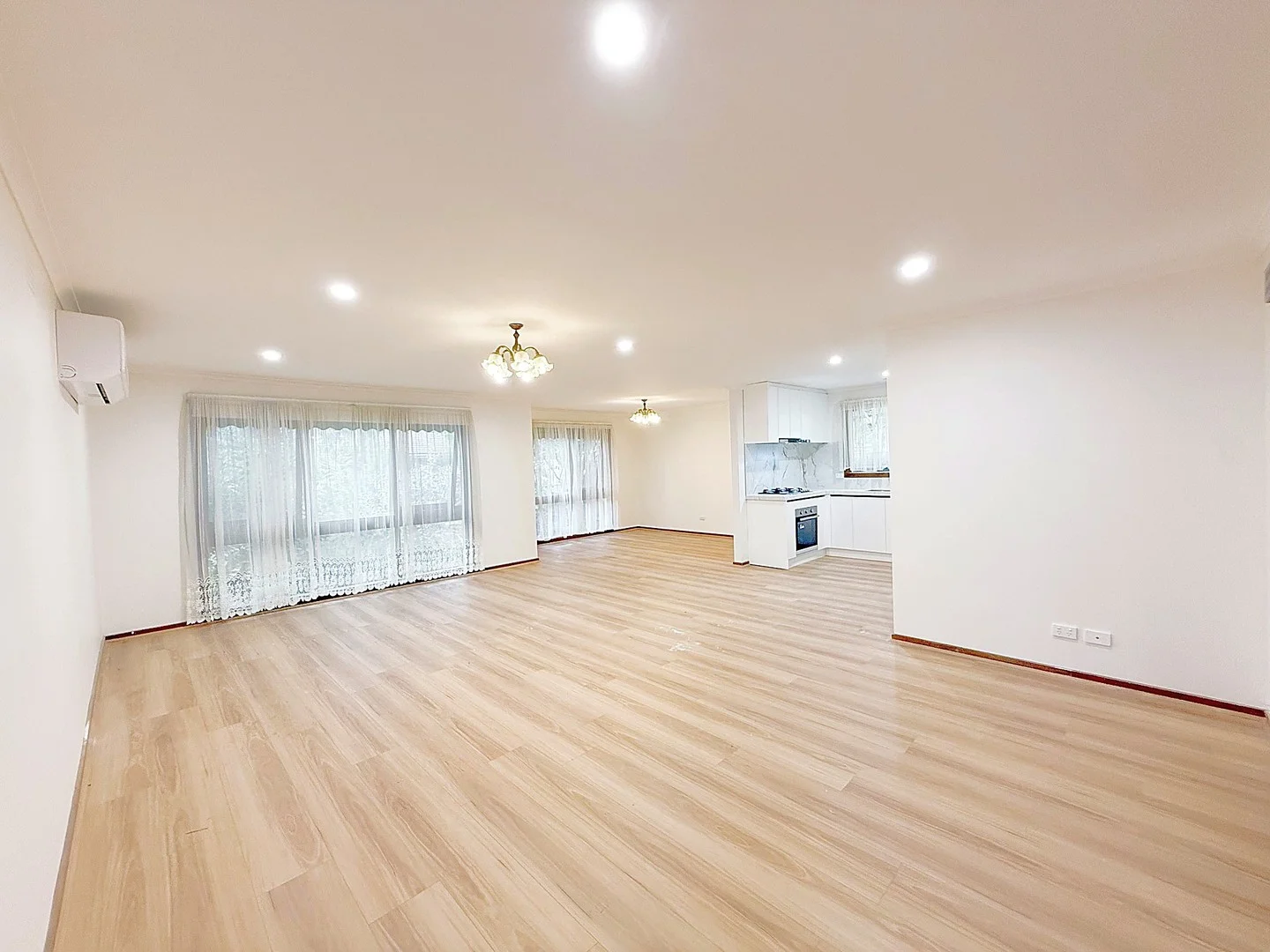 $1,100
House
$1,100
House
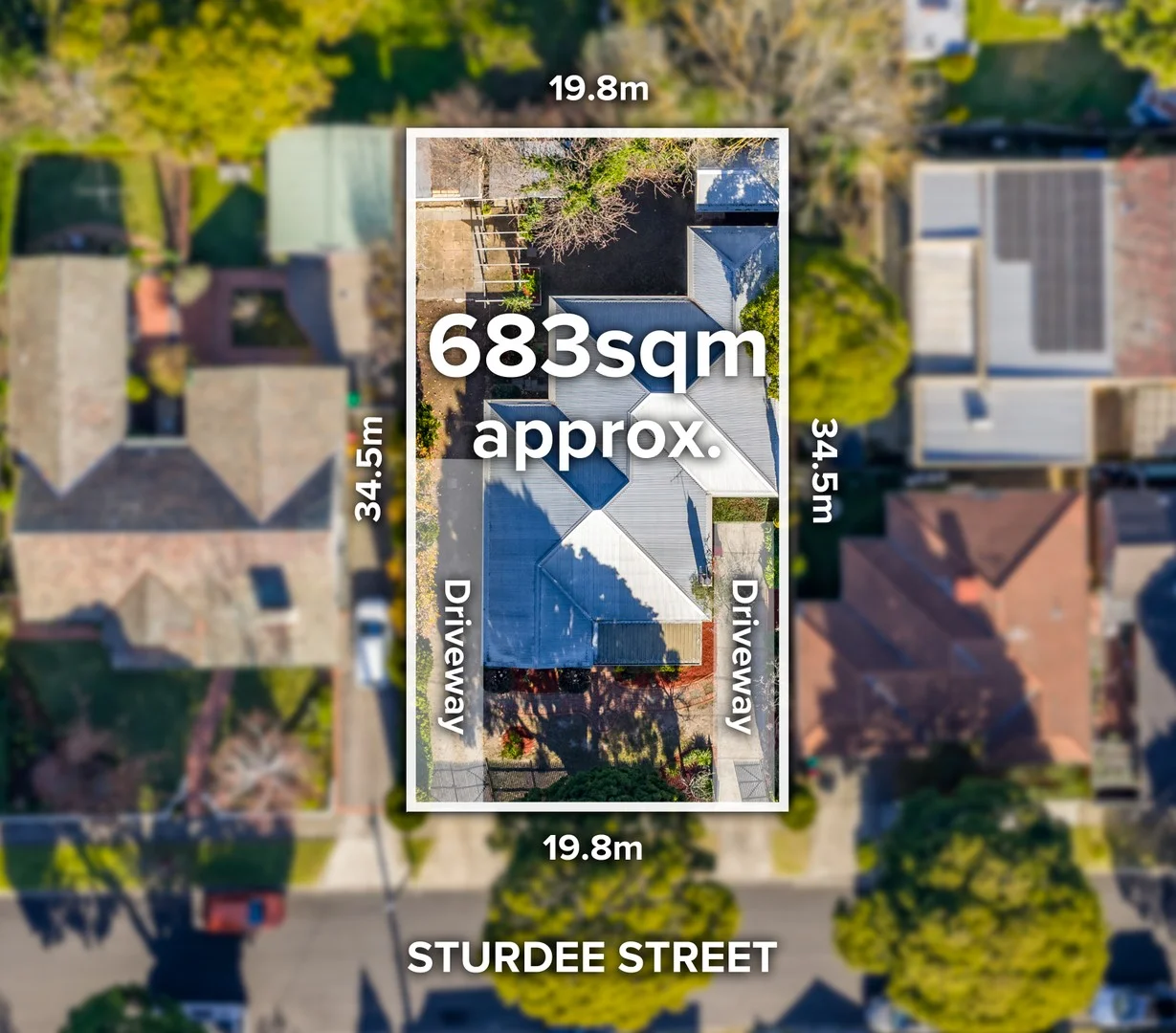 $2,000,000
House
$2,000,000
House
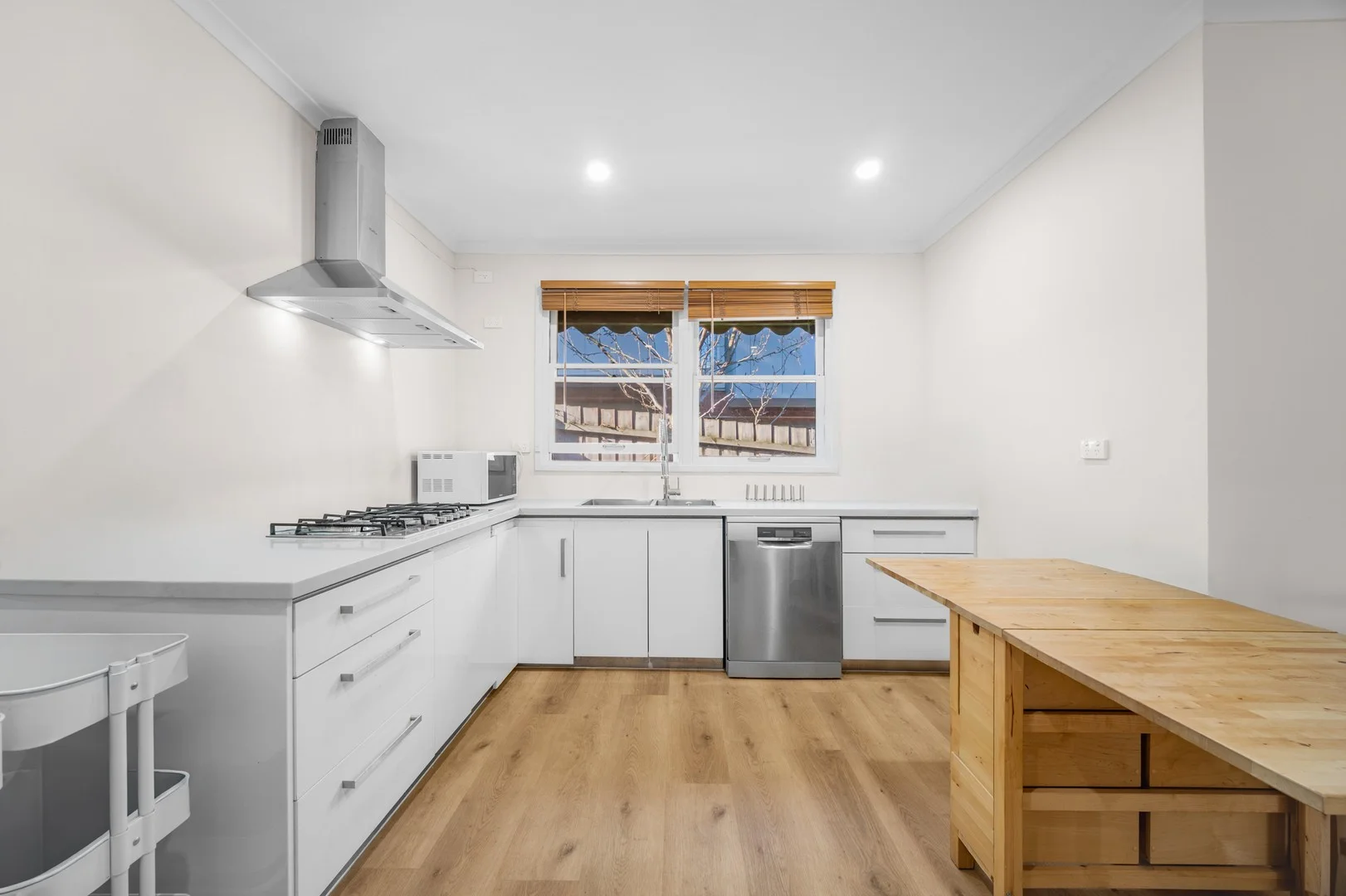 $680
Apartment / Unit / Flat
$680
Apartment / Unit / Flat
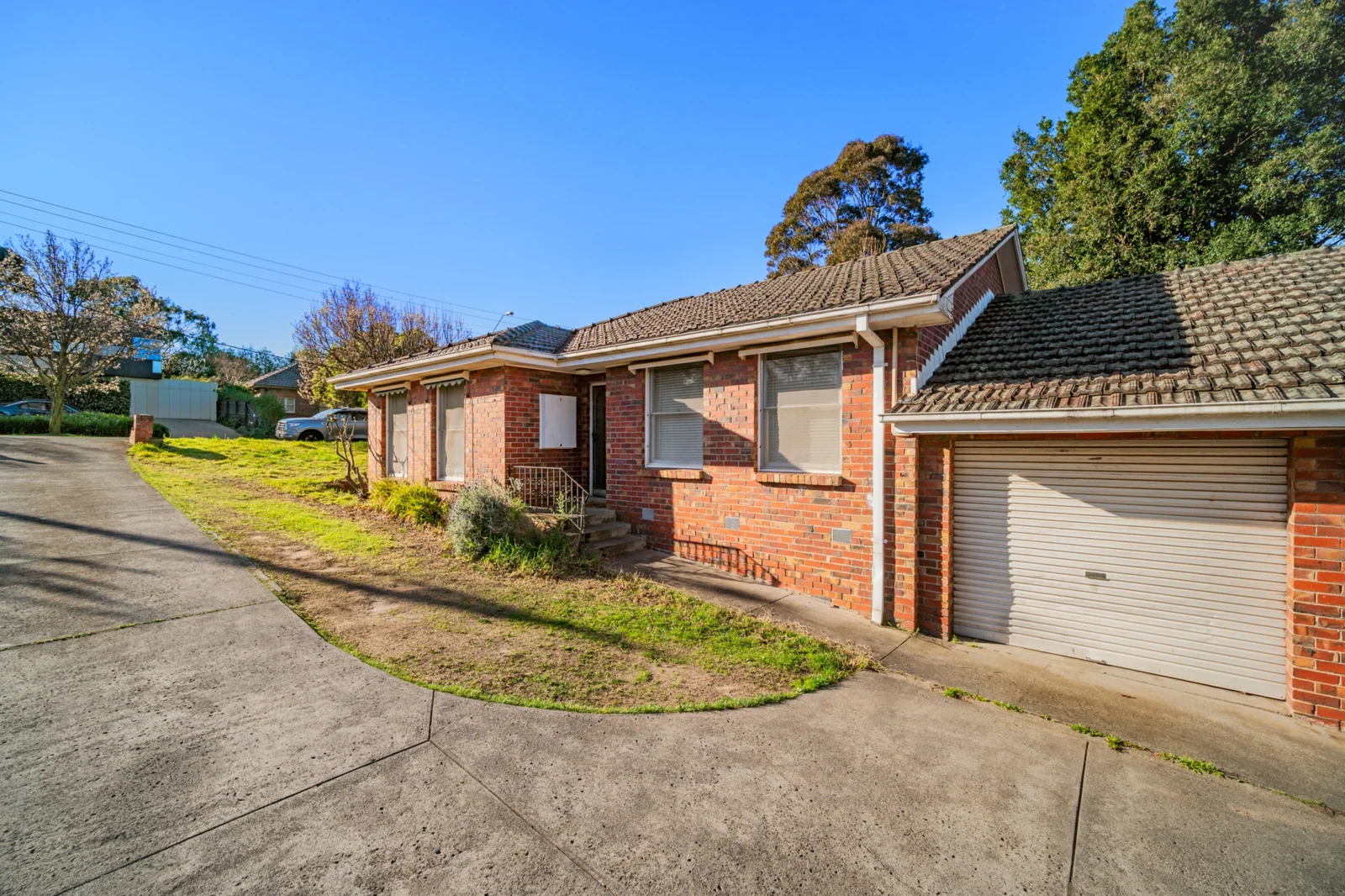 $580
Apartment / Unit / Flat
$580
Apartment / Unit / Flat
 $140
Studio
$140
Studio
 $1,780,000
House
$1,780,000
House


