Overview
# 1. Overview
QACI is a public selective high school in Queensland focused on creative industries. It attracts students with strong interests in arts, design, media and performance, offering a distinctive environment where creativity sits at the heart of the curriculum. The school tends to run as a medium-sized campus with smaller-to-mid sized classes, fostering close teacher-student relationships and a welcoming, collaborative culture.
The atmosphere is nurturing and inclusive, emphasising high standards and real-world creative learning. Students typically benefit from opportunities to engage in cross-disciplinary projects, exhibitions and performances, building both artistic skills and academic achievement.
# 2. Academics & Learning
- Academic strengths: A strong emphasis on creative disciplines such as design, digital media, film/theatre and performing arts, with integrated English and Literacy learning to support communication and critical thinking.
- Special programs: A specialist arts-focused program with project-based learning, opportunities for portfolio development, and pathways that connect classroom work to real-world creative industries.
- NAPLAN / trends: Generally demonstrates strong engagement and above-state-average performance in literacy and related skills, with trends showing steady improvement or consistency across cohorts.
- Student-teacher ratios: Class sizes designed to enable individualized attention; typically low-to-mid ranges that support close feedback and project mentoring.
- Support for diverse learners: Dedicated support for EAL students and learners with additional needs, including access to learning support staff and targeted accommodations where needed.
# 3. Sports & Extracurricular Strengths
- Sports offered: Participation in school sport programs and inter-school competitions as part of the broader Queensland public-school system.
- Strong teams or achievements: Balanced emphasis on both athletics and arts; competitive involvement in inter-school events and arts-related showcases.
- Music, arts, drama programs: Robust offerings in music ensembles, drama productions, dance and theatre arts; frequent performances and exhibitions.
- Clubs: Robotics, coding, chess, debating, film-making and other creative-technology clubs; opportunities to collaborate on cross-disciplinary projects.
- Partnerships: Connections with local arts organisations, universities and industry partners for competitions, performances and industry-standard experiences.
# 4. Wellbeing & Pastoral Care
- Anti-bullying approach: Clear anti-bullying policies with proactive prevention and responsive support; focus on respectful and inclusive behavior.
- House system: A house or pastoral grouping framework to foster belonging, mentorship and school spirit through events and activities.
- Counsellors / wellbeing officers: Access to school counsellors and wellbeing staff to support academic, social and emotional wellbeing.
- Transition support for new students: Orientation programs, buddy systems and targeted transition activities to help new students settle in smoothly.
# 5. Facilities
- Sports grounds: Access to on-site or closely located sports facilities for training and inter-school events.
- Libraries: Well-equipped library with study spaces and access to creative resources.
- Science labs: Modern science laboratories to support inquiry and cross-disciplinary projects.
- Music/performing arts centers: Dedicated spaces for music rehearsals, theatre productions and dance.
- Tech/innovation labs: Design studios, digital media suites and other tech-enabled learning spaces.
- Cafeteria: On-site canteen or food service supporting daily meals and snacks.
- Updated playgrounds: Safe, refreshed outdoor spaces for recreation and break times.
# 6. School Values & Community Culture
- Values / mission: Focus on creativity, excellence, collaboration, inclusion and respect; mission aligned with developing creative thinkers and responsible contributors.
- Leadership style: Emphasis on student voice and leadership through creative projects, committees and peer mentoring.
- Behaviour expectations: Clear expectations around conduct, respect, teamwork and integrity within a supportive learning community.
- Community reputation: Known for a welcoming, inclusive culture that values artistic achievement and academic growth.
- Diversity & inclusion: Committed to diversity and inclusive practices, creating opportunities for students from various backgrounds to thrive.
# 7. School Logistics & Daily Operations
- School hours: Typical school day runs through the late morning into the afternoon with standard start and finish times; consistent scheduling supports routine.
- Before/after school care: After-school activities and care options available to support families and student needs.
- Uniform requirements: Standard school uniform with any program-specific identifiers as part of campus culture.
- Transport (train/bus routes): Accessible by public transport with nearby bus routes and train services; parking and drop-off arrangements available.
- Canteen availability: On-site catering or canteen services for meals and snacks during the day.
- Fees (low/medium/high ranges): No tuition (as a public school) with standard resource contributions; occasional program or materials costs apply for specialised arts subjects.
# 8. Enrolment & Admissions
11. What is the enrolment process and timeline?
- Applications are typically submitted through the government selective entry process. This includes an audition or portfolio submission for creative disciplines, along with academic records. Shortlisted applicants may be invited to an interview or additional portfolio review. Offers are made if spaces are available, followed by enrolment steps and orientation.
12. Is there a waiting list, and how does it work?
- There can be a waiting list if all places are filled. When spaces become available (due to withdrawals or internal changes), applicants on the waiting list are contacted in order of priority/date of application.
13. Are there any entry requirements, tests, or interviews?
- Yes. Entry often requires audition or portfolio submission for creative subjects, plus assessment of academic results and suitability for the program. Some intake may include interviews as part of the selection process. English language proficiency requirements may apply for EAL students.
14. Does the school accept mid-year transfers?
- Mid-year transfers may be considered, subject to space and the completion of necessary enrolment steps. Availability depends on current cohort capacity and how the transfer aligns with the timetable and curriculum.
# 9. Frequently Ask Questions
- Why Parents Choose This School?
- Because it offers a public, selective pathway focused on creative industries, with small-to-medium class sizes, strong arts facilities, and a supportive learning community that combines creativity with academic learning.
- What type of student thrives at this school?
- Students who are motivated, collaborative and passionate about arts, design, film, theatre or music; those who enjoy interdisciplinary projects and value a rigorous, creative learning environment.
- What opportunities are available for students to extend their skills (academics, sports, arts)?
- Extensive arts-specific programs, exhibitions, performances, film and design projects, competitions, and partnerships with local arts organisations; opportunities to participate in clubs and cross-disciplinary projects.
- How does the school communicate with parents?
- Through email updates, parent newsletters, school portals, and scheduled meetings or interviews; information is shared regularly about student progress and school events.
- What is the school’s approach to teaching and learning?
- Project-based and inquiry-driven learning that integrates arts with core subjects; emphasis on collaboration, critical thinking and real-world application.
- How does the school support students who need extra academic help?
- Learning support services, EAL assistance, SEN coordination, tutoring and targeted interventions as needed.
- What support is available for academic challenges?
- Individual or small-group tutoring, tailored learning plans, extension tasks for advanced students, and access to specialist staff.
- How does the school communicate with parents?
- See above: regular updates via email, portals, newsletters and parent-teacher forums.
- What are the class sizes and how much individual attention do students receive?
- Class sizes are small-to-medium, designed to enable regular teacher feedback and close student-teacher relationships.
- What extracurricular and sports opportunities are available?
- A range of arts-focused activities (music ensembles, drama, film-making, design clubs) alongside general school sport programs and inter-school events.
- What facilities does the school offer (sports, science, arts)?
- Well-equipped spaces for theatre and music, design and digital media labs, science labs, libraries, and general study areas.
- What is the school’s approach to technology and digital learning?
- Integrated digital learning with access to creative software and tech-enabled spaces; emphasis on using technology to enhance art, design and academic work.
- What transport and accessibility options are available?
- Access via public transport with nearby routes; school-provided or recommended drop-off/pick-up arrangements; parking and accessibility considerations as standard.
- What are the typical school fees or additional costs?
- As a public school, there is no tuition fee; there may be modest costs for materials, activities or uniform, and occasional trip or program-related fees.
# 10. Short Pros & Cons list
- Pros
- Public, selective pathway with a clear focus on creative industries
- Small-to-medium class sizes enabling personalized attention
- Strong arts facilities and opportunities for real-world creative work
- Supportive wellbeing and pastoral care
- Pathways to tertiary study in arts, design and related fields
- Cons
- Strong arts emphasis may mean fewer non-arts electives compared with some comprehensive schools
- Competitive entry with potential waitlists
- Sports offerings are more typical school-level and may be less expansive than dedicated sports-focused schools
- Some costs for materials, uniforms or trips may apply for specialised subjects










 $950,000
Apartment / Unit / Flat
$950,000
Apartment / Unit / Flat
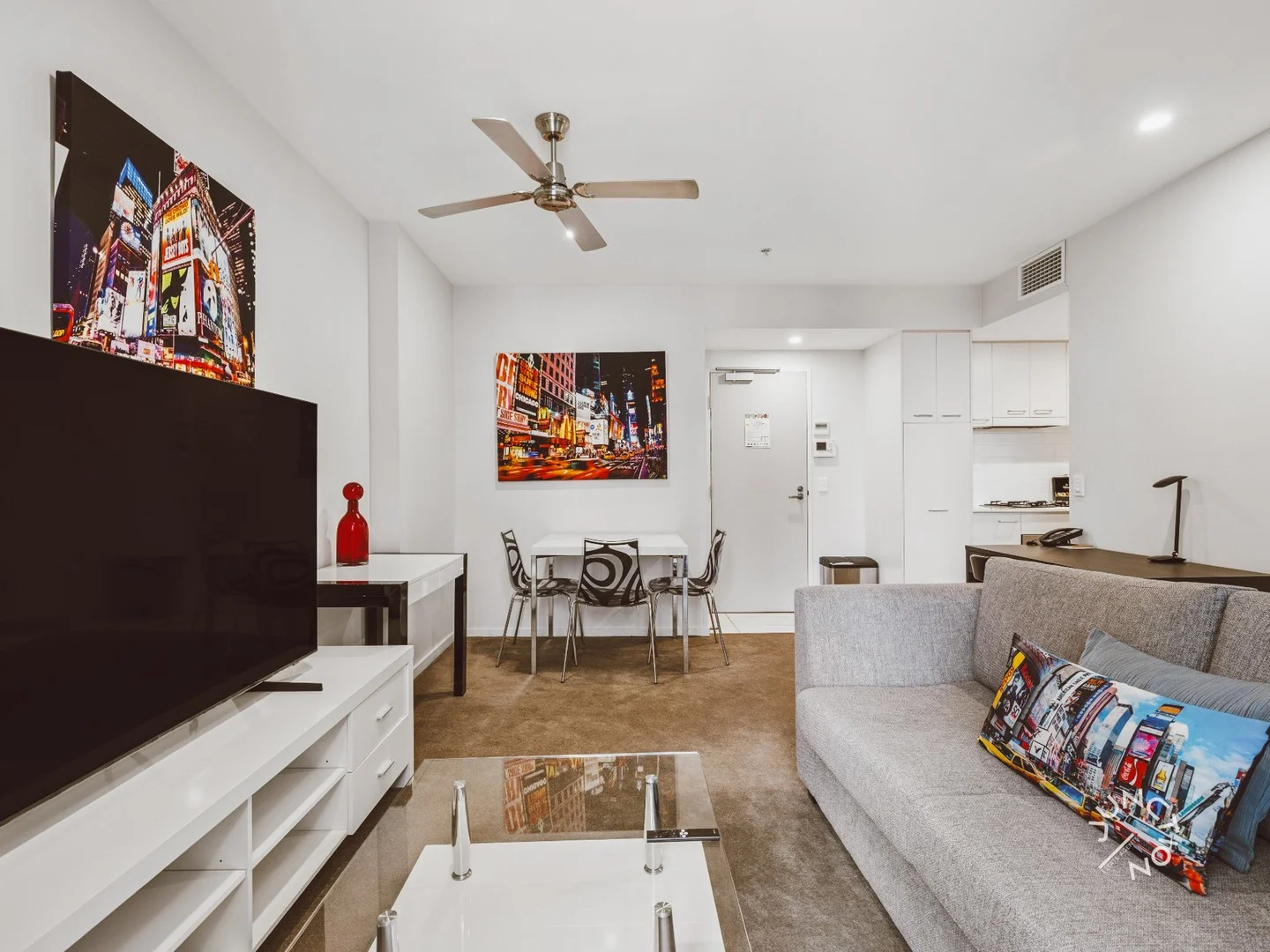 $523,200 - $566,800
Apartment / Unit / Flat
$523,200 - $566,800
Apartment / Unit / Flat
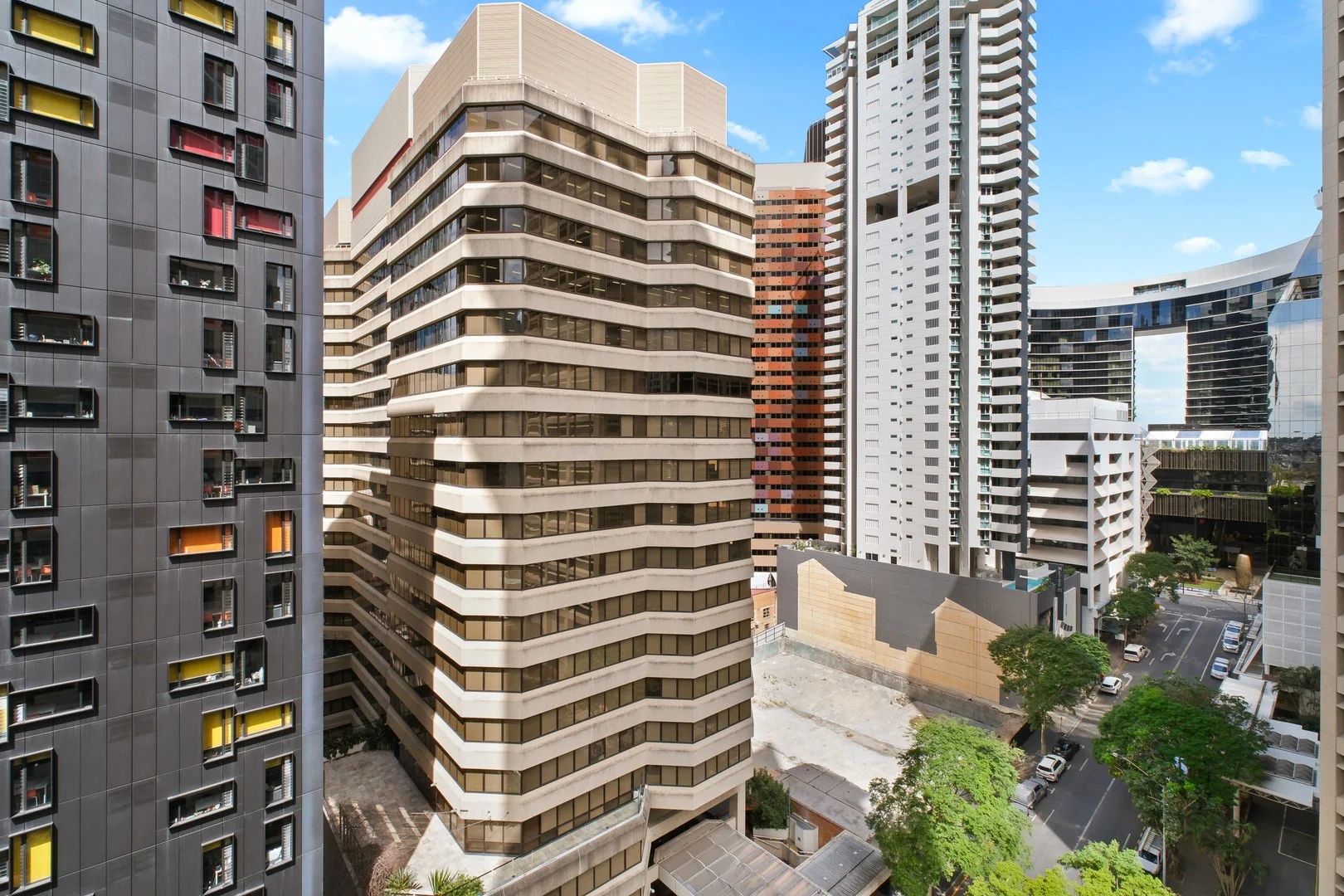 $550,000
Apartment / Unit / Flat
$550,000
Apartment / Unit / Flat
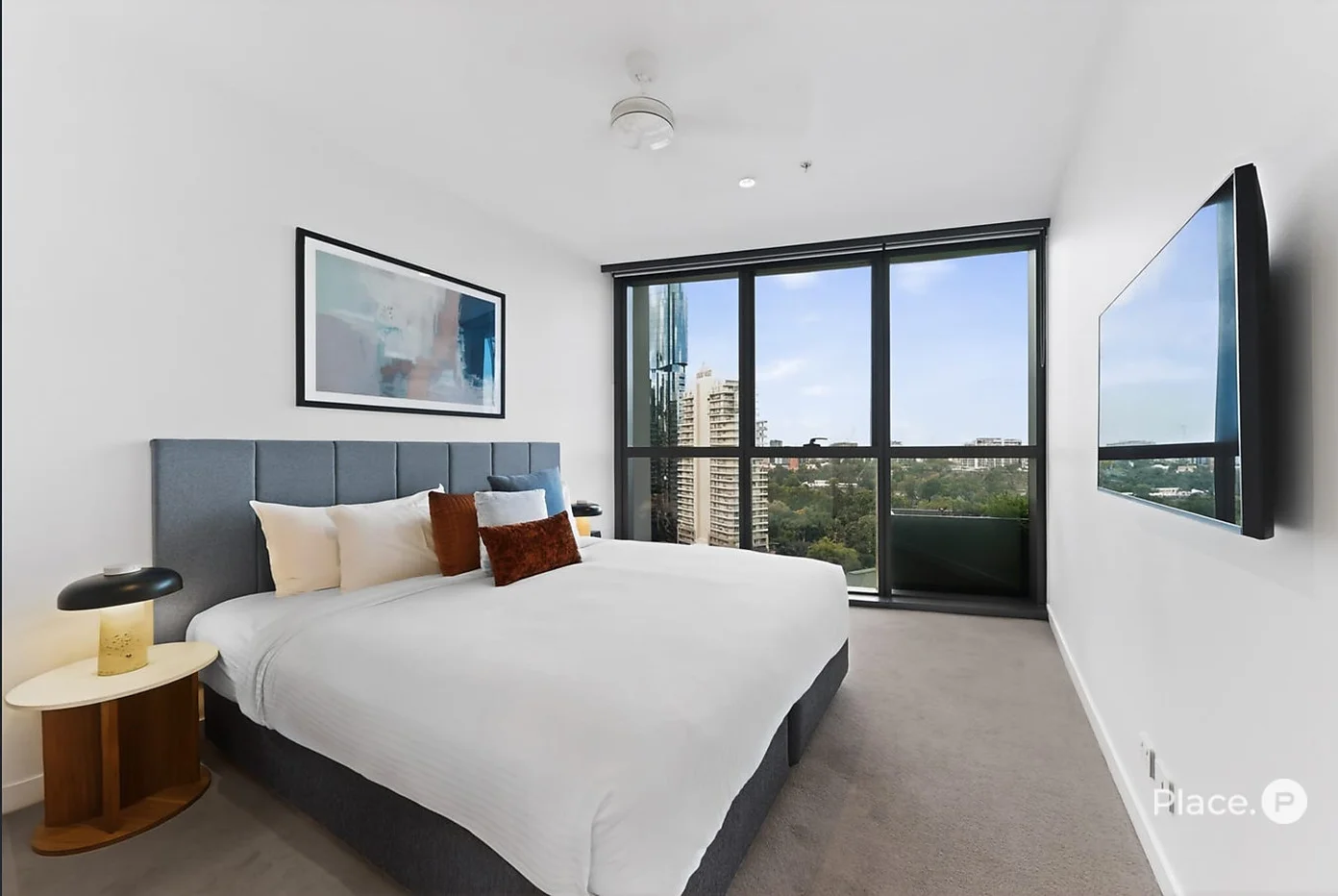 $770,000
Apartment / Unit / Flat
$770,000
Apartment / Unit / Flat
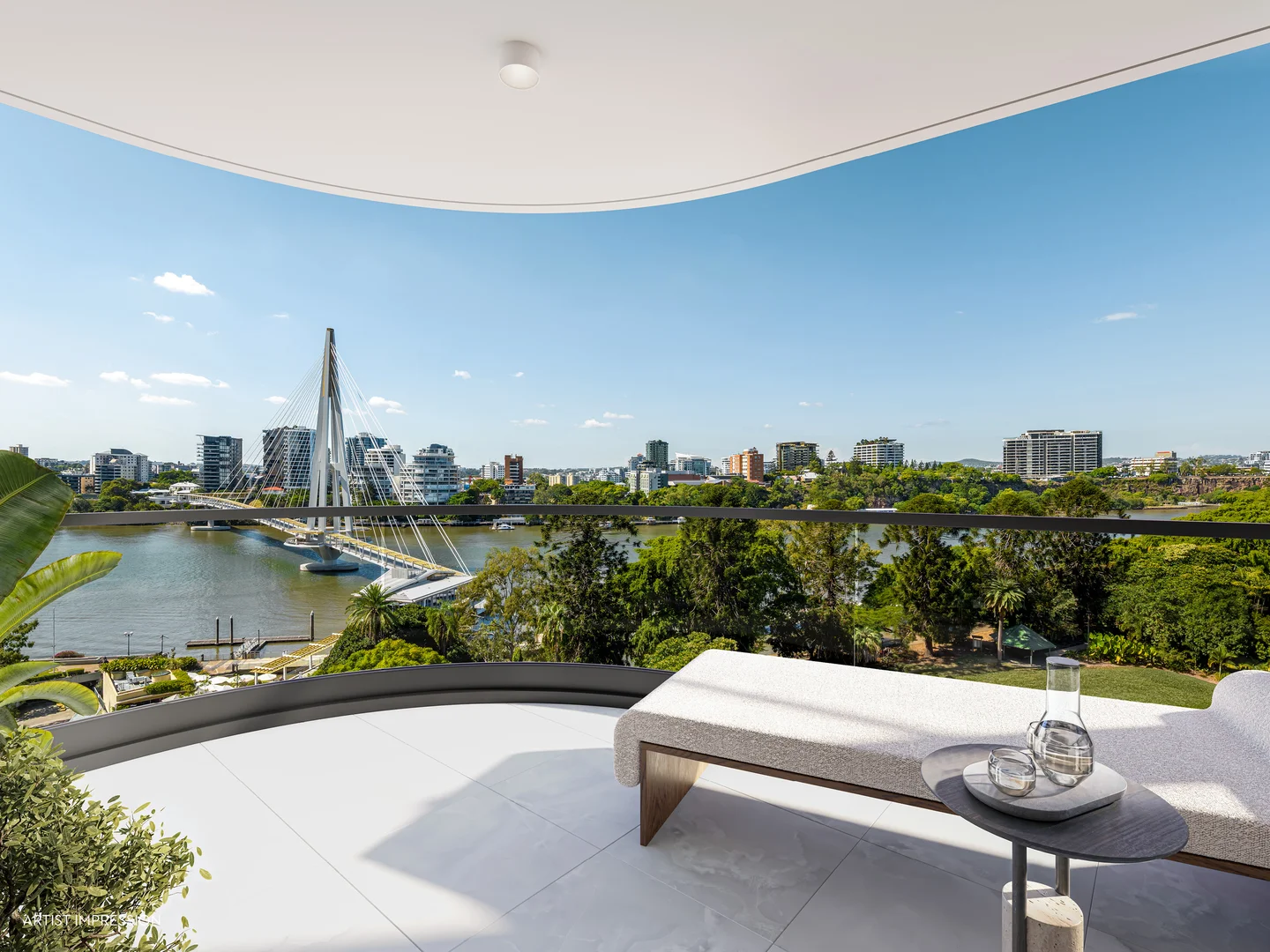 $1,475,000 - $2,090,000
propertyType.NEW APARTMENTS / OFF THE PLAN
$1,475,000 - $2,090,000
propertyType.NEW APARTMENTS / OFF THE PLAN