# Overview
Brisbane Grammar School is an independent private day school for boys with Anglican heritage, located in Brisbane. The school is large and well-established, offering a broad education that balances academics, sport, and a wide range of co-curricular activities. The environment tends to be academically focused while still fostering a supportive and inclusive culture where students are encouraged to take on leadership roles and participate in team-based activities.
The atmosphere is centered on high standards and personal growth, with a strong emphasis on character, resilience, and community involvement. Students benefit from a structured, achievement-oriented setting that supports both academic excellence and well-rounded development.
# Academics & Learning
- Academic strengths: strong programs across STEM, English and literacy, science, and multilingual learning. The school places emphasis on rigorous coursework, critical thinking, and clear communication.
- Special programs: leadership development opportunities, gifted/talented pathways, and accelerated learning options to challenge capable students.
- NAPLAN trends: historically strong performance with positive year-to-year trends in key literacy and numeracy indicators, reflecting ongoing curriculum alignment and teaching strategies.
- Student-teacher ratios: typically low-to-moderate class sizes, with a focus on providing opportunities for individual attention and feedback (roughly in the low teens to around 1:10–1:15 in many year levels).
- Support for diverse learners: robust support for diverse learners including EAL (English as an Additional Language) and SEN (Special Education Needs) provisions, with targeted interventions and consultation with families.
# Sports & Extracurricular Strengths
- Sports offered: rugby, cricket, football (soccer), swimming, athletics, tennis, cross country, and rowing are commonly available, with opportunities across competitive school teams and development squads.
- Strong teams or achievements: a track record of competitive teams across major sports, with strong emphasis on teamwork, discipline, and sportsmanship.
- Music, arts, drama programs: comprehensive music and performing arts programs with ensembles, choirs, theatre productions, and drama clubs.
- Clubs: robotics, chess, coding, debating, and other academic or interest-based clubs supporting STEM and humanities interests.
- Partnerships: participation in local inter-school competitions and collaborations with community arts and sports organizations to broaden experiences outside classroom time.
# Wellbeing & Pastoral Care
- Anti-bullying approach: proactive programs and clear policies aimed at preventing bullying, with support structures for students who need help.
- House system: house-based pastoral structure that fosters belonging, healthy competition, teamwork, and mentorship across year levels.
- Counsellors / wellbeing officers: access to school counsellors and wellbeing staff to support mental health, stress management, and personal development.
- Transition support for new students: orientation activities, buddy mentorship, and targeted onboarding to help new students settle in smoothly.
# Facilities
- Sports grounds: ample on-site grounds and facilities to support athletics, cricket, rugby, swimming, and general fitness.
- Libraries: well-resourced libraries with study spaces and digital resources.
- Science labs: modern science laboratories for practical experiments across disciplines.
- Music/performing arts centers: dedicated spaces for music rehearsals, ensembles, theatre, and performances.
- Tech/innovation labs: innovation and ICT facilities to support coding, robotics, and design projects.
- Cafeteria: on-site canteen providing meals and snacks for students throughout the day.
- Updated playgrounds: modern outdoor spaces for recreation and physical activity.
# School Values & Community Culture
- School values / mission: emphasis on excellence, integrity, respect, service, and community involvement; leadership development is integrated into student life.
- Leadership style: distributed leadership with opportunities for student voice through prefect roles, council structures, and student-led initiatives.
- Behaviour expectations: clear codes of conduct that promote respect, responsibility, and perseverance.
- Community reputation: long-standing reputation for academic rigor and a strong sense of tradition with active parent and alumni involvement.
- Diversity & inclusion: commitment to creating an inclusive environment where students from diverse backgrounds can thrive and contribute.
# School Logistics & Daily Operations
- School hours: typically start in the morning with a structured timetable and a full day of classes, ending in the mid-to-late afternoon.
- Before/after school care: often available through on-site or partner programs to support working families.
- Uniform requirements: formal school uniform with established dress code policies for daily wear and special occasions.
- Transport (train/bus routes): accessible via Brisbane public transport networks with bus routes and nearby rail options; school transport arrangements may include pick-up/drop-off services in coordination with families.
- Canteen availability: on-site canteen or snack facilities offering a range of meals and beverages.
- Fees (low/medium/high ranges): generally in the medium-to-high range for private day schooling, with additional costs for uniforms, activities, and excursions.
# Enrolment & Admissions
11. What is the enrolment process and timeline?
- Initial enquiry and information session.
- Submission of application form and supporting documents (academic reports, references, etc.).
- Preliminary assessments or school-specific entrance activities; interview may be part of the process.
- Notification of outcome and timelines for offer, placement testing if applicable, and scholarships or bursaries where relevant.
- Receipt of offer and completion of enrolment by specified deadlines; onboarding and orientation scheduled before the start of the academic year.
12. Is there a waiting list, and how does it work?
- Yes, there is often a waiting list for popular year levels. Priority may be given to siblings, alumni connections, or candidates who meet specific criteria. Wait times vary by year level and seat availability; families are kept informed about expected timelines.
13. Are there any entry requirements, tests, or interviews?
- Entry typically involves formal assessment or testing, and an interview conducted by academic staff or a senior leadership representative. Special consideration may be given to students applying for gifted and talented pathways or scholarship programs. Documentation of prior academic performance and references is usually required.
14. Does the school accept mid-year transfers?
- Mid-year transfers may be possible subject to space, meeting entry requirements, and completing the school's transfer process. Students may need to align with current curriculum standards and assessment schedules for a smooth transition.
# Frequently Ask Questions
- Why Parents Choose This School?
- A strong balance of academic rigor, supportive pastoral care, and a culture of leadership and involvement. The school combines high expectations with a tradition of community and character-building.
- What type of student thrives at this school?
- Motivated, curious students who enjoy a structured environment, strong academics, competitive sports, and active participation in clubs and leadership roles.
- What opportunities are available for students to extend their skills (academics, sports, arts)?
- Advanced coursework and leadership tracks in academics, high-level sports programs, musical ensembles, drama productions, robotics and coding clubs, debating and public speaking, and other talent-based opportunities.
- How does the school communicate with parents?
- Regular updates through newsletters, emails, parent portals, and scheduled parent-teacher meetings; a clear channel for feedback and involvement in school life.
- What is the school’s approach to teaching and learning?
- A rigorous, evidence-based approach focusing on critical thinking, problem-solving, and clear communication; emphasis on both academic achievement and personal development.
- How does the school support students who need extra academic help?
- Targeted tutoring, learning support services, EAL and SEN assistance, and collaboration with families to tailor interventions.
- What support is available for academic challenges?
- Access to teachers, learning support staff, and structured plan options to address gaps, with ongoing progress monitoring.
- How does the school communicate with parents?
- See above: formal updates, parent portals, and proactive engagement from teachers and coordinators.
- What are the class sizes and how much individual attention do students receive?
- Class sizes are designed to be conducive to participation and feedback, with routes to provide individual attention through small-group sessions, tutoring, and targeted interventions.
- What extracurricular and sports opportunities are available?
- A wide range of sports (e.g., rugby, cricket, football, swimming, athletics, tennis, rowing), music and the performing arts, robotics, coding, chess, debating, and other clubs and activities.
- What facilities does the school offer (sports, science, arts)?
- Comprehensive facilities for sports, science labs, libraries, performing arts spaces, music centers, and tech/innovation labs, plus on-site canteen and modern recreational areas.
- What is the school’s approach to technology and digital learning?
- Integration of technology across the curriculum to enhance learning, collaboration, and digital literacy, with access to devices and online resources as part of instruction.
- What transport and accessibility options are available?
- Multiple transport options via public transit and school-arranged arrangements where available, with guidance on nearby bus routes and rail access to support student commutes.
- What are the typical school fees or additional costs?
- Fees are in the private-school range and may include additional costs for uniforms, excursions, activities, and materials; families can expect transparent billing with details provided by the school.
# Short Pros & Cons list
- Pros
- Strong academic reputation with comprehensive STEM, English, and languages programs.
- Well-developed pastoral care, house system, and student leadership opportunities.
- Broad co-curricular spectrum including sports, music, arts, and clubs.
- Modern facilities and resources to support learning and wellbeing.
- Active community with opportunities for family involvement and alumni networks.
- Cons
- Higher tuition costs typical of private independent schools.
- Competitive environment may not suit every student; emphasis on academics and performance can be intense.
- Transportation logistics can vary by family location; some families may rely on school transport or public transit.
- Availability of certain year-level placements or programs may depend on capacity and selective processes.











 $950,000
Apartment / Unit / Flat
$950,000
Apartment / Unit / Flat
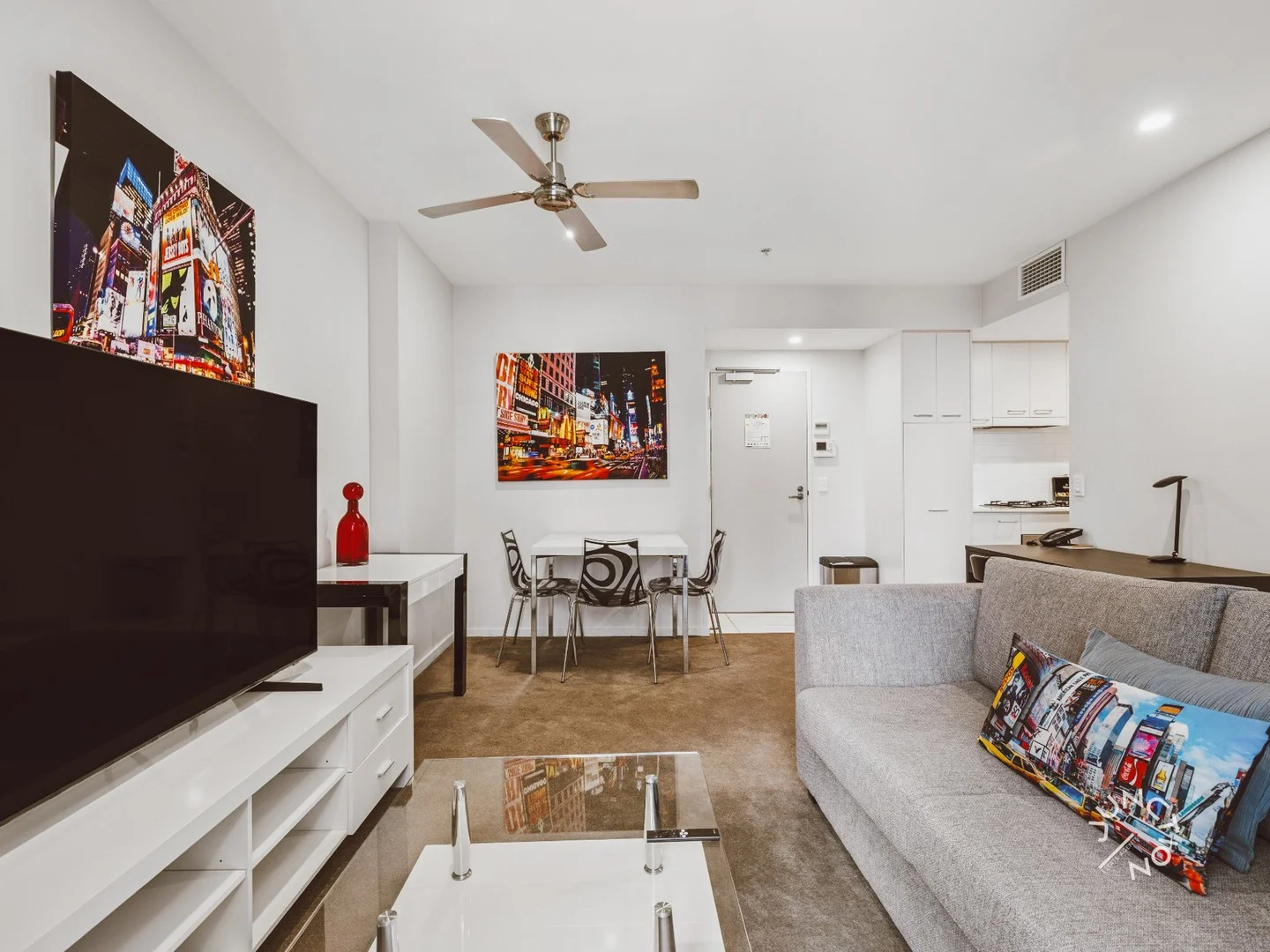 $523,200 - $566,800
Apartment / Unit / Flat
$523,200 - $566,800
Apartment / Unit / Flat
 $550,000
Apartment / Unit / Flat
$550,000
Apartment / Unit / Flat
 $1,475,000 - $2,090,000
propertyType.NEW APARTMENTS / OFF THE PLAN
$1,475,000 - $2,090,000
propertyType.NEW APARTMENTS / OFF THE PLAN
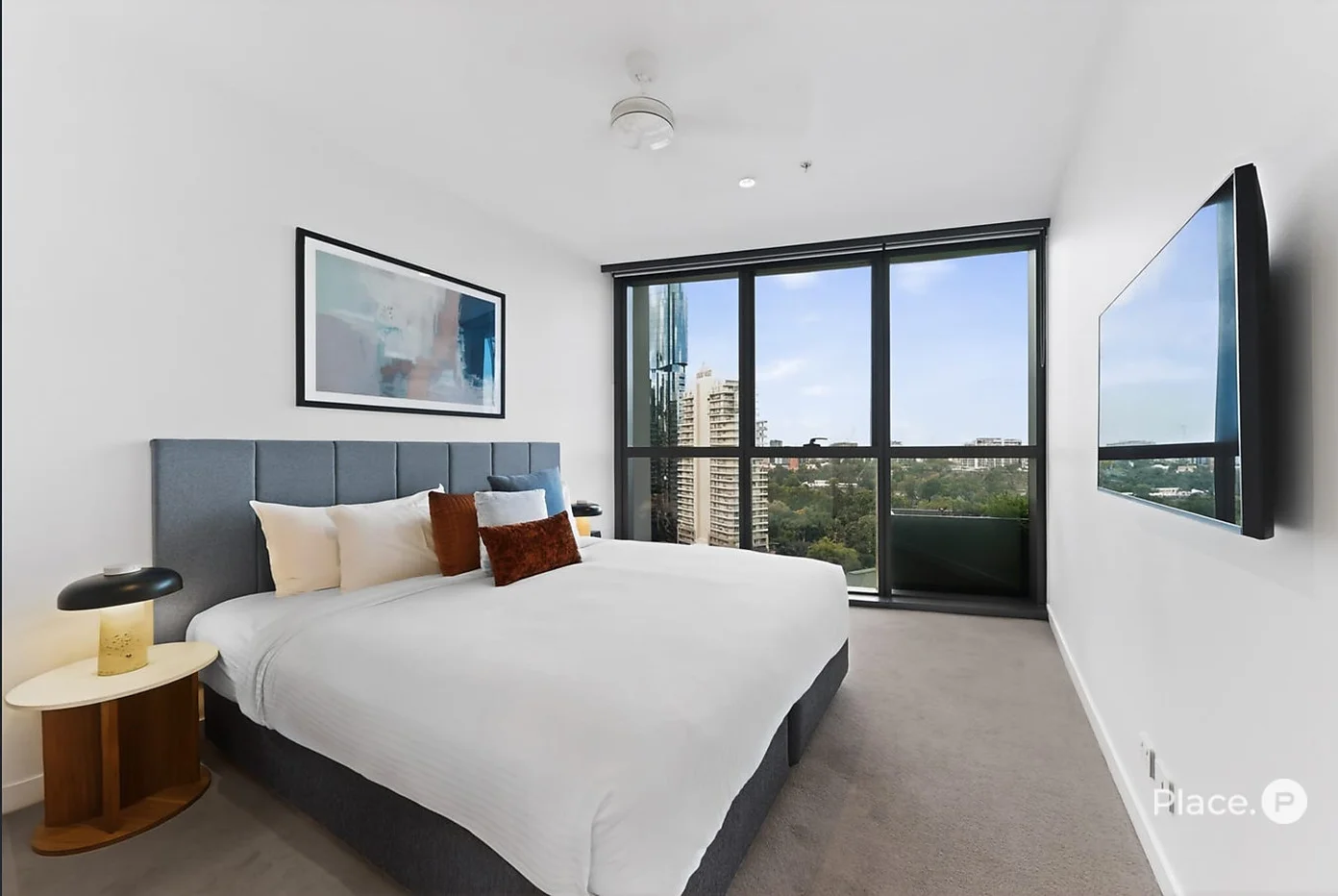 $770,000
Apartment / Unit / Flat
$770,000
Apartment / Unit / Flat