 Government primary school in Bundeena
Bundeena Public School
Bundeena, NSW 2230
Bundeena Public School is a public primary school serving families in the Bundeena community. It provides Kindergarten to Year 6 education in a small, coastal NSW setting, emphasizing a welcoming, family-like atmosphere where…
About Bundeena Public School
Read the full description
- Overview
Bundeena Public School is a public primary school serving families in the Bundeena community. It provides Kindergarten to Year 6 education in a small, coastal NSW setting, emphasizing a welcoming, family-like atmosphere where students feel seen and supported.
As a small public school, class sizes are typically around 20 students, with a focus on personalised teaching and strong teacher–student relationships. The school culture is nurturing, inclusive, and community-minded, balancing solid academic foundations with opportunities for creativity, sport, and personal growth.
- Academics & Learning
- Academic strengths: Focus on solid literacy and numeracy foundations, with integrated STEM activities and opportunities to engage in creative arts and leadership experiences. The school supports development across core subjects while encouraging curious, independent thinking.
- Special programs: Gifted and talented opportunities and enrichment activities may be available where appropriate. There are chances for leadership roles and participation in enrichment tasks, as well as access to specialist activities (e.g., music, sport, library programs) as part of an enriched curriculum.
- Support for diverse learners: Inclusive education practices are in place to support students who are learning English as an additional language (EAL) and students with additional learning needs (SEN). Access to targeted supports, in-class adjustments, and referrals to relevant NSW Department of Education services is available as needed.
- Sports & Extracurricular Strengths
- Sports offered: A range of popular school sports typical for NSW primary schools, including athletics, cricket, soccer, netball, swimming, and cross-country events. Activities are designed to encourage participation, fitness, and teamwork.
- Strong teams or achievements: The school participates in local inter-school sports days and competitions, with emphasis on participation, sportsmanship, and personal bests rather than exclusively on high-level competition.
- Music, arts, drama programs: Active opportunities in music and performing arts, with opportunities to participate in school performances, choir, and related arts activities.
- Clubs: Robotics, coding, chess, and debating clubs are commonly offered or provided through term-based programs, with student-led projects and competitions where available.
- Partnerships: The school often connects with local community groups and sports clubs for fixtures, clinics, and extended learning opportunities. Local inter-school activities and competitions provide broader experiences for students.
- Wellbeing & Pastoral Care
- Anti-bullying approach: A proactive, school-wide approach to wellbeing and anti-bullying, with clear policies, restorative practices, and student involvement in creating a positive school climate.
- House system: A house-based structure fosters belonging, healthy competition, and cross-age collaboration during events such as sports carnivals and assemblies.
- Counsellors / wellbeing officers: A dedicated wellbeing team supports students’ social-emotional learning, with access to school-based counsellors or wellbeing staff as part of the school's support framework.
- Transition support for new students: Welcome programs, buddy systems, and transition activities help new students settle in, build friendships, and connect with peers and teachers.
- Facilities
- Sports grounds: Outdoor spaces suitable for games, athletics, and physical education activities.
- Libraries: A dedicated library/resource space supporting reading and research.
- Science labs: Practical science facilities to support hands-on learning and inquiry.
- Music/performing arts centers: Spaces for music teaching, rehearsals, and performances.
- Tech/innovation labs: Access to technology-enabled spaces and activities to develop digital literacy and project-based learning.
- Cafeteria: On-site options or nearby facilities supporting student meals and break times.
- Updated playgrounds: Play areas designed for safe, active play and imaginative activities.
- School Values & Community Culture
- School values / mission: A focus on respect, responsibility, inclusivity, resilience, and contributing to the broader community.
- Leadership style: Collaborative and student-centred, with opportunities for student voice, leadership roles, and teacher teamwork to guide learning.
- Behaviour expectations: Clear behavioural guidelines and restorative approaches to conflict resolution, aiming for a positive, respectful learning environment.
- Community reputation: A friendly, tight-knit community known for its welcoming culture and active parent involvement.
- Diversity & inclusion: Commitment to valuing cultural and individual diversity, with inclusive practices that support every student’s sense of belonging.
- School Logistics & Daily Operations
- School hours: Typical daily schedule aligns with NSW public primary norms, with start and finish times that provide a consistent routine for families (often around 9:00 am–3:15 pm, with supervision available before/after school).
- Before/after school care: Outside School Hours Care (OSHC) or local providers are commonly available to support families with before/after school needs.
- Uniform requirements: Uniforms are standard for NSW public schools, with clear policy on everyday wear and seasonal options. Details are provided by the school and uniform suppliers.
- Transport (train/bus routes): Transport options include NSW public transport and school bus routes where available. Families should check current routes and catchment details with the school or Transport NSW.
- Canteen availability: Canteen services or lunch options are available on selected days, with healthy menu choices and lunch-ordering arrangements where offered.
- Fees (low/medium/high ranges): NSW public schools do not charge tuition, but may ask for voluntary contributions and may have small charges for excursions or activities. Uniforms and certain resources may involve additional costs.
- Enrolment & Admissions
- What is the enrolment process and timeline?
- Submit an enrolment application to the school, providing proof of residence (catchment confirmation), birth certificate, immunisation status, and any relevant school history or reports.
- The school will confirm eligibility (catchment status) and outline required documents, timelines for placement, and any orientation activities. Expect a waiting period only if the year level is at capacity.
- Is there a waiting list, and how does it work?
- Waiting lists can occur if a year level is full. Priority is generally given to catchment students, with siblings often prioritized. If space becomes available, offers are made in accordance with NSW Department of Education guidelines.
- Are there any entry requirements, tests, or interviews?
- NSW public primary schools generally do not require entrance exams. The focus is on enrolling within the appropriate catchment and supporting transition. If needed, there may be discussions to understand learning needs and to plan appropriate supports. Orientation or introductory visits may be offered for new students.
- Does the school accept mid-year transfers?
- Yes, subject to space and availability. Mid-year transfers require coordination with the school, submission of student records, and confirmation of placement. Parents should contact the school as soon as possible to discuss spaces and next steps.
- Frequently Asked Questions
- Why Parents Choose This School?
- Small, supportive community with a nurturing atmosphere, emphasis on strong relationships, and a balanced focus on academics, wellbeing, and real-world skills.
- What type of student thrives at this school?
- Students who benefit from a close-knit community, individualized attention, and a well-rounded program that values inclusion, participation, and personal growth.
- What opportunities are available for students to extend their skills (academics, sports, arts)?
- Enrichment activities in literacy, numeracy, and STEM; leadership roles; sports teams and inter-school events; music and performing arts programs; coding, robotics, chess, and debating clubs where offered.
- How does the school communicate with parents?
- Regular newsletters, notices, and parent-teacher meetings; online portals or communication apps may be used; open doors for parent involvement and updates on student progress.
- What is the school’s approach to teaching and learning?
- A student-centred, inclusive approach with focus on core literacy and numeracy, inquiry-based learning, and opportunities to apply knowledge across subjects; emphasis on resilience, collaboration, and critical thinking.
- How does the school support students who need extra academic help?
- Targeted classroom supports, small-group instruction, access to EAL/SEN services, and referrals to appropriate NSW Department of Education support where needed.
- What support is available for academic challenges?
- Diagnostic assessment, differentiated learning plans, additional tutoring or supports within the classroom, and ongoing monitoring of progress.
- How does the school communicate with parents?
- See above: regular updates, meetings, and digital communication channels to keep families informed about learning, wellbeing, and school events.
- What extracurricular and sports opportunities are available?
- A range of sports and physical activities, along with clubs such as robotics, coding, chess, debating, and music/theatre programs where offered.
- What facilities does the school offer (sports, science, arts)?
- Sports grounds, library, science facilities, music/performing arts spaces, technology/innovation spaces, a canteen, and updated playgrounds.
- What is the school’s approach to technology and digital learning?
- Integrated technology use to support learning, with opportunities to develop digital literacy and responsible use of devices and online resources.
- What transport and accessibility options are available?
- Campus accessibility is supported through standard NSW transport options; families should check current bus/train routes and catchment details with the school or Transport NSW.
- What are the typical school fees or additional costs?
- NSW public schools do not charge tuition; there may be voluntary contributions and costs for excursions or extra resources. Uniforms are a separate purchase.
- Short Pros & Cons list
- Pros
- Small, community-focused environment with strong student–teacher relationships - Balanced emphasis on academics, wellbeing, and extra-curriculars - Support for diverse learners and inclusive practices - Wide range of activities (sports, arts, clubs) for a well-rounded education - Transparent communication and active parent involvement
- Cons
- Smaller school may have fewer elective options or specialist programs than larger schools - Year-to-year outcomes can be more variable in very small cohorts - Some programs or facilities may vary by year or term depending on funding and staffing - Transport options may depend on distance from catchment and available routes
A few things parents ask
Does Bundeena Public School have a catchment area?
Yes. Bundeena Public School serves the following official intake zone: Bundeena PS (primary). Living inside a zone makes this your designated local public school. Whether a place is offered depends on the state’s enrolment policy and the year you apply — it is not a guarantee, and where current students live does not define the boundary. Use the AroundSchools catchment checker to see whether your address falls inside it, then verify with the state education department’s own tool.
What type of school is Bundeena Public School?
Bundeena Public School is a Government, Co-ed school in Bundeena, NSW, offering Kinder, Primary year levels.
Is Bundeena Public School a public or private school?
Bundeena Public School is a public school. It is government-funded and part of the NSW public education system, so it is generally free for local students to attend, aside from voluntary contributions and levies.
Where is Bundeena Public School located?
Bundeena Public School is located at 48R Scarborough St, Bundeena NSW 2230, Bundeena, NSW, 2230.
Compare with nearby schools
The closest schools to Bundeena Public School, side by side. Fees appear where a school publishes them; activities and events are what is listed on AroundSchools within a short drive of each school.
| School | Distance | Sector | Gender | Years | Fees / yr | Kids' activities within 2 km | Events within 3 km |
|---|---|---|---|---|---|---|---|
| Bundeena Public SchoolThis school | Here | Government | Co-ed | Kinder · Primary | — | 6 | 0 |
| Cronulla South Public School | 2.5 km | Government | Co-ed | Kinder · Primary | — | 15 | 0 |
| St Aloysius Catholic Primary School - Cronulla | 3.2 km | Catholic | Co-ed | Kinder · Primary | $4,891 – $5,677 | 18 | 0 |
| De La Salle Catholic College - Cronulla | 3.6 km | Catholic | Co-ed | Secondary | $7,346 – $8,872 | 26 | 0 |
| Cronulla Public School | 3.7 km | Government | Co-ed | Kinder · Primary | — | 23 | 0 |
| Our Lady of Mercy Catholic College - Burraneer | 3.9 km | Catholic | Girls | Secondary | $7,485 – $8,147 | 25 | 0 |
| St Francis de Sales Catholic Primary School - Woolooware | 3.9 km | Catholic | Co-ed | Kinder · Primary | $4,946 – $5,268 | 23 | 0 |
Sorted by distance, not ranked. Check whether your address is in the catchment
Make a little more of the trip
Parks, playgrounds and libraries near the school.
Kids' activities nearby
Classes and clubs listed within a short drive of the school.
Schools nearby
The closest schools, nearest first.


Properties for sale or rent nearby1
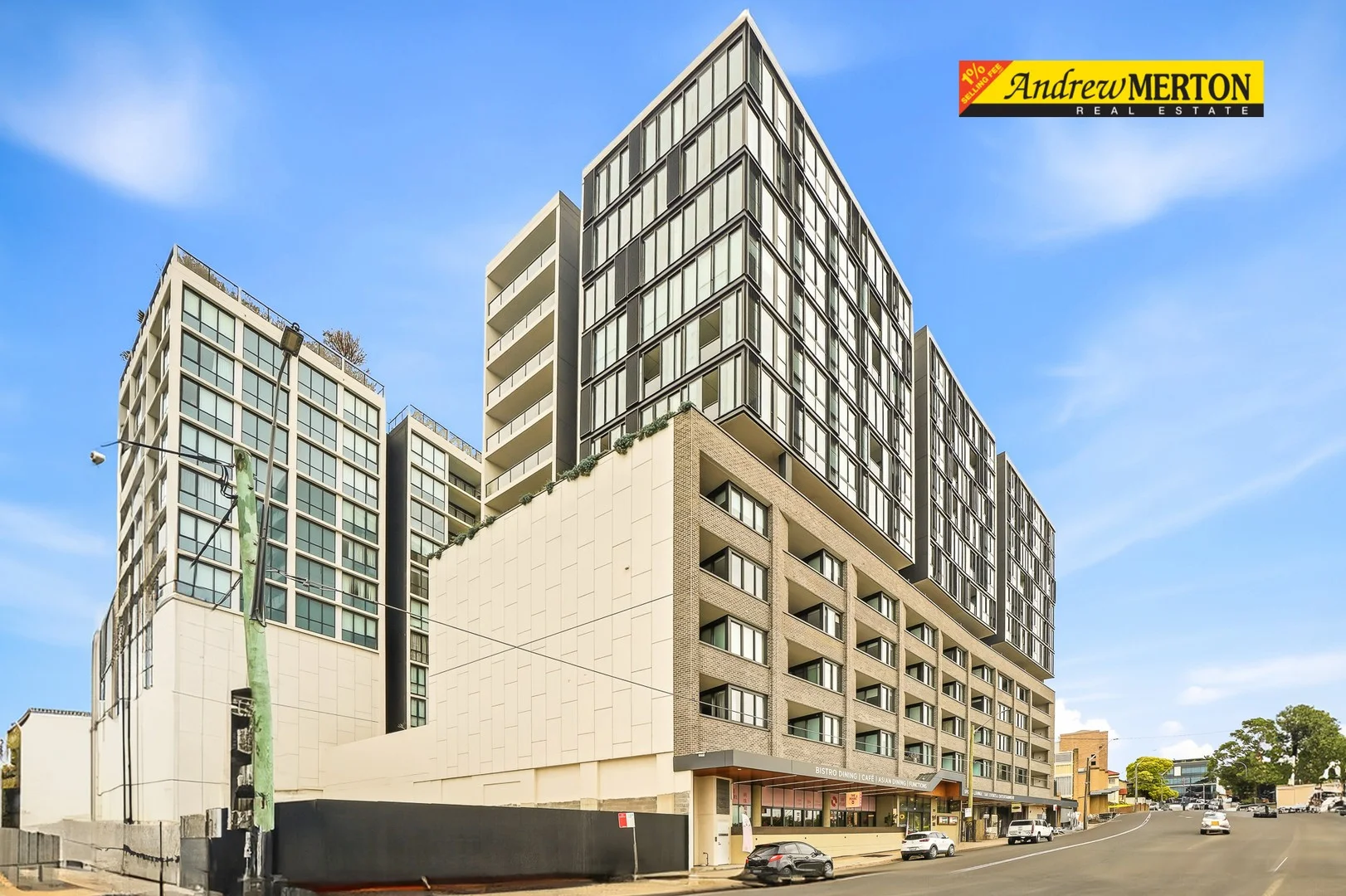
Kogarah, NSW 2217
Property Type: Apartment / Unit / Flat
Listing Type: Residential
Status: Active
Summary: Sophisticated One-Bedroom + Study Residence in the Heart of Kogarah
Description: HUGE Study - A307/258 Railway Parade, Kogarah Luxury, Lifestyle & Location Step into a world of modern elegance and effortless convenience with this beautifully appointed one-bedroom plus study residence in one of Kogarah's most sought-after addresses. Designed for those who appreciate quality, style, and a premium lifestyle, this stunning apartment offers the perfect blend of space, sunlight, and sophistication. Please find attached the strata report link directly for Free Strata Report to download for this. https://www.beforeyoubuy.com.au/reports/unit-a307-258-railway-street-kogarah-nsw-2217/strata Positioned just moments from Kogarah Railway Station, major shops, local schools and with direct city access to Sydney CBD, this home delivers an unbeatable lifestyle of ease and connectivity. And with bright beaches only a five-minute drive away, the best of Sydney living is right at your doorstep. Inside, the apartment impresses with sun-filled living areas, a generous 2.5m x 2.5m study ideal for a home office or guest space, and a luxurious stone kitchen with gas cooking-perfect for gourmet enthusiasts. The open-plan layout flows onto a private balcony with elevated views, creating an ideal setting for summer entertaining. Additional features include air conditioning, secure parking, and a separate storage cage, ensuring maximum comfort and convenience. This residence is perfect for first home buyers, investors, and downsizers seeking a premium opportunity in a blue-chip location. With demand soaring in this tightly held pocket, properties like this rarely stay on the market for long. Property Highlights: Prestigious one-bedroom + large study (2.5m x 2.5m) Stone-appointed kitchen with gas cooking Sunlit living and dining areas with a seamless indooroutdoor flow Spacious balcony perfect for summer entertaining Elevated district views Air conditioning for all-season comfort Secure car space + storage cage Short walk to Kogarah Station, shops, cafés, hospitals and quality schools Easy city access and only 5 minutes to Brighton-Le-Sands Beach Ideal for investors, executives, and first-time buyers A high-demand property in a thriving growth corridor A rare opportunity to secure style, location, and convenience in one elegant package. Inspect today - this standout home will not last.
Agent: Ali Khan - ali@andrewmerton.com.au
Agent: Andrew Merton - andrew@andrewmerton.com.au - 02 9837 2999
 _Andrew Merton Real Estate


Ali Khan, Andrew Merton