Overview
1. Overview
Buranda State School is a public, co-educational primary school serving Prep to Year 6 in Brisbane’s inner-south, near Woolloongabba. The school emphasizes a welcoming, inclusive community with a balanced focus on academics, wellbeing, and personal development.
- School type: Public
- School size: Medium
- Class size: Approximately 20–25 students per class
- Atmosphere/culture: Nurturing, inclusive, community-focused
⸻
2. Academics & Learning
Buranda State School supports strong literacy and numeracy foundations, with additional emphasis on STEM, digital technologies, and a well-rounded core curriculum. Students are encouraged to develop critical thinking, collaboration, and lifelong learning habits.
- Academic strengths: Literacy and numeracy; STEM; digital technologies; leadership opportunities
- Special programs: Gifted and Talented pathways; acceleration options where appropriate; EAL/D support; targeted learning support
- NAPLAN / trends: Historically steady performance with year-to-year variations; trends show resilience and improvement opportunities across cohorts
- Student-teacher ratios: Typically within a mid-range public-primary band (roughly 1:16 to 1:24, varying by year level)
- Support for diverse learners: Dedicated support for EAL/D and SEN; inclusive education with learning support staff and targeted interventions
⸻
3. Sports & Extracurricular Strengths
A strong focus on well-rounded development, with opportunities across sports, arts, and clubs. This is an important consideration for families prioritising activities outside the classroom.
- Sports offered: Athletics, cricket, soccer, netball, rugby league and other team sports typical for Queensland primary schools (seasonal availability)
- Strong teams or achievements: Active participation in inter-school events and district-level competitions; emphasis on teamwork and fair play
- Music, arts, drama programs: School music program and performing arts activities; opportunities to showcase talent
- Clubs: Robotics, chess, coding, debating and other STEM/academic clubs
- Partnerships: Local clubs and regional competitions that provide additional opportunities beyond class time
⸻
4. Wellbeing & Pastoral Care
Wellbeing is a top priority, with programs designed to support social-emotional learning, safety, and positive school culture.
- Anti-bullying approach: Whole-school anti-bullying initiatives and a Positive Behaviour framework to promote respectful interactions
- House system: House groups for events and celebrations to foster belonging and school spirit
- Counsellors / wellbeing officers: Access to school counsellors or wellbeing staff to support students
- Transition support: Induction programs, buddy systems, and tailored transition support for new students
⸻
5. Facilities
Facilities are a key strength, supporting a variety of learning experiences from science to the arts.
- Sports grounds
- Libraries
- Science labs
- Music/performing arts centers
- Tech/innovation labs
- Cafeteria
- Updated playgrounds
⸻
6. School Values & Community Culture
The school fosters a positive culture that reflects its values and community involvement.
- School values / mission: Respect, responsibility, inclusion, and excellence (embedded in daily practice)
- Leadership style: Collaborative and inclusive, with opportunities for student voice and leadership
- Behaviour expectations: Clear codes of conduct and consistent expectations across the school
- Community reputation: Known for a welcoming, supportive environment and active family engagement
- Diversity & inclusion: Commitment to an inclusive culture that values diverse backgrounds and abilities
⸻
7. School Logistics & Daily Operations
Practical information to help families plan and participate in school life.
- School hours: Typically around a standard primary school day (morning start and afternoon finish)
- Before/after school care: Sometimes available via in-school or community providers
- Uniform requirements: Public-school uniform policy (standard polo/shirt, shorts/skirt, hat; appropriate footwear)
- Transport: Local bus routes and proximity to public transport; convenient drop-off/pick-up options
- Canteen availability: On-site or nearby canteen/cafeteria options for recess and lunch
- Fees: Public schools have no tuition; modest ancillary costs for activities, excursions, and uniforms may apply
⸻
8. Enrolment & Admissions
Clear steps and timelines help families plan enrolment and transition.
11. What is the enrolment process and timeline?
- Enrolment is typically processed through the Queensland Department of Education. Families provide proof of address, identity, immunisation status, and required documents. Offers are made as enrolments are approved and spaces are available, with timelines varying by term and cohort.
12. Is there a waiting list, and how does it work?
- If capacity is reached, a waiting list may be used. Priority is generally given to in-zone (catchment) students; positions are offered as spaces become available and according to the school’s enrolment policies.
13. Are there any entry requirements, tests, or interviews?
- Public primary schools in Queensland generally do not require entry tests. Placement is based on age, catchment eligibility, and space. An interview is not typically required for standard enrolment, though schools may have informal discussions to support placement and transition.
14. Does the school accept mid-year transfers?
- Mid-year transfers are possible subject to vacancies and documentation. Families should contact the school admin as early as possible to discuss availability and required steps.
⸻
9. Frequently Asked Questions
- Why Parents Choose This School?
- Public, inclusive environment with a strong focus on literacy, numeracy, and student well-being; supportive staff and active parent involvement.
- What type of student thrives at this school?
- Students who respond well to a nurturing, collaborative setting, benefit from medium-class sizes, and engage in a broad, balanced curriculum.
- What opportunities are available for students to extend their skills (academics, sports, arts)?
- A diverse mix of academic extensions, sports programs, arts and music, and clubs such as robotics, coding, chess, and debating; leadership opportunities through student groups.
- How does the school communicate with parents?
- Regular newsletters and updates, parent-teacher interviews, and digital communication via school apps or portals.
- What is the school’s approach to teaching and learning?
- Balanced, student-centred learning with differentiation to meet diverse needs; emphasis on literacy, numeracy, and essential 21st-century skills.
- How does the school support students who need extra academic help?
- Learning Support teams, targeted interventions, EAL/D support, and classroom differentiation.
- What support is available for academic challenges?
- Adjustments, small-group or one-on-one support, and access to specialist staff as needed.
- How does the school communicate with parents?
- See above: multi-channel communication including newsletters, phone calls, emails, and digital platforms.
- What are the class sizes and how much individual attention do students receive?
- Class sizes are typically medium, with teachers providing targeted support within the classroom and opportunities for small-group tasks.
- What extracurricular and sports opportunities are available?
- A broad range of sports, arts, and clubs such as robotics, chess, coding, debating, and music programs.
- What facilities does the school offer (sports, science, arts)?
- Sports grounds, library, science labs, music/performing arts spaces, tech/innovation labs, canteen, and updated playgrounds.
- What is the school’s approach to technology and digital learning?
- Integrated ICT: interactive learning, computer lab access, digital literacy activities, and coding/clubs to build tech skills.
- What transport and accessibility options are available?
- Access to local bus routes and public transport; convenient drop-off/pick-up zones and accessible campus facilities.
- What are the typical school fees or additional costs?
- No tuition as a public school; optional contributions for activities, excursions, and uniform-related costs.
⸻
10. Short Pros & Cons
Pros
- Strong sense of community and supportive staff
- Inclusive education with attention to diverse learners
- Balanced focus on academics, wellbeing, and extra-curriculars
- Broad range of clubs, sports, and arts opportunities
- Convenient inner-Brisbane location with good transport access
Cons
- Possibility of waiting lists in peak intake periods due to popularity
- As a primary school, opportunities for senior secondary-level programs are limited (transition to high school is through the standard pathway)
- Facility availability and modernization can vary by area and funding cycles
⸻






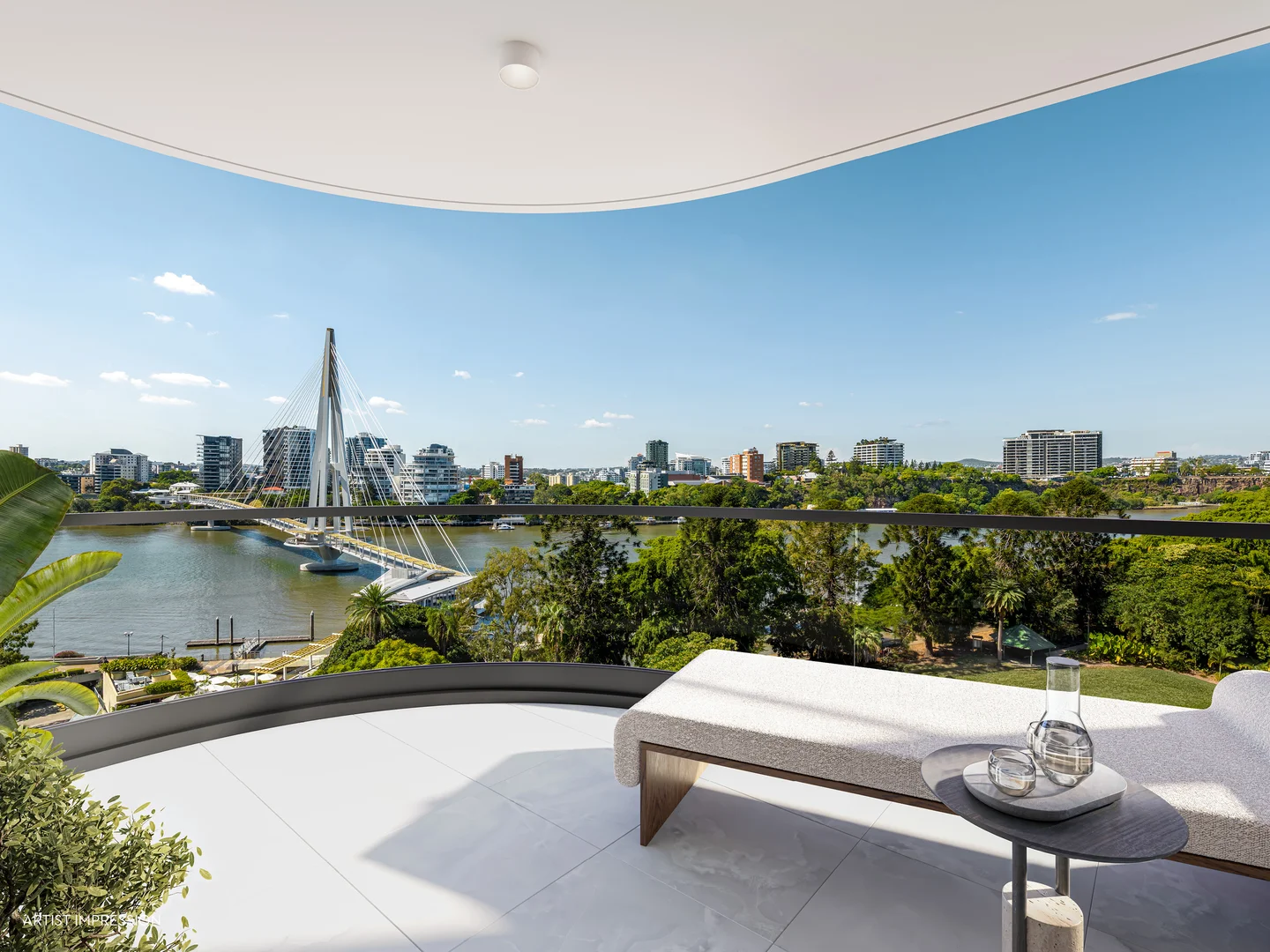 $1,475,000 - $2,090,000
propertyType.NEW APARTMENTS / OFF THE PLAN
$1,475,000 - $2,090,000
propertyType.NEW APARTMENTS / OFF THE PLAN
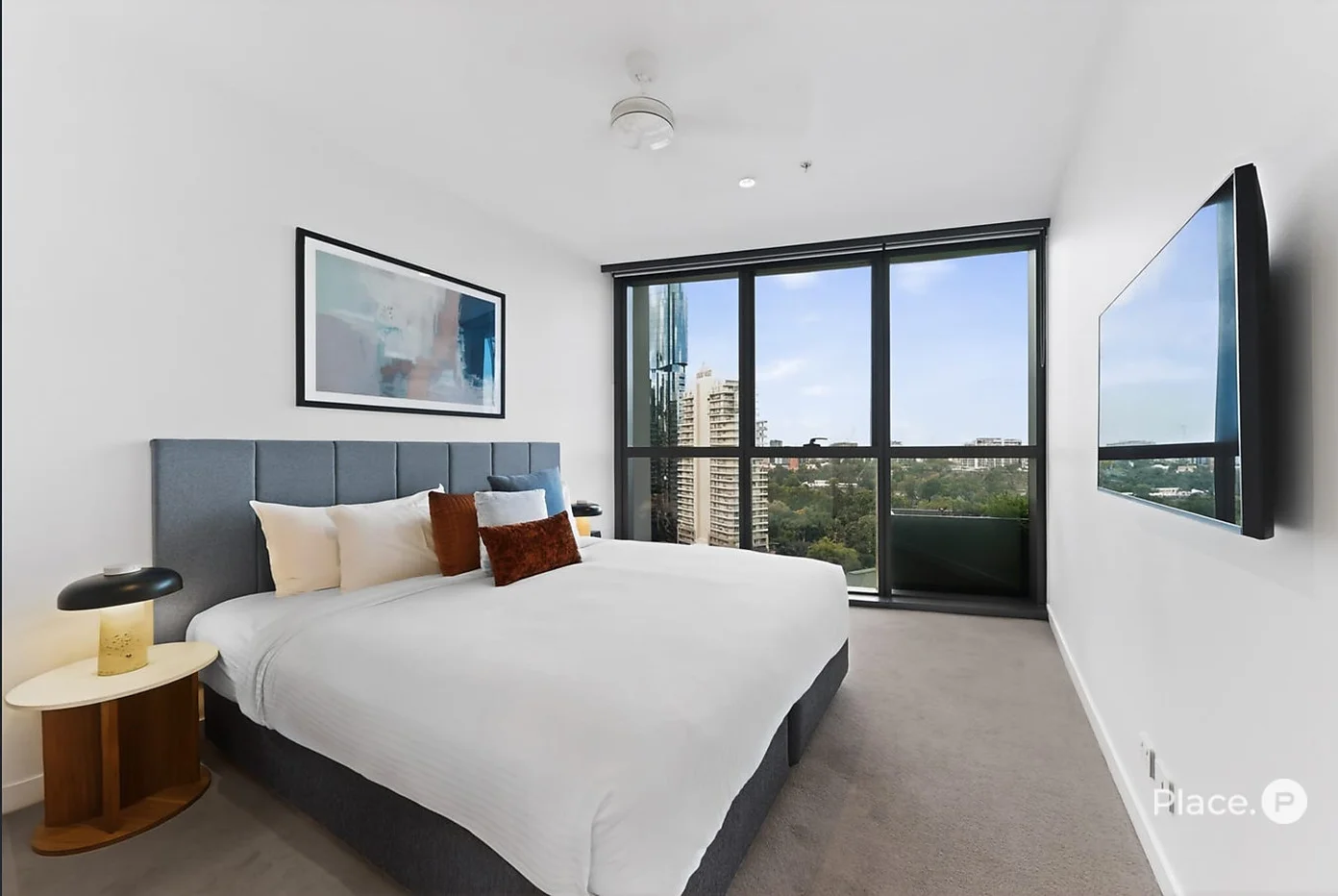 $770,000
Apartment / Unit / Flat
$770,000
Apartment / Unit / Flat
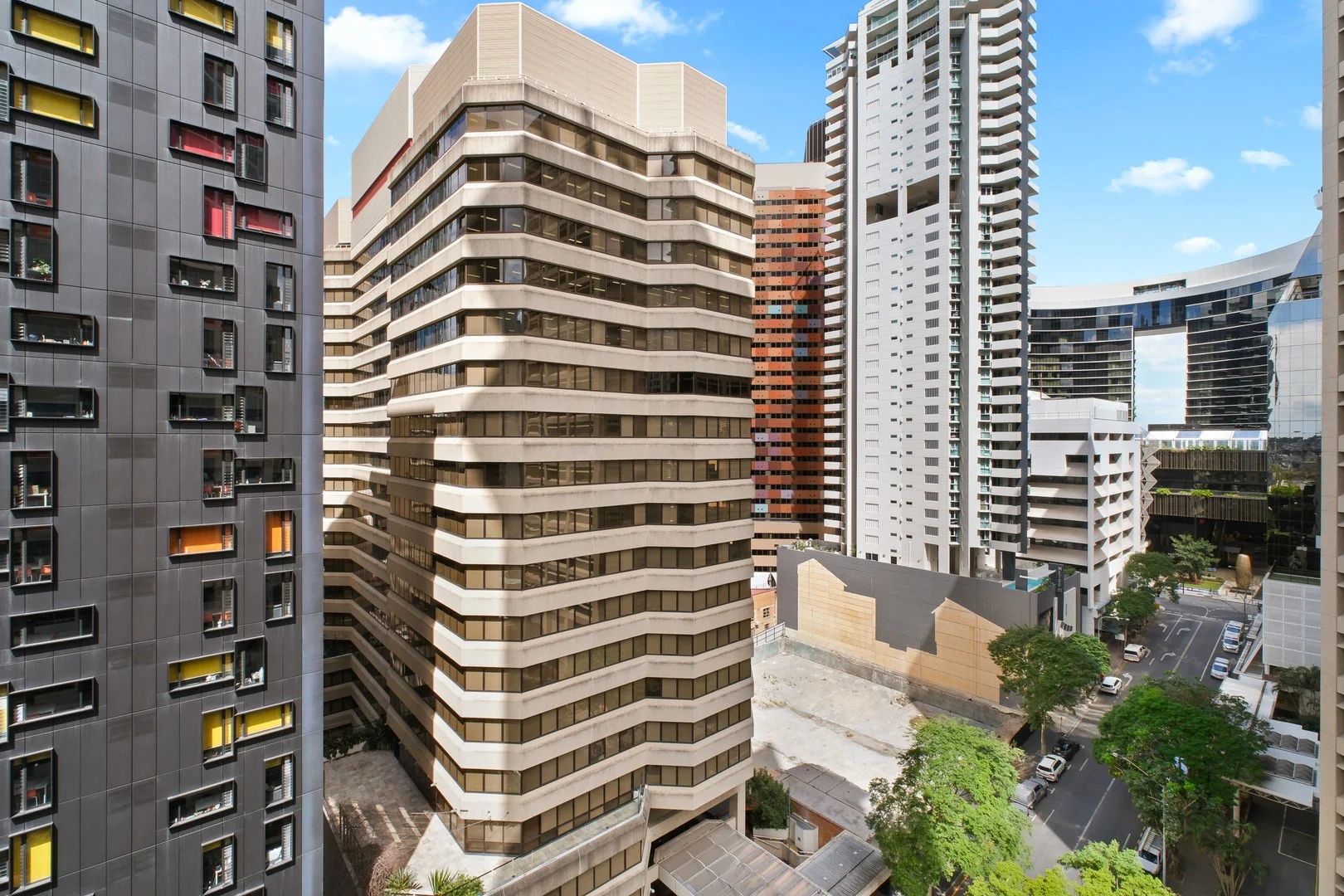 $550,000
Apartment / Unit / Flat
$550,000
Apartment / Unit / Flat
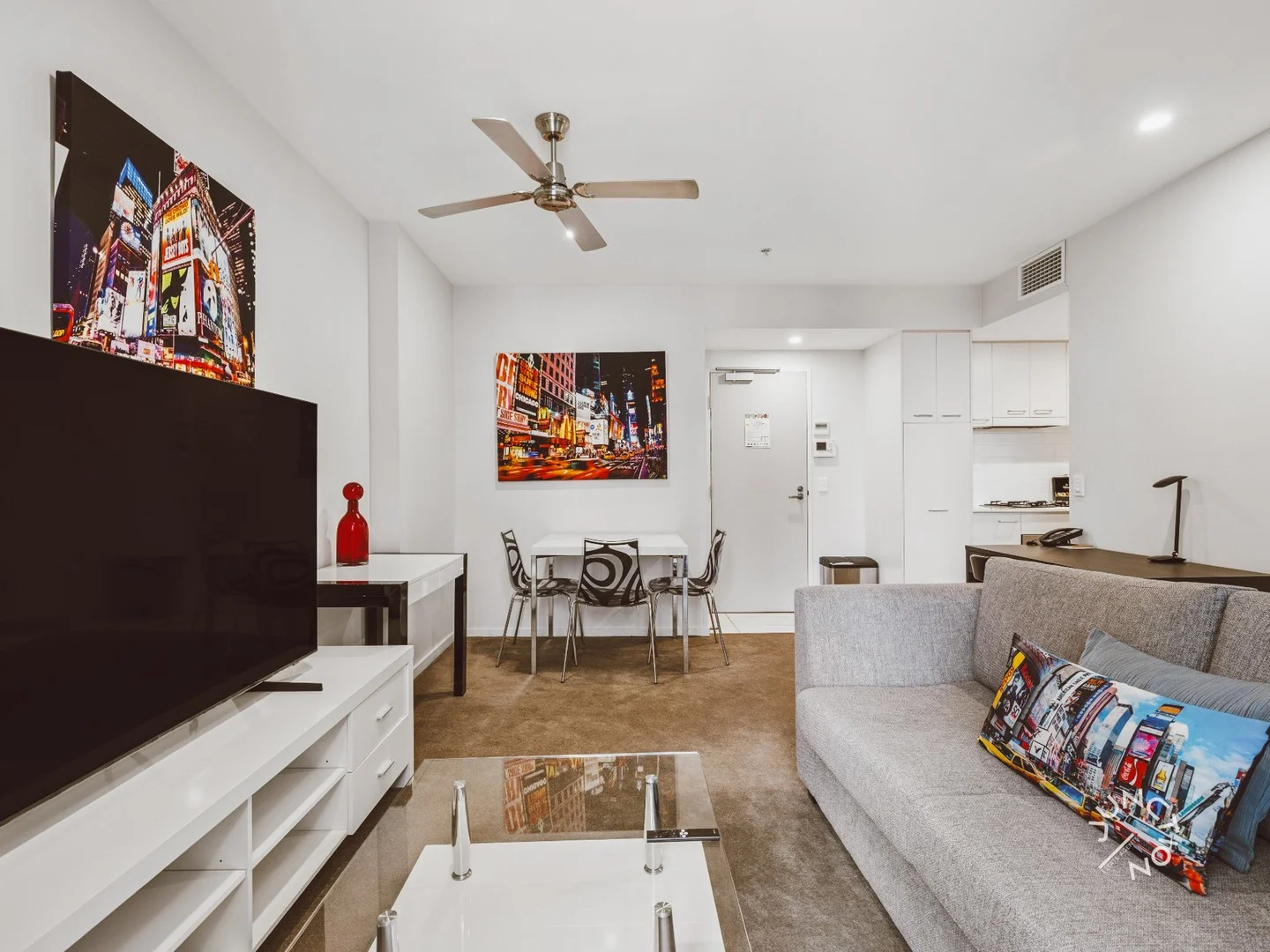 $523,200 - $566,800
Apartment / Unit / Flat
$523,200 - $566,800
Apartment / Unit / Flat
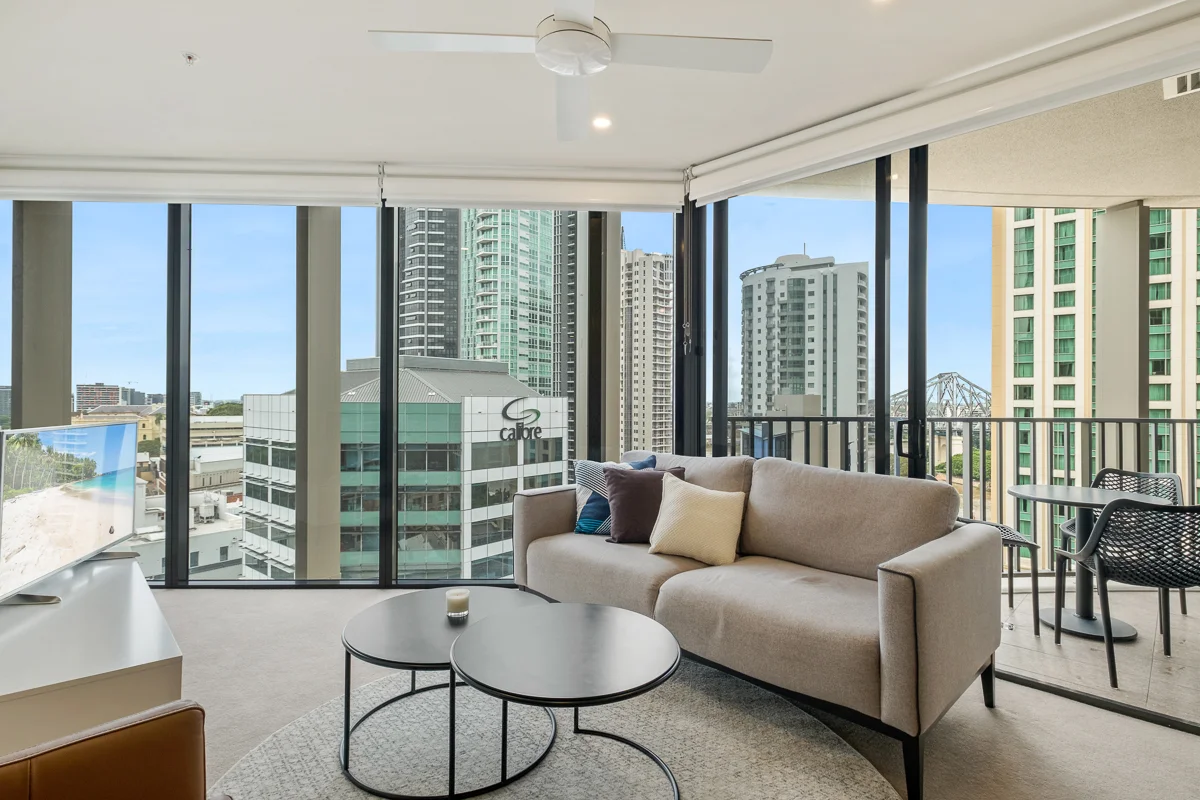 $950,000
Apartment / Unit / Flat
$950,000
Apartment / Unit / Flat


