## 1. Overview
East Brisbane State School is a public primary school serving the local community with a focus on supportive, inclusive education. The school tends to feel welcoming and family‑oriented, with a culture that encourages participation from students, families and staff alike.
- School type: Public
- School size: Medium
- Class size: Typically around 20–28 students per class, depending on year level
- Atmosphere/culture: Inclusive, nurturing, community‑focused with emphasis on student well‑being and engagement
---
## 2. Academics & Learning
East Brisbane State School emphasizes core literacy and numeracy within the Queensland curriculum, with opportunities to explore STEM, the arts and digital learning.
- Academic strengths: Strong literacy and numeracy foundations; opportunities to engage in STEM activities and creative arts
- Special programs: Enrichment opportunities and extension activities are available in some year levels; targeted learning support as needed
- NAPLAN trends: Historically aligned with state averages with steady progress over time in key bands
- Student-teacher ratios: Generally around 1:18–1:25, depending on year level
- Support for diverse learners: EAL/D and SEN support available; inclusive practices to support a diverse student population
---
## 3. Sports & Extracurricular Strengths
A strong focus on physical activity and well‑rounded development, with a range of programs and clubs.
- Sports offered: Soccer, cricket, rugby league/footy, netball, athletics, swimming and general fitness programs
- Strong teams or achievements: Participation in inter‑school events and carnivals; competitive spirit across year levels
- Music, arts, drama programs: Instrumental music opportunities, school performances and arts activities
- Clubs: Robotics, chess, coding, debating and other interest clubs
- Partnerships: Connections with local clubs and community programs for additional opportunities
Most parents skim this section for boys aged 10–14, but the school supports a broad set of interests for all ages.
---
## 4. Wellbeing & Pastoral Care
Wellbeing is a central focus, with structures that support positive school experiences and safety.
- Anti-bullying approach: Proactive, whole‑school anti-bullying policies and student wellbeing initiatives
- House system: House groups used for events, leadership warmth and team building
- Counsellors / wellbeing officers: Access to school counsellors and wellbeing staff
- Transition support for new students: Orientation activities, buddy programs and targeted support to help new students settle
---
## 5. Facilities
Facilities are designed to support learning, creativity and physical activity.
- Sports grounds: Outdoor playing fields and courts
- Libraries: School library with access to books and learning resources
- Science labs: Dedicated spaces for hands-on science activities
- Music/performing arts centers: Space for music, drama and performances
- Tech/innovation labs: Digital learning spaces and computer resources
- Cafeteria: On‑site canteen or dining options
- Updated playgrounds: Modern, age‑appropriate playground areas
---
## 6. School Values & Community Culture
A values‑driven environment that fosters leadership, respect and inclusion.
- School values / mission: Focus on respect, responsibility, resilience and integrity
- Leadership style: Collaborative and student‑centred, with opportunities for student voice
- Behaviour expectations: Clear expectations and positive reinforcement strategies
- Community reputation: Generally strong family partnerships and community engagement
- Diversity & inclusion: Commitment to a welcoming, inclusive environment for all students
---
## 7. School Logistics & Daily Operations
Practical information to help families plan around school life.
- School hours: Typical day starts in the morning and ends in the early afternoon; check current term calendar for exact times
- Before/after school care: OSHC or outside arrangements commonly available
- Uniform requirements: School uniform is required; sports uniforms for PE days; hats and sun protection encouraged
- Transport: Access to local bus routes and public transport; designated drop-off/pick-up areas
- Canteen availability: Canteen or food service options available
- Fees: Voluntary contributions and small book/material fees may apply; overall in the low to moderate range for a public school
---
## 8. Enrolment & Admissions
11. What is the enrolment process and timeline?
- Enrolment is generally handled through the school with proof of address and required documentation. Timeline varies by year and term; contact the school to confirm current intake periods and timelines.
12. Is there a waiting list, and how does it work?
- Waitlists can occur for out‑of‑catchment enrolments or high demand periods. The school will advise on availability and placement priorities.
13. Are there any entry requirements, tests, or interviews?
- Typically, enrolment requires standard documents (proof of address, birth certificate, immunisation records). Some cases may involve brief discussions or transition interviews, especially for out‑of‑catchment applicants.
14. Does the school accept mid-year transfers?
- Yes, mid‑year transfers are sometimes possible if spaces are available; discuss options with the school administration to understand current capacity and process.
---
## 9. Frequently Asked Questions
- Why Parents Choose This School?
- A welcoming, community‑minded environment with supportive staff, solid literacy/numeracy foundations and inclusive practices.
- What type of student thrives at this school?
- Students who are curious, collaborative, and respectful; those who value participation in both academics and activities like sport, arts or clubs.
- What opportunities are available for students to extend their skills (academics, sports, arts)?
- Enrichment activities, STEM experiences, coding and robotics clubs, debating, music programs and school performances.
- How does the school communicate with parents?
- Regular newsletters, digital platforms and email; parent-teacher interviews and performance updates.
- What is the school’s approach to teaching and learning?
- A curriculum aligned with state standards, differentiated instruction, a focus on literacy and numeracy, and integration of digital tools.
- How does the school support students who need extra academic help?
- Targeted interventions, in‑class supports, EAL/D and SEN assistance, and access to specialist staff as needed.
- What support is available for academic challenges?
- Early identification, personalised learning plans, progress monitoring and referral pathways to additional resources.
- How does the school communicate with parents? (Repeat condensed)
- Through multiple channels including newsletters, portals and direct communication from teachers.
- What are the class sizes and how much individual attention do students receive?
- Class sizes typically range from about 20 to 28 students, with teachers providing differentiation and targeted support as needed.
- What extracurricular and sports opportunities are available?
- A range of sports (soccer, cricket, netball, rugby league, athletics), music and drama programs, plus clubs such as robotics, chess, coding and debating.
- What facilities does the school offer (sports, science, arts)?
- Sports grounds, library, science labs, music/performing arts spaces, tech/innovation labs, canteen and modern playgrounds.
- What is the school’s approach to technology and digital learning?
- Integrated ICT across the curriculum with access to computer labs and digital learning tools.
- What transport and accessibility options are available?
- Access to local bus routes and public transport; structured drop‑off/pick‑up options; accessible facilities where applicable.
- What are typical school fees or additional costs?
- Voluntary contributions and minor fees for materials/excursions; overall cost level is generally low to moderate for a public school.
---
## 10. Short Pros & Cons
- Pros
- Strong sense of community and inclusive culture
- Solid literacy and numeracy foundations
- Broad range of extracurriculars and clubs
- Supportive wellbeing and transition programs
- Access to modern facilities and resources
- Cons
- Class sizes can vary by year level; some years may be larger
- As a public school, some programs and facilities depend on funding and scheduling
- Out‑of‑catchment enrolments may face waitlists during peak periods
If you’d like, I can tailor this content further with more specific details or adjust tone to match a particular part of the East Brisbane State School experience. For the most up-to-date enrolment steps and current offerings, please check the school’s latest communications.








 $1,475,000 - $2,090,000
propertyType.NEW APARTMENTS / OFF THE PLAN
$1,475,000 - $2,090,000
propertyType.NEW APARTMENTS / OFF THE PLAN
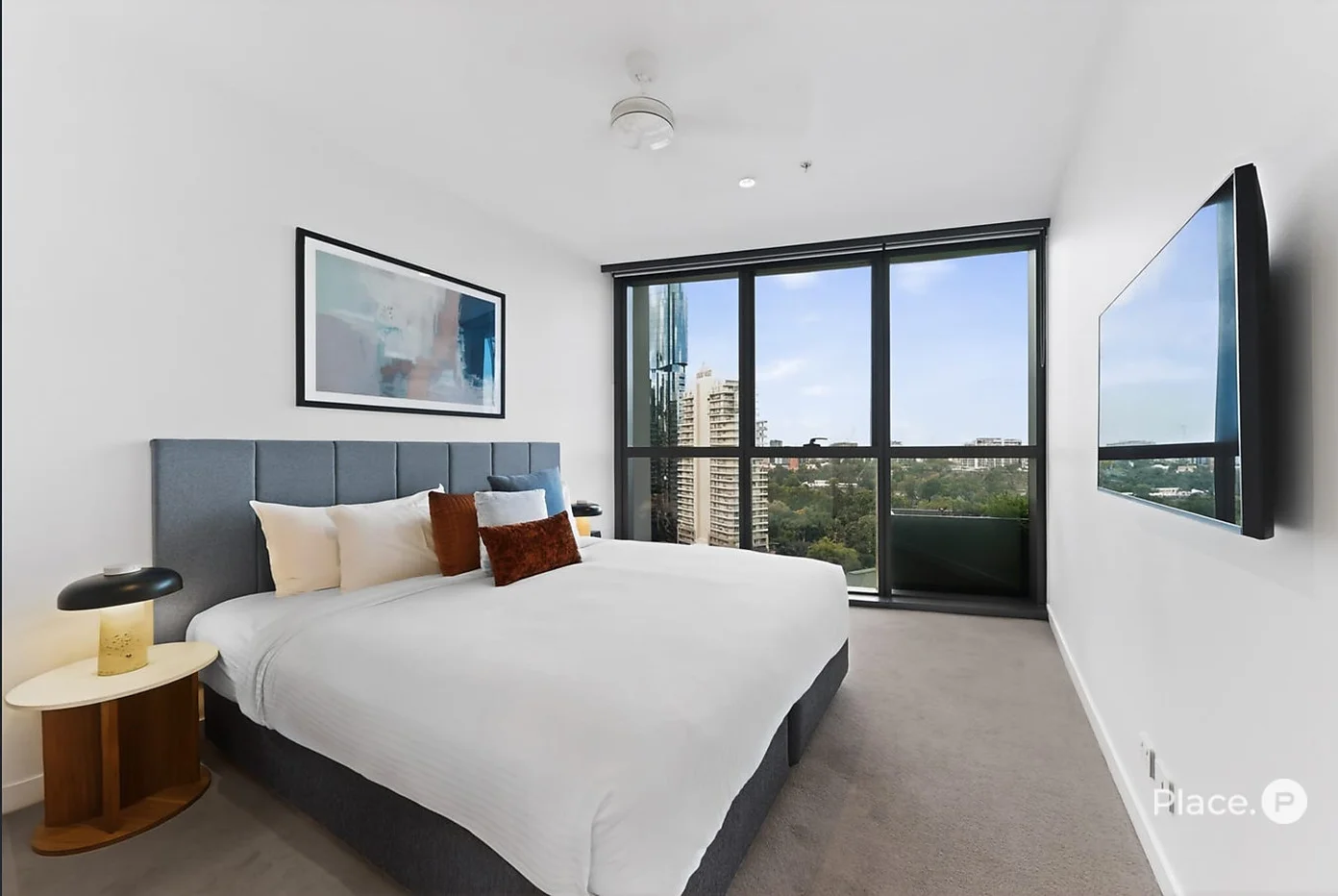 $770,000
Apartment / Unit / Flat
$770,000
Apartment / Unit / Flat
 $550,000
Apartment / Unit / Flat
$550,000
Apartment / Unit / Flat
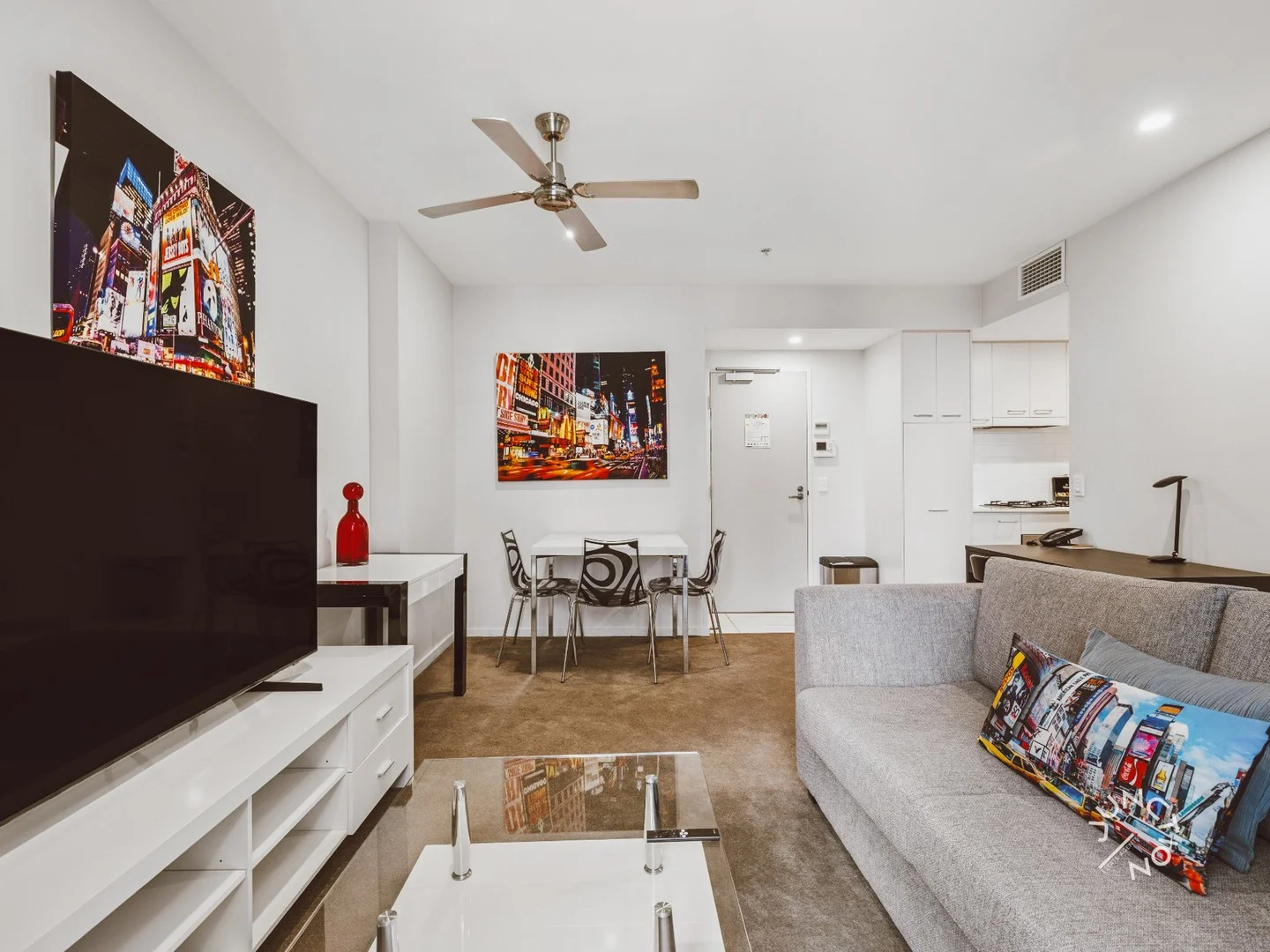 $523,200 - $566,800
Apartment / Unit / Flat
$523,200 - $566,800
Apartment / Unit / Flat
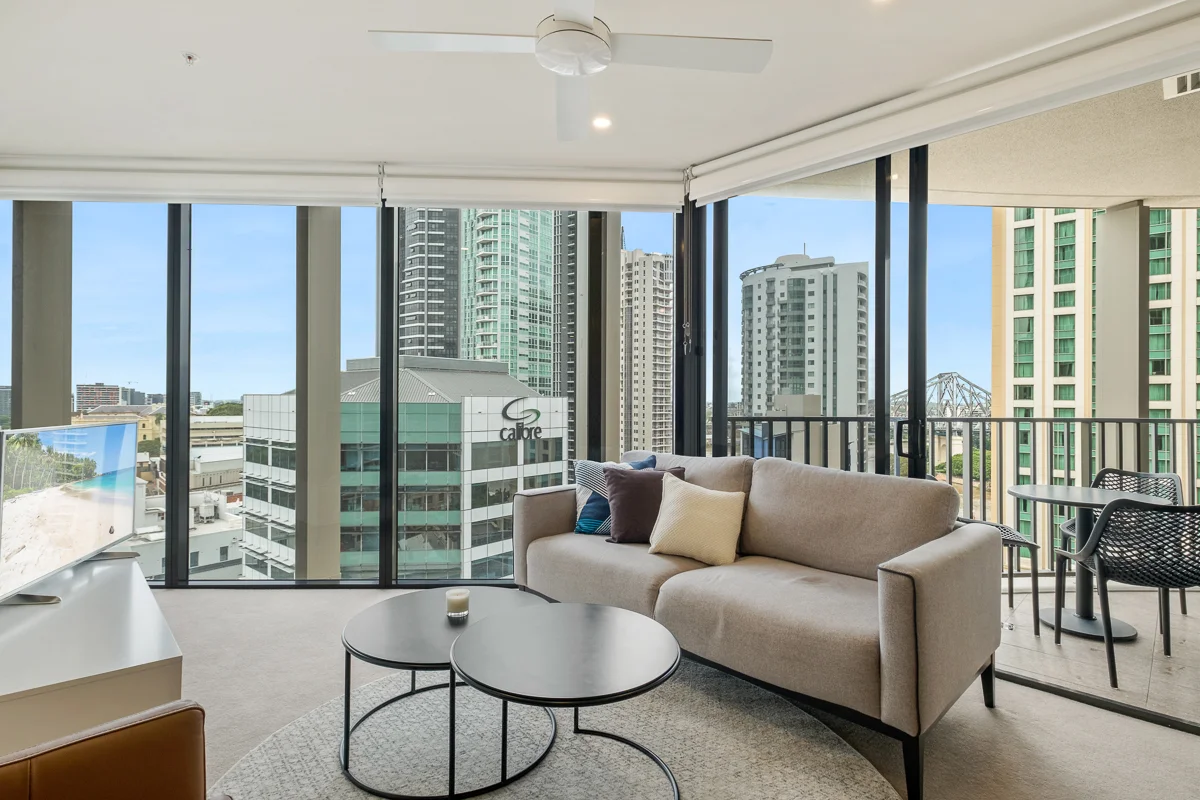 $950,000
Apartment / Unit / Flat
$950,000
Apartment / Unit / Flat