Overview
## 1. Overview
Narbethong State Special School is a public Queensland government school focused on providing inclusive education for students with diverse learning and support needs. The school emphasizes individualized support, practical learning, and social development in a nurturing environment. Because it operates as a state special school, it prioritises small-class settings and targeted therapies to help students progress at their own pace.
School size tends to be on the smaller side, with a high staff-to-student ratio to support personalised learning, communication, and therapy goals. The atmosphere is generally described as inclusive, caring, and supportive, with a strong emphasis on student dignity, positive relationships, and collaboration with families.
⸻
## 2. Academics & Learning
- Academic strengths: Emphasis on functional literacy and numeracy, communication, life skills, and social-emotional learning. The curriculum is tailored to each student’s abilities and goals, with a focus on building independence.
- Special programs: Individual Education Plans (IEPs) and therapy-led supports (speech, occupational therapy, and other related services) are integrated into learning. There is a strong emphasis on inclusive practices and transitioning skills.
- NAPLAN / Ofsted trends: For special schools in Queensland, progress is tracked through personalised plans and learning milestones rather than a single test score. Expect ongoing, monitored growth across core areas and functional skills.
- Student-teacher ratios: Class sizes are typically small with a high staff-to-student ratio to support individualized attention and targeted interventions.
- Support for diverse learners: Comprehensive supports for SEN, with dedicated speech, OT, and other allied services as part of the student’s learning plan. Some students may also receive targeted supports tailored to communication, sensory needs, and behavior.
⸻
## 3. Sports & Extracurricular Strengths
- Sports offered: Inclusive physical education and adapted sports, with opportunities for swimming, athletics, and other age-appropriate activities.
- Strong teams or achievements: Participation in inter-school events and local competitions is common, with emphasis on participation and personal bests in a supportive environment.
- Music, arts, drama programs: Access to music and performing arts activities, with opportunities to showcase talents through school events and performances.
- Clubs: Robotics, coding, and other clubs are available where feasible, adapted to students’ interests and abilities.
- Partnerships: Collaborations with local community groups and organizations for competitions and experiences (e.g., community sports programs and inclusive events).
⸻
## 4. Wellbeing & Pastoral Care
- Anti-bullying approach: Focused on a positive behaviour framework, respectful interactions, and proactive supports to create a safe school culture.
- House system: If applicable, used to foster belonging, teamwork, and healthy competition in a supportive way.
- Counsellors / wellbeing officers: Access to wellbeing staff and allied professionals as part of the student support network.
- Transition support for new students: Structured induction and transition planning to help students settle in, with family involvement and tailored supports.
⸻
## 5. Facilities
- Sports grounds: Accessible outdoor spaces for PE and recreation.
- Libraries: On-site library or reading spaces for literacy development and independent learning.
- Science labs: Dedicated or flexible spaces for hands-on learning and STEM activities.
- Music/performing arts centers: Rooms or spaces for music and drama activities.
- Tech/innovation labs: Computing and digital learning facilities to support IT skills and assistive technology.
- Cafeteria: On-site meal or snack provision and student dining options.
- Updated playgrounds: Accessible and well-maintained outdoor play areas.
⸻
## 6. School Values & Community Culture
- School values / mission: A focus on inclusion, respect, resilience, and personal growth; student dignity and voice are central.
- Leadership style: Collaborative and team-based, with staff working together to implement supports and respond to student needs.
- Behaviour expectations: Clear, consistent expectations aligned with positive behaviour supports and individualized strategies.
- Community reputation: Recognised for its inclusive practices and partnerships with families and local services.
- Diversity & inclusion: Commitment to welcoming students with a range of abilities and backgrounds, ensuring accessible opportunities for participation.
⸻
## 7. School Logistics & Daily Operations
- School hours: Follows Queensland public school norms, with start and finish times that fit the school calendar; check with the school for exact timings.
- Before/after school care: Availability varies; some families use local community programs or school-based options where offered.
- Uniform requirements: School uniform typically required; details provided by the school.
- Transport (train/bus routes): Access to public transport and school bus services where eligible; specific routes and eligibility are managed by the school and education department.
- Canteen availability: Canteen or snack services may be available or accessible through school arrangements.
- Fees (low/medium/high ranges): Public schools generally have minimal compulsory fees; there may be voluntary contributions or activity-based costs; details provided by the school.
⸻
## 8. Enrolment & Admissions
11. What is the enrolment process and timeline?
- Begin by identifying the local intake process for Narbethong State Special School and submitting an enrolment application. The school and district will review eligibility for a special education program, align supports to IEP goals, and outline a transition plan. Timelines vary, but families should allow several weeks to start the process and plan for transition supports.
12. Is there a waiting list, and how does it work?
- Waiting lists can occur depending on space and availability of required supports. Placement decisions consider student needs, eligibility, and capacity, with families kept informed about wait times and potential alternatives if immediate enrolment isn’t possible.
13. Are there any entry requirements, tests, or interviews?
- There is usually no Standardised entrance test. An enrolment interview with families and, when appropriate, the student, helps determine needs and supports. Records such as previous school reports, IEPs, and medical/therapy information are typically requested.
14. Does the school accept mid-year transfers?
- Mid-year transfers are possible if spaces and supports are available. Early contact with the school is advised to arrange records transfer, assess eligibility, and plan for a smooth transition.
⸻
## 9. Frequently Asked Questions
- Why Parents Choose This School?
- It offers a highly supportive, inclusive environment with dedicated therapies and personalised learning plans tailored to individual student goals.
- What type of student thrives at this school?
- Students who benefit from small-class teaching, strong adult support, and a focus on practical, life-skill education and communication.
- What opportunities are available for students to extend their skills (academics, sports, arts)?
- Individualised academic goals, adapted sports and PE, music and arts activities, and clubs aligned to student interests (e.g., coding, robotics) where feasible.
- How does the school communicate with parents?
- Regular updates through meetings, written reports, and ongoing conversations with teachers and support staff; families are encouraged to participate in transition planning.
- What is the school’s approach to teaching and learning?
- An inclusive, student-centred approach with IEPs, therapy supports, and differentiated instruction designed to meet diverse needs.
- How does the school support students who need extra academic help?
- Targeted supports through specialists (speech, OT, psychology), small groups, and personalized plans to build essential skills.
- What support is available for academic challenges?
- Dedicated therapy services, learning support staff, and tailored accommodations to help students progress.
- How does the school communicate with parents? (Repeated)
- See above: ongoing, multi-channel communication and family involvement in planning.
- What are the class sizes and how much individual attention do students receive?
- Class sizes are small with a high staff-to-student ratio to provide substantial individual attention and targeted interventions.
- What extracurricular and sports opportunities are available?
- Inclusive PE, adapted sports, and a range of arts activities; access to clubs and community partnerships for additional experiences.
- What facilities does the school offer (sports, science, arts)?
- Facilities include spaces for learning across academics, arts, and physical education, plus accessible outdoor areas and therapy spaces.
- What is the school’s approach to technology and digital learning?
- Integrated IT and assistive technology to support communication, learning, and independence, with access to computing resources.
- What transport and accessibility options are available?
- Transport options include school buses or public transport where eligible; the school provides accessible facilities and supports for students with additional needs.
- What are the typical school fees or additional costs?
- As a public school, tuition is not charged; there may be voluntary contributions or costs for specific activities or materials, outlined by the school.
⸻
## 10. Short Pros & Cons list
- Pros
- Strong inclusive culture with personalised support and therapy services.
- Small class sizes and high staff-to-student ratios for individual attention.
- Focus on practical life skills, communication, and social development.
- Access to dedicated specialists (speech, OT, etc.) within the learning plan.
- Inclusive sports and arts opportunities, with community partnerships.
- Cons
- Space and program availability can vary by year and enrolment demand.
- Mid-year transfers depend on space and may require adaptation periods.
- As a public school, some families may need to navigate wait times for certain supports or services.
- Specific extracurricular offerings may vary and depend on staff availability and student needs.









 $1,475,000 - $2,090,000
propertyType.NEW APARTMENTS / OFF THE PLAN
$1,475,000 - $2,090,000
propertyType.NEW APARTMENTS / OFF THE PLAN
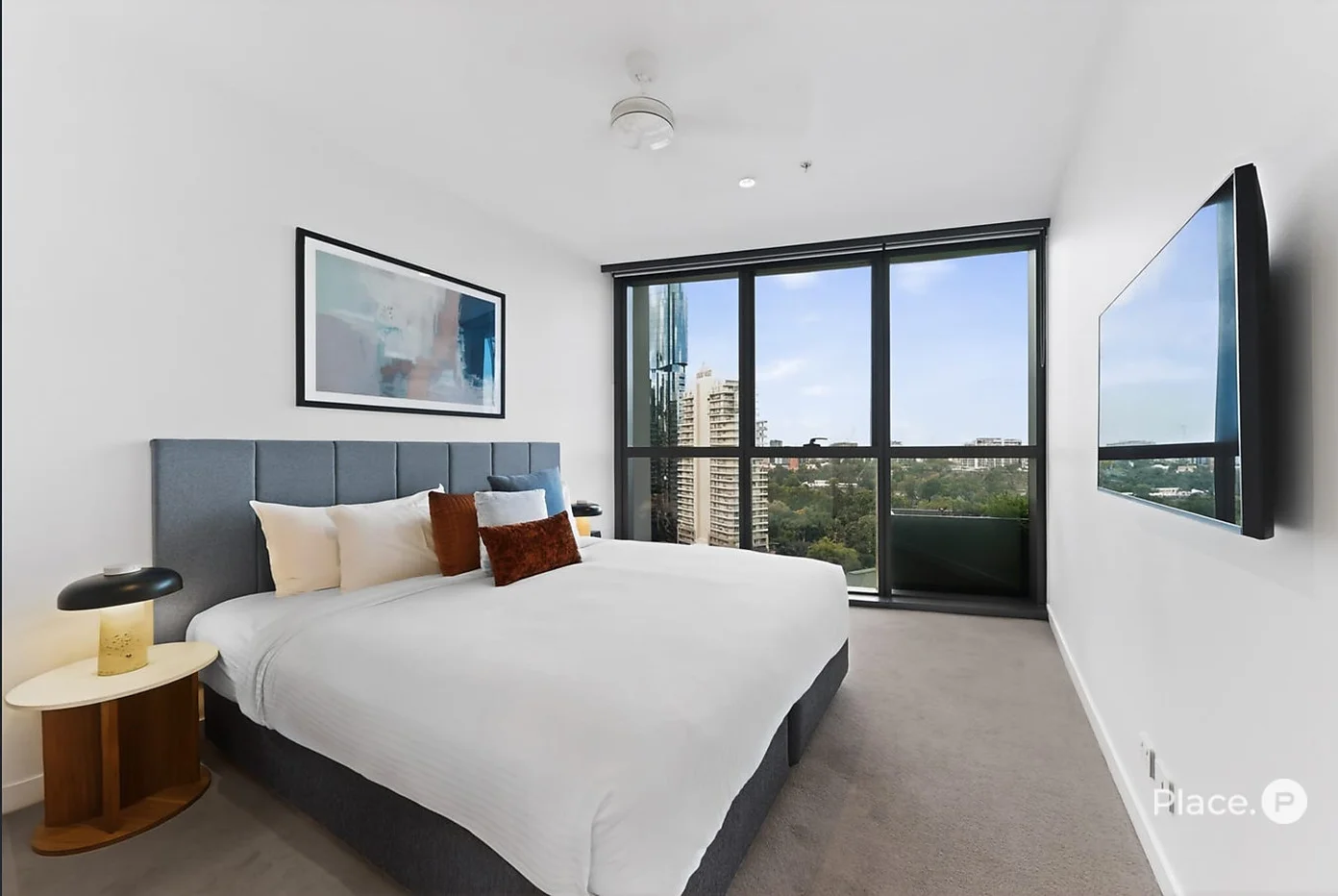 $770,000
Apartment / Unit / Flat
$770,000
Apartment / Unit / Flat
 $550,000
Apartment / Unit / Flat
$550,000
Apartment / Unit / Flat
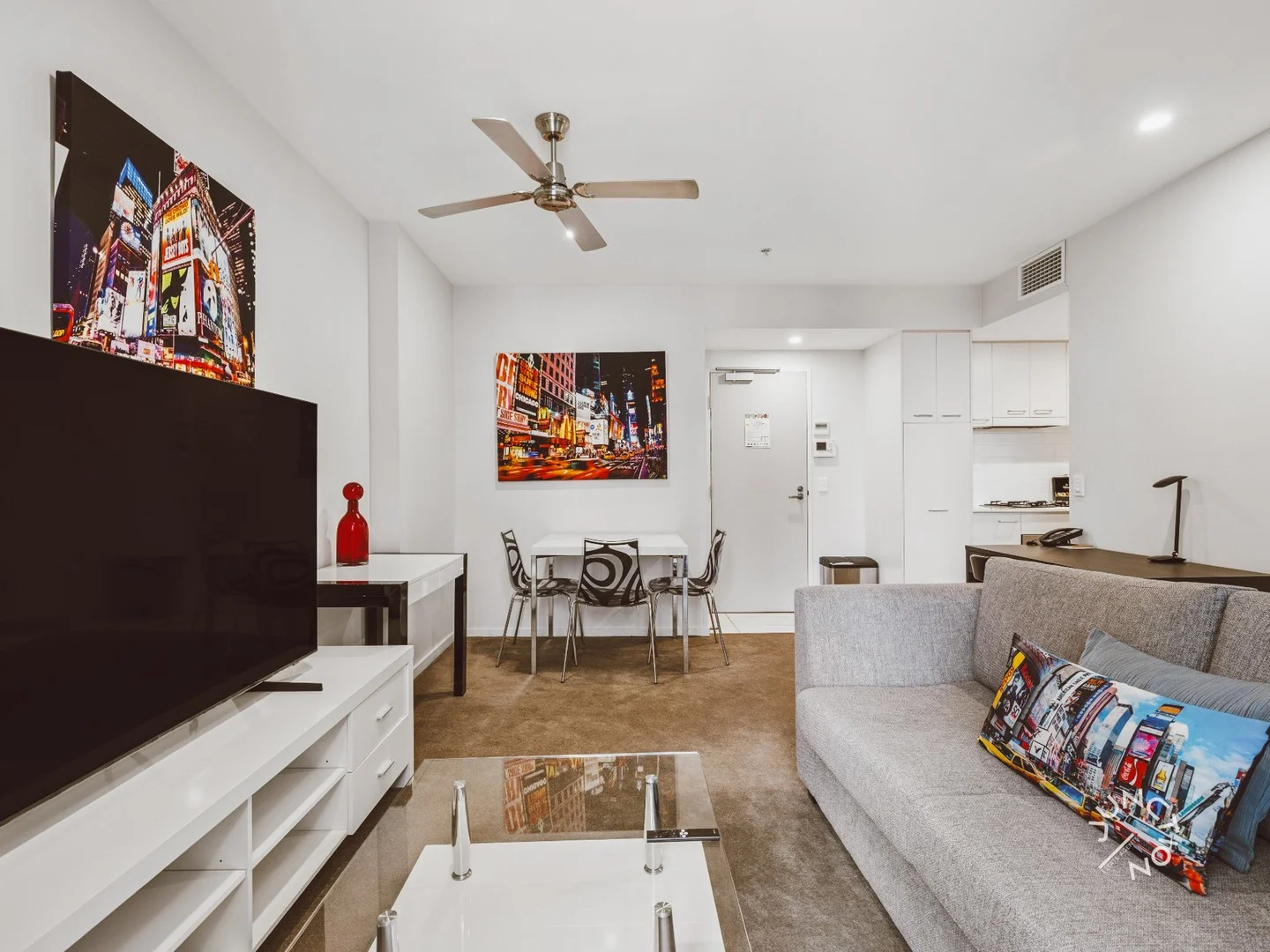 $523,200 - $566,800
Apartment / Unit / Flat
$523,200 - $566,800
Apartment / Unit / Flat
 $950,000
Apartment / Unit / Flat
$950,000
Apartment / Unit / Flat