Overview
Burwood Girls High School is a public government high school for girls serving the Burwood area and surrounding Sydney regions. The school combines strong academic programs with a supportive, inclusive culture that encourages student growth across all year levels.
- School type: Public
- School size: Medium-to-large (roughly 800–1,000 students)
- Atmosphere/culture: Inclusive, academically focused, nurturing and supportive
Academics & Learning
Burwood Girls High School emphasises a broad, rigorous curriculum with pathways to the HSC and merit-based opportunities. The curriculum supports students to develop essential knowledge and transferable skills across key disciplines.
- Academic strengths: English, sciences, mathematics, languages, and humanities; strong preparation for senior secondary study
- Special programs: Gifted and Talented Education (G&T) and opportunities for accelerated learning where available; targeted programs to support high achievement
- Support for diverse learners: EAL/D support, dedicated learning support teams, and assistance for students with additional learning needs (SEN)
A strong emphasis on balanced development means many students participate in sports and broad extra-curricular activities. The school supports both individual interests and team achievements.
- Sports offered: Netball, basketball, soccer, athletics, swimming, tennis, and other NSW-supported school sports
- Strong teams or achievements: Active involvement in inter-school and district competitions; opportunities for regional representation
- Music, arts, drama programs: School ensembles, choir, drama productions and performances
- Clubs: Robotics, chess, coding, debating (commonly available at the school)
- Partnerships: Local community clubs and competitions; opportunities to engage with external arts and sports programs
Wellbeing & Pastoral Care
Wellbeing and pastoral support are integral to the school environment, helping students feel safe, valued and motivated.
- Anti-bullying approach: Clear policies, proactive education, student-led initiatives, and a supportive reporting system
- House system: House structures that foster positive peer relationships and healthy competition
- Counsellors / wellbeing officers: Access to school counsellors and wellbeing staff for academic and personal support
- Transition support for new students: Induction programs, buddy systems, and year-level coordination to ease starting transitions
Facilities
The school provides a range of facilities to support learning, creativity and physical activity.
- Sports grounds
- Libraries
- Science laboratories
- Music / performing arts centers
- Tech / innovation laboratories
- Cafeteria
- Updated playgrounds
A foundation of respect, responsibility and resilience guides daily life, with a focus on inclusion and student leadership.
- School values / mission: Commitment to academic excellence, integrity, and community contribution
- Leadership style: Student voice and participation, collaborative leadership, and teacher mentorship
- Behaviour expectations: Clear codes of conduct emphasising respect, safety and accountability
- Community reputation: Positive standing for academic achievement and a welcoming, inclusive environment
- Diversity & inclusion: Strong emphasis on diversity, equity and inclusion across all activities
School Logistics & Daily Operations
Practical details help families plan around school life.
- School hours: Typically around 9:00 am–3:10 pm (term days and bells vary slightly by year)
- Before/after school care: OSHC or partner programs may be available locally
- Uniform requirements: Official school uniform (summer and winter variants; details provided by the school)
- Transport (train/bus routes): Accessible by local bus services and nearby train stations; check NSW Transport routes for current options
- Canteen availability: On-site canteen or lunch facilities
- Fees (low/medium/high ranges): No tuition fees for standard NSW public school enrolment; families may contribute to voluntary school funds and pay for some activities, trips or materials
Enrolment & Admissions
- What is the enrolment process and timeline?
- Enrolment is handled through the NSW Department of Education for public high schools. Confirm eligibility (residency in NSW and local intake area), submit the application with required documents, and follow the school’s intake timeline. Offers are issued in accordance with local intake priorities and vacancy availability; timelines vary by year and year group.
- Is there a waiting list, and how does it work?
- Waiting lists can operate for out-of-area applicants or in-demand year groups. Admissions are typically determined by vacancy and local intake rules, with applicants kept updated by the school.
- Are there any entry requirements, tests, or interviews?
- For Burwood Girls High School (a non-selective public school), there are generally no entrance tests or mandatory interviews for standard enrolment. Selective high schools operate differently and may require tests, but this school follows the non-selective pathways. Out-of-area applicants may have additional information requests.
- Does the school accept mid-year transfers?
- Mid-year transfers can be possible if vacancies exist. Parents should contact the school promptly to discuss availability and required documentation (transcripts, enrolment forms, and immunisation records as applicable).
Frequently Ask Questions
- Why Parents Choose This School?
- A public, girls-focused environment with strong academics, supportive wellbeing programs, and broad extracurriculars in a convenient inner-west location.
- What type of student thrives at this school?
- Motivated, curious, cooperative learners who value both academics and participation in clubs, arts and sport; students who contribute to a positive, inclusive community.
- What opportunities are available for students to extend their skills (academics, sports, arts)?
- Extension in core subjects, leadership opportunities, robotics and coding clubs, debating, music ensembles, drama productions, and school sport teams.
- How does the school communicate with parents?
- Regular newsletters, emails, parent-teacher interviews, and school notices through the school’s communication channels.
- What is the school’s approach to teaching and learning?
- Student-centered and evidence-based approaches with differentiation to meet diverse learning needs; emphasis on critical thinking, collaboration, and digital learning tools.
- How does the school support students who need extra academic help?
- Learning support teams, EAL/D assistance, targeted small-group sessions, and access to counsellors for academic planning.
- What support is available for academic challenges?
- Timetabled study skills and tutoring options, additional teacher support, and referral to specialist services as needed.
- How does the school communicate with parents?
- See above: newsletters, emails, and parent-teacher interviews; ongoing accessibility via school channels.
- What extracurricular and sports opportunities are available?
- A range of sports (netball, basketball, soccer, athletics, etc.), music and drama programs, and clubs such as robotics, chess, coding, and debating.
- What facilities does the school offer (sports, science, arts)?
- Sports grounds, libraries, science laboratories, performing arts spaces, tech/innovation labs, a canteen, and updated playgrounds.
- What is the school’s approach to technology and digital learning?
- Integration of technology in teaching, computer labs and digital resources, with appropriate ICT policies and potential BYOD considerations.
- What transport and accessibility options are available?
- Access via local bus routes and nearby train stations; information on routes and accessibility is available from NSW Transport and the school.
- What are typical school fees or additional costs?
- There are no tuition fees for standard public school enrolment; there may be voluntary contributions and costs for uniforms, excursions, and some activities.
Short Pros & Cons list
Pros:
- Public, girls-focused environment with a solid academic reputation
- Broad co-curriculars including sports, arts, and clubs
- Supportive wellbeing programs and inclusive culture
- Convenient inner-west location with accessible transport
- Structural pathways to HSC outcomes and further study
Cons:
- Large school size may feel busy for some students
- Local intake availability can affect vacancies and wait times
- Some costs for uniforms, trips, and optional activities
- Transport options may vary based on distance from home
 Free
Free











 $36,000,000 - $39,500,000
Vacant Land
$36,000,000 - $39,500,000
Vacant Land
 $8,630,000
propertyType.NEW APARTMENTS / OFF THE PLAN
$8,630,000
propertyType.NEW APARTMENTS / OFF THE PLAN
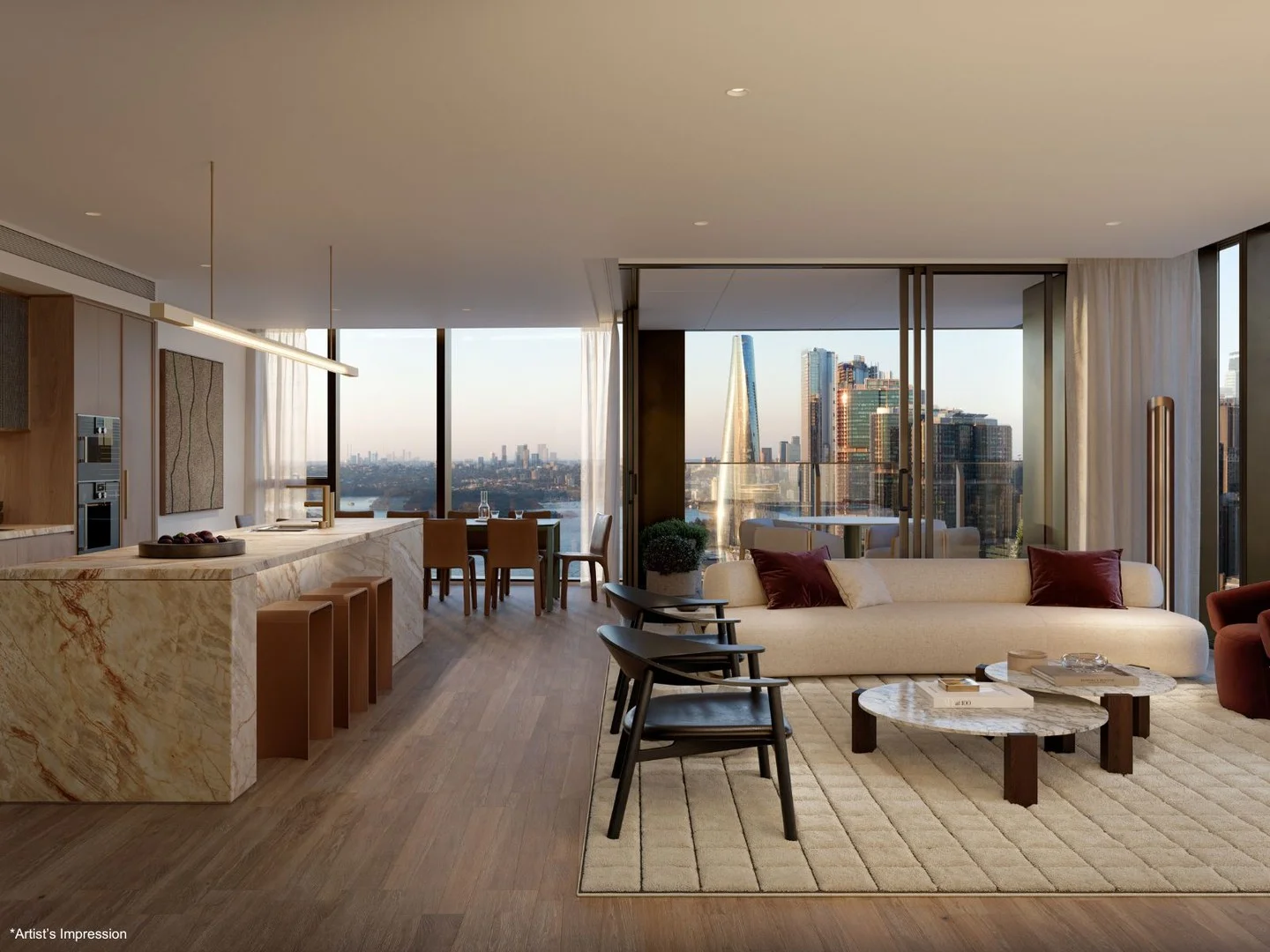 $12,980,000
propertyType.NEW APARTMENTS / OFF THE PLAN
$12,980,000
propertyType.NEW APARTMENTS / OFF THE PLAN
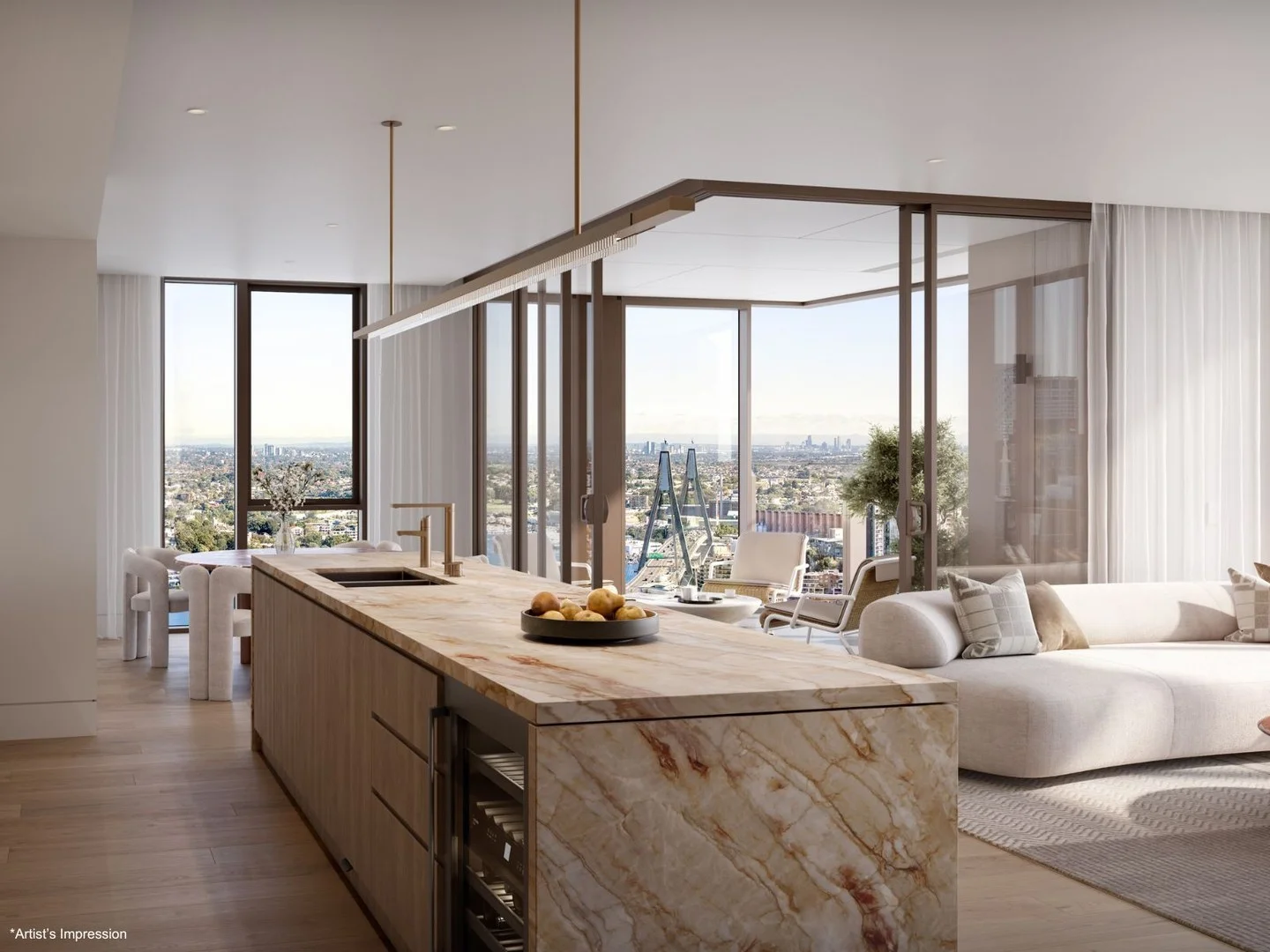 $9,020,000
propertyType.NEW APARTMENTS / OFF THE PLAN
$9,020,000
propertyType.NEW APARTMENTS / OFF THE PLAN
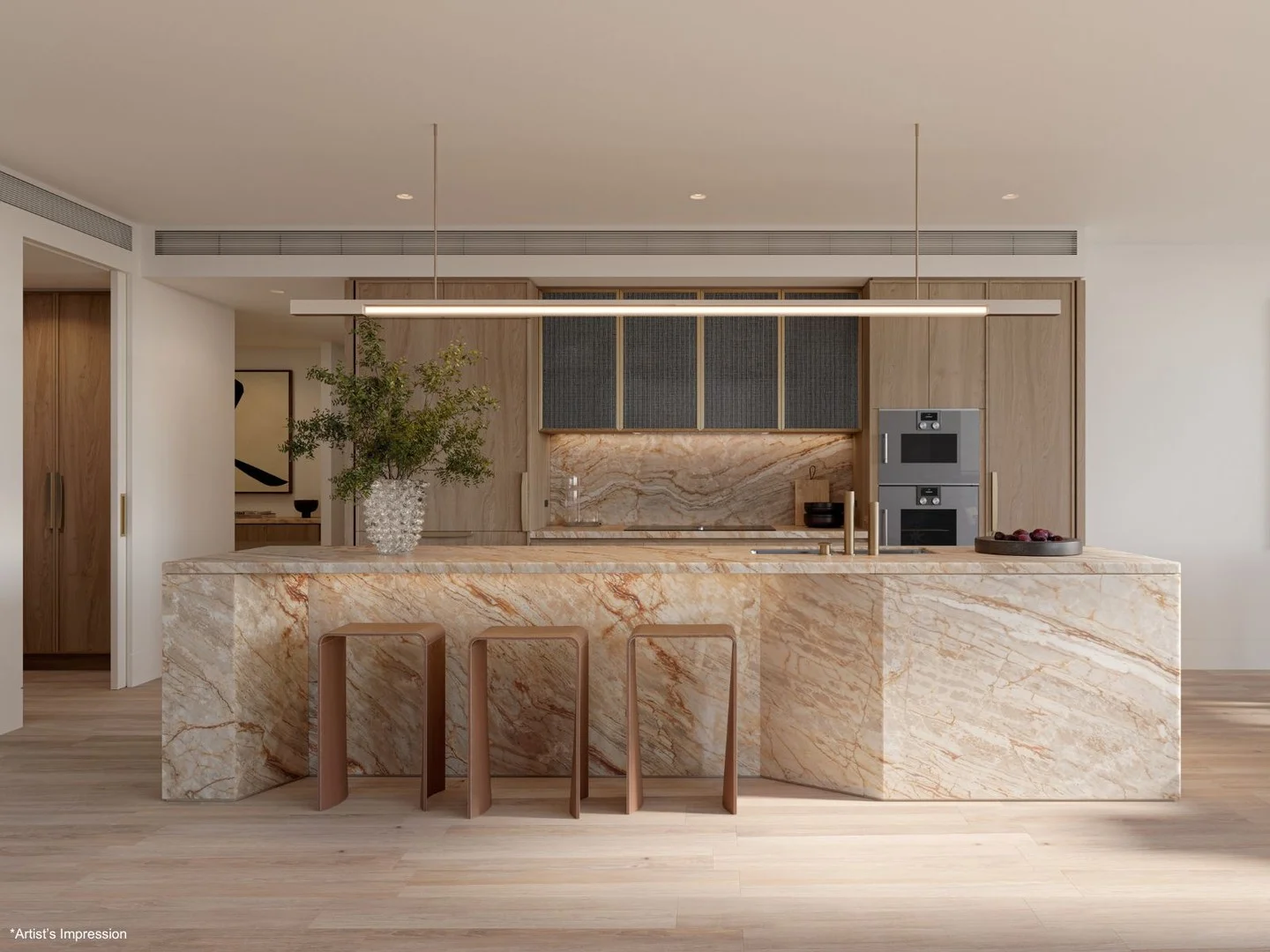 $6,225,000
propertyType.NEW APARTMENTS / OFF THE PLAN
$6,225,000
propertyType.NEW APARTMENTS / OFF THE PLAN
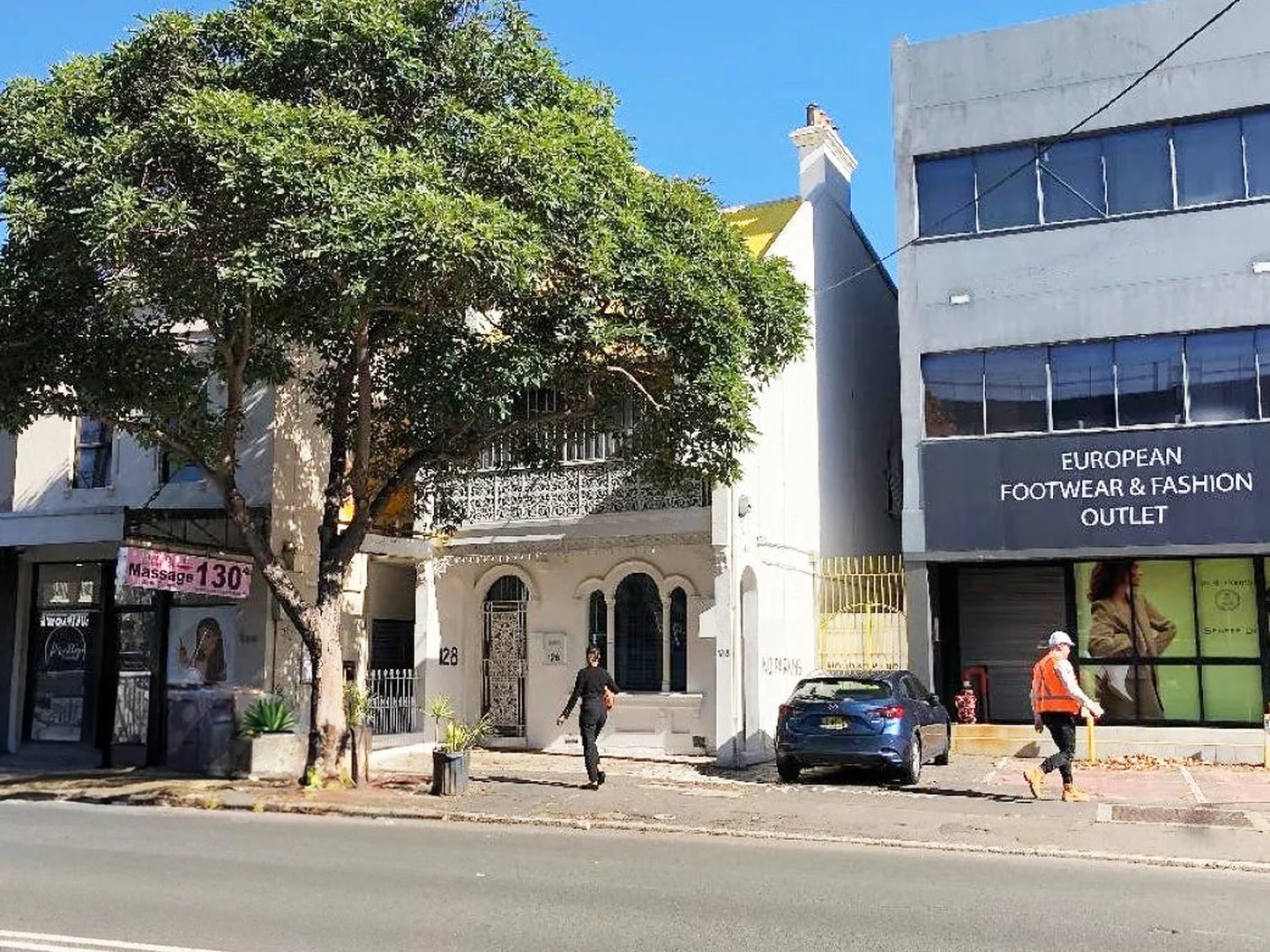 $3,900,000
House
$3,900,000
House
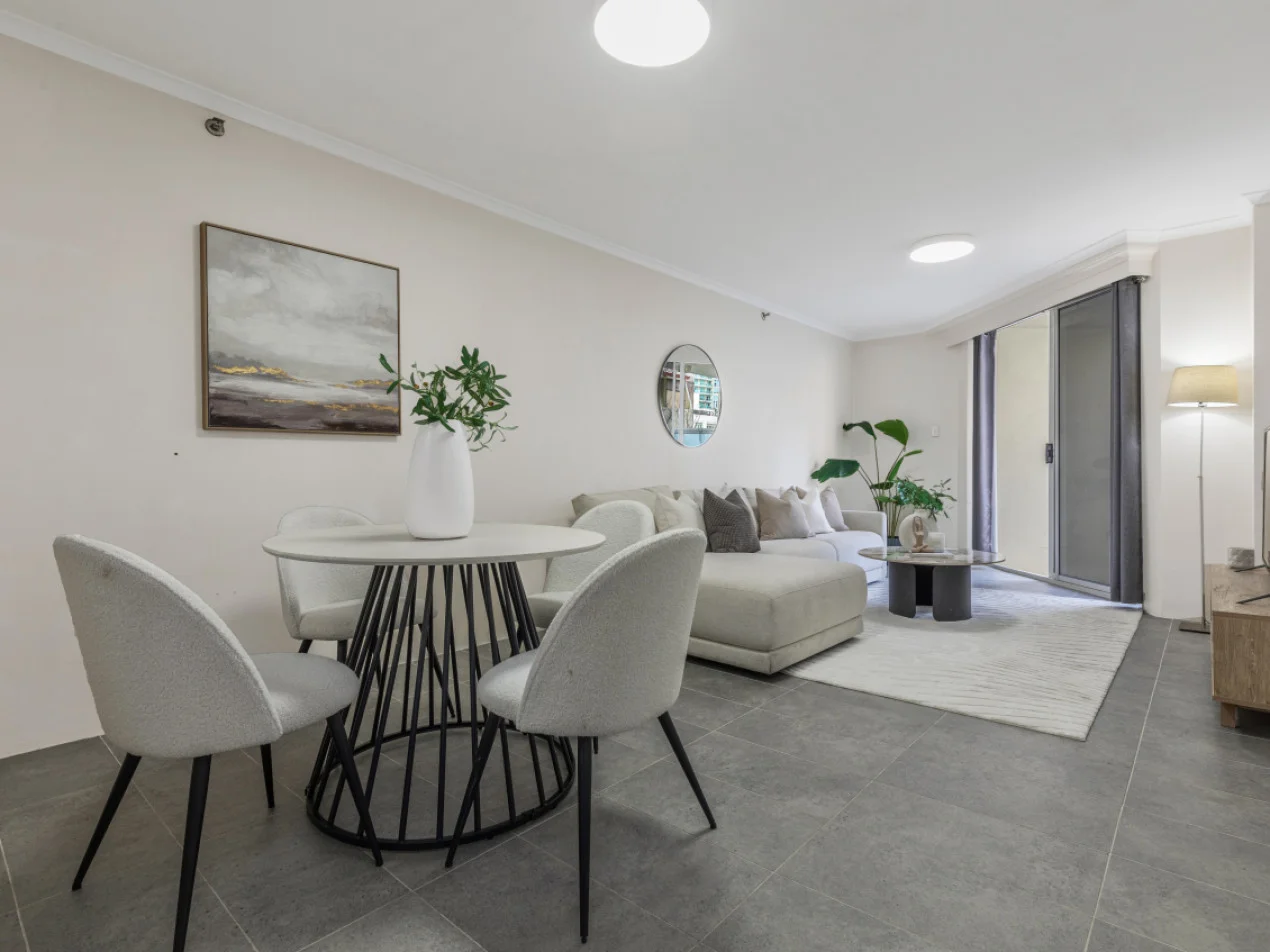 $640,000 - $675,000
Apartment / Unit / Flat
$640,000 - $675,000
Apartment / Unit / Flat
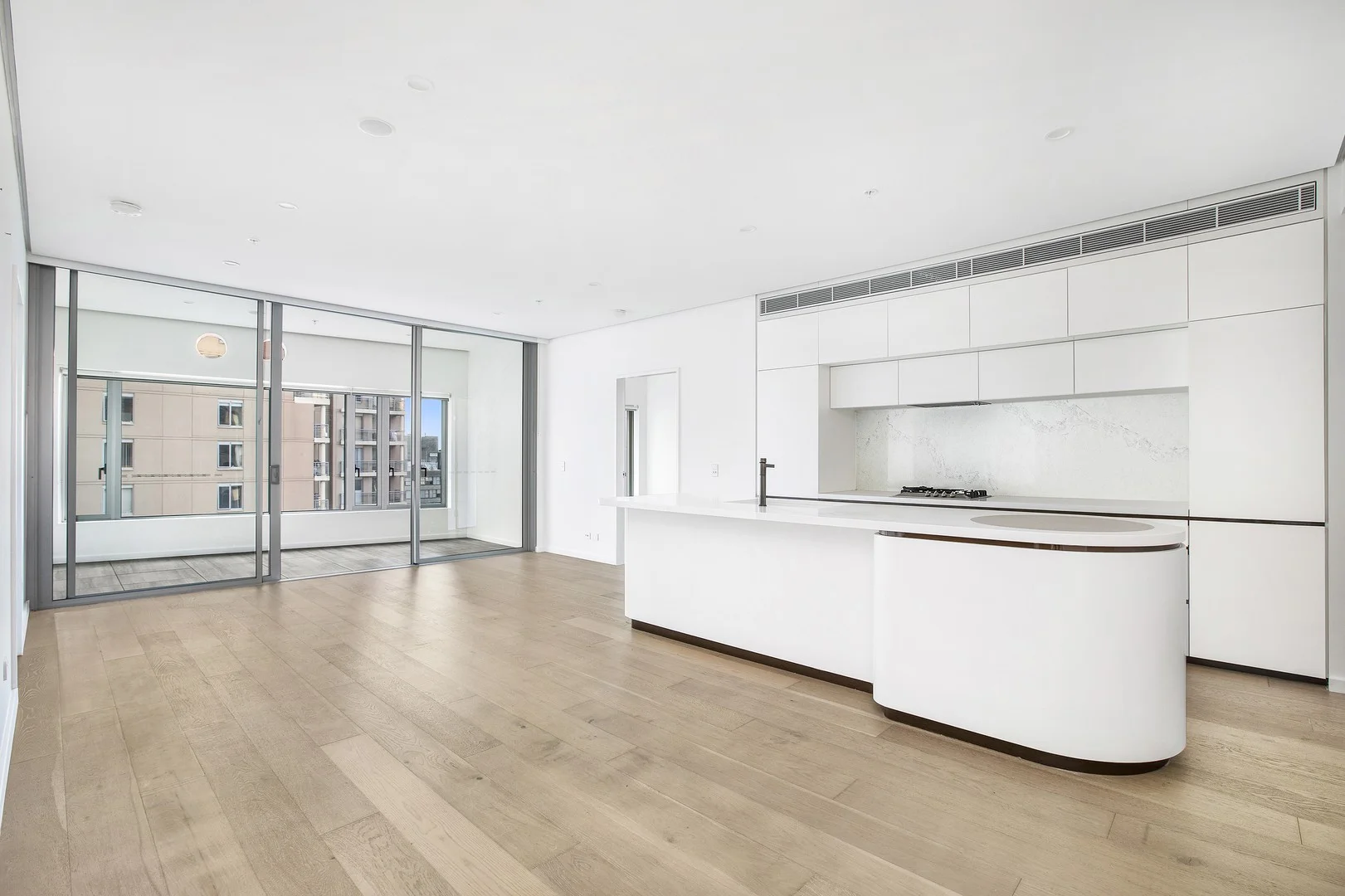 $2,250,000
Apartment / Unit / Flat
$2,250,000
Apartment / Unit / Flat
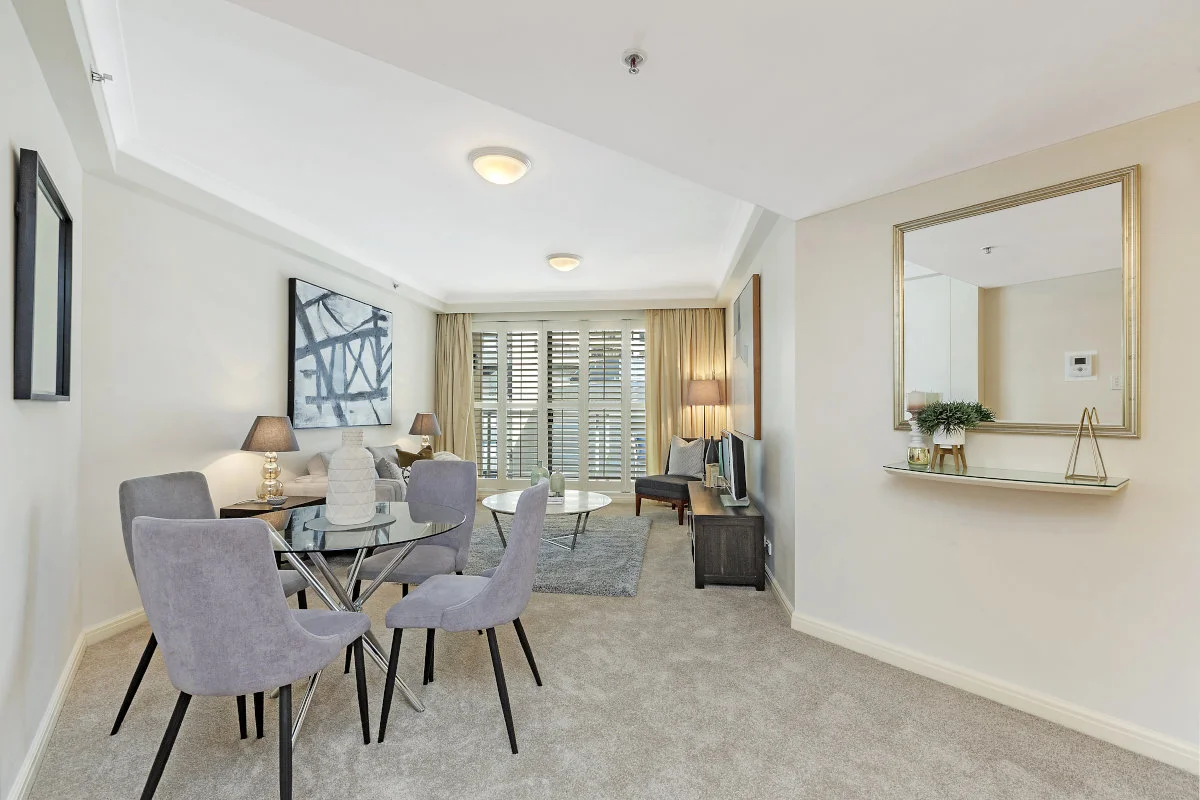 $660,000 - $725,000
Apartment / Unit / Flat
$660,000 - $725,000
Apartment / Unit / Flat