Overview
Holy Innocents' Catholic Primary School, Croydon is a Catholic, co-educational primary school that focuses on faith-based learning and community. The school aims to nurture each child across academic, spiritual, and personal development, grounded in Catholic values and a supportive, inclusive culture.
The school size is best described as small to medium, with class sizes typically in the low 20s. The atmosphere emphasises warmth, respect, and collaboration—creating an environment where students feel valued, supported, and challenged to grow.
Academics & Learning
- Academic strengths: The school prioritises strong literacy and numeracy foundations, with opportunities to engage in STEM-inspired learning, creative arts, and digital technology.
- Special programs: Catholic identity and religious education are integrated throughout the year; leadership and student-voice opportunities help develop confidence and responsibility. Some enrichment options may be available for students showing advanced learning needs.
- Support for diverse learners: Dedicated support for EAL/D students, as well as SEN support and targeted intervention where appropriate.
- Sports offered: A range of team and individual sports common to NSW primary schools, including athletics, soccer, basketball, netball, cricket, and swimming programs.
- Strong teams or achievements: Students often participate in inter-school carnivals and local competitions; school teams may achieve notable results at local events.
- Music, arts, drama programs: Access to music, performing arts, and visual arts opportunities, with performances and showcases throughout the year.
- Clubs: Robotics, chess, coding, debating, and other age-appropriate clubs are typically available to extend learning beyond the classroom.
- Partnerships: Engagement with local community groups and competitions is common, providing additional pathways for students to explore talents and talents development.
Wellbeing & Pastoral Care
- Anti-bullying approach: A whole-school, proactive approach to wellbeing, with clear anti-bullying policies, buddy systems, and peer support programs.
- House system: If applicable, a house system fosters friendship, belonging, and healthy competition through non-academic activities and events.
- Counsellors / wellbeing officers: Access to school-based wellbeing support, with staff trained to support emotional health and resilience.
- Transition support for new students: Structured orientation and buddy programs help new students settle in smoothly, with ongoing pastoral care during key transition points.
Facilities
- Sports grounds: Outdoor spaces and fields suitable for physical education and sports activities.
- Libraries: A library or learning hub supporting research, reading for pleasure, and information literacy.
- Science labs: Practical spaces for hands-on science learning and experiments.
- Music/performing arts centers: Rooms or spaces for music practice, drama, and performance preparation.
- Tech/innovation labs: Appropriate ICT facilities and flexible learning spaces to support digital learning and coding activities.
- Cafeteria: On-site canteen or dining area for students during breaks.
- Updated playgrounds: Safe, age-appropriate play spaces supporting active play and socialisation.
- School values / mission: Grounded in Catholic faith, service, respect, integrity, and care for others; a focus on developing compassionate, responsible citizens.
- Leadership style: Collaborative and servant-leadership approaches encourage students to take initiative and contribute to the school community.
- Behaviour expectations: Clear expectations around respect, responsibility, kindness, and safety; consistent positive behaviour support.
- Community reputation: A welcoming, faith-filled community known for its supportive environment and emphasis on forming strong relationships among students, families, and staff.
- Diversity & inclusion: Commitment to inclusivity and respect for diverse backgrounds and abilities; programs to ensure every student can participate and belong.
School Logistics & Daily Operations
- School hours: Typically a schedule aligned with primary school norms (start in the morning, finish in the mid-afternoon).
- Before/after school care: Often available through on-site or nearby providers, with facilities to supervise students before and after hours.
- Uniform requirements: Standard school uniform policy, with details provided by the school (days to wear, acceptable items, and any seasonal adjustments).
- Transport (train/bus routes): Accessible transport options such as local bus services or proximity to train lines; drop-off/pick-up arrangements managed to support families.
- Canteen availability: On-site or nearby canteen options for recess and lunch periods.
- Fees (low/medium/high ranges): Fees vary by year and program; Catholic primary schools typically charge a moderate annual tuition with additional costs for excursions and activities.
Enrolment & Admissions
What is the enrolment process and timeline?
Enrolment usually begins with completing an application form and submitting required documentation (birth certificate, immunisation records, proof of Catholic affiliation where applicable, and any parish or sibling details). Information sessions or open days are commonly offered to families. Offers are issued based on vacancies and the school’s enrolment priorities, with timelines varying by intake year. It’s best to check the school’s current admissions calendar for exact dates.
Is there a waiting list, and how does it work?
Yes, many Catholic primary schools maintain a waiting list when applications exceed places. Admissions typically follow priority order (e.g., Catholic parishioners, siblings of currently enrolled students, ties are resolved by a defined method). The waitlist is managed by the school and updated periodically as vacancies arise.
Are there any entry requirements, tests, or interviews?
Primary school entry generally does not require standardised tests. Some schools may offer information sessions and may conduct short interviews or transition discussions to understand family expectations and student readiness. Baptism or parish affiliation is often relevant for enrolment priority but is not always a strict requirement for admission.
Does the school accept mid-year transfers?
Mid-year transfers are possible but subject to vacancy and timetable alignment. If you’re relocating or seeking a transfer, contact the school’s enrolment office as early as possible to discuss eligibility, required documentation, and transfer timelines.
Frequently Asked Questions
- Why Parents Choose This School?
Many families choose Holy Innocents' Croydon for its faith-based values, supportive staff, and emphasis on both academic and personal development in a close-knit community.
- What type of student thrives at this school?
Students who engage with faith-inspired values, who benefit from a collaborative, small-class environment, and who participate in a broad range of learning experiences (academics, arts, sport, and service) tend to thrive.
- What opportunities are available for students to extend their skills (academics, sports, arts)?
A balanced offer typically includes enriched literacy and numeracy activities, STEM and tinkering opportunities, performing arts programs, sport, and clubs such as robotics, coding, debating, and chess.
- How does the school communicate with parents?
Common channels include newsletters, a school app or portal, emails, and regular parent-teacher conferences; open days and information sessions are usually offered.
- What is the school’s approach to teaching and learning?
Teaching is differentiated to meet diverse needs, with a focus on inquiry, collaboration, and mastery of core skills within a Catholic framework.
- How does the school support students who need extra academic help?
Small-group tutoring and targeted interventions are typically provided, along with EAL/D and SEN support where needed and regular progress checks.
- What support is available for academic challenges?
Dedicated teachers, learning support staff, and specialists (where available) work with families to address gaps and set achievable goals.
- How does the school communicate with parents? (Repeated)
See above — through multiple channels to keep families informed and engaged.
Class sizes are generally in the low 20s, with teachers differentiating instruction to provide targeted help and opportunities for individual feedback.
- What extracurricular and sports opportunities are available?
A broad selection, including sports, music, drama, robotics, coding, and debate activities, often aligned with inter-school events and community partnerships.
- What facilities does the school offer (sports, science, arts)?
Facilities commonly include sports grounds, a library, science labs, music/performing arts spaces, ICT and innovation spaces, a canteen, and updated playgrounds.
- What is the school’s approach to technology and digital learning?
Technology is integrated into the curriculum, with age-appropriate devices, digital literacy, online safety education, and opportunities for coding and robotics.
- What transport and accessibility options are available?
Transport options typically include local bus services and access to nearby train routes; schools often provide guidance on drop-off/pick-up arrangements and accessibility features.
- What are the typical school fees or additional costs?
Fees vary by year and program; families should expect standard tuition with additional costs for excursions, activities, and uniforms.
Short Pros & Cons list
- Faith-based, values-rich environment
- Supportive, inclusive community and staff
- Range of extracurriculars spanning academics, arts, and sports
- Focus on wellbeing, pastoral care, and smooth transitions for new students
- Enrollment may involve waitlists during peak intake years
- Fees and uniform costs are an ongoing consideration for families
- Resources and programs may be more limited than in larger, private schools
- Availability of certain advanced programs may vary by year and cohort
 Free
Free












 $36,000,000 - $39,500,000
Vacant Land
$36,000,000 - $39,500,000
Vacant Land
 $8,630,000
propertyType.NEW APARTMENTS / OFF THE PLAN
$8,630,000
propertyType.NEW APARTMENTS / OFF THE PLAN
 $12,980,000
propertyType.NEW APARTMENTS / OFF THE PLAN
$12,980,000
propertyType.NEW APARTMENTS / OFF THE PLAN
 $9,020,000
propertyType.NEW APARTMENTS / OFF THE PLAN
$9,020,000
propertyType.NEW APARTMENTS / OFF THE PLAN
 $6,225,000
propertyType.NEW APARTMENTS / OFF THE PLAN
$6,225,000
propertyType.NEW APARTMENTS / OFF THE PLAN
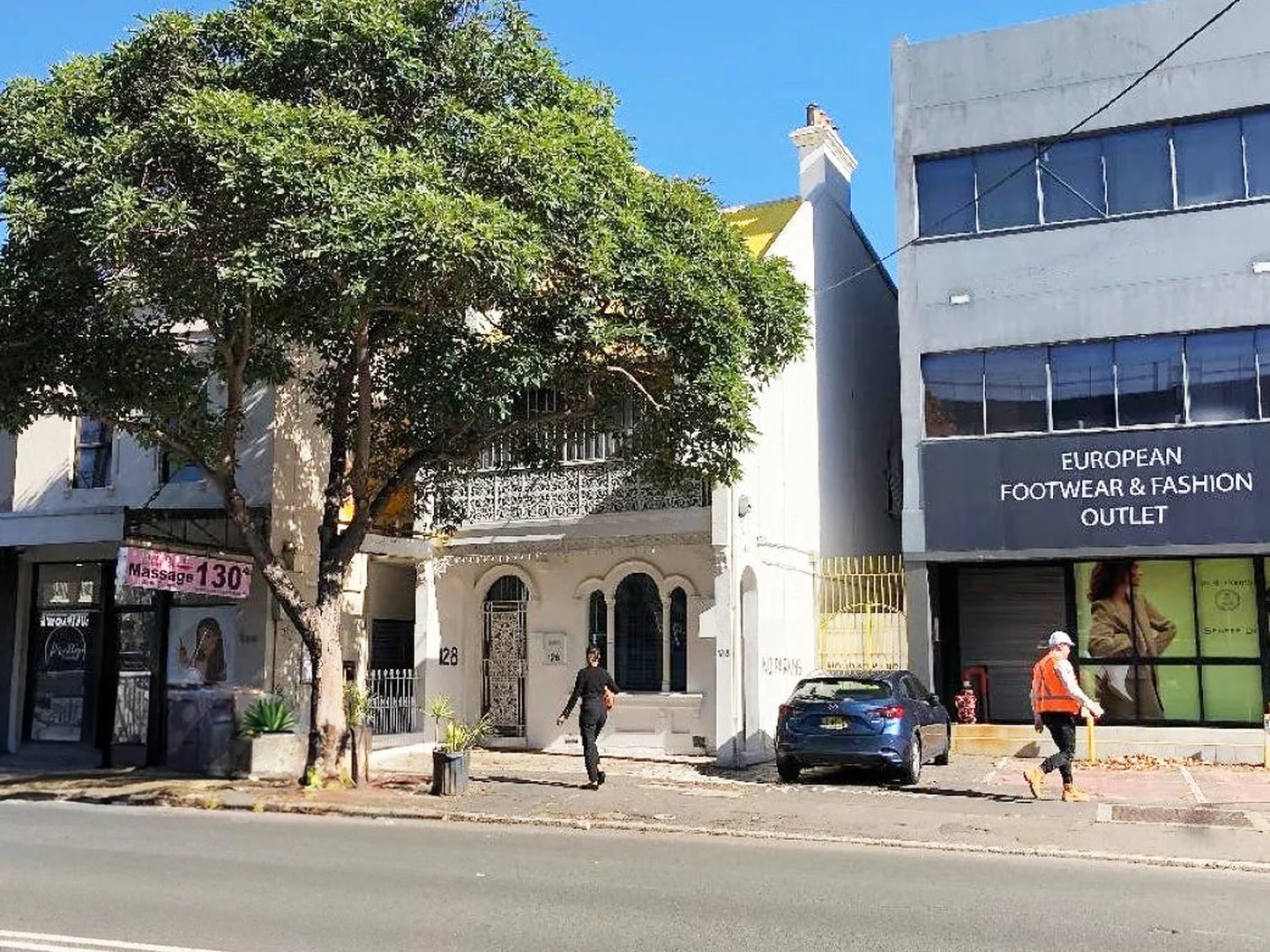 $3,900,000
House
$3,900,000
House
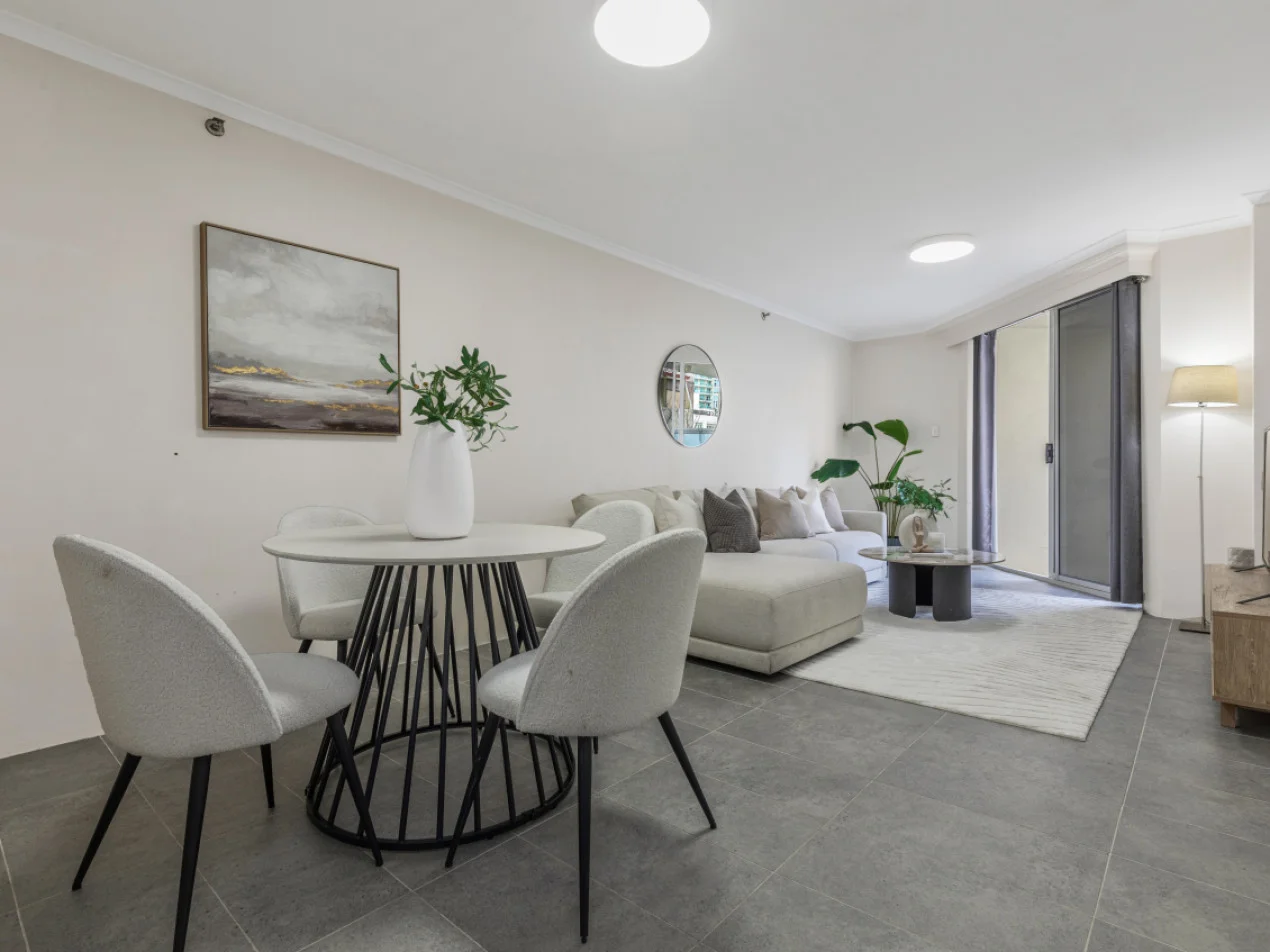 $640,000 - $675,000
Apartment / Unit / Flat
$640,000 - $675,000
Apartment / Unit / Flat
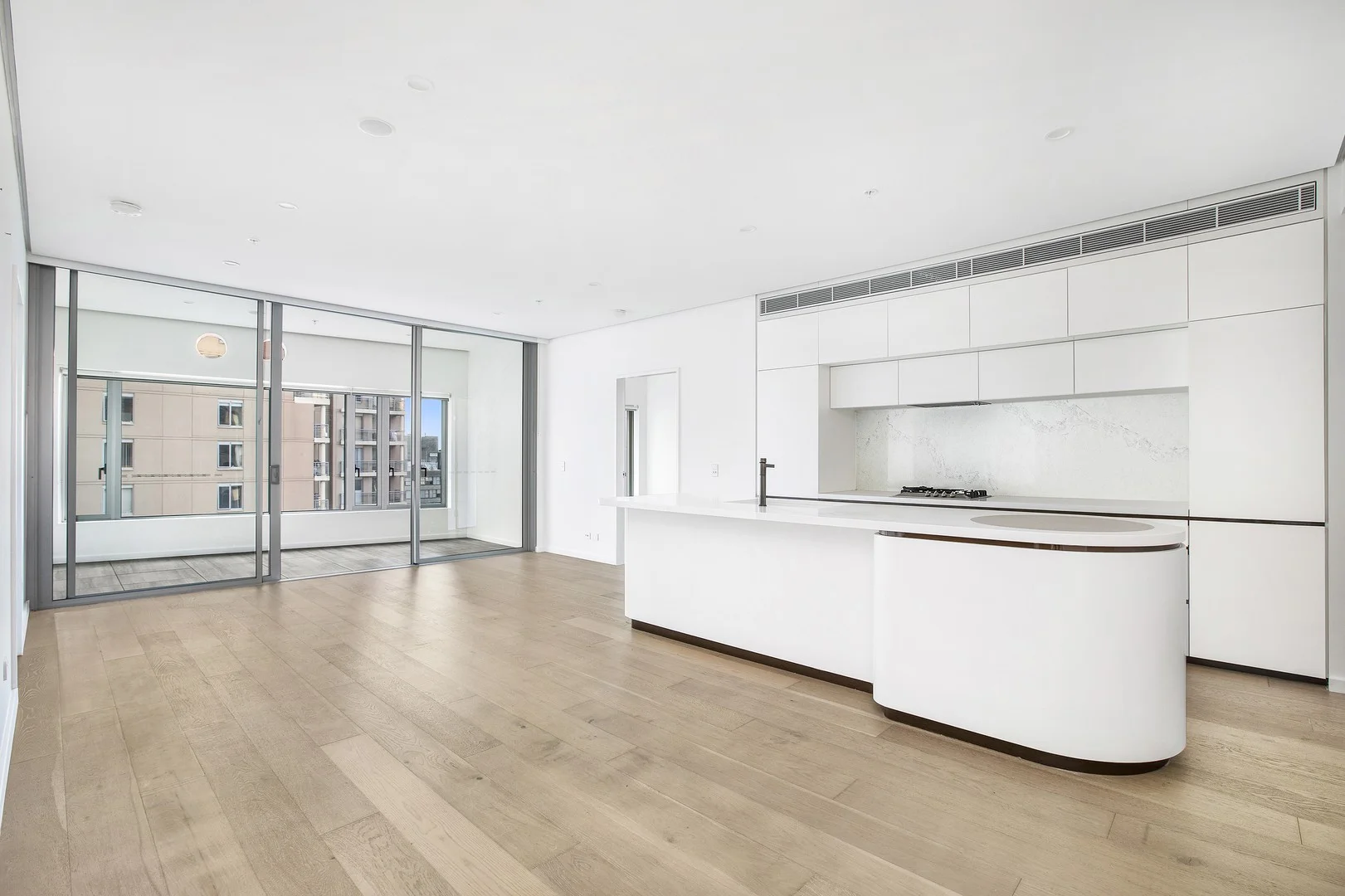 $2,250,000
Apartment / Unit / Flat
$2,250,000
Apartment / Unit / Flat
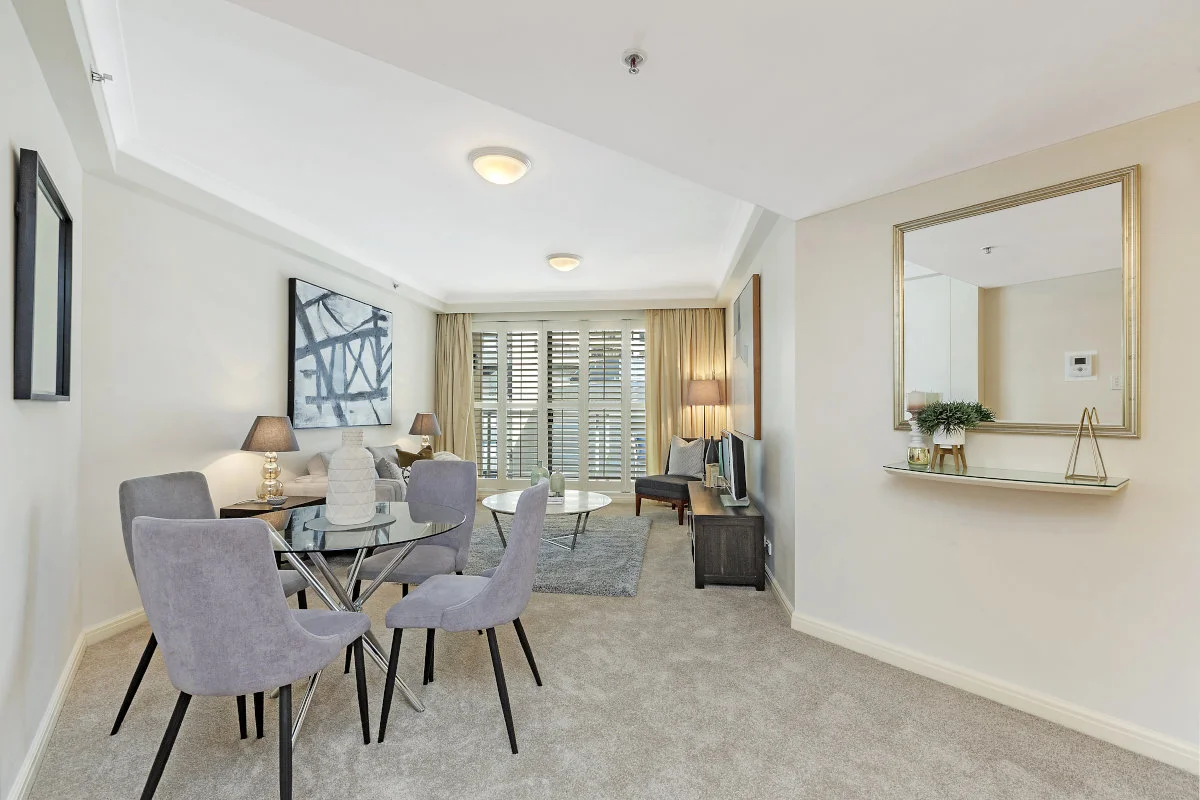 $660,000 - $725,000
Apartment / Unit / Flat
$660,000 - $725,000
Apartment / Unit / Flat