- Overview
Croydon Public School is a public primary school serving students from Kindergarten to Year 6. Located in NSW, the school focuses on delivering a welcoming, inclusive learning community where every child has the opportunity to grow academically and personally. The environment emphasises a balance of strong literacy and numeracy foundations, wellbeing, and active participation in sport, arts, and technology.
The atmosphere is nurturing and community-oriented, with mid-range class sizes that support individualized teaching. The school values diversity and inclusion, aiming to draw out each student’s strengths while fostering resilience, collaboration, and a positive school culture.
- Academics & Learning
- Academic strengths: Strong focus on literacy and numeracy with opportunities to develop skills in STEM, creative arts, and digital literacy.
- Special programs: Gifted and Talented Education (where available) and targeted support for students needing additional assistance; inclusive education practices for diverse learners.
- Support for diverse learners: Strong EAL/D assistance and SEN support, with planning to meet individual student needs through inclusive programs and targeted interventions.
- Sports & Extracurricular Strengths
- Sports offered: A broad program including soccer, basketball, netball, cricket, athletics, and other inter-school activities.
- Strong teams or achievements: Active participation in inter-school events with opportunities for team involvement and age-group competition; regular participation in local carnivals and fixtures.
- Music, arts, drama programs: Dedicated music and performing arts opportunities, regular assemblies and performances, and involvement in school productions.
- Clubs: Robotics, coding, chess, debating, and other interest-based clubs available to students.
- Partnerships: Connections with local clubs and community groups for clinics, competitions, and enrichment experiences.
- Wellbeing & Pastoral Care
- Anti-bullying approach: Clear anti-bullying policies, proactive education, and restorative practices to support a safe and respectful environment.
- House system: House groups participate in a range of intra-school activities, fostering teamwork and belonging.
- Counsellors / wellbeing officers: Access to school counseling or wellbeing staff to support mental health, social-emotional learning, and personal development.
- Transition support for new students: Orientation activities, buddy systems, and transitional supports to help new students settle in smoothly.
- Facilities
- Sports grounds: On-site spaces for physical education and sports activities.
- Libraries: A well-equipped library supporting reading and research.
- Science labs: Dedicated spaces for practical science exploration.
- Music/performing arts centers: Rooms and spaces for music, drama, and performance.
- Tech/innovation labs: Facilities supporting digital learning, coding, and technology projects.
- Cafeteria: On-site canteen or cafeteria providing school meals and snacks.
- Updated playgrounds: Modern outdoor spaces for play and recreation.
- School Values & Community Culture
- School values / mission: Emphasis on respect, responsibility, inclusion, and excellence; a culture of high expectations alongside care.
- Leadership style: Opportunities for student leadership and involvement in school decision-making and activities; collaborative leadership by staff.
- Behaviour expectations: Clear conduct guidelines with restorative approaches to manage behaviour and celebrate positive actions.
- Community reputation: Known within the community for a welcoming, inclusive environment and active student participation in school life.
- Diversity & inclusion: Commitment to diversity and inclusive practices, supporting students from varied backgrounds and with different needs.
- School Logistics & Daily Operations
- School hours: Typically follows a regular primary schedule with morning classes, breaks, and afternoon sessions; exact times may vary by year level.
- Before/after school care: OSHC or similar programs often available to families needing supervision outside school hours.
- Uniform requirements: School uniform policy in place; uniforms available from approved suppliers; dress code outlined by the school.
- Transport (train/bus routes): Access to local public transport; bus routes and drop-off zones available; check NSW Transport for specific routes.
- Canteen availability: Canteen or snack facilities operating on most days, with healthy options.
- Fees (low/medium/high ranges): Public schools do not charge tuition fees for attendance; voluntary contributions and costs for activities/trips, as well as uniform and optional programs, may apply.
- Enrolment & Admissions
- What is the enrolment process and timeline?
- Start by checking catchment eligibility and completing the school’s enrolment form.
- Submit required documents (proof of identity, residency, immunisation records, etc.).
- The school processes applications in line with NSW Department of Education timelines; placement decisions consider catchment rules, availability, and sibling priority when applicable.
- Is there a waiting list, and how does it work?
- A waiting list may operate when enrolments exceed capacity.
- Waitlist order generally follows application date, with priority given to catchment residents and siblings of current students; exact rules can vary by year and availability.
- Are there any entry requirements, tests, or interviews?
- For primary school enrolment, formal entry tests or interviews are not typically required.
- Some assessments may occur for specific supports (e.g., EAL/D needs or learning support), but standard enrolment does not usually involve testing.
- Does the school accept mid-year transfers?
- Yes, subject to space and placement availability.
- Families should contact the school to initiate transfer documentation and ensure alignment with current student records and NSW Department guidelines.
- Frequently Asked Questions
- Why Parents Choose This School?
- A welcoming, inclusive culture with a strong sense of community, solid academics, and supportive staff that prioritise student wellbeing.
- What type of student thrives at this school?
- Curious, cooperative students who engage in a collaborative learning environment and participate in a broad range of academics, sports, and arts.
- What opportunities are available for students to extend their skills (academics, sports, arts)?
- Extension in literacy and numeracy, access to STEM and coding activities, gifted and talented options where available, competitive and recreational sports, music and performing arts programs, and clubs such as robotics and debating.
- How does the school communicate with parents?
- Regular newsletters, emails, school app or portal updates, parent-teacher meetings, and notices about events and student progress.
- What is the school’s approach to teaching and learning?
- Student-centered learning with differentiation, evidence-based teaching practices, integration of technology, and emphasis on inquiry, collaboration, and hands-on activities.
- How does the school support students who need extra academic help?
- In-class differentiation, targeted interventions, learning support staff, and EAL/D or SEN support programs.
- What support is available for academic challenges?
- Access to learning support teams, small-group or one-on-one interventions, and collaboration with families to create Individual Education Plans where appropriate.
- How does the school communicate with parents?
- (See above) Multiple channels including digital communications, meetings, and event updates.
- What extracurricular and sports opportunities are available?
- A range of sports (e.g., soccer, basketball, netball, athletics), music and performing arts, robotics, coding, chess, debating, and other clubs.
- What facilities does the school offer (sports, science, arts)?
- Sports grounds, library, science labs, music/performing arts spaces, tech/innovation labs, canteen, and updated playgrounds.
- What is the school’s approach to technology and digital learning?
- Emphasis on digital literacy, use of devices and interactive learning tools, coding and responsible online practice integrated into curriculum.
- What transport and accessibility options are available?
- Local bus routes and general transport access; safe drop-off/pick-up zones; accessible facilities as part of school planning.
- What are the typical school fees or additional costs?
- No tuition fees for public schooling; potential voluntary contributions and costs for school activities, trips, and uniform purchases.
- Short Pros & Cons list
- Inclusive, nurturing environment with a strong sense of community.
- Broad academic program with focus on literacy, numeracy, and STEM.
- Wide range of extracurriculars, sports, arts, and clubs.
- Support for diverse learners (EAL/D, SEN) and wellbeing programs.
- Modern facilities and safe, well-organised daily routines.
- Like many public schools, some resources and programs may be subject to funding and population demands.
- Transport options depend on local routes and availability; planning may be needed for families with complex schedules.
If you’d like, I can tailor these sections further with any specific details you provide (e.g., exact program names, current enrolment numbers, or recent notable achievements) or adjust the tone to match your site’s style.

 Free
Free










 $36,000,000 - $39,500,000
Vacant Land
$36,000,000 - $39,500,000
Vacant Land
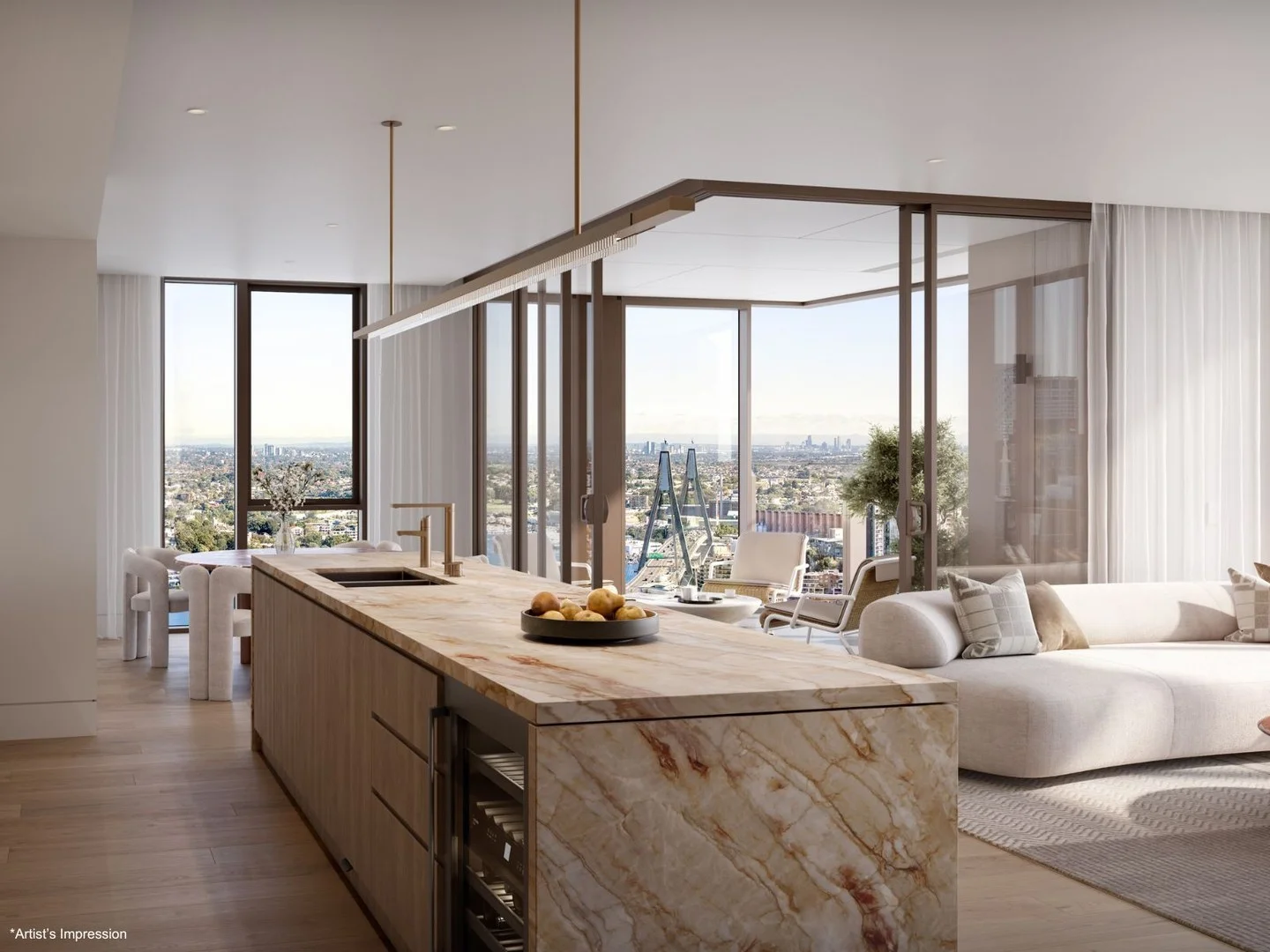 $9,020,000
propertyType.NEW APARTMENTS / OFF THE PLAN
$9,020,000
propertyType.NEW APARTMENTS / OFF THE PLAN
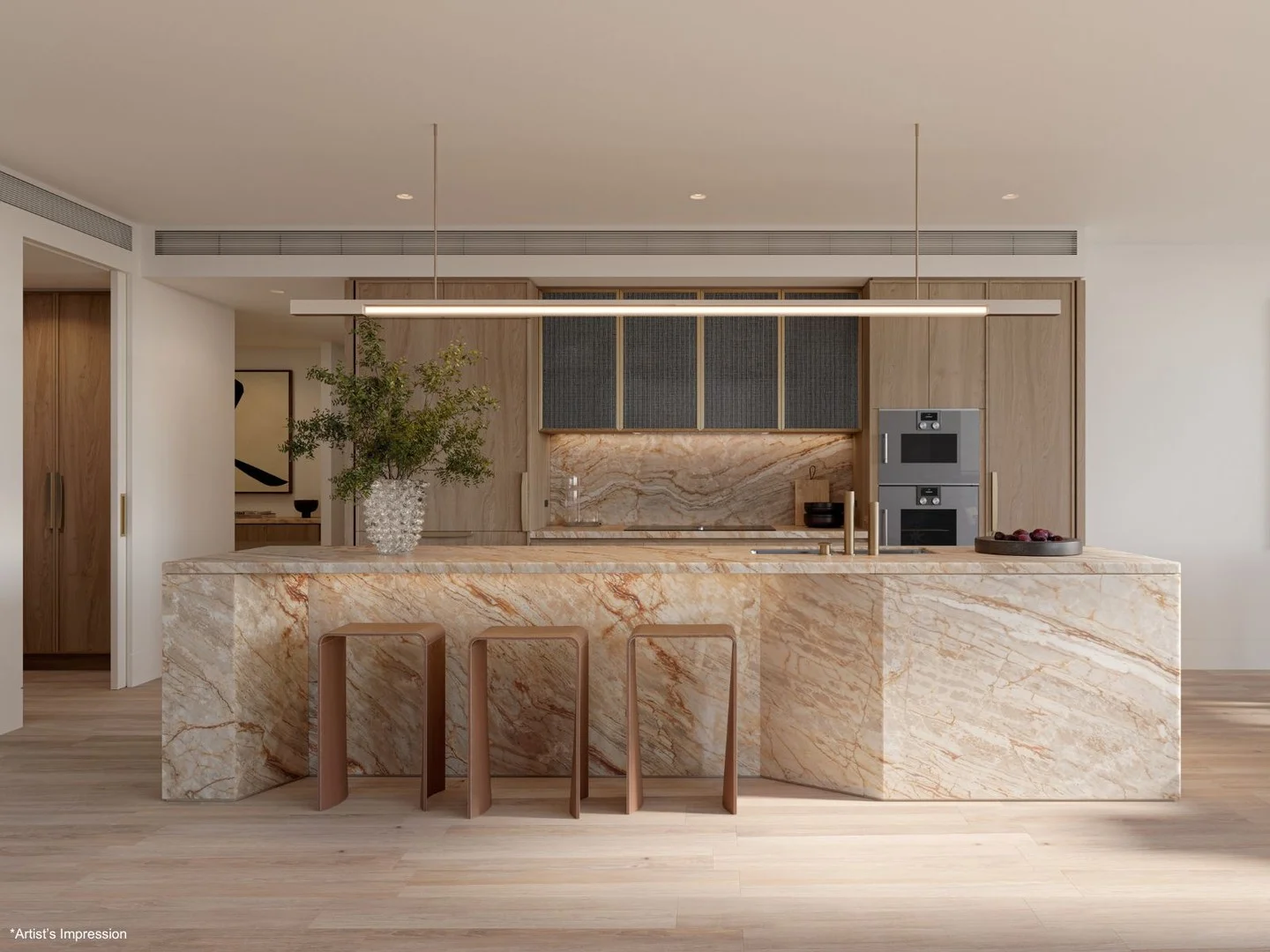 $6,225,000
propertyType.NEW APARTMENTS / OFF THE PLAN
$6,225,000
propertyType.NEW APARTMENTS / OFF THE PLAN
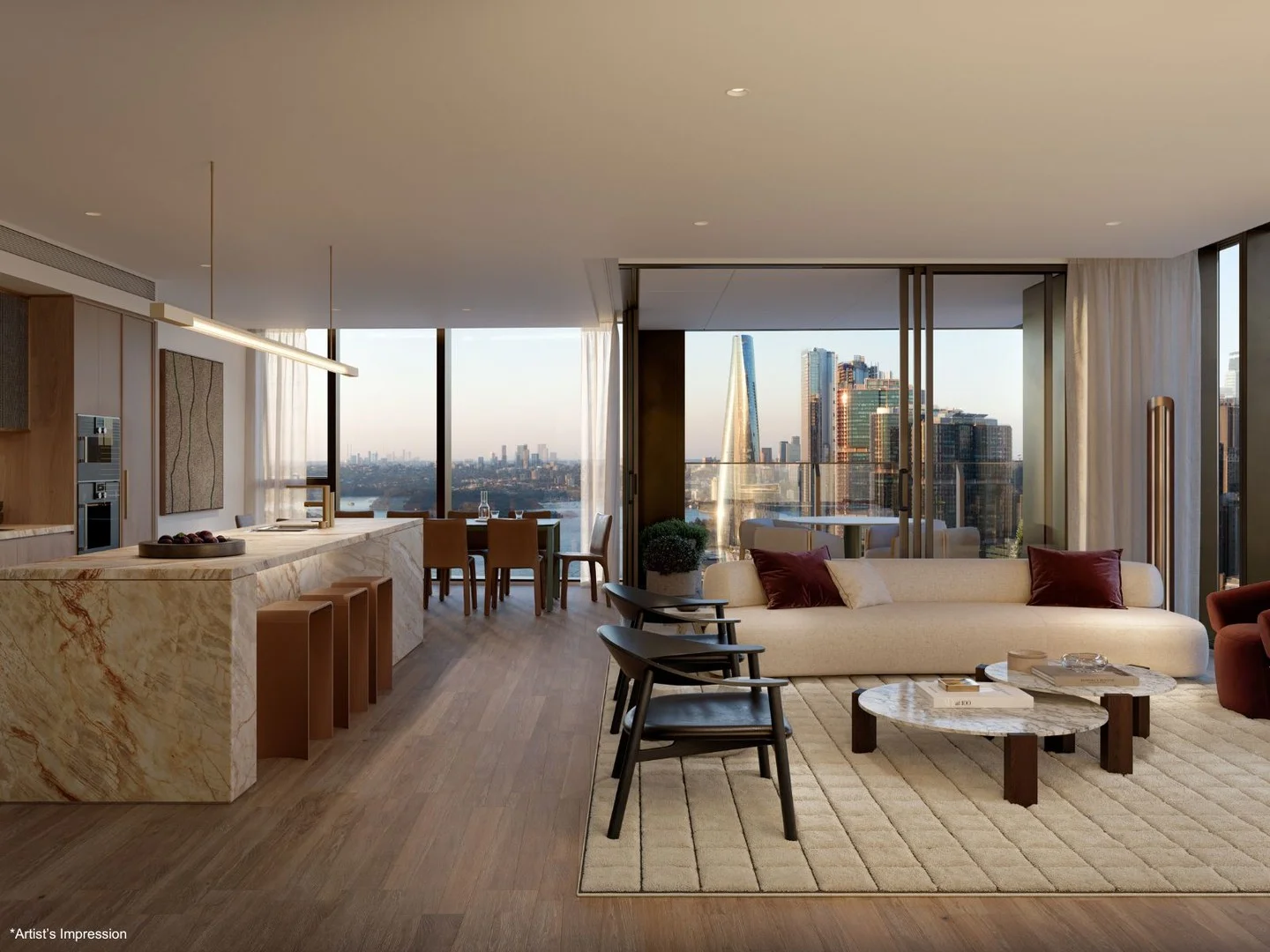 $12,980,000
propertyType.NEW APARTMENTS / OFF THE PLAN
$12,980,000
propertyType.NEW APARTMENTS / OFF THE PLAN
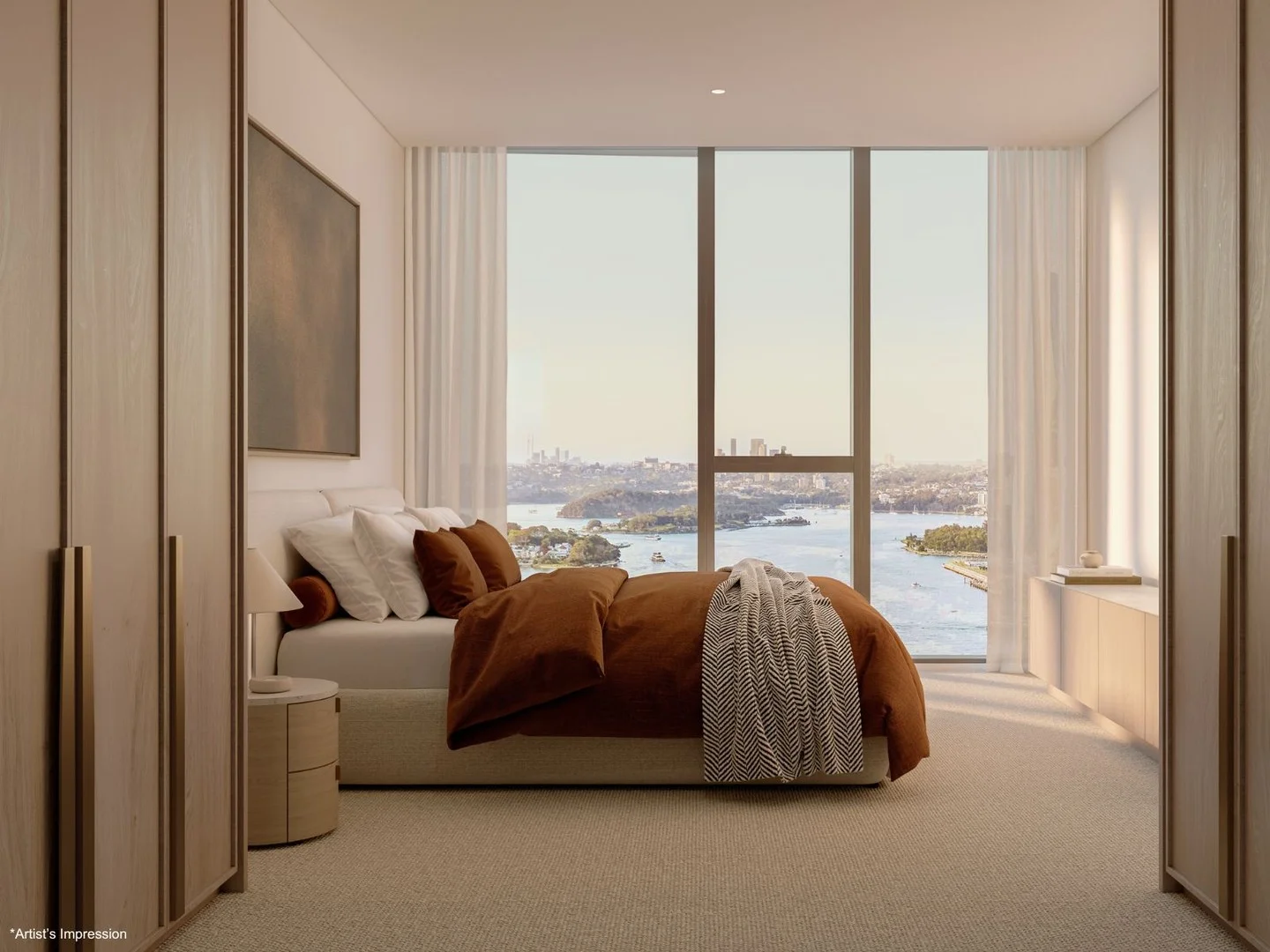 $8,630,000
propertyType.NEW APARTMENTS / OFF THE PLAN
$8,630,000
propertyType.NEW APARTMENTS / OFF THE PLAN
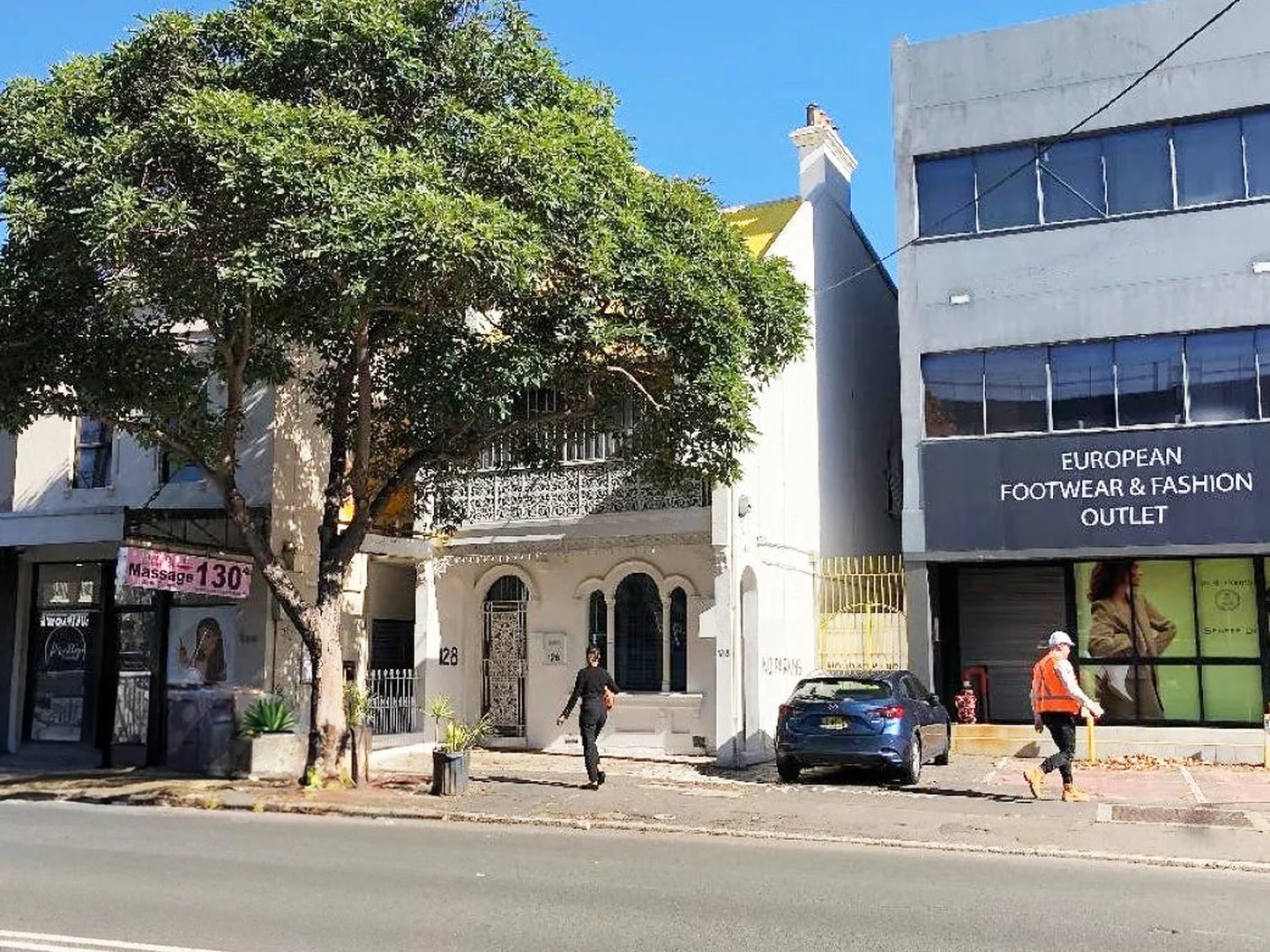 $3,900,000
House
$3,900,000
House
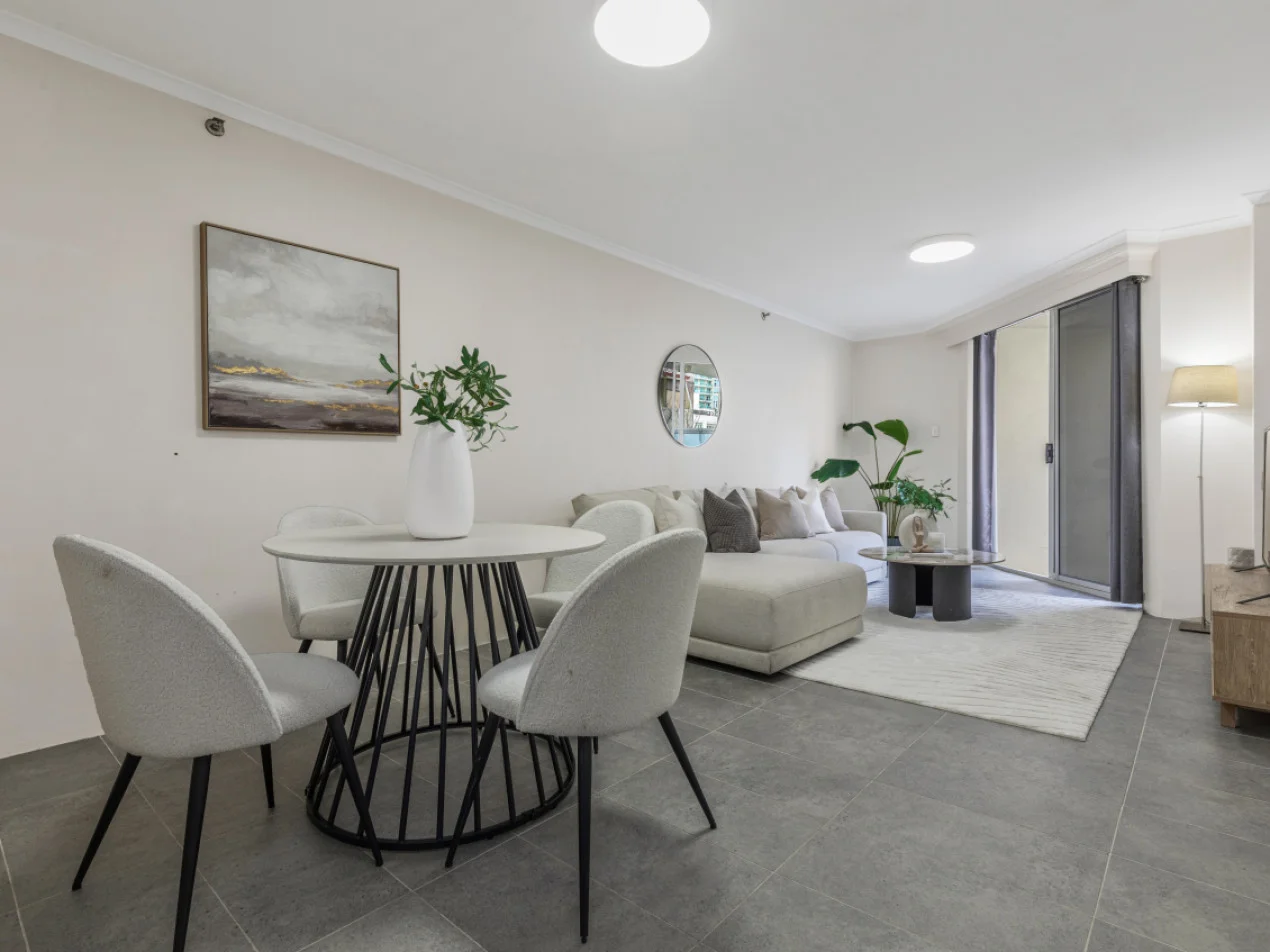 $640,000 - $675,000
Apartment / Unit / Flat
$640,000 - $675,000
Apartment / Unit / Flat
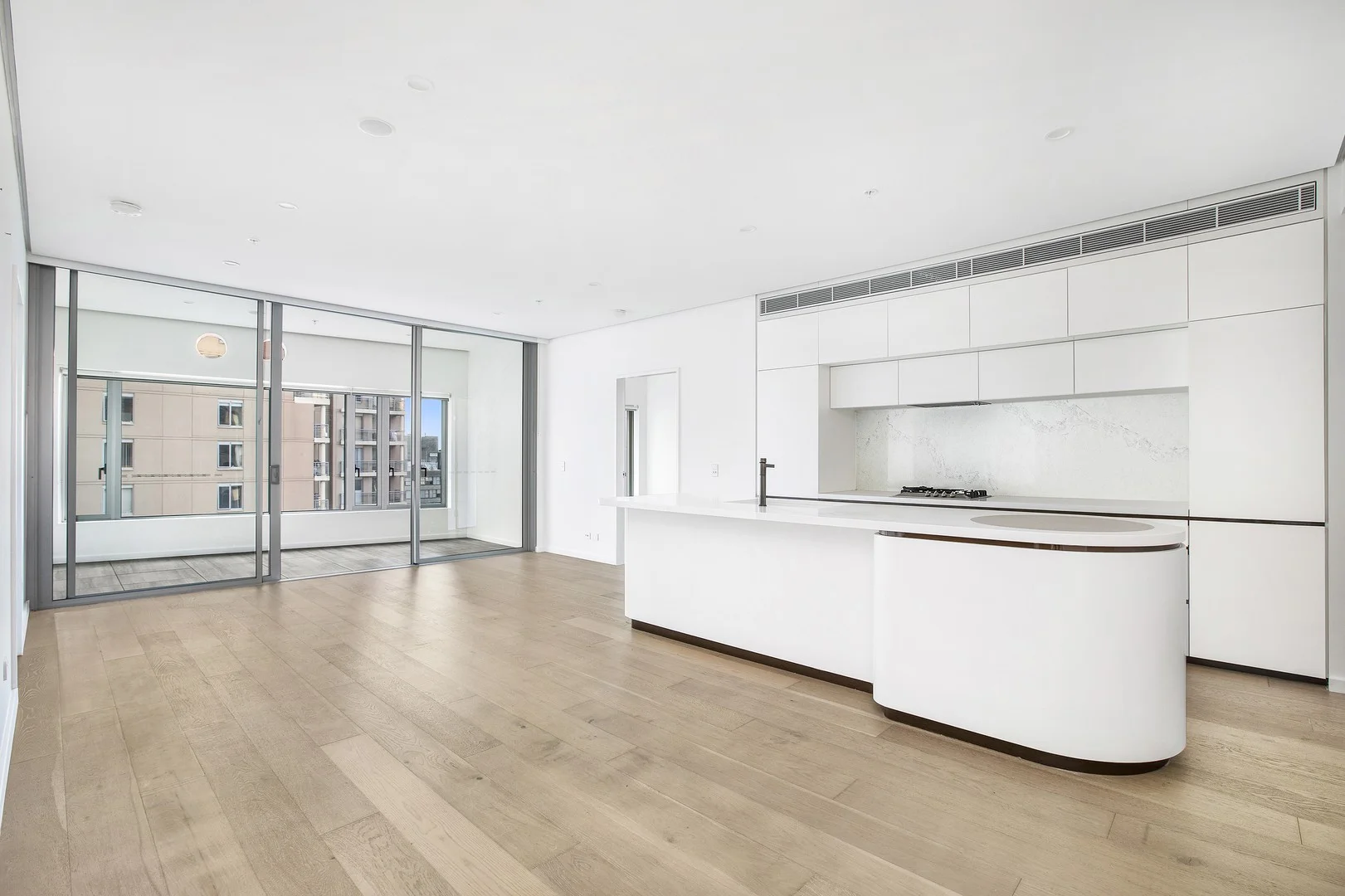 $2,250,000
Apartment / Unit / Flat
$2,250,000
Apartment / Unit / Flat
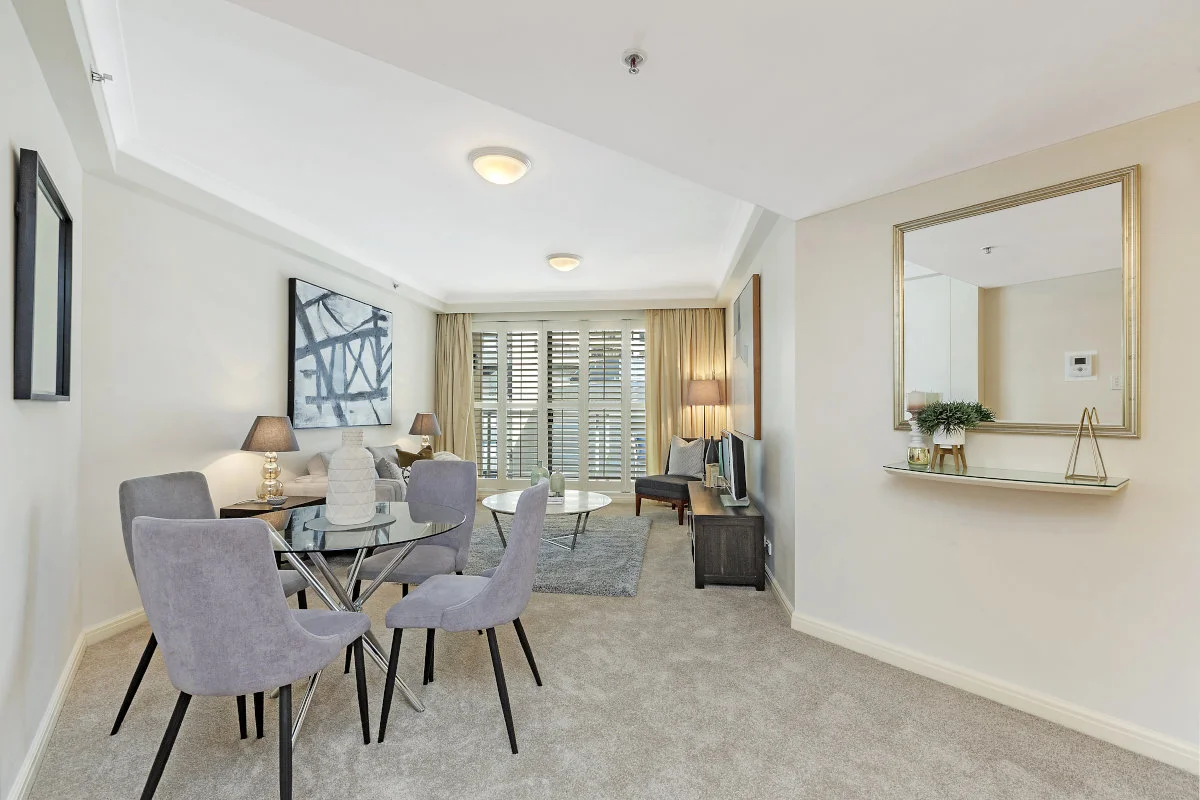 $660,000 - $725,000
Apartment / Unit / Flat
$660,000 - $725,000
Apartment / Unit / Flat