## 1. Overview
Callala Public School is a public, co-educational primary school serving families in Callala Bay, NSW. It offers a small to medium rural-school experience with a focus on individual attention within a close-knit community. Class sizes are typically around 20–25 students, supported by dedicated teachers and aides where needed to help students thrive. The atmosphere is nurturing and inclusive, with an emphasis on encouraging each child to participate, try new things, and grow both personally and academically.
The school culture supports a balanced mix of learning, community involvement, and extracurricular activity. Students are encouraged to contribute to class and school life, building a sense of belonging and responsibility while enjoying a friendly, supportive environment.
---
## 2. Academics & Learning
- Academic strengths: strong emphasis on literacy and numeracy with opportunities to engage in STEM-inspired projects, as well as leadership development through student initiatives. English and Mathematics form the core of daily learning, with integrated cross-c curricular activities to build skills across subject areas.
- Special programs: the school participates in NSW DoE programs for literacy, numeracy, and digital technologies. Where resources allow, there may be opportunities for gifted and talented or accelerated learning pathways; availability varies by year and cohort, so check with the school for current options.
- NAPLAN / trends: the NSW My School site provides trend data over recent years (increases or stability in reading, writing and numeracy). The school focuses on targeted evidence-based literacy and numeracy support to help students progress year-to-year.
- Student-teacher ratios: typical class sizes around 20–25 students, with teachers supported by learning support staff as needed. This contributes to more opportunities for targeted instruction and student engagement.
- Support for diverse learners: EAL/English as an Additional Language support and SEN (special educational needs) assistance are available where required, including individualized planning and adjustments to learning programs.
---
## 3. Sports & Extracurricular Strengths
- Sports offered: athletics, swimming, cricket, soccer, rugby league, netball, and other local intramural activities are commonly available, with opportunities to participate in district and inter-school events.
- Strong teams or achievements: students participate in district-level competitions and inter-school events; outcomes vary by year, with emphasis on teamwork, effort, and sportsmanship.
- Music, arts, drama programs: school-wide music and performing arts activities, assemblies, and occasional showcases or mini-musicals are part of the culture.
- Clubs: robotics, coding, chess, and debating are commonly offered or available through after-school programs and integrated activity blocks.
- Partnerships: connections with local community clubs and regional inter-school competitions provide broader opportunities for student development and recognition.
---
## 4. Wellbeing & Pastoral Care
- Anti-bullying approach: a clear anti-bullying policy with restorative practices aims to create a safe, respectful learning environment.
- House system: a house-based framework for events and competitions helps foster belonging and healthy competition.
- Counsellors / wellbeing officers: a wellbeing presence (counsellor or wellbeing officer) supports students’ emotional and social needs, with referral pathways to additional services if required.
- Transition support for new students: orientation activities, buddy systems, and targeted supports help new students settle into the school community and routines.
---
## 5. Facilities
- Sports grounds
- Libraries
- Science labs
- Music/performing arts spaces
- ICT/tech resources (computer room or digital technology space)
- Cafeteria or canteen facilities
- Updated playgrounds and outdoor learning spaces
The facilities are designed to be visually engaging and easy to navigate, supporting a range of learning activities from hands-on science to creative arts and physical education.
---
## 6. School Values & Community Culture
- School values / mission: a focus on respect, responsibility, resilience, and student voice to guide behavior and learning.
- Leadership style: distributed leadership with opportunities for teacher and student input, encouraging shared ownership of school improvement and culture.
- Behaviour expectations: clear, positively framed expectations tied to the school’s values; consistent approaches to discipline and recognition.
- Community reputation: known for a welcoming, family-friendly environment where parental involvement is valued and students feel safe and supported.
- Diversity & inclusion: commitment to an inclusive culture that welcomes families from diverse backgrounds and supports all learners to participate fully in school life.
---
## 7. School Logistics & Daily Operations
- School hours: typical timetable runs from morning to mid-afternoon each weekday; exact start and finish times are published by the school each year.
- Before/after school care: OSHC or similar arrangements are commonly available through local providers or the school’s approved services.
- Uniform requirements: school uniform is standard; details on the required attire are provided by the school and dress code policy.
- Transport (bus routes): local bus routes serve the area to support families commuting to and from school.
- Canteen availability: canteen or occasional snack services operate on select days or terms.
- Fees (low/medium/high ranges): as a public school, tuition is not charged; there may be modest costs for uniforms, extra-curricular activities, excursions, and voluntary contributions.
---
## 8. Enrolment & Admissions
11. What is the enrolment process and timeline?
- Enquiries typically begin with the school’s enrolment team to confirm eligibility (local intake zone) and required documentation. Complete enrolment forms, submit proof of address and immunisation where required, and follow the timeline provided by the school for placement in the upcoming term or year.
12. Is there a waiting list, and how does it work?
- Waiting lists may apply if the school has limited capacity. Placement is generally prioritized by local intake zones and availability, with the school communicating timelines and the likelihood of placement.
13. Are there any entry requirements, tests, or interviews?
- NSW public primary schools generally do not require formal entrance tests or interviews for enrolment. Some assessments or planning discussions may occur to determine support needs or language requirements.
14. Does the school accept mid-year transfers?
- Mid-year transfers are possible depending on space and reserves at the school. Prospective families should contact the school as early as possible to discuss availability and the transfer process.
---
## 9. Frequently Asked Questions
- Why Parents Choose This School?
- Parents value the small, supportive community, personalised attention in a public school setting, and a focus on literacy, numeracy, and holistic development within a safe environment.
- What type of student thrives at this school?
- Students who enjoy close-knit community learning, active participation in class and school life, and opportunities to engage in sports, arts, and leadership activities.
- What opportunities are available for students to extend their skills (academics, sports, arts)?
- Access to strong literacy and numeracy foundations, involvement in STEM-themed activities, sports teams, music and drama activities, and clubs such as robotics, coding, and chess.
- How does the school communicate with parents?
- Through newsletters, email updates, phone calls, and parent-teacher interviews; platforms or apps used may vary by year.
- What is the school’s approach to teaching and learning?
- A whole-child approach with emphasis on literacy and numeracy, integrated digital technologies, student voice, and supportive differentiation to meet diverse needs.
- How does the school support students who need extra academic help?
- Targeted teaching, learning support staff, and individualized planning (e.g., adjustments and, where available, EAL/SEN support).
- What support is available for academic challenges?
- Additional tutoring or small-group instruction within the school timetable and access to learning support staff or specialists as needed.
- How does the school communicate with parents?
- See above: newsletters, emails, calls, and formal reporting and parent-teacher meetings.
- What are the class sizes and how much individual attention do students receive?
- Typical class sizes around 20–25 students with opportunities for small-group or individualized instruction due to teacher and aide support.
- What extracurricular and sports opportunities are available?
- Sports such as athletics, swimming, cricket, soccer, netball, and rugby league; clubs in robotics, coding, chess, and debating; music and drama activities.
- What facilities does the school offer (sports, science, arts)?
- Sports grounds, library, science facilities, music/arts spaces, ICT resources, canteen, and modern playgrounds.
- What is the school’s approach to technology and digital learning?
- Integration of digital technologies across curriculum with access to computer/ICT facilities and coding activities as part of learning.
- What transport and accessibility options are available?
- Local bus routes, and accessible facilities typical of NSW public schools; confirm current transport options with the school.
- What are typical school fees or additional costs?
- There are no tuition fees for public schooling; expect costs for uniforms, excursions, and optional activities or clubs.
---
## 10. Short Pros & Cons list
- Pros
- Small to medium rural public school with a close-knit community
- Personalised attention in literacy and numeracy
- Broad range of sport, arts, and club opportunities
- Inclusive culture with EAL/SEN support and wellbeing resources
- Positive, collaborative leadership and active parent involvement
- Cons
- Limited specialist facilities and staff compared to larger metropolitan schools
- Extracurricular options and transport routes may be more limited due to rural location
- Availability of some programs (e.g., gifted and talented) may vary by year and cohort
- Mid-year transfer viability depends on space and enrolment capacity
Notes
- The information provided reflects typical characteristics of Callala Public School and NSW public primary schools. For the most up-to-date details on enrolment, programs, facilities, and timetables, please contact the school directly.



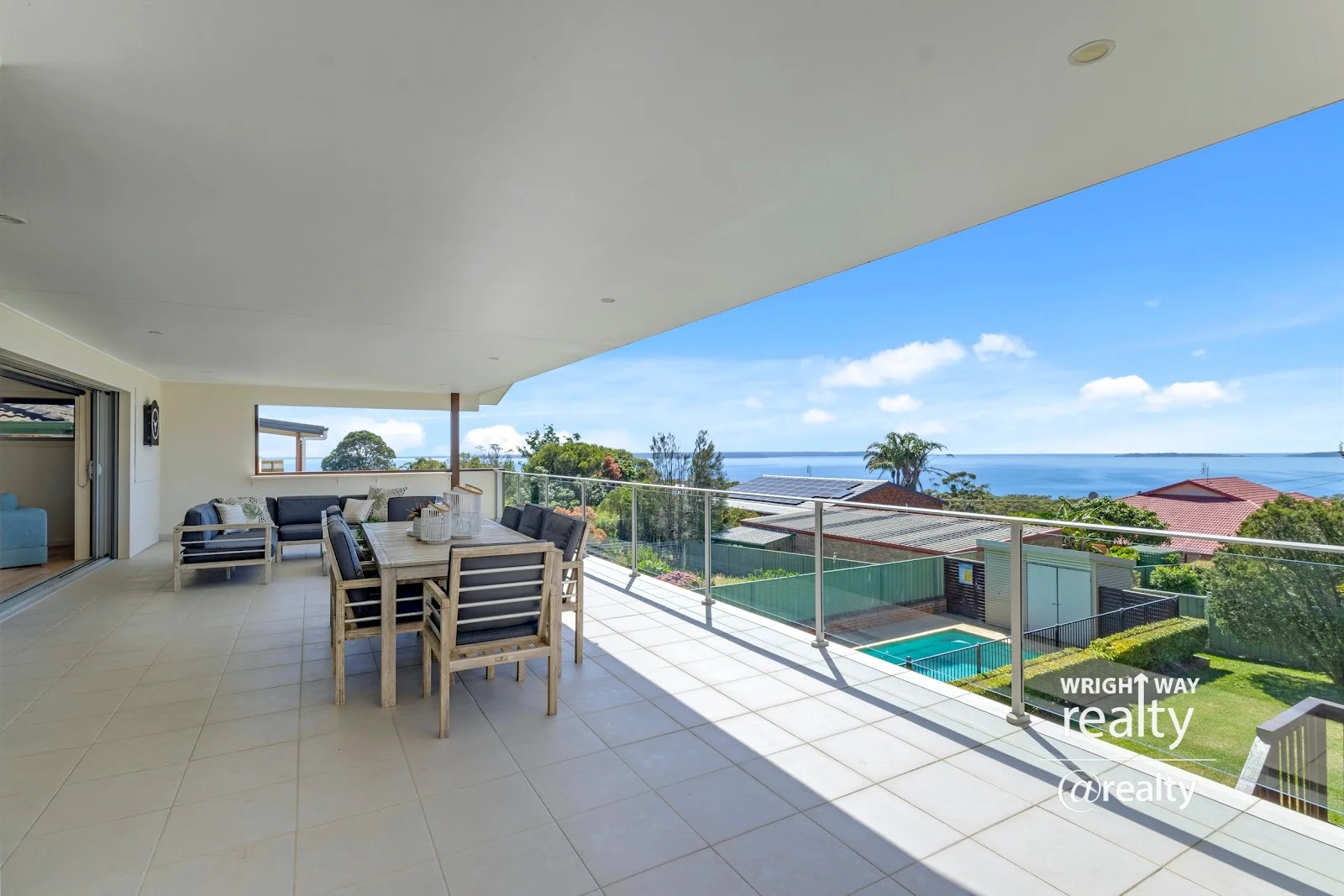 $2,750,000
House
$2,750,000
House
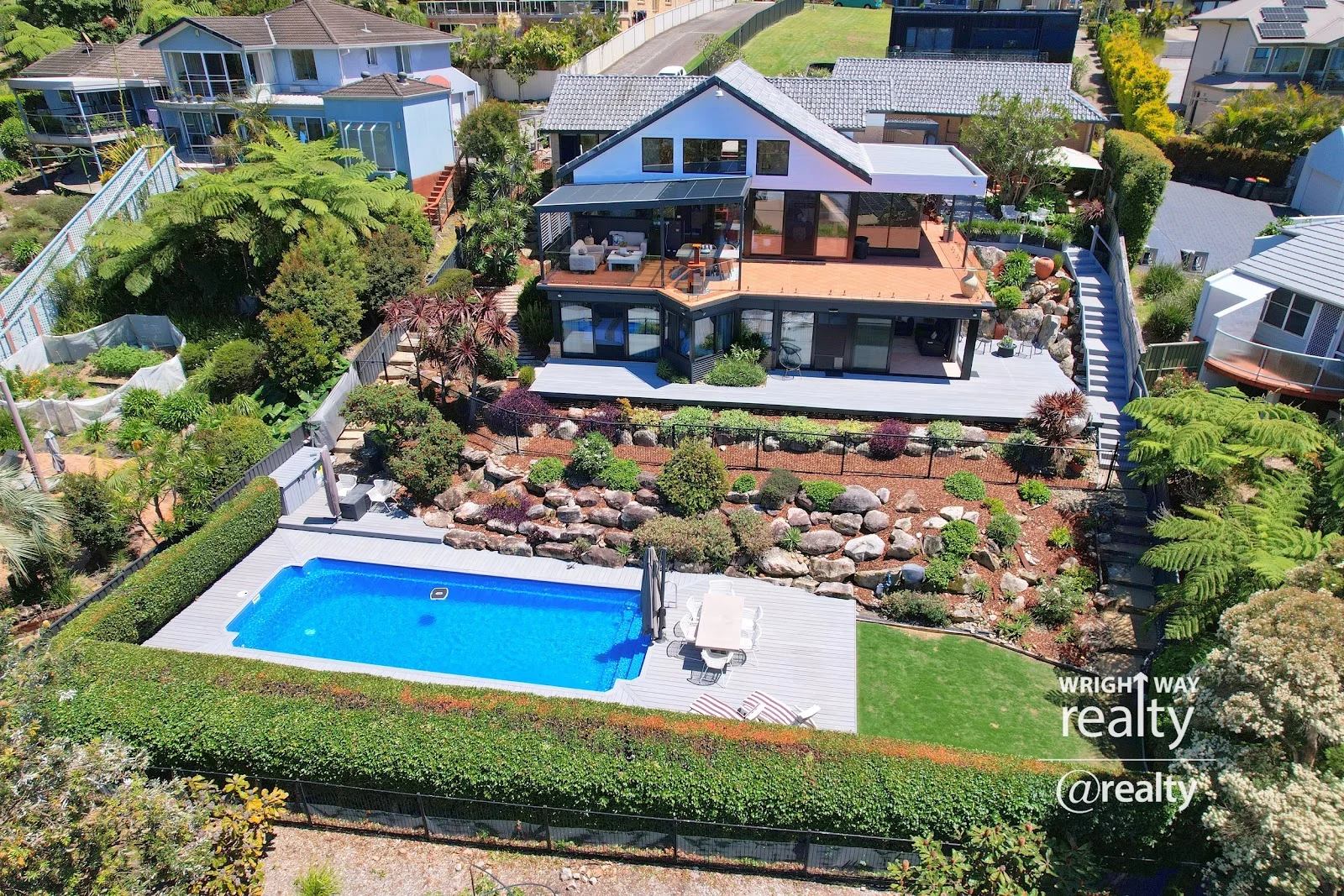 $2,200,000 - $2,400,000
House
$2,200,000 - $2,400,000
House
 $1,100,000
House
$1,100,000
House


