## 1. Overview
Tomerong Public School is a public NSW government primary school serving the local Tomerong community. As a small, rural school, it emphasises a nurturing, inclusive environment where students feel part of a tight-knit learning family. The school fosters a positive atmosphere that supports both academic achievement and personal growth.
- School type: Public
- School size: Small
- Class size: Typically small to medium classes; multi-age arrangements may be used in some year levels
- Atmosphere/culture: Nurturing, inclusive, community-focused
---
## 2. Academics & Learning
Tomerong Public School focuses on strong literacy and numeracy foundations and opportunities for student leadership and creativity. The learning environment aims to develop confident communicators, critical thinkers and problem solvers, with a clear emphasis on student wellbeing as part of academic progress.
- Academic strengths: English/literacy, numeracy, STEM awareness, student leadership opportunities
- Special programs: Gifted and talented opportunities where available, integration of digital technologies and coding in learning
- NAPLAN / trends: NSW public schools typically show year-to-year variation with gradual improvement trends in literacy and numeracy as programs stabilized; specific trends for Tomerong PS should be confirmed with the school
- Student-teacher ratios: Small to medium class groups; ratio generally favorable for individual attention
- Support for diverse learners: EAL and SEN support available; dedicated staff and aides to assist diverse learning needs
---
## 3. Sports & Extracurricular Strengths
Extracurriculars at Tomerong Public School focus on balanced development, with sports and activities that appeal to students and families.
- Sports offered: Seasonal team sports such as football codes (e.g., rugby league, soccer), cricket, athletics, netball; additional activities dependent on resources and partnerships
- Strong teams or achievements: Participation in district-level events and inter-school competitions; success varies by year and cohort
- Music, arts, drama programs: Music and performing arts opportunities, celebrations and showcases
- Clubs: Robotics, chess, coding, and debating programs are available where staffing and resources permit
- Partnerships: Local community groups, district competitions and opportunities for external clinics or events
Note: Availability of specific programs may vary; check with the school for current offerings.
---
## 4. Wellbeing & Pastoral Care
Wellbeing is a central focus, with structures and practices designed to support every child’s emotional and social development.
- Anti-bullying approach: Clear policies and proactive programs to promote respectful relationships and safe school culture
- House system: House-based activities and competitions to foster belonging and teamwork
- Counsellors / wellbeing officers: Access to pastoral care supports; school staff coordinate wellbeing initiatives
- Transition support for new students: Orientation activities, buddy systems and transition programs to help new students settle in
---
## 5. Facilities
Tomerong Public School provides a functional set of facilities to support a well-rounded education in a rural setting.
- Sports grounds
- Library
- Science facilities (labs or science learning spaces)
- Music/performing arts space
- Tech/innovation resources
- Canteen or on-site catering options (where available)
- Playgrounds and outdoor learning spaces
Visual and practical, designed to support everyday learning and activities.
---
## 6. School Values & Community Culture
The school emphasises a values-driven, inclusive culture that supports student growth inside and outside the classroom.
- School values / mission: Respect, responsibility, resilience, and community-mindedness
- Leadership style: Distributed leadership with teacher and student involvement in school initiatives
- Behaviour expectations: Clear codes of conduct and positive reinforcement strategies
- Community reputation: A close-knit rural school with strong community ties and parental involvement
- Diversity & inclusion: Commitment to an inclusive environment for students from diverse backgrounds
---
## 7. School Logistics & Daily Operations
Practical information to help families plan around school life.
- School hours: Typical primary hours (e.g., around 9:00 am–3:00 pm); variations may occur on excursion or activity days
- Before/after school care: OSHC or community-based care options may be available
- Uniform requirements: School uniform expected as part of daily dress
- Transport: Bus routes and local transport options available; check the school for current arrangements
- Canteen availability: Canteen or snack services on school days where available
- Fees: NSW public schools generally charge minimal voluntary contributions and optional fees for activities; confirm current costs with the school
---
## 8. Enrolment & Admissions
11. What is the enrolment process and timeline?
- Enrolment is typically completed through the NSW Department of Education process for local public schools. Parents should submit the enrollment form, provide required documentation (birth certificate, proof of address, immunisation records, etc.), and observe any local timelines set by the school.
12. Is there a waiting list, and how does it work?
- Enrolments are usually prioritized by catchment (in-zone) status. If the school is at capacity, there may be a waiting list; contact the administration for the current process and waiting list details.
13. Are there any entry requirements, tests, or interviews?
- NSW public primary schools generally do not require entrance tests. There may be standard documentation and, in rare cases, a brief orientation or introduction meeting, but formal interviews are not typical.
14. Does the school accept mid-year transfers?
- Mid-year transfers can be possible subject to space and placement; communicate with the school administration to understand availability and timelines.
---
## 9. Frequently Asked Questions
- Why Parents Choose This School?
- A small, supportive, community-focused environment with accessible teachers and strong emphasis on wellbeing and individual attention.
- What type of student thrives at this school?
- Students who enjoy a close-knit community, individualized support, and participation in a broad range of activities and clubs.
- What opportunities are available for students to extend their skills (academics, sports, arts)?
- Literacy and numeracy development, STEM activities, leadership opportunities, sport, music and arts programs, and clubs where available.
- How does the school communicate with parents?
- Regular communications through newsletters, notices, parent meetings, and digital platforms as appropriate to the school.
- What is the school’s approach to teaching and learning?
- A balanced approach combining core literacy and numeracy with inquiry-based and hands-on learning, plus focus on student wellbeing.
- How does the school support students who need extra academic help?
- Targeted support within class, specialist staff or aides where available, and differentiation in instruction.
- What support is available for academic challenges?
- In-class differentiation, access to learning supports, and referral to additional programs or external services as needed.
- How does the school communicate with parents? (Repeated)
- See above: newsletters, meetings, and digital updates.
- What are the class sizes and how much individual attention do students receive?
- Class sizes tend to be smaller in a rural setting, enabling more individual attention; exact numbers vary by year and cohort.
- What extracurricular and sports opportunities are available?
- A range of sports across seasons, plus clubs such as robotics, chess, coding, and debating, subject to staffing and resources.
- What facilities does the school offer (sports, science, arts)?
- Sports grounds, library, science facilities, music/performing arts spaces, and tech/innovation resources, plus canteen and playgrounds where available.
- What is the school’s approach to technology and digital learning?
- Integration of digital technologies and coding within the curriculum where possible, with access to devices and learning platforms as available.
- What transport and accessibility options are available?
- Local bus routes or transport options; check current arrangements with the school.
- What are the typical school fees or additional costs?
- Generally low to moderate, with optional activities and excursions incurring extra costs; confirm current charges with the school.
---
## 10. Short Pros & Cons list
- Pros
- Small, close-knit community with individualized attention
- Supportive wellbeing and inclusive environment
- Broad range of activities and clubs for a well-rounded education
- Opportunities for leadership and student involvement
- Accessible to families in a rural setting
- Cons
- Limited facilities or specialist subjects compared to larger urban schools
- Fewer course choices or extracurriculars may be available in some years
- Commute/travel considerations for high school or certain activities
- Availability of some programs may vary year to year based on staffing and budget


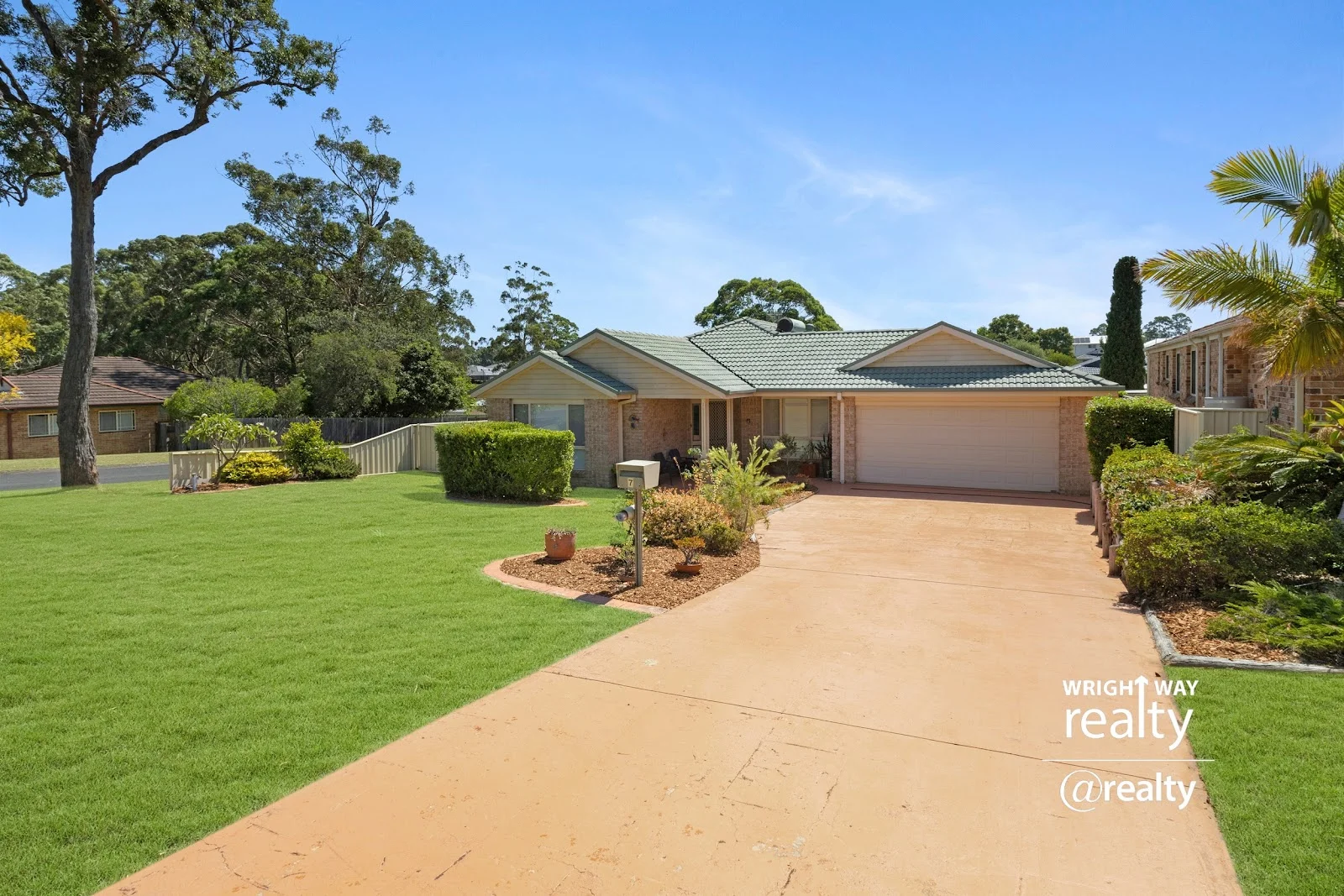 $850,000 - $900,000
House
$850,000 - $900,000
House
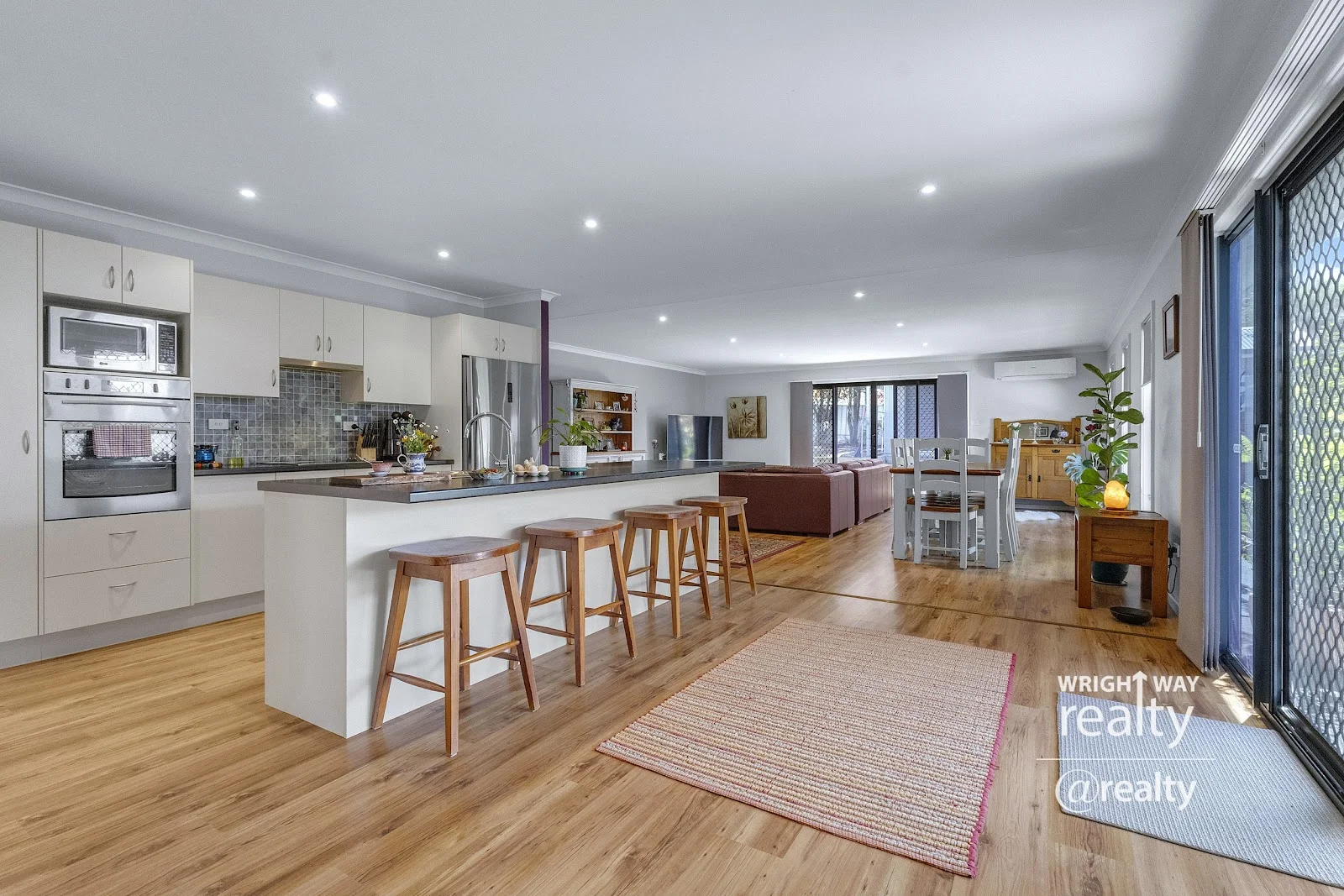 $1,100,000
House
$1,100,000
House
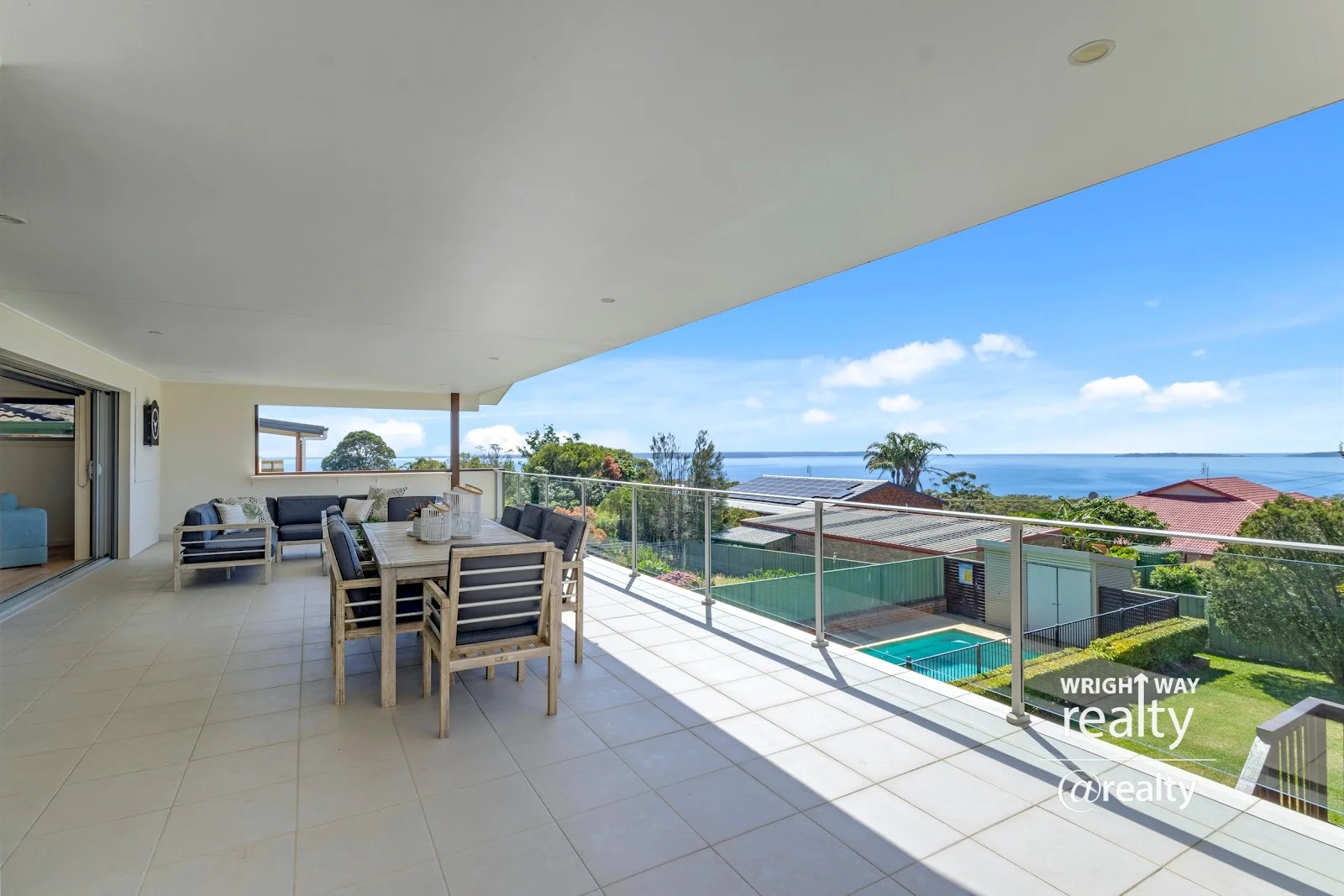 $2,750,000
House
$2,750,000
House
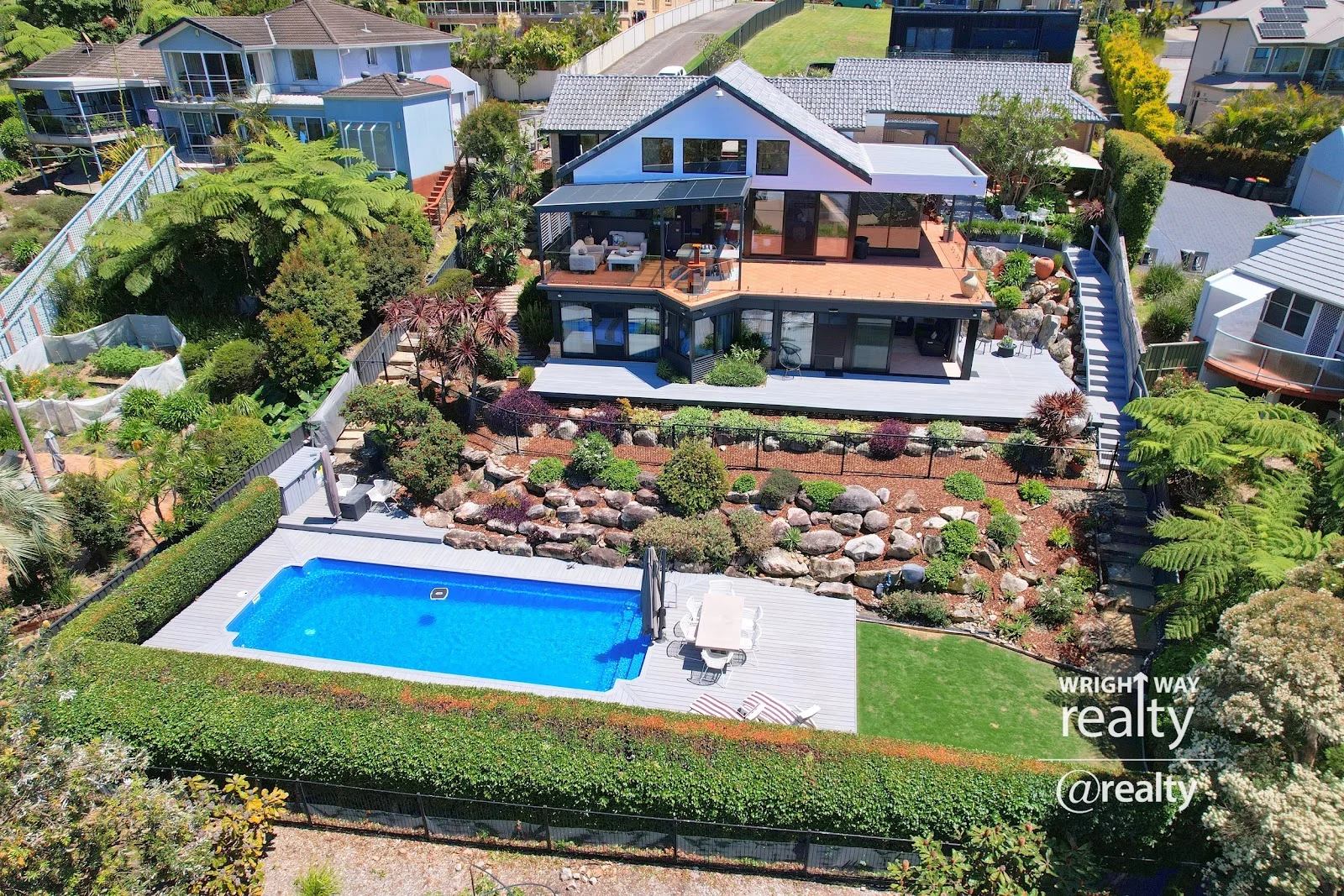 $2,200,000 - $2,400,000
House
$2,200,000 - $2,400,000
House


