## Overview
Huskisson Public School is a public, co-educational primary school serving the Huskisson community on the NSW South Coast. The school has a small, close-knit profile that supports a nurturing and inclusive culture, helping students feel connected and supported.
The school emphasises strong literacy and numeracy foundations, with opportunities for student leadership, sport, and everyday learning in a coastal Australian context. Class sizes are small to medium, enabling close teacher–student relationships and personalised support to help every child thrive.
⸻
## Academics & Learning
- Academic strengths: Focus on literacy and numeracy, with opportunities to explore science and digital technology across the curriculum. The school encourages inquiry and hands-on learning to build critical thinking skills.
- Special programs: Leadership opportunities for students, digital literacy and technology integration, and participation in school-wide learning initiatives.
- NAPLAN / Ofsted trends: NSW public schools typically emphasise continuous improvement in literacy and numeracy; Huskisson Public School aligns with state priorities to support student growth over time.
- Student-teacher ratios: Small to medium class sizes that support frequent teacher-student interactions and targeted feedback.
- Support for diverse learners: Strong support for EAL and SEN, with inclusive practices and access to appropriate support services to help all students engage and progress.
⸻
## Sports & Extracurricular Strengths
- Sports offered: A range of team and individual sports suitable for primary-aged students, with opportunities for participation in inter-school and local competitions.
- Strong teams or achievements: School participates in local sport events and aims to develop teamwork, resilience, and sportsmanship.
- Music, arts, drama programs: Active music and performing arts activities, including opportunities for school-wide performances and assemblies.
- Clubs: Robotics, coding, chess, and debating programs are available to extend learning beyond core subjects.
- Partnerships: Local community connections and regional events support broader opportunities in sport, arts, and STEM activities.
⸻
## Wellbeing & Pastoral Care
- Anti-bullying approach: Clear inclusive etiquette and wellbeing programs aimed at fostering a respectful school climate.
- House system: House-based activities and competitions to build belonging and student leadership.
- Counsellors / wellbeing officers: Access to wellbeing support to monitor student welfare, with a focus on social-emotional development.
- Transition support for new students: Structured induction and buddy systems to help new students settle in smoothly.
⸻
## Facilities
- Sports grounds: School grounds designed for a variety of physical activities.
- Libraries: Central library resources to support reading and research.
- Science labs: Dedicated spaces for practical science learning and experiments.
- Music/performing arts centers: Areas for music practice, performances, and drama activities.
- Tech/innovation labs: Resources to support digital learning, coding, and STEM projects.
- Cafeteria: On-site canteen or dining facilities that provide meals or snacks.
- Updated playgrounds: Well-maintained outdoor play spaces for breaks and recreation.
⸻
## School Values & Community Culture
- School values / mission: Emphasis on respect, responsibility, inclusion, and community involvement.
- Leadership style: Student voice and leadership opportunities, with collaborative decision-making and teacher mentorship.
- Behaviour expectations: Clear behavioural guidelines that promote safe, respectful conduct and positive relationships.
- Community reputation: A welcoming, family-oriented school culture with active involvement from families and local community partners.
- Diversity & inclusion: Commitment to embracing diversity and ensuring inclusive practices across the school.
⸻
## School Logistics & Daily Operations
- School hours: Typical daily schedule aligned with NSW public school timings.
- Before/after school care: Availability of before- and after-school care options or programs.
- Uniform requirements: NSW public school uniform standards with clear expectations.
- Transport (train/bus routes): Local transport options available to families; information on bus/routes may be provided by the school or local council.
- Canteen availability: On-site or nearby canteen services for students.
- Fees (low/medium/high ranges): As a public school, fees are generally in the low to moderate range, with possible voluntary contributions or activity fees for certain programs.
⸻
## Enrolment & Admissions
11. What is the enrolment process and timeline?
- Enrolments are handled through the NSW Department of Education process. Families typically submit an online or in-person enrolment application through the school, with required documentation (proof of address, child’s immunisation history, birth certificate or passport, etc.). Notification of placement or further steps usually occurs within the standard annual timelines set by the department, with communication from the school about any local deadlines and next steps.
12. Is there a waiting list, and how does it work?
- Some situations may involve a waiting list, particularly if the school is at capacity or if there are in-catchment priorities. Waitlist decisions are typically guided by NSW Department of Education policy, with priority given to in-catchment applicants. The school will advise families of expected timelines and any actions required to remain on a list.
13. Are there any entry requirements, tests, or interviews?
- For most NSW public primary schools, entry does not require entrance exams. The process focuses on eligibility within the catchment area and provides assessment or information as needed to support placement and transition. Families may be asked to provide immunisation records and previous school documentation if transferring from another school.
14. Does the school accept mid-year transfers?
- Mid-year transfers are considered subject to vacancies and available space. If there is space, families can apply for a mid-year transfer, typically with last term/semester reports and a transition plan to support the student’s adjustment. The school will coordinate with you on start dates and required documentation.
⸻
## Frequently Asked Questions
- Why Parents Choose This School?
- A small, supportive public primary setting with a focus on literacy and numeracy, inclusive practices, and strong ties to the local community.
- What type of student thrives at this school?
- Students who respond well to a nurturing, collaborative learning environment with opportunities for leadership, sport, and creativity.
- What opportunities are available for students to extend their skills (academics, sports, arts)?
- A range of programs across core academics, digital literacy, sports, music/arts, and clubs such as robotics, coding, chess, and debating.
- How does the school communicate with parents?
- Regular updates through newsletters, parent meetings, notices during school events, and digital communication channels as part of the school’s engagement practice.
- What is the school’s approach to teaching and learning?
- An emphasis on foundational literacy and numeracy, inquiry-based learning, and real-world applications to develop critical thinking and problem-solving.
- How does the school support students who need extra academic help?
- Targeted support within the classroom, access to specialist staff or programs as needed, and collaboration with families to plan personalised learning strategies.
- What support is available for academic challenges?
- In-class differentiation, targeted interventions, and coordinated support from teaching staff and wellbeing personnel to keep students engaged and progressing.
- How does the school communicate with parents? (Duplicate)
- See above: regular updates, meetings, and digital communications.
- What are the class sizes and how much individual attention do students receive?
- Class sizes are small to medium, enabling frequent teacher-student interactions and personalised feedback.
- What extracurricular and sports opportunities are available?
- A range of sports and clubs (including robotics, coding, chess, debating) and performing arts activities to broaden experiences beyond the classroom.
- What facilities does the school offer (sports, science, arts)?
- Well-equipped spaces for sports, libraries, science labs, music/arts, and technology-enabled learning areas.
- What is the school’s approach to technology and digital learning?
- Integration of digital literacy into learning, with access to technology resources to enhance student engagement and 21st-century skills.
- What transport and accessibility options are available?
- Local transport options are available; families should check specific routes with the school or local transport providers.
- What are the typical school fees or additional costs?
- As a NSW public school, core fees are typically modest; additional costs may apply for optional activities, events, or materials.
⸻
## Short Pros & Cons list
- Pros:
- Small to medium class sizes fostering individual attention
- Nurturing, inclusive culture with strong community links
- Broad range of academic, arts, and sports opportunities
- Support for diverse learners (EAL, SEN)
- Emphasis on student leadership and wellbeing
- Cons:
- As a smaller school, there may be fewer specialised programs than larger urban schools
- Availability of certain clubs and facilities can vary year to year based on enrollment and staffing
- Transport options may depend on local routes and catchment constraints
⸻





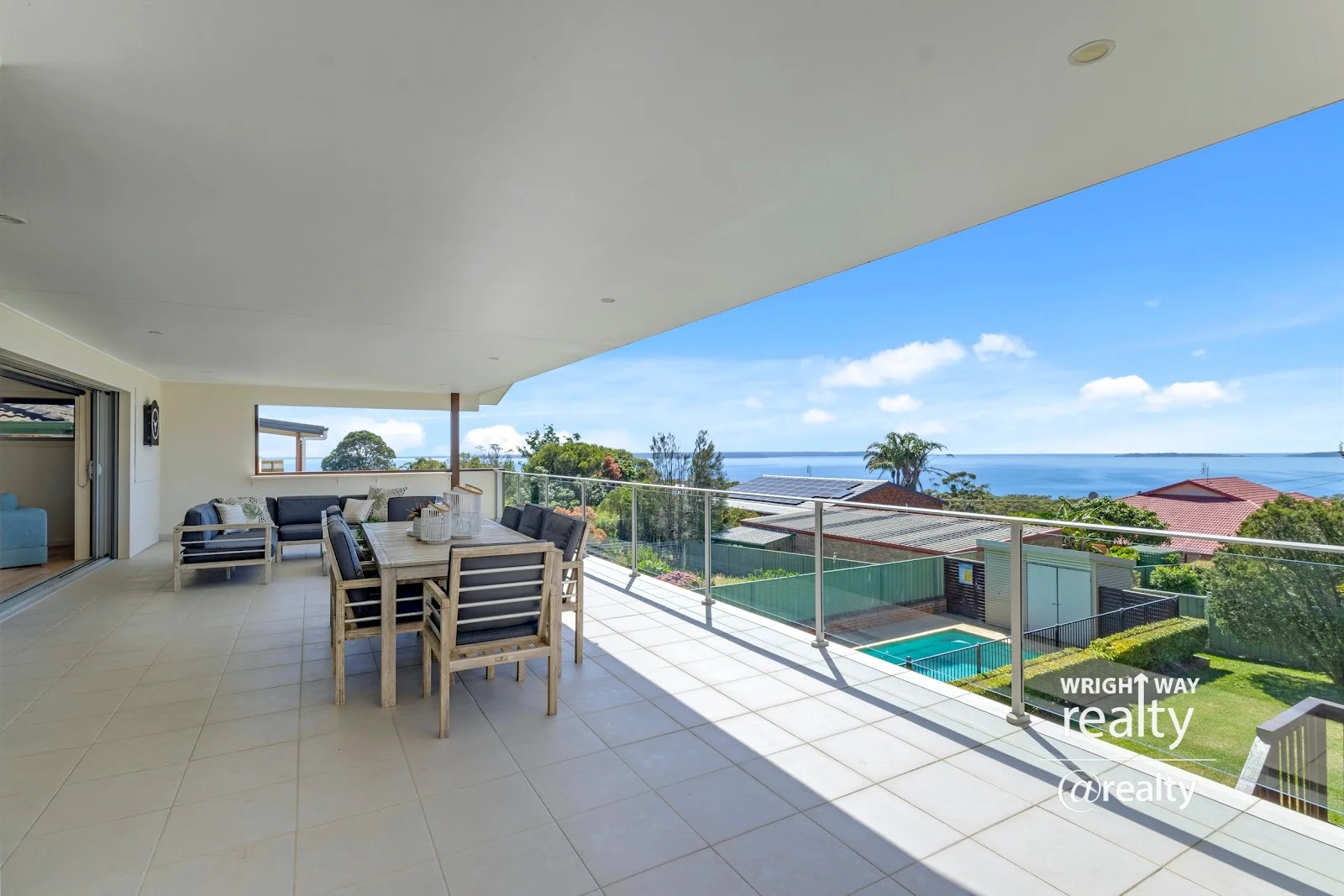 $2,750,000
House
$2,750,000
House
 $2,200,000 - $2,400,000
House
$2,200,000 - $2,400,000
House
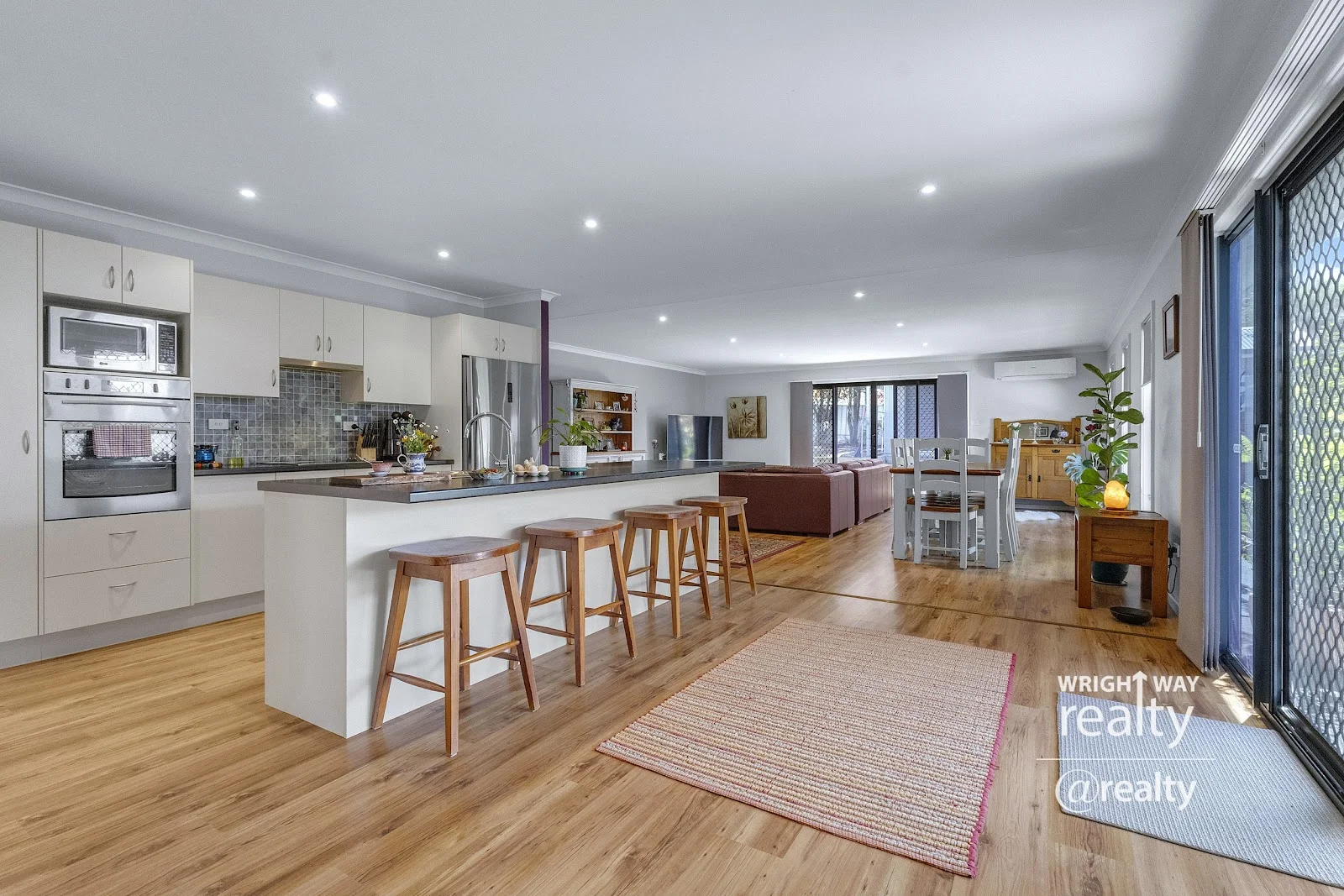 $1,100,000
House
$1,100,000
House
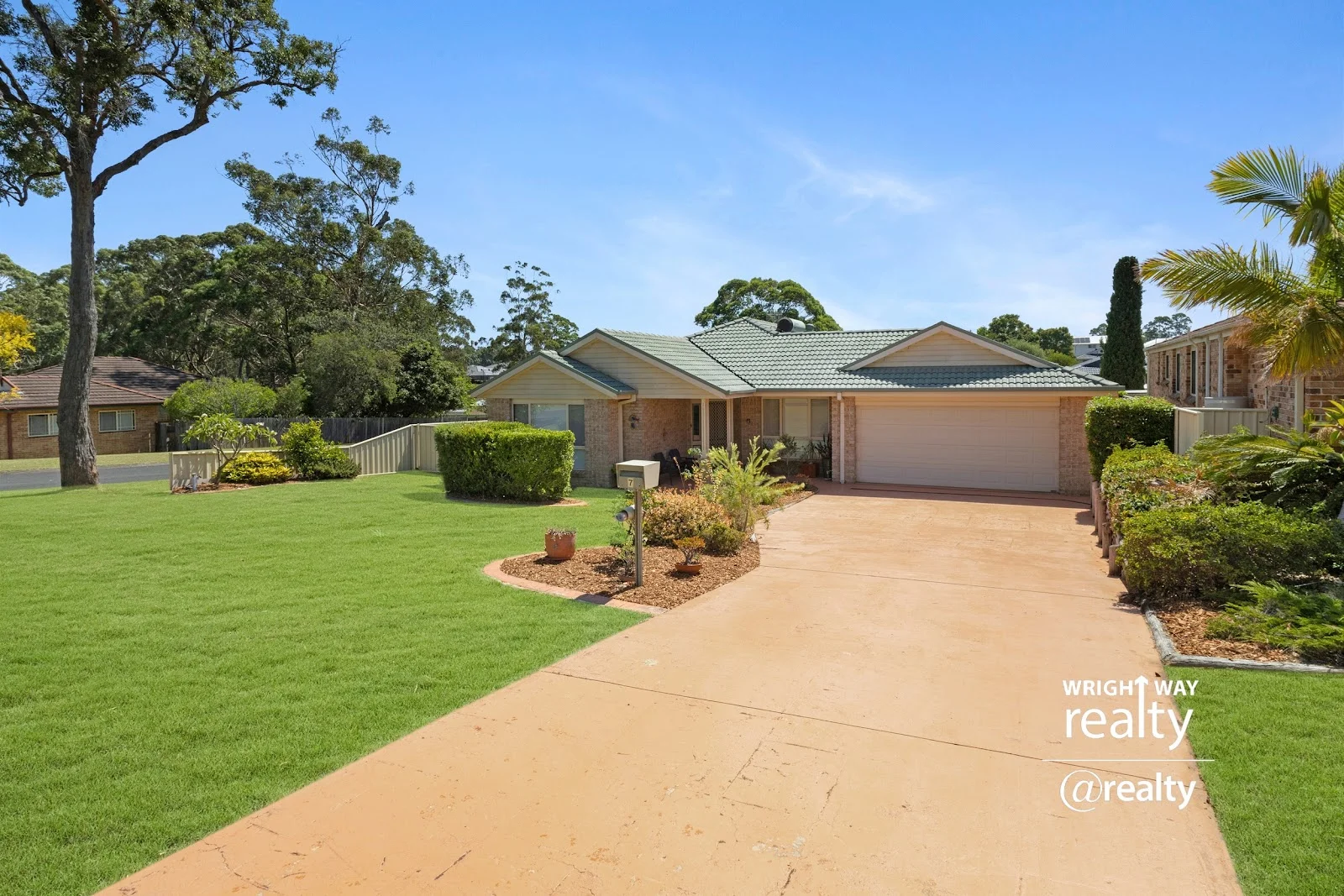 $850,000 - $900,000
House
$850,000 - $900,000
House


