## 1. Overview
Vincentia Public School is a public NSW primary school serving families in the Vincentia area. As a public school, it offers Kindergarten to Year 6 education with a focus on building confident, capable learners and a strong sense of community. The school aims to create an inclusive, supportive environment where students can thrive academically, socially, and physically.
The school is medium-sized, with class sizes typically in the low to mid-20s, enabling close teacher support and opportunities for student collaboration. The atmosphere is nurturing and community-focused, emphasising student wellbeing, participation, and a welcoming culture that encourages every child to contribute and grow.
## 2. Academics & Learning
- Academic strengths: solid foundations in English and mathematics, with a focus on literacy and numeracy as core priorities. There are opportunities for STEM-inspired learning, creative arts, and digital literacy woven into the curriculum.
- Special programs: Gifted and Talented Education (GATE) or enrichment opportunities are offered where appropriate, with targeted extension and flexible learning options to suit advanced learners.
- NAPLAN / trends: historical trends show stable performance with steady growth in key areas such as reading and numeracy; the school tracks progress year by year and aims to maintain or improve outcomes relative to state averages.
- Student-teacher ratios: small to medium class sizes support a healthy student-teacher ratio, typically around 1 teacher for about 22–25 students, allowing more individualized attention.
- Support for diverse learners: dedicated support for diverse learners, including EAL/D (English as an Additional Language/Dialect) programs and targeted support for students with additional learning needs (SEN) through a learning support team and targeted interventions.
## 3. Sports & Extracurricular Strengths
- Sports offered: a range of team and individual sports typical for NSW primary schools, including soccer, netball, cricket, rugby league, athletics, swimming, and cross-country.
- Strong teams or achievements: participation in district and regional events; opportunities to develop teamwork and sportsmanship through school teams and inter-school competitions.
- Music, arts, drama programs: active music program with opportunities for choir, ensemble performance, and school productions; involvement in arts and drama activities to showcase creativity.
- Clubs: robotics, coding, chess, debating and other clubs designed to foster problem-solving, strategic thinking, and public speaking.
- Partnerships: collaborations with local clubs and community groups for coaching, competitions, and enrichment experiences; opportunities to participate in local events and festivals.
## 4. Wellbeing & Pastoral Care
- Anti-bullying approach: clear anti-bullying policies and a positive behaviour framework to promote respectful interactions and safe learning environments.
- House system: a house-based structure for school-wide events and competitions, fostering belonging and healthy competition among students.
- Counsellors / wellbeing officers: access to school wellbeing staff or a counsellor to support emotional health, resilience, and social development.
- Transition support for new students: orientation activities, buddy systems, and targeted support to help new students settle in smoothly and build friendships.
## 5. Facilities
- Sports grounds: on-site sports facilities and accessible outdoor play spaces for physical activity and events.
- Libraries: a school library that supports reading engagement and research skills.
- Science labs: age-appropriate science spaces to support hands-on inquiry and experiments.
- Music/performing arts centers: spaces for music lessons, performances, and drama activities.
- Tech/innovation labs: access to digital devices and technology-enabled learning environments.
- Cafeteria: on-site canteen or servery supporting healthy choices and school nutrition programs.
- Updated playgrounds: modern, safe play areas with opportunities for outdoor learning and recreation.
## 6. School Values & Community Culture
- School values / mission: a clear set of values focused on respect, responsibility, inclusivity, and a growth mindset; emphasis on student voice and active participation in shaping school life.
- Leadership style: collaborative leadership that often involves student input, teacher collaboration, and strong family engagement.
- Behaviour expectations: consistent expectations across the school with restorative approaches to discipline and a focus on building positive relationships.
- Community reputation: known for being welcoming to families, supportive of student wellbeing, and engaged with local communities.
- Diversity & inclusion: commitment to an inclusive environment where students from diverse backgrounds feel valued and able to participate fully.
## 7. School Logistics & Daily Operations
- School hours: typical primary school hours (for example, around 9:00 am–3:00 pm with variations depending on year level and activities).
- Before/after school care: OSHC or similar programs may be available to extend care beyond school hours.
- Uniform requirements: school uniform policy with specified daily wear; seasonal variations and sport uniform options are provided.
- Transport (train/bus routes): access to local bus routes or public transport; families may rely on walking, riding, or bus services for commuting.
- Canteen availability: on-site or snack facilities available to support students during the school day.
- Fees (low/medium/high ranges): public schools generally have low to moderate voluntary contributions and charges for activities; details are provided by the school each year.
## 8. Enrolment & Admissions
- What is the enrolment process and timeline? Enrolment is typically handled via the NSW public school system with documentation proving residency, immunisation status, and identity. Parents initiate enrolment through the school’s process (often coordinated with the local enrollment hub) with timelines aligned to the NSW school calendar.
- Is there a waiting list, and how does it work? Some intake periods may involve waiting lists; priority is usually given to catchment residents. When oversubscribed, a waitlist may be established and managed by the school or district.
- Are there any entry requirements, tests, or interviews? Primary school enrolment generally does not require entrance tests; there are no formal interviews for standard placements. Exceptional programs (where applicable) may have additional selection processes, but routine enrolment relies on documents and residency.
- Does the school accept mid-year transfers? Yes, subject to vacancy availability and NSW Department guidelines. Parents seeking mid-year transfer should contact the school promptly to discuss vacancies and the transfer process.
## 9. Frequently Ask Questions
- Why Parents Choose This School?
- A welcoming, inclusive community with strong focus on student wellbeing, academic foundation, and opportunities to participate in sports, arts, and clubs.
- What type of student thrives at this school?
- Students who enjoy a supportive learning environment, value collaboration, and want to engage in a balanced program of academics, sports, and creative activities.
- What opportunities are available for students to extend their skills (academics, sports, arts)?
- Access to enrichment programs, gifted/talented opportunities where offered, clubs (robotics, coding, chess, debating), and diverse sports and arts programs.
- How does the school communicate with parents?
- Regular updates through newsletters, emails, parent-teacher meetings, and digital platforms that share classroom progress and school news.
- What is the school’s approach to teaching and learning?
- A student-centred, evidence-based approach with a focus on core literacy and numeracy, inquiry-based learning, and inclusive practices to meet diverse needs.
- How does the school support students who need extra academic help?
- Targeted interventions, learning support staff, and access to EAL/D and SEN programs to assist students at different levels.
- What support is available for academic challenges?
- Additional tutoring, small-group instruction, and personalised learning plans where appropriate.
- How does the school communicate with parents? (Repeated)
- See above: newsletters, meetings, digital platforms, and direct contact with teachers and administration.
- What are the class sizes and how much individual attention do students receive?
- Class sizes are designed to be manageable for effective instruction, typically around 22–25 students per class, with opportunities for individual or small-group support.
- What extracurricular and sports opportunities are available?
- A broad range of sports, music and drama programs, and clubs such as robotics, coding, chess, and debating.
- What facilities does the school offer (sports, science, arts)?
- Sports grounds, libraries, science labs, music/performing arts spaces, tech/innovation labs, canteen, and updated playgrounds.
- What is the school’s approach to technology and digital learning?
- Integration of digital literacy and technology in learning, with devices and software used to support curriculum and creative projects.
- What transport and accessibility options are available?
- Local bus routes and walking/cycling options, with arrangements supported for families needing transport assistance.
- What are the typical school fees or additional costs?
- Public schools generally have low to moderate voluntary contributions; specific costs for excursions, activities, and materials vary by year and program.
## 10. Short Pros & Cons list
- Pros
- Public, inclusive environment with supportive staff and a focus on wellbeing.
- Moderate class sizes enabling individual attention and a nurturing atmosphere.
- Balanced program across academics, sports, arts, and clubs.
- Active opportunities for student leadership, clubs, and community involvement.
- Clear values and restorative approach to behaviour; strong sense of community.
- Cons
- As a mid-sized public school, choices for specialised programs may vary by year and cohort.
- Some programs or clubs may have limited slots or depend on volunteer or community partnerships.
- Transport options depend on local routes and availability; families may need to arrange or coordinate transport.





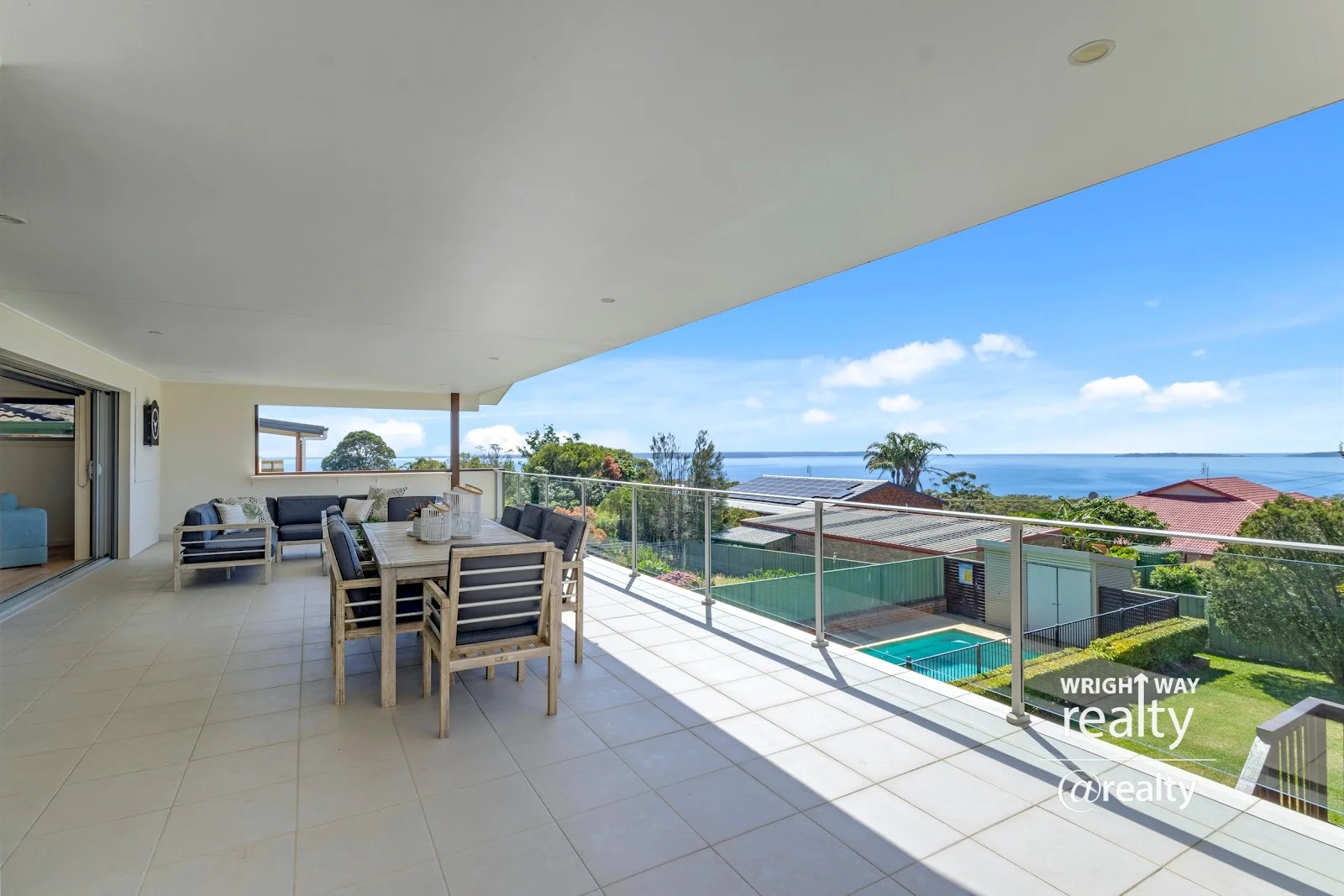 $2,750,000
House
$2,750,000
House
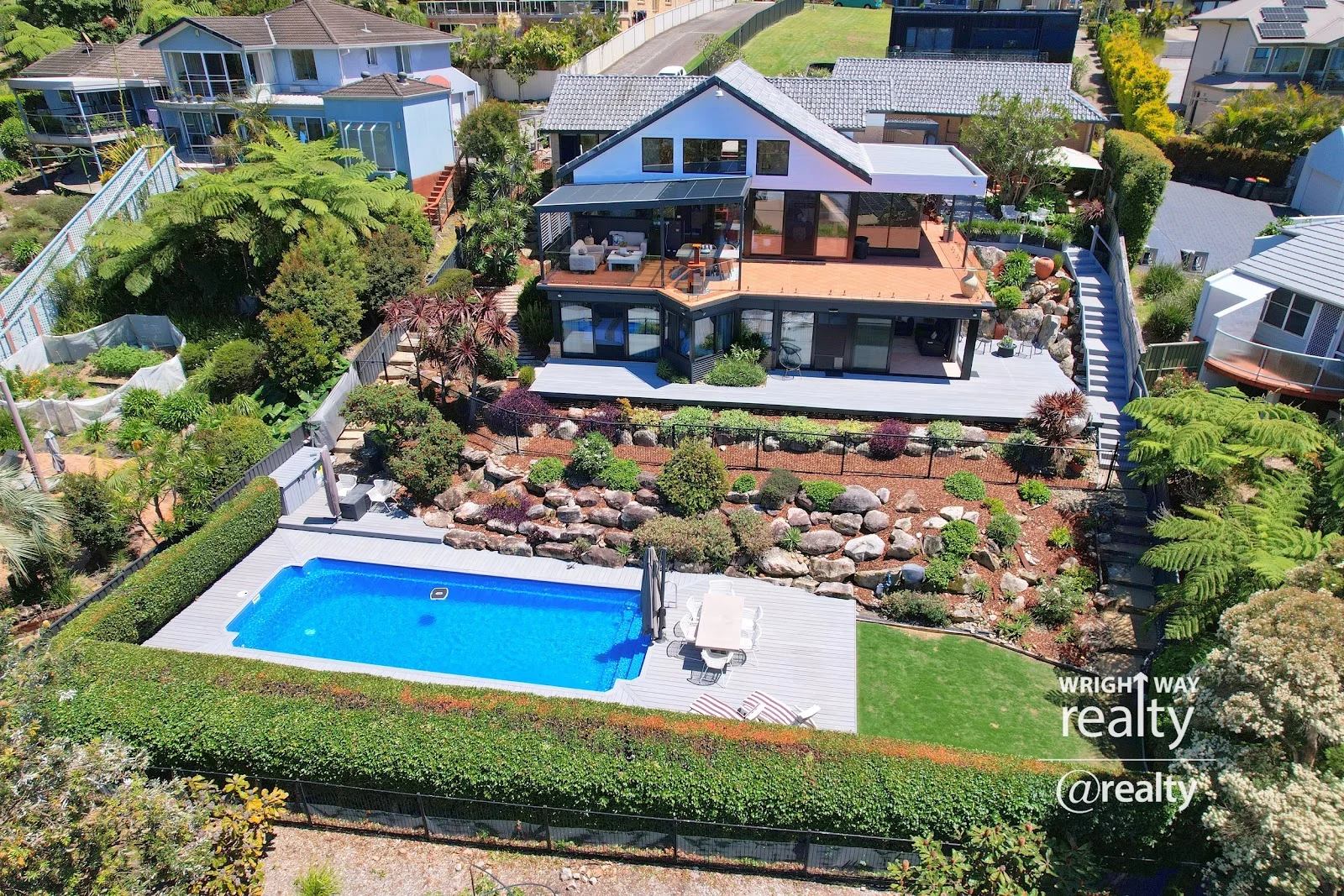 $2,200,000 - $2,400,000
House
$2,200,000 - $2,400,000
House
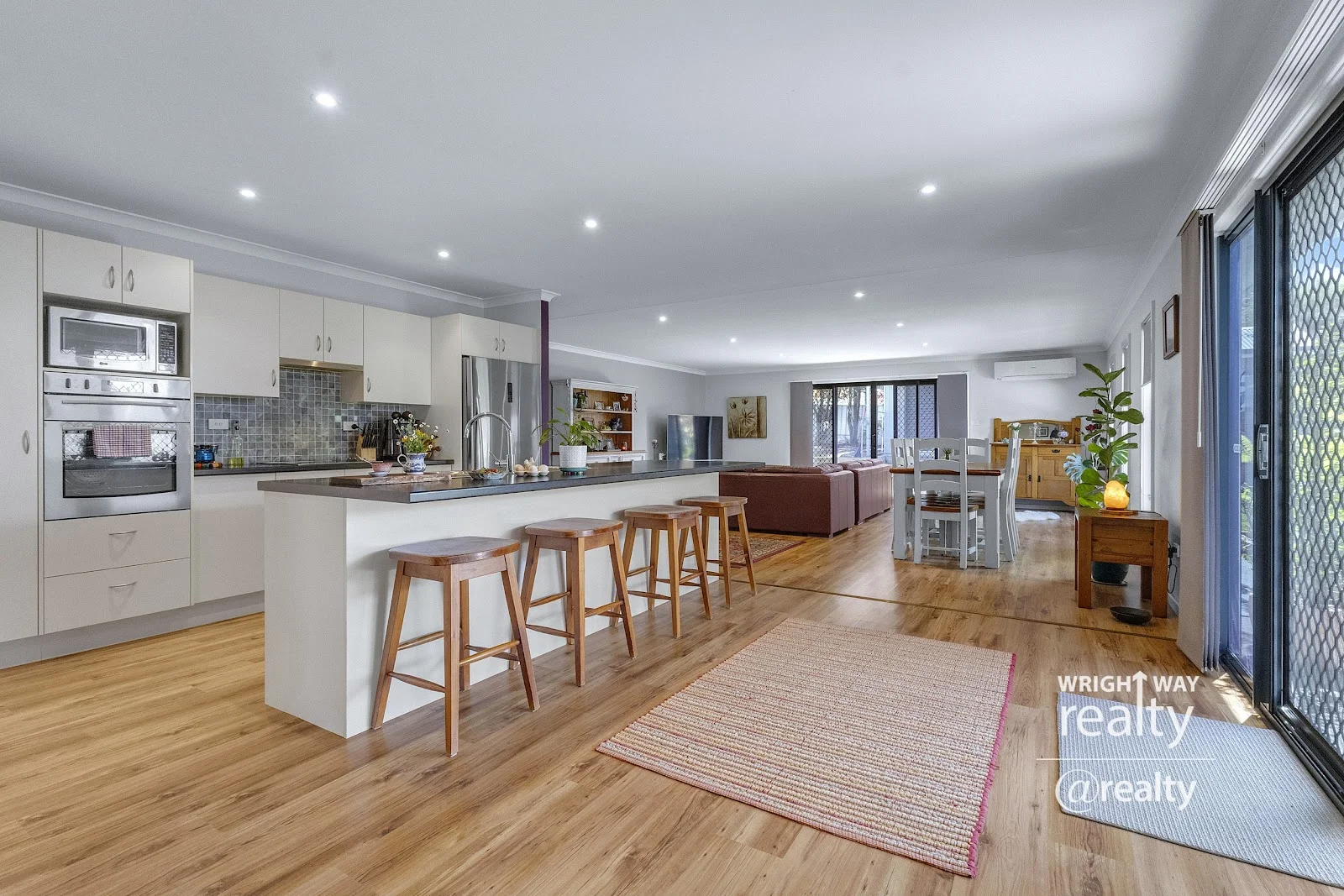 $1,100,000
House
$1,100,000
House
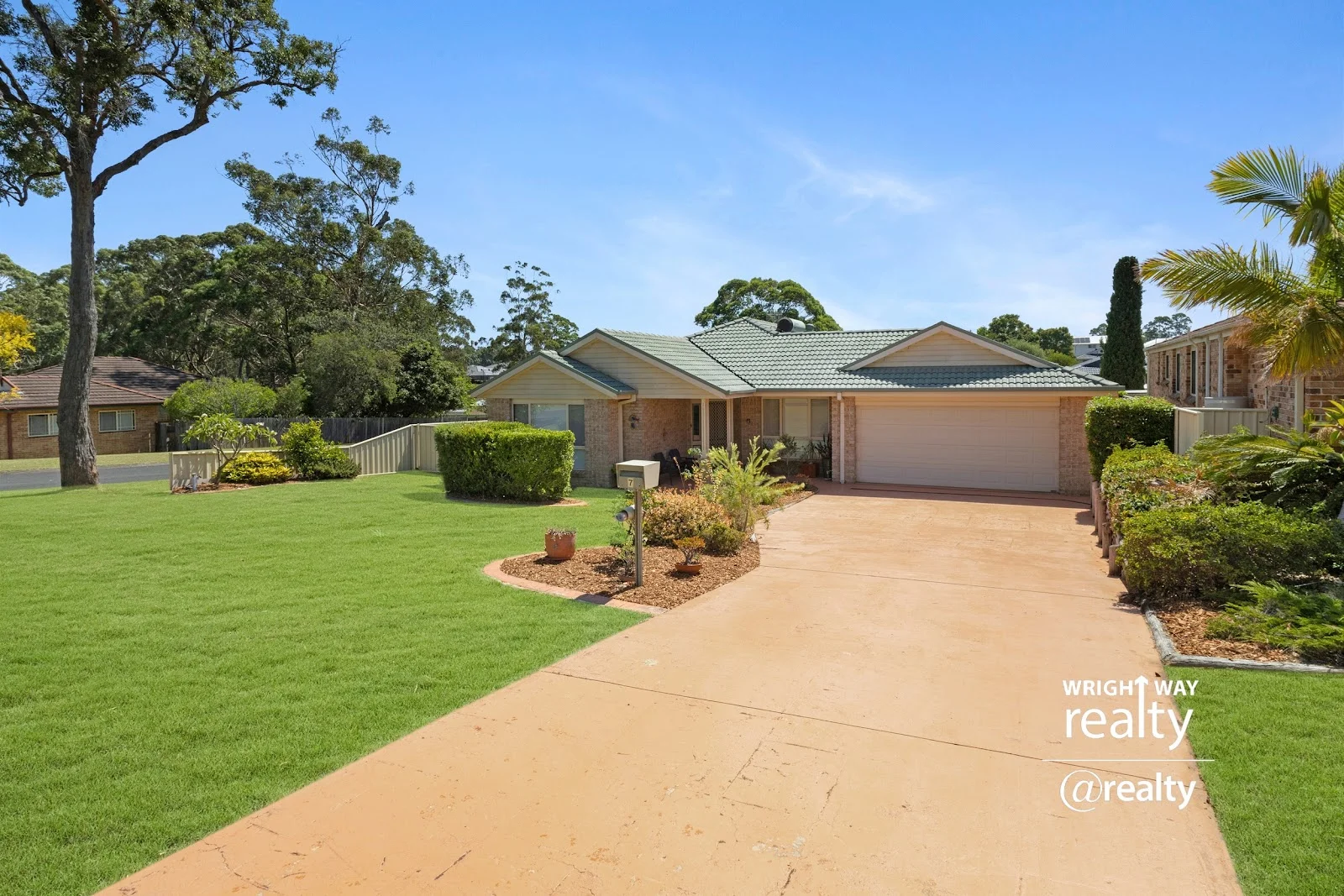 $850,000 - $900,000
House
$850,000 - $900,000
House


