## 1. Overview
Canterbury Girls' Secondary College is a public, government secondary school for girls in Canterbury, Victoria. The college serves students in the middle to senior years with a broad curriculum and a focus on academic achievement, wellbeing, and community values. It is a medium-to-large school with class sizes typically in the low 20s, fostering a supportive and respectful atmosphere where students are encouraged to strive for excellence while receiving strong pastoral support.
The school emphasises inclusive education, student leadership, and a welcoming community culture that brings families, staff, and students together. This environment aims to balance high educational expectations with nurturing relationships and opportunities for girls to develop confidence, resilience, and social responsibility.
⸻
## 2. Academics & Learning
- Academic strengths
- English, Mathematics, Science, Humanities, and Languages
- Strong emphasis on literacy and numeracy within a broad STEM, humanities, and arts curriculum
- Leadership, critical thinking, and communication skills are integrated across learning
- Special programs
- Victorian Curriculum with a clear pathway to VCE subjects
- Opportunities for extension and enrichment, including gifted and talented pathways
- Access to a range of elective subjects and interdisciplinary programs
- NAPLAN trends
- Generally shows consistent performance with steady or improving trends in reading and writing; numeracy trends are monitored and supported through targeted interventions
- Student-teacher ratios
- Class sizes are designed to be manageable (typical student-teacher contact supporting individual attention)
- Supportive teacher networks encourage regular feedback and monitoring of progress
- Support for diverse learners
- EAL (English as an Additional Language) support for students from diverse linguistic backgrounds
- SEN (Special Educational Needs) supports, learning adjustments, and targeted literacy/numeracy assistance
- Access to wellbeing and academic counselling to tailor learning plans
⸻
## 3. Sports & Extracurricular Strengths
- Sports offered
- Netball, basketball, volleyball, soccer, athletics, swimming, cricket, tennis, and more
- Inter-school and district competitions provide opportunities to excel
- Strong teams or achievements
- Active participation in local and regional sporting events with opportunities for leadership roles within teams
- Music, arts, drama programs
- Performing arts ensembles, school productions, and opportunities to pursue music and drama
- Clubs: robotics, chess, coding, debating
- A range of clubs to suit interests in STEM, strategic thinking, and communication
- Partnerships
- Collaborations with local clubs, community organizations, and inter-school competitions to broaden experience and challenge
⸻
## 4. Wellbeing & Pastoral Care
- Anti-bullying approach
- Clear anti-bullying policies and proactive programs to promote respectful behaviour and student safety
- House system
- House-based activities and competitions to foster belonging, leadership, and teamwork
- Counsellors / wellbeing officers
- Access to school counsellors and wellbeing staff to support academic and personal development
- Transition support for new students
- Orientation programs, buddy systems, and targeted supports to help new students settle in
⸻
## 5. Facilities
- Sports grounds
- Outdoor playing fields and courts for multiple sports
- Libraries
- Dedicated library spaces with resources for study and reading programs
- Science labs
- Modern science laboratories supporting Years 7–12 science learning
- Music/performing arts centers
- Spaces for music rehearsals, drama, and performance activities
- Tech/innovation labs
- Technology and digital learning spaces that support coding, robotics, and STEAM projects
- Cafeteria
- On-site canteen or dining facilities offering healthy options
- Updated playgrounds
- Welcoming, safe outdoor spaces for break times and recreation
⸻
## 6. School Values & Community Culture
- School values / mission
- Emphasis on respect, integrity, responsibility, inclusion, and excellence
- Leadership style
- Inclusive leadership with student voice elements (student councils, leadership roles)
- Behaviour expectations
- Clear behavioural expectations aligned with a positive, respectful school culture
- Community reputation
- Known for a welcoming, supportive environment with active involvement from families and the broader community
- Diversity & inclusion
- Commitment to diversity and an inclusive culture that supports all students
⸻
## 7. School Logistics & Daily Operations
- School hours
- Typical school day starts mid-morning to early afternoon with a finish aligned to Victorian government schedules (specific times published by the school)
- Before/after school care
- Availability may be provided via school programs or through local providers; please confirm current options
- Uniform requirements
- Official school uniform required (seasonal variations between summer and winter), with guidance on correct attire and accessories
- Transport (train/bus routes)
- Access via local bus routes and nearby train services; details on routes and schedules are available through public transport planners and the school
- Canteen availability
- On-site or affiliated canteen facilities offering standard school lunch options
- Fees (low/medium/high ranges)
- Being a public school, compulsory tuition is not charged, but there are standard subject contributions and levies; overall costs are moderate compared with private schooling
⸻
## 8. Enrolment & Admissions
11. What is the enrolment process and timeline?
- Enrolments for Year 7 entry typically follow the state Department of Education timelines, with applications submitted within the published window, followed by offer rounds and confirmation for the upcoming year. The school may publish specific dates each year.
12. Is there a waiting list, and how does it work?
- There may be a waiting list when demand exceeds places. Priority is commonly given to siblings and then to applicants based on policy and available places; the school informs families of their status and any next steps.
13. Are there any entry requirements, tests, or interviews?
- For a government school, entry generally relies on the standard enrolment process rather than selective testing. Some years may use interviews or short intake assessments as part of the transition, but specifics are published by the school each year.
14. Does the school accept mid-year transfers?
- Mid-year transfers can be possible if places are available. Prospective families should contact the school directly to confirm current capacity and the required documentation.
⸻
## 9. Frequently Ask Questions
- Why Parents Choose This School?
- A supportive, inclusive environment with strong wellbeing support, balanced academics, and opportunities across sports, arts, and clubs.
- What type of student thrives at this school?
- Students who are motivated, collaborative, and want a well-rounded education with emphasis on leadership, wellbeing, and community involvement.
- What opportunities are available for students to extend their skills (academics, sports, arts)?
- A broad academic program with extension options, diverse sports teams, music and drama programs, robotics and coding clubs, debating, and leadership opportunities.
- How does the school communicate with parents?
- Regular updates via newsletters, the school website, email, and parent portals; appointments with teachers and wellbeing staff.
- What is the school’s approach to teaching and learning?
- Student-centered learning within the Victorian Curriculum, with focus on literacy, numeracy, critical thinking, and 21st-century skills; emphasis on feedback and assessment for progress.
- How does the school support students who need extra academic help?
- EAL and SEN support, targeted literacy/numeracy interventions, tutoring options, and access to counsellors and academic staff for individual plans.
- What support is available for academic challenges?
- Additional tutoring, subject-specific support groups, and accommodations to learning plans; proactive monitoring of progress with teachers and coordinators.
- How does the school communicate with parents? (repeated)
- See above: newsletters, emails, parent portals, and scheduled meetings.
- What are the class sizes and how much individual attention do students receive?
- Class sizes are designed to be moderate, with dedicated teachers providing regular feedback and targeted support within the classroom.
- What extracurricular and sports opportunities are available?
- A wide range of clubs and sports including netball, basketball, athletics, swimming, robotics, chess, coding, debating, and music/drama programs.
- What facilities does the school offer (sports, science, arts)?
- Modern science labs, libraries, performing arts spaces, tech/innovation labs, sports grounds, and on-site canteen.
- What is the school’s approach to technology and digital learning?
- Integration of digital tools across the curriculum, with subject-specific technology and opportunities to engage in coding and STEM projects.
- What transport and accessibility options are available?
- Access via public transport (bus routes and nearby train services) with information available through the school and local transit planners.
- What are typical school fees or additional costs?
- Public-school levies and contributions for subjects; overall fees are moderate relative to private options; families may access support programs as needed.
⸻
## 10. Short Pros & Cons list
- Pros
- Public, inclusive environment with strong wellbeing support
- Broad curriculum offering academics, arts, and sports
- Active student leadership and community culture
- Access to diverse clubs and enrichment programs
- Moderate, transparent fee structure for a public school
- Cons
- As a public school, it may have higher demand and waiting lists
- Uniforms and some levies are required; costs can add up over time
- Specific programs or subjects may depend on yearly staffing and enrolments
⸻

 $57+
$57+












 $1,250,000
Apartment / Unit / Flat
$1,250,000
Apartment / Unit / Flat
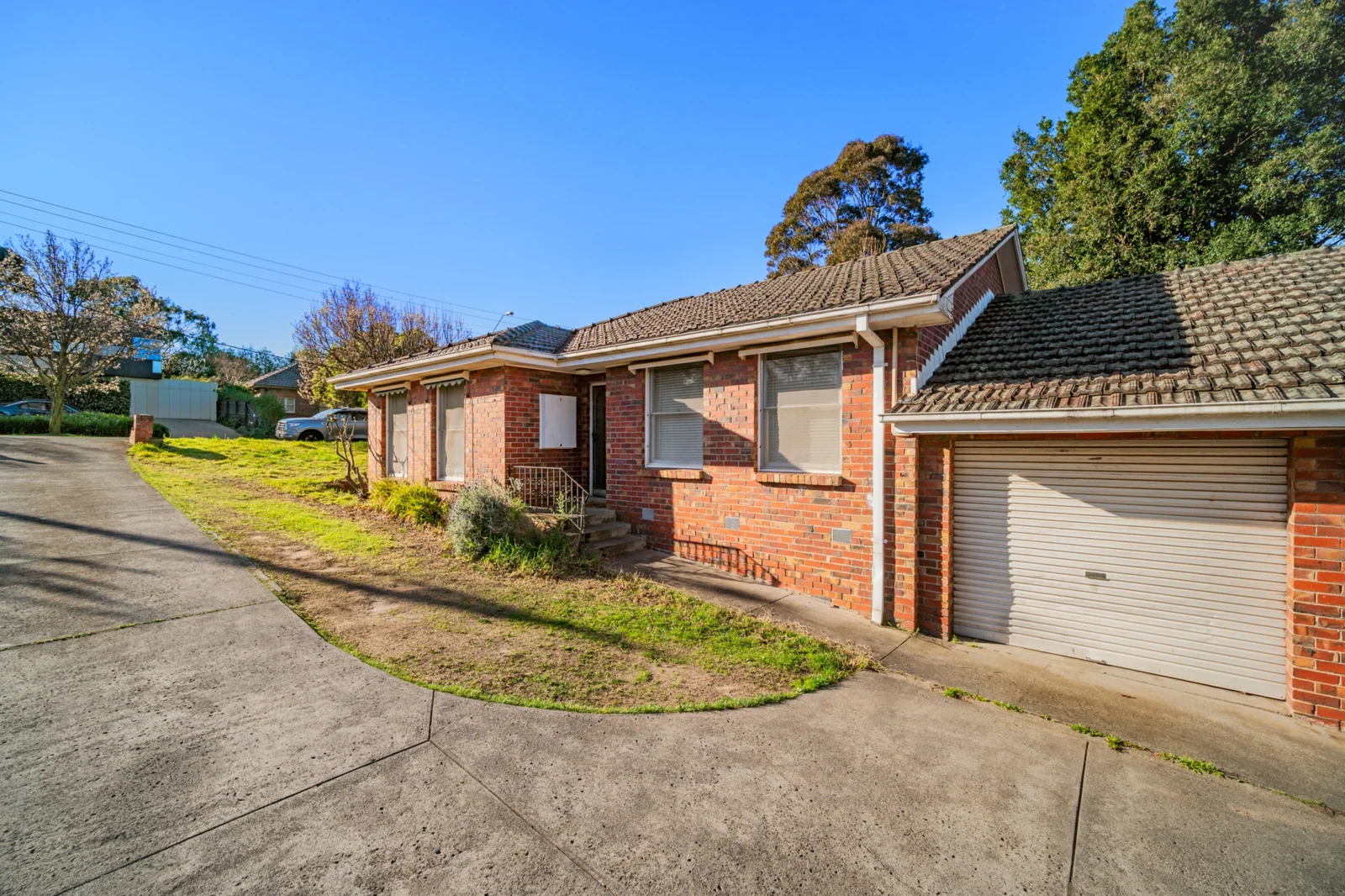 $580
Apartment / Unit / Flat
$580
Apartment / Unit / Flat
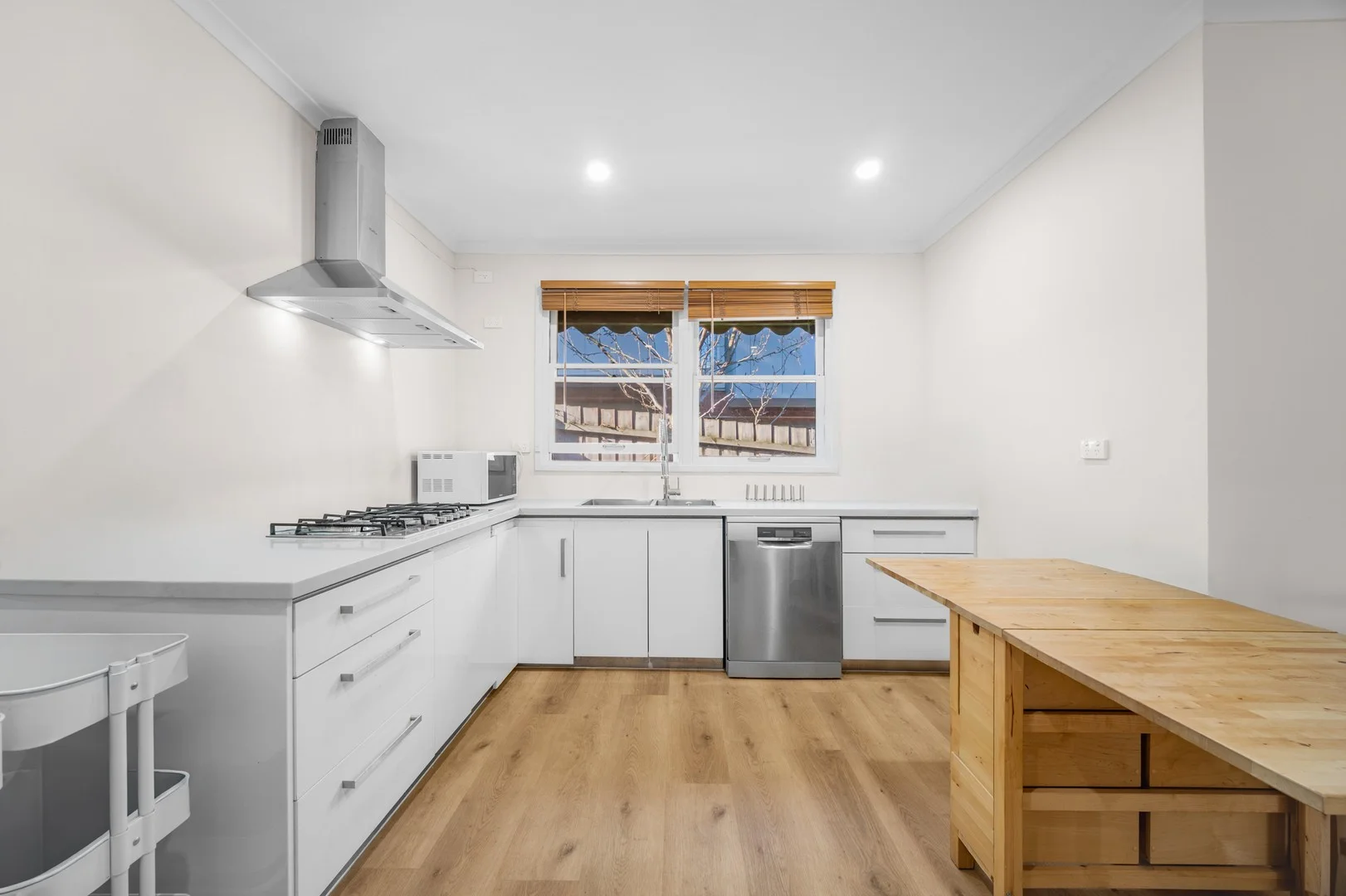 $680
Apartment / Unit / Flat
$680
Apartment / Unit / Flat
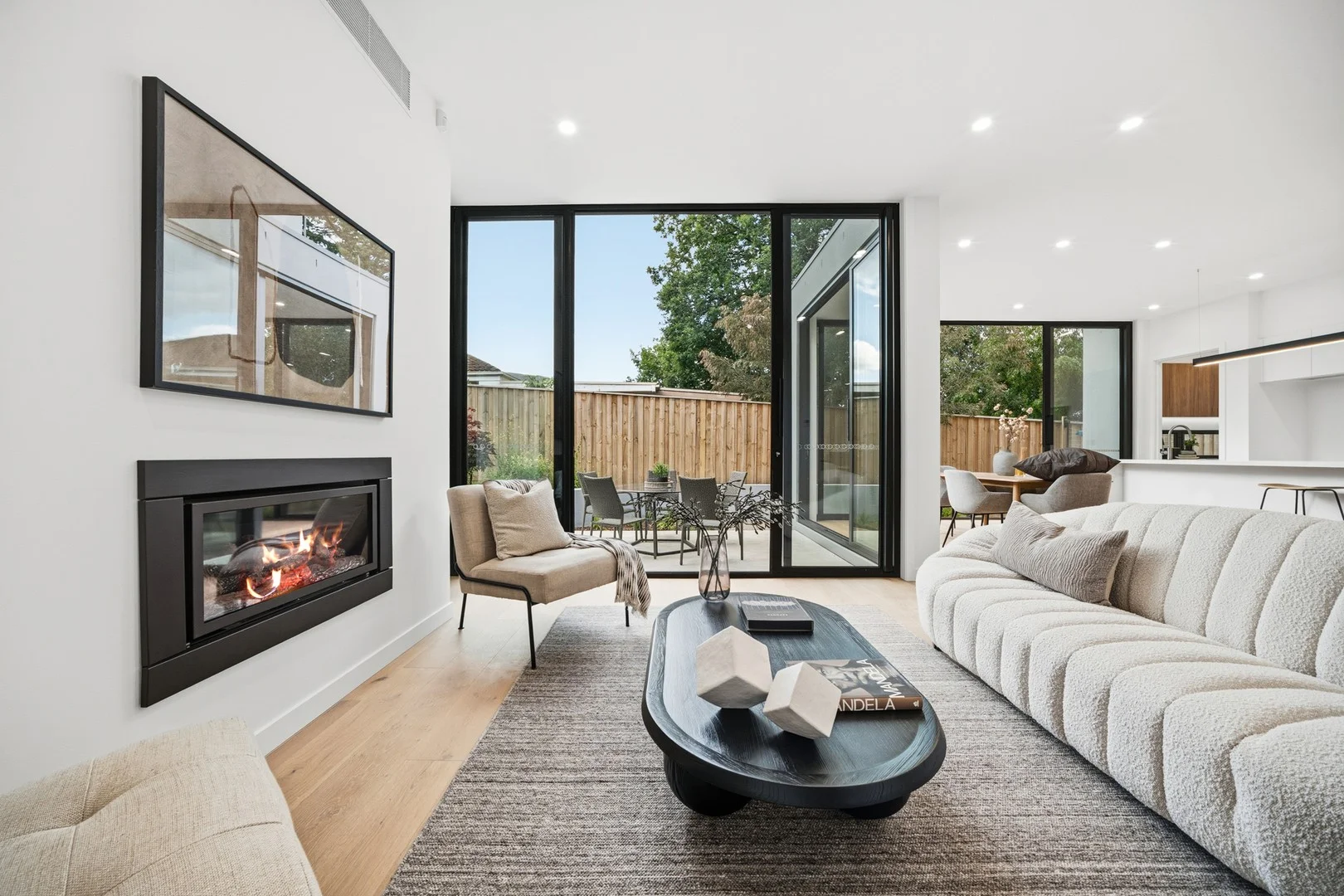 $1,750,000
Townhouse
$1,750,000
Townhouse
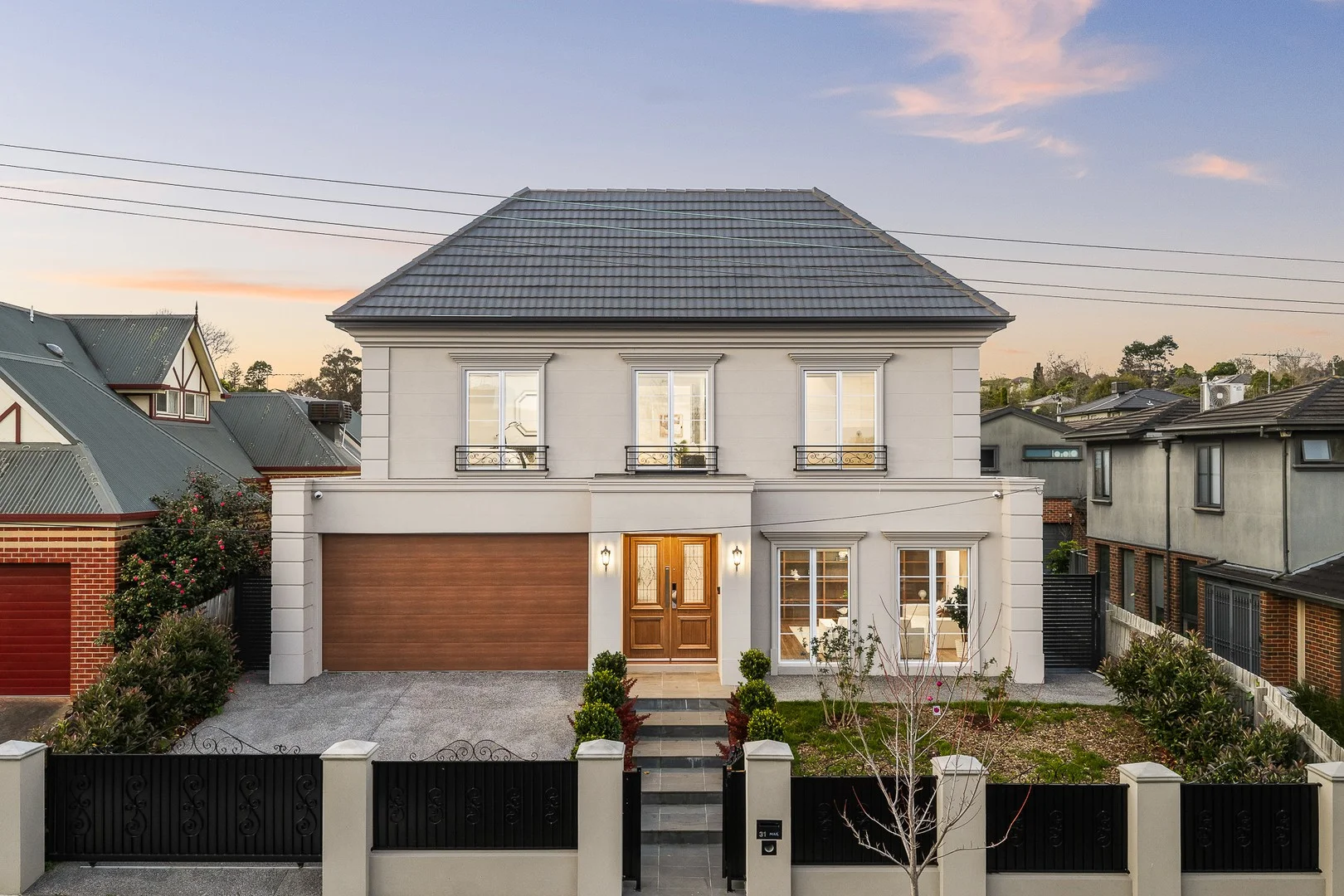 $2,550,000
House
$2,550,000
House
 $630,000 - $680,000
Apartment / Unit / Flat
$630,000 - $680,000
Apartment / Unit / Flat
 $1,600,000 - $1,750,000
House
$1,600,000 - $1,750,000
House
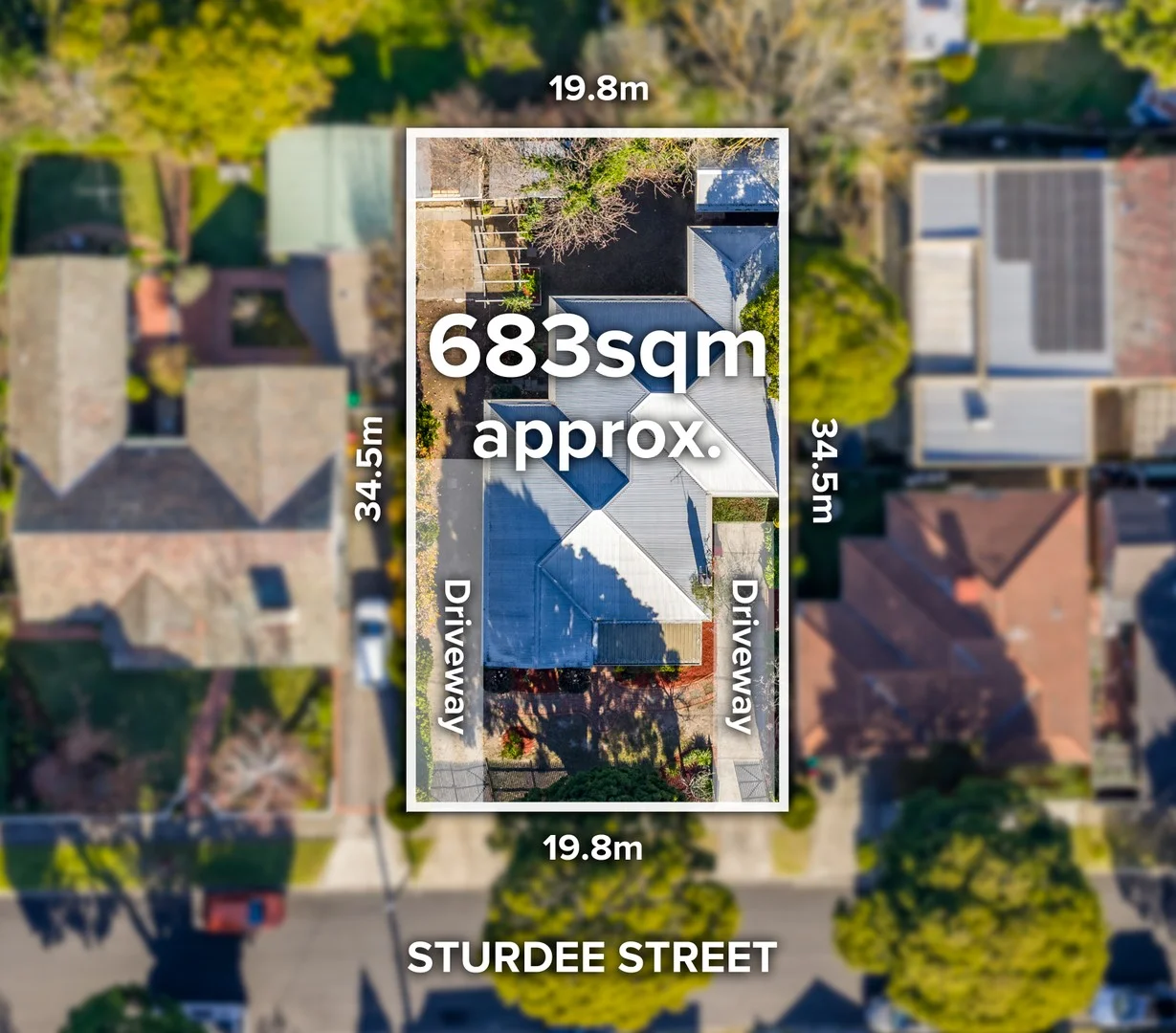 $2,000,000
House
$2,000,000
House
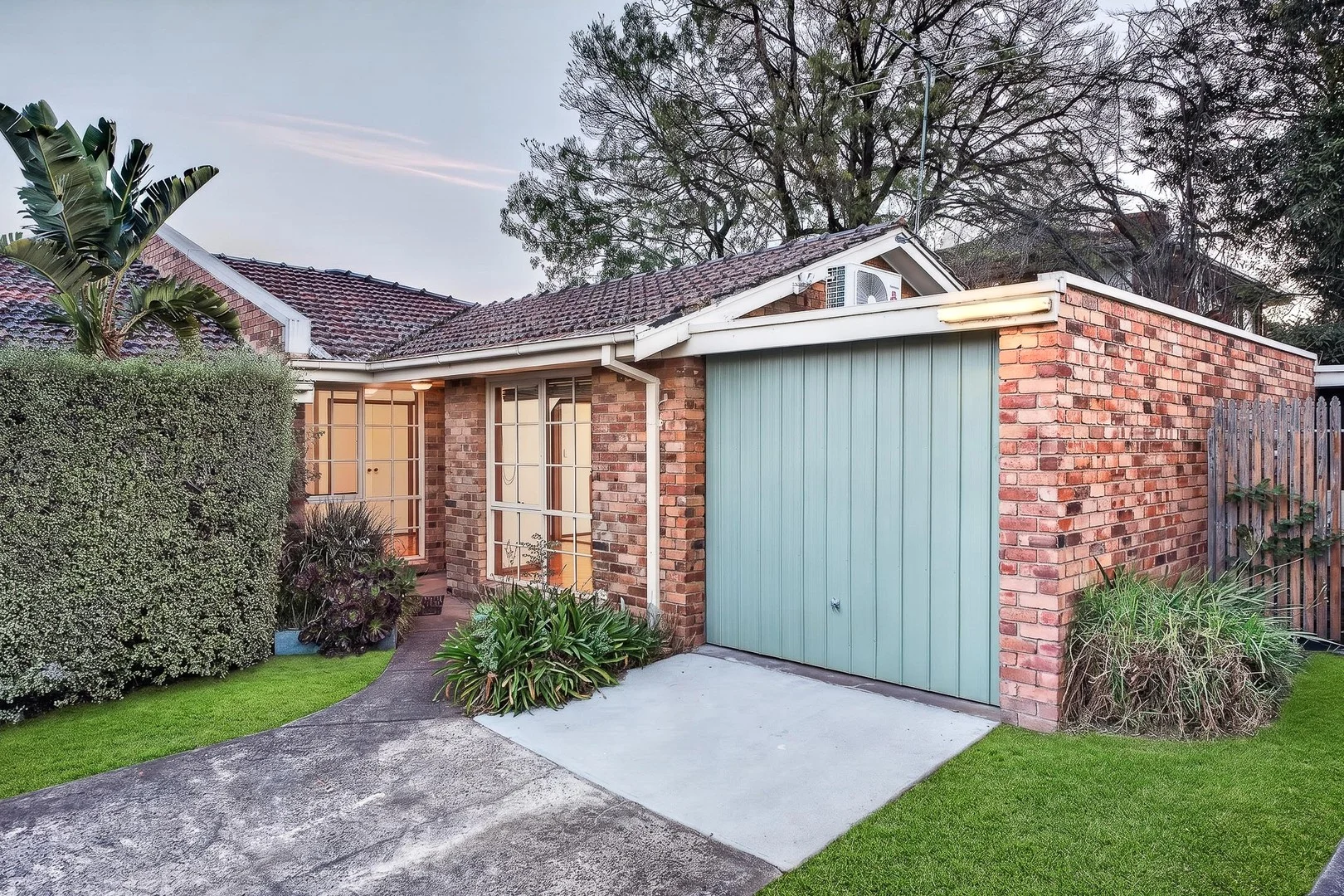 $765,000 - $825,000
Apartment / Unit / Flat
$765,000 - $825,000
Apartment / Unit / Flat


