## 1. Overview
Camberwell Grammar School is an independent Anglican day school for boys, located in Canterbury, Melbourne. It serves students from Prep to Year 12 and offers a broad, rigorous program alongside strong sports and arts. The school tends to have a medium-to-large student body, with class sizes that support individual attention while sustaining a vibrant, competitive culture. The atmosphere is a blend of traditional values and progressive learning, emphasising academic achievement, leadership, sport, and creative pursuits in a nurturing, inclusive environment.
⸻
## 2. Academics & Learning
- Academic strengths: Well-balanced across STEM, English and the humanities, with a strong emphasis on leadership, debate and language study.
- Special programs: Pathways for gifted and talented students, potential accelerated opportunities in senior years, and a robust VCE framework supporting diverse post-school pathways.
- NAPLAN / trends: Consistently competitive performance relative to state averages, with trends showing strength in reading and numeracy as students progress through the year levels.
- Student-teacher ratios: Generally low-to-moderate ratios that enable targeted support and personalised feedback (roughly in the single digits to low teens for class cohorts, depending on year).
- Support for diverse learners: Dedicated learning support, including EAL and SEN services, plus programs designed to help students with diverse learning needs access the curriculum effectively.
⸻
## 3. Sports & Extracurricular Strengths
- Sports offered: Wide range of team and individual sports, including Australian rules football, cricket, basketball, soccer, tennis, swimming, athletics and cross country, with seasonal programs and inter-school competition.
- Strong teams or achievements: Regular participation in regional and state level competitions, with notable performances across winter and summer sports and a tradition of strong inter-school results.
- Music, arts, drama programs: Active music ensembles, choirs, orchestras and drama productions; substantial opportunities in performing arts and theatre.
- Clubs: Robotics, chess, coding, debating and other academic/tech clubs feature as part of the co-curricular program.
- Partnerships: Inter-school competitions and partnerships with local arts and sporting bodies, plus avenues for participation in regional robotics and coding events.
⸻
## 4. Wellbeing & Pastoral Care
- Anti-bullying approach: Clear policies and proactive programs to promote respectful behaviour, student safety and inclusive culture.
- House system: A house framework that fosters belonging, leadership opportunities and healthy competition across age groups.
- Counsellors / wellbeing officers: On-site counsellors and wellbeing staff to support mental health, wellbeing, and transition needs.
- Transition support for new students: Structured orientation, buddy programs and targeted transition activities to help students settle into the school community.
⸻
## 5. Facilities
- Sports grounds: Generous outdoor spaces and multiple playing fields for training and games.
- Libraries: Well-resourced libraries supporting research, study and leisure reading.
- Science labs: Modern laboratories for biology, chemistry and physics, plus hands-on lab experiences.
- Music/performing arts centers: Dedicated spaces for ensembles, theatre and productions.
- Tech/innovation labs: Design, coding and digital learning facilities to support STEM and creative projects.
- Cafeteria: On-site catering with options for daily meals and snacks.
- Updated playgrounds: Early-years and primary play areas refreshed to support active learning.
⸻
## 6. School Values & Community Culture
- School values / mission: Strong emphasis on excellence, integrity, service and teamwork within an Anglican ethos.
- Leadership style: Student leadership through prefects, house captains and collaborative projects; emphasis on mentorship and positive role modelling.
- Behaviour expectations: Clear conduct standards aligned with respect, responsibility and inclusivity across the school community.
- Community reputation: Well-regarded within Melbourne’s independent school landscape for balanced academics, sport and arts, and strong alumni networks.
- Diversity & inclusion: Committed to creating an inclusive environment with opportunities for wide participation and respect for differences.
⸻
## 7. School Logistics & Daily Operations
- School hours: Typical school day aligns with Victorian primary and secondary schedules, with start and finish times that accommodate lessons, breaks and co-curriculars.
- Before/after school care: Available or arranged via the school to support families with early drop-offs and after-school activities.
- Uniform requirements: Formal school uniform with variations for summer and winter; sports uniform for physical education and teams; standard grooming guidelines.
- Transport (train/bus routes): Information available on public transport options and school-arranged bus services or guidance for families on commuting routes.
- Canteen availability: On-site canteen or approved catering options for lunch and snacks.
- Fees (low/medium/high ranges): High-fee independent schooling typical of the sector; costs vary by year level and inclusions such as levies and extras.
⸻
## 8. Enrolment & Admissions
11. What is the enrolment process and timeline?
- Submit an application form with supporting documents; complete any required assessments or interviews; receive an offer if a place is available; confirm enrolment and pay any deposit or fee to secure the place; participate in orientation activities before arrival.
12. Is there a waiting list, and how does it work?
- Yes, there is often a waiting list. The length depends on entry year and vacancy levels; families may be offered places as spots arise, with processes to maintain fairness and transparency.
13. Are there any entry requirements, tests, or interviews?
- Typical entry requirements include academic assessments, interviews (and sometimes reference checks) to assess fit with the school’s programs and culture.
14. Does the school accept mid-year transfers?
- Yes, subject to vacancies and a suitable transition plan; families should liaise with the admissions team to understand timing and requirements.
⸻
## 9. Frequently Asked Questions
- Why Parents Choose This School?
A balanced, evidence-based program that blends strong academics with wide co-curriculars, a supportive wellbeing framework, and a values-driven culture within an independent Anglican context.
- What type of student thrives at this school?
Students who are curious, work diligently, engage in sport and the arts, and respond well to a leadership-focused, community-minded environment.
- What opportunities are available for students to extend their skills (academics, sports, arts)?
A broad menu of electives and enrichment options across STEM, languages, humanities, sport, music and theatre, plus leadership and public speaking pathways.
- How does the school communicate with parents?
Regular updates via newsletters, emails, parent portals, and scheduled parent-teacher evenings; open channels with teachers and pastoral staff.
- What is the school’s approach to teaching and learning?
A rigorous, inquiry-based approach with emphasis on critical thinking, collaboration, and practical application, supported by targeted student support where needed.
- How does the school support students who need extra academic help?
Structured learning support, EAL/SEN assistance, small-group interventions and access to specialised staff.
- What support is available for academic challenges?
Additional tutoring options, personalised learning plans, and monitoring by teachers and wellbeing staff to keep students engaged and progressing.
- How does the school communicate with parents?
See above—ongoing, multimodal communications to keep families informed about progress, events and opportunities.
- What are the class sizes and how much individual attention do students receive?
Class sizes are designed to enable individual attention, typically mid-teens to low twenties, with additional teacher support through tutorials and targeted interventions as needed.
- What extracurricular and sports opportunities are available?
A wide range of sports, music, arts and clubs (robotics, chess, coding, debating) to suit diverse interests and talents.
- What facilities does the school offer (sports, science, arts)?
Modern sports fields, comprehensive science labs, libraries, performing arts and music facilities, tech/innovation spaces and student amenities.
- What is the school’s approach to technology and digital learning?
Integrated digital learning, coding and design programs, with access to devices and platforms to support modern learning and collaboration.
- What transport and accessibility options are available?
Information on public transport access and school-arranged transport options; guidance for families to plan commutes.
- What are the typical school fees or additional costs?
Higher-end fee structure typical of independent schools, with various levies and additional costs for camps, trips and activities depending on year level and program choices.
⸻
## 10. Short Pros & Cons list
- Pros
- Strong academic program with breadth across STEM, English, languages and the humanities
- Broad co-curricular offering across sports, arts, clubs and leadership
- Supportive wellbeing and pastoral care, with a clear anti-bullying framework
- Structured transition programs and a house-based community culture
- Modern facilities across science, arts, tech and athletics
- Active alumni network and community reputation
- Cons
- Higher fees compared with state schools
- Boys-only environment may not suit families seeking co-educational settings
- Large school footprint can mean busy campuses and waitlists for popular entry years
- Transport options depend on location and available routes; some families rely on private transport or school arrangements
- Competitive environment may feel intense for some students seeking a more low-key pace
⸻













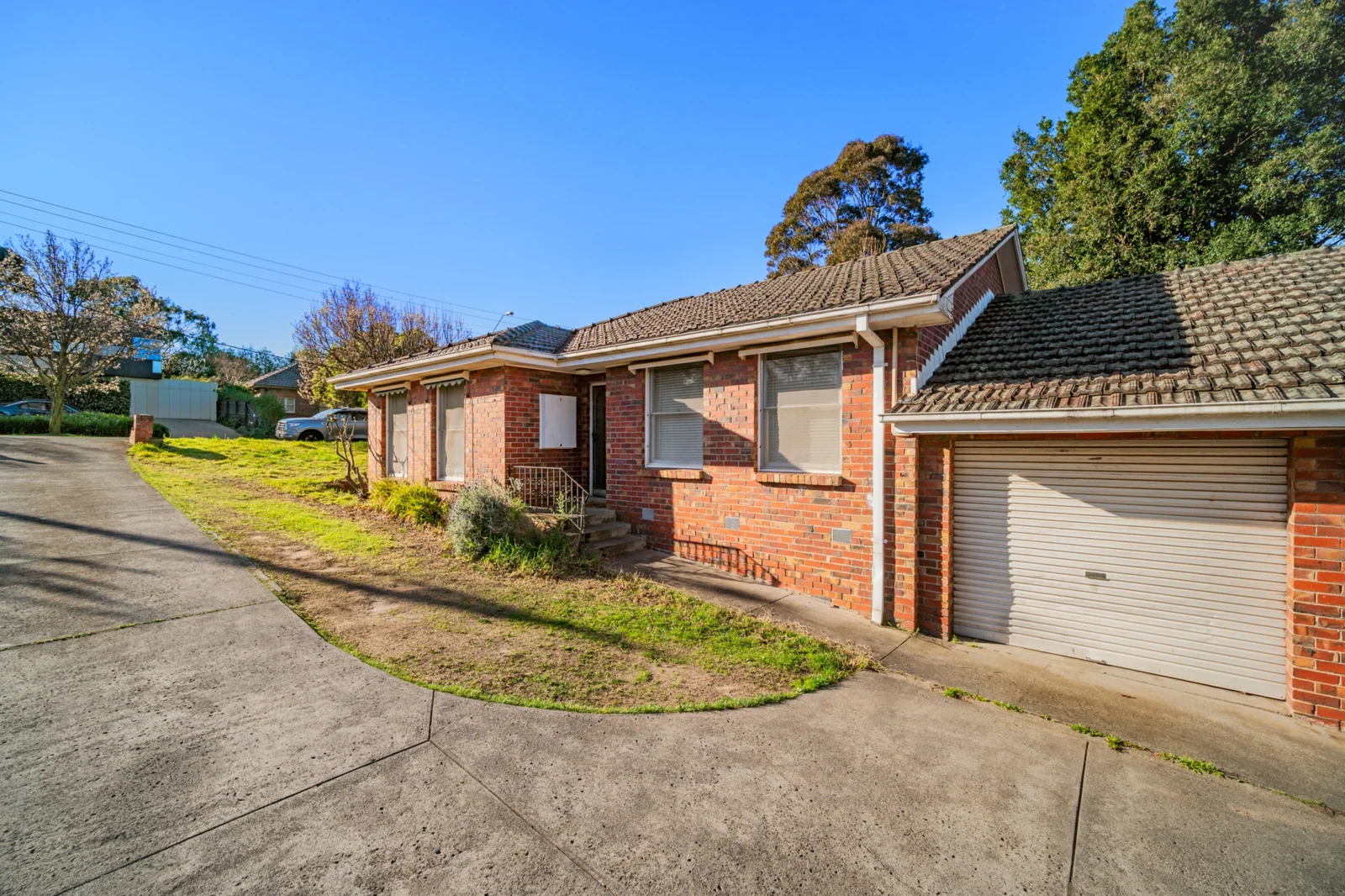
 $1,250,000
Apartment / Unit / Flat
$1,250,000
Apartment / Unit / Flat
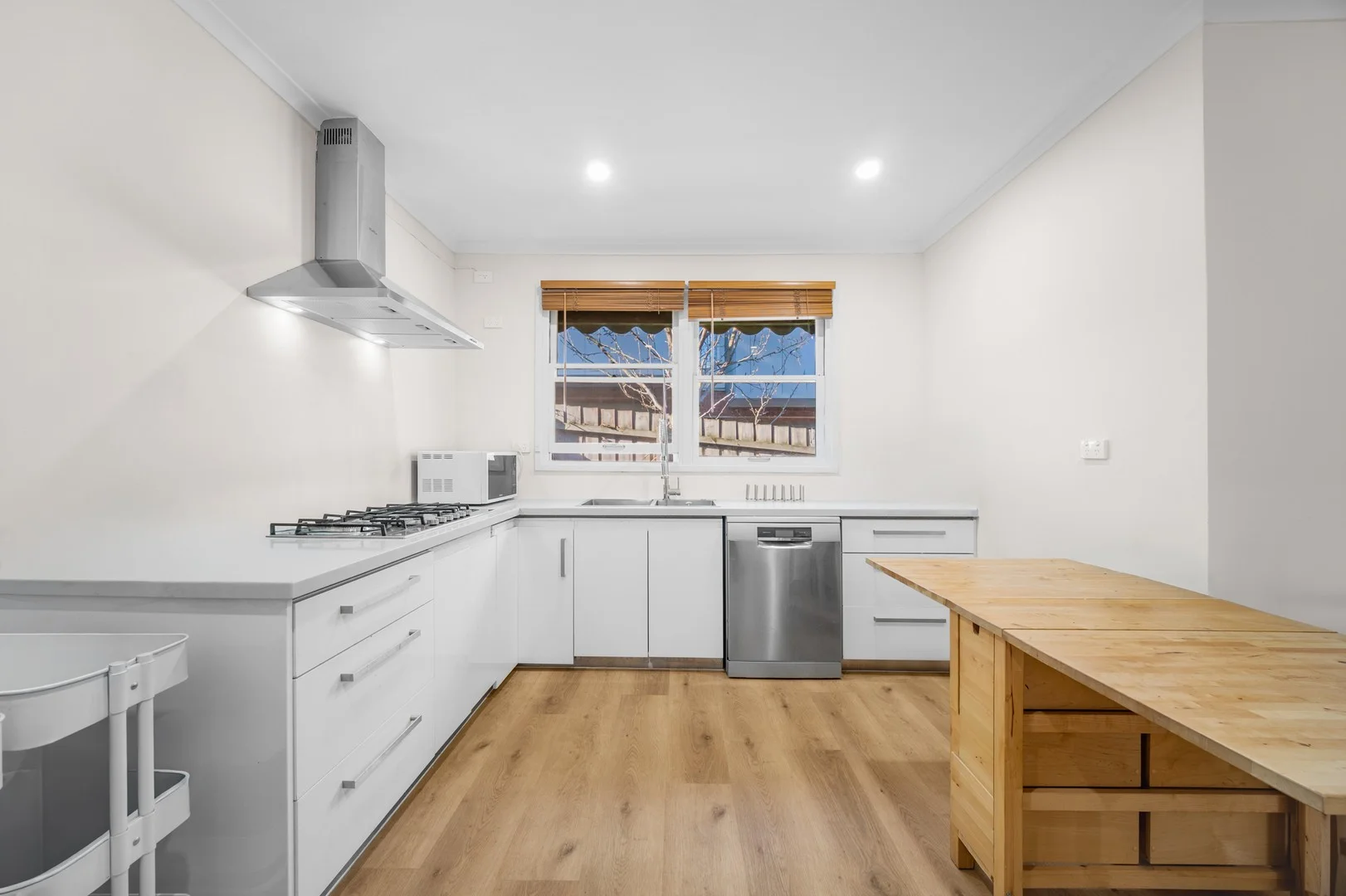
 $580
Apartment / Unit / Flat
$580
Apartment / Unit / Flat
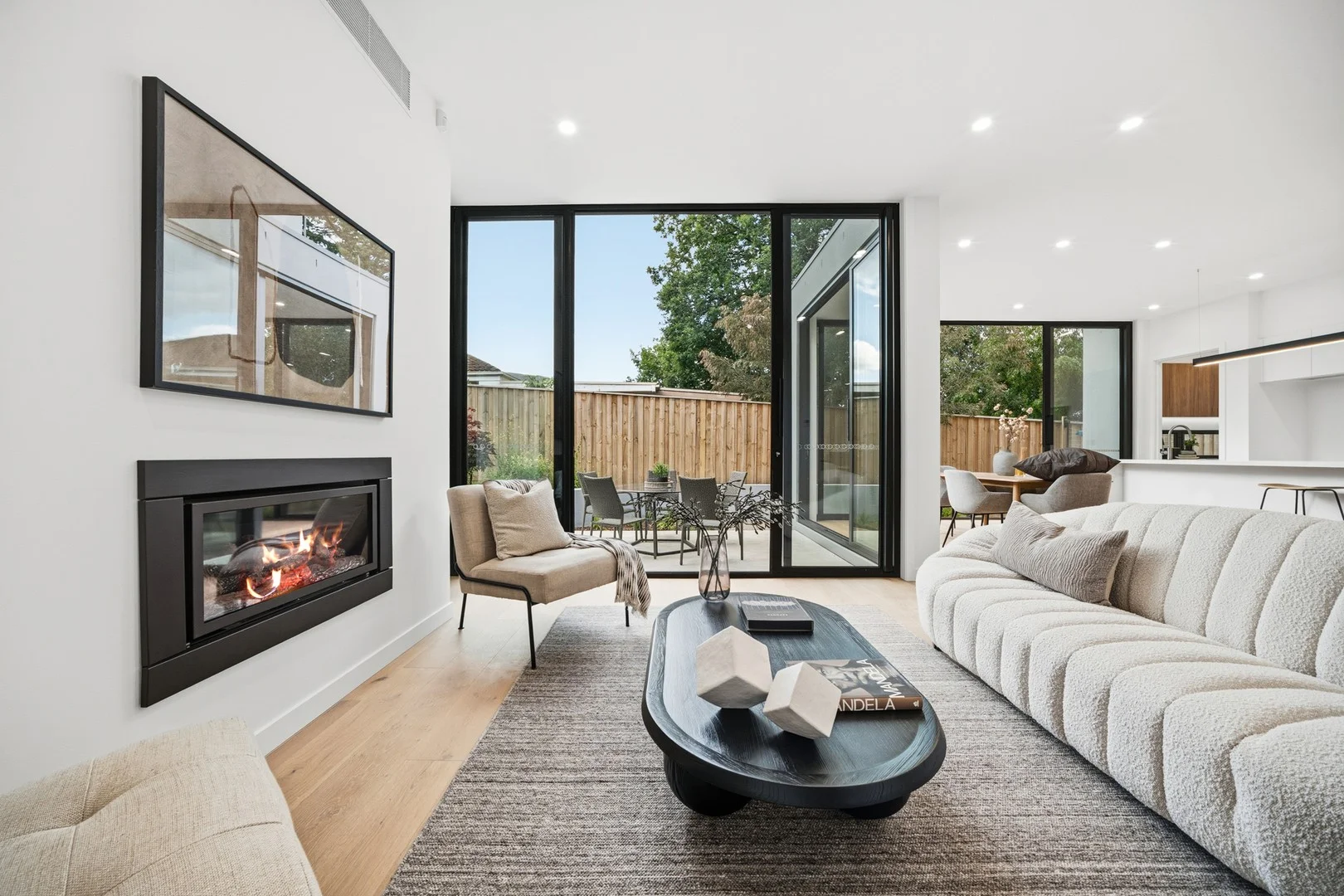
 $680
Apartment / Unit / Flat
$680
Apartment / Unit / Flat
 $1,750,000
Townhouse
$1,750,000
Townhouse
 $1,600,000 - $1,750,000
House
$1,600,000 - $1,750,000
House
 $630,000 - $680,000
Apartment / Unit / Flat
$630,000 - $680,000
Apartment / Unit / Flat
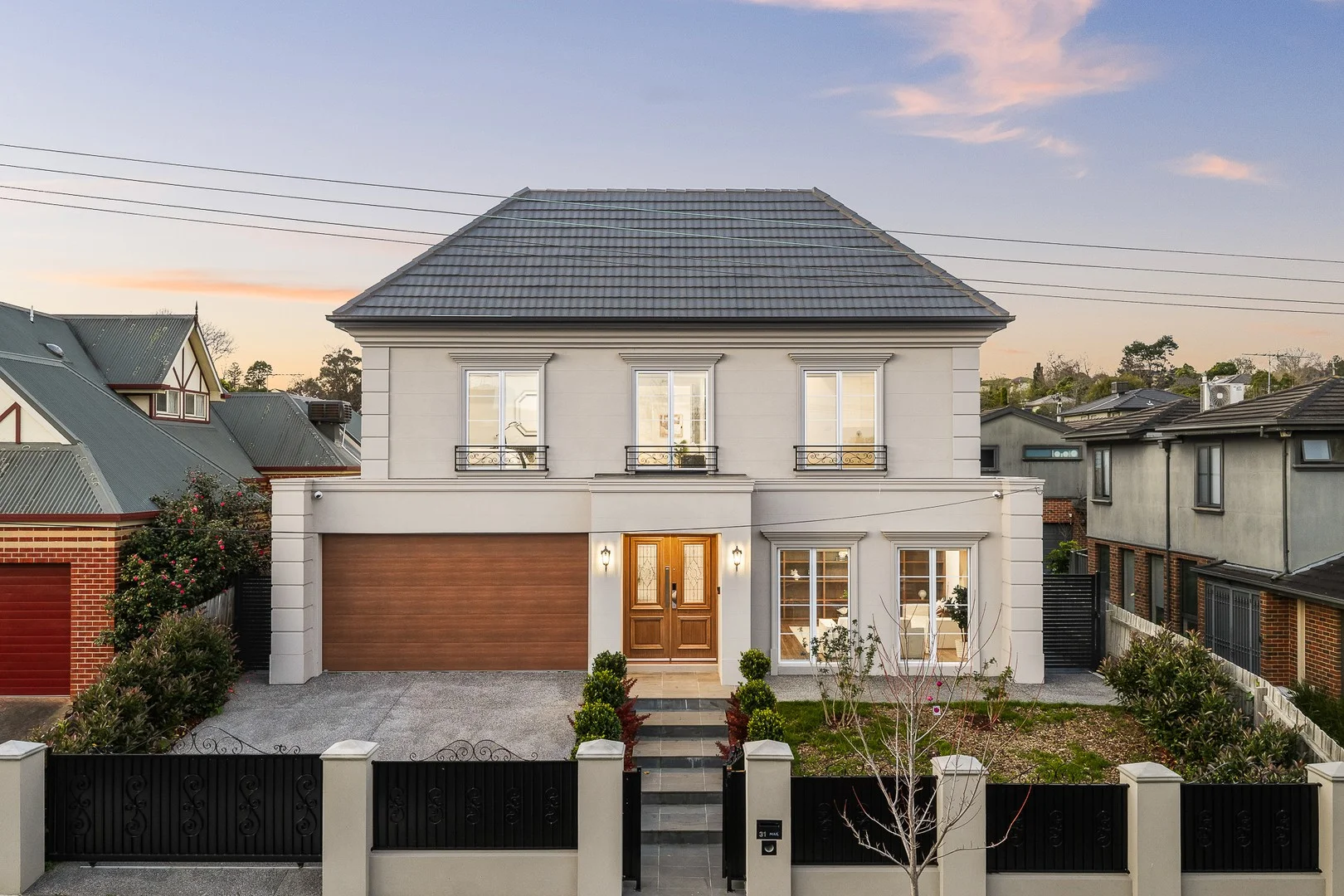 $2,550,000
House
$2,550,000
House
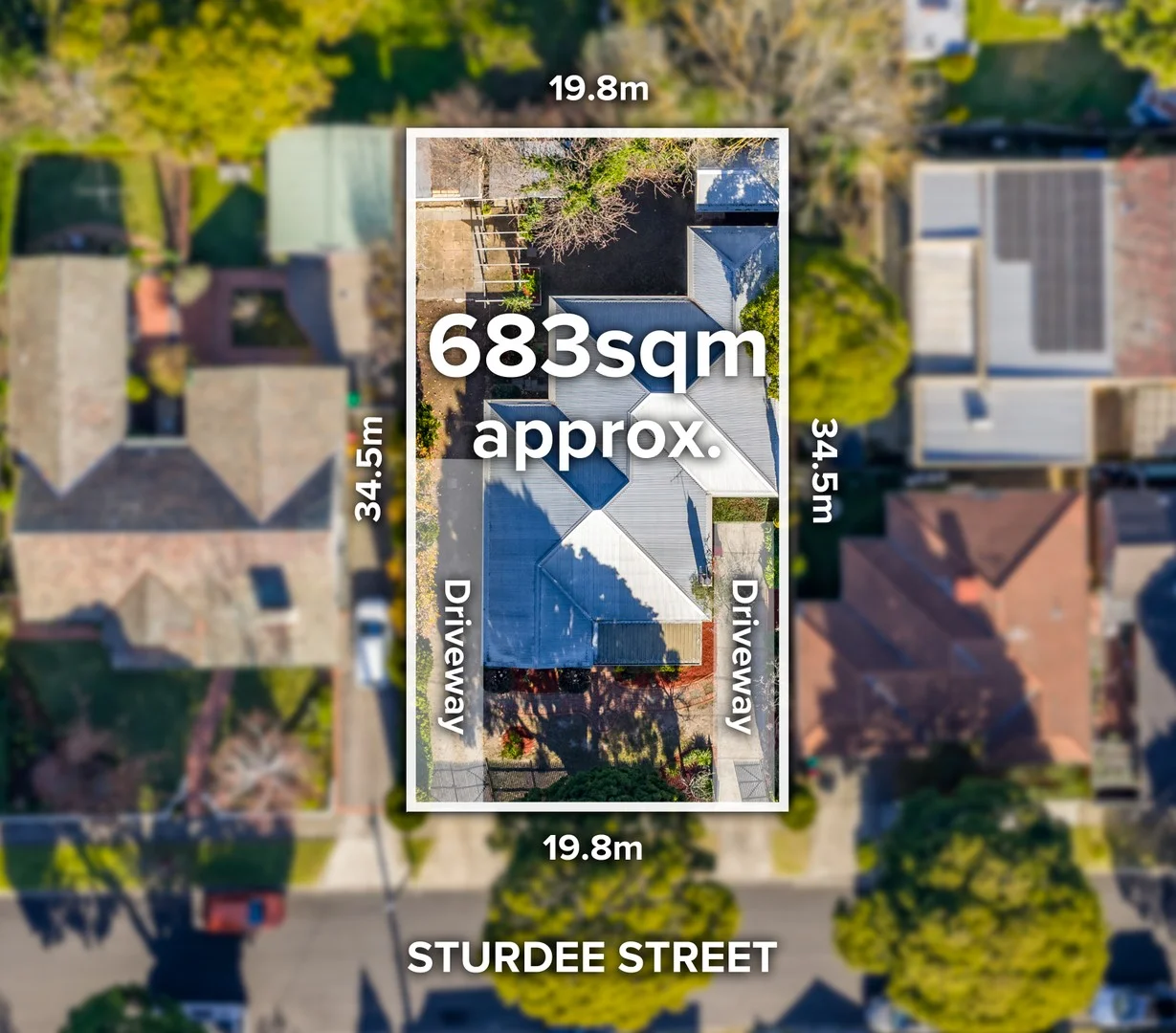 $2,000,000
House
$2,000,000
House
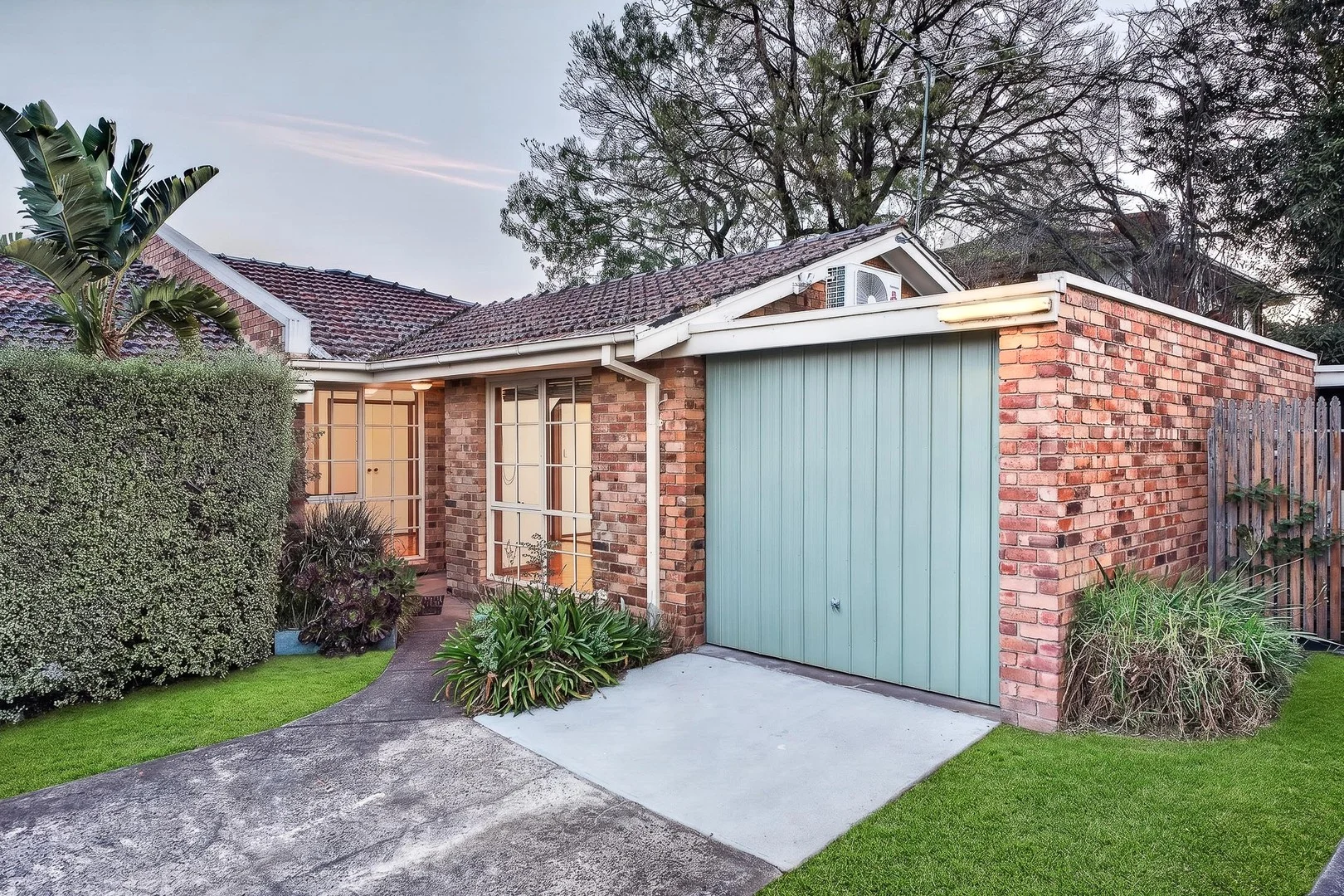 $765,000 - $825,000
Apartment / Unit / Flat
$765,000 - $825,000
Apartment / Unit / Flat


