Overview
## 1. Overview
Carina State School is a public, co-educational primary school serving families in the Carina area. The school offers a medium-sized, close-knit community where teachers and families work together to support student growth across academics, wellbeing, and social development. Class sizes are typically around the mid-20s, allowing for approachable teaching and plenty of individual attention in a supportive environment.
The atmosphere is nurturing and inclusive, with a strong emphasis on developing responsible, respectful learners who enjoy their schooling and feel connected to their peers and teachers. The school fosters a collaborative culture, encouraging student voice, parent involvement and partnerships with the broader community to enrich learning experiences.
⸻
## 2. Academics & Learning
- Academic strengths: Strong focus on core literacy and numeracy, with opportunities to explore STEM concepts, leadership development, and Languages Other Than English (LOTE) through school programs.
- Special programs: Gifted and Talented pathways and targeted learning supports; STEM clubs and enrichment opportunities; arts and music programs integrated into the curriculum.
- NAPLAN trends: Trends in recent years show steady progress in reading and writing, with performance aligned to state expectations and ongoing improvements in numeracy as part of school-wide improvement plans.
- Student-teacher ratios: Generally around 1 teacher for every 20–25 students, enabling responsive teaching and regular feedback.
- Support for diverse learners: Comprehensive support for diverse learners, including EAL/D (English as an Additional Language/Dialect) programs and targeted SEN (Special Education Needs) support, with inclusive practices across classrooms.
⸻
## 3. Sports & Extracurricular Strengths
- Sports offered: Athletics, soccer, netball, cricket, rugby league and swimming programs are commonly available, with opportunities for inter-school and district events.
- Strong teams or achievements: Regular participation in inter-school sports, with pathways for talented students to compete and represent the school in regional events.
- Music, arts, drama programs: Active music program with opportunities for choir, instrumental lessons and drama performances; visual arts and creative expression woven into regular classrooms.
- Clubs: Robotics, chess, coding, debating and other STEM/creative clubs run through the year to build problem-solving and teamwork skills.
- Partnerships: Involvement with local clubs, community organizations and inter-school competitions to broaden opportunities beyond the classroom.
⸻
## 4. Wellbeing & Pastoral Care
- Anti-bullying approach: Clear anti-bullying policies and positive behaviour frameworks aimed at creating a safe, respectful school climate.
- House system: Traditional house groups support school pride, teamwork and healthy competition across sports and events.
- Counsellors / wellbeing officers: Access to school counsellors and wellbeing personnel to support students’ emotional and social development.
- Transition support for new students: Structured orientation, buddy programs and targeted transition activities to help new students settle in smoothly.
⸻
## 5. Facilities
- Sports grounds: On-site fields and courts suitable for a range of activities and PE programs.
- Libraries: A library space that supports literacy, reading for pleasure and research activities.
- Science labs: Practical science spaces to explore experiments and hands-on learning.
- Music/performing arts centers: Dedicated spaces or stages for music, drama and rehearsals.
- Tech/innovation labs: Access to technology-enabled learning spaces and coding/robotics activities.
- Cafeteria: On-site canteen or lunch facilities to support daily meal options.
- Updated playgrounds: Modern, safe playground areas for breaks and active play.
⸻
## 6. School Values & Community Culture
- School values / mission: Emphasis on respect, responsibility, resilience and a growth mindset; a mission focused on developing well-rounded, responsible learners.
- Leadership style: Student leadership opportunities alongside a collaborative, teacher-led approach; parents and community involvement encouraged.
- Behaviour expectations: Consistent expectations based on school values with positive reinforcement and restorative approaches where needed.
- Community reputation: Known for a welcoming, supportive environment with active parental involvement and community partnerships.
- Diversity & inclusion: Commitment to an inclusive culture that celebrates diversity and supports students from varied backgrounds and abilities.
⸻
## 7. School Logistics & Daily Operations
- School hours: Typically 9:00 am–3:00 pm during school days, with supervising programs available before and after school.
- Before/after school care: OSHC or similar programs commonly available to support families.
- Uniform requirements: School uniform policy with seasonal options; clear guidelines for both daily wear and sports/activities uniform.
- Transport (train/bus routes): Access to public transport options and school bus routes where available; coordinated drop-off/pick-up arrangements often encouraged to ease commuting.
- Canteen availability: Canteen or lunch facilities available on most days to provide convenient meal options.
- Fees (low/medium/high ranges): As a public school, standard tuition is not charged; families may encounter voluntary contributions and minor activity fees for optional programs.
⸻
## 8. Enrolment & Admissions
11. What is the enrolment process and timeline?
- Enrolment is typically completed through the school or Queensland Department of Education processes. In-zone applications have priority and timelines vary by term and year. Parents will be asked to provide proof of age, identity, current immunisation status and evidence of address, along with school readiness documentation for younger entrants. The process often includes an intake and confirmation of placement based on available spaces.
12. Is there a waiting list, and how does it work?
- If capacity is reached, a waiting list may be established. In-zone applicants generally have priority, while out-of-zone requests may be considered via published processes or ballot procedures depending on space and policy at the time.
13. Are there any entry requirements, tests, or interviews?
- Public primary schools typically do not require entrance tests or interviews for entry. Some out-of-zone or special program requests may involve brief conversations or assessments to determine support needs, but standard enrolment focuses on documentation and eligibility.
14. Does the school accept mid-year transfers?
- Mid-year transfers are usually possible if space is available. Parents should contact the administration as early as possible to arrange documentation transfer, confirm current enrolment conditions, and coordinate any necessary school handover or transition supports.
⸻
## 9. Frequently Asked Questions
- Why Parents Choose This School?
- A welcoming, inclusive community with a focus on strong literacy and numeracy foundations, supportive staff, and a balanced program of academics, wellbeing and extra-curriculars.
- What type of student thrives at this school?
- Students who respond well to a collaborative, supportive environment, who enjoy both structured learning and opportunities to explore interests through clubs, sports and arts.
- What opportunities are available for students to extend their skills (academics, sports, arts)?
- Enrichment programs in STEM, gifted and talented pathways, leadership opportunities, music and drama, sports teams and inter-school competitions, plus coding, robotics and debating clubs.
- How does the school communicate with parents?
- Regular updates through newsletters, parents’ meetings, online portals and immediate contact from teachers regarding student progress and wellbeing.
- What is the school’s approach to teaching and learning?
- A student-centered approach emphasizing literacy and numeracy mastery, collaborative learning, and ongoing assessment to guide instruction and supports.
- How does the school support students who need extra academic help?
- Targeted learning support, EAL/D assistance, SEN services and small-group interventions aligned with each student’s needs.
- What support is available for academic challenges?
- Access to teachers, learning support staff, and tailored plans to address specific academic challenges, with regular progress reviews.
- How does the school communicate with parents?
- See above; multiple channels used to ensure timely and transparent communication.
- What are the class sizes and how much individual attention do students receive?
- Typical class sizes are in the mid-20s, with regular opportunities for individual feedback and small-group instruction.
- What extracurricular and sports opportunities are available?
- A broad range of sports, music and arts programs, and clubs such as robotics, chess, coding, debating, and other enrichment activities.
- What facilities does the school offer (sports, science, arts)?
- Sports grounds, library, science labs, music/performing arts facilities, tech/innovation labs, canteen, and updated playgrounds.
- What is the school’s approach to technology and digital learning?
- Integration of technology to support learning, with access to devices and curriculum-aligned digital resources to enhance inquiry, collaboration and coding skills.
- What transport and accessibility options are available?
- Access to local bus routes and public transport; established drop-off/pick-up arrangements and pathways to school facilities and classrooms.
- What are the typical school fees or additional costs?
- Basic schooling is funded through the public system; families may encounter voluntary contributions and optional activity fees for specific programs.
⸻
## 10. Short Pros & Cons list
- Pros
- Supportive, inclusive community with a strong focus on literacy and numeracy
- Balanced mix of academics, wellbeing, and extra-curricular opportunities
- Range of clubs and leadership opportunities; active parental involvement
- Well-defined anti-bullying and student wellbeing programs
- Modern facilities and safe, welcoming campus
- Cons
- As a public school, class sizes can vary and some programs may have waiting lists or space limitations
- Out-of-zone transfer considerations can affect admissions timing and placement
- Voluntary contributions or minor activity fees may apply for optional programs
- Access to advanced facilities and programs may depend on school capacity and resource availability








 $1,475,000 - $2,090,000
propertyType.NEW APARTMENTS / OFF THE PLAN
$1,475,000 - $2,090,000
propertyType.NEW APARTMENTS / OFF THE PLAN
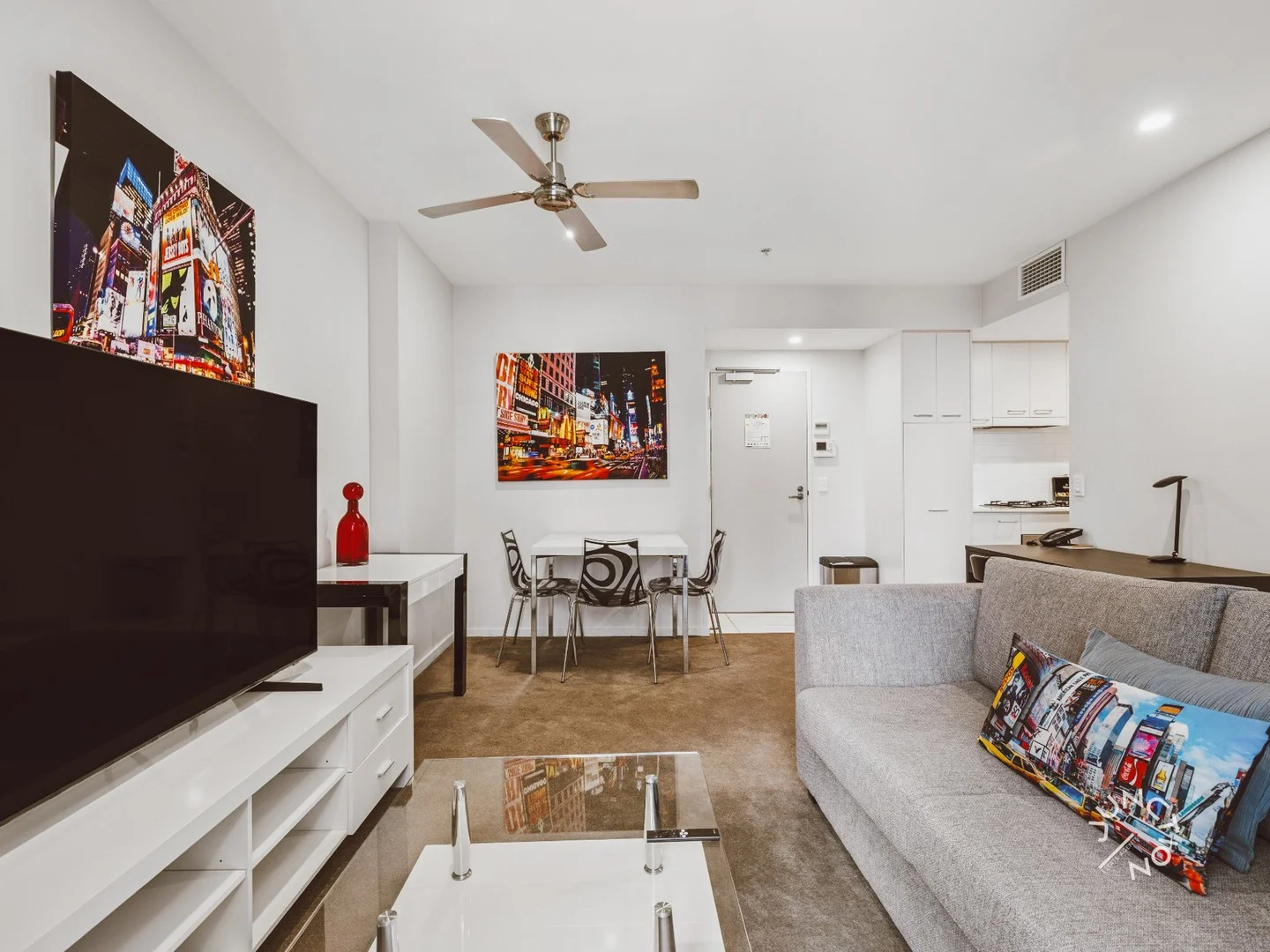 $523,200 - $566,800
Apartment / Unit / Flat
$523,200 - $566,800
Apartment / Unit / Flat
 $950,000
Apartment / Unit / Flat
$950,000
Apartment / Unit / Flat
 $550,000
Apartment / Unit / Flat
$550,000
Apartment / Unit / Flat
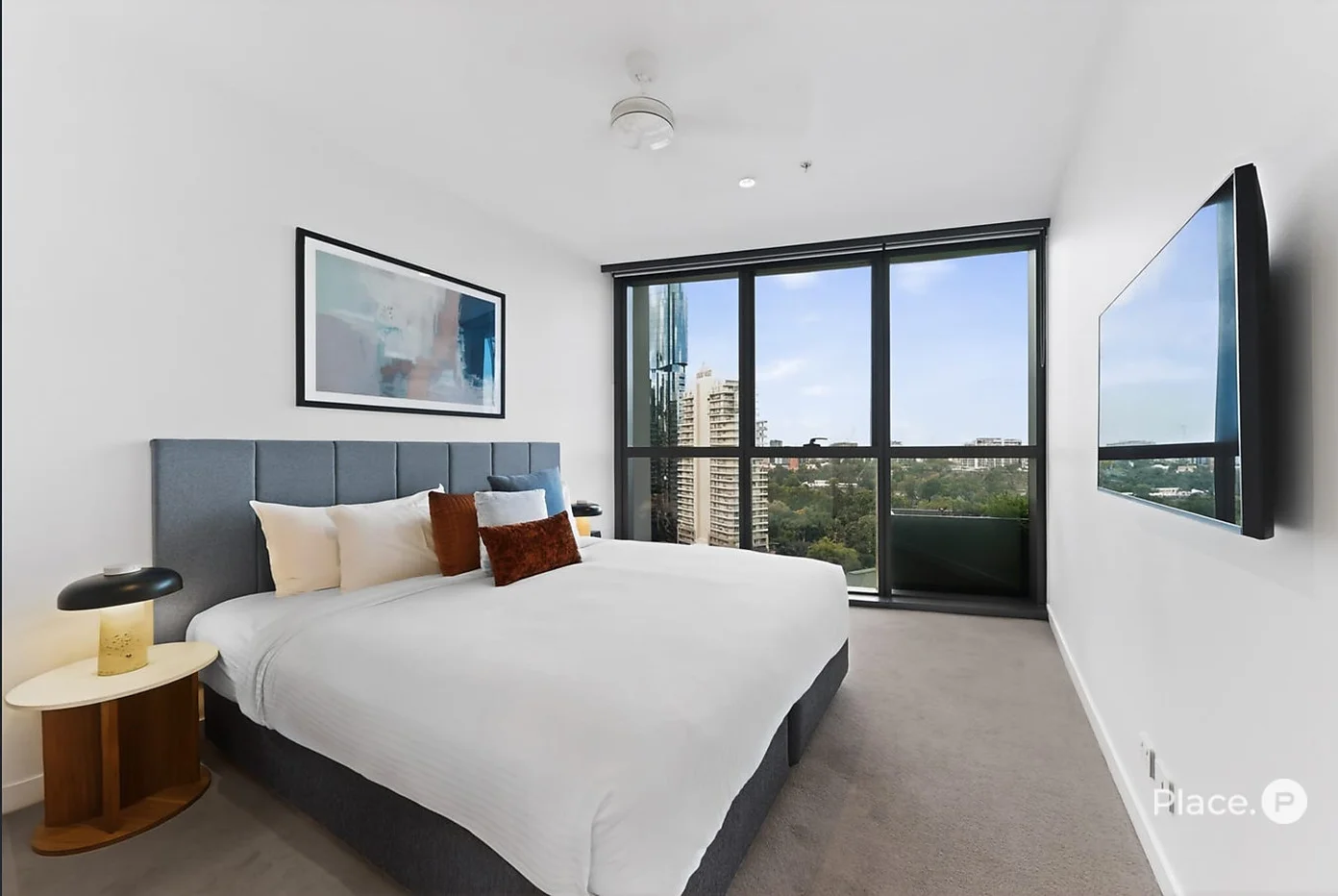 $770,000
Apartment / Unit / Flat
$770,000
Apartment / Unit / Flat


