Overview
## 1. Overview
St Martin's Catholic Primary School, Carina is a Catholic primary school in Brisbane, offering a faith-based, values-driven education for boys and girls. The school is typically described as a medium-sized, community-oriented campus with a nurturing, inclusive atmosphere that emphasises faith, service, and academic growth within a supportive learning environment. It focuses on building strong relationships among students, families, and staff and aims to foster resilience, respect, and a love of learning.
The school environment tends to be collaborative and student-centred, with an emphasis on developing character alongside academic achievement. Families often value the sense of belonging, faith formation, and opportunities for students to contribute to the school and wider community.
---
## 2. Academics & Learning
- Academic strengths: literacy and numeracy are central focus areas, with an emphasis on religious education as part of the curriculum. The school typically supports the development of critical thinking, communication, and foundational learning across key subjects.
- Special programs: religious education and faith formation are integral, with opportunities for student leadership, service, and involvement in school-wide programs. Inclusive education approaches are commonly used to support diverse learners.
- NAPLAN trends: public reporting usually shows year-to-year variation with general emphasis on steady progress in literacy and numeracy. For precise trends, refer to the school’s published annual reports or CEP/Queensland Education resources.
- Student-teacher ratios: class group sizes are managed to enable effective instruction and student support; ratios vary by year level and need, with a focus on enabling individual attention.
- Support for diverse learners: the school typically offers support for diverse learners, including assistance for EAL students and targeted support for students requiring additional help through learning support staff.
---
## 3. Sports & Extracurricular Strengths
- Sports offered: a range of team and individual sports commonly available, with participation in school and community competitions encouraged.
- Strong teams or achievements: opportunities to participate in interschool events and local competitions; outcomes vary by year.
- Music, arts, drama programs: performing arts and music are often part of the curriculum and extra-curricular offerings, providing avenues for creativity and performance.
- Clubs: robotics, chess, coding, debating, and other STEM/academic clubs are typically available or offered through after-school programs.
- Partnerships: connections with local community clubs, sporting bodies, and regional competitions are common to extend opportunities beyond the classroom.
---
## 4. Wellbeing & Pastoral Care
- Anti-bullying approach: a whole-school approach to safety and respectful behaviour, with policies and programs designed to promote positive interactions and restorative practices.
- House system: a house-based structure is often used to build camaraderie, leadership opportunities, and healthy competition.
- Counsellors / wellbeing officers: access to wellbeing support, with staff or nominated professionals available to support students’ emotional, social, and mental health needs.
- Transition support for new students: programs and practices to ease transition for new students, including orientation activities and buddy systems, are commonly in place.
---
## 5. Facilities
- Sports grounds: dedicated outdoor spaces for PE and sport.
- Libraries: a library or learning resource centre to support reading and research.
- Science labs: science facilities to support hands-on inquiry and experiments.
- Music/performing arts centers: spaces for music lessons, rehearsals, and performances.
- Tech/innovation labs: classrooms or spaces that support ICT and coding activities.
- Cafeteria: on-site or school-operated canteen or arrangements for student meals/snacks.
- Updated playgrounds: age-appropriate play areas and outdoor learning spaces.
---
## 6. School Values & Community Culture
- School values / mission: faith-based education grounded in Catholic values such as compassion, respect, service, and integrity.
- Leadership style: inclusive and participatory, with opportunities for student voice and leadership roles within the school community.
- Behaviour expectations: clear behavioural guidelines centered on respect, responsibility, and kindness.
- Community reputation: typically described as welcoming, family-friendly, and supportive of both faith development and academic growth.
- Diversity & inclusion: emphasis on an inclusive environment that welcomes families from diverse backgrounds and supports students with different needs.
---
## 7. School Logistics & Daily Operations
- School hours: standard primary school day structure with start and finish times typical of Queensland primary schools.
- Before/after school care: after-school care options are commonly available through on-site or partnered providers.
- Uniform requirements: a formal school uniform is usually required, with guidance on everyday wear and special event attire.
- Transport (train/bus routes): school transport options include nearby bus routes and access to public transport; specifics depend on location and route availability.
- Canteen availability: a canteen or lunch program is often available, with guidelines on meal options and ordering.
- Fees (low/medium/high ranges): Catholic primary schools generally charge tuition and related fees; exact amounts vary by year and family circumstance and should be confirmed with the school.
---
## 8. Enrolment & Admissions
11. What is the enrolment process and timeline?
- Enquiries typically begin with submitting an application form and required documents, followed by interviews or information sessions. Timelines vary by intake year and space availability; families are advised to contact the school for current timelines and next steps.
12. Is there a waiting list, and how does it work?
- Waiting lists can occur when year-level intake is full. If a position becomes available, the school will contact applicants on the list in line with their enrolment policies, which may consider factors such as sibling preference and Catholic Education guidelines.
13. Are there any entry requirements, tests, or interviews?
- Entry often involves submission of documentation and may include an interview or information session. For Catholic schools, there may be elements related to faith formation or affiliations, but specifics vary by school and intake.
14. Does the school accept mid-year transfers?
- Mid-year transfers may be considered if spaces are available. Transfer timing and requirements depend on the school's capacity, curriculum alignment, and administrative processes.
---
## 9. Frequently Asked Questions
- Why Parents Choose This School?
- Families often cite a strong faith-based community, values education, supportive staff, and a focus on developing the whole person (faith, academics, character).
- What type of student thrives at this school?
- Students who value community, character development, and a balanced approach to academics, faith, and extracurriculars tend to fit well.
- What opportunities are available for students to extend their skills (academics, sports, arts)?
- Opportunities typically include advanced literacy/numeracy support, leadership roles, sporting teams, music/drama programs, and clubs such as robotics, coding, debate.
- How does the school communicate with parents?
- Communications are usually via newsletters, emails, a student information system or portal, and parent-teacher interviews; updates may also be posted on school notice boards or social media channels.
- What is the school’s approach to teaching and learning?
- A student-centred approach with differentiated instruction, value-based education, regular assessment, and opportunities for hands-on learning and inquiry.
- How does the school support students who need extra academic help?
- Targeted learning support, small-group instruction, access to learning support staff, and differentiated tasks within the classroom.
- What support is available for academic challenges?
- Additional tutoring or intervention programs, progress monitoring, and collaboration with families to tailor supports.
- How does the school communicate with parents?
- See above: regular updates, parent-teacher meetings, and digital portals.
- What are the class sizes and how much individual attention do students receive?
- Class sizes vary by year, with teaching staff focused on providing feedback and guidance to individuals and small groups as needed.
- What extracurricular and sports opportunities are available?
- A range of sports, arts, and clubs; opportunities to participate in competitions and community events; music and drama programs.
- What facilities does the school offer (sports, science, arts)?
- Facilities typically include well-equipped spaces for sport, science labs, a library, performing arts areas, and technology labs.
- What is the school’s approach to technology and digital learning?
- Integration of ICT across the curriculum, emphasis on digital literacy and responsible use, with appropriate safeguards and guidance.
- What transport and accessibility options are available?
- Access to local bus routes and transport options; school facilities are designed to be accessible; specifics depend on location and available services.
- What are the typical school fees or additional costs?
- Fees and potential extra costs (uniforms, excursions, activities) are determined by the school and are typically outlined in the enrolment pack or on the school website; contact the school for exact figures.
---
## 10. Short Pros & Cons list
- Pros
- Strong faith-based community and values-led education
- Supportive staff and family-friendly environment
- Focus on literacy, numeracy, and holistic development
- Range of extracurriculars including sports, arts, and clubs
- Inclusive approach with support for diverse learners
- Cons
- Fees are applicable as with many private/Catholic schools
- Availability of places may be limited in certain year levels
- Specific programs and facilities can vary by year and campus; verify current offerings
- Travel options depend on family location and transport routes local to Carina
Note: For precise, up-to-date details (enrolment timelines, class sizes, facilities, and fees), please contact the school directly. This overview reflects common features of Catholic primary schools in the region and the types of information families typically consider when choosing a school.






 $1,475,000 - $2,090,000
propertyType.NEW APARTMENTS / OFF THE PLAN
$1,475,000 - $2,090,000
propertyType.NEW APARTMENTS / OFF THE PLAN
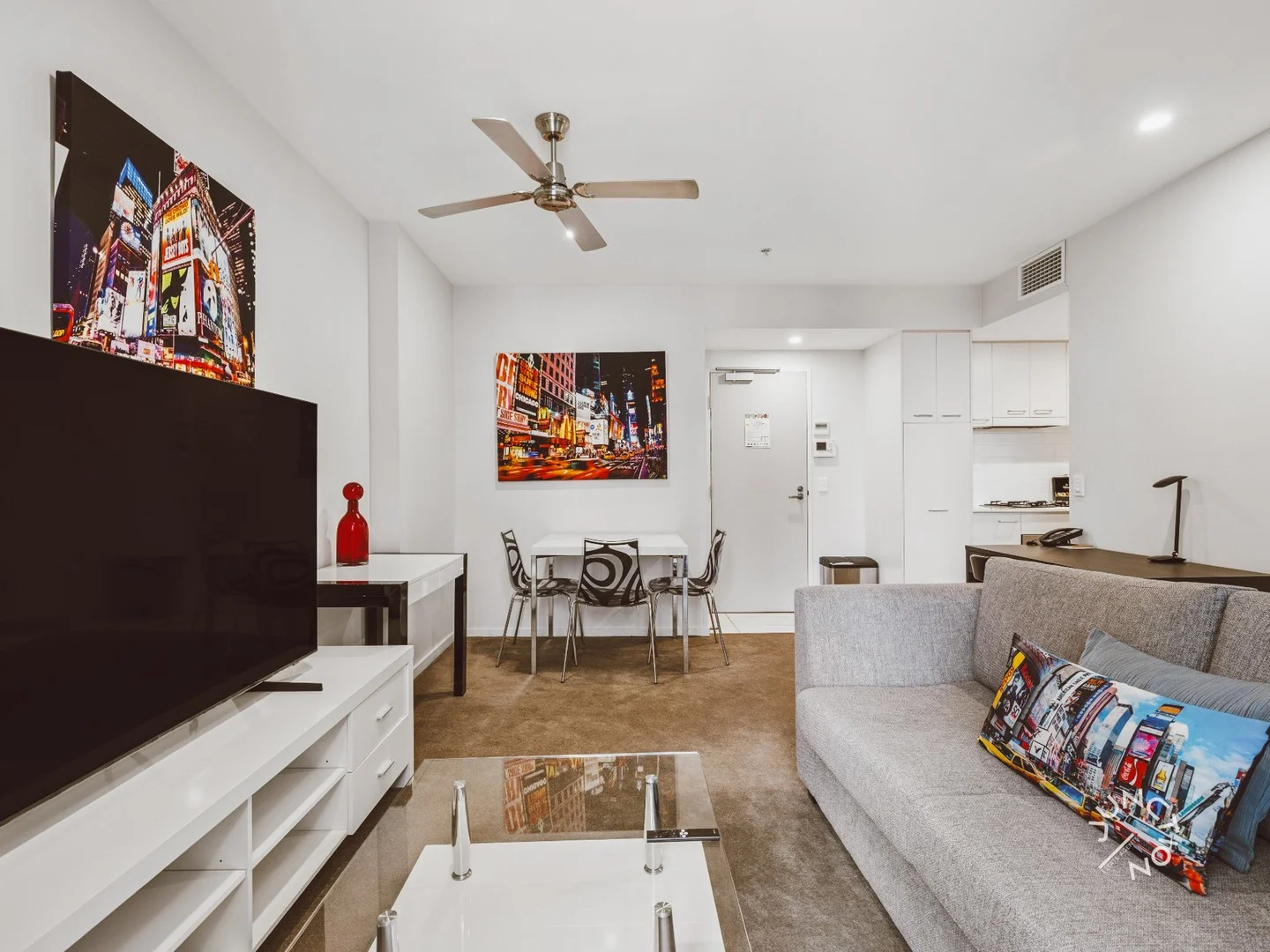 $523,200 - $566,800
Apartment / Unit / Flat
$523,200 - $566,800
Apartment / Unit / Flat
 $550,000
Apartment / Unit / Flat
$550,000
Apartment / Unit / Flat
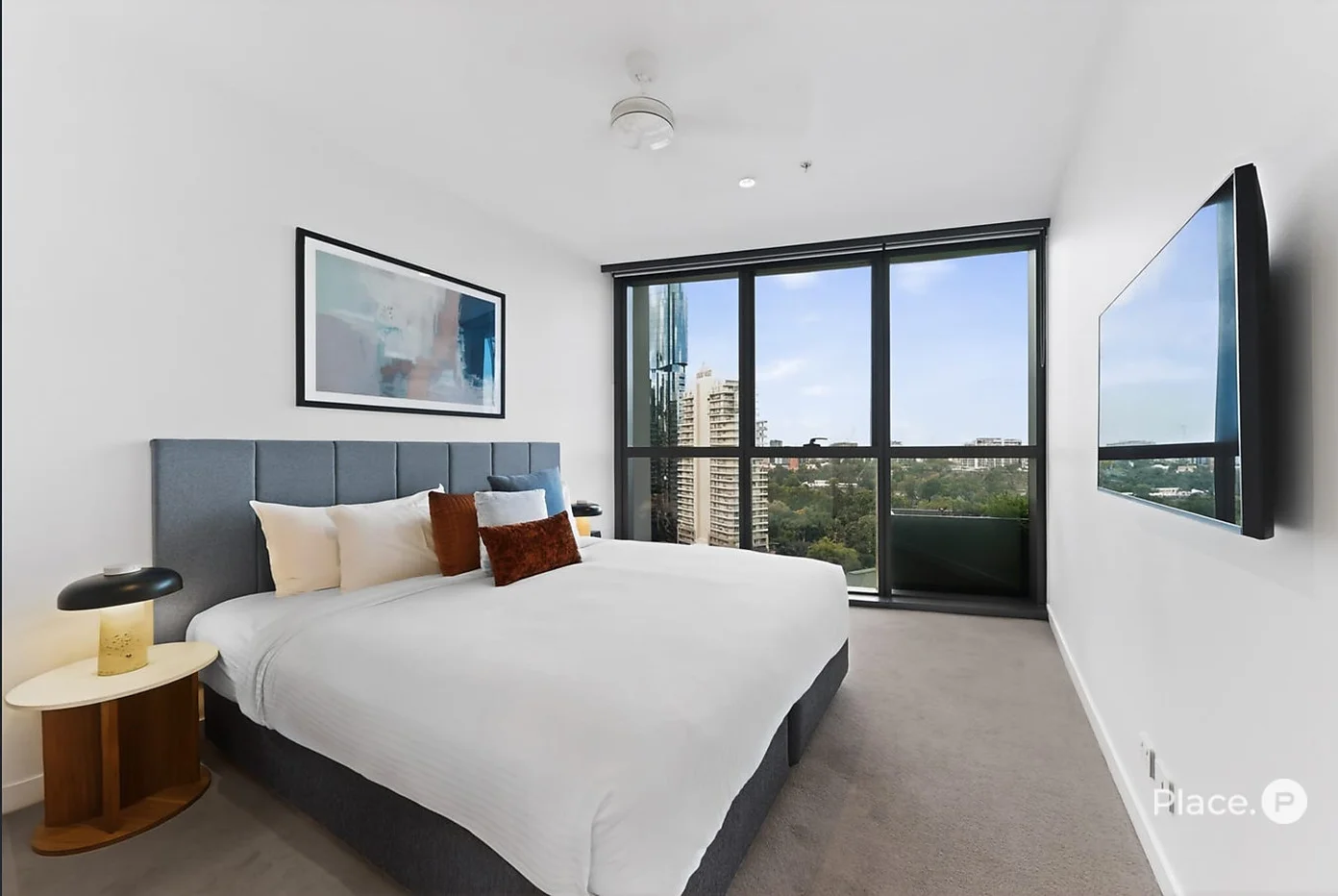 $770,000
Apartment / Unit / Flat
$770,000
Apartment / Unit / Flat
 $950,000
Apartment / Unit / Flat
$950,000
Apartment / Unit / Flat