Overview
San Sisto College is a Catholic, single-sex secondary college for girls located in Carina, Brisbane. It operates within the Brisbane Catholic Education system and focuses on faith-informed learning, academic achievement, and community service. As a medium-sized campus serving Years 7–12, the college fosters a nurturing, inclusive culture where students are encouraged to strive for personal and academic growth while building strong values.
Class sizes are typically in the low to mid-20s, allowing teachers to offer regular individual attention and opportunities for collaboration. The atmosphere emphasises respect, resilience, and service, with a strong sense of belonging and support for each student’s unique strengths and goals.
Academics & Learning
- Academic strengths: English, Mathematics, Science, STEM, Languages, and Humanities, with a focus on developing critical thinking, communication, and leadership skills.
- Special programs: Gifted & Talented pathways, accelerated learning options, ATAR-focused senior subjects, and opportunities to undertake Vocational Education & Training (VET) certificates where available.
- Support for diverse learners: Strong learning support teams, including EAL (English as an Additional Language) support and SEN (Special Educational Needs) provisions, plus access to tutoring and targeted interventions.
- Sports offered: Netball, Basketball, Soccer, Volleyball, Tennis, Athletics, Cross Country, and Swimming, with opportunities to represent the college in local and inter-school competitions.
- Strong teams or achievements: Competitive junior and senior teams across key sports; consistent participation in regional events and fixtures.
- Music, arts, drama programs: Robust performing arts program including choir, ensembles, drama productions, and instrumental music lessons.
- Clubs: Robotics, Chess, Coding, Debating, Environmental & service clubs, and student leadership groups.
- Partnerships: Connections with local sporting clubs and community arts groups, plus participation in broader inter-school competitions and Catholic Education events.
Wellbeing & Pastoral Care
- Anti-bullying approach: Clear anti-bullying policies, proactive wellbeing programs, and a safe, respectful school climate.
- House system: A house-based framework that fosters belonging, friendly competition, and cross-year mentorship.
- Counsellors / wellbeing officers: On-site counsellors and wellbeing staff available to support academic stress, personal development, and transition needs.
- Transition support for new students: Orientation programs, buddy systems, and targeted welcome activities to ease year-to-year transitions.
Facilities
- Sports grounds: Dedicated sports fields and courts for a range of activities.
- Libraries: Well-equipped library with study spaces and learning resources.
- Science labs: Up-to-date laboratories supporting practical science and experimentation.
- Music/performing arts centers: Rehearsal spaces and performance venues for music, drama, and dance.
- Tech/innovation labs: Modern technology and digital fabrication spaces to support STEM and creative projects.
- Cafeteria: On-site canteen with daily meal and snack options.
- Updated playgrounds: Safe and functional outdoor spaces for break times and recreation.
- School values / mission: A faith-based environment that emphasises integrity, service, respect, and striving for excellence.
- Leadership style: Collegial, student-centered leadership with opportunities for student voice in clubs, councils, and leadership roles.
- Behaviour expectations: Clear conduct policies, consistent enforcement, and a culture of accountability and mutual respect.
- Community reputation: Known for a welcoming, values-driven community with strong parent involvement and teacher collaboration.
- Diversity & inclusion: Commitment to inclusive practices and celebrating diverse backgrounds within the school community.
School Logistics & Daily Operations
- School hours: Typically a morning start with a full school day and standard finishing time; precise times announced by the school each year.
- Before/after school care: Availability of before- and after-school care or supervision schemes.
- Uniform requirements: Standard school uniform with appropriate seasonal adjustments; clear guidelines for accessories and dress code.
- Transport (train/bus routes): Accessible via public transport options; bus routes and public transport links commonly used by students; car drop-off zones designed for safety.
- Canteen availability: On-site canteen offering a range of hot and cold options.
- Fees (low/medium/high ranges): Fee levels in the medium to higher range for independent Catholic education, with information on annual schedules, levies, and additional costs published by the school.
Enrolment & Admissions
- What is the enrolment process and timeline?
- Submit an online application with required supporting documents (birth certificate, baptism certificate (if applicable), immunization records, most recent school reports).
- Complete any school-specific steps (interviews, information sessions, and/or pastoral references).
- Application review and shortlist for interview or assessment.
- Offer of placement when a seat is available, followed by confirmation and enrolment documentation.
- Orientation and transition activities scheduled prior to the start of the school year.
- Is there a waiting list, and how does it work?
- Some years may experience a waiting list depending on intake capacity and year level. Offers are made based on seat availability, enrolment priorities (e.g., siblings, parish affiliation where applicable), and completeness of applications. Parents are notified if a place cannot be offered immediately.
- Are there any entry requirements, tests, or interviews?
- Entry typically includes an interview and review of supporting documentation. Some year levels may have additional assessment or information sessions; non-Catholic or international families may have specific requirements. The process aims to assess fit with the school’s values and classroom dynamics.
- Does the school accept mid-year transfers?
- Mid-year transfers are considered subject to seat availability and alignment with the school’s enrolment policies. Prospective families should discuss timelines and required documentation with the admissions team.
Frequently Asked Questions
- Why Parents Choose This School?
- A faith-informed, values-driven environment that supports academic achievement, wellbeing, and service to community within a supportive, inclusive culture.
- What type of student thrives at this school?
- Motivated, collaborative, respectful students who value faith, academics, athletics, arts, and service to others.
- What opportunities are available for students to extend their skills (academics, sports, arts)?
- Senior subject pathways (ATAR and accelerated options), leadership roles, VET or enrichment programs, competitive sports, music and drama productions, and various clubs and competitions.
- How does the school communicate with parents?
- Regular newsletters, a parent portal, emails, app notifications, and scheduled parent-teacher interviews.
- What is the school’s approach to teaching and learning?
- Student-centered, differentiated instruction with a mix of traditional and inquiry-based approaches, integrated technology, and ongoing assessment to support growth.
- How does the school support students who need extra academic help?
- Dedicated learning support staff, targeted interventions, tutoring options, EAL and SEN services, and accessible teachers for additional help.
- What support is available for academic challenges?
- Individualized plans, counselling services, tutoring, and accommodations within assessments where appropriate.
- What extracurricular and sports opportunities are available?
- A wide range of sports, arts, music, drama, robotics, chess, coding, debating, and leadership activities, with pathways to regional and inter-school events.
- What facilities does the school offer (sports, science, arts)?
- Modern sports grounds, libraries, science labs, performing arts spaces, tech/innovation labs, a canteen, and updated outdoor areas.
- What is the school’s approach to technology and digital learning?
- Integration of digital tools in daily learning, computer labs and activities, and e-learning platforms to support engagement and collaboration.
- What transport and accessibility options are available?
- Access to public transport options and school-provided or coordinated transport arrangements; safe drop-off/pick-up zones and accessibility features.
- What are typical school fees or additional costs?
- Fees reflect a private Catholic education level and include annual tuition with additional costs for uniforms, books, trips, and activities; exact figures are provided by the school’s fees schedule.
Short Pros & Cons
- Faith-based, values-driven environment with a focus on wellbeing and community.
- Medium-sized, supportive setting with opportunities across academics, arts, and sports.
- Strong learning support systems for diverse learners, including EAL and SEN.
- Wide range of extracurriculars and leadership opportunities.
- Modern facilities and well-integrated technology in learning.
- As a private Catholic college, fees may be higher than government or non-religious schools.
- Competitive entry process and possible waiting lists in some year levels.
- Large schedule with many co-curriculars may require careful time-management from students.
- Transport options depend on local routes; some families may rely on private arrangements.
- Uniform expectations and associated costs are an ongoing consideration for families.








 $1,475,000 - $2,090,000
propertyType.NEW APARTMENTS / OFF THE PLAN
$1,475,000 - $2,090,000
propertyType.NEW APARTMENTS / OFF THE PLAN
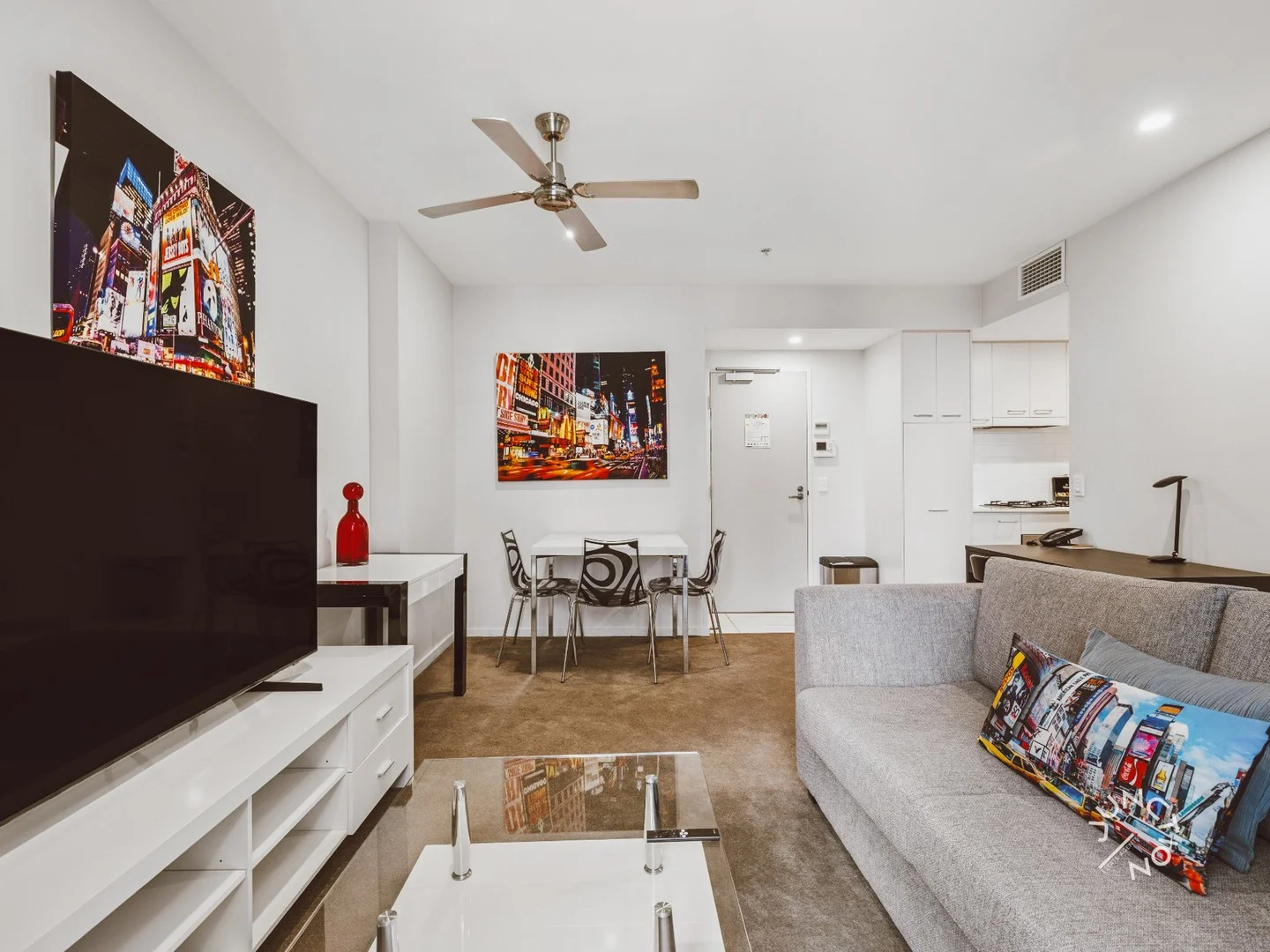 $523,200 - $566,800
Apartment / Unit / Flat
$523,200 - $566,800
Apartment / Unit / Flat
 $550,000
Apartment / Unit / Flat
$550,000
Apartment / Unit / Flat
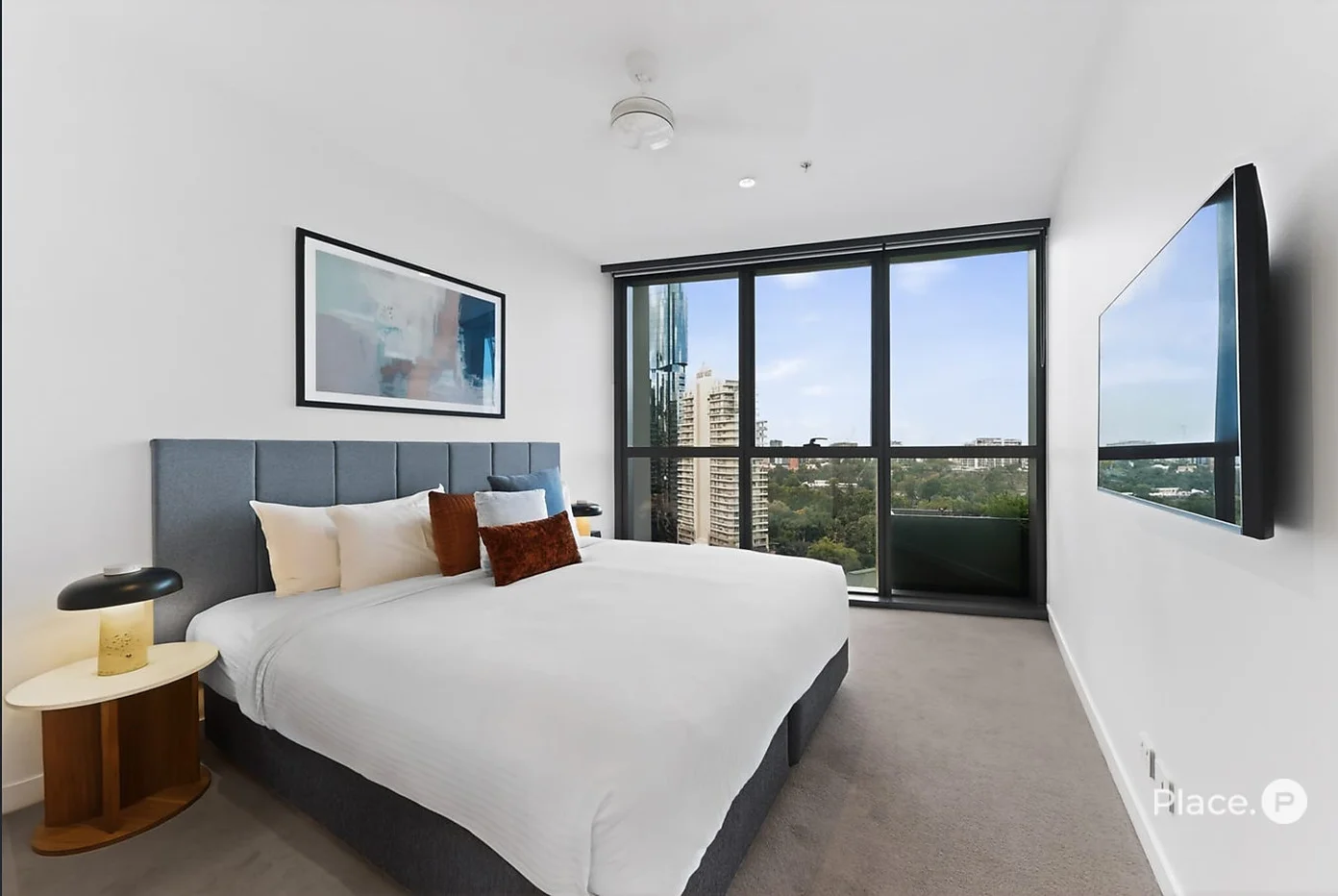 $770,000
Apartment / Unit / Flat
$770,000
Apartment / Unit / Flat
 $950,000
Apartment / Unit / Flat
$950,000
Apartment / Unit / Flat