## Overview
Carine Primary School is a public primary school serving families in the Carine area of Western Australia. The school aims to provide a supportive, inclusive learning environment where students are encouraged to grow academically, socially and physically. Class sizes are typically mid-range for public primary schools, with a focus on small-group instruction and individual attention where needed. The atmosphere is generally nurturing and collaborative, with an emphasis on developing responsible, resilient learners who contribute to their community.
The school fosters a positive culture that values inclusivity, respect and effort. Students are encouraged to engage in a range of learning experiences, including strong literacy and numeracy foundations, as well as opportunities to explore sport, arts and technology in a supportive setting.
---
## Academics & Learning
- Academic strengths: English literacy and numeracy are core focus areas, with opportunities to develop critical thinking through STEM activities, leadership experiences, and language studies as part of the school’s curriculum.
- Special programs: Gifted and Talented programs or accelerated learning options are available where appropriate, along with targeted literacy and numeracy support and enrichment activities in coding and robotics.
- NAPLAN trends: Over recent years, trends at WA public primary schools show steady progress in reading and numeracy. Carine Primary School aims to reflect and build on these trends, aligning with state benchmarks and ongoing school improvement plans.
- Student-teacher ratios: Typical ratios in primary settings are around 1:20–1:26, with class groupings and teaching staff allocated to support varied learning needs.
- Support for diverse learners: Strong emphasis on inclusion with EAL support, SEN support, and targeted intervention programs; classroom aides and specialist staff help students access the curriculum.
---
## Sports & Extracurricular Strengths
- Sports offered: A broad program including football (soccer), netball, basketball, athletics, cricket and general fitness activities; participation in inter-school sport is encouraged.
- Strong teams or achievements: Active involvement in inter-school competitions with opportunities to contribute to school teams and showcase talent.
- Music, arts, drama programs: Performing arts opportunities, school choirs or bands, and regular arts events are part of the school experience.
- Clubs: Robotics, chess, coding and debating clubs help students extend learning beyond the classroom.
- Partnerships: Local clubs and competitions provide additional opportunities for skill development and community engagement.
Many parents report that a balanced mix of sports, arts and academic clubs helps students stay motivated and engaged, with particular appeal for boys aged 10–14 who benefit from structured teams and creative outlets.
---
## Wellbeing & Pastoral Care
- Anti-bullying approach: Clear anti-bullying policies, positive relationships education, and a safe reporting process help create a respectful school culture.
- House system: House groups support friendly competition, teamwork and social connection through events and milestones.
- Counsellors / wellbeing officers: Access to school wellbeing staff or counsellors supports social and emotional development and early intervention.
- Transition support for new students: Buddy programs, orientation activities and dedicated introductions help new students settle in quickly and feel part of the school community.
---
## Facilities
- Sports grounds: On-site sports facilities to support physical education and after-school activities.
- Libraries: A well-stocked library to support literacy and independent reading.
- Science labs: Available science spaces for experiments and hands-on learning.
- Music/performing arts centers: Space and facilities for music, drama and presenting performances.
- Tech/innovation labs: Computer and digital learning spaces to support coding and technology integration.
- Cafeteria: On-site canteen or cafeteria offering healthy meal options.
- Updated playgrounds: Modern play spaces that encourage active play and social interaction.
---
## School Values & Community Culture
- School values / mission: Emphasis on respect, responsibility, resilience and inclusion; a clear mission to develop capable, compassionate learners.
- Leadership style: Student leadership opportunities (captains, prefects or house leaders) alongside teacher-led guidance and collaborative decision-making.
- Behaviour expectations: Positive behaviour framework with consistent expectations and recognition for effort and improvement.
- Community reputation: Known for an inclusive, supportive community with active family involvement and partnerships with local services.
- Diversity & inclusion: Focus on welcoming students from diverse backgrounds and providing supports to ensure all students can participate and succeed.
---
## School Logistics & Daily Operations
- School hours: Typical day runs from mid-to-llate morning start through mid-afternoon finish; exact times may vary by year level and term.
- Before/after school care: Availability of scheduled care through external providers or school-approved services before and after school.
- Uniform requirements: School uniform mandatory, with details provided through the school office or enrolment materials.
- Transport (train/bus routes): Serviced by local bus routes and public transport options; information available through the school and local transport authorities.
- Canteen availability: Canteen or snack options available during the day, with emphasis on healthy choices.
- Fees (low/medium/high ranges): As a public school, there is no tuition, with typical costs arising from book lists, excursions, and optional activities; parents are advised to review the annual fees schedule.
---
## Enrolment & Admissions
11. What is the enrolment process and timeline?
- Applications are typically handled through the Western Australian Department of Education (DoE) process. Families should submit enrollment forms via the DoE portal, provide required documents (proof of address, birth certificate or age verification, immunisation records as required), and observe any local timelines for school intake and catchment considerations. Confirmation of placement is communicated by the school within the DoE timelines.
12. Is there a waiting list, and how does it work?
- If the school is oversubscribed, a waiting list may be established. Allocation is generally based on catchment eligibility, availability of places, and the date of application. The school will inform families about their position and next steps.
13. Are there any entry requirements, tests, or interviews?
- Public primary entry typically does not involve entry tests or interviews. Schools may conduct orientation activities or brief assessments to determine EAL needs or support requirements, and to assist with class placement. Immunisation records may be requested as part of enrolment.
14. Does the school accept mid-year transfers?
- Mid-year transfers are possible if spaces are available. Families should contact the school as early as possible to discuss enrolment, complete the DoE transfer process, and arrange the necessary documentation and release from the current school.
---
## Frequently Asked Questions
- Why Parents Choose This School?
- A supportive, inclusive community with a focus on literacy, numeracy and well-rounded development; access to a range of enrichment opportunities in sport, arts and technology; proactive wellbeing and strong communication with families.
- What type of student thrives at this school?
- Students who engage with a broad curriculum, participate in team activities, and value respectful relationships and collaborative learning tend to thrive. The school supports diverse learners and encourages initiative and leadership.
- What opportunities are available for students to extend their skills (academics, sports, arts)?
- Enrichment in literacy and numeracy, STEM activities, coding and robotics, music and drama programs, and competitive or recreational sport through inter-school events.
- How does the school communicate with parents?
- Regular newsletters, a school app or portal, updates from the administration and teachers, annual parent-teacher interviews, and information sessions.
- What is the school's approach to teaching and learning?
- Student-centred learning with differentiation, evidence-based teaching strategies, collaboration, and integration of digital technologies to support understanding and engagement.
- How does the school support students who need extra academic help?
- Targeted intervention, small-group teaching, EAL and SEN support, and access to specialist staff and resources to assist with literacy, numeracy and other learning needs.
- What support is available for academic challenges?
- Early identification, personalised learning plans, and ongoing monitoring to keep students on track, with adjustments to teaching strategies and additional practice as needed.
- How does the school communicate with parents? (duplicate)
- See above: regular updates through newsletters, portals, and interviews; direct contact from teachers when concerns arise.
- What are the class sizes and how much individual attention do students receive?
- Class sizes are typically mid-range for primary schools, with opportunities for individualized attention through small-group sessions, targeted supports, and differentiated lessons.
- What extracurricular and sports opportunities are available?
- A range of sports, arts and clubs (robotics, chess, coding, debating), with pathways to participate in inter-school events and local community competitions.
- What facilities does the school offer (sports, science, arts)?
- Sports grounds, library, science labs, music/performing arts spaces, tech/innovation labs, canteen, and updated playgrounds.
- What is the school's approach to technology and digital learning?
- Integration of digital devices and software to support learning, with emphasis on digital literacy, coding, online safety and project-based activities.
- What transport and accessibility options are available?
- Public transport access and local bus routes; information on catchment and travel supports available through the school and local transport agencies.
- What are the typical school fees or additional costs?
- Being a public school, there is no tuition, with potential costs for book packs, excursions and optional activities. Parents should review the annual costs guidance provided by the school.
---
## Short Pros & Cons list
- Pros
- Public, community-focused environment with inclusive culture
- Balanced emphasis on academics, sport, arts and technology
- Range of support for diverse learners
- Visible student leadership and wellbeing focus
- Access to facilities that support hands-on learning
- Cons
- As a mid-to-large public school, peak times can be busier and campus may feel busy
- Some costs for excursions, activities and uniforms
- Availability of mid-year transfers depends on space and DoE processes
 $79+
$79+











 $549,000
Apartment / Unit / Flat
$549,000
Apartment / Unit / Flat
 $580,000
Apartment / Unit / Flat
$580,000
Apartment / Unit / Flat
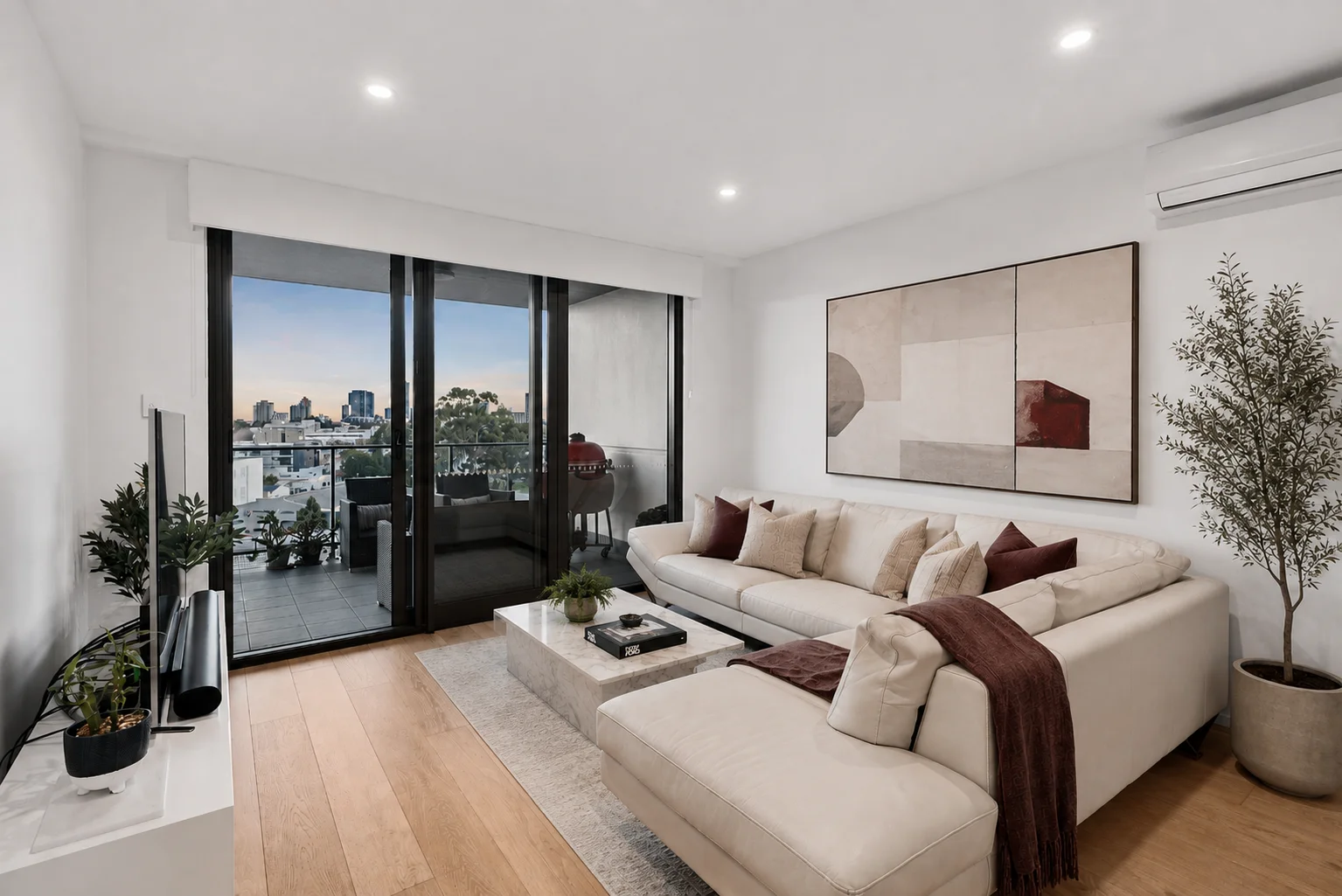 $700,000
Apartment / Unit / Flat
$700,000
Apartment / Unit / Flat


