1. Overview
The International School of WA (ISWA) in Doubleview is an independent, co-educational day school delivering a broad Australian curriculum with additional pathways to support diverse learner needs. The school aims to provide a balanced education that fosters academic curiosity, character development, and global awareness in a supportive community.
ISWA is a medium-sized Australian school community that emphasizes strong teacher–student relationships and a welcoming atmosphere. Class sizes are kept purposefully small to support individual attention and active participation, contributing to a nurturing yet academically focused school culture.
- School type: Independent/private
- School size: Medium
- Class size: Approximately 20–25 students per class
- Atmosphere/culture: Inclusive, nurturing, academically focused, diverse
⸻
2. Academics & Learning
ISWA focuses on delivering solid literacy, numeracy, and core subject strengths while expanding opportunities in STEM, languages, and the arts. A key feature is providing pathways and support to meet varied learner needs, including international and bilingual cohorts.
- Academic strengths: English, mathematics, science, and languages; emphasis on critical thinking and global awareness
- Special programs: Gifted and Talented initiatives, potential accelerated learning options, and targeted support for international students
- NAPLAN / trends: Positive, steady trends in literacy and numeracy improvement over time
- Student-teacher ratios: Typically in the low-teens range (roughly 1:8 to 1:12), with smaller classes to maximise individual attention
- Support for diverse learners: EAL support, SEN-friendly programs, and inclusive learning adjustments where needed
⸻
3. Sports & Extracurricular Strengths
ISWA supports a well-rounded student experience with a range of sports and enrichment activities. The school encourages teamwork, discipline, and personal bests through both competition and personal development.
- Sports offered: Soccer/futsal, basketball, cricket, swimming, tennis, athletics, netball
- Strong teams or achievements: Competitive school-level teams with regular participation in inter-school events
- Music, arts, drama programs: Comprehensive music and performing arts opportunities; dramatics and theatre trips/events
- Clubs: Robotics, chess, coding, debating, and other creative-technology clubs
- Partnerships: Local academies and inter-school competitions to broaden access to competitions and professional development
⸻
4. Wellbeing & Pastoral Care
A strong wellbeing framework supports student resilience, belonging, and safe development. ISWA focuses on positive relationships, clear expectations, and accessible wellbeing resources.
- Anti-bullying approach: Proactive policies, clear reporting channels, restorative practices
- House system: House-based activities and competitions to foster team spirit and belonging
- Counsellors / wellbeing officers: On-site wellbeing staff to support students and families
- Transition support: Orientation programs, buddy systems, and ongoing transition assistance for new students
⸻
5. Facilities
ISWA provides facilities designed to support a modern learning environment, with spaces that encourage collaboration, creativity, and physical activity.
- Sports grounds: Indoor/outdoor sports facilities and fields
- Libraries: Well-stocked library with study zones
- Science labs: Well-equipped laboratories for practical experiments
- Music/performing arts centers: Dedicated spaces for music, drama, and performances
- Tech/innovation labs: Computer and makerspace areas for hands-on learning
- Cafeteria: On-site canteen or dining hall
- Updated playgrounds: Safe and inviting outdoor play and activity areas
⸻
6. School Values & Community Culture
ISWA aims to cultivate values-driven learners who contribute positively to their communities, both locally and globally.
- School values / mission: Respect, integrity, excellence, inclusion, and global-mindedness
- Leadership style: Collaborative and distributed leadership with student voice in appropriate contexts
- Behaviour expectations: Clear code of conduct with restorative approaches to conflict
- Community reputation: Family-oriented, supportive, and community-minded
- Diversity & inclusion: Active commitment to inclusion and celebrating cultural diversity
⸻
7. School Logistics & Daily Operations
Practical details help families plan around school life.
- School hours: Core day aligned with typical WA school hours; start and finish times may vary by stage
- Before/after school care: Available
- Uniform requirements: School uniform policy enforced
- Transport: Bus routes and school transport options available
- Canteen availability: Canteen or vending options on site
- Fees: Medium to higher range reflecting independent school status
⸻
8. Enrolment & Admissions
11. What is the enrolment process and timeline?
- Inquiries and information session
- Submission of application with supporting documents (academic records, student information, family details)
- Application review and eligibility checks
- Offer of place and acceptance, followed by enrollment paperwork and fee payment
- Orientation and start-date planning
12. Is there a waiting list, and how does it work?
- Yes, there is typically a waiting list. Applications are prioritized by date of submission and space availability; siblings may receive some priority depending on policy.
13. Are there any entry requirements, tests, or interviews?
- Entrance assessment or interview is common to assess readiness and fit
- English language assessment for EAL or non-native speakers
- Review of academic records and teacher recommendations as part of the process
14. Does the school accept mid-year transfers?
- Mid-year transfers may be possible depending on space and alignment of curriculum; assessments or transitional planning may be required
⸻
9. Frequently Asked Questions
- Why Parents Choose This School?
- What type of student thrives at this school?
- What opportunities are available for students to extend their skills (academics, sports, arts)?
- How does the school communicate with parents?
- What is the school’s approach to teaching and learning?
- How does the school support students who need extra academic help?
- What support is available for academic challenges?
- How does the school communicate with parents? (duplicate in list)
- What are the class sizes and how much individual attention do students receive?
- What extracurricular and sports opportunities are available?
- What facilities does the school offer (sports, science, arts)?
- What is the school’s approach to technology and digital learning?
- What transport and accessibility options are available?
- What are the typical school fees or additional costs?
⸻
10. Short Pros & Cons list
Pros
- Independent/private school environment with tailored learning
- Small to medium class sizes for individualized attention
- Strong focus on wellbeing, values, and community
- Broad extracurricular offerings (sports, arts, robotics, debates)
- Integrated support for diverse learners (EAL, SEN)
Cons
- Tuition and fees are higher than public schools
- Competitive admissions process with potential waiting lists
- Independent school calendars and policies may differ from public systems
- Transport options may be more limited outside major suburbs
⸻

 $79+
$79+










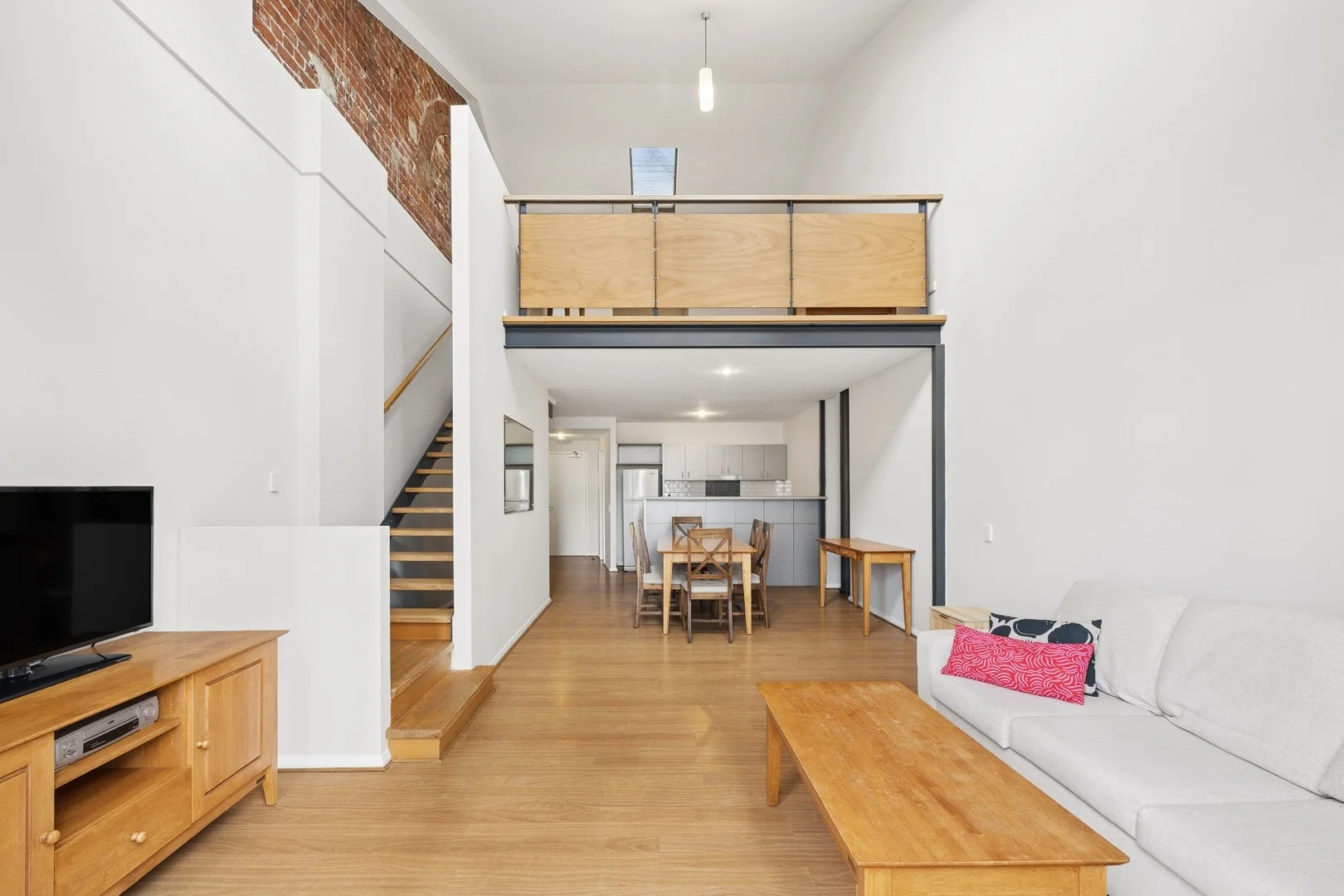 $549,000
Apartment / Unit / Flat
$549,000
Apartment / Unit / Flat
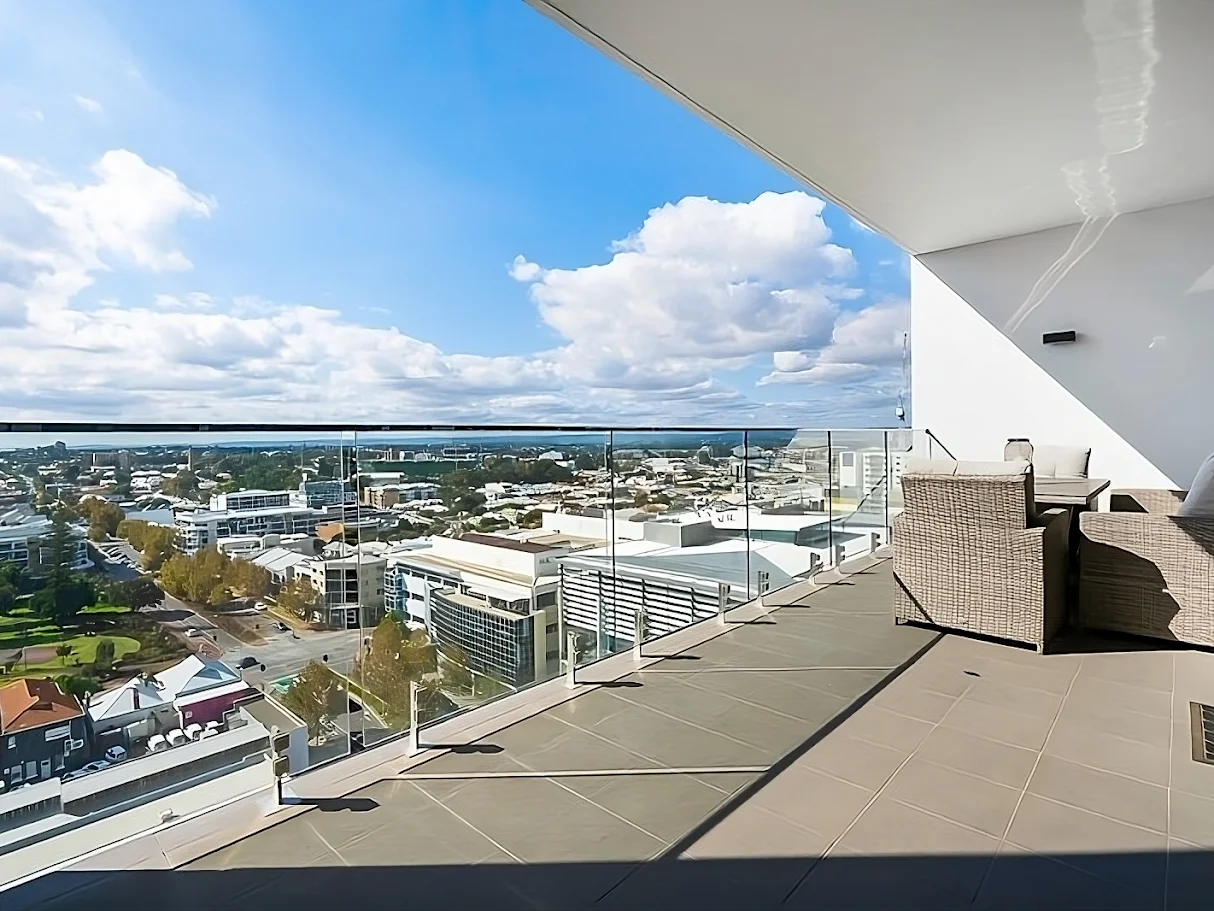 $580,000
Apartment / Unit / Flat
$580,000
Apartment / Unit / Flat
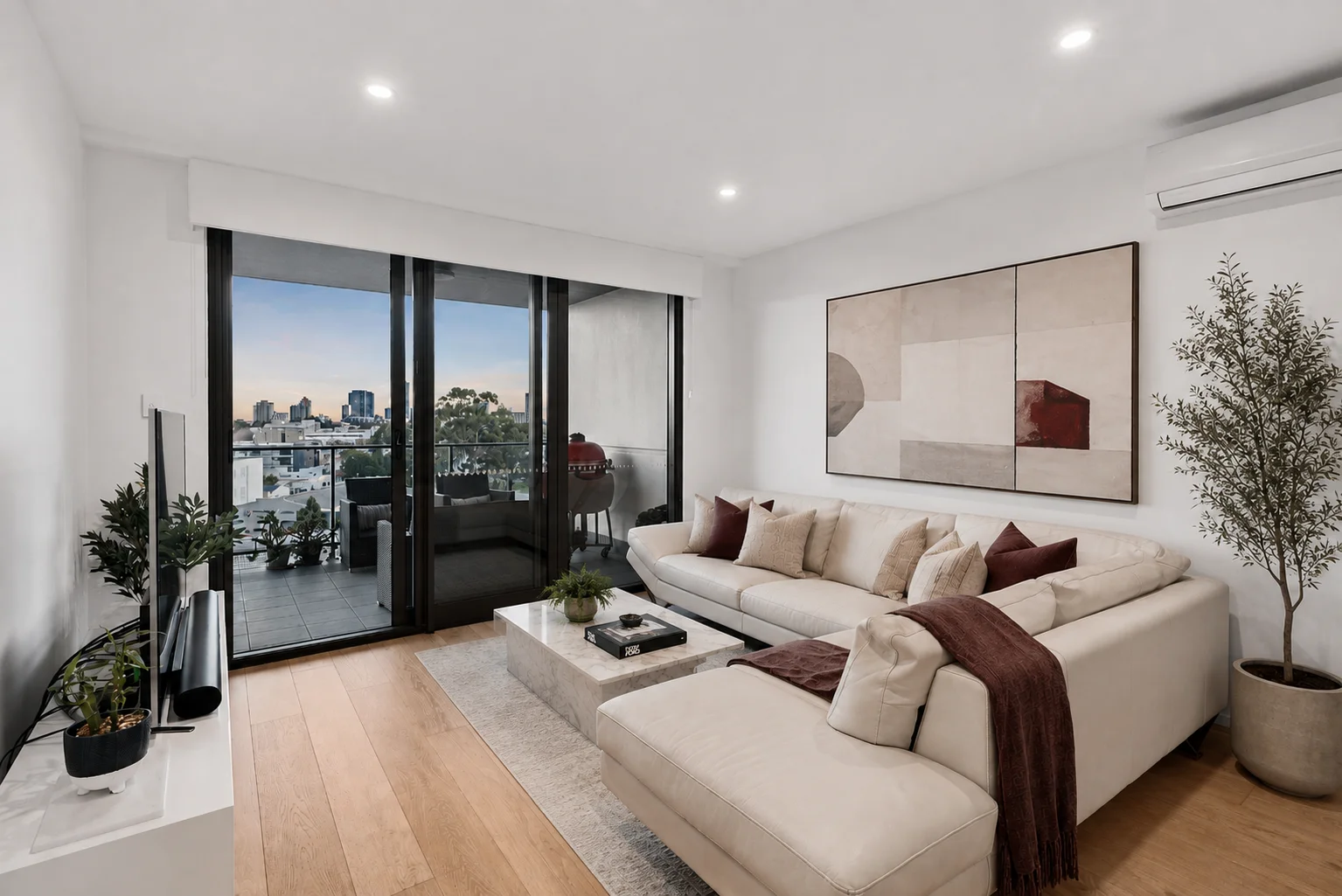 $700,000
Apartment / Unit / Flat
$700,000
Apartment / Unit / Flat