## 1. Overview
Carine Senior High School is a public, coeducational high school serving students in the WA Department of Education system. It offers a broad range of academic and vocational pathways within a mid-to-large school community, focused on preparing students for further study, apprenticeships, and the workforce. The school emphasises a supportive, inclusive culture where students are encouraged to work hard, contribute to the school community, and pursue diverse interests.
The atmosphere is typically described as inclusive and student-focused, balancing academic rigour with opportunities in sport, arts, and leadership. With a moderate to large student body, class sizes are designed to be manageable while offering a variety of programs to suit different learning styles and interests.
⸻
## 2. Academics & Learning
- Academic strengths: Strong emphasis on core subjects (English, mathematics, sciences) with opportunities to explore STEM, humanities, and languages. The school typically supports a mix of standard and extension subject options to cater to a range of academic interests.
- Special programs: Pathways commonly include ATAR/academic inquiry routes, along with options for vocational education and training (VET) to support students seeking workplace skills alongside traditional exams. Leadership and mentoring opportunities are often available to motivated students.
- NAPLAN / trends: Public school performance trends in literacy and numeracy are monitored over time; many WA high schools show steady or improving results across cohorts. For precise trends and recent performance, check the school’s annual reports or WA Department of Education summaries.
- Student-teacher ratios: Class sizes and teacher contact vary by subject and year level, but are generally in the mid-20s range, with smaller groups for targeted support or senior extension where applicable.
- Support for diverse learners: Active support for EAL and students with additional learning needs through dedicated support staff, learning support teams, and targeted intervention programs to help students access the curriculum and progress.
⸻
## 3. Sports & Extracurricular Strengths
- Sports offered: A broad program typically includes team and individual sports such as basketball, soccer, netball, cricket, football, athletics, swimming, and more, with opportunities to represent the school in interschool competitions.
- Strong teams or achievements: The school participates in regional and interschool competitions and aims to develop competitive teams across sports, along with recognitions in school-wide sport events.
- Music, arts, drama programs: Comprehensive performing arts, music ensembles, drama productions, and related creative opportunities are typically available to students, alongside visual arts.
- Clubs: Robotics, coding, chess, debating, and other clubs are commonly offered to broaden student engagement beyond the classroom.
- Partnerships: The school often engages with local community groups, sports clubs, and regional competitions to provide additional opportunities and real-world experiences for students.
⸻
## 4. Wellbeing & Pastoral Care
- Anti-bullying approach: Positive behaviour frameworks and anti-bullying programs are in place to promote respectful interactions and a safe school environment.
- House system: A house-based structure supports pastoral care, leadership opportunities, and participation in school events and competitions.
- Counsellors / wellbeing officers: Access to school-based counsellors and wellbeing staff to support mental health, social-emotional development, and transition needs.
- Transition support for new students: Orientation activities, buddy systems, and targeted supports help new students settle in and build connections quickly.
⸻
## 5. Facilities
- Sports grounds: Well-maintained playing fields and courts suitable for training and interschool events.
- Libraries: Dedicated library resources supporting study, research, and leisure reading.
- Science labs: Modern laboratories designed to support chemistry, physics, biology, and related experiments.
- Music/performing arts centers: Facilities for rehearsals, performances, and music education.
- Tech/innovation labs: ICT and technology spaces to support coding, digital learning, and project work.
- Cafeteria: On-site options or a canteen-style area for students during breaks.
- Updated playgrounds: Safe, functional outdoor spaces for recreation and informal activities.
⸻
## 6. School Values & Community Culture
- School values / mission: A clear emphasis on respect, responsibility, integrity, and excellence within a collaborative learning community.
- Leadership style: A student-inclusive, participatory leadership approach with opportunities to contribute to student voice, student councils, and peer leadership initiatives.
- Behaviour expectations: A positive behaviour framework guiding conduct, courtesy, and accountability within the school community.
- Community reputation: A welcoming, involved community with parent and local partnerships; a focus on ensuring every student can access opportunities.
- Diversity & inclusion: Commitment to a diverse and inclusive environment where students from different backgrounds feel supported and valued.
⸻
## 7. School Logistics & Daily Operations
- School hours: Typical daytime timetable with start and finish times aligned to WA public high school patterns; adjustments may occur for specific programs or events.
- Before/after school care: After-school care options are often provided via external providers arranged to operate on-site or nearby; check availability and timings with the school.
- Uniform requirements: Uniforms are standard; students are expected to wear the school uniform in line with Department of Education guidelines.
- Transport (train/bus routes): Bus routes serve the school catchment and surrounding areas; families are encouraged to plan travel using public transport where possible. Please check current routes and any school-run shuttle options.
- Canteen availability: A canteen or food service generally provides meals and snacks during breaks.
- Fees (low/medium/high ranges): Being a public school, tuition is typically limited; there may be charges for materials, excursions, and voluntary contributions as part of school programs.
⸻
## 8. Enrolment & Admissions
11. What is the enrolment process and timeline?
- Enrolments are managed through the WA Department of Education process. Primary to secondary transitions typically occur on set timelines each year, with information sessions and open days announced by the school. Start early to secure key dates, documents, and any required steps.
12. Is there a waiting list, and how does it work?
- Waiting lists exist for out-of-area or special-program considerations in some situations. Admission priorities generally follow catchment boundaries, with out-of-area applications considered based on vacancies and available places. Contact the school for current policies and waitlist procedures.
13. Are there any entry requirements, tests, or interviews?
- For most public high school entries, there are no entrance tests. Out-of-area or selective-pathway considerations may involve additional steps or interviews. The school will advise on any specific requirements for particular programs or year levels.
14. Does the school accept mid-year transfers?
- Mid-year transfers can be possible if there are vacancies and documentation is in order. It typically requires coordination with the school administration and the WA Department of Education. Contact the school as soon as possible if you’re considering a mid-year move.
⸻
## 9. Frequently Ask Questions
- Why Parents Choose This School?
- A balanced environment that supports academic achievement, wellbeing, and broad interests; strong sense of community and opportunities across sport, arts, and leadership.
- What type of student thrives at this school?
- Students who are engaged in academics, sports, arts, or leadership activities; those who value a supportive community and want a well-rounded high school experience.
- What opportunities are available for students to extend their skills (academics, sports, arts)?
- ATAR pathways and extension subjects, VET options, leadership roles, electives in STEM and the humanities, competitive sports teams, performing arts programs, and clubs like robotics, coding, chess, and debating.
- How does the school communicate with parents?
- Regular newsletters, school apps or portals, email, parent-teacher interviews, and notice boards; some communications may use SMS or social media channels.
- What is the school’s approach to teaching and learning?
- A student-centered approach combining direct instruction, inquiry-based learning, and digital resources, with opportunities for collaboration and hands-on projects.
- How does the school support students who need extra academic help?
- Learning support teams, targeted interventions, tutoring or after-school help, EAL support where relevant, and access to counsellors for academic planning.
- What support is available for academic challenges?
- Additional tutoring, tailored learning plans, and coordinated support from teachers and specialists to help students overcome barriers and stay on track.
- How does the school communicate with parents?
- See above; multiple channels to ensure timely and clear information about student progress and school activities.
- What are the class sizes and how much individual attention do students receive?
- Class sizes are generally mid-20s, with smaller groups for targeted instruction or support where needed; teachers aim to provide regular feedback and monitoring of progress.
- What extracurricular and sports opportunities are available?
- A range of sports, music and performing arts, and clubs such as robotics, coding, chess, and debating; opportunities to compete, perform, and develop leadership.
- What facilities does the school offer (sports, science, arts)?
- Sports grounds, libraries, science labs, music/performing arts spaces, technology/innovation labs, canteen, and well-maintained outdoor facilities.
- What is the school’s approach to technology and digital learning?
- Integration of digital tools in learning, access to computer labs and devices, and use of online platforms to support instruction and collaboration.
- What transport and accessibility options are available?
- Bus routes servicing the area, proximity to public transport options, and parking/drop-off arrangements; consider checking current routes and accessibility needs with the school.
- What are the typical school fees or additional costs?
- Public schools generally have low tuition; expect costs for uniforms, excursions, materials, and optional activities. Voluntary contributions or book/levy charges may apply.
⸻
## 10. Short Pros & Cons list
- Pros
- Public school with broad academic and extra-curricular options
- Inclusive, student-focused culture with a range of support services
- Pathways to ATAR, VET, and leadership opportunities
- Diverse clubs and strong sport/arts programs
- Modern facilities and well-maintained grounds
- Cons
- Class sizes and resource demands vary by year level and program
- Out-of-area transfers or specialty programs may have competitive opportunities
- Transport options depend on location and school bus routes; check current routes
- Fees for optional activities, excursions, and materials may apply
⸻

 $79+
$79+









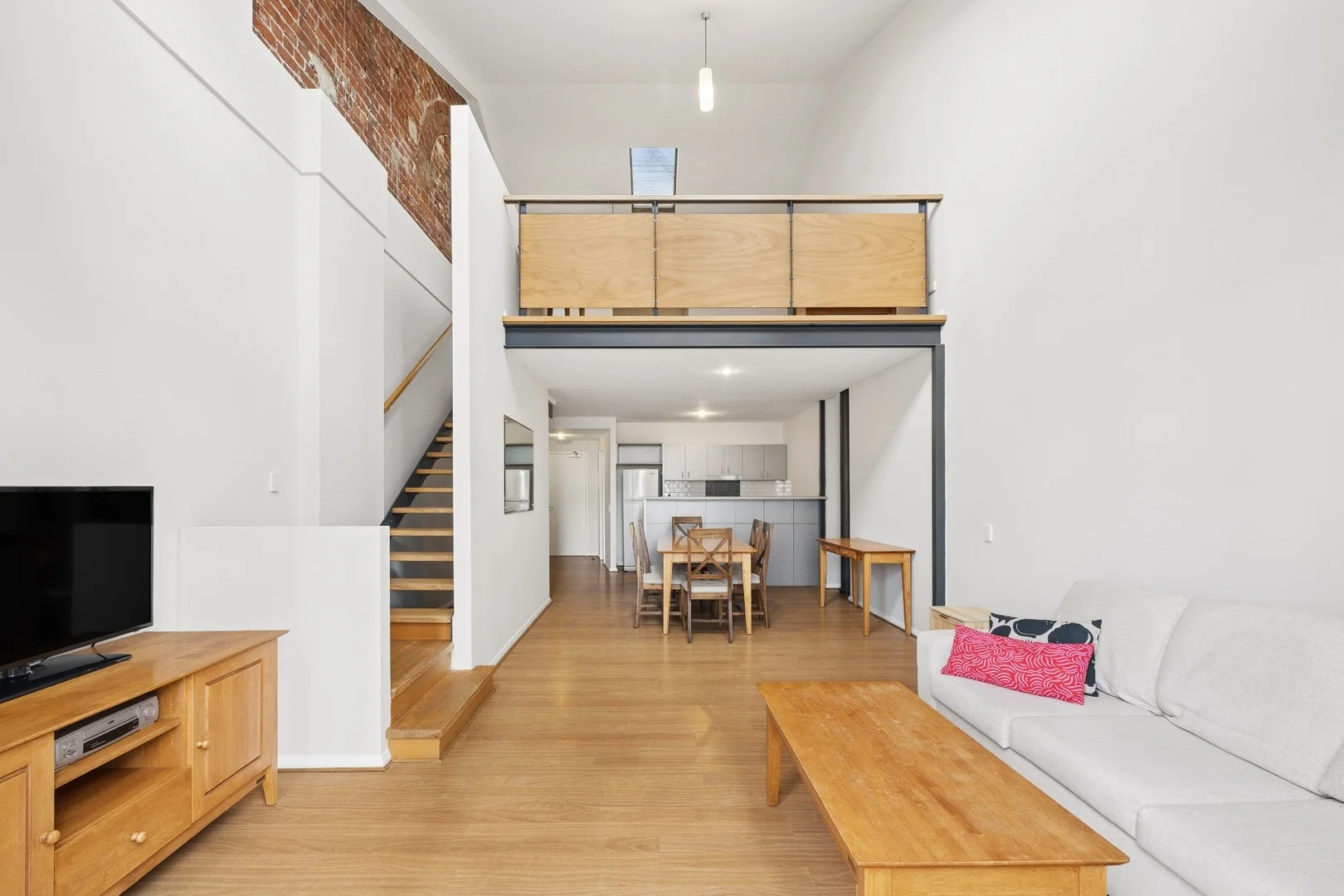 $549,000
Apartment / Unit / Flat
$549,000
Apartment / Unit / Flat
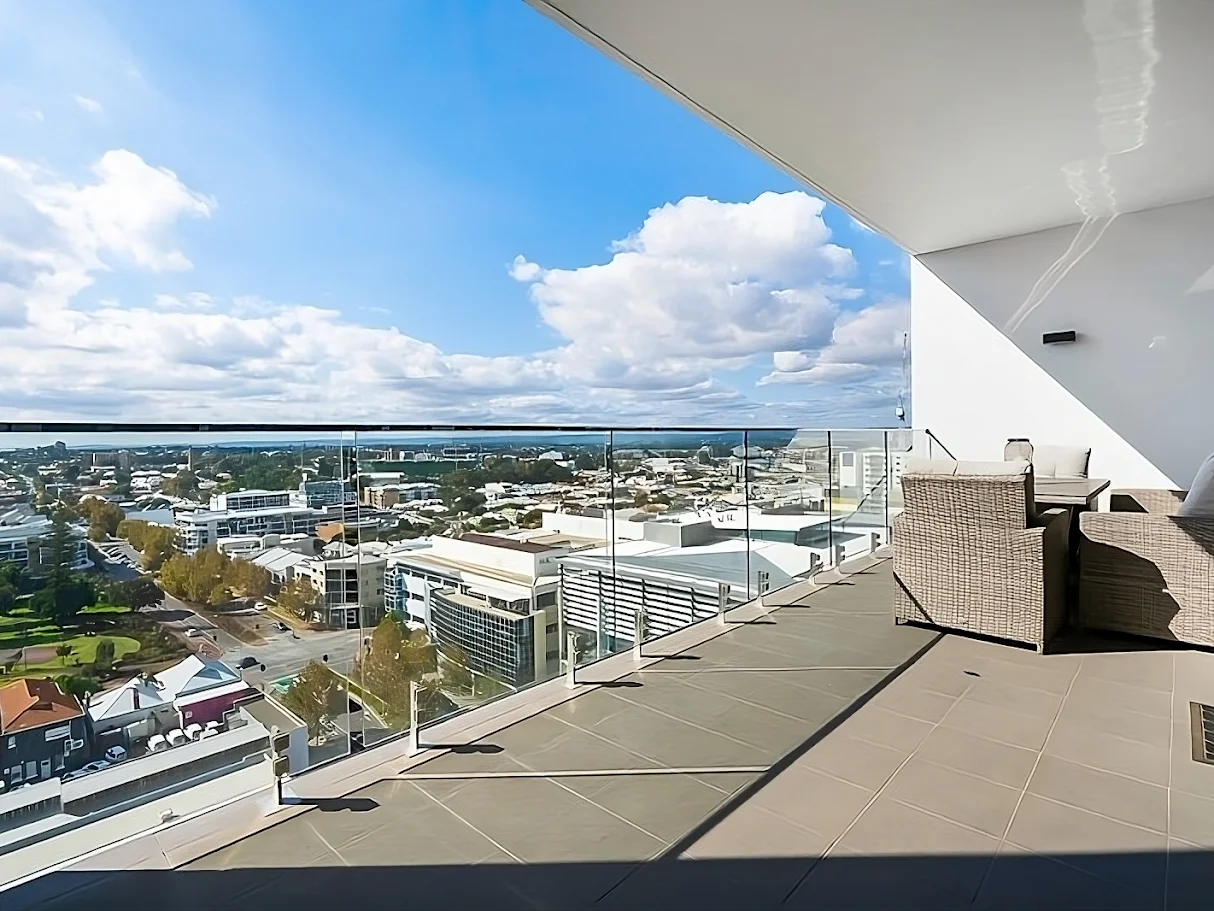 $580,000
Apartment / Unit / Flat
$580,000
Apartment / Unit / Flat
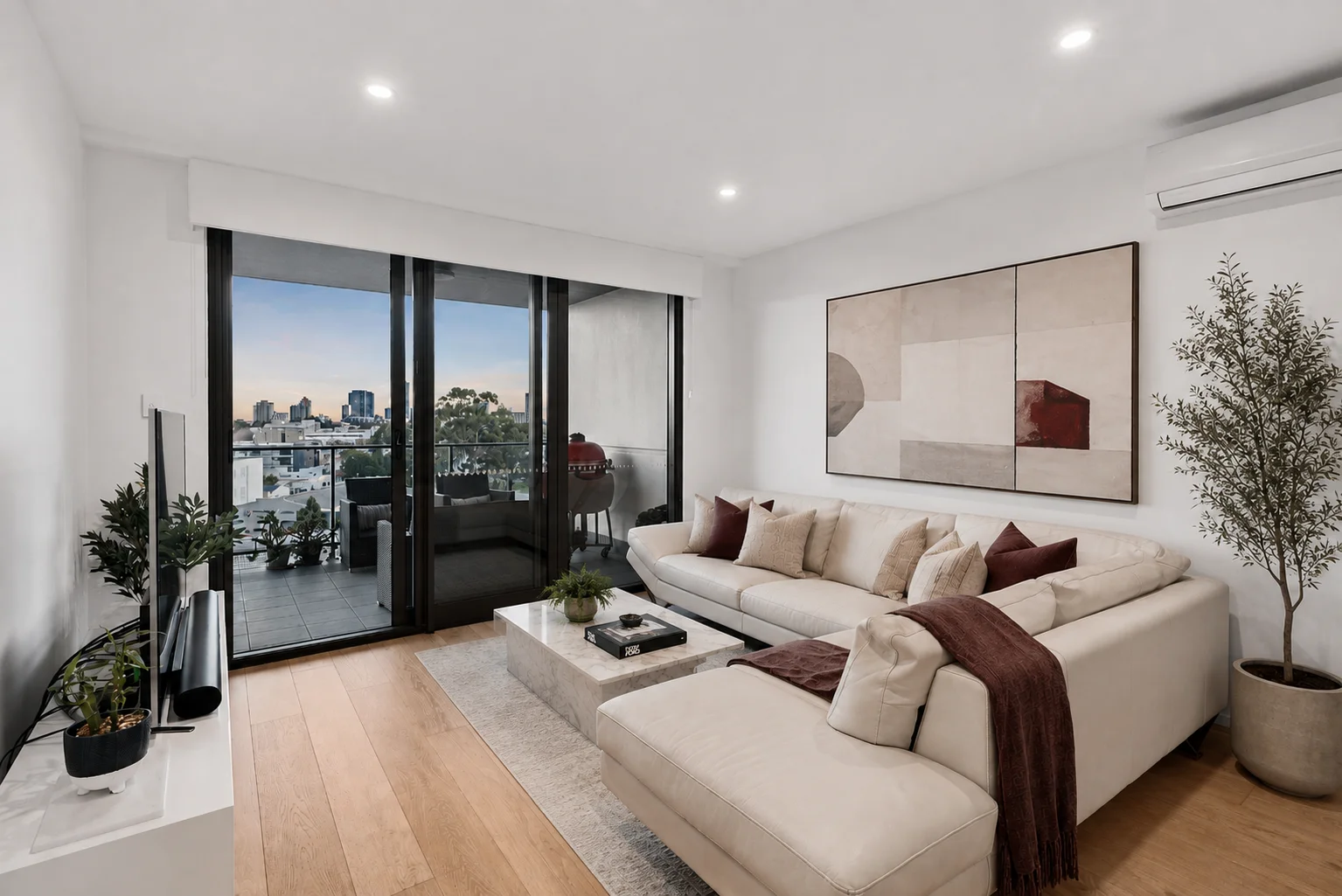 $700,000
Apartment / Unit / Flat
$700,000
Apartment / Unit / Flat


