Overview
Carlton Primary School is a public, co-educational primary school serving the Carlton community in Victoria. The school aims to provide a welcoming, inclusive learning environment where students are encouraged to be curious, resilient and respectful.
As a medium-sized school, classrooms are designed to support individual learning and strong teacher–student relationships. Average class sizes are typically in the mid-20s, with dedicated support staff to assist diverse learners and ensure every child has opportunities to thrive.
Academics & Learning
- Academic strengths: Strong emphasis on literacy and numeracy with integrated STEM activities and digital literacy to prepare students for contemporary learning.
- Special programs: Gifted and talented pathways, targeted reading and mathematics supports, and opportunities for accelerated learning where appropriate.
- Support for diverse learners: EAL support, inclusive education plans, and access to learning support staff and specialists to assist students with differing needs.
- Sports offered: Soccer, AFL/footy, cricket, basketball, athletics and modified physical education programs.
- Strong teams or achievements: Participation in district and inter-school events with opportunities to contribute to school-level teams and showcases.
- Music, arts, drama programs: School choir, instrumental programs and regular drama/performing arts activities and productions.
- Clubs: Robotics, chess, coding, debating and other STEM/creative clubs.
- Partnerships: Collaboration with local clubs, community organizations and competitions to extend opportunities beyond the classroom.
Wellbeing & Pastoral Care
- Anti-bullying approach: Clear anti-bullying policy, restorative practices and ongoing wellbeing education.
- House system: House groups to promote belonging, teamwork and healthy competition.
- Counsellors / wellbeing officers: Access to school counsellors or wellbeing staff to support students’ social and emotional needs.
- Transition support for new students: Orientation programs, buddy systems and gradual transition plans to help new students settle in smoothly.
Facilities
- Sports grounds: On-site playing fields and court spaces for a range of physical activities.
- Libraries: Central library with books and learning resources.
- Science labs: Dedicated spaces for hands-on science learning and experiments.
- Music/performing arts centers: Resources for music, drama and performance activities.
- Tech/innovation labs: Flexible spaces for coding, robotics and digital projects.
- Cafeteria: On-site canteen or lunch facilities supporting student meals.
- Updated playgrounds: Safe, modern play areas and outdoor learning spaces.
- School values / mission: Focus on respect, resilience, inclusion, curiosity and responsibility as guiding principles.
- Leadership style: Student voice and leadership opportunities alongside teacher and staff guidance; collaborative decision-making at appropriate levels.
- Behaviour expectations: Clear expectations with consistent routines, positive reinforcement and restorative practices.
- Community reputation: Generally regarded as a welcoming, family-friendly environment with strong parent involvement.
- Diversity & inclusion: Commitment to celebrating diversity and ensuring inclusive practices across learning, activities and events.
School Logistics & Daily Operations
- School hours: Typically a standard daytime schedule with start and finish times aligned to Victorian norms.
- Before/after school care: After-school care or wrap-around programs available through approved providers or the school’s arrangements.
- Uniform requirements: Uniform policy in place with details provided by the school.
- Transport (train/bus routes): Access to public transport and bus routes; information on drop-off/pick-up arrangements provided by the school.
- Canteen availability: Canteen or lunch program available on certain days.
- Fees (low/medium/high ranges): Government-funded primary education with some optional costs for excursions and activities; indicative fees posted by the school.
Enrolment & Admissions
- What is the enrolment process and timeline?
- Applications are typically submitted through the relevant departmental process for government schools, with timelines published annually. Parents/carers should prepare required documents (e.g., proof of residence, immunisation records) and review key dates for intake at the start of the school year or term.
- Is there a waiting list, and how does it work?
- If the school is oversubscribed, a waiting list may be used. Placement often considers date of application, sibling relationships, and available vacancies. The school or department will provide guidance on how the waiting list operates and expected wait times.
- Are there any entry requirements, tests, or interviews?
- Primary enrolment generally does not involve entrance tests or formal interviews. Some information may be gathered to support transition planning, but decisions are typically based on eligibility and place availability.
- Does the school accept mid-year transfers?
- Mid-year transfers can be considered subject to vacancies and relevant documentation. Parents should contact the school early to discuss availability and the transfer process.
Frequently Asked Questions
- Why Parents Choose This School?
- A welcoming, inclusive community with supportive staff, strong emphasis on literacy and numeracy, and a balanced program of academics and activities.
- What type of student thrives at this school?
- Curious, collaborative students who engage in learning, participate in a range of activities, and show resilience and respect for others.
- What opportunities are available for students to extend their skills (academics, sports, arts)?
- Extension in literacy/numeracy, gifted and talented pathways, STEM clubs, sports teams, arts and drama programs, and a variety of clubs (robotics, coding, debating).
- How does the school communicate with parents?
- Regular newsletters, emails, parent-teacher meetings, and digital communications via the school app or portal.
- What is the school’s approach to teaching and learning?
- Evidence-based, differentiated instruction with a focus on student engagement, inquiry-based learning and practical applications.
- How does the school support students who need extra academic help?
- Targeted interventions, small-group support, reading/mathematics specialists, and access to learning support staff.
- What support is available for academic challenges?
- Individual learning plans, ongoing progress monitoring and collaboration with families to set goals and track achievement.
- How does the school communicate with parents? (repeat)
- See above: newsletters, portals, and scheduled meetings.
- What extracurricular and sports opportunities are available?
- A range of sports, music and drama programs, and clubs such as robotics, chess, coding and debating.
- What facilities does the school offer (sports, science, arts)?
- Sports grounds, library, science labs, performing arts spaces, tech/innovation labs and catering facilities.
- What is the school’s approach to technology and digital learning?
- Integration of digital literacy across the curriculum, with access to appropriate devices and software to support learning.
- What transport and accessibility options are available?
- Access to public transport routes with clear pick-up/drop-off guidelines and consideration of accessibility needs.
- What are typical school fees or additional costs?
- Public primary education is government-funded; some optional costs apply for excursions and activities.
Short Pros & Cons list
- Inclusive, supportive learning environment with strong literacy and numeracy emphasis
- Wide range of extracurricular opportunities (sports, arts, clubs)
- Active wellbeing and pastoral care, with transition support for new students
- Balanced facilities that support science, tech, arts and physical education
- As a mid-sized urban school, demand can exceed vacancies at certain times; waiting lists may apply
- Some programs and facilities may have limited capacity or scheduled access due to demand
- Transportation and commute considerations depend on home location and available routes

 Free
Free













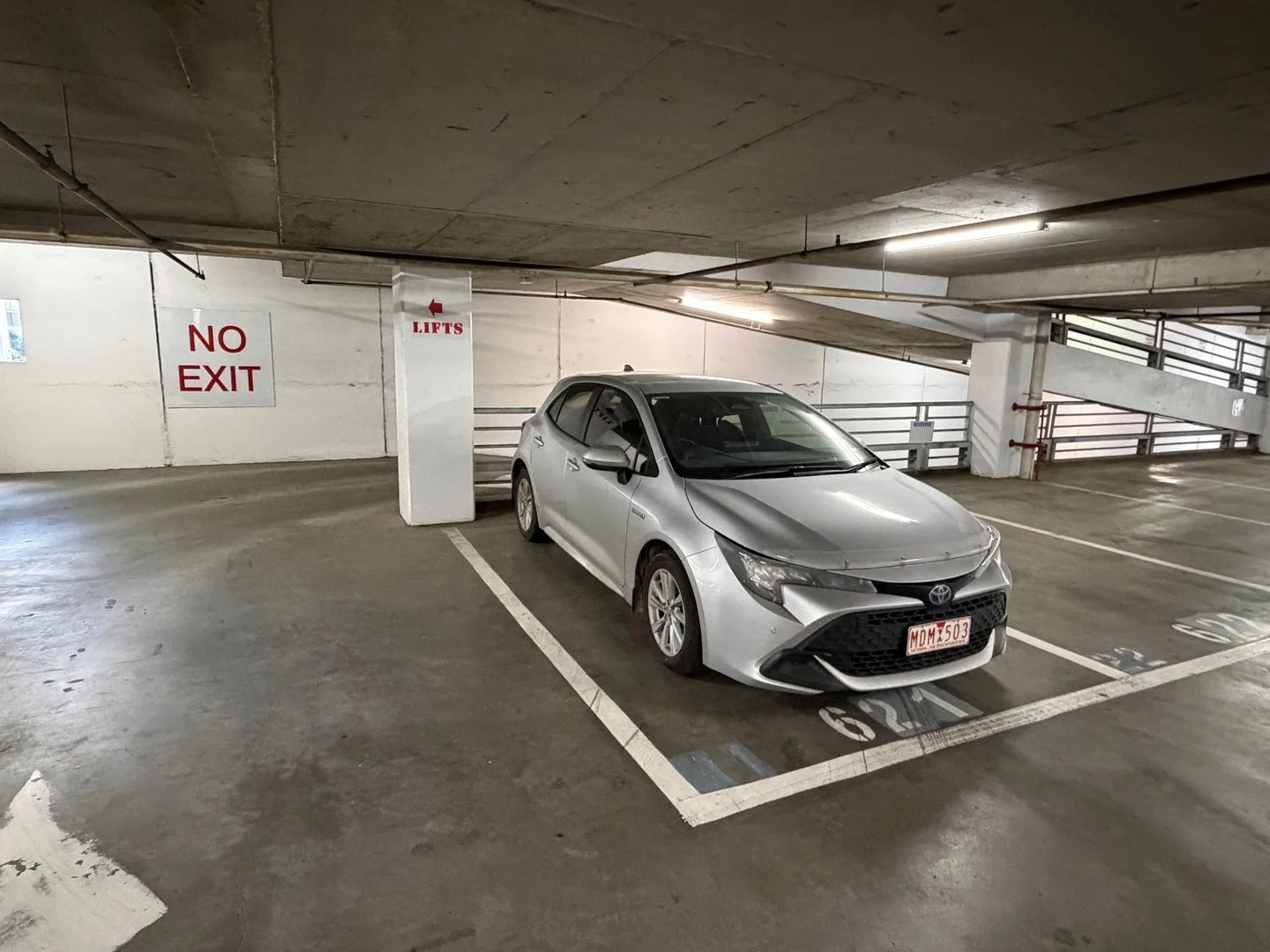 $27,500
propertyType.CAR SPACE
$27,500
propertyType.CAR SPACE
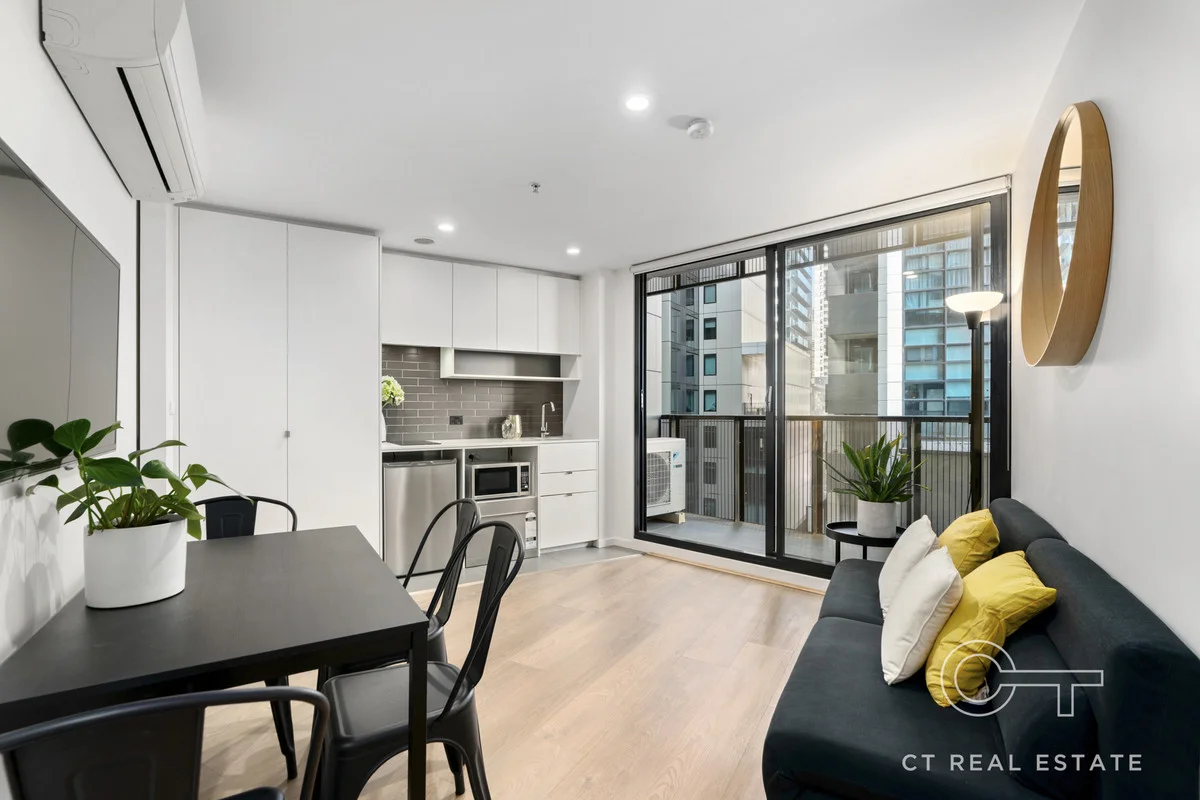 $360,000
Apartment / Unit / Flat
$360,000
Apartment / Unit / Flat
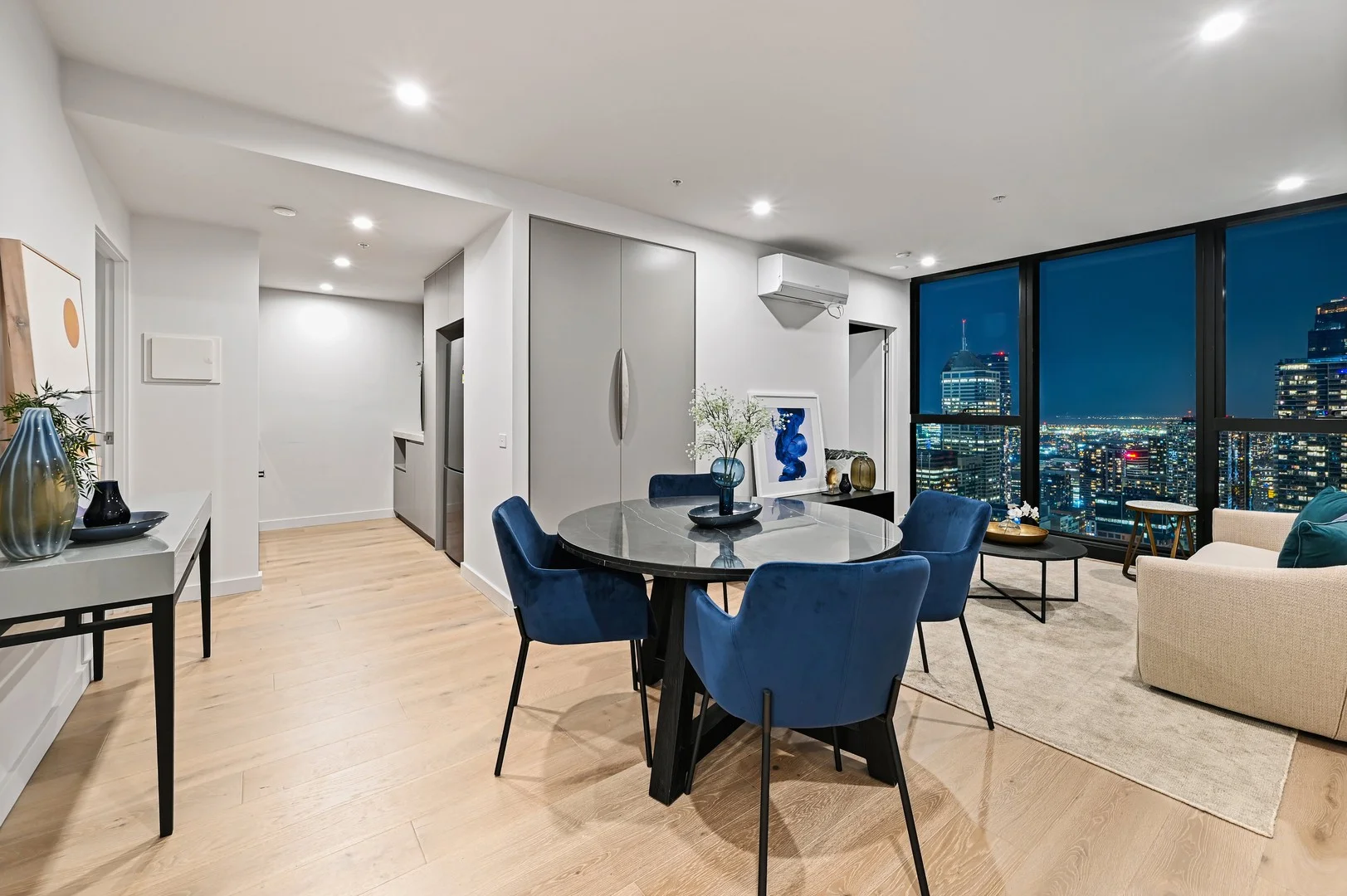 $943,000
propertyType.NEW APARTMENTS / OFF THE PLAN
$943,000
propertyType.NEW APARTMENTS / OFF THE PLAN
 $2,008,000
propertyType.NEW APARTMENTS / OFF THE PLAN
$2,008,000
propertyType.NEW APARTMENTS / OFF THE PLAN
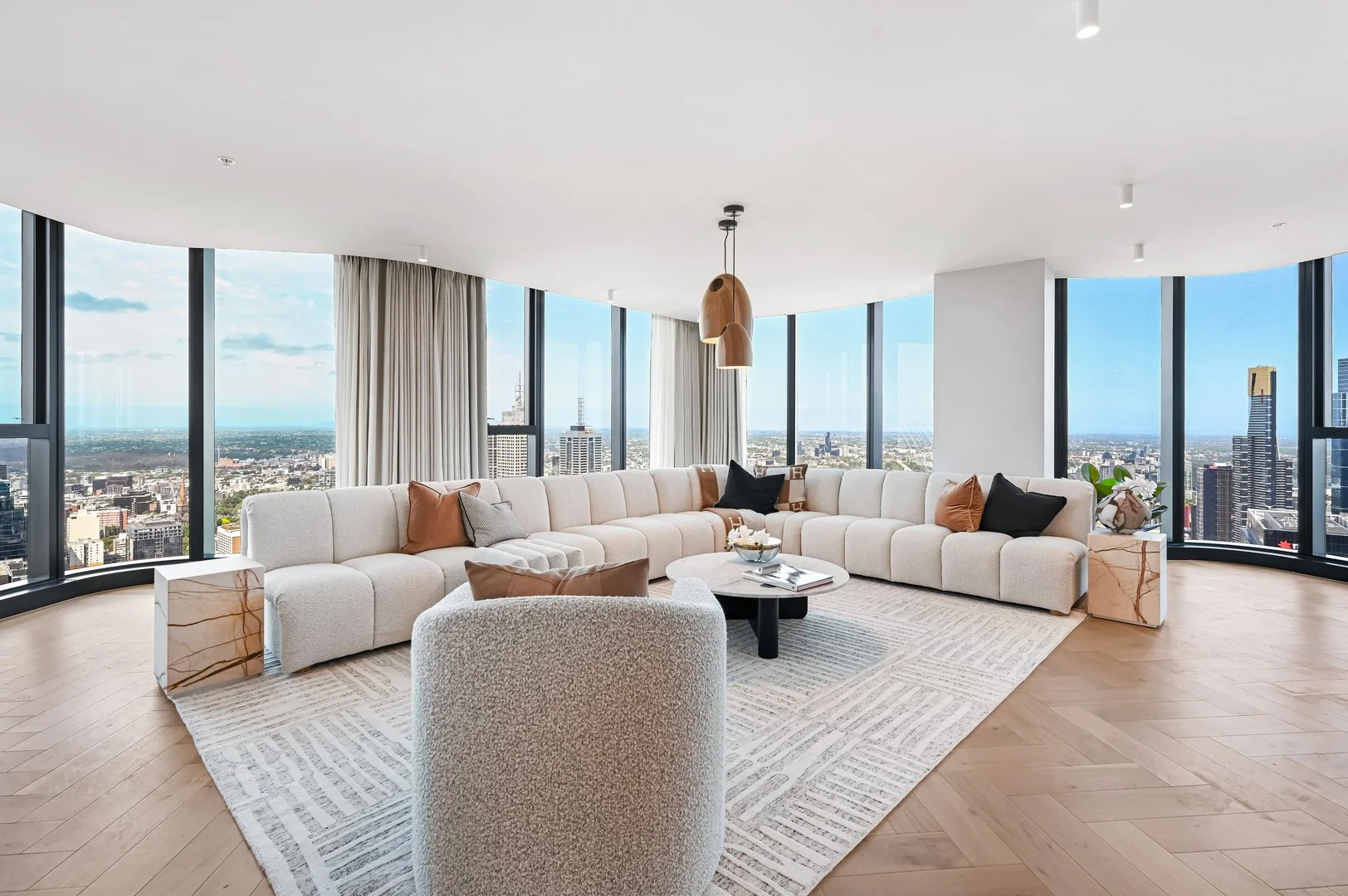 $5,512,000
propertyType.NEW APARTMENTS / OFF THE PLAN
$5,512,000
propertyType.NEW APARTMENTS / OFF THE PLAN
 $666,000
Apartment / Unit / Flat
$666,000
Apartment / Unit / Flat
 $1,870,000
propertyType.NEW APARTMENTS / OFF THE PLAN
$1,870,000
propertyType.NEW APARTMENTS / OFF THE PLAN
 $712,500
Apartment / Unit / Flat
$712,500
Apartment / Unit / Flat
 $2,865,000
Apartment / Unit / Flat
$2,865,000
Apartment / Unit / Flat


