 Government primary school in Castle Hill
Oakhill Drive Public School
Castle Hill, NSW 2154
Oakhill Drive Public School is a public, co-educational primary school serving families in Castle Hill and the surrounding Hills district.
About Oakhill Drive Public School
Read the full description
Overview
Oakhill Drive Public School is a public, co-educational primary school serving families in Castle Hill and the surrounding Hills district. As part of the New South Wales Department of Education, the school provides a comprehensive learning program for Kindergarten to Year 6 within a welcoming, community-focused environment. The campus supports a supportive, inclusive culture where students are encouraged to participate, collaborate and strive for personal best.
The school emphasizes a well-rounded approach to education with strong literacy and numeracy foundations, opportunities in science and technology, and a range of sports and arts activities. Staff, families and the local community work together to create a nurturing atmosphere that values diversity, student wellbeing and high expectations for personal growth.
Academics & Learning
- Academic strengths: Emphasis on core literacy and numeracy, with programs to develop STEM skills, digital literacy, and critical thinking. Focus on student engagement and meaningful learning across subjects.
- Special programs: Enrichment and extension opportunities; capability for gifted and talented pathways and targeted learning supports as needed.
- Support for diverse learners: EAL support and inclusive practices are available; additional assistance for students with SEN is provided through dedicated support staff and targeted in-class or small-group interventions.
Sports & Extracurricular Strengths
- Sports offered: A broad range of primary-school sports, including team and individual activities (e.g., soccer, netball, cricket, rugby league, athletics, swimming) with opportunities to participate in interschool events.
- Strong teams or achievements: Regular participation in interschool sport and district events; emphasis on teamwork, sportsmanship and personal improvement.
- Music, arts, drama programs: In-school music and performing arts activities; opportunities to participate in choirs or school productions where available.
- Clubs: Robotics, coding, chess, debating and other after-school clubs or enrichment activities are often offered or facilitated through the school or partnerships.
- Partnerships: Engagement with local community clubs and competitions to extend learning beyond the classroom.
Wellbeing & Pastoral Care
- Anti-bullying approach: Whole-school wellbeing framework with clear expectations, supportive responses and ongoing education around respectful relationships.
- House system: House or team-based system used to encourage camaraderie, leadership and positive competition.
- Counsellors / wellbeing officers: On-site wellbeing staff or access to school-appointed support to assist with social, emotional and academic needs.
- Transition support for new students: Orientation activities, buddy programs and targeted induction to help new students settle in smoothly.
Facilities
- Sports grounds: On-site fields, courts and play spaces supporting physical activity and outdoor learning.
- Libraries: Accessible library or library corners for reading and research.
- Science labs: Dedicated spaces for hands-on science and experiments.
- Music/performing arts centers: A music room or performing-arts space to support creative work.
- Tech/innovation labs: Computer labs or makerspaces to support digital learning and project-based work.
- Cafeteria: On-site or nearby canteen facilities for student meals and snacks.
- Updated playgrounds: Modern and inviting play areas to encourage active breaks and recreation.
School Values & Community Culture
- Values / mission: Values such as respect, responsibility, resilience and inclusion underpin daily learning and behavior.
- Leadership style: Collaborative leadership with opportunities for student voice and involvement in school life.
- Behaviour expectations: Clear and consistent expectations that promote a positive learning environment.
- Community reputation: A supportive, engaged local community with active parental involvement and partnerships.
- Diversity & inclusion: Inclusive practices to welcome families from diverse backgrounds and to support all learners.
School Logistics & Daily Operations
- School hours: Typical day runs from start of morning to early afternoon; punctual attendance is encouraged.
- Before/after school care: After-school care options are usually available through OSHC providers or school-approved programs.
- Uniform requirements: Public-school uniform policy with standard attire; details provided by the school.
- Transport (train/bus routes): Local transport options and bus routes are available; families should consult NSW Transport or the school for route specifics.
- Canteen availability: Canteen or food service options available on-site or nearby for daily lunch orders.
- Fees (low/medium/high ranges): Being a public school, there is no tuition; there are typically voluntary contributions, uniform costs, and costs for excursions or activities—these are generally moderate and communicated by the school.
Enrolment & Admissions
- What is the enrolment process and timeline?
- Check local intake area (catchment) eligibility.
- Prepare required documents (proof of address, birth certificate, immunization records, original documents as requested).
- Submit the NSW Department of Education enrolment form through the school or online system.
- Provide any additional school-specific documentation; the school will confirm placement based on enrolment priority and vacancy.
- Once enrolled, families receive communication about orientation, key dates and start-of-year activities; timelines vary seasonally and by intake period.
- Is there a waiting list, and how does it work?
- Waiting lists can apply when capacity in a year level is reached. Applications may be placed on a waiting list and moves occur as places become available. The school provides updates on waitlist status and expected timelines.
- Are there any entry requirements, tests, or interviews?
- Generally, public primary schools do not require entrance tests. An interview may occur in special circumstances to discuss support needs, placement or transition planning, but routine enrolment is typically based on eligibility, documents and available spaces.
- Does the school accept mid-year transfers?
- Yes, mid-year transfers are possible if there are vacancies and approvals are granted by the school and the Department of Education. Availability depends on the current year level, space, and enrolment priorities.
Frequently Asked Questions
- Why Parents Choose This School?
- A welcoming, inclusive community with caring staff, strong focus on wellbeing and a balanced academic program; convenient location and active parent involvement contribute to a supportive environment.
- What type of student thrives at this school?
- Curious, cooperative students who value a well-rounded education, strong literacy and numeracy foundations, and participation in a wide range of activities while benefiting from a supportive, inclusive culture.
- What opportunities are available for students to extend their skills (academics, sports, arts)?
- Enrichment and extension options, after-school clubs (robotics, coding, chess, debating), diverse sports, arts and performing arts activities, and opportunities to participate in district and interschool events.
- How does the school communicate with parents?
- Through newsletters, emails, school apps or portals, notices and parent-teacher interviews; regular updates on student progress and upcoming events.
- What is the school’s approach to teaching and learning?
- Student-centered and differentiated instruction with a focus on literacy, numeracy and digital literacy; explicit teaching, ongoing assessment for learning and targeted interventions as needed.
- How does the school support students who need extra academic help?
- Learning support teams, small-group interventions, EAL support, SEN support and in-class adjustments to help students access the curriculum.
- What support is available for academic challenges?
- Individual learning plans, targeted interventions, referrals to external supports when needed, and ongoing communication with families.
- How does the school communicate with parents? (duplicate question)
- See above: regular updates, channels like newsletters, apps, and events to keep families informed.
- What extracurricular and sports opportunities are available?
- A broad range of sports (team and individual), plus clubs such as robotics, coding, chess and debating, alongside arts and music activities.
- What facilities does the school offer (sports, science, arts)?
- Sports grounds, libraries, science labs, music/performing arts spaces, tech/innovation labs, canteen and well-maintained playgrounds.
- What is the school’s approach to technology and digital learning?
- Integration of digital literacy across the curriculum, access to computer labs or devices, and use of digital tools to support learning and engagement.
- What transport and accessibility options are available?
- Local bus routes and public transport options; clear guidance on drop-off/pick-up and accessible facilities; families should verify current routes with NSW Transport or the school.
- What are the typical school fees or additional costs?
- No tuition due to public status; there are voluntary contributions, uniform costs, and fees for excursions or special activities, which are communicated by the school.
Short Pros & Cons list
- Pros
- Public school with a community-focused environment and strong emphasis on wellbeing - Balanced academic program with opportunities in STEM, arts and sports - Wide range of extracurricular clubs and interschool activities - Supportive staff, clear communications and active parent involvement
- Cons
- As a public school, certain programs or specialist offerings depend on staffing and funding - Uniforms and activity costs are additional ongoing expenses to consider
If you’d like, I can tailor this content further with any recent, school-specific details you provide (such as current programs, exact facilities, or updated enrolment timelines).
A few things parents ask
Does Oakhill Drive Public School have a catchment area?
Yes. Oakhill Drive Public School serves the following official intake zone: Oakhill Drive PS (primary). Living inside a zone makes this your designated local public school. Whether a place is offered depends on the state’s enrolment policy and the year you apply — it is not a guarantee, and where current students live does not define the boundary. Use the AroundSchools catchment checker to see whether your address falls inside it, then verify with the state education department’s own tool.
What type of school is Oakhill Drive Public School?
Oakhill Drive Public School is a Government, Co-ed school in Castle Hill, NSW, offering Kinder, Primary year levels.
Is Oakhill Drive Public School a public or private school?
Oakhill Drive Public School is a public school. It is government-funded and part of the NSW public education system, so it is generally free for local students to attend, aside from voluntary contributions and levies.
Where is Oakhill Drive Public School located?
Oakhill Drive Public School is located at Oakhill Drive, Castle Hill NSW 2154, Castle Hill, NSW, 2154.
Compare with nearby schools
The closest schools to Oakhill Drive Public School, side by side. Fees appear where a school publishes them; activities and events are what is listed on AroundSchools within a short drive of each school.
| School | Distance | Sector | Gender | Years | Fees / yr | Kids' activities within 2 km | Events within 3 km |
|---|---|---|---|---|---|---|---|
| Oakhill Drive Public SchoolThis school | Here | Government | Co-ed | Kinder · Primary | — | 22 | 0 |
| Oakhill College | 800 m | Independent | Co-ed | Secondary | $11,846 – $13,054 | 32 | 0 |
| Cherrybrook Technology High School | 1.4 km | Government | Co-ed | Secondary | — | 31 | 0 |
| Lorien Novalis School | 1.7 km | Independent | Co-ed | Kinder · Primary · Secondary | $11,808 – $15,800 | 16 | 0 |
| St Bernadette's Primary School - Castle Hill | 1.9 km | Catholic | Co-ed | Kinder · Primary | $1,410 – $1,824 | 28 | 0 |
| Warrah Specialist School | 2.0 km | Independent | — | — | — | 15 | 0 |
| Castle Hill Public School | 2.1 km | Government | Co-ed | Kinder · Primary | — | 30 | 0 |
Sorted by distance, not ranked. Check whether your address is in the catchment
Make a little more of the trip
Parks, playgrounds and libraries near the school.
Kids' activities nearby
Classes and clubs listed within a short drive of the school.


Schools nearby
The closest schools, nearest first.



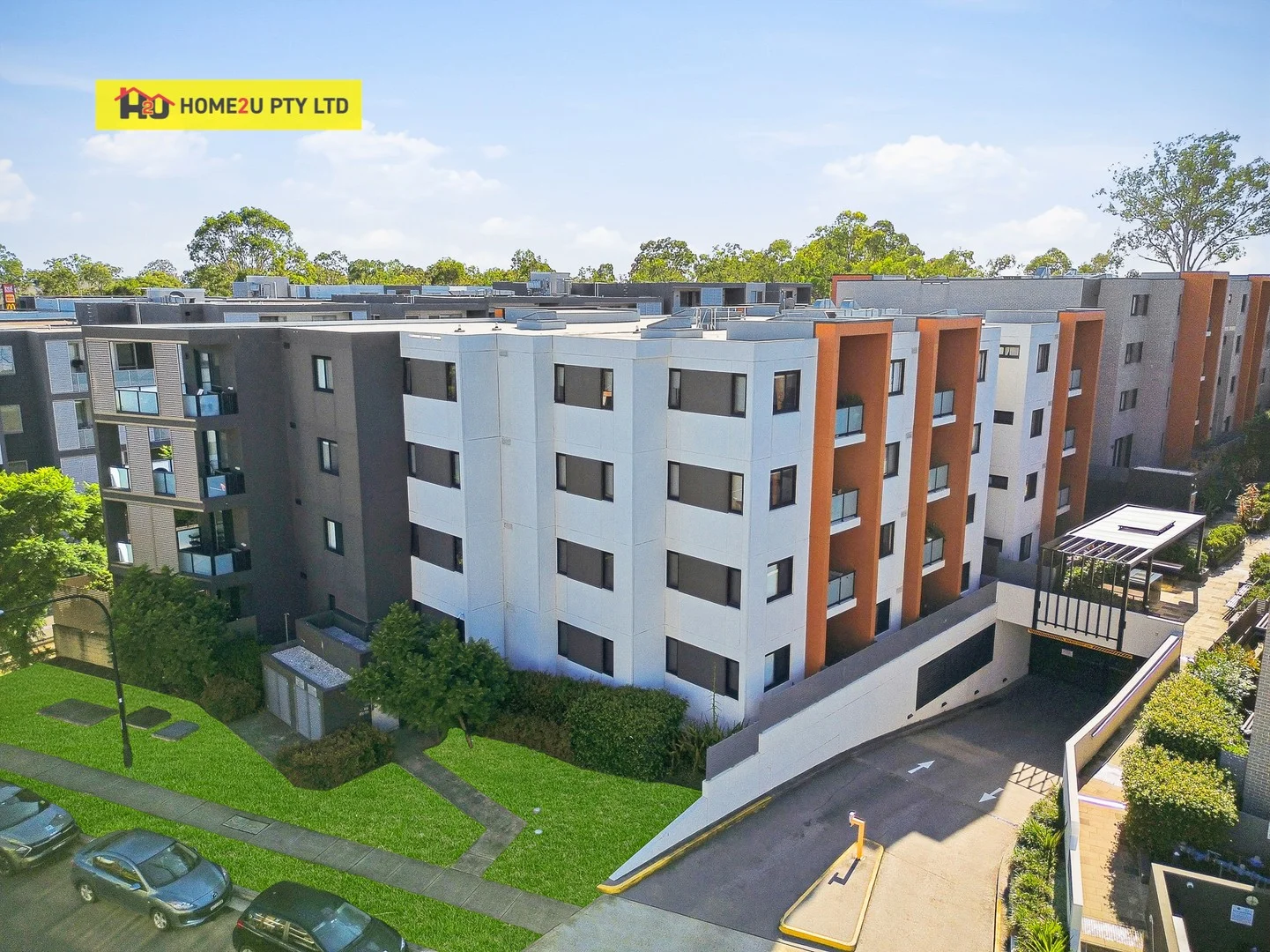
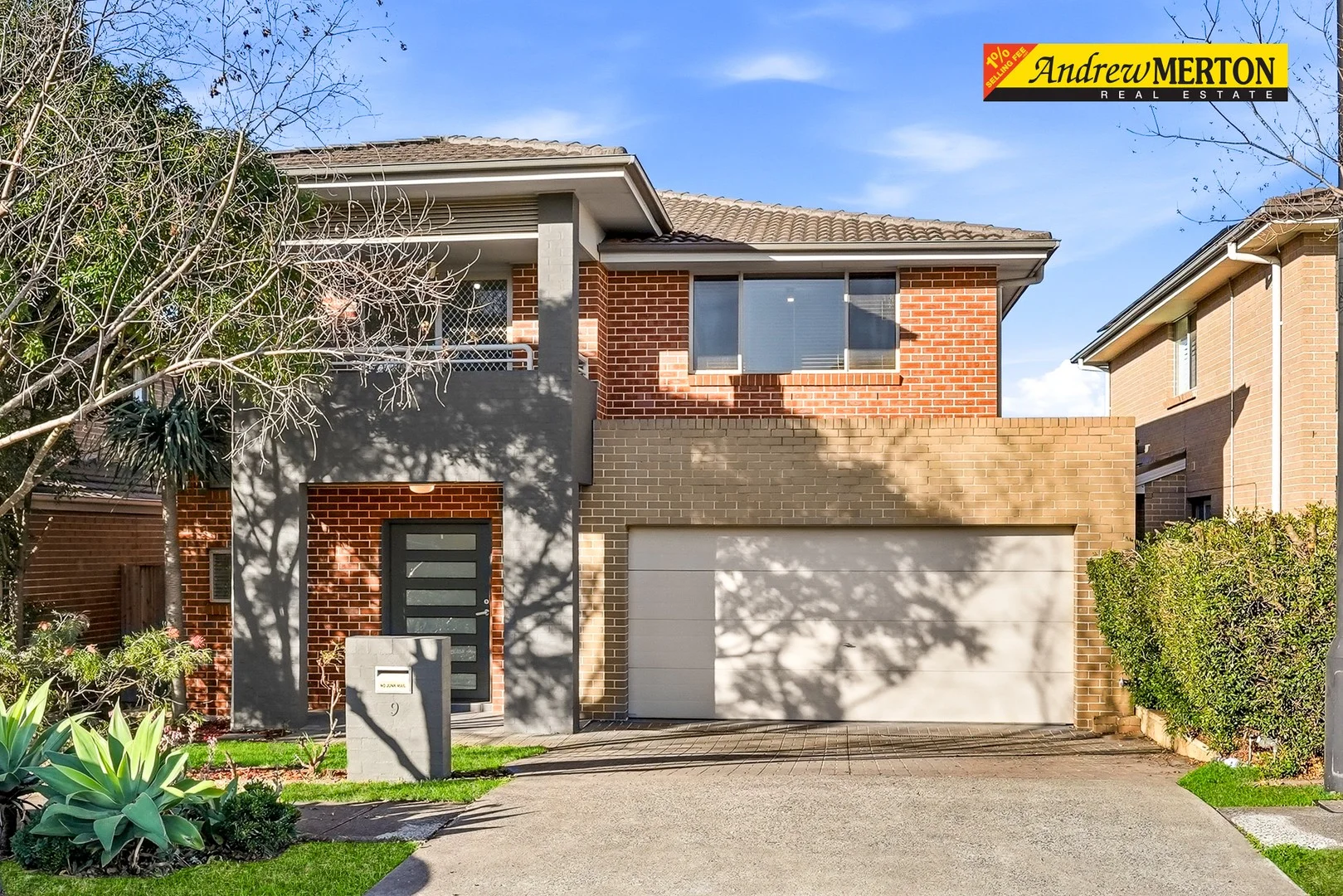
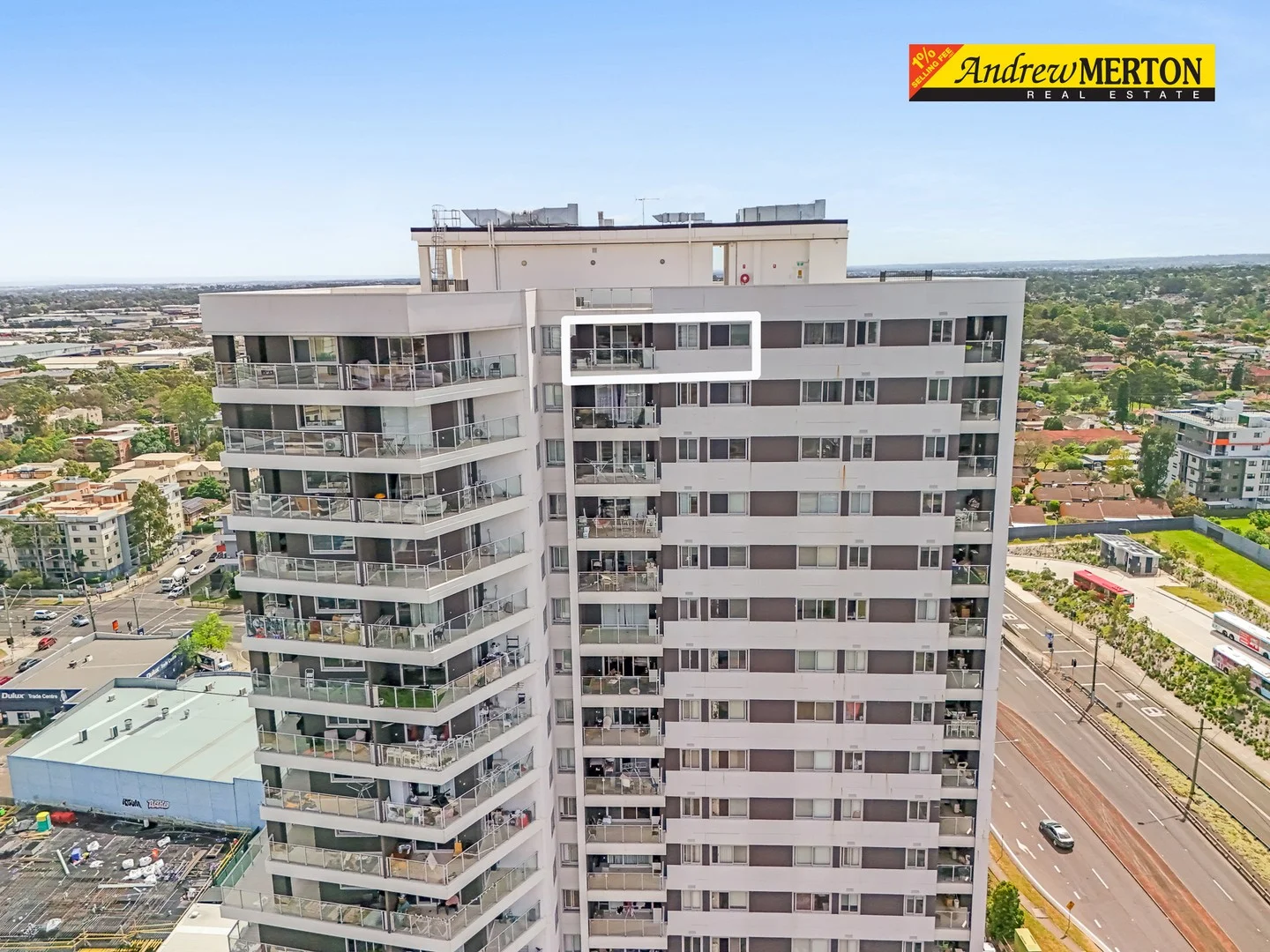
Properties for sale or rent nearby7
Upcoming events nearby16



Written with AI from AroundSchools listings (refreshed 8 Oct 2026) and the sources below — what we've listed, not everywhere nearby, and it may be outdated. General information, not advice.
Something wrong here? Tell us and we'll correct or remove it.
Inside the intake area, or just outside it?
In the Hills district the catchment question often comes down to a single address. Oakhill Drive Public School's enrolment page sends families to the Department's School Finder to confirm whether a home sits inside its local intake area. Inside, a place is an entitlement.
Outside, the same page sets out how a non-local application is handled:
- it is considered only when the school can take the child while staying below its enrolment buffer;
- a sibling already at the school, or a parent or carer who works there, are listed as priority criteria;
- proximity, the school's programs and other circumstances can also be taken into account;
- an unsuccessful applicant can appeal in writing.
The Department's School Finder page also notes that non-local availability is updated once a term, so treat it as a guide and confirm with the school.
If a non-local place is uncertain
These are the schools within 3 km, by sector, for the families weighing a second option:
Parks and fields closest to the school
The reserves nearest the school, with the facilities each one has been verified to have:
| Place | Suburb | What is there |
|---|---|---|
| Tahlee Park | Castle Hill | Park / playground · Playground |
| Hastings Park | Castle Hill | Park / playground · Playground, Sports courts / fields |
| Erlestoke Park | Castle Hill | Park / playground · Playground, Sports courts / fields |
| Darlington Reserve | Cherrybrook | Park / playground · Playground, Sports courts / fields |
| James Cook Drive Reserve | Castle Hill | Park / playground · Details not verified yet — check the council site |
| Fallon Drive Reserve | Dural | Park / playground · Sports courts / fields |
Live from the AroundSchools directory — 0 libraries, 42 parks and 0 community spaces we hold within 5 km of Oakhill Drive Public School · correct as at 8 Oct 2026
Classes within 5 km
We list 21 activity providers within 5 km of the school. The nearest:
| Provider | Suburb | Activities |
|---|---|---|
| OGrady Drama (Castle Hill) | Castle Hill | Drama |
| Hills District Martial Arts | Dural | Taekwondo |
| Bonjour Babies (Castle Hill NSW) | Castle Hill | French, Language Learning |
| Ready! Set! School! | Cherrybrook | Tutoring, English, Art Centre |
| Castle Hill Art Society | Glenhaven | Art Centre, Painting |
| Castle Hill Gymnastics | Castle Hill | Gymnastics, Acrobatics, Swimming |
| Specialist Teaching Services | Castle Hill | Tutoring, Maths, English |
| The Edge | Castle Hill | Abseiling, Gymnastics, Boxing |
Live from the AroundSchools directory — 8 of 21 kids' activity providers we list within 5 km of Oakhill Drive Public School · correct as at 8 Oct 2026
Next steps
- Map an address against the zones with our school catchment checker.
- See the full list of activities around Castle Hill.
- Plan holiday programs with the NSW school holidays guide.