## Overview
Oakhill College is an independent Catholic day school for boys located in Castle Hill, NSW. It combines strong academic programs with character development and a supportive pastoral environment. The college is large, offering a broad range of co-curricular activities that complement classroom learning. Class sizes are typically kept to a level that supports individual attention and active student engagement within a nurturing, inclusive culture.
- School type: Independent Catholic
- School size: Large
- Class size: Typically 20–25 students per class
- Atmosphere/culture: Academic, nurturing, inclusive, with strong emphasis on sport and co-curricular participation
⸻
## Academics & Learning
Oakhill College focuses on rigorous academics while fostering leadership and personal growth. Students have access to a broad curriculum designed to prepare them for post-school pathways, with opportunities to excel beyond core subjects.
- Academic strengths: STEM, English, leadership development, languages
- Special programs: Gifted and talented programs; accelerated learning opportunities; leadership programs
- NAPLAN / trends: Consistently strong performance in literacy and numeracy with positive year-to-year trends (contextual school reports available)
- Student-teacher ratios: Approximately 1:14 to 1:16
- Support for diverse learners: EAL support, SEN support, individualized learning plans, access to counselling and targeted interventions
⸻
## Sports & Extracurricular Strengths
A big draw for families is the extensive sports and co-curricular program, offering plenty of options for boys aged 10–14 to stay engaged and competitive.
- Sports offered: Rugby, soccer, cricket, basketball, athletics, swimming, tennis, and other indoor/outdoor activities
- Strong teams or achievements: Notable participation and competitiveness in local and state competitions across major codes
- Music, arts, drama programs: Comprehensive music programs (bands, choirs), drama productions, and performing arts opportunities
- Clubs: Robotics, chess, coding, debating, science clubs, and other academic/interest groups
- Partnerships: Local academies and competitions; participation in state and regional events and Catholic school sport leagues
⸻
## Wellbeing & Pastoral Care
Pastoral care and student wellbeing are central to the school experience, helping students navigate adolescence with support and guidance.
- Anti-bullying approach: Proactive policies, clear reporting channels, and ongoing education around respectful behaviour
- House system: House groups support pastoral care, mentoring, and school events
- Counsellors / wellbeing officers: Dedicated school counsellors and wellbeing staff available to students
- Transition support for new students: Orientation programs, buddy systems, and targeted transition support
⸻
## Facilities
Facilities are designed to support academics, creativity, and physical development, with spaces that are both modern and functional.
- Sports grounds: Comprehensive on-site sports facilities
- Libraries: Well-stocked library with digital resources
- Science labs: Modern science laboratories for hands-on learning
- Music/performing arts centers: Performing arts spaces and music facilities
- Tech/innovation labs: Design, technology, and innovation spaces for practical projects
- Cafeteria: On-site dining options
- Updated playgrounds: Well-maintained outdoor spaces and learning environments
⸻
## School Values & Community Culture
The school aims to develop capable, principled young men who contribute positively to their communities.
- School values / mission: Catholic ethos focused on service, respect, integrity, and responsibility
- Leadership style: Collaborative and distributed; student leadership opportunities (e.g., prefects, mentoring)
- Behaviour expectations: Clear codes of conduct centered on respect, responsibility, and safety
- Community reputation: Strong local reputation for academic achievement and community involvement
- Diversity & inclusion: Welcoming environment with commitment to inclusion and equal opportunity
⸻
## School Logistics & Daily Operations
Practical information helps families plan around the school routine.
- School hours: School day typically runs mornings to mid-afternoon with breaks and assemblies
- Before/after school care: Available through school-approved providers or programs
- Uniform requirements: School uniform policy with seasonal variations
- Transport (bus routes): Public transport options and dedicated school bus routes in the Hills District
- Canteen availability: On-site canteen or lunch facilities
- Fees (range): Fees fall within the mid-to-high range for independent schools
⸻
## Enrolment & Admissions
11. What is the enrolment process and timeline?
- Online application with supporting documents
- Academic and pastoral references
- Interview or assessment as part of the selection process
- Offer of enrolment and confirmation
- Orientation and initial transition steps
12. Is there a waiting list, and how does it work?
- Waiting lists can apply; vacancies are filled as they arise
- Applicants may be placed on a waiting list and receive periodic updates
13. Are there any entry requirements, tests, or interviews?
- Application includes documentation; short interview or assessment may be required
- Alignment with school values and Catholic ethos is typically considered
- Academic records and references may be requested
14. Does the school accept mid-year transfers?
- Transfers may be possible subject to vacancy and timely documentation
- Prospective families should contact the admissions team to discuss options and timelines
⸻
## Frequently Asked Questions
- Why Parents Choose This School?
- Strong academic outcomes, supportive culture, and robust co-curricular offerings with a Catholic ethos.
- What type of student thrives at this school?
- Motivated, community-minded boys who value academics, sport, and leadership opportunities within a welcoming environment.
- What opportunities are available for students to extend their skills (academics, sports, arts)?
- Advanced coursework and leadership programs; competitive sports; music, drama, robotics, debating, and other clubs.
- How does the school communicate with parents?
- Regular updates through newsletters, emails, parent portals, and parent-teacher meetings; open channels with coordinators and teachers.
- What is the school’s approach to teaching and learning?
- Rigorous academic program complemented by pastoral care, differentiated instruction, and opportunities for practical, hands-on learning.
- How does the school support students who need extra academic help?
- EAL and SEN support, tutoring options, learning plans, and access to counsellors and learning specialists.
- What support is available for academic challenges?
- Targeted interventions, academic planning, and ongoing progress monitoring.
- How does the school communicate with parents? (Repeated)
- See above: newsletters, portals, meetings, and direct updates from teachers and coordinators.
- What are the class sizes and how much individual attention do students receive?
- Class sizes around 20–25; teachers provide targeted support within that structure, with additional help through tutorials and advising.
- What extracurricular and sports opportunities are available?
- Sports across major codes; music, drama, robotics, debating, coding clubs, and other electives and teams.
- What facilities does the school offer (sports, science, arts)?
- Sports grounds, libraries, science labs, performing arts spaces, technology labs, canteen, and updated outdoor areas.
- What is the school’s approach to technology and digital learning?
- Integration of digital tools and resources to enhance learning, with access to devices and online platforms as part of the curriculum.
- What transport and accessibility options are available?
- Local bus routes, public transport access, and school-arranged transport options where available.
- What are typical school fees or additional costs?
- Fees are in the mid-to-high range for independent schooling; additional costs may apply for camps, elective activities, and trips.
⸻
## Short Pros & Cons list
- Pros
- Strong academic program with wide co-curricular options
- Supportive pastoral care and inclusive culture
- Robust facilities for learning, sport, and the arts
- Leadership and character development opportunities
- Active community involvement and partnerships
- Cons
- Higher tuition typical of independent schools
- Large school environment may feel less intimate to some students
- Transport logistics can vary by location and route
- Access to certain programs may depend on audition or selection processes
⸻

 Free
Free










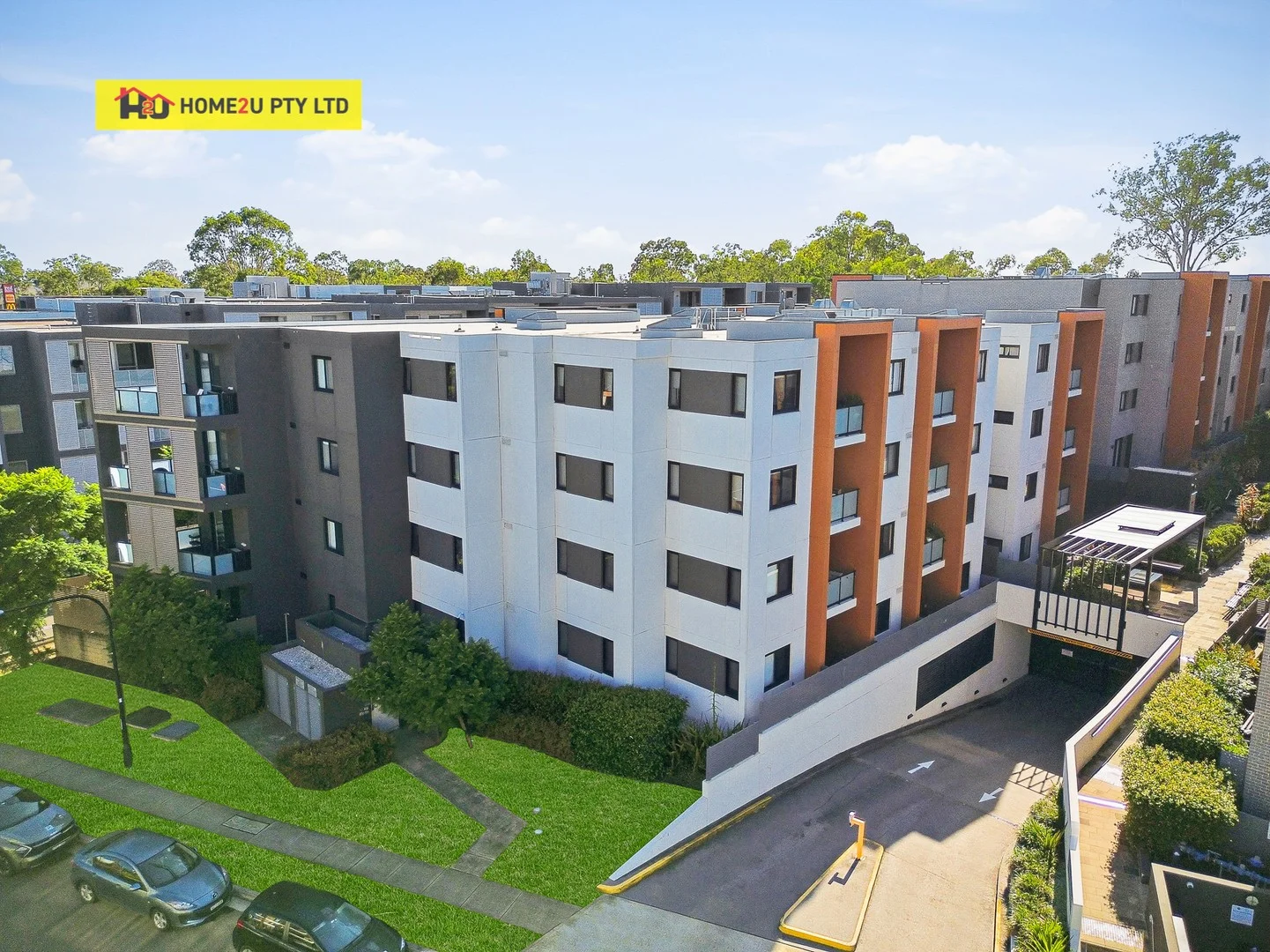 $750,000 - $780,000
Apartment / Unit / Flat
$750,000 - $780,000
Apartment / Unit / Flat
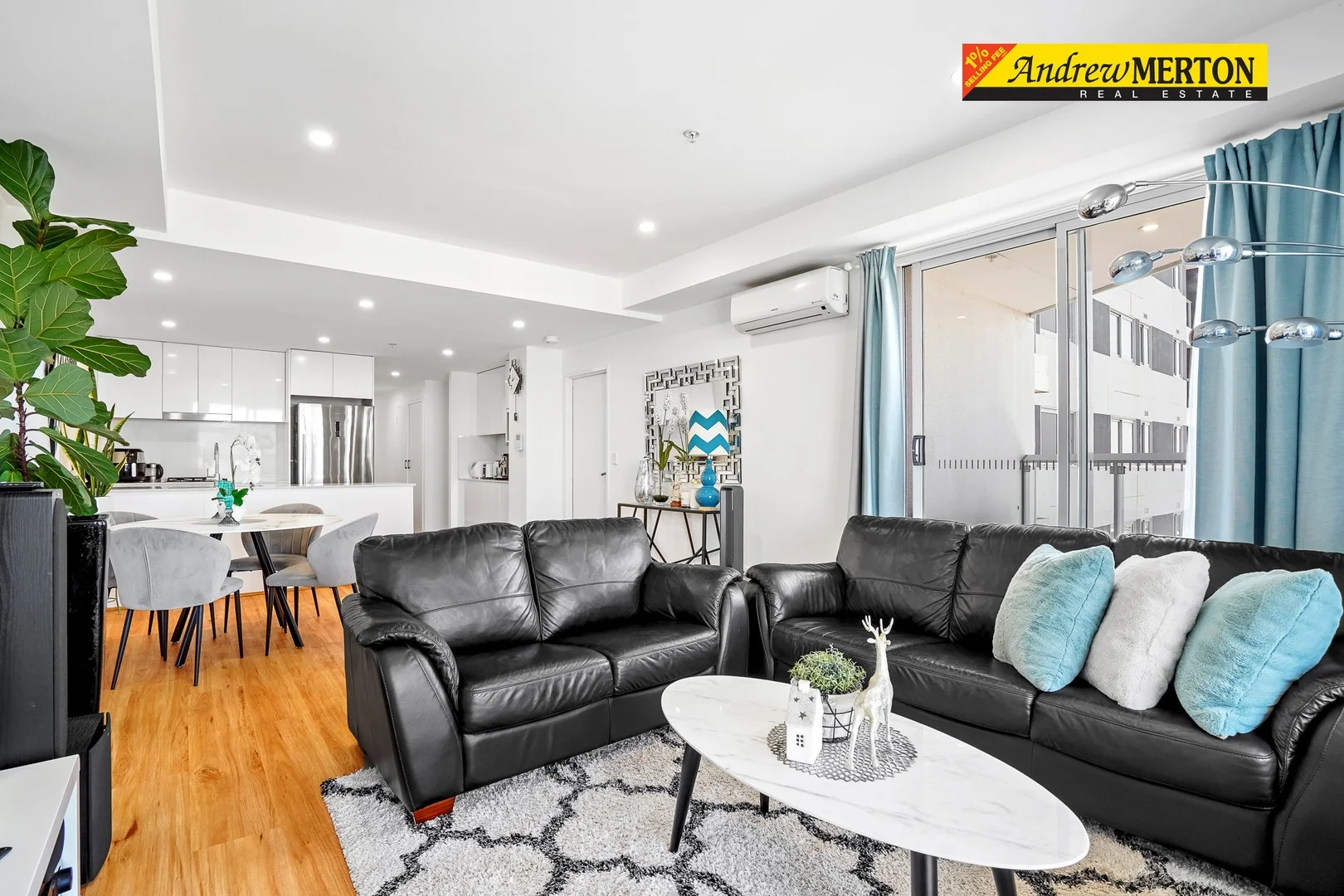 $450,000 - $470,000
Apartment / Unit / Flat
$450,000 - $470,000
Apartment / Unit / Flat
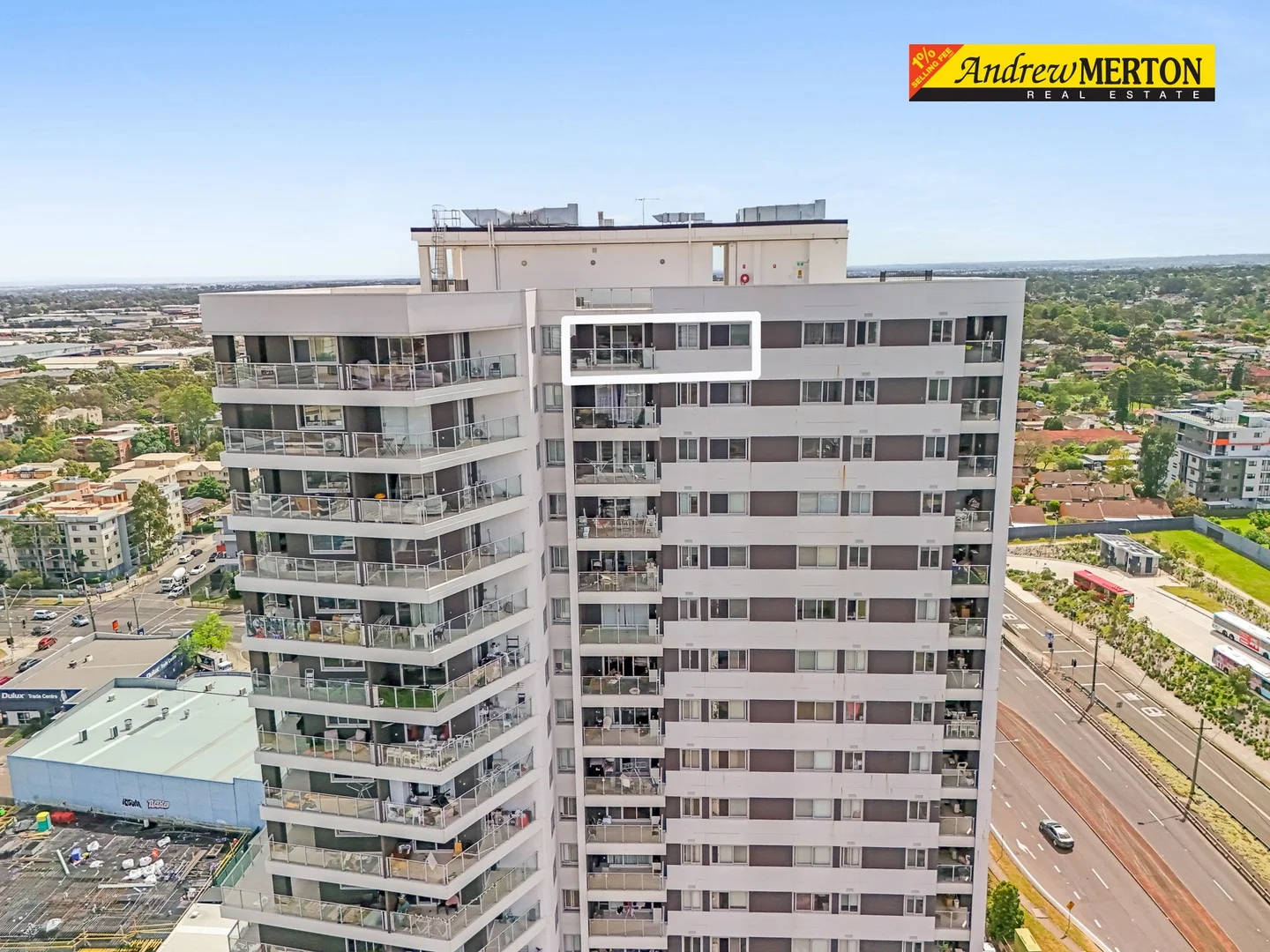 $399,900
Apartment / Unit / Flat
$399,900
Apartment / Unit / Flat
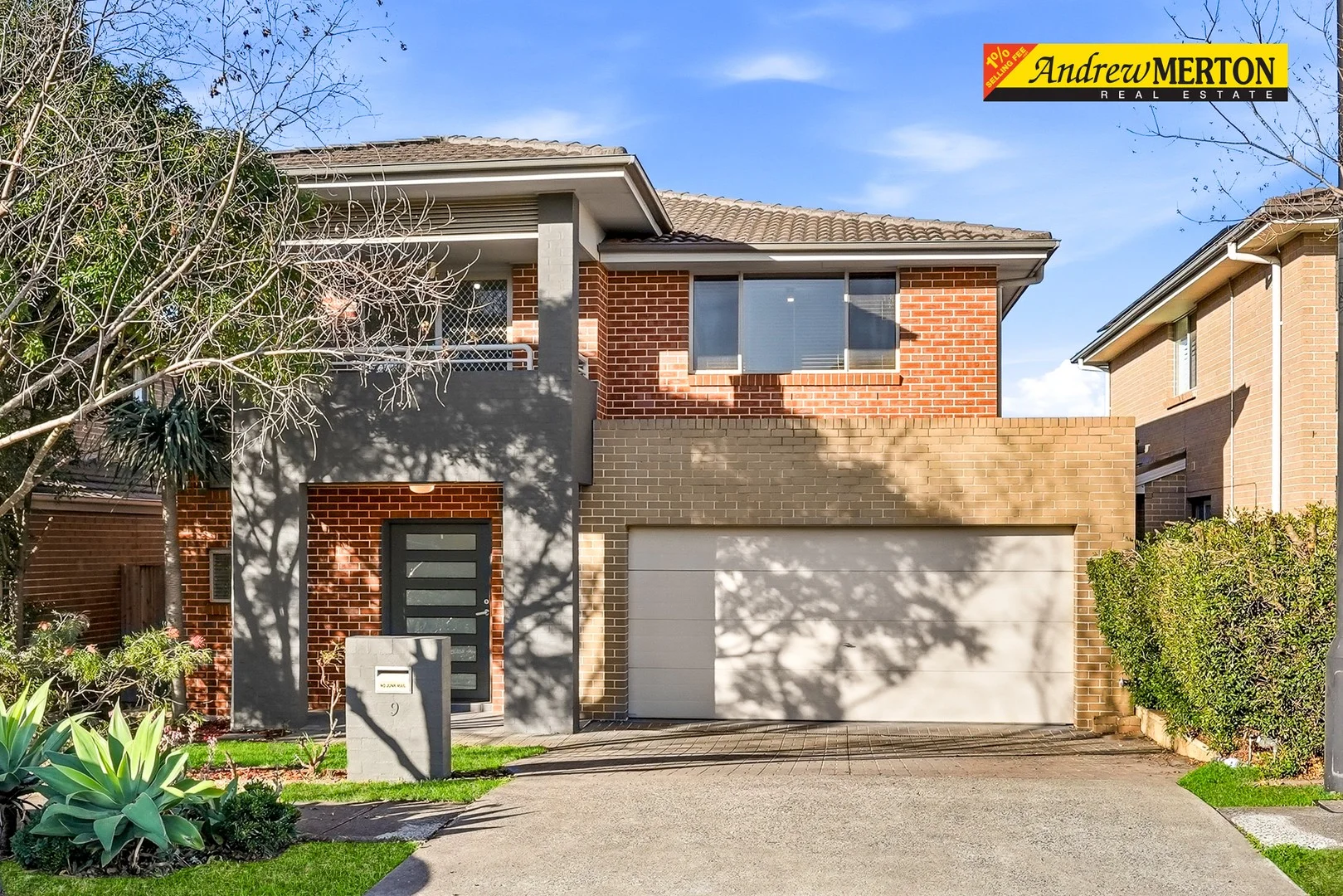 $1,550,000
House
$1,550,000
House
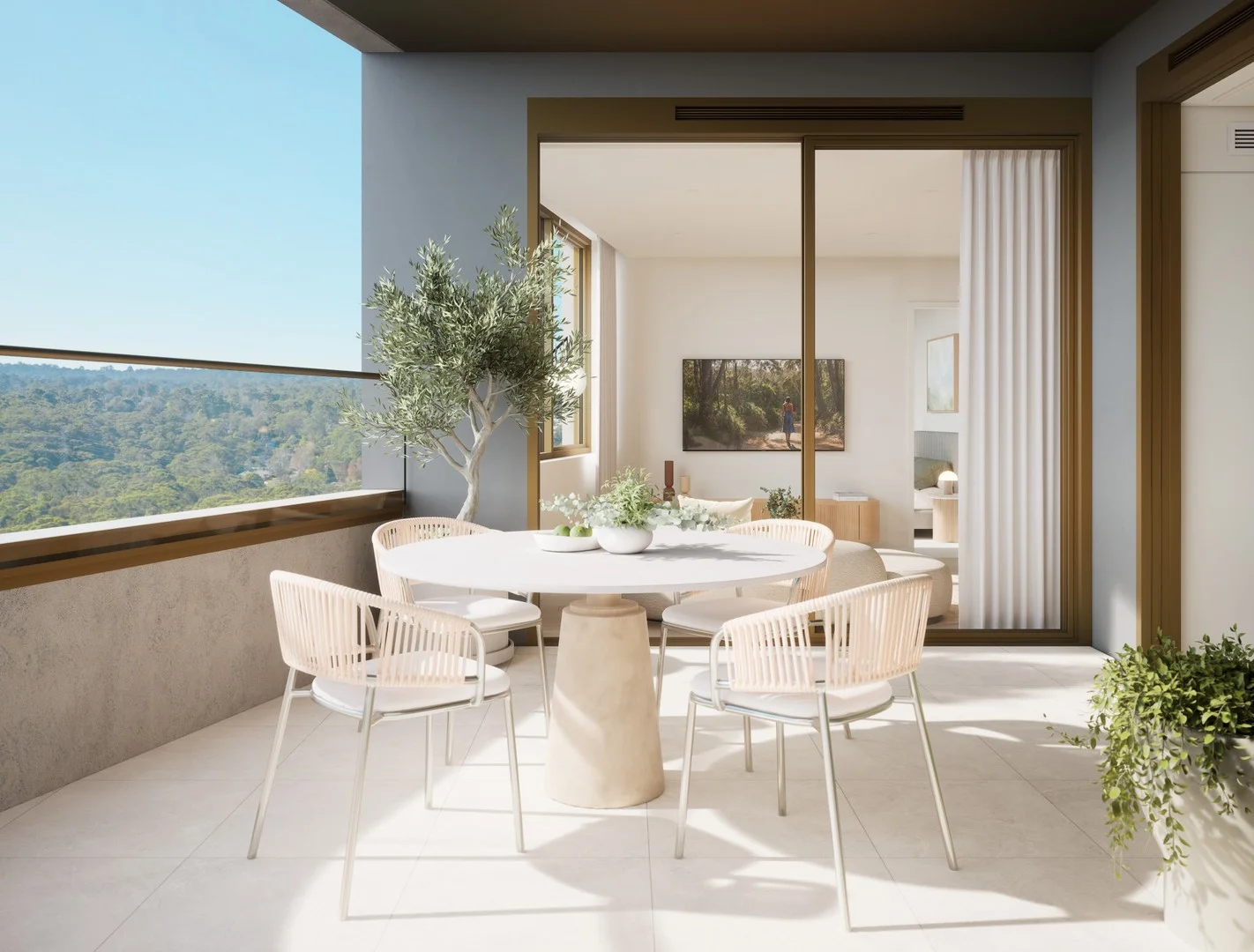 $1,525,000
Apartment / Unit / Flat
$1,525,000
Apartment / Unit / Flat
 $36,000,000 - $39,500,000
Vacant Land
$36,000,000 - $39,500,000
Vacant Land
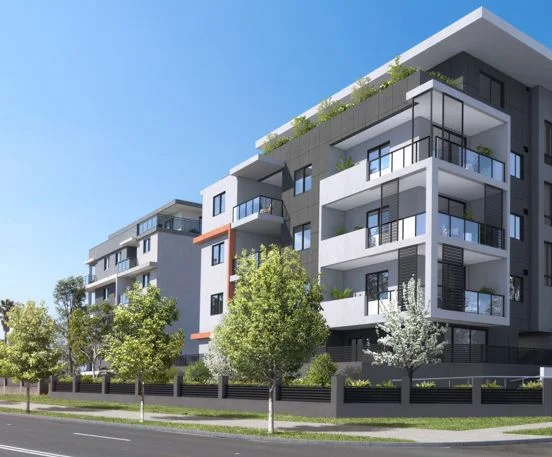 $915,000
Apartment / Unit / Flat
$915,000
Apartment / Unit / Flat