## Overview
Catholic Ladies' College, Eltham is an independent Catholic school for girls, offering a faith-based, values-driven education in Melbourne’s northern suburbs. The school combines strong academic programs with a nurturing, community-minded culture that supports students to grow in character as well as intellect. The environment is typically described as inclusive and supportive, with a clear emphasis on leadership, service and personal responsibility.
Size-wise, the college presents a medium-to-large school community with a broad range of academic and co-curricular opportunities. Classes are structured to be manageable and conducive to individual attention, supporting a positive atmosphere where students can thrive academically and socially.
⸻
## Academics & Learning
- Academic strengths include robust English and humanities, solid STEM pathways, and a emphasis on leadership development and language study. The college supports students to excel across a broad curriculum and prepares them for post-school pathways.
- Special programs commonly offered include accelerated or enhanced learning options and leadership programs that allow high-achieving students to extend their studies beyond the standard curriculum.
- NAPLAN trends over time typically show stable or improving performance in literacy and numeracy, with a history of steady progress rather than dips, reflecting consistent teaching quality and student support.
- Student-teacher ratios are designed to be conducive to learning, with class sizes generally around 20–24 students and a complementary teacher support structure to help individual students.
- Support for diverse learners includes targeted assistance for EAL students and dedicated learning support for students with additional needs, ensuring inclusive access to the curriculum.
⸻
## Sports & Extracurricular Strengths
- Sports offered commonly include netball, basketball, softball, soccer, swimming, athletics, tennis, and volleyball, with opportunities to compete in inter-school events.
- The school typically has strong teams and a culture of athletic participation, offering competitive pathways in key sports and regular opportunities to represent the school.
- Music, arts, and drama programs are active, with ensembles, choirs, instrumental lessons, and theatre productions contributing to a vibrant performing arts scene.
- Clubs frequently available include robotics, chess, coding, debating, and other STEM or humanities interest groups to foster leadership and critical thinking.
- Partnerships and participation in local and inter-school competitions (e.g., robotics competitions, debating leagues, regional music events) help extend students’ experiences beyond the classroom.
⸻
## Wellbeing & Pastoral Care
- Anti-bullying measures are a priority, with clear policies and programs to promote respectful behavior and a safe school environment.
- A house system supports pastoral care, mentoring, and school-wide activities, creating a sense of belonging and healthy competition.
- Access to counsellors and wellbeing officers provides students with confidential support for social, emotional, and academic concerns.
- Transition support for new students includes orientation programs, buddy systems, and ongoing pastoral care to help students settle and thrive.
⸻
## Facilities
- Sports grounds and well-maintained playing fields support physical education and team sports.
- Libraries provide study spaces, resources, and a quiet environment for independent learning.
- Science laboratories are equipped for practical experiments and inquiry-based learning.
- Music and performing arts centers support ensembles, productions, and creative study.
- Tech/innovation labs enable hands-on experience with computing, design, and digital fabrication.
- Canteen facilities ensure convenient on-site meals and snacks.
- Updated playgrounds and communal spaces contribute to a safe, engaging campus life.
⸻
## School Values & Community Culture
- The school’s values and mission emphasize Catholic identity, respect, integrity, service, and community contribution.
- Leadership is often situated in a collaborative model, with student leadership roles and opportunities to contribute to school life.
- Behaviour expectations are clear, with a code of conduct that reinforces respectful, responsible, and ethical behavior.
- The community tends to have a positive reputation for academic effort, faith-based formation, and supportive student-to-student relationships.
- Diversity and inclusion are valued, with programs and practices aimed at supporting students from various backgrounds and abilities.
⸻
## School Logistics & Daily Operations
- School hours typically run for a full daytime schedule, with defined start and finish times and structured break periods.
- Before/after school care options are commonly available to support working families and busy student schedules.
- Uniform requirements are standard, with summer and winter options as part of the school dress code.
- Transport options include a range of local bus routes and access to train services, with guidance provided on travel planning and options.
- Canteen availability is standard, offering healthy meal and snack choices during the day.
- Fees are in the mid-to-high range for independent Catholic schools in the area, with details available from the school and potential scholarship opportunities.
⸻
## Enrolment & Admissions
11. What is the enrolment process and timeline?
- Start with an expression of interest or application, followed by submission of required documents (academic records, references, and any pastoral or character information). The school typically conducts an interview or information session, and may include a brief assessment or task as part of the process. Offers are issued according to vacancy and available places, with a timeline that can span several months from initial inquiry to enrollment.
12. Is there a waiting list, and how does it work?
- Yes, waiting lists are common when all places are filled. Offers from the waitlist are made as vacancies arise, with priority often given to siblings or families connected to the school community, followed by availability and other criteria set by the admissions team.
13. Are there any entry requirements, tests, or interviews?
- Entry typically involves an application, an interview or information session, and may include short assessments or tasks. Documentation of academic history and references is usually required.
14. Does the school accept mid-year transfers?
- Mid-year transfers may be possible if there are vacancies, subject to the same admissions process and a smooth transition plan to align with the current year’s curriculum and timetable.
⸻
## Frequently Asked Questions
- Why Parents Choose This School?
- A Catholic, values-driven education combined with strong academics, supportive wellbeing programs, and a welcoming community often motivates families to choose this school.
- What type of student thrives at this school?
- Motivated, respectful, service-minded, and engaged students who value both academics and personal development typically thrive here.
- What opportunities are available for students to extend their skills (academics, sports, arts)?
- Wide-ranging options across academics (advanced coursework, leadership programs), sports (competitive teams), arts (music, drama), and clubs (robotics, coding, debating) provide pathways to deepen skills.
- How does the school communicate with parents?
- Through a combination of newsletters, a parent portal or app, emails, and scheduled conferences to keep families informed about progress, events, and school updates.
- What is the school’s approach to teaching and learning?
- A student-centered, enquiry-based approach that combines rigorous academic expectations with supportive pastoral care and faith-informed perspectives.
- How does the school support students who need extra academic help?
- Dedicated learning support, access to tutors or SEN staff, EAL assistance, and individualized learning plans where appropriate.
- What support is available for academic challenges?
- Access to study support, coaching, tutoring, and targeted interventions to help students catch up or extend their learning.
- How does the school communicate with parents?
- See above: regular updates via newsletters, portal/app, and parent-teacher discussions.
- What are the class sizes and how much individual attention do students receive?
- Class sizes typically around 20–24 students, with additional teacher support and opportunities for individual attention through targeted interventions and mentoring.
- What extracurricular and sports opportunities are available?
- A broad mix of sports, music, arts, and clubs such as robotics, chess, coding, and debating, along with inter-school competitions and performances.
- What facilities does the school offer (sports, science, arts)?
- Comprehensive facilities including sports grounds, libraries, science labs, performing arts spaces, tech/innovation labs, and on-site canteen.
- What is the school’s approach to technology and digital learning?
- Integrated digital learning with computing resources and opportunities to develop digital literacy across the curriculum.
- What transport and accessibility options are available?
- Access via local bus routes and train services, with guidance on convenient travel arrangements; campus facilities are designed with accessibility in mind.
- What are the typical school fees or additional costs?
- Fees reflect the independent Catholic school sector and include tuition with potential additional costs for activities, camps, and resources; scholarships or financial aid may be available.
⸻
## Short Pros & Cons list
- Pros
- Strong Catholic identity and values-based education
- Solid academic program with leadership and language options
- Supportive wellbeing and pastoral care
- Broad range of co-curricular activities (sports, arts, clubs)
- Collaborative, inclusive school culture and student leadership opportunities
- Good facilities for learning, performing arts, and science
- Cons
- Fees are higher than public schools (typical of independent schools)
- As a medium-to-large school, some students may seek smaller-school feel
- Selection and admissions processes can be competitive
- Daily commute and travel logistics depending on family location
⸻

 Free
Free










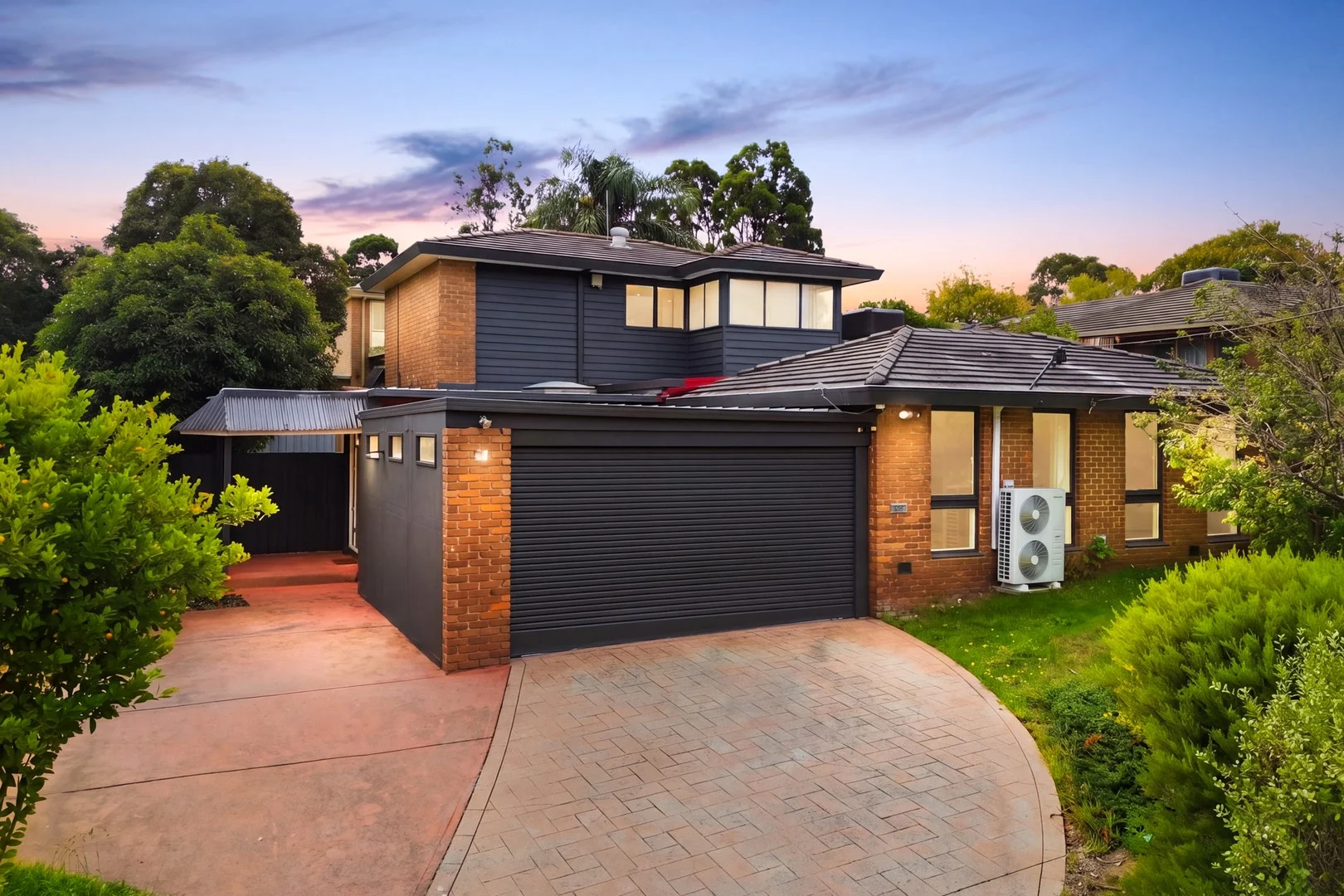 $1,220,000 - $1,320,000
House
$1,220,000 - $1,320,000
House
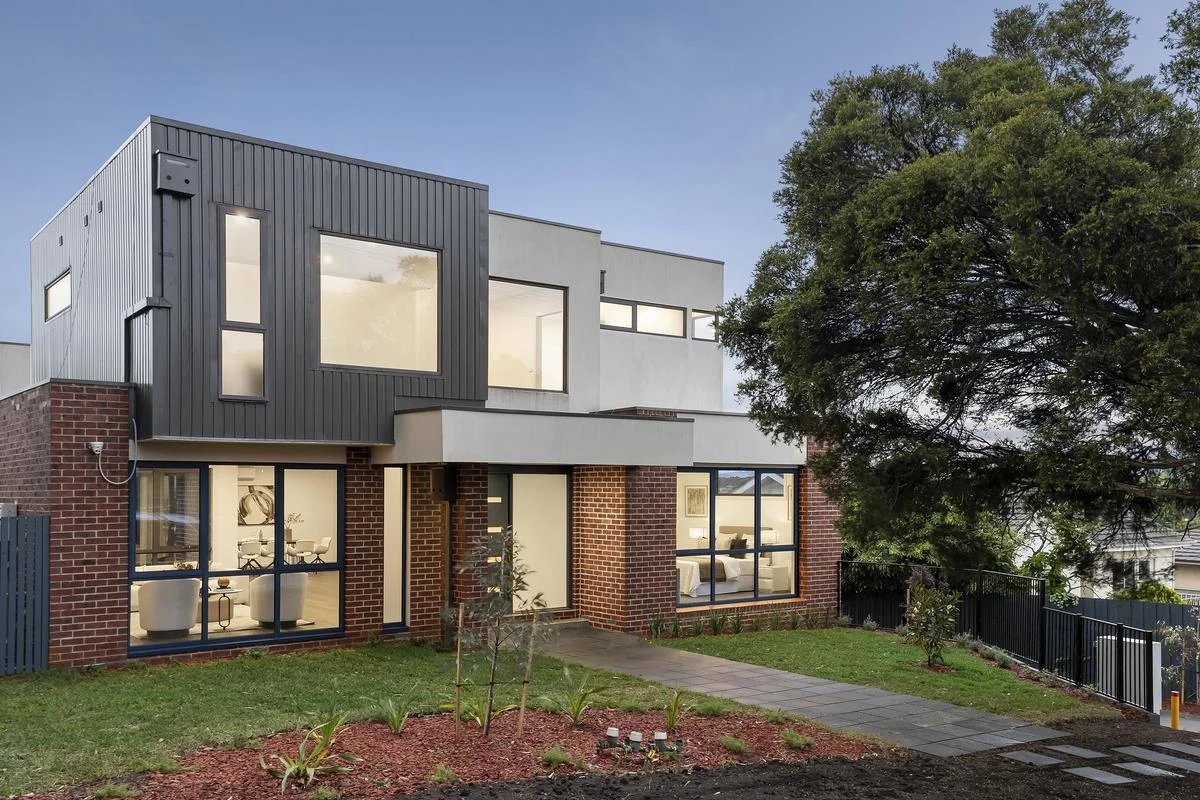 $1,550,000 - $1,650,000
Townhouse
$1,550,000 - $1,650,000
Townhouse
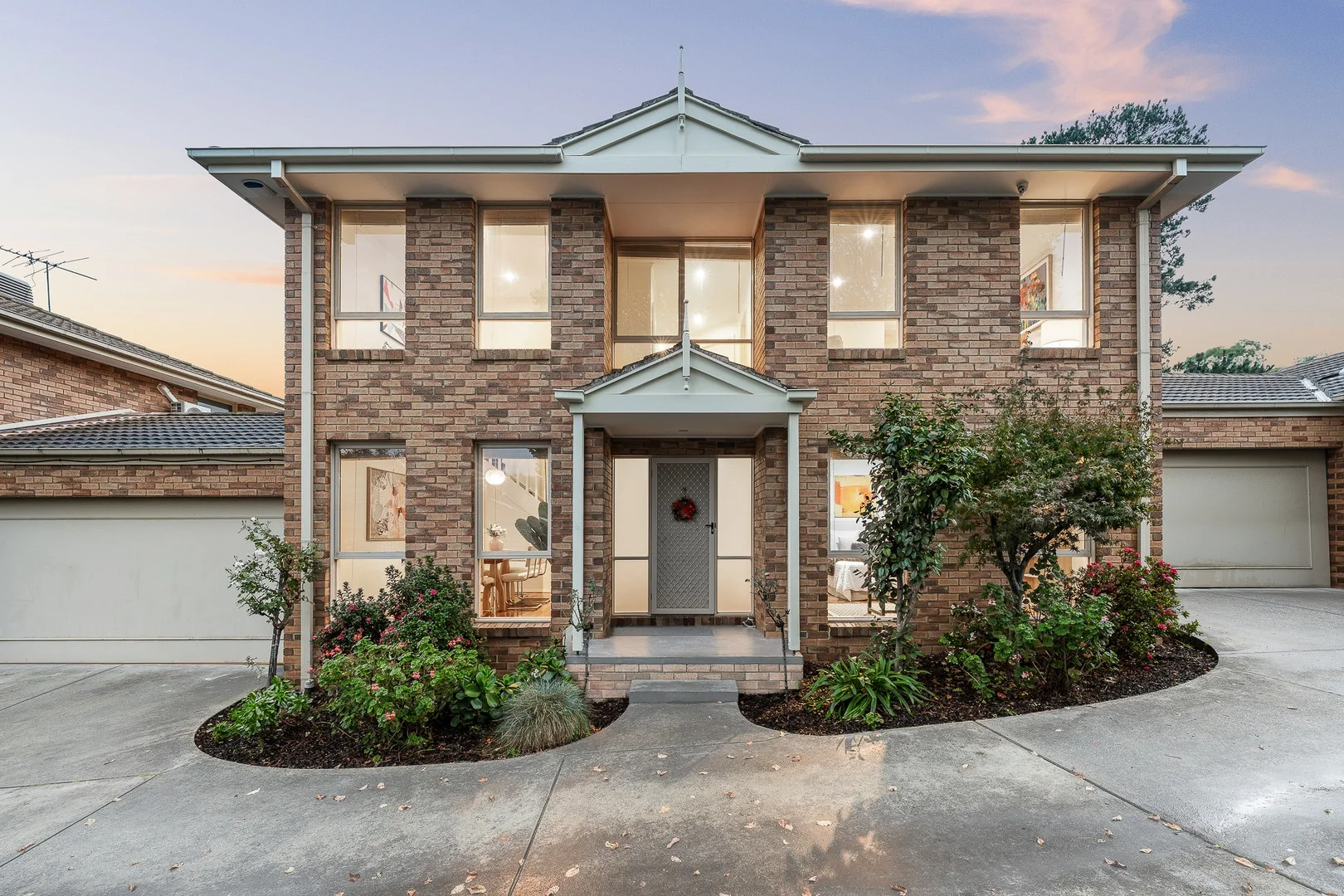 $950,000 - $1,045,000
Apartment / Unit / Flat
$950,000 - $1,045,000
Apartment / Unit / Flat
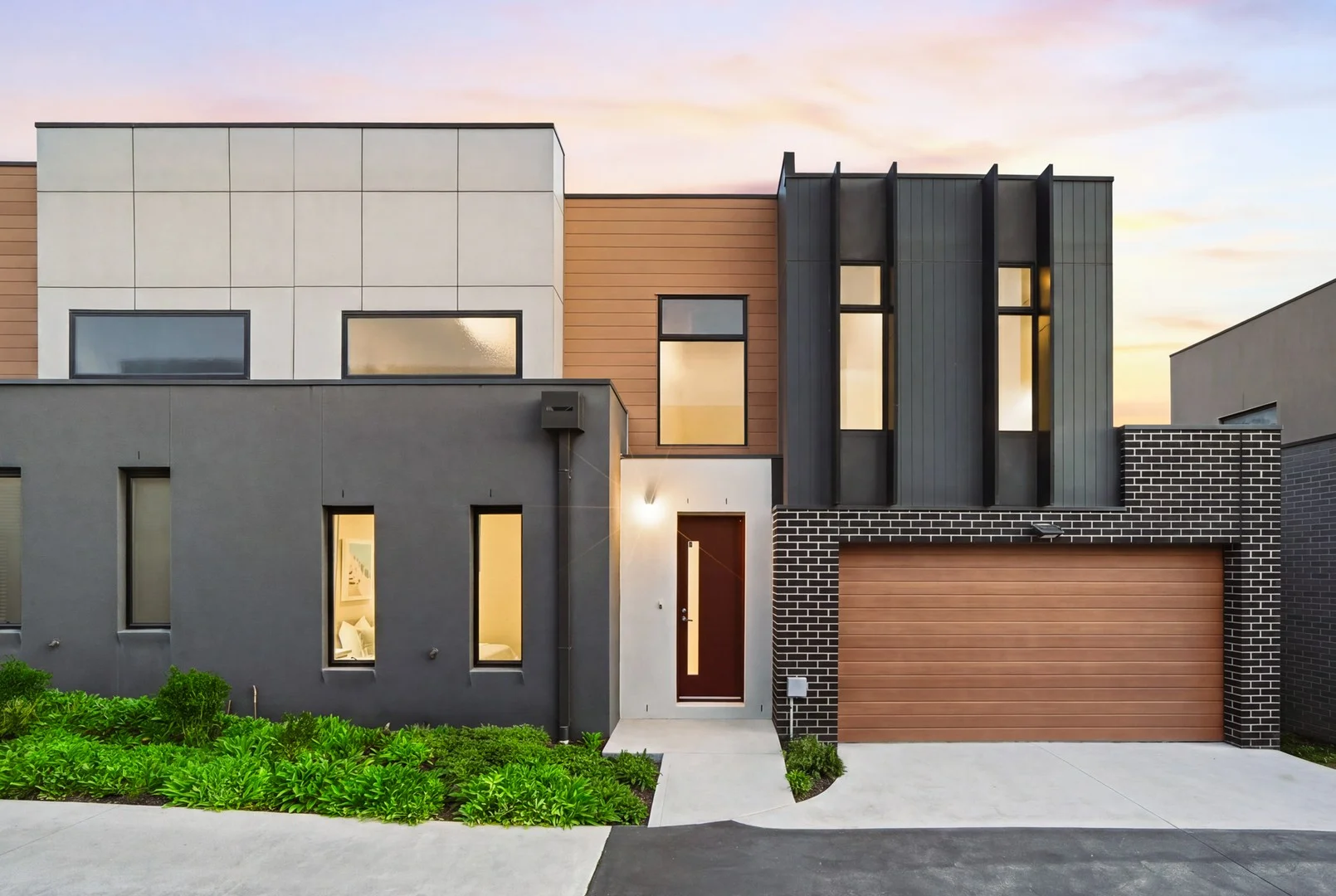 $900,000 - $990,000
Townhouse
$900,000 - $990,000
Townhouse
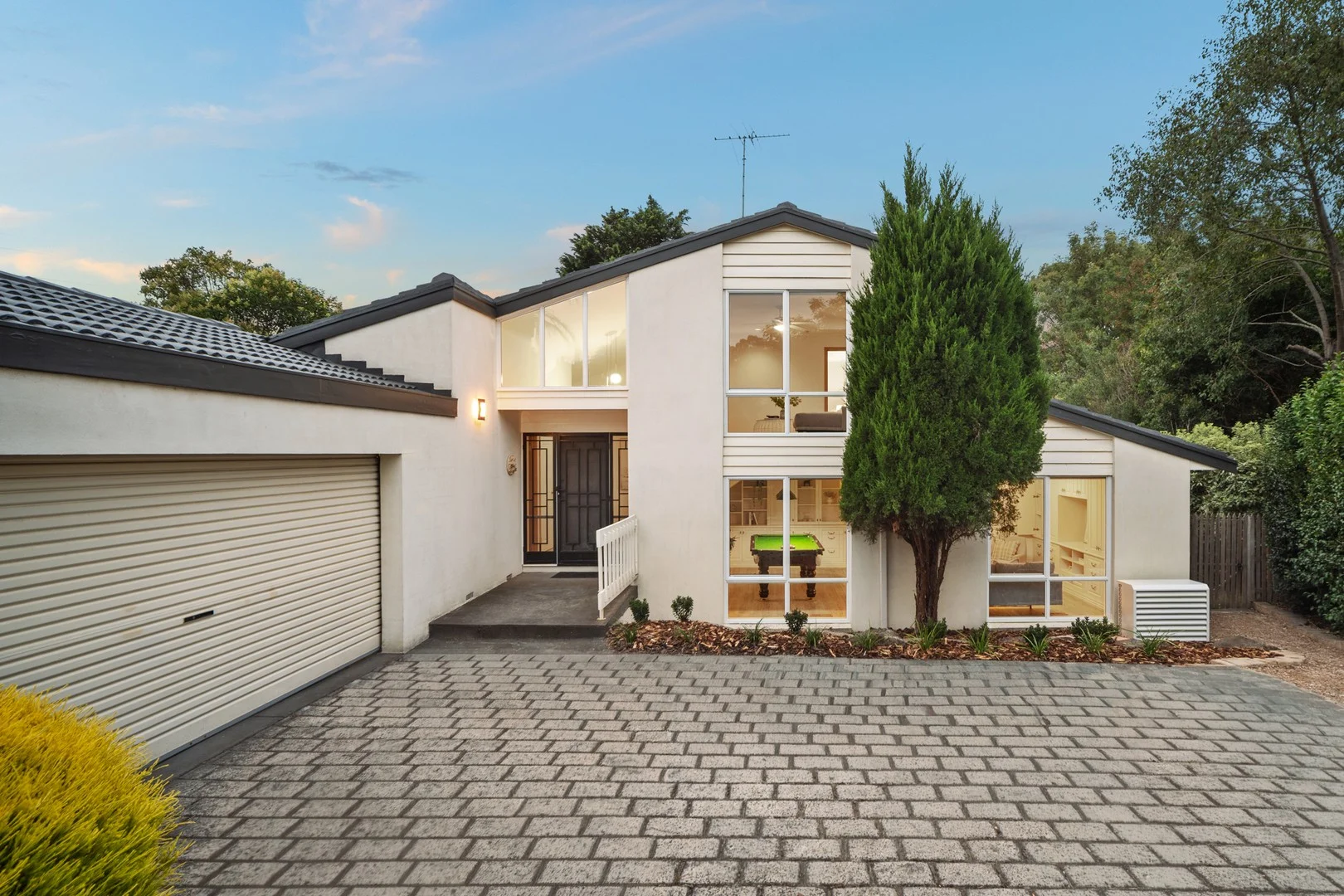 $1,380,000 - $1,500,000
House
$1,380,000 - $1,500,000
House
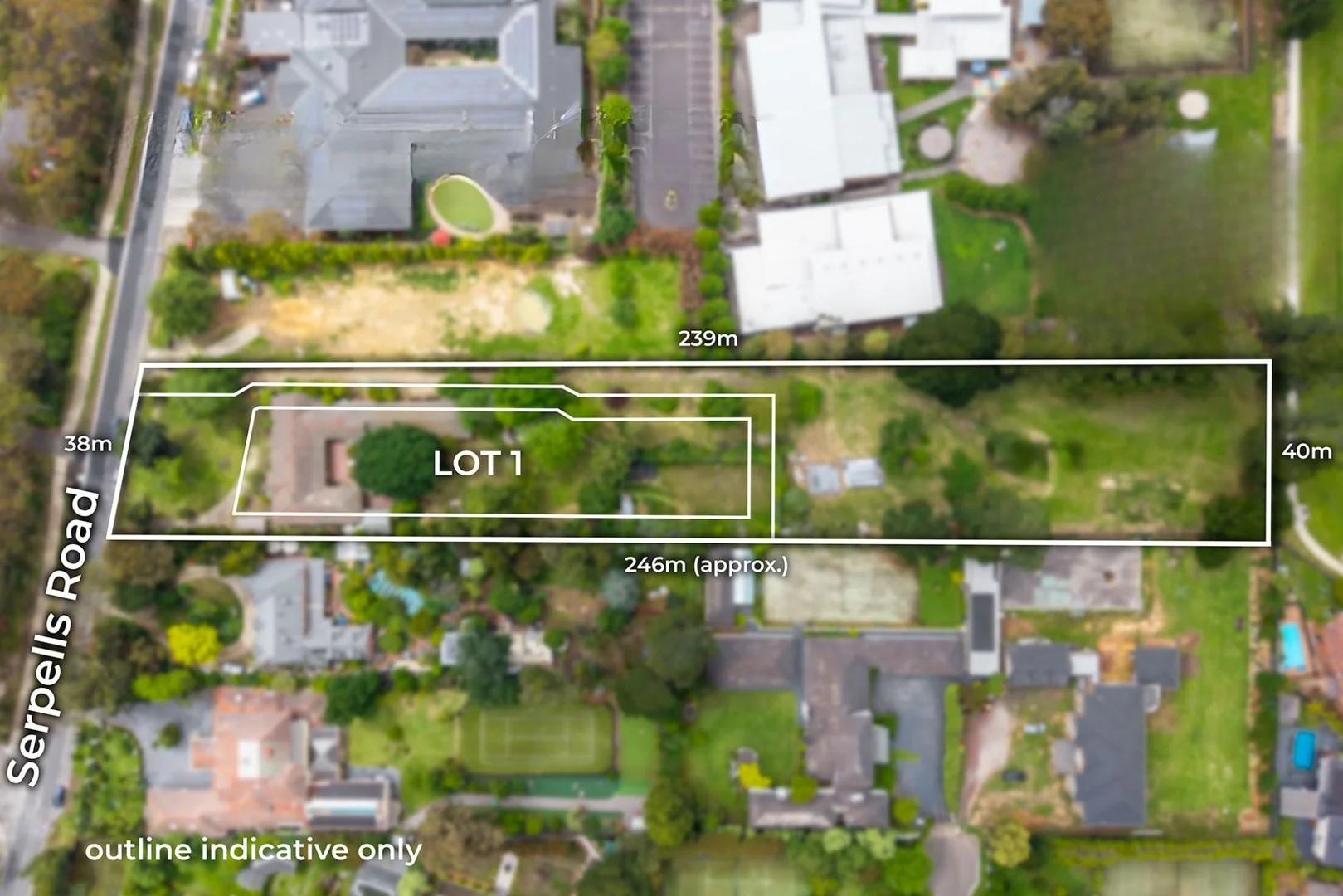 $5,600,000
House
$5,600,000
House
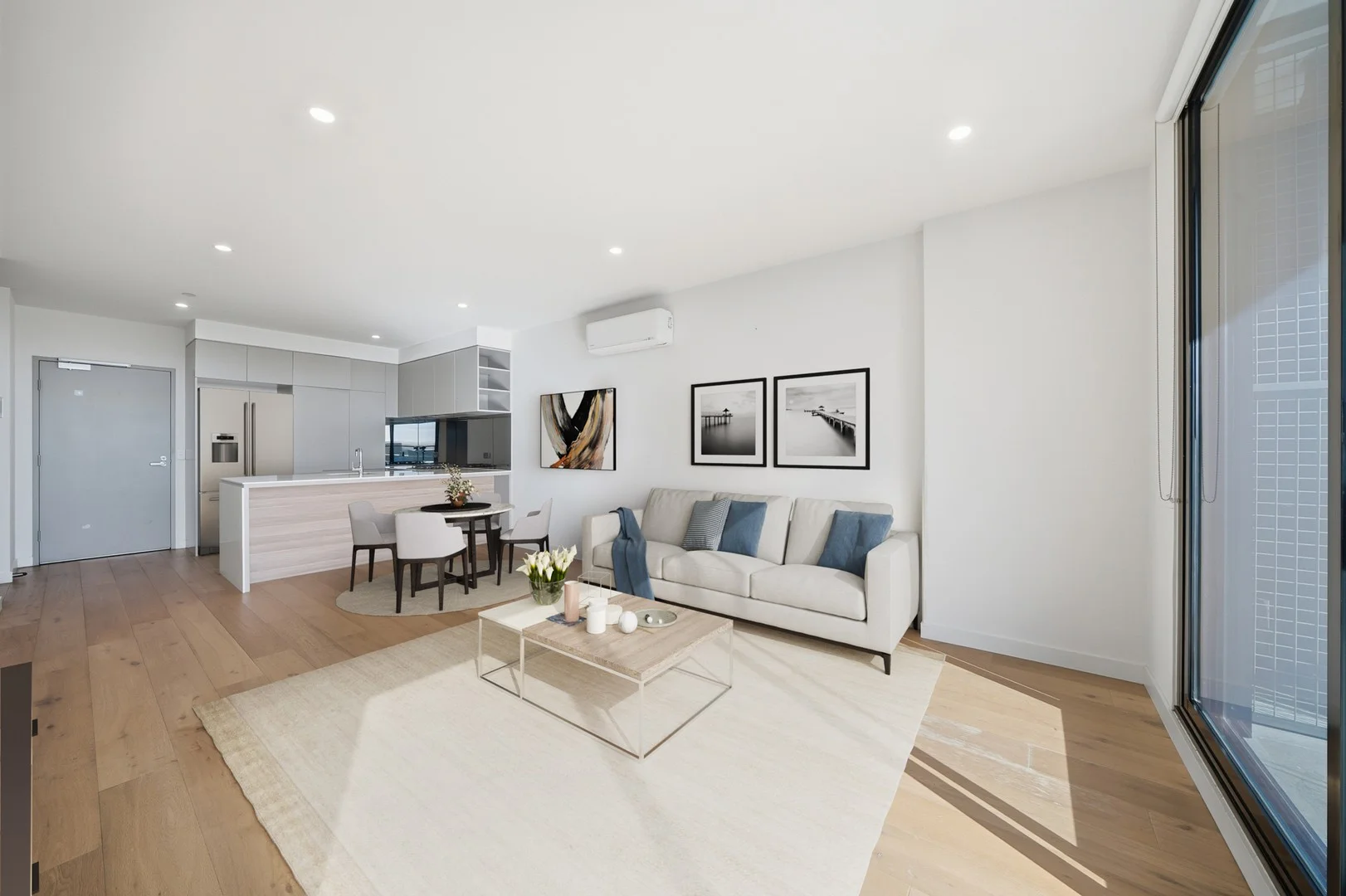 $500,000 - $550,000
Apartment / Unit / Flat
$500,000 - $550,000
Apartment / Unit / Flat
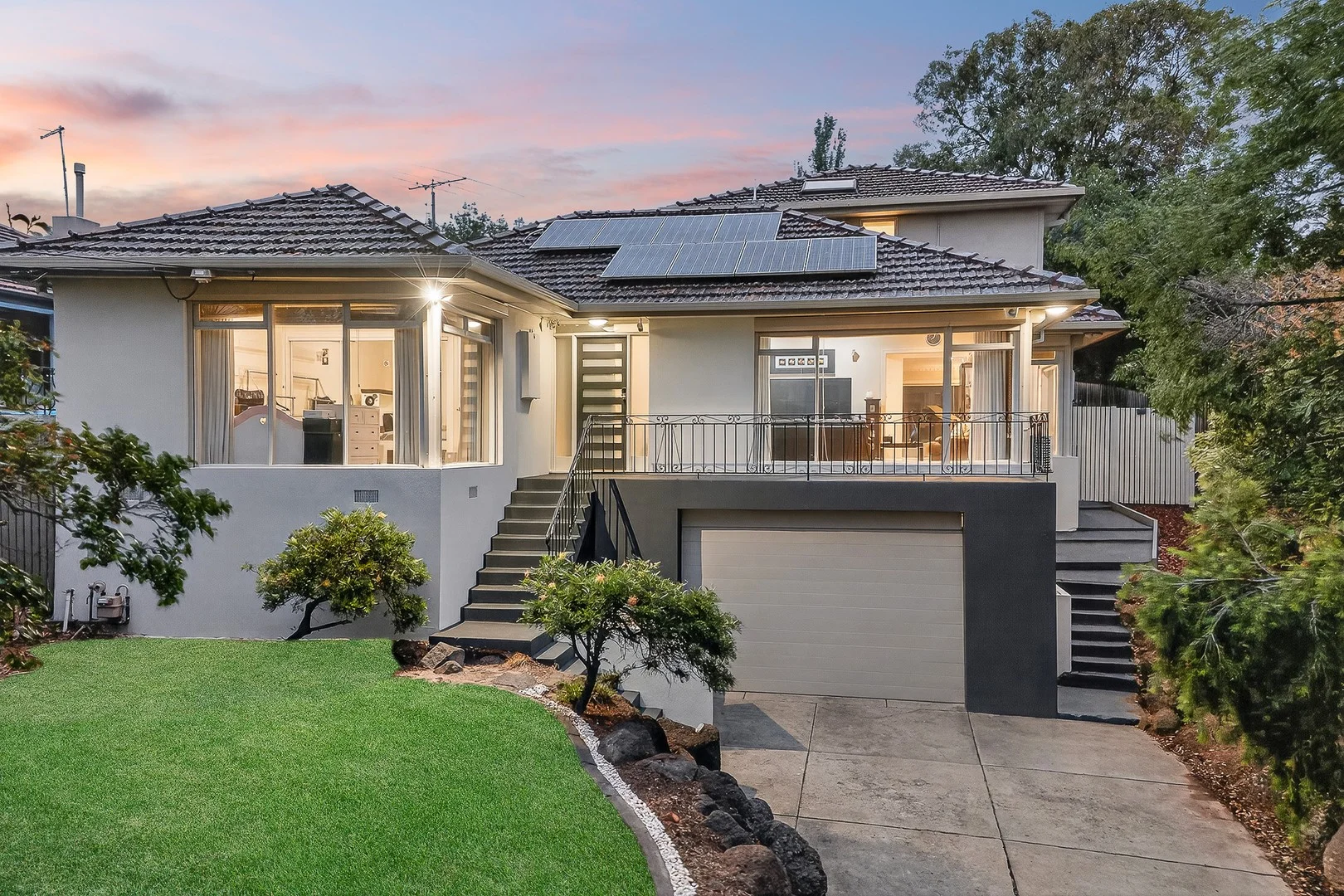 $1,350,000 - $1,450,000
House
$1,350,000 - $1,450,000
House
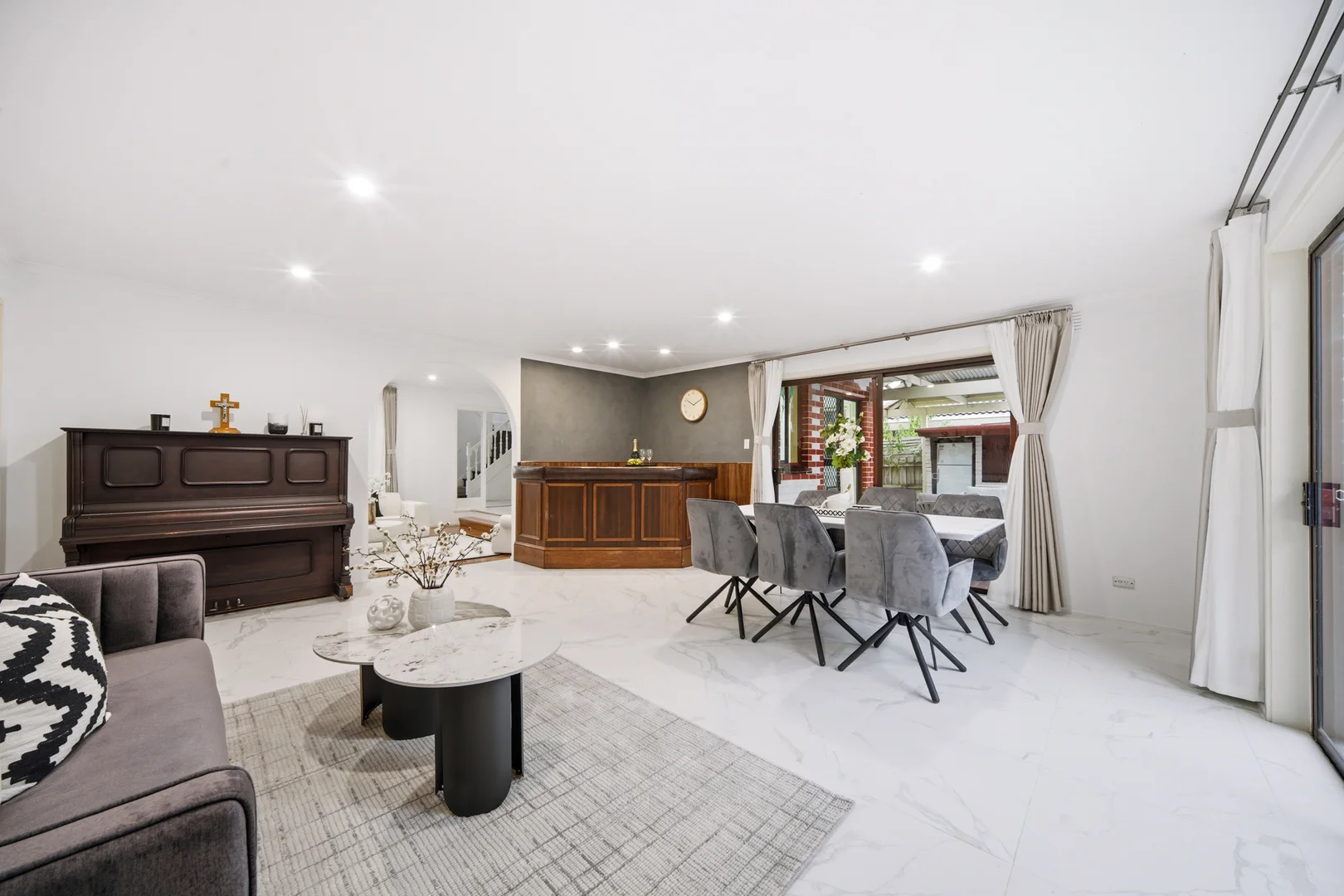 $1,730,000 - $1,830,000
House
$1,730,000 - $1,830,000
House


