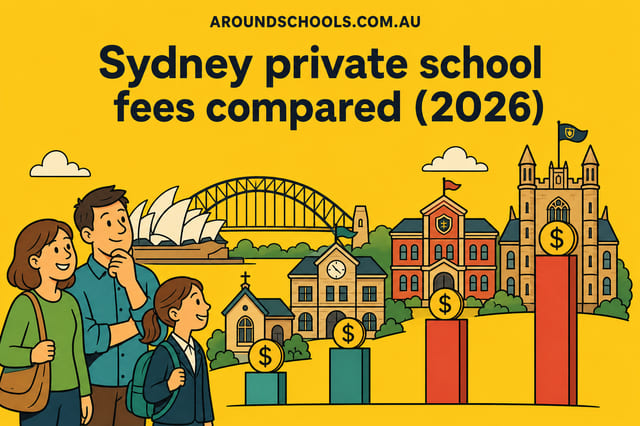
Overview
## 1. Overview
Central Sydney Intensive English High School is a public high school in Sydney dedicated to students who are learning English as an additional language. The school focuses on helping new arrivals build strong English skills while providing a clear pathway to mainstream NSW high school study and beyond. Class sizes are small to medium—typically around 12–18 students per class—so teachers can give targeted language support and personalised guidance. The atmosphere is diverse, inclusive, and supportive, with a culture that emphasises student wellbeing, resilience, and positive transition to wider school life.
The school’s core aim is to develop language proficiency alongside academic progression, social integration, and confidence. Students receive specialised EAL assistance while accessing the NSW curriculum, enabling them to engage with learning content and participate in school life alongside their peers.
---
## 2. Academics & Learning
- Academic strengths: English language development and literacy are the primary focus, with strong support to enable placement into mainstream subjects. Numeracy and core subjects are taught to a high standard to build a solid academic foundation for progression.
- Special programs: Intensive English language program, bridging to mainstream NSW high school study, and targeted literacy/numeracy support. Curriculum is aligned with NSW Education Standards to support successful transitions.
- NAPLAN / trends: Positive trends in English literacy and numeracy as students advance through the intensive English program and move into mainstream studies, supported by focused language interventions.
- Student-teacher ratios: Small class sizes and dedicated EAL teachers contribute to a low student-teacher ratio, enabling frequent feedback and individualized attention.
- Support for diverse learners: Strong EAL support team, learning support staff, and accommodations to meet diverse needs (including students needing additional academic or language assistance).
---
## 3. Sports & Extracurricular Strengths
- Sports offered: Soccer, basketball, cricket, athletics, and other school fitness activities.
- Strong teams or achievements: Participation in inter-school events and district-level competitions; emphasis on teamwork, skill development, and personal growth.
- Music, arts, drama programs: Access to music and performing arts opportunities, including school ensembles and drama activities.
- Clubs: Robotics, chess, coding, debating, and other interest-based clubs to develop problem-solving and collaboration.
- Partnerships: Connections with local community clubs, sport academies, and regional competitions to extend opportunities beyond the classroom.
---
## 4. Wellbeing & Pastoral Care
- Anti-bullying approach: Clear anti-bullying policy with proactive education, reporting channels, and ongoing wellbeing conversations.
- House system: A house structure to foster belonging, support, and healthy competition across activities.
- Counsellors / wellbeing officers: Access to school counsellors and wellbeing staff to support emotional health, social development, and transitions.
- Transition support for new students: Orientation programs, buddy systems, and targeted transition support to help new students acclimate to school life and NSW curriculum expectations.
---
## 5. Facilities
- Sports grounds: On-site outdoor spaces for games and physical education.
- Libraries: Dedicated library with study spaces and resources to support language development and independent learning.
- Science labs: Well-equipped laboratories for practical experiments and inquiry-based learning.
- Music/performing arts centers: Rooms and spaces for music practice and drama activities.
- Tech/innovation labs: Computers and technology resources supporting digital learning and coding clubs.
- Cafeteria: On-site canteen offering healthy meal options and snacks.
- Updated playgrounds: Well-maintained common areas and outdoor spaces for recreation and socialising.
---
## 6. School Values & Community Culture
- School values / mission: Emphasis on respect, inclusion, resilience, curiosity, and a growth mindset.
- Leadership style: Collaborative and supportive, with teachers and leaders working to place students on a successful learning pathway.
- Behaviour expectations: Clear codes of conduct emphasizing respectful behaviour, responsibility, and positive engagement.
- Community reputation: Welcoming and inclusive atmosphere with a strong focus on helping students adapt to Australian schooling and culture.
- Diversity & inclusion: Celebrated as a strength; programs and practices actively support students from a wide range of linguistic and cultural backgrounds.
---
## 7. School Logistics & Daily Operations
- School hours: Typical school day with morning and afternoon sessions aligned to NSW Department of Education timetables.
- Before/after school care: OSHC (out-of-school-hours care) options available through external providers; details can be arranged through the school.
- Uniform requirements: School uniform is required, with guidelines provided by the school.
- Transport (train/bus routes): Accessible by local bus routes and nearby train stations; information on routes and timetables provided to families.
- Canteen availability: Canteen on site offering healthy meal options and snacks; lunch orders accommodated.
- Fees: Public school fees are low to medium, primarily consisting of standard voluntary contributions and materials fees.
---
## 8. Enrolment & Admissions
- 11. What is the enrolment process and timeline?
- Submit an expression of interest or application through the NSW Department of Education channels.
- Provide student records, proof of residency or eligibility, and any language or learning support needs.
- Complete language assessment and meet with school staff to determine EAL supports and placement.
- Receive an offer and complete enrolment paperwork; orientation is arranged prior to starting.
- Timeline varies with term starts and demand; accommodation and support plans are discussed on acceptance.
- 12. Is there a waiting list, and how does it work?
- Waiting lists may apply when spaces are limited. Priority is given to students requiring intensive English language support and those transitioning to mainstream NSW schooling; spaces are allocated as they become available.
- 13. Are there any entry requirements, tests, or interviews?
- Yes. An English language assessment is typically conducted to determine the level of EAL support required, along with review of academic records and prior schooling. An interview or meeting with families may be part of the process to understand needs.
- 14. Does the school accept mid-year transfers?
- Mid-year transfers are possible if spaces are available and the student’s language and learning needs can be accommodated within the timetable and support structures.
---
## 9. Frequently Asked Questions
- Why Parents Choose This School?
- For strong English language support, a structured pathway to mainstream NSW study, and a carefully designed environment that helps newly arrived students settle socially and academically.
- What type of student thrives at this school?
- Students who are motivated to improve English, adapt to a new schooling system, and participate in a supportive community often thrive here.
- What opportunities are available for students to extend their skills (academics, sports, arts)?
- Access to English language development, bridging programs to mainstream subjects, a range of sports, music, drama, clubs (robotics, coding, chess, debating), and community partnerships.
- How does the school communicate with parents?
- Regular updates via meetings, emails, newsletters, and the school website. The school also uses parent portals and SMS notices where available.
- What is the school’s approach to teaching and learning?
- A language-focused, inclusive approach that integrates EAL support with the NSW curriculum to ensure students progress academically while developing English proficiency.
- How does the school support students who need extra academic help?
- Targeted EAL instruction, small group or one-on-one support, literacy and numeracy interventions, and pathways to mainstream subjects as readiness develops.
- What support is available for academic challenges?
- Access to learning support staff, counsellors, and tailored curriculum adjustments; ongoing progress monitoring and adjustment of supports.
- How does the school communicate with parents? (Duplicate question)
- See above; multiple channels and regular updates help keep families informed.
- What are the class sizes and how much individual attention do students receive?
- Class sizes are small to medium with a low student-teacher ratio, enabling frequent feedback and individualized assistance.
- What extracurricular and sports opportunities are available?
- A range of sports (soccer, basketball, cricket, athletics), music and drama options, and clubs such as robotics, coding, chess, and debating.
- What facilities does the school offer (sports, science, arts)?
- Sports grounds, libraries, science labs, music/performing arts spaces, tech/innovation labs, a canteen, and updated outdoor areas.
- What is the school’s approach to technology and digital learning?
- Integration of digital tools to support language development, independent learning, and access to coding and tech clubs; computer labs and online resources are available.
- What transport and accessibility options are available?
- Local bus routes and nearby train stations, with information provided to families to help plan travel; the school aims to be accessible to students from surrounding areas.
- What are the typical school fees or additional costs?
- Public-school conventions include low to medium fees, with common items like voluntary contributions and material fees; specifics are provided during enrolment.
---
## 10. Short Pros & Cons list
- Pros
- Strong dedicated EAL support and small class sizes
- Clear pathway from intensive English to mainstream NSW study
- Diverse, inclusive community with a focus on wellbeing
- Broad range of extracurriculars and clubs
- Engaging facilities and access to modern learning spaces
- Cons
- May have fewer mainstream elective options compared with larger high schools
- Availability of certain clubs or teams can depend on student demand and space
- As an intensive English-focused school, the primary emphasis is on language support, which may differ from full-language immersion programs in other schools








 $990
Apartment / Unit / Flat
$990
Apartment / Unit / Flat
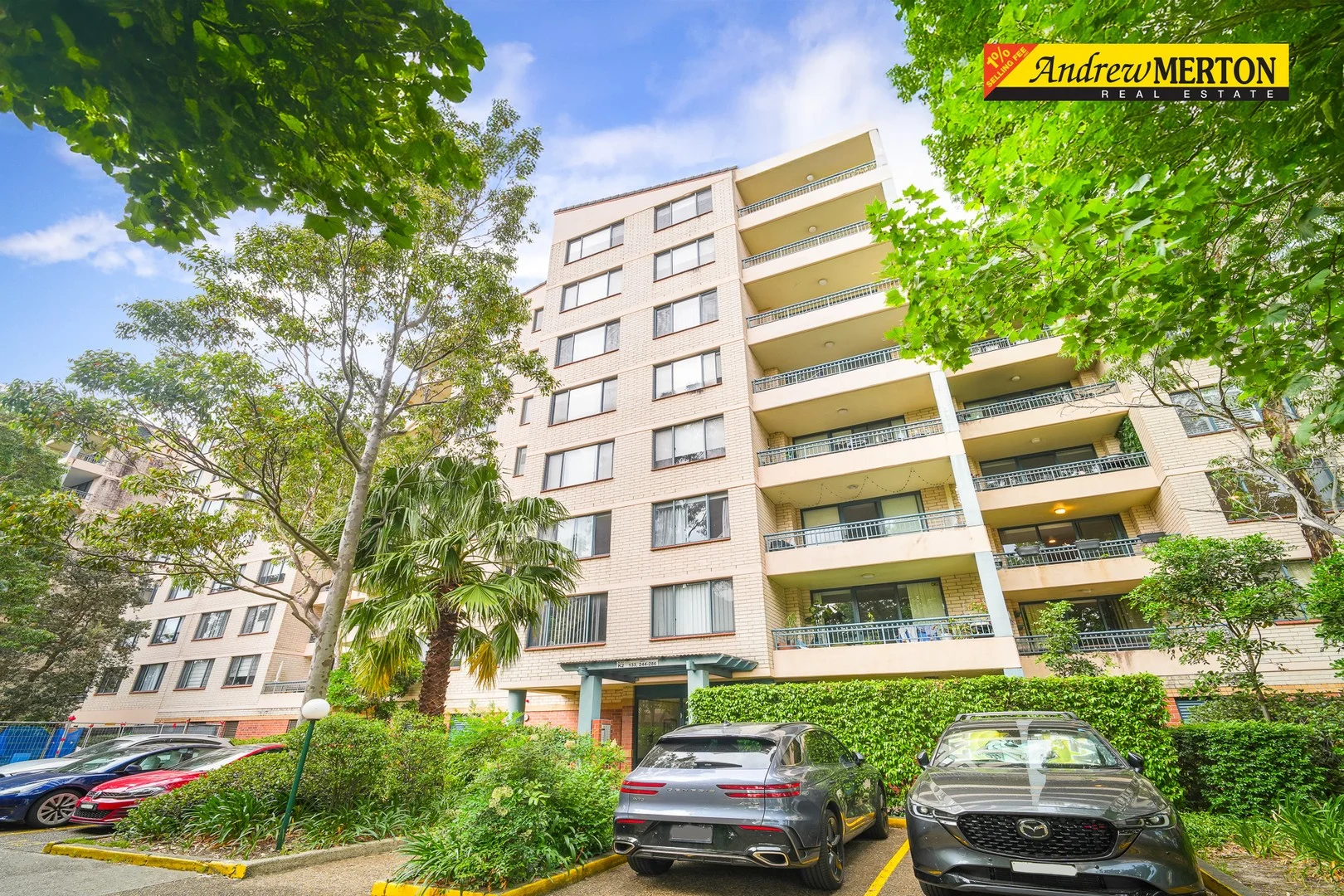 $933,000
Apartment / Unit / Flat
$933,000
Apartment / Unit / Flat
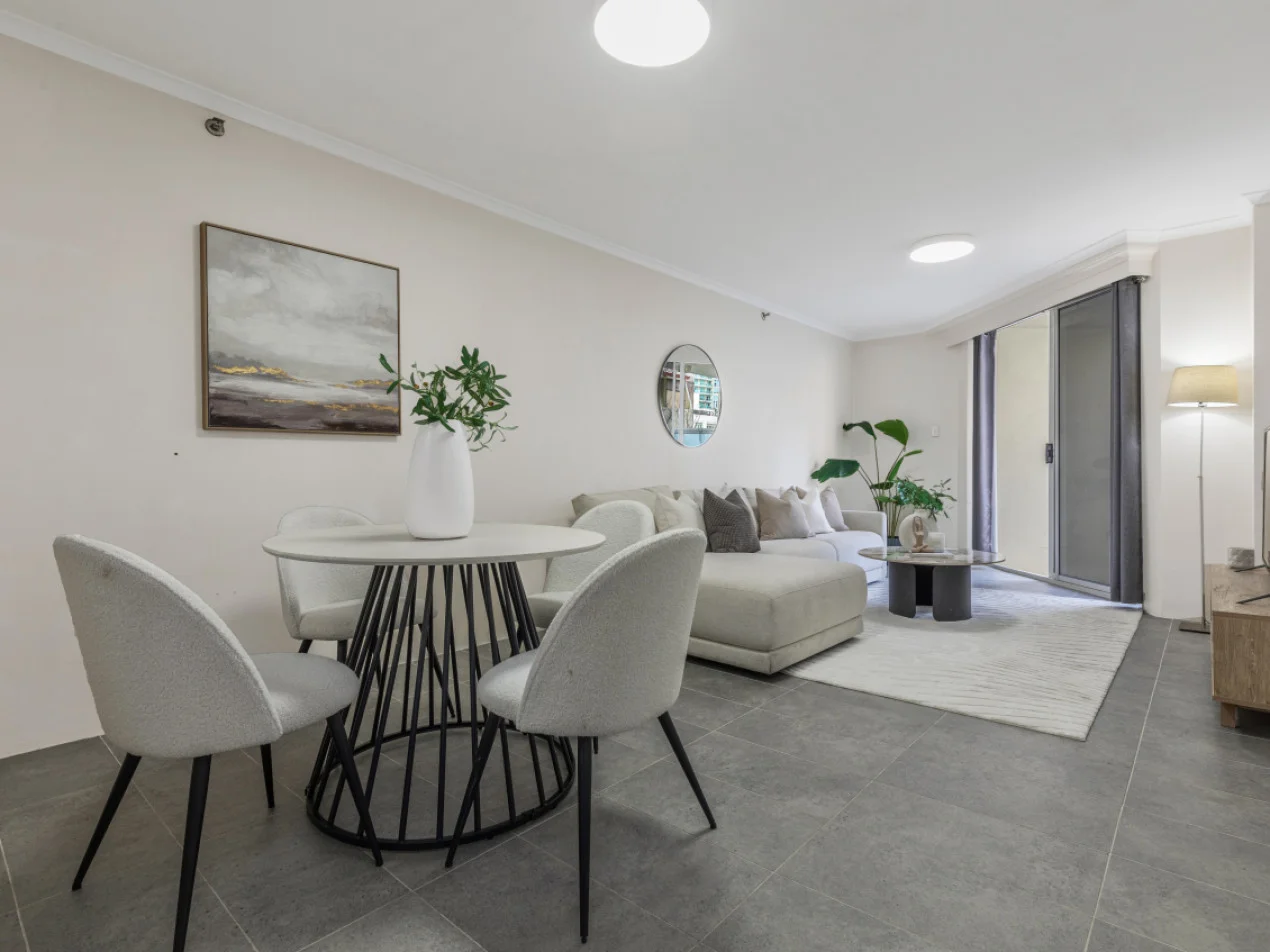 $640,000 - $675,000
Apartment / Unit / Flat
$640,000 - $675,000
Apartment / Unit / Flat
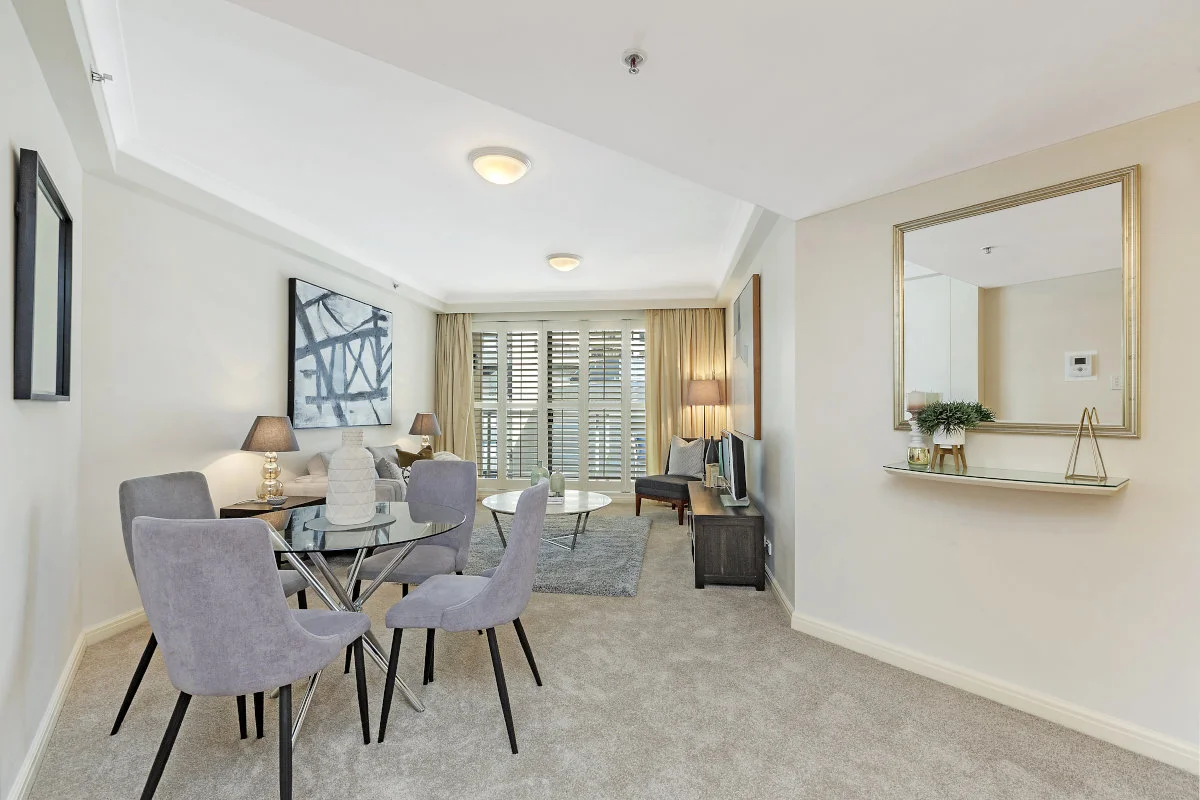 $660,000 - $725,000
Apartment / Unit / Flat
$660,000 - $725,000
Apartment / Unit / Flat
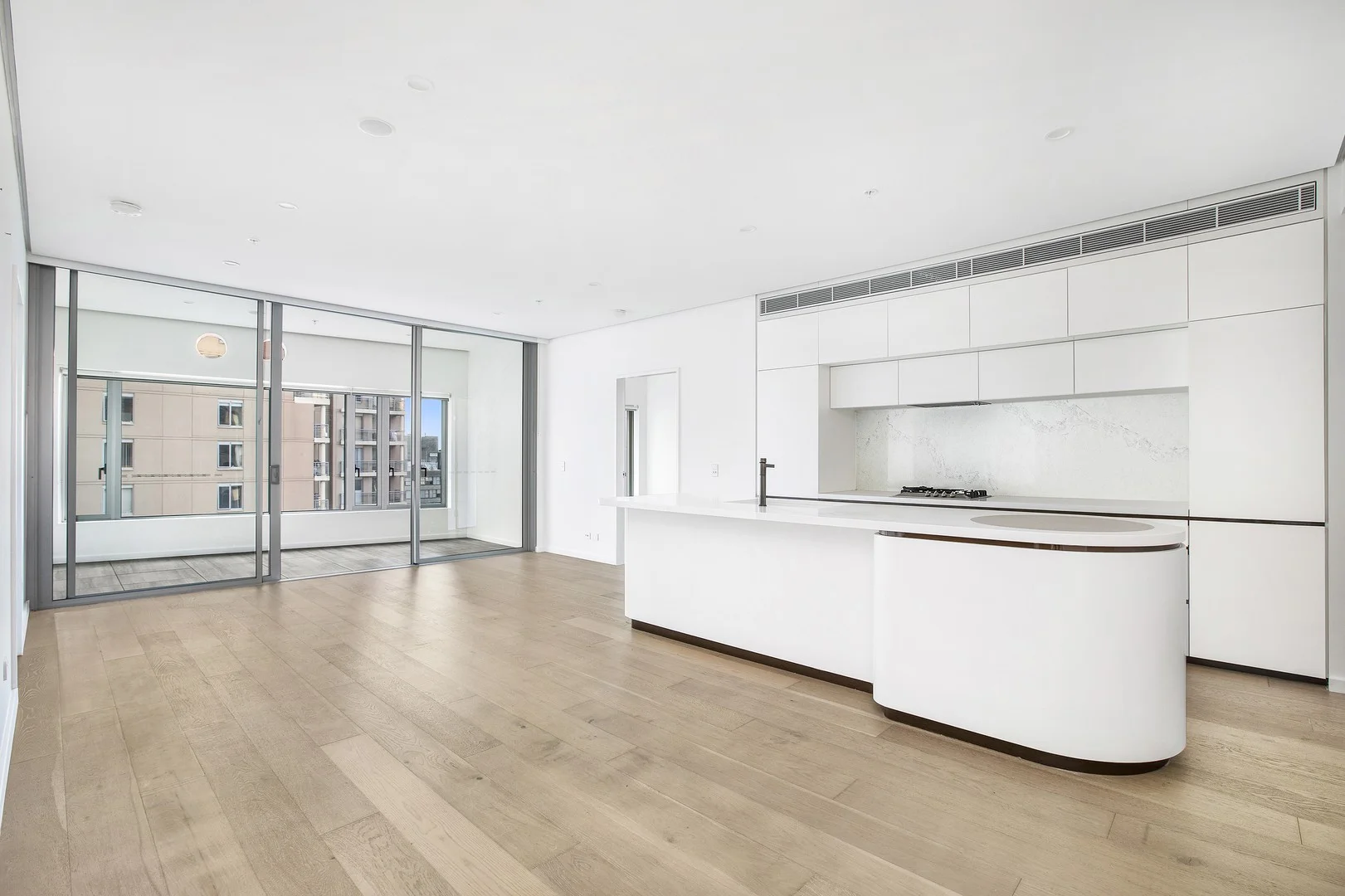 $2,250,000
Apartment / Unit / Flat
$2,250,000
Apartment / Unit / Flat
 $12,980,000
propertyType.NEW APARTMENTS / OFF THE PLAN
$12,980,000
propertyType.NEW APARTMENTS / OFF THE PLAN
 $6,225,000
propertyType.NEW APARTMENTS / OFF THE PLAN
$6,225,000
propertyType.NEW APARTMENTS / OFF THE PLAN
 $8,630,000
propertyType.NEW APARTMENTS / OFF THE PLAN
$8,630,000
propertyType.NEW APARTMENTS / OFF THE PLAN
 $9,020,000
propertyType.NEW APARTMENTS / OFF THE PLAN
$9,020,000
propertyType.NEW APARTMENTS / OFF THE PLAN