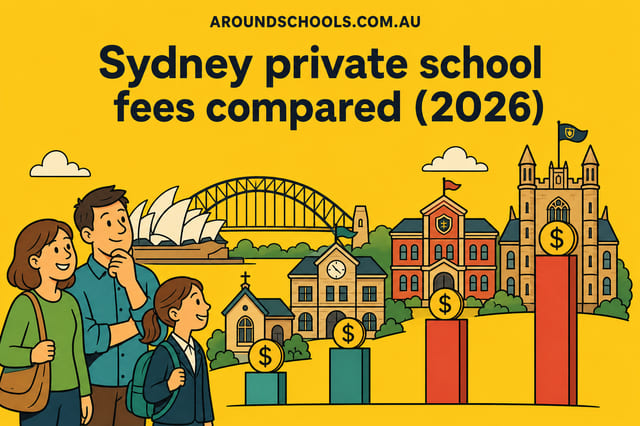
Overview
## 1. Overview
School type: Catholic primary school (systemic). The school serves a mid-sized, diverse community with a strong emphasis on faith-based education and values. Class sizes typically sit in the low-to-mid 20s, balancing individualized attention with collaborative learning. Atmosphere is generally nurturing and inclusive, with an emphasis on community, service, and personal growth.
The school aims to foster a supportive, faith-filled environment where families feel welcomed and involved. It prioritises respectful relationships, academic growth, and opportunities for students to learn about their faith while engaging in a broad range of learning experiences. ⸻
## 2. Academics & Learning
Academic strengths: Literacy and numeracy are foundational focuses, with religious education integrated into daily learning. Leadership opportunities, student voice, and partnerships with educators support ongoing academic and personal development. Programs in STEM, English, and inquiry-based learning are commonly emphasised, with a view to developing critical thinking and problem-solving. Languages and other enrichment options may be available depending on year level and staffing.
Special programs: Religious education as a core component, along with opportunities for gifted and talented work or extension tasks where available. Schools often offer targeted support for diverse learners and may run small-group interventions or pulls for additional help as required.
NAPLAN / trends: Typical information to check includes year-over-year trends in literacy and numeracy within NSW Catholic primary contexts. For precise, current trends, refer to NSW My School data and the school’s annual reporting. Student-teacher ratios vary by year level, but the overall environment supports differentiated instruction to meet individual needs.
Student-teacher ratios: Class sizes usually in the 20s, with ratios that support targeted teaching and individual attention in the younger years and collaborative learning in the upper years. Support staff may assist with learning support, EAL, and SEN needs.
Support for diverse learners: EAL support, SEN services, and inclusive education approaches are commonly in place, with differentiation and targeted interventions to assist students requiring extra help. ⸻
## 3. Sports & Extracurricular Strengths
Sports offered: A balanced program typically includes netball, basketball, soccer (football), cricket, athletics, and casual participation in inter-school competitions. Additional opportunities may include rugby league or other sports aligned to school cohorts and partner programs.
Strong teams or achievements: Participation in inter-school sports and school-level competitions is common, with emphasis on teamwork, fair play, and personal bests. Highlights often include successful participation in district events and house-based competitions.
Music, arts, drama programs: Schools commonly offer choir and instrumental programs, school concerts, and drama activities to develop performance skills and confidence. Arts engagement supports creativity alongside academic learning.
Clubs: Robotics, coding, chess, debating, and other clubs are typically available or rotate seasonally, offering students chances to explore interests beyond the classroom.
Partnerships: Local community groups, sports associations, and regional competitions provide additional opportunities for skill development, teamwork, and tackling new challenges. ⸻
## 4. Wellbeing & Pastoral Care
Anti-bullying approach: A proactive, school-wide anti-bullying policy with clear expectations, student-led initiatives, and ongoing education around respectful behaviour. Buddy systems and peer support are commonly used to strengthen social wellbeing.
House system: A house structure is often used to promote belonging, leadership opportunities, and healthy competition across year levels.
Counsellors / wellbeing officers: A dedicated wellbeing team or school counsellor is typically available to support students with social-emotional needs, concerns, and transitions.
Transition support for new students: Orientation activities, buddy programs, and targeted support help new entrants settle in and form connections quickly. ⸻
## 5. Facilities
- Sports grounds: Outdoor spaces for physical education and sports.
- Libraries: A library resource center supporting reading and research.
- Science labs: Facilities for practical science exploration.
- Music/performing arts centers: Spaces for music, drama, and performances.
- Tech/innovation labs: Areas for technology, coding, and digital projects.
- Cafeteria: On-site canteen or tuck shop providing lunch options.
- Updated playgrounds: Safe, engaging play spaces.
Facilities are designed to be visually engaging and easy to navigate, supporting a variety of learning styles and activities. ⸻
## 6. School Values & Community Culture
- School values / mission: A faith-centered mission focusing on compassion, respect, responsibility, integrity, and service. Learning is connected to Catholic beliefs and ethical development.
- Leadership style: Collaborative and servant-leadership oriented, with opportunities for student leadership in class, student council, and clubs; staff guidance emphasizes care and guidance.
- Behaviour expectations: Clear positive-behaviour policies with consistent expectations and restorative practices where appropriate.
- Community reputation: Typically described as welcoming, family-focused, and inclusive, with active parent involvement and strong parish partnerships.
- Diversity & inclusion: Commitment to supporting diverse backgrounds and needs, including EAL and SEN, and promoting belonging for all students. ⸻
## 7. School Logistics & Daily Operations
- School hours: Regular school day with start and finish times typical for NSW primary schools; times include morning recess and lunch breaks.
- Before/after school care: After-school care or vacation care options are commonly available through school or partner providers.
- Uniform requirements: Formal school uniform required (and season-appropriate variations), with clear guidelines for sports uniform on gym/sport days.
- Transport (train/bus routes): Access via local bus routes and nearby train services; drop-off/pick-up arrangements are typically coordinated to ease parental routines.
- Canteen availability: On-site canteen or tuck shop providing recess and lunch options.
- Fees (low/medium/high ranges): Fees are generally mid-range for NSW Catholic primary schools, including compulsory contributions, book/material costs, and uniform/special activity expenses. ⸻
## 8. Enrolment & Admissions
- 11. What is the enrolment process and timeline?
- Express interest or submit an online application.
- Provide required documentation (birth certificate, baptism/catholic documentation where applicable, previous school reports).
- Attend information session or interview if required.
- Shortlisting and offer of place based on space and matching criteria.
- Acceptance by specified date; payment of deposit/confirmation to secure place.
- Orientation and start date details communicated before term start.
- 12. Is there a waiting list, and how does it work?
- Yes, many Catholic primary schools maintain a waiting list when places are limited. Places are typically allocated based on availability, siblings, parish considerations, and date of application.
- 13. Are there any entry requirements, tests, or interviews?
- Most Catholic primary schools require an enrolment interview or information session to understand fit and family expectations. There may be documentation requirements; standard school-readiness indicators or assessments are usually not high-stakes tests.
- 14. Does the school accept mid-year transfers?
- Mid-year transfers may be possible subject to space and availability. Transfer paperwork, records, and a smooth transition plan are typically arranged with the enrolling family and current school. ⸻
## 9. Frequently Asked Questions
- Why Parents Choose This School?
- A values-based Catholic education, a nurturing and inclusive community, strong focus on literacy and numeracy, faith formation, and opportunities to participate in sport, arts, and service.
- What type of student thrives at this school?
- Students who value community, faith-based learning, social-emotional growth, and balanced engagement in academics, sports, and clubs. Those who appreciate a collaborative, supportive environment tend to do well.
- What opportunities are available for students to extend their skills (academics, sports, arts)?
- Extension programs in reading and maths, leadership opportunities, choir/instrumental music, drama, arts programs, robotics/coding clubs, debating, and inter-school sports.
- How does the school communicate with parents?
- Regular newsletters, parent portals or apps, emails, parent-teacher meetings, and information evenings. Updates may include student progress, events, and policy changes.
- What is the school’s approach to teaching and learning?
- Differentiated instruction within a faith-informed framework; emphasis on literacy and numeracy; integration of religious education; use of technology and inquiry-based learning to develop critical thinking.
- How does the school support students who need extra academic help?
- Targeted interventions, small-group or one-on-one support, learning support staff, EAL and SEN services, and progress monitoring to track improvement.
- What support is available for academic challenges?
- Access to learning support staff, customised learning plans, and referrals to external specialists if needed, with ongoing communication with families.
- How does the school communicate with parents? (Repeated)
- See above: newsletters, portals/apps, emails, and meetings.
- What are the class sizes and how much individual attention do students receive?
- Classes are typically in the 20s, with differentiated teaching and opportunities for individual support through teacher time, small groups, and targeted interventions.
- What extracurricular and sports opportunities are available?
- A variety of sports (netball, basketball, soccer, athletics, cricket), plus clubs in robotics, coding, chess, debating, and arts activities.
- What facilities does the school offer (sports, science, arts)?
- Sports grounds, library, science labs, music/performing arts spaces, technology/innovation labs, canteen, and well-equipped outdoor spaces.
- What is the school’s approach to technology and digital learning?
- Integration of digital literacy into learning, use of devices and educational software, and emphasis on online safety and responsible use.
- What transport and accessibility options are available?
- Access via local bus/train routes, with designated drop-off/pick-up procedures and provisions for accessibility where applicable.
- What are the typical school fees or additional costs?
- Fees are generally mid-range for NSW Catholic schools, including uniforms, books/materials, excursions, and activity costs beyond standard tuition. ⸻
## 10. Short Pros & Cons
- Pros
- Values-based Catholic education with a supportive, inclusive culture
- Strong focus on literacy and numeracy
- Broad range of extracurriculars (sports, arts, clubs)
- Welcoming community with active parent involvement
- Support for diverse learners (EAL, SEN) and student wellbeing
- Cons
- Transport to and from school may be a consideration for some families
- Class sizes can be larger in certain year levels
- Fees and uniform costs are an ongoing consideration for families
- Availability of specialist programs may vary year to year depending on staffing
- Religious program and events are central to school life, which may not suit all families










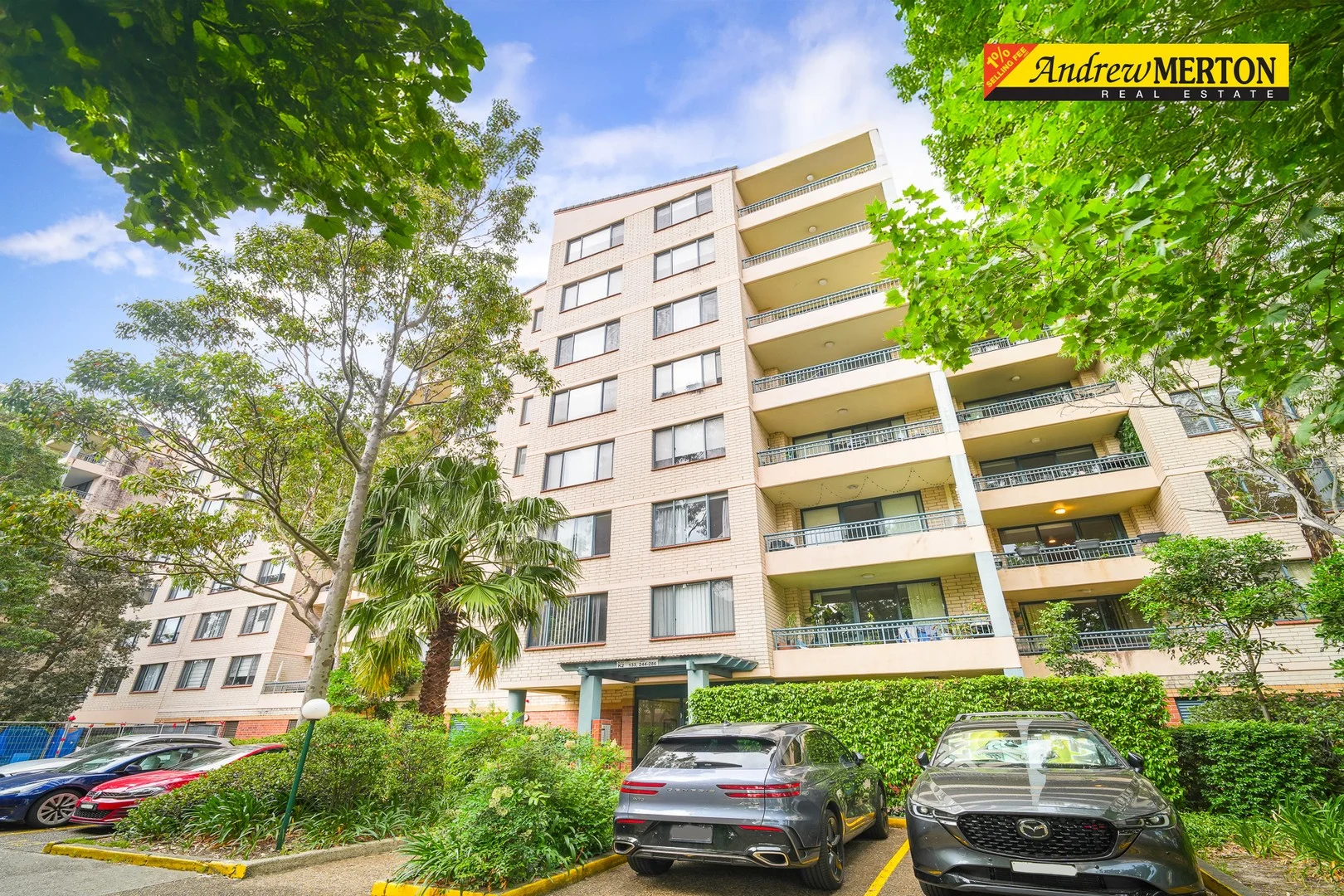 $933,000
Apartment / Unit / Flat
$933,000
Apartment / Unit / Flat
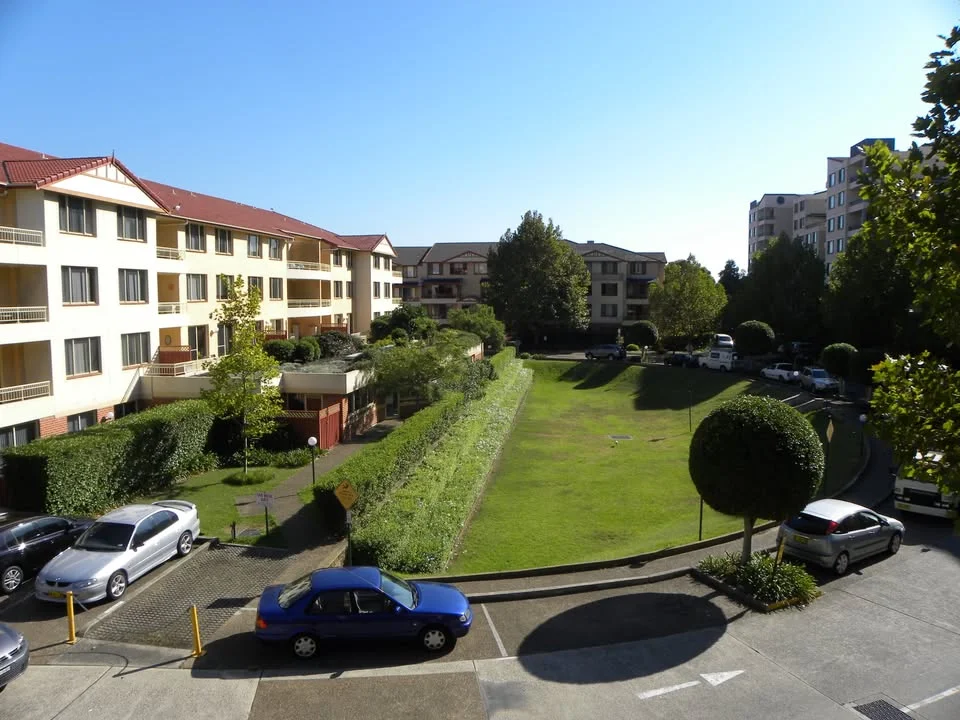 $990
Apartment / Unit / Flat
$990
Apartment / Unit / Flat
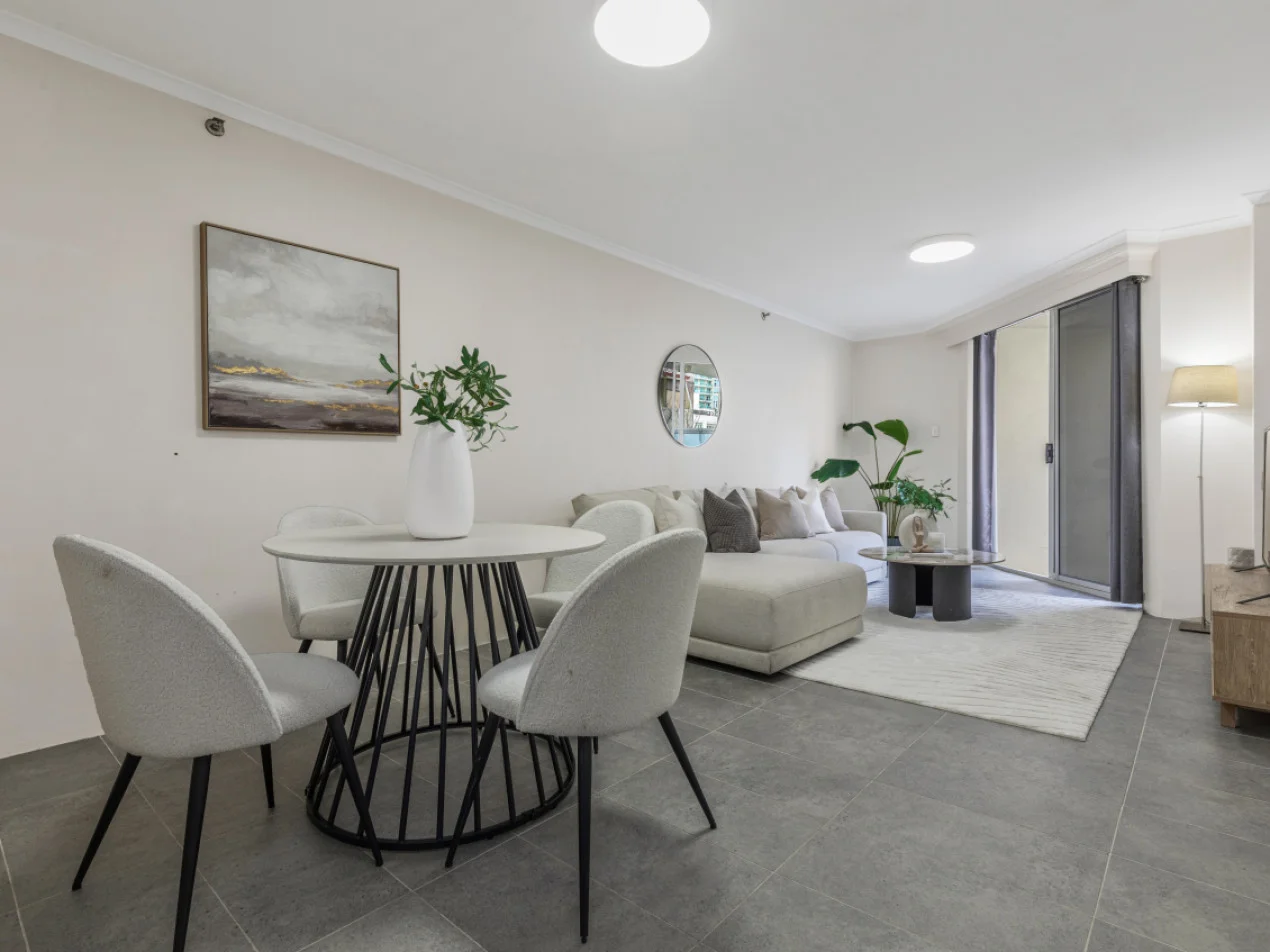 $640,000 - $675,000
Apartment / Unit / Flat
$640,000 - $675,000
Apartment / Unit / Flat
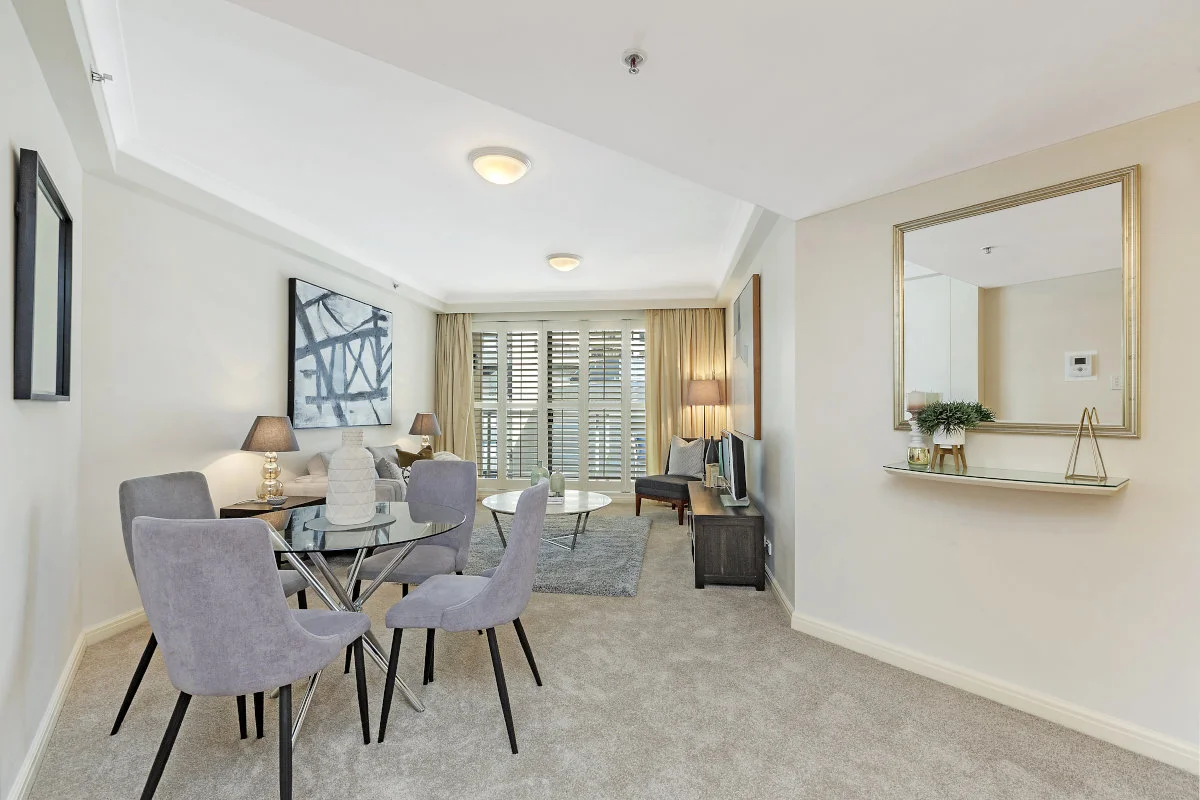 $660,000 - $725,000
Apartment / Unit / Flat
$660,000 - $725,000
Apartment / Unit / Flat
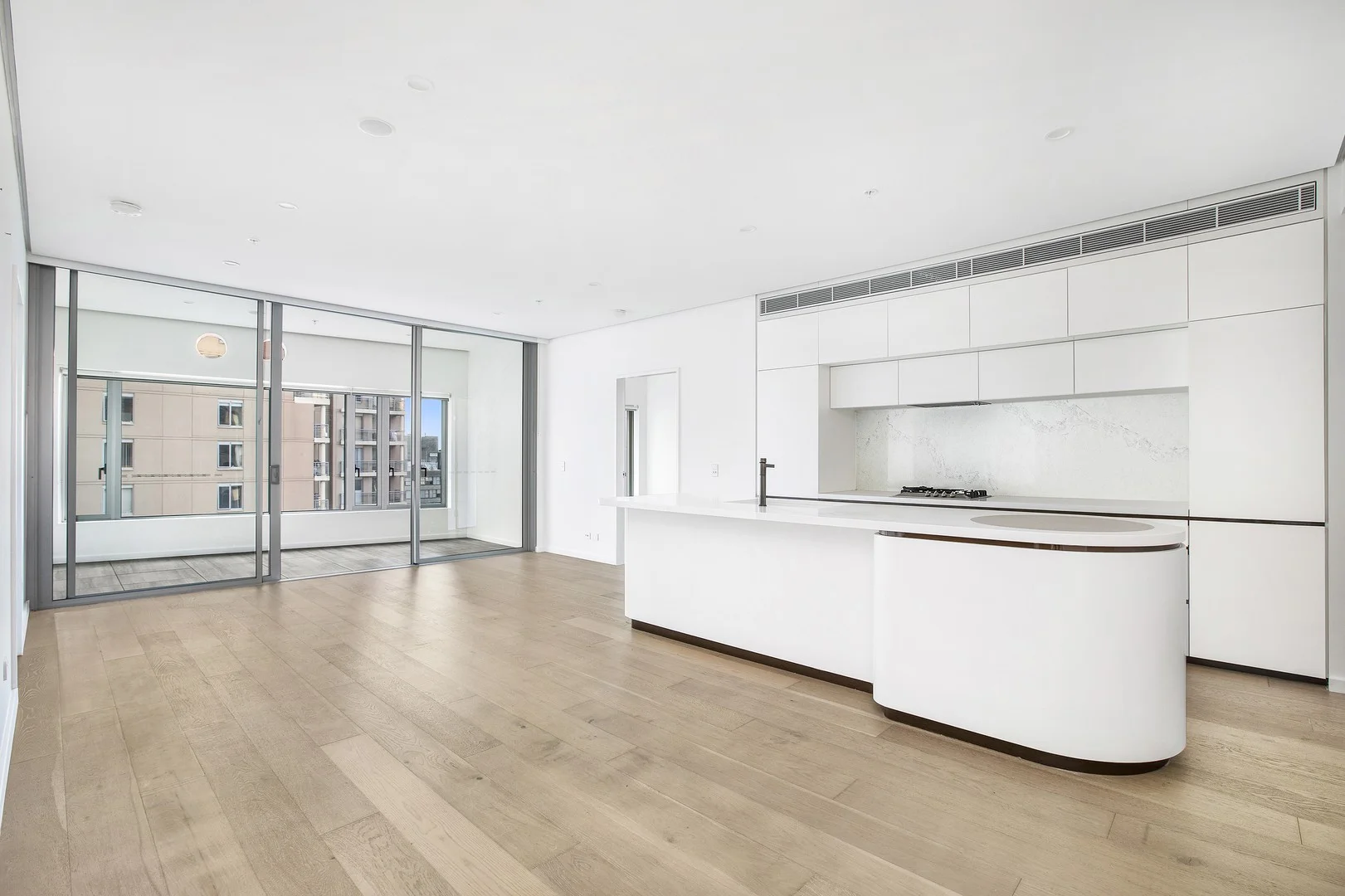 $2,250,000
Apartment / Unit / Flat
$2,250,000
Apartment / Unit / Flat
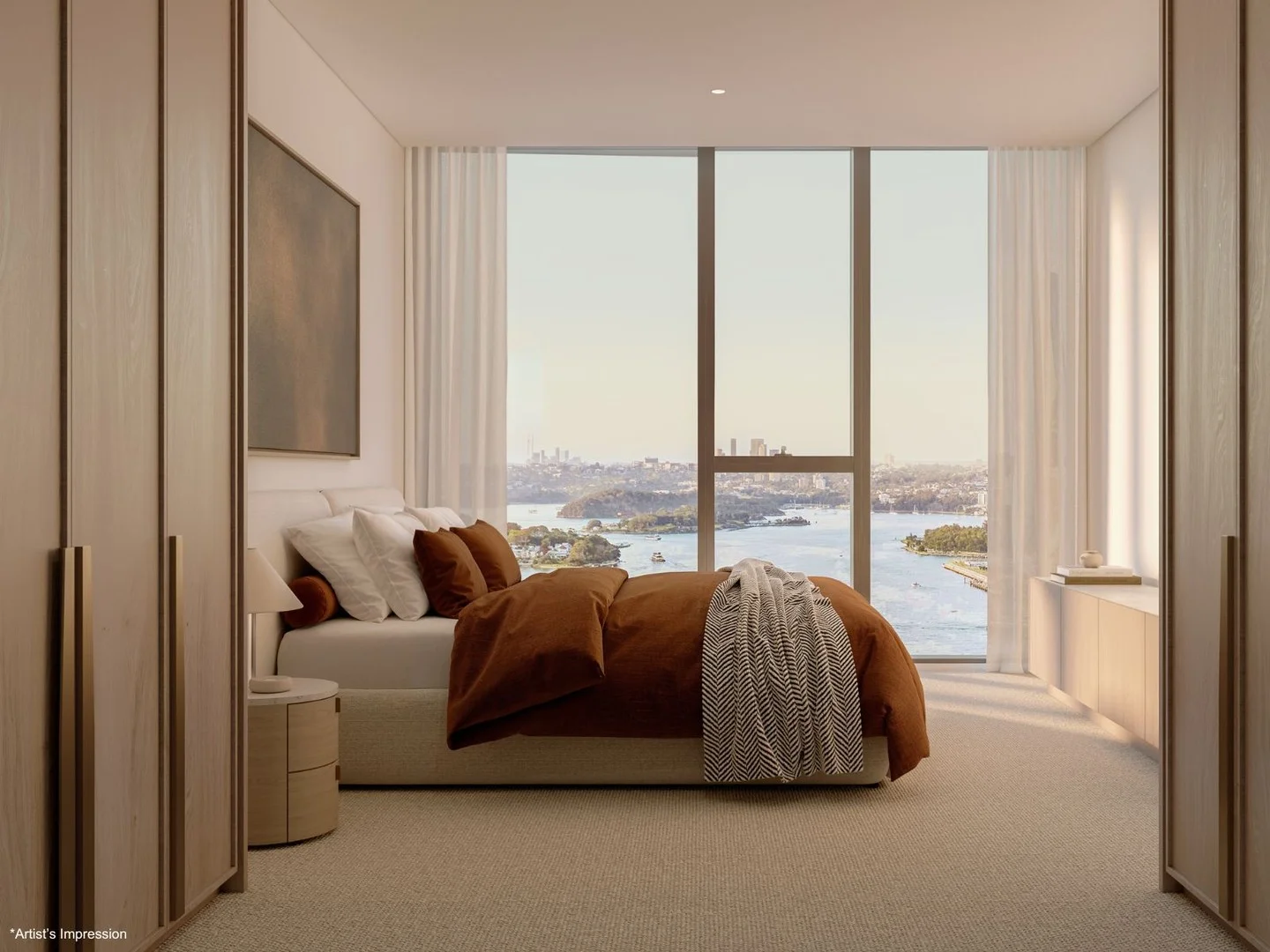 $8,630,000
propertyType.NEW APARTMENTS / OFF THE PLAN
$8,630,000
propertyType.NEW APARTMENTS / OFF THE PLAN
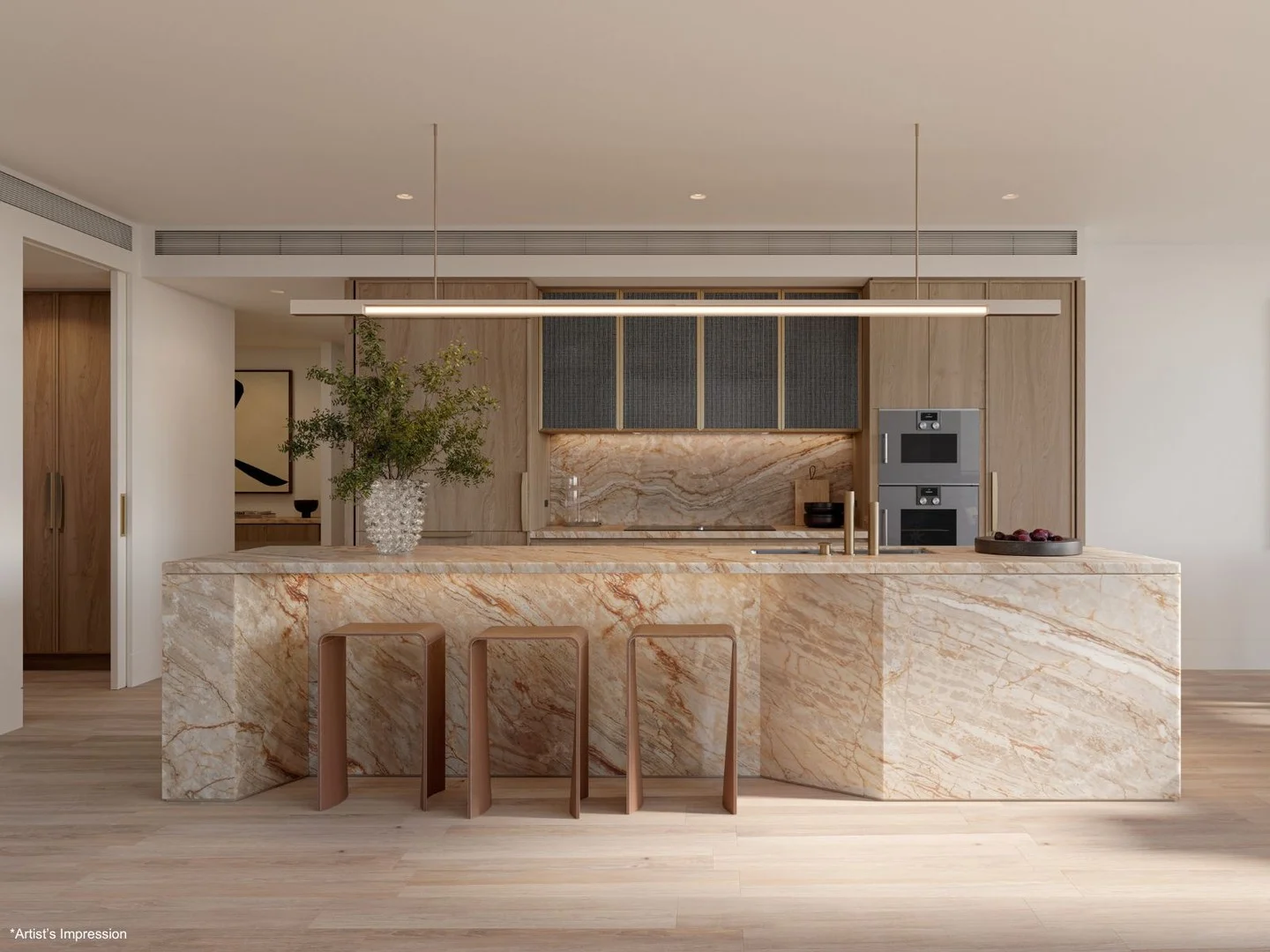 $6,225,000
propertyType.NEW APARTMENTS / OFF THE PLAN
$6,225,000
propertyType.NEW APARTMENTS / OFF THE PLAN
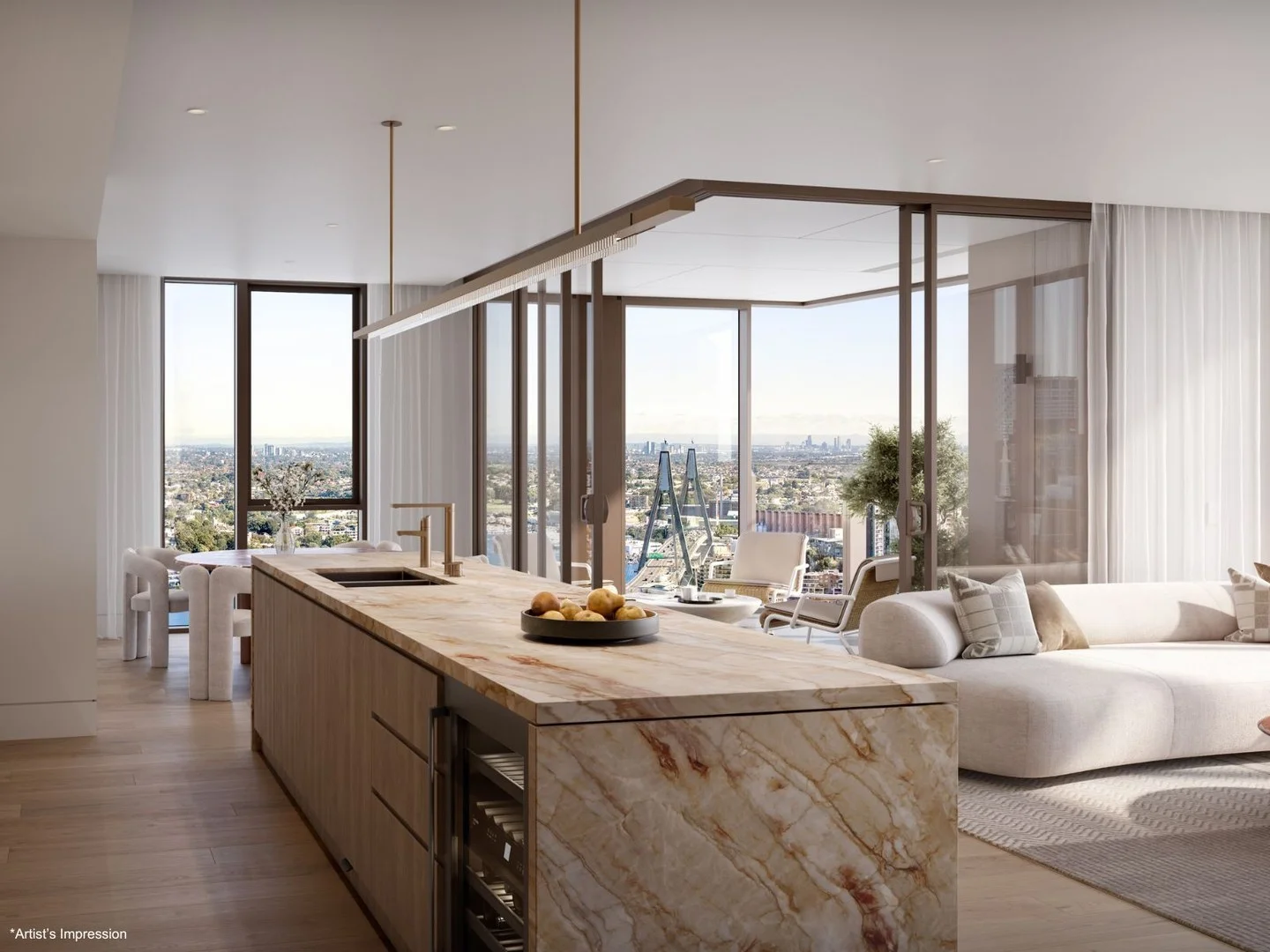 $9,020,000
propertyType.NEW APARTMENTS / OFF THE PLAN
$9,020,000
propertyType.NEW APARTMENTS / OFF THE PLAN
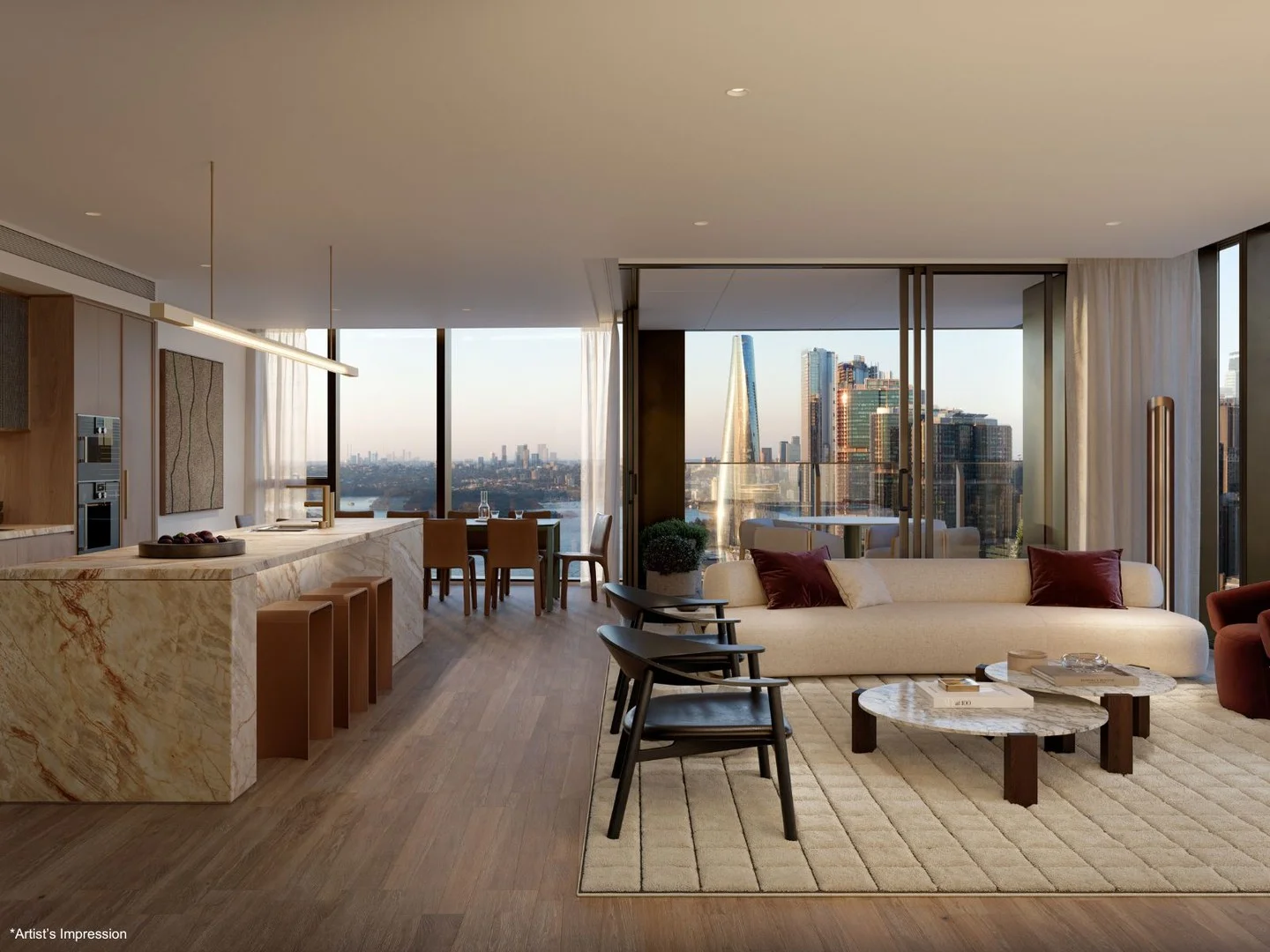 $12,980,000
propertyType.NEW APARTMENTS / OFF THE PLAN
$12,980,000
propertyType.NEW APARTMENTS / OFF THE PLAN