Overview
## 1. Overview
School Our Lady of Mount Carmel Catholic Primary School, Waterloo is a Catholic primary school serving families in the Waterloo area of NSW. The school offers a close, faith-focused community where learning is supported by a nurturing environment and a strong sense of belonging.
This is a small-to-medium sized school with class sizes typically around 20–25 students. The atmosphere is family-friendly and inclusive, with emphasis on faith, values, and developing the whole child within a supportive, collaborative culture.
⸻
## 2. Academics & Learning
- Academic strengths: solid foundations in English and Mathematics, with a focus on developing literacy, numeracy, and critical thinking within a faith-based learning context; opportunities to grow in leadership and personal responsibility.
- Special programs: religious education as a central part of the curriculum, sacramental preparation where relevant, and access to gifted and talented or accelerated learning options where available.
- NAPLAN / trends: typically shows stable performance with focus on lifting writing and comprehension; ongoing emphasis on improving literacy and numeracy across year levels.
- Student-teacher ratios: smaller class sizes support strong student-teacher interaction and individualized attention.
- Support for diverse learners: dedicated support for EAL and SEN through targeted programs, inclusive education practices, and collaboration with families to meet individual learning needs.
⸻
## 3. Sports & Extracurricular Strengths
- Sports offered: a range of team and individual sports, including soccer, netball, basketball, cricket, and athletics; opportunities for inter-school events and district days.
- Strong teams or achievements: participation in local inter-school competitions and school-wide sports days; emphasis on teamwork, sportsmanship, and personal growth.
- Music, arts, drama programs: music education and choirs, opportunities to participate in school plays and performing arts events.
- Clubs: robotics, coding, chess, debating and other clubs to develop problem-solving and communication skills.
- Partnerships: connections with local clubs, sporting bodies, and community groups to provide additional competitions and program opportunities.
⸻
## 4. Wellbeing & Pastoral Care
- Anti-bullying approach: comprehensive anti-bullying policies, strong pastoral care, and buddy systems that promote respectful relationships.
- House system: house-based activities and competitions that foster teamwork, leadership, and belonging.
- Counsellors / wellbeing officers: access to wellbeing staff or counsellors to support students’ social and emotional needs.
- Transition support: structured orientation and transition programs for new students to help families settle in smoothly.
⸻
## 5. Facilities
- Sports grounds: on-site spaces for physical education and outdoor activities.
- Libraries: a library equipped to support reading, research, and collaborative learning.
- Science labs: dedicated spaces for hands-on science exploration.
- Music/performing arts centers: facilities to support music education and drama performances.
- Tech/innovation labs: spaces for digital learning, coding, and technology-based projects.
- Cafeteria: on-site canteen or approved lunch facilities catering to student meals.
- Updated playgrounds: safe, modern play areas that encourage exploration and active play.
⸻
## 6. School Values & Community Culture
- School values / mission: a faith-centered mission emphasising respect, responsibility, service, and compassion; commitment to forming the whole person within a Catholic context.
- Leadership style: collaborative leadership among staff with student leadership opportunities and active family involvement.
- Behaviour expectations: clear positive behaviour expectations and consistent routines that support a respectful learning environment.
- Community reputation: described by families as welcoming, faith-driven, and supportive of diverse backgrounds.
- Diversity & inclusion: inclusive practices and welcoming approaches for students from varied backgrounds and abilities.
⸻
## 7. School Logistics & Daily Operations
- School hours: typical school day runs during standard NSW hours with start and end times aligned to the NSW school calendar; before/after school care options available.
- Before/after school care: on-site or partnered care programs available to support working families.
- Uniform requirements: school uniform is required; details provided by the school and uniform supplier; community norms support a neat, consistent dress standard.
- Transport (train/bus routes): accessible by public transport with nearby bus/train options; drop-off/pick-up zones and parking arrangements communicated by the school.
- Canteen availability: canteen services or approved lunch options available on site.
- Fees (low/medium/high ranges): fees are moderate relative to local options, with typical additional costs for excursions and activities; detailed fee schedules provided by the school.
⸻
## 8. Enrolment & Admissions
11. What is the enrolment process and timeline?
- Submit an online expression of interest and complete the enrolment application.
- Provide required documentation (birth certificate, immunisation record, custody orders if applicable, parish details).
- Attend an interview/meeting with family and, where appropriate, the student.
- Receive an offer of placement (subject to space and sibling/policy priorities) and complete any orientation steps.
- Timelines vary by year level and intake, with priority often given to siblings and Catholic parish affiliations.
12. Is there a waiting list, and how does it work?
- Yes, spaces are limited; a waiting list is maintained. Places are allocated based on enrolment policies (e.g., sibling priority, parish affiliation, application date) and availability.
- Families can be kept informed about expected timelines and next steps by the admissions team.
13. Are there any entry requirements, tests, or interviews?
- Most entries involve an interview with families and the student; formal academic entrance tests are not typically required for primary entry, though the school may review readiness and readiness for faith-based and community expectations.
- Alignment with Catholic ethos and participation in related programs may be part of the process; documentation and approvals (e.g., baptism or parish details) may be requested where relevant.
14. Does the school accept mid-year transfers?
- Yes, subject to space and completion of required documentation. Prospective mid-year families should contact the admissions team early to check availability and transfer requirements.
⸻
## 9. Frequently Asked Questions
- Why do parents choose this school?
- A welcoming, faith-based community with small-to-medium class sizes, strong pastoral care, and a broad range of academic and extracurricular opportunities.
- What type of student thrives at this school?
- Students who value a collaborative, respectful environment, active participation in faith-based learning, and engagement in a variety of clubs and sports.
- What opportunities are available to extend skills (academics, sports, arts)?
- Strong literacy and numeracy programs, leadership opportunities, clubs such as robotics, coding, chess, debating, music and drama programs, and school sports.
- How does the school communicate with parents?
- Regular updates via newsletters, emails, parent-teacher meetings, and a communication platform that shares classroom progress, events, and policy changes.
- What is the school’s approach to teaching and learning?
- A balanced approach that combines core academic instruction with faith-based values, inclusive education, and differentiated support to meet diverse learner needs.
- How does the school support students who need extra academic help?
- Targeted support through SEN teams, EAL assistance, small-group or one-on-one interventions, and collaboration with families to design appropriate plans.
- What support is available for academic challenges?
- Early identification of learning needs, access to tutoring or literacy/numeracy interventions, and ongoing monitoring of progress.
- How does the school communicate with parents? (refreshed)
- Clear, timely updates through multiple channels; opportunities to participate in school life through events and volunteer roles.
- What are the class sizes and how much individual attention do students receive?
- Class sizes typically around 20–25 students, with teachers able to provide regular individual or small-group support as part of the daily schedule.
- What extracurricular and sports opportunities are available?
- A variety of sports (soccer, netball, basketball, cricket, athletics), clubs (robotics, coding, chess, debating), and arts programs (music and drama).
- What facilities does the school offer (sports, science, arts)?
- On-site sports facilities, library, science laboratories, music and performing arts spaces, technology/innovation labs, and a canteen with outdoor play areas.
- What is the school’s approach to technology and digital learning?
- Integration of age-appropriate digital tools to support learning, critical thinking, and responsible use of technology; emphasis on safe, supervised use.
- What transport and accessibility options are available?
- Access via public transport and local routes; clear drop-off/pick-up arrangements and parking guidance; facilities designed to be accessible for students with varied needs.
- What are the typical school fees or additional costs?
- Fees are in the moderate range for local Catholic primary schools; additional costs may apply for excursions, camps, and optional activities.
⸻
## 10. Short Pros & Cons list
- Pros
- Nurturing, faith-based learning community with strong pastoral care
- Small-to-medium class sizes enabling personalized attention
- Diverse extracurriculars (sports, music, clubs) and pathways for student leadership
- Inclusive practices with support for EAL and SEN students
- Welcoming school culture with clear focus on values and community
- Cons
- Smaller school may have fewer specialist subjects or limited course variety compared with larger schools
- Fees apply (as with most independent Catholic schools) and additional costs for excursions/activities
- Transport options may vary by family location; some families rely more on public transport or parking arrangements
- Availability of mid-year placements depends on space and enrollment priorities
⸻










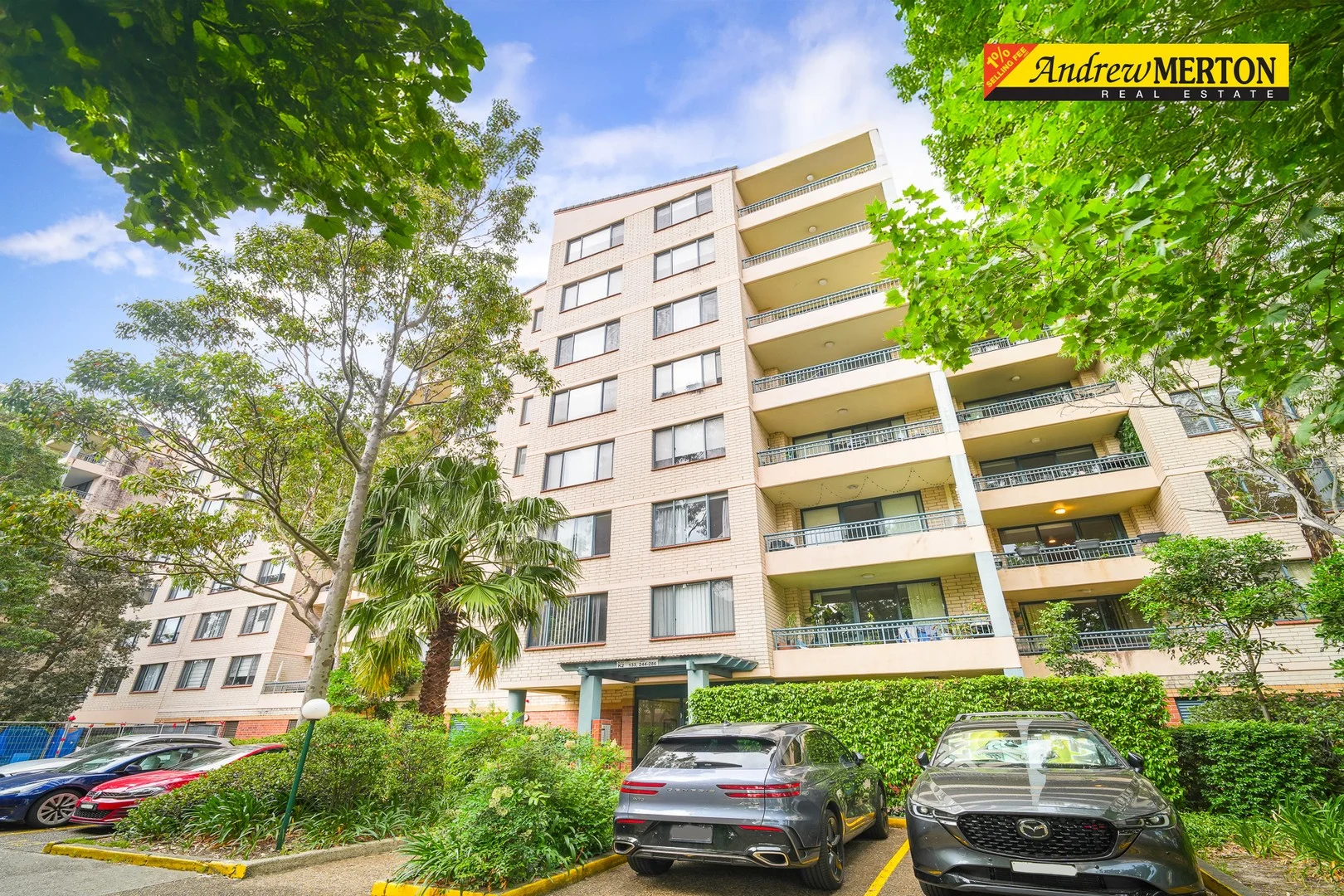 $933,000
Apartment / Unit / Flat
$933,000
Apartment / Unit / Flat
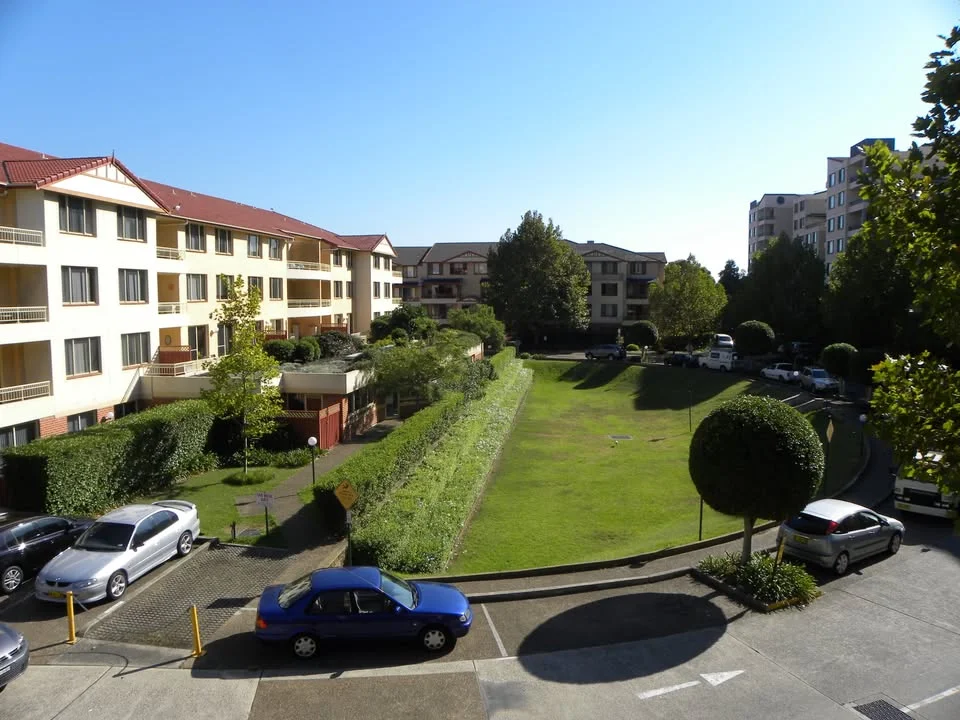 $990
Apartment / Unit / Flat
$990
Apartment / Unit / Flat
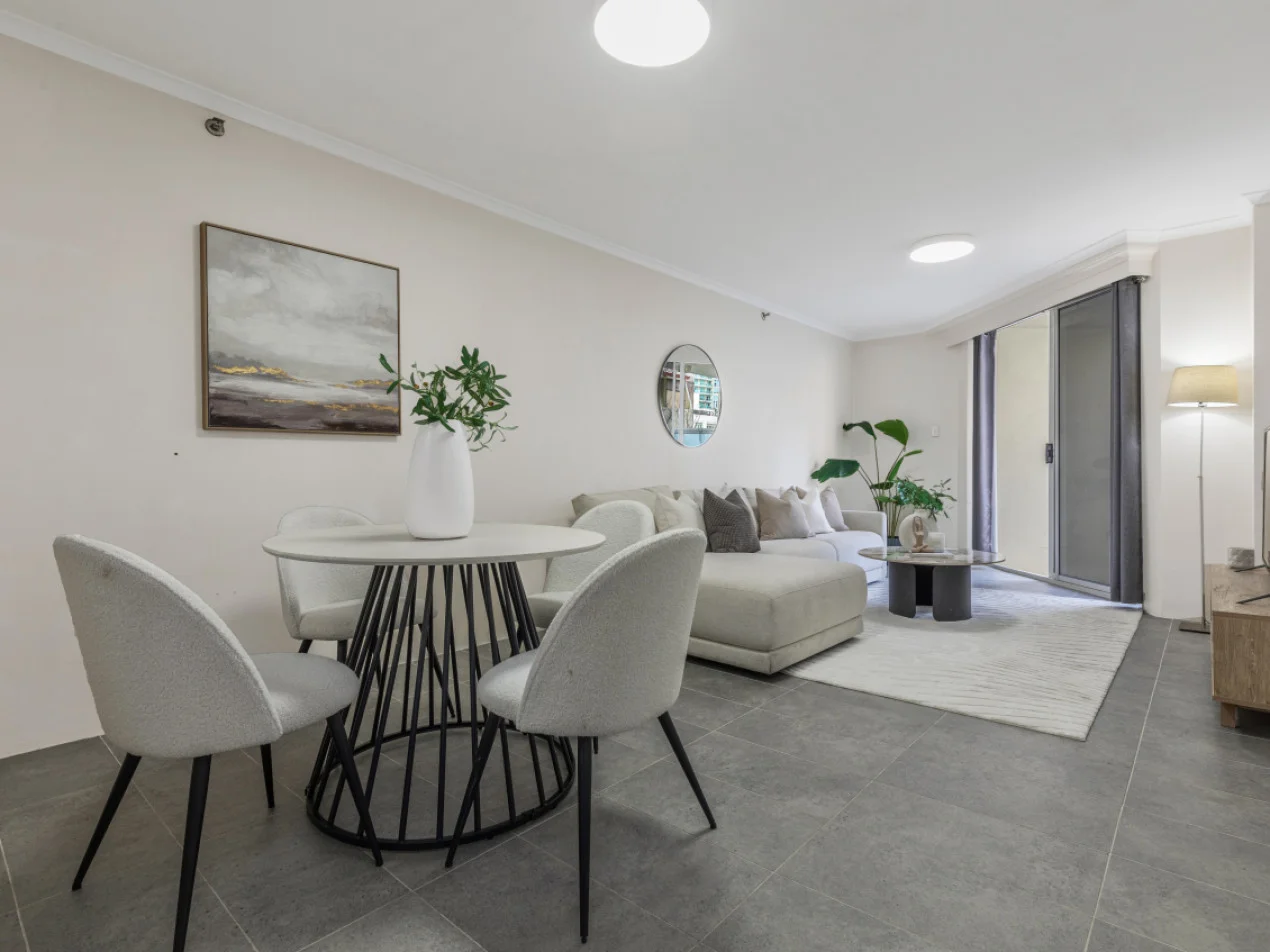 $640,000 - $675,000
Apartment / Unit / Flat
$640,000 - $675,000
Apartment / Unit / Flat
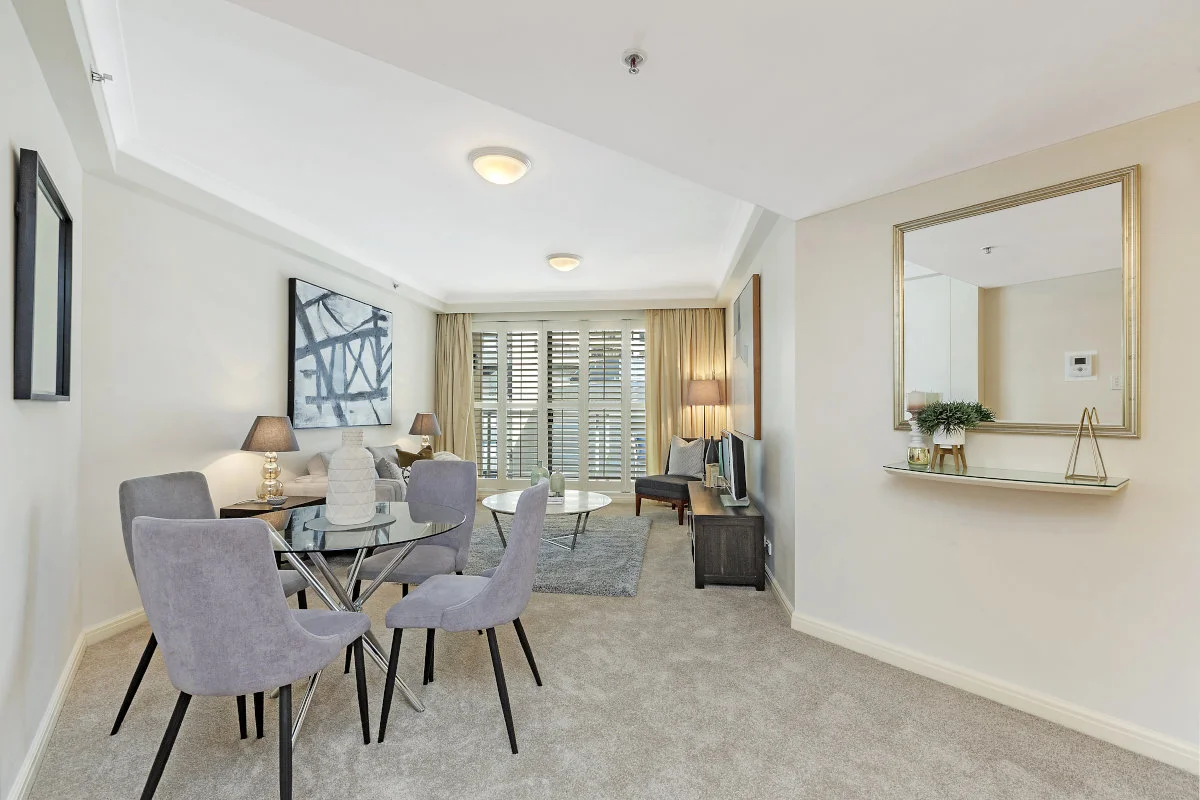 $660,000 - $725,000
Apartment / Unit / Flat
$660,000 - $725,000
Apartment / Unit / Flat
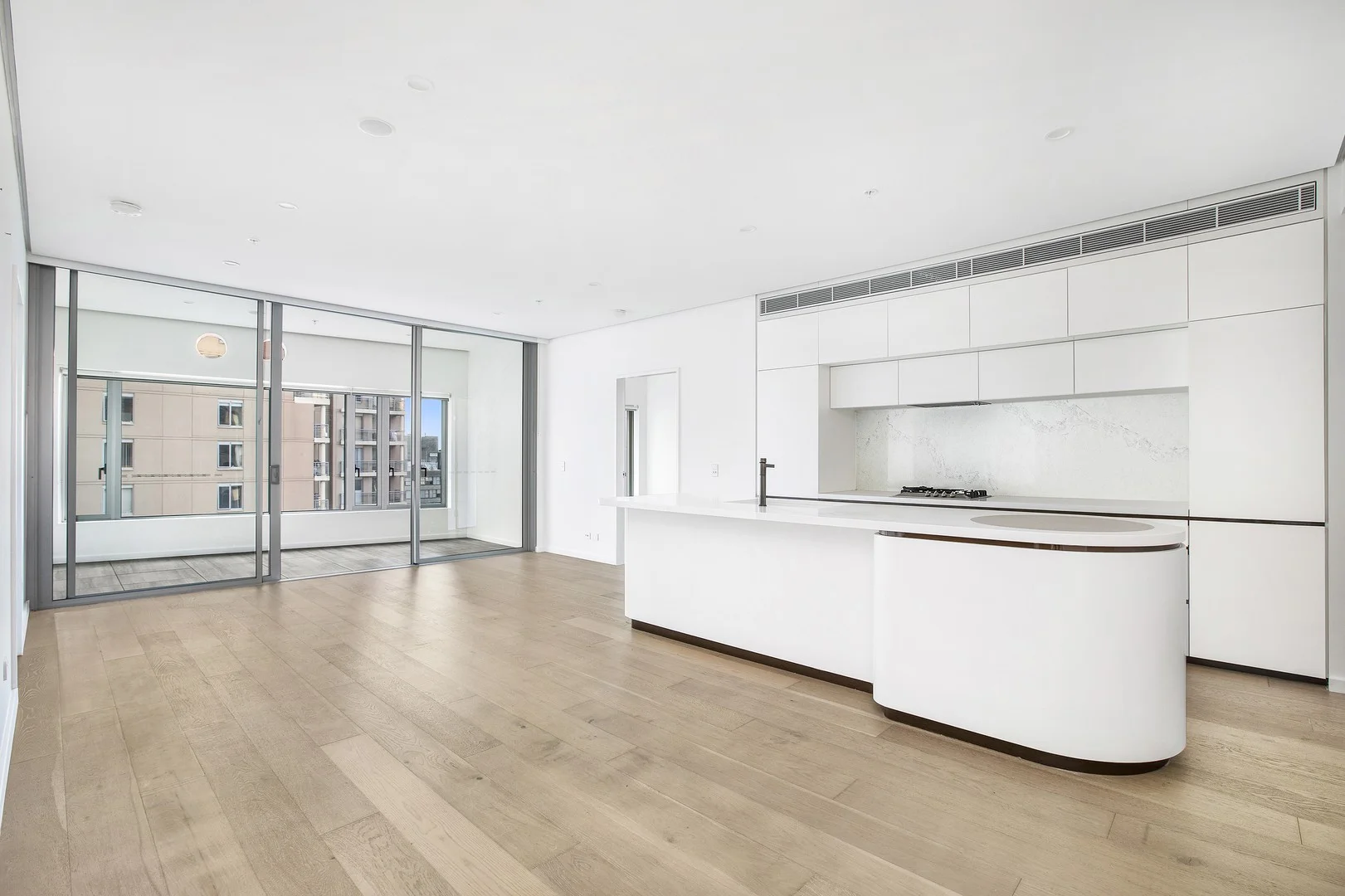 $2,250,000
Apartment / Unit / Flat
$2,250,000
Apartment / Unit / Flat
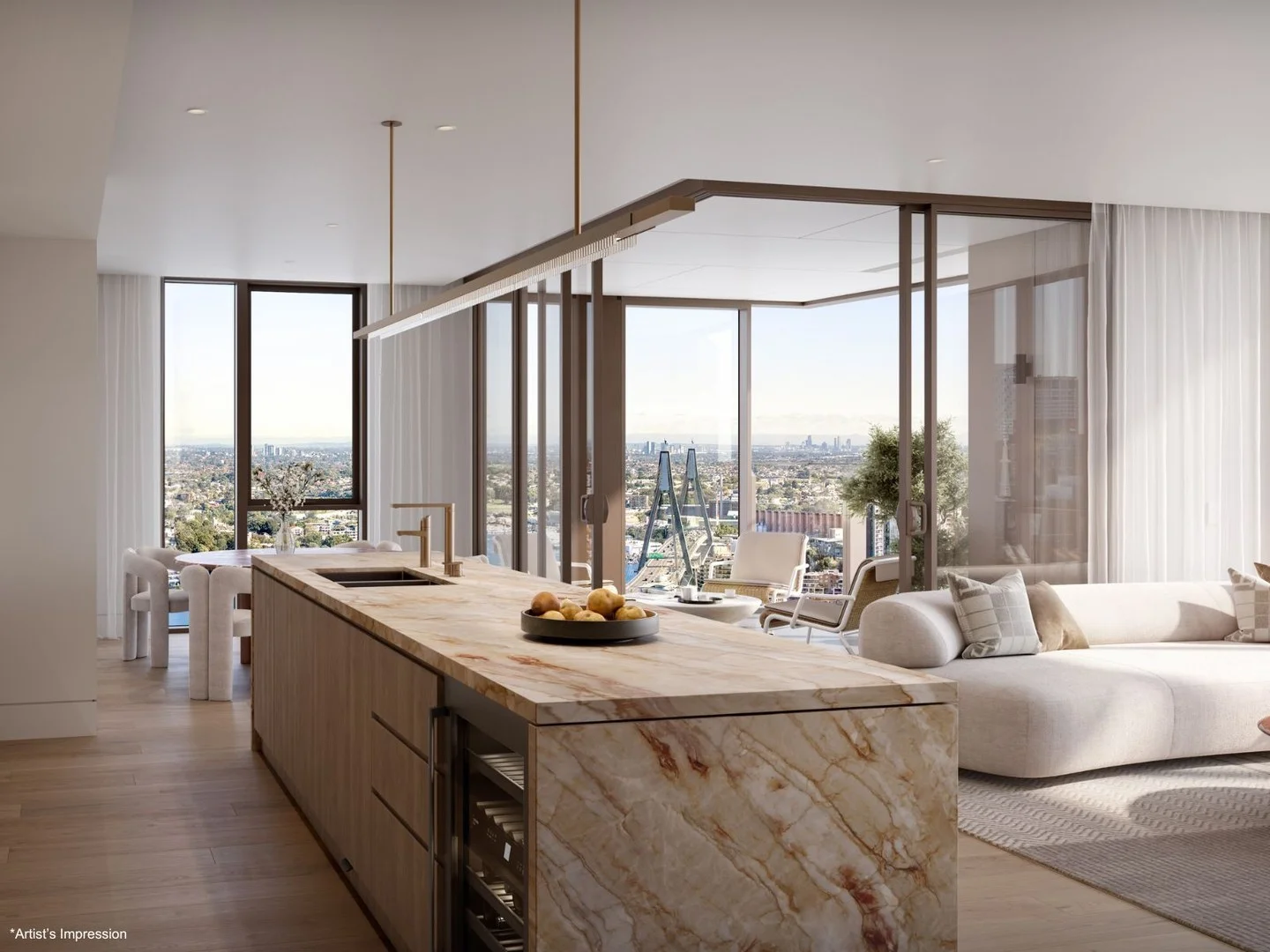 $9,020,000
propertyType.NEW APARTMENTS / OFF THE PLAN
$9,020,000
propertyType.NEW APARTMENTS / OFF THE PLAN
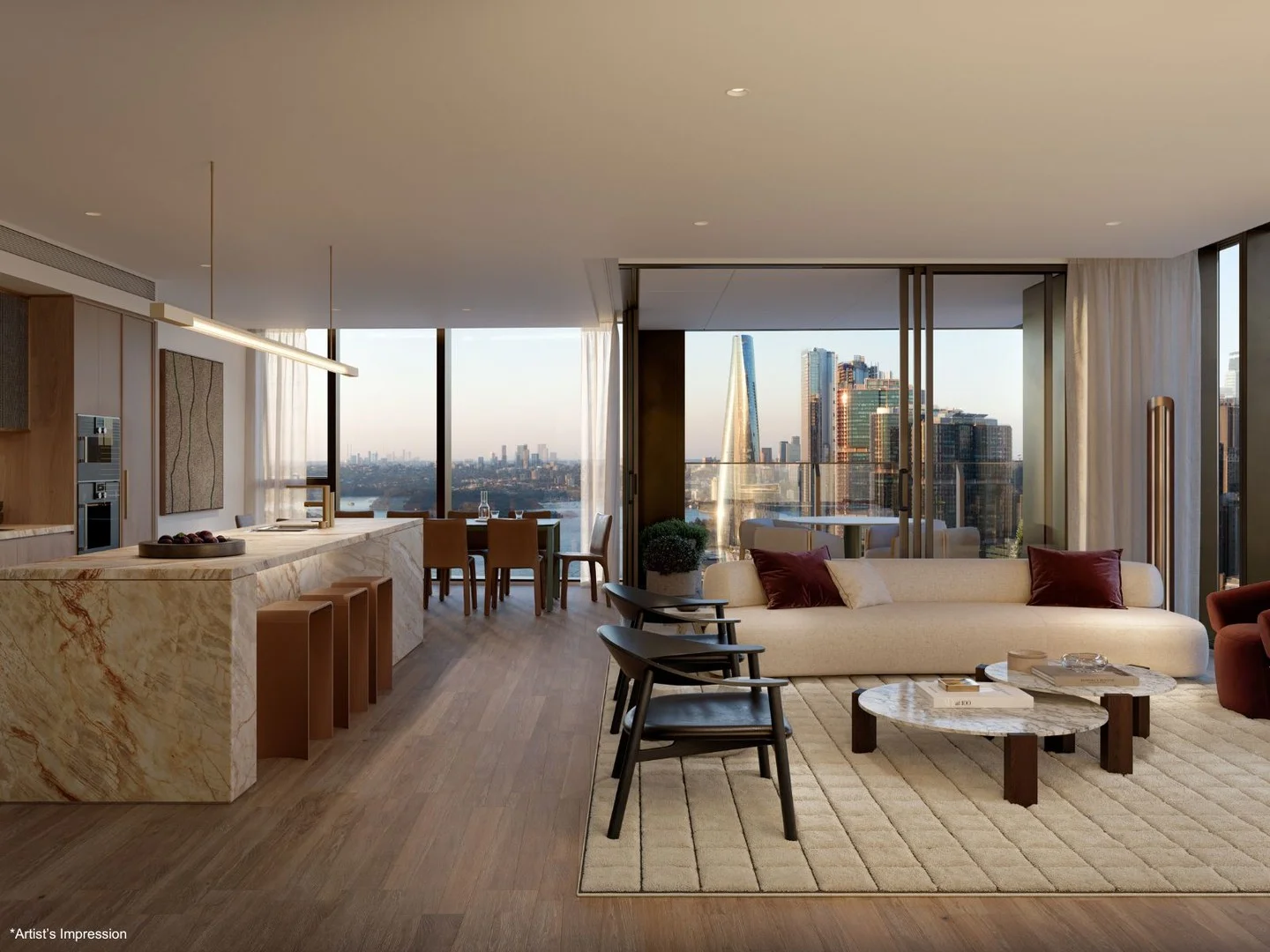 $12,980,000
propertyType.NEW APARTMENTS / OFF THE PLAN
$12,980,000
propertyType.NEW APARTMENTS / OFF THE PLAN
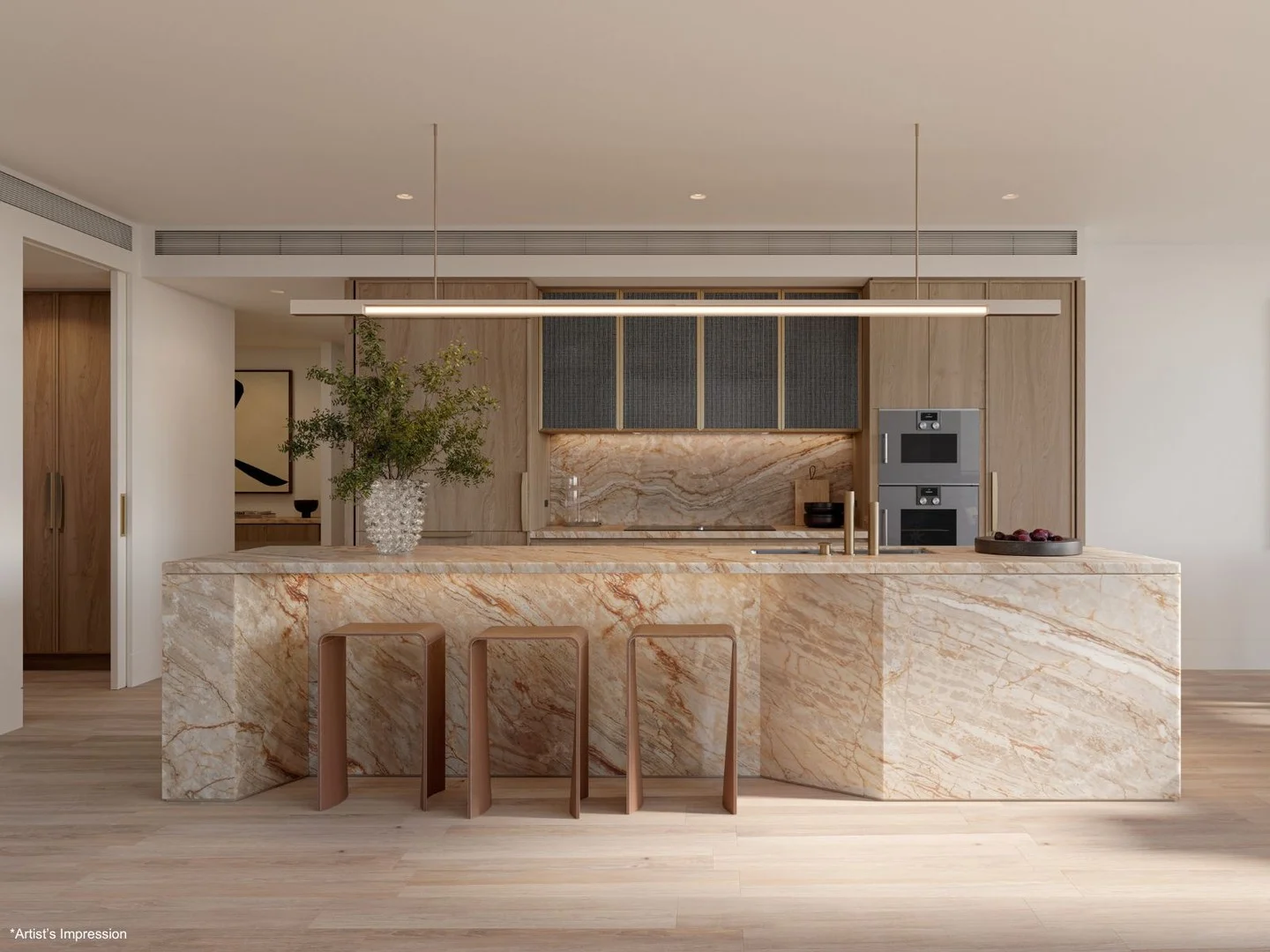 $6,225,000
propertyType.NEW APARTMENTS / OFF THE PLAN
$6,225,000
propertyType.NEW APARTMENTS / OFF THE PLAN
 $8,630,000
propertyType.NEW APARTMENTS / OFF THE PLAN
$8,630,000
propertyType.NEW APARTMENTS / OFF THE PLAN