Overview
## 1. Overview
Mount Petrie State School is a public primary school in Queensland, offering a community-focused start to schooling for families in the area. As a state school, it provides a broad curriculum with an emphasis on literacy, numeracy, and well-being. The school typically serves a medium-sized cohort, with class sizes that allow for both individual support and collaborative learning.
The atmosphere is generally nurturing and inclusive, with a strong sense of community. The school emphasises student participation, collaboration, and resilience, creating a supportive environment where students can thrive academically, socially, and emotionally. Note: specific enrolment numbers and current programs can vary year to year; please check the latest school materials for up-to-date details.
## 2. Academics & Learning
- Academic strengths: Core literacy and numeracy, with a focus on building strong reading, writing, and mathematical foundations. There is often an emphasis on STEM-related activities and digital literacy as part of the curriculum.
- Special programs: Possible Gifted and Talented or enrichment opportunities; participation in cluster or extension programs may be available depending on year level and staffing.
- NAPLAN trends: Local trends typically show gradual improvements or stable performance across reading, writing, and numeracy; exact year-to-year results are not provided here.
- Student-teacher ratios: Class sizes commonly around 20–26 students, with supportive teacher-to-student attention and targeted small-group work as needed.
- Support for diverse learners: EAL/D support and learning support staff typically available to assist students with diverse learning needs and language backgrounds.
## 3. Sports & Extracurricular Strengths
- Sports offered: General primary-school programs such as athletics, cricket, netball, soccer, rugby league or rugby union, and basketball are commonly available; specifics may vary by year.
- Strong teams or achievements: Students often participate in inter-school sport and district events, with opportunities to contribute to school teams and individual participation.
- Music, arts, drama programs: Opportunities usually exist for music and performing arts through school choirs, bands, drama activities, and school productions.
- Clubs: Robotics, chess, coding, debating, and other interest clubs may run at different times; availability can vary by term.
- Partnerships: Possible connections with local clubs, sporting associations, coding or robotics groups, and inter-school competitions.
## 4. Wellbeing & Pastoral Care
- Anti-bullying approach: Clear policies and safeguarding measures, with reporting pathways and whole-school approaches to mental health and safety.
- House system: Often used to build belonging, teamwork, and healthy competition among students.
- Counsellors / wellbeing officers: Access to school-based wellbeing staff or referrals to external support as needed.
- Transition support for new students: Buddy systems, orientation sessions, and targeted support to help new students settle in.
## 5. Facilities
- Sports grounds: Shared or dedicated outdoor spaces for PE and sports.
- Libraries: On-site library facilities to support reading and research.
- Science labs: Dedicated or flexible spaces for science activities and experiments.
- Music/performing arts centers: Space and rooms for music, drama, and rehearsals.
- Tech/innovation labs: ICT resources and spaces for digital learning and project work.
- Cafeteria: On-site canteen or snack facilities to support lunch routines.
- Updated playgrounds: Play spaces designed for active play and physical development.
## 6. School Values & Community Culture
- School values / mission: Core emphasis on respect, responsibility, inclusion, and collaboration; fostering resilience and a growth mindset.
- Leadership style: Often participatory, with student voice and leadership opportunities such as student councils or peer leadership roles.
- Behaviour expectations: Clear positive-behaviour framework encouraging respectful conduct and responsibility.
- Community reputation: Generally viewed as a welcoming, family-friendly school with active parent engagement.
- Diversity & inclusion: Focus on creating an inclusive environment where families from diverse backgrounds feel welcome and supported.
## 7. School Logistics & Daily Operations
- School hours: Typical primary-school day starts in the morning and ends in the afternoon; exact times can vary by year level and term.
- Before/after school care: OSHC or similar arrangements commonly available or accessible nearby.
- Uniform requirements: School uniform is ordinarily required, with guidelines for daily wear and formal days.
- Transport (train/bus routes): Bus routes and drop-off/pick-up zones are usually arranged to serve local families; check the current transport plan for exact stops.
- Canteen availability: A canteen or food service may operate during the day, offering light meals and snacks.
- Fees (low/medium/high ranges): As a public school, tuition is not charged, but there may be small materials levies, incursions, excursions, and optional activity costs.
## 8. Enrolment & Admissions
11. What is the enrolment process and timeline?
- Start by checking catchment eligibility and submitting the school’s enrolment form with required documents (birth certificate, proof of address, immunisation records, and any special considerations). Timelines typically align with the school year calendar; early applications improve placement chances, especially for in-area families.
12. Is there a waiting list, and how does it work?
- Waiting lists can apply for families outside the local catchment or when year levels are full. Placement is generally determined by catchment rules and seat availability, with priority given to in-catchment students and siblings where applicable.
13. Are there any entry requirements, tests, or interviews?
- For most primary enrolments, there are no entrance exams or academic testing. The process usually involves document checks and may include informal orientations or conversations with office staff; some schools offer a short orientation or welcome visit for new families.
14. Does the school accept mid-year transfers?
- Yes, subject to space and enrolment policies. Mid-year transfers depend on current capacity and availability of places, with coordination between the sending and receiving schools.
## 9. Frequently Asked Questions
- Why Parents Choose This School?
- A welcoming, supportive community with a focus on core academics, student wellbeing, and inclusive learning experiences.
- What type of student thrives at this school?
- Students who value a collaborative, orderly environment, strong literacy and numeracy foundations, and participation in a broad range of activities.
- What opportunities are available for students to extend their skills (academics, sports, arts)?
- Enrichment programs, upskilling clubs (e.g., robotics, coding, chess, debating), inter-school sport, and ample opportunities in music and performing arts.
- How does the school communicate with parents?
- Through newsletters, emails, parent portals or apps, and regular parent-teacher interviews or conferences.
- What is the school’s approach to teaching and learning?
- Student-centred, evidence-based practices with an emphasis on literacy, numeracy, digital literacy, and wellbeing; targeted supports where needed.
- How does the school support students who need extra academic help?
- In-class differentiation, targeted small-group interventions, learning support staff, and connections to EAL/D and SEN services.
- What support is available for academic challenges?
- Diagnostic reviews where appropriate, tailored interventions, and ongoing progress monitoring.
- How does the school communicate with parents?
- See above: regular updates, direct communications, and scheduled meetings.
- What are the class sizes and how much individual attention do students receive?
- Typical primary classes range around 20–26 students, with teachers providing both whole-class instruction and targeted small-group support.
- What extracurricular and sports opportunities are available?
- A range of sports (athletics, team sports), clubs (robotics, coding, chess, debating), and arts programs; availability varies by term.
- What facilities does the school offer (sports, science, arts)?
- Sports grounds, library, science facilities, music/performing arts spaces, and ICT/tech spaces.
- What is the school’s approach to technology and digital learning?
- Integration of digital tools in learning, responsible digital citizenship, and access to classroom devices and online resources.
- What transport and accessibility options are available?
- Local bus routes and supervised drop-off zones; some access for families with mobility needs; check current transport plans.
- What are the typical school fees or additional costs?
- Nil tuition for a public school, with possible small charges for materials, excursions, or optional activities.
## 10. Short Pros & Cons list
- Pros
- Public, supportive environment with a focus on core academics and wellbeing.
- Inclusive culture with opportunities for involvement in sports, arts, and clubs.
- Moderate class sizes enabling some individual attention and small-group support.
- Active community engagement and family involvement.
- Cons
- Specific programs and facilities can vary by year and staffing; some years may have fewer enrichment offerings.
- Availability of certain clubs or advanced programs may depend on term and cohort size.
- Transport options are location-dependent and may require coordination with bus routes.
Note: This content provides a general, non-specific representation suitable for a school profile page. For precise current details (enrolment numbers, exact programs, and facilities), please consult the school’s official materials or contact the administrative team.








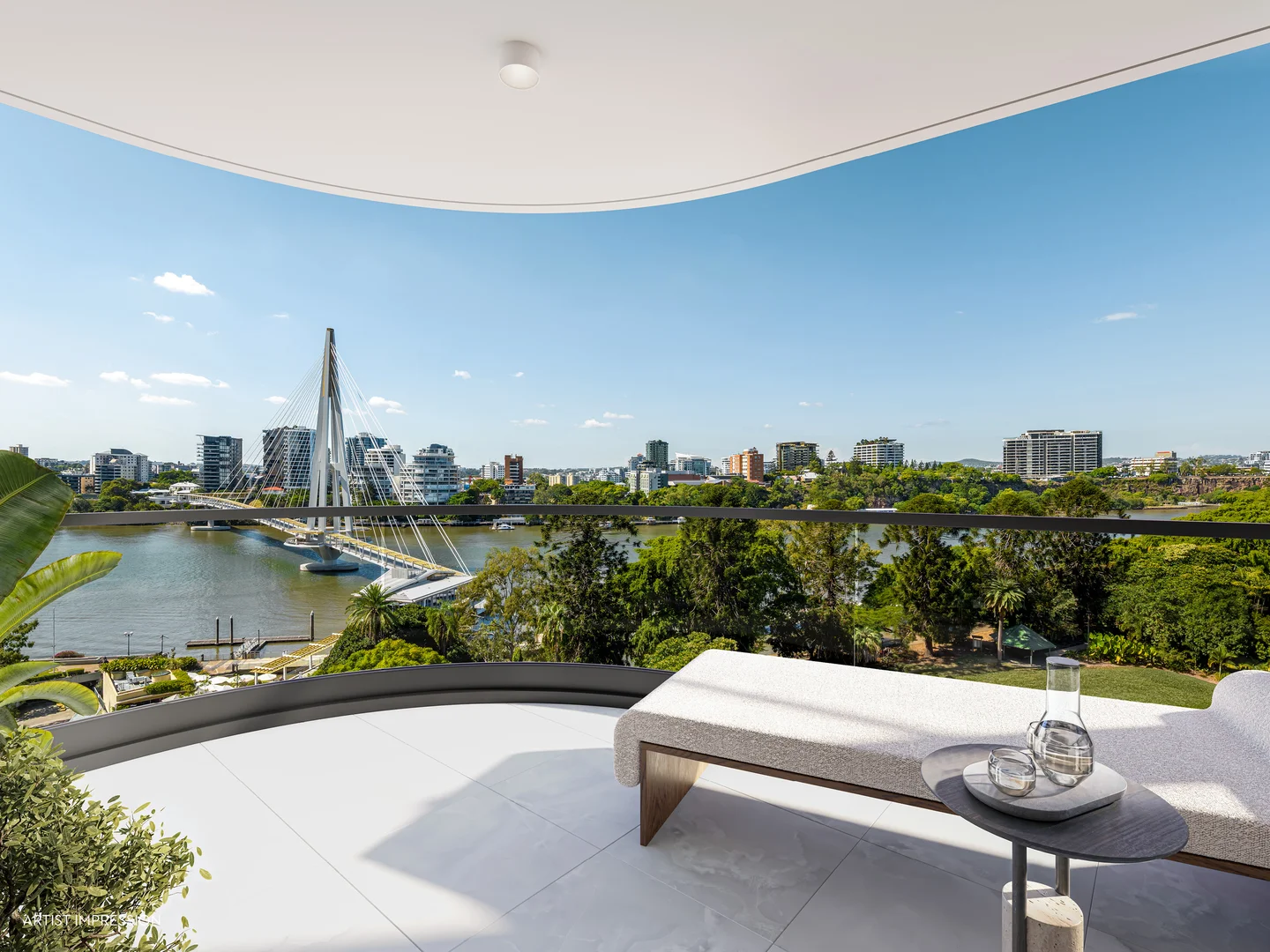 $1,475,000 - $2,090,000
propertyType.NEW APARTMENTS / OFF THE PLAN
$1,475,000 - $2,090,000
propertyType.NEW APARTMENTS / OFF THE PLAN
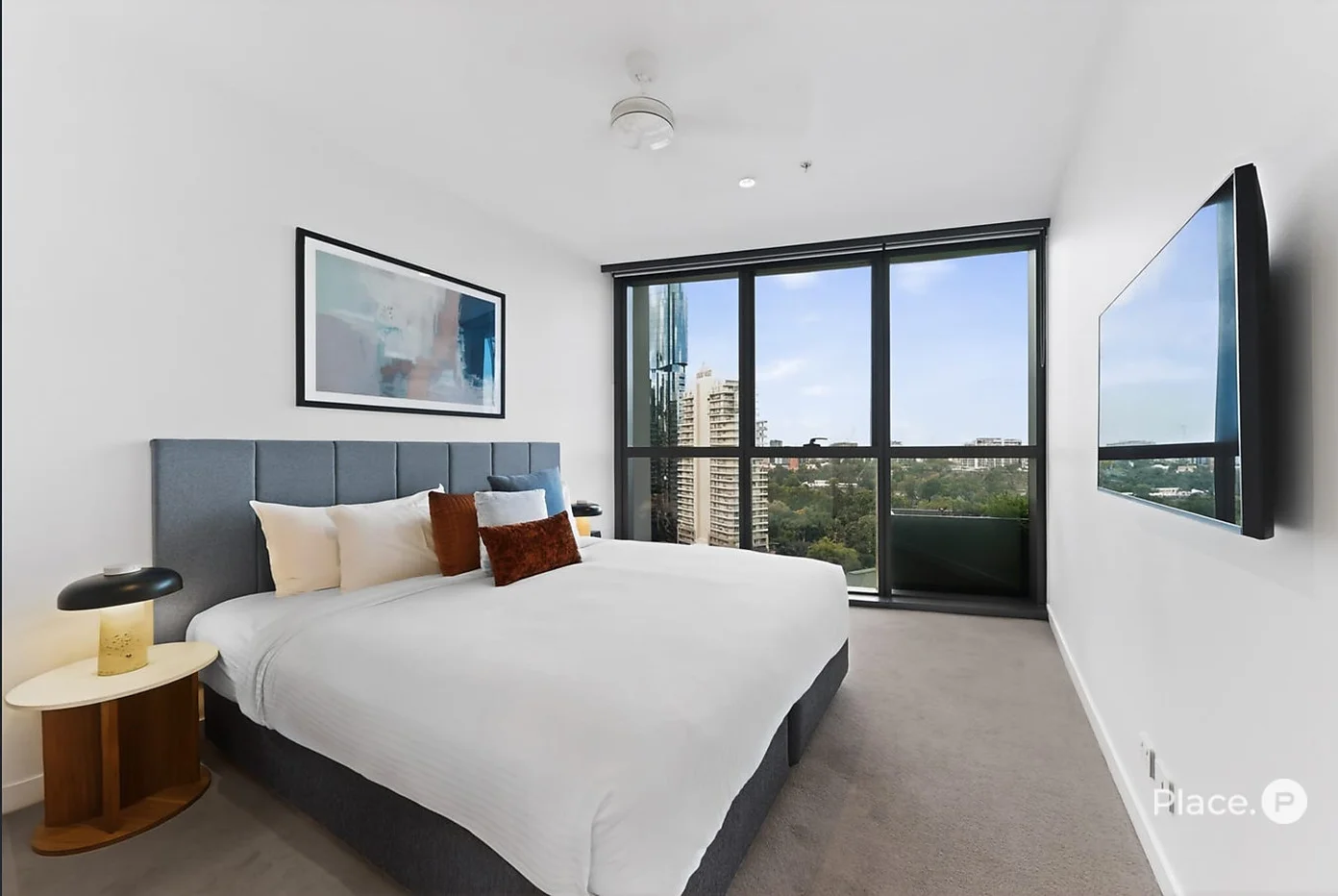 $770,000
Apartment / Unit / Flat
$770,000
Apartment / Unit / Flat
 $550,000
Apartment / Unit / Flat
$550,000
Apartment / Unit / Flat
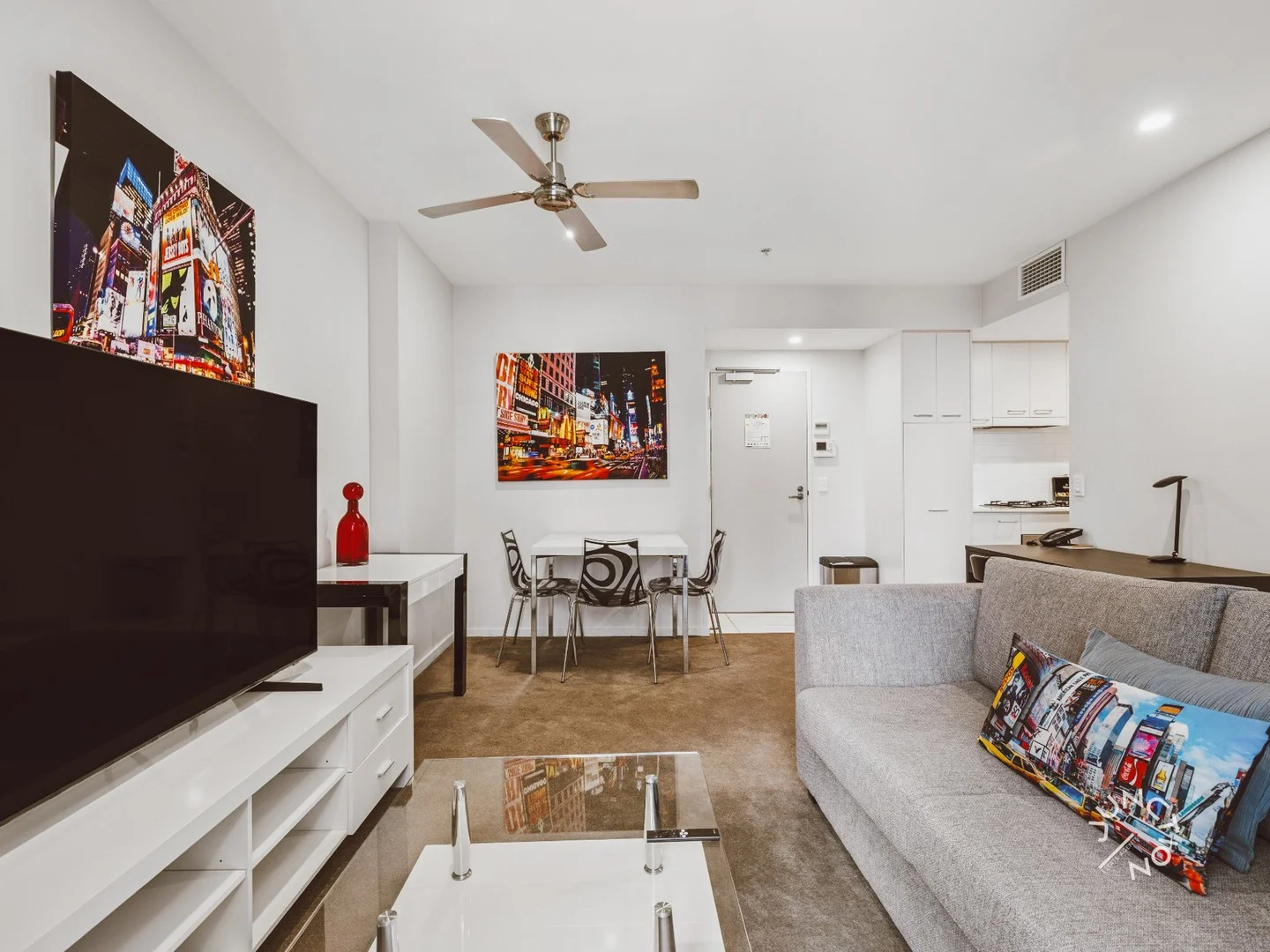 $523,200 - $566,800
Apartment / Unit / Flat
$523,200 - $566,800
Apartment / Unit / Flat
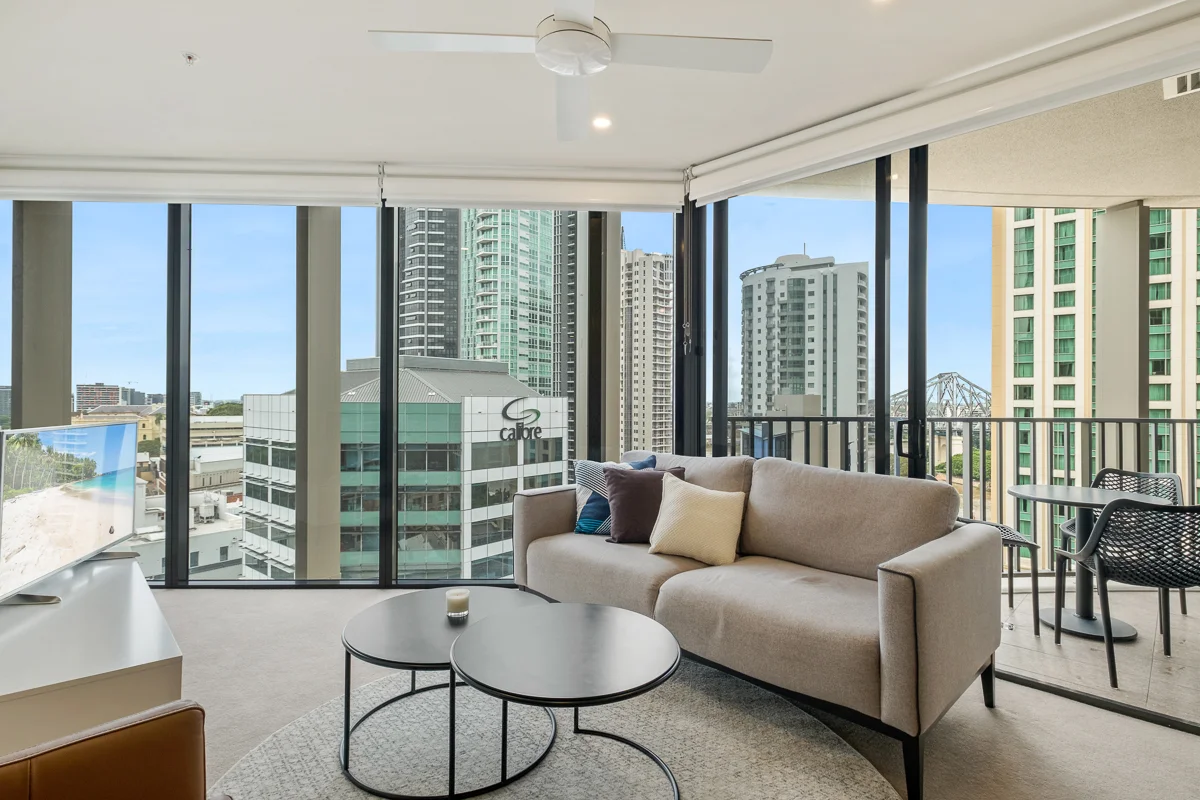 $950,000
Apartment / Unit / Flat
$950,000
Apartment / Unit / Flat


