Overview
1. Overview
Concord School - Bundoora Campus is a [School Type: Independent/private/catholic/public] school located in Victoria. The campus is [School Size: small/medium/large], with class sizes averaging around [Class Size] per year level, supporting a comfortable learning environment. The atmosphere is described as [Atmosphere], blending [nurturing, academic, diverse, inclusive, sports-focused] elements to help students grow socially, emotionally, and academically.
The school emphasizes a balanced approach to education, aiming to foster [key values such as curiosity, resilience, collaboration, and community]. It strives to create a welcoming culture where students feel supported to pursue both academic excellence and personal development.
⸻
2. Academics & Learning
- Academic strengths: [STEM, English, leadership, languages, etc. – specify strengths]
- Special programs: [IB, accelerated learning, gifted/talented programs, vocational pathways, etc.]
- NAPLAN / trends: [Describe recent trends (e.g., upward/upward with milestones, steady performance) without providing scores]
- Student-teacher ratios: [Estimated ratio or range, e.g., 1:15–1:20]
- Support for diverse learners: [EAL, SEN, inclusive education supports, tutoring services, learning plans]
⸻
3. Sports & Extracurricular Strengths
- Sports offered: [list of sports such as football, basketball, netball, soccer, athletics, swimming, etc.]
- Strong teams or achievements: [notable teams, championships, or regional/league achievements]
- Music, arts, drama programs: [band/orchestra, choir, theatre, drama productions, performing arts opportunities]
- Clubs: robotics, chess, coding, debating, science clubs, language clubs
- Partnerships: [local academies, competitions, community organizations, inter-school events]
Most parents skim this section, especially for boys aged 10–14, so the highlights are presented clearly here.
⸻
4. Wellbeing & Pastoral Care
- Anti-bullying approach: [policy overview, proactive programs, peer support]
- House system: [house structure and purpose, competitions, mentorship]
- Counsellors / wellbeing officers: [availability, focus areas, access points for students and families]
- Transition support for new students: [orientation programs, buddy systems, families welcome packs]
This section builds trust by outlining how the school supports students’ emotional and social wellbeing.
⸻
5. Facilities
- Sports grounds: [fields, courts, gym facilities]
- Libraries: [school library size, resources, digital access]
- Science labs: [number and specialty facilities]
- Music/performing arts centers: [rehearsal spaces, performance venues]
- Tech/innovation labs: [makerspaces, STEM labs, computer labs]
- Cafeteria: [canteen offerings, meal programs]
- Updated playgrounds: [outdoor spaces, playground equipment]
Keep it visual and simple to scan for busy parents.
⸻
6. School Values & Community Culture
- School values / mission: [core values such as respect, integrity, teamwork, excellence]
- Leadership style: [educator-led, student voice, distributed leadership, mentorship focus]
- Behaviour expectations: [codes of conduct, restorative approaches, clear consequences]
- Community reputation: [brief note on how the school is viewed locally]
- Diversity & inclusion: [commitment to inclusion, support for diverse backgrounds, equal opportunities]
⸻
7. School Logistics & Daily Operations
- School hours: [start and end times, typical daily schedule]
- Before/after school care: [availability and providers, if any]
- Uniform requirements: [details, colours, where to purchase, any dress standards]
- Transport: [bus routes, train accessibility, carpool info]
- Canteen availability: [whether canteen is open, meal options]
- Fees: [low/medium/high ranges, any notable additional costs or levies]
⸻
8. Enrolment & Admissions
11. What is the enrolment process and timeline?
- [Describe steps: inquiry, application, documents, interview/testing if applicable, decision timeframe, and when fees are due.]
12. Is there a waiting list, and how does it work?
- [Explain whether there is a waiting list, how admission offers are prioritized, and typical wait times.]
13. Are there any entry requirements, tests, or interviews?
- [Note any entry assessments, interviews, language requirements, or other prerequisites.]
14. Does the school accept mid-year transfers?
- [State whether mid-year transfers are possible, any conditions, and the process.]
⸻
9. Frequently Asked Questions
- Why Parents Choose This School?
- [Concise rationale focused on unique strengths, community, and outcomes.]
- What type of student thrives at this school?
- [Describe traits or interests that tend to succeed here.]
- What opportunities are available for students to extend their skills (academics, sports, arts)?
- [Highlight extend opportunities across academics, sports, arts, leadership, competitions, etc.]
- How does the school communicate with parents?
- [Channels and frequency: newsletters, portals, emails, parent-teacher meetings, open days.]
- What is the school’s approach to teaching and learning?
- [Philosophy and methods: inquiry-based learning, evidence-informed practice, differentiated instruction.]
- How does the school support students who need extra academic help?
- [Tutoring, learning support, extra practice, catch-up programs, SEN services.]
- What support is available for academic challenges?
- [Academic coaching, access to specialists, additional time or accommodation options.]
- How does the school communicate with parents?
- [Reiterates channels and responsiveness.]
- What are the class sizes and how much individual attention do students receive?
- [Typical class sizes and any small-group or tutoring provisions.]
- What extracurricular and sports opportunities are available?
- [Summary of clubs, teams, and activities across the year.]
- What facilities does the school offer (sports, science, arts)?
- [Recap of key facilities relevant to interests.]
- What is the school’s approach to technology and digital learning?
- [Devices, platforms, digital literacy, cyber safety education.]
- What transport and accessibility options are available?
- [Public transport access, bus routes, parking, accessibility features.]
- What are the typical school fees or additional costs?
- [Range and notable cost categories, with any financial aid options.]
⸻
10. Short Pros & Cons list
Pros
- Clear areas of strength in academics, sports, arts, or leadership opportunities
- Supportive wellbeing and pastoral care
- Modern facilities and well-equipped learning spaces
Cons
- Class sizes or schedule constraints may limit individual catch-up time
- Fees may be higher relative to non-private options
- Mid-year transfer considerations or waiting lists could affect timing
⸻












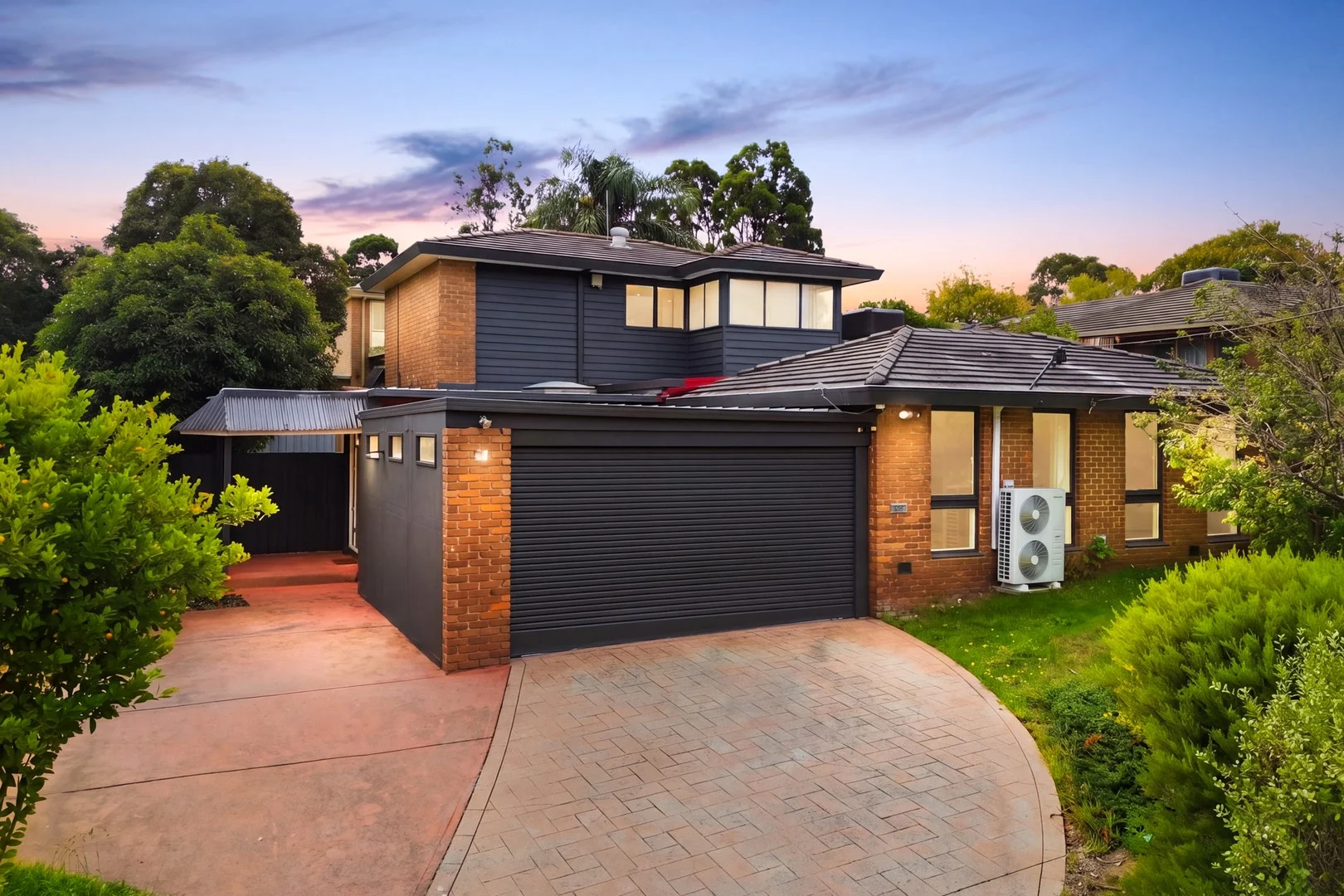 $1,220,000 - $1,320,000
House
$1,220,000 - $1,320,000
House
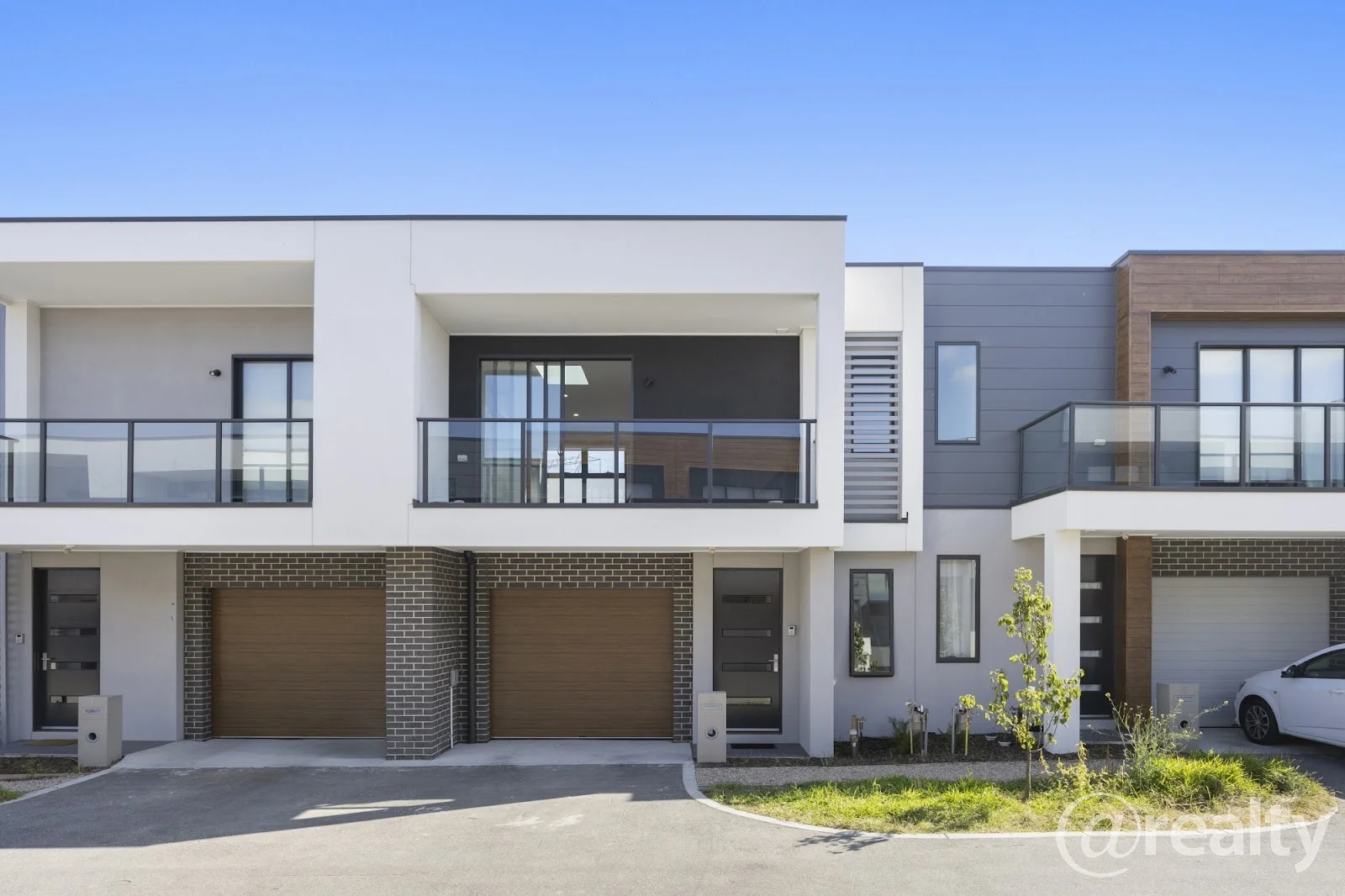 $510
Townhouse
$510
Townhouse
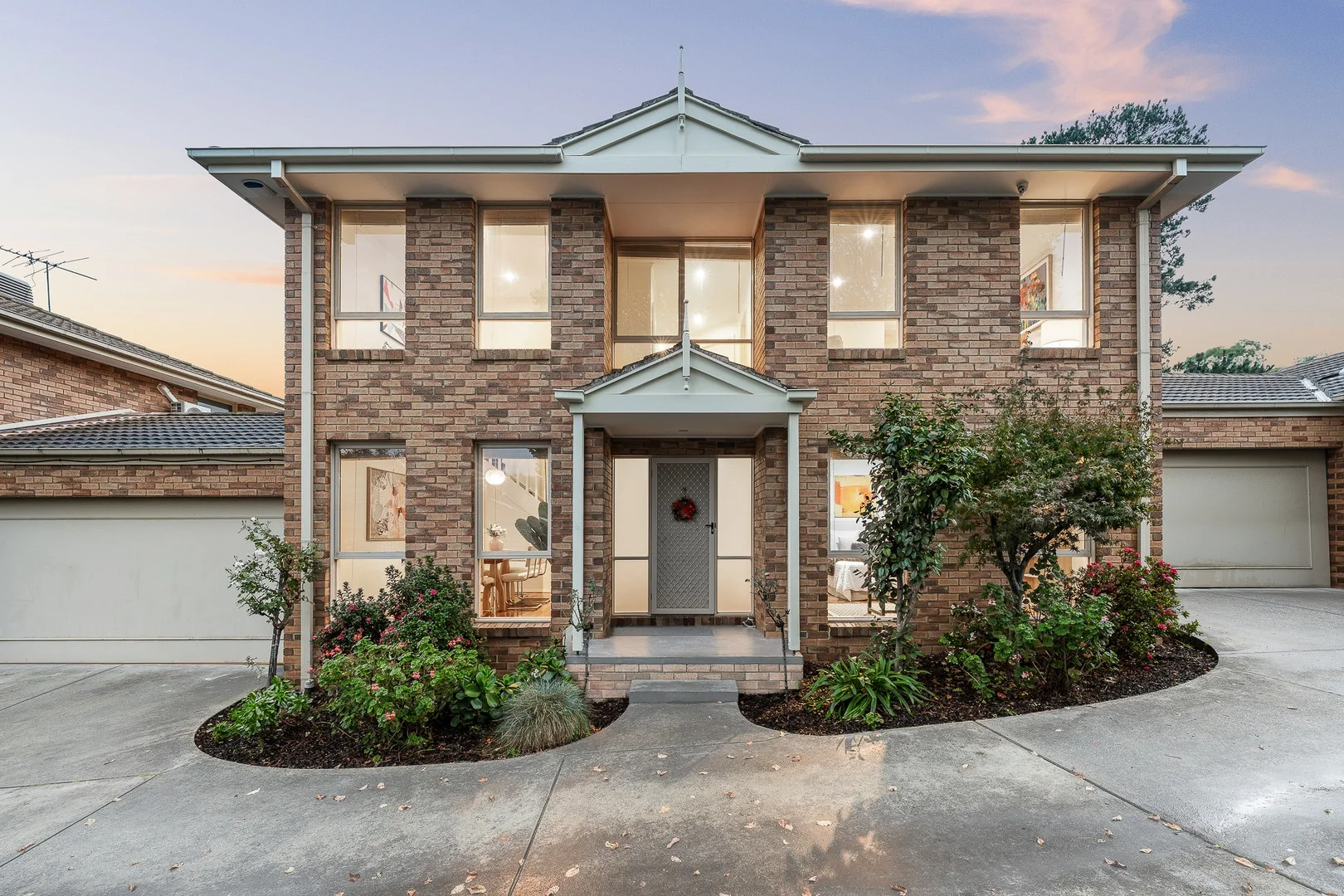 $950,000 - $1,045,000
Apartment / Unit / Flat
$950,000 - $1,045,000
Apartment / Unit / Flat
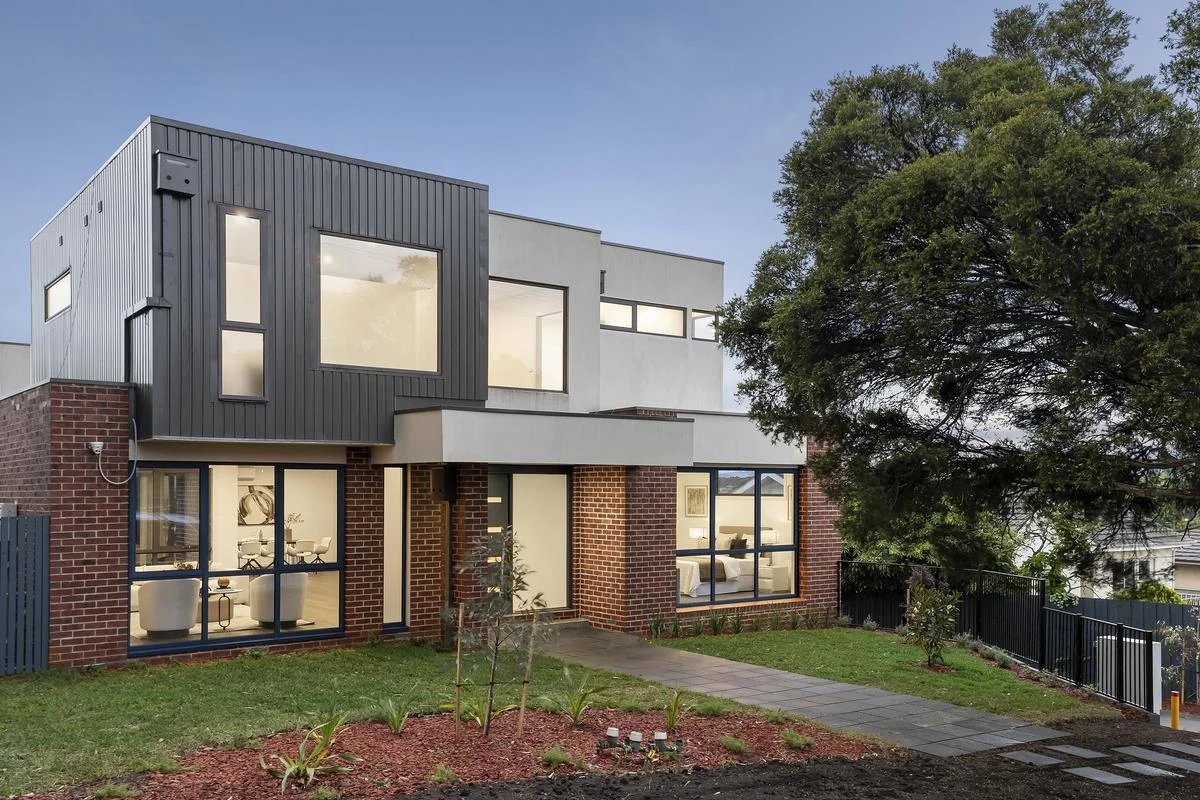 $1,550,000 - $1,650,000
Townhouse
$1,550,000 - $1,650,000
Townhouse
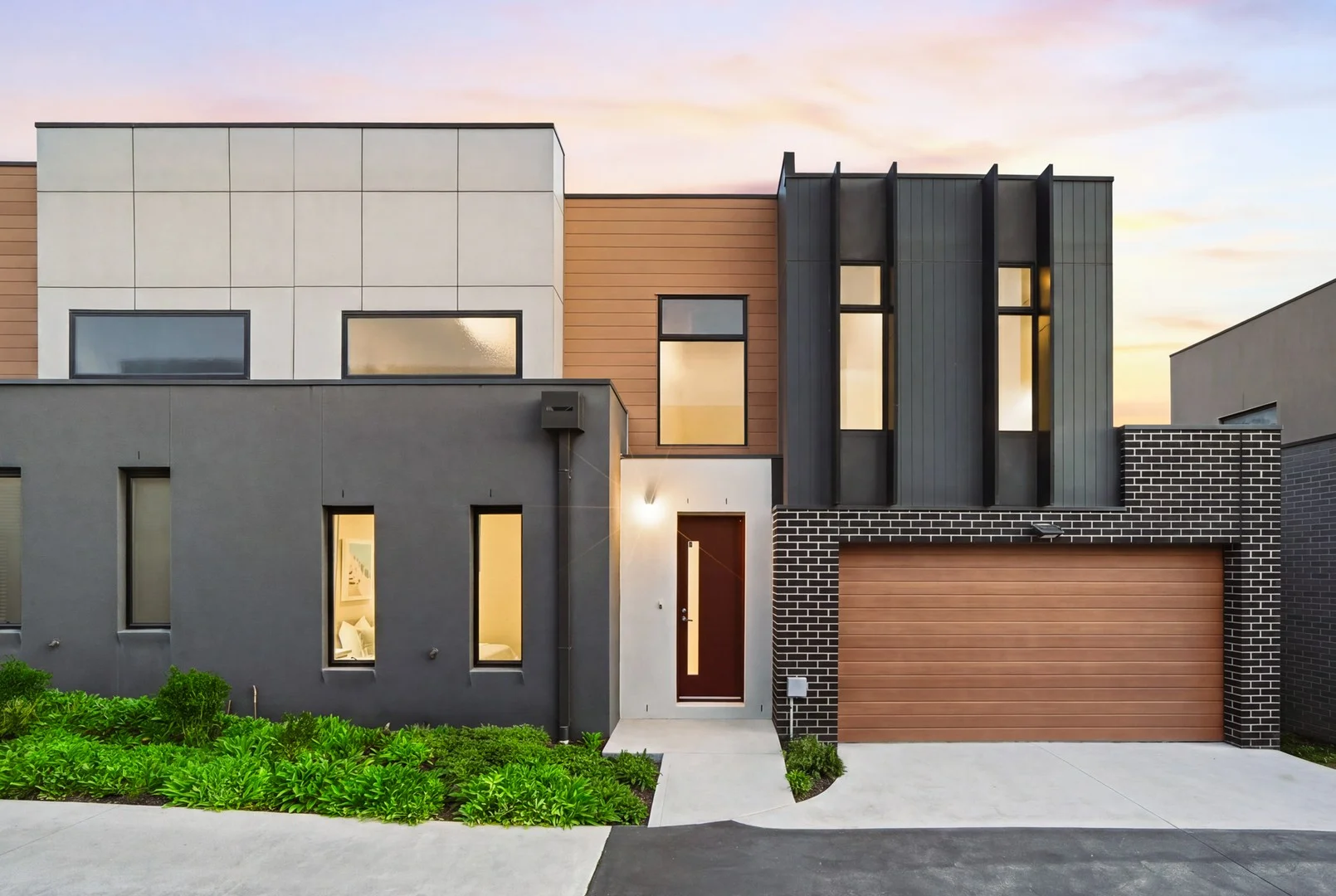 $900,000 - $990,000
Townhouse
$900,000 - $990,000
Townhouse
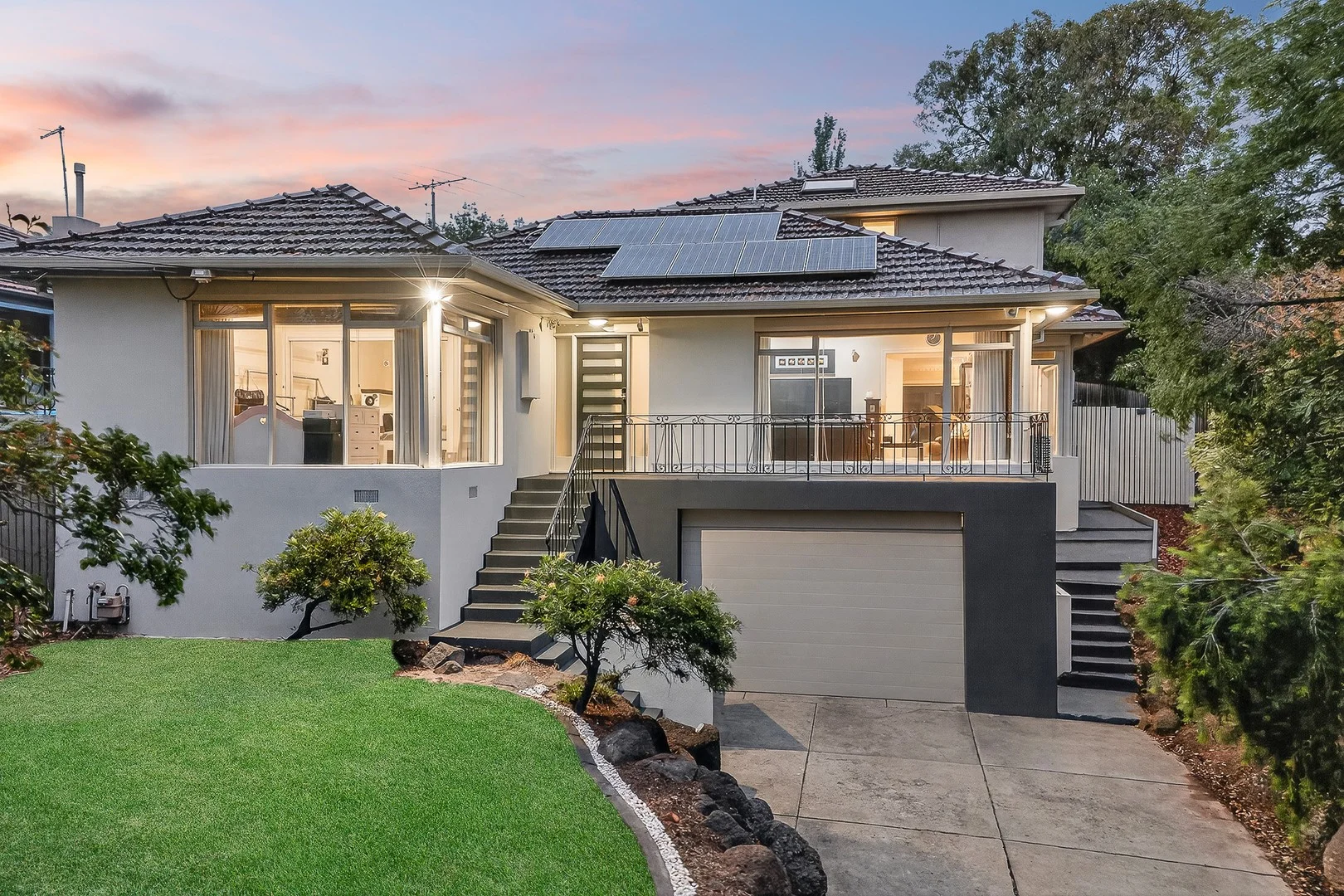 $1,350,000 - $1,450,000
House
$1,350,000 - $1,450,000
House
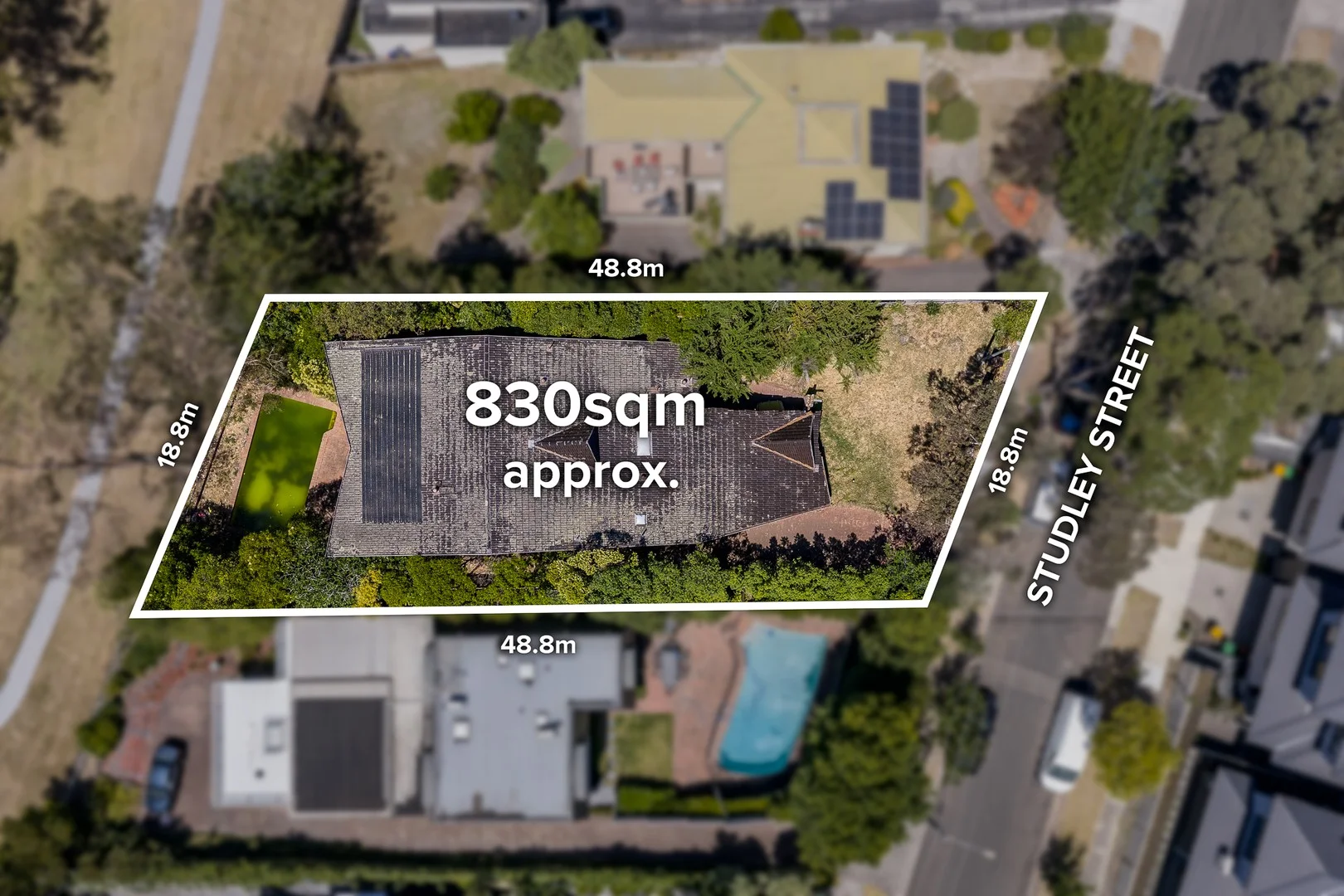 $1,400,000 - $1,500,000
House
$1,400,000 - $1,500,000
House
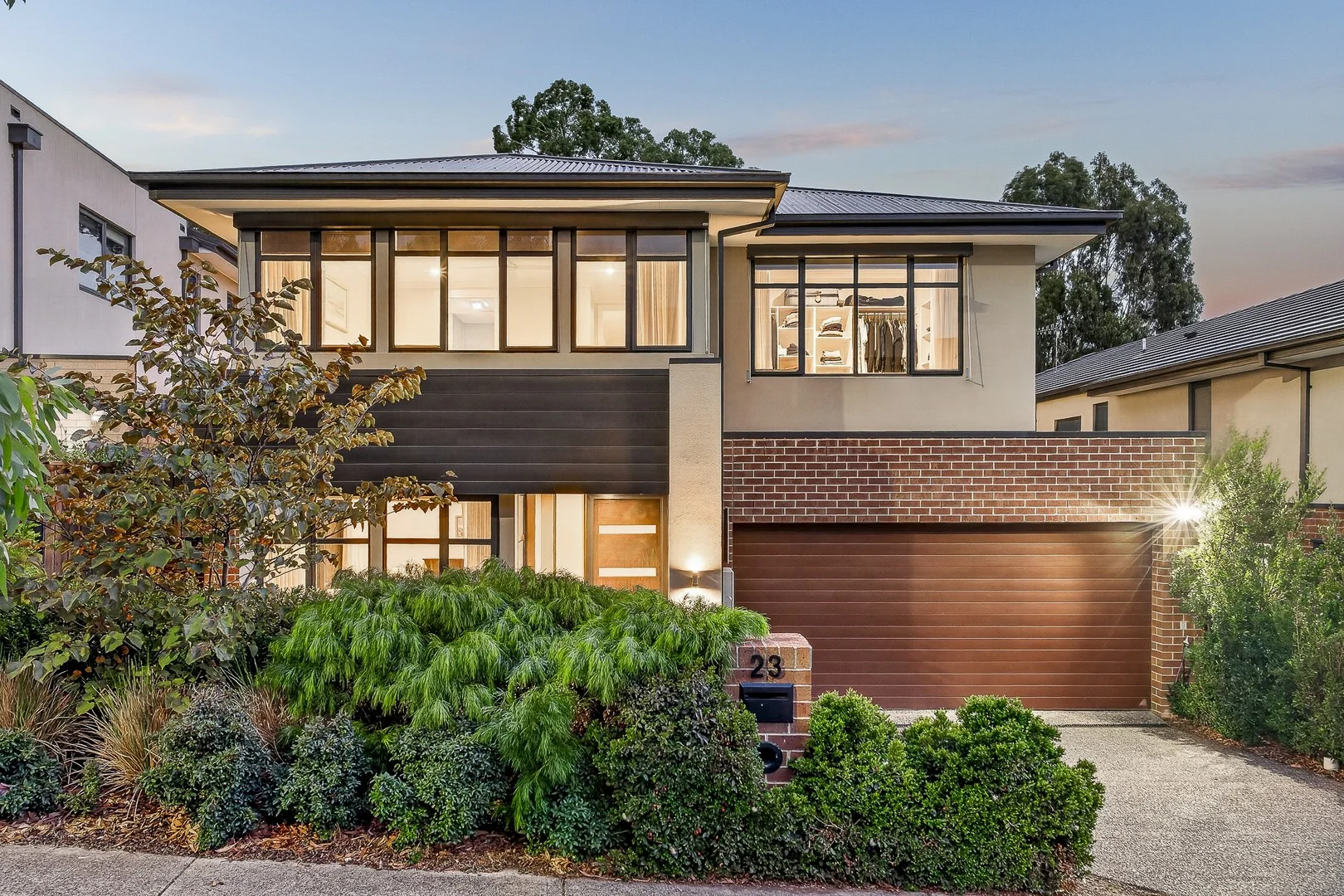 $1,780,000 - $1,880,000
House
$1,780,000 - $1,880,000
House
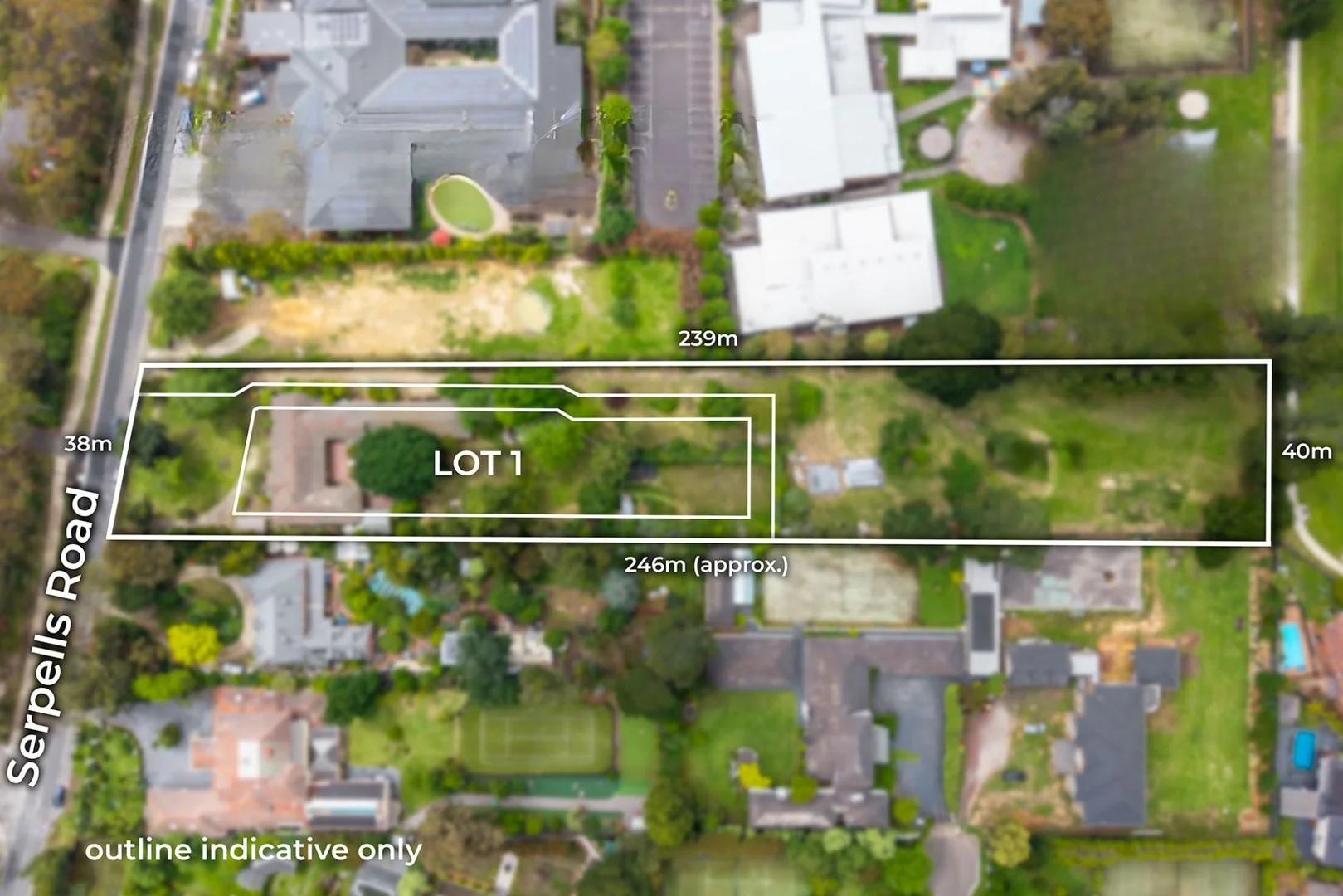 $5,600,000
House
$5,600,000
House