1. Overview
Loyola College is a Catholic independent secondary school for boys located in Watsonia, Victoria. The school offers a comprehensive Years 7–12 program with a focus on academic development, character formation, and service within a supportive community. The student body is drawn from a diverse local area, and the school aims to balance high academic expectations with a nurturing environment that encourages personal growth.
School type: Catholic independent
School size: Medium to large
Class size: Typically mid-20s per class
Atmosphere/culture: Academic, inclusive, and supportive, with an emphasis on leadership, responsibility, and service
2. Academics & Learning
Loyola College emphasises strong academic foundations alongside broader development in leadership and community involvement. Core strengths include English and Humanities, Mathematics, Science, and STEM-related subjects, with opportunities to pursue languages and advanced coursework.
Special programs: Gifted and Talented options, accelerated learning pathways, and robust VCE/ATAR preparation to support university entrance and broader pathways.
NAPLAN / Ofsted trends: Consistent engagement and improvement in key learning areas over recent years, with a focus on literacy, numeracy, and problem-solving skills.
Student-teacher ratios: Approximately 1:14 to 1:18, supporting some level of individualized attention within a whole-class setting.
Support for diverse learners: Dedicated Learning Support Team, EAL support where needed, and targeted SEN programs to assist students requiring extra help.
3. Sports & Extracurricular Strengths
Loyola College offers a broad spectrum of sports and co-curricular activities, supporting a well-rounded student experience.
Sports offered: Australian rules football, basketball, cricket, soccer, tennis, athletics, swimming, and volleyball, among others.
Strong teams or achievements: Competitive performance in inter-school competitions across several sports; strong participation culture and school pride.
Music, arts, drama programs: Active performing arts program including school bands, choirs, drama productions, and recital opportunities; visual arts programs available.
Clubs: Robotics, chess, coding, debating, and other academic/interest clubs to extend learning beyond classrooms.
Partnerships: Connections with local sporting clubs and regional inter-school events; opportunities to participate in external competitions and showcases.
4. Wellbeing & Pastoral Care
A top priority for families, Loyola College emphasises student wellbeing and a positive school climate.
Anti-bullying approach: Proactive whole-school policies and programs to promote respectful relationships and safe environments.
House system: House-based structure to support belonging, peer mentoring, and leadership opportunities.
Counsellors / wellbeing officers: On-site counsellors and wellbeing staff to support emotional, social, and mental health needs.
Transition support for new students: Orientation sessions, peer buddy programs, and targeted transition activities to help new students settle in smoothly.
5. Facilities
Loyola College features facilities that support teaching, learning, and student life.
- Sports grounds: On-site sporting fields and courts for a range of activities.
- Libraries: Well-equipped library with study spaces and resources.
- Science labs: Modern laboratories for hands-on experiments across disciplines.
- Music/performing arts centers: Dedicated spaces for music, drama, and performances.
- Tech/innovation labs: Facilities for digital learning, coding, and technology projects.
- Cafeteria: On-site canteen offering healthy meal options.
- Updated playgrounds: Safe, modern outdoor spaces for breaks and recreation.
6. School Values & Community Culture
What kind of students thrive at Loyola College and how is the culture shaped?
- School values / mission: Catholic ethos grounded in integrity, service, and community; emphasis on character formation alongside academic achievement.
- Leadership style: Distributed leadership with student voice through councils and prefect roles, alongside teacher and leadership oversight.
- Behaviour expectations: Clear code of conduct and behavioural expectations that promote respect, responsibility, and accountability.
- Community reputation: Known for a supportive, inclusive culture and active parent-student engagement.
- Diversity & inclusion: Commitment to a welcoming environment for students from diverse backgrounds, with supports to ensure participation and success for all.
7. School Logistics & Daily Operations
Quick logistics to help families plan daily life around school.
- School hours: Typical day runs from morning start to mid-afternoon finish; exact times posted term-by-term.
- Before/after school care: Care arrangements available or via approved nearby providers.
- Uniform requirements: Complete school uniform required; specifics provided by the school and updated as needed.
- Transport (train/bus routes): Public transport options accessible; bus routes and options are coordinated with local networks.
- Canteen availability: On-site canteen offering a selection of meals and snacks.
- Fees (low/medium/high ranges): Fees fall in the mid-range for Catholic independent secondary schools; includes standard tuition plus associated levies and activities.
8. Enrolment & Admissions
What to know about joining Loyola College.
11. What is the enrolment process and timeline?
- Applications are typically submitted during the annual intake cycle with information sessions and a formal intake timeline. The school provides an outline of steps, required documents, and key dates for submission, interviews, and offers.
12. Is there a waiting list, and how does it work?
- There may be a waiting list when demand exceeds places available. The process usually involves applying in advance, with place allocation and waiting lists managed by the school, sometimes giving priority to siblings or applicants meeting specific criteria.
13. Are there any entry requirements, tests, or interviews?
- Entry often includes an interview or information session for prospective families. Some streams may involve assessments or discovery activities to understand the student’s needs and strengths. Faith participation or intent may also be considered as part of the enrolment process.
14. Does the school accept mid-year transfers?
- Mid-year transfers may be possible subject to place availability, current timetable alignment, and completion of all admissions requirements. Families interested in mid-year moves should contact the school promptly to explore options.
9. Frequently Asked Questions
- Why Parents Choose This School?
Loyola College appeals to families seeking a values-based, academically focused environment with strong pastoral support and a robust range of extracurriculars.
- What type of student thrives at this school?
Students who are motivated, cooperative, and engaged in both academics and activities tend to do well, particularly those who value community involvement and personal growth.
- What opportunities are available for students to extend their skills (academics, sports, arts)?
The school offers advanced coursework options, leadership programs, competitive sports teams, performing arts opportunities, clubs (robotics, coding, debating), and participation in regional competitions.
- How does the school communicate with parents?
Regular communications via newsletters, emails, parent portals, and scheduled information evenings help keep families informed about learning, events, and student progress.
- What is the school’s approach to teaching and learning?
A balanced approach combining rigorous academic standards with differentiated instruction, wellbeing supports, and opportunities for student voice and leadership.
- How does the school support students who need extra academic help?
Targeted learning supports, tutoring options, and an established SEN/EAL framework help students who require additional assistance.
- What support is available for academic challenges?
Tutoring, study skills workshops, and access to learning support staff are available to assist students facing academic difficulties.
- How does the school communicate with parents?
See above; multiple channels including digital platforms, emails, and parent-teacher meetings are used.
- What are the class sizes and how much individual attention do students receive?
Class sizes are mid-20s, with school-based supports to provide additional help where needed, including targeted interventions and personalised guidance.
- What extracurricular and sports opportunities are available?
A broad range of sports, music, drama, robotics, chess, coding, debating, and other clubs are offered to suit diverse interests.
- What facilities does the school offer (sports, science, arts)?
Modern facilities include sports grounds, libraries, science labs, performing arts spaces, tech/innovation labs, and a canteen.
- What is the school’s approach to technology and digital learning?
Integrated digital learning across the curriculum with access to devices and learning platforms to support modern education.
- What transport and accessibility options are available?
Public transport connections and school-supported transport options are available for ease of access.
- What are the typical school fees or additional costs?
Fees are mid-range for private Catholic education with standard tuition and possible levies for activities and resources.
10. Short Pros & Cons list
Pros
- Catholic independent school with a values-focused ethos
- Strong academic program with STEM, English, and languages
- Broad range of extracurriculars, including sports, music, and clubs
- Supportive wellbeing and pastoral care with a house system
- Modern facilities across science, arts, and digital learning
Cons
- As a private school, fees are higher than public options
- Religious ethos may not align with every family’s beliefs
- Competition for some in-demand programs or sports could lead to waitlists
- Transport options may require planning around routes and schedules
If you’d like, I can tailor these sections further with more precise details you provide or help format this content for a specific page on Aroundschools.
 Free
Free












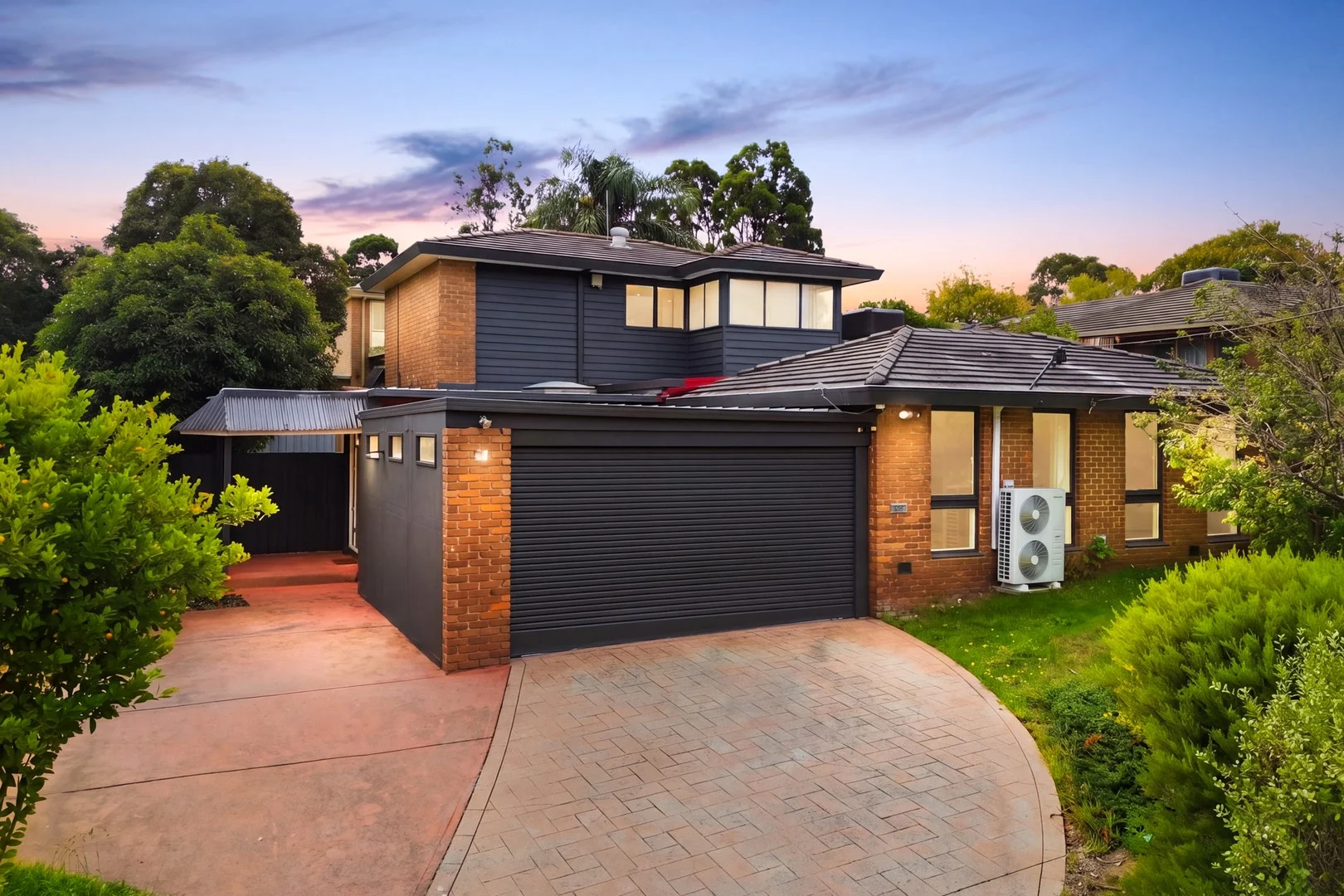 $1,220,000 - $1,320,000
House
$1,220,000 - $1,320,000
House
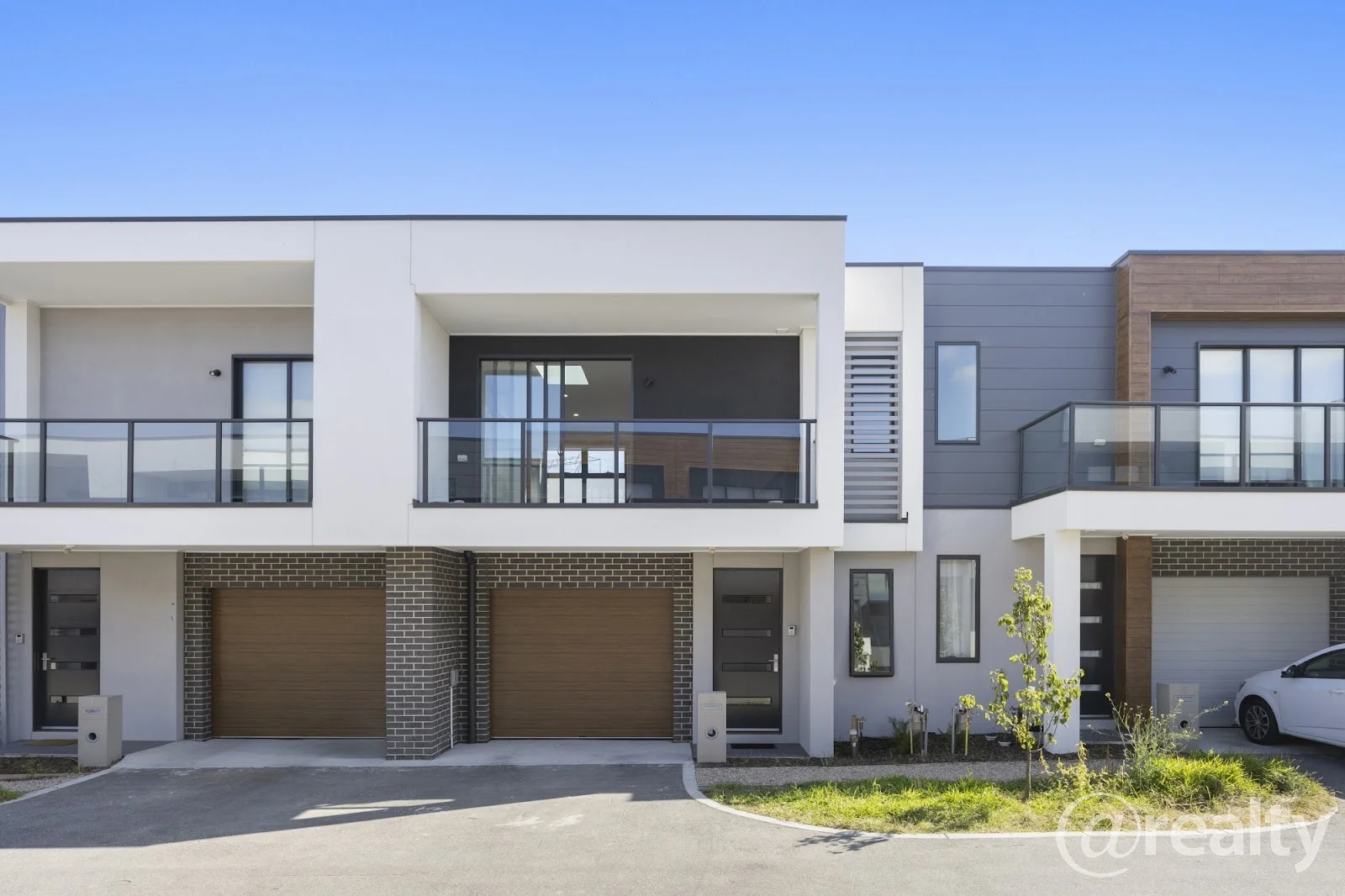 $510
Townhouse
$510
Townhouse
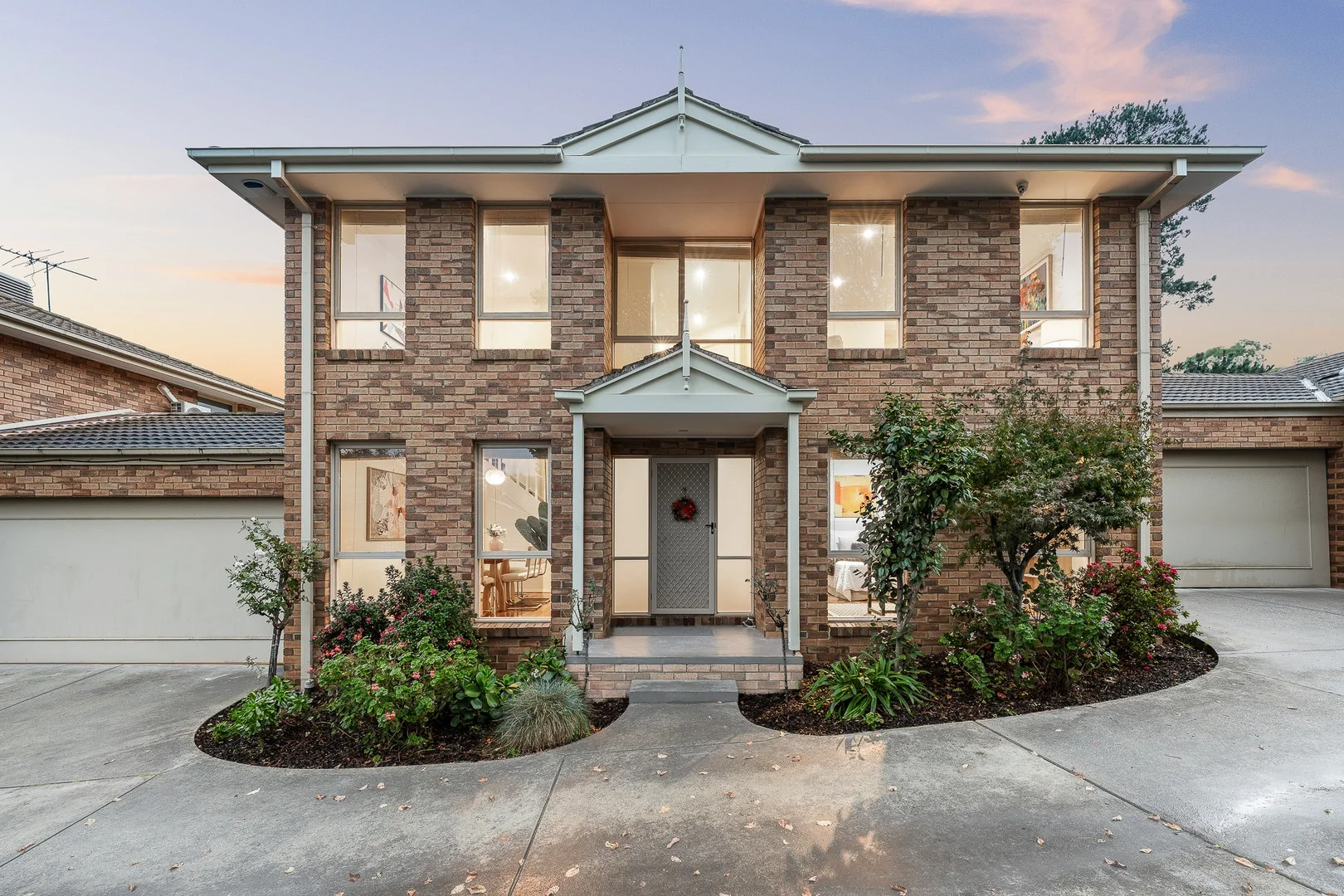 $950,000 - $1,045,000
Apartment / Unit / Flat
$950,000 - $1,045,000
Apartment / Unit / Flat
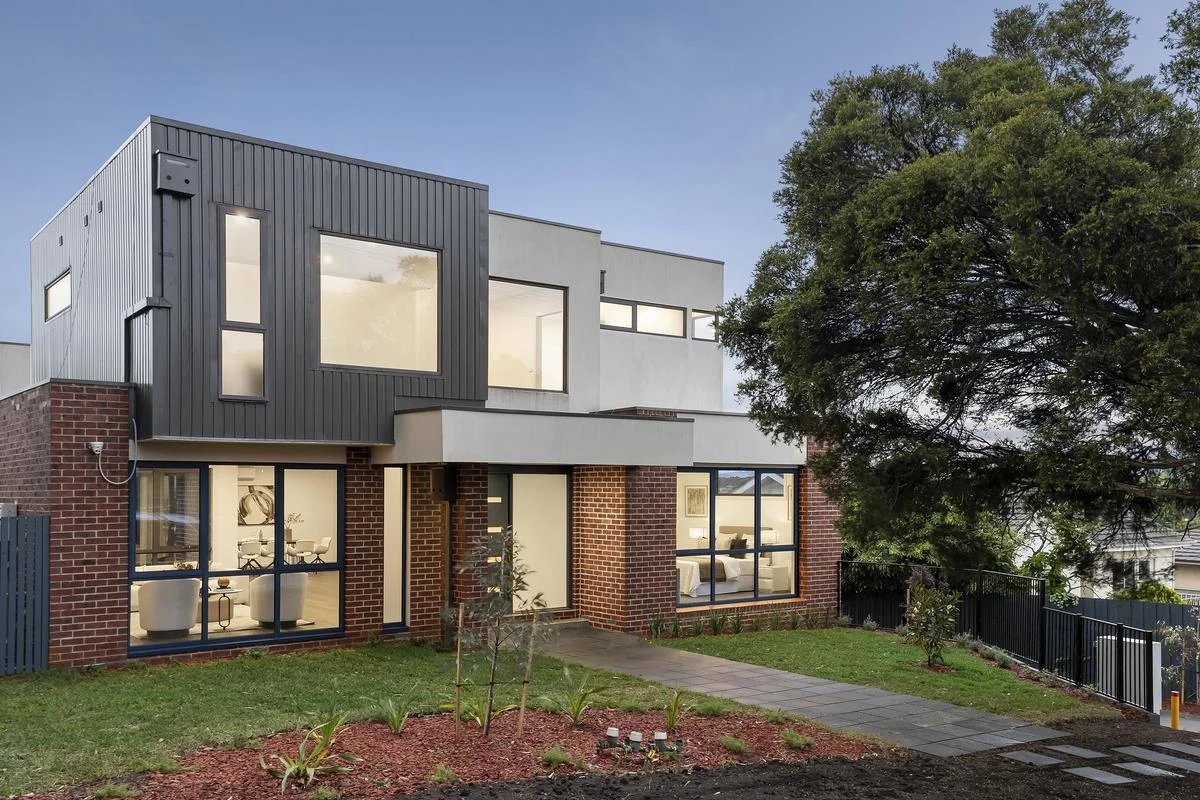 $1,550,000 - $1,650,000
Townhouse
$1,550,000 - $1,650,000
Townhouse
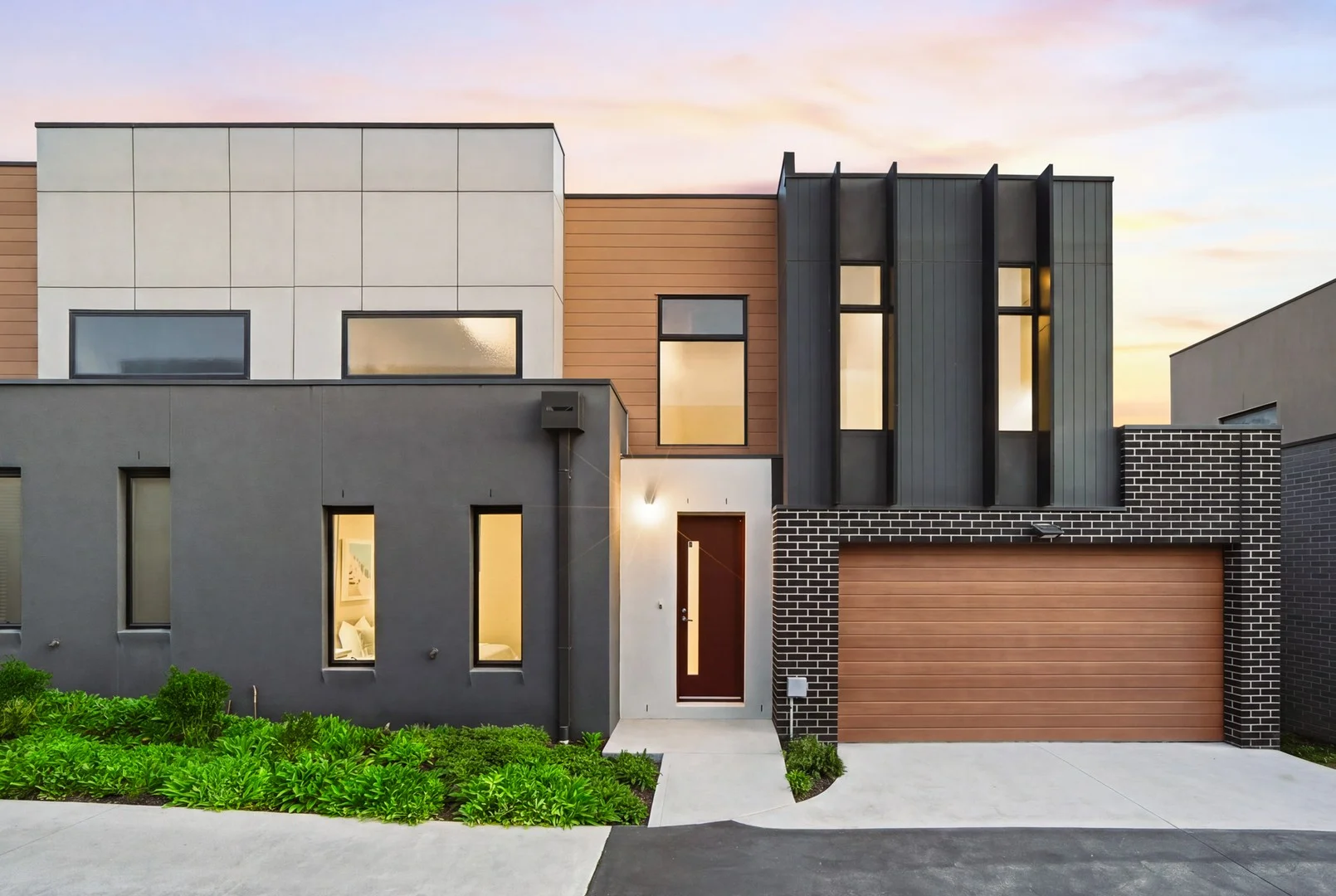 $900,000 - $990,000
Townhouse
$900,000 - $990,000
Townhouse
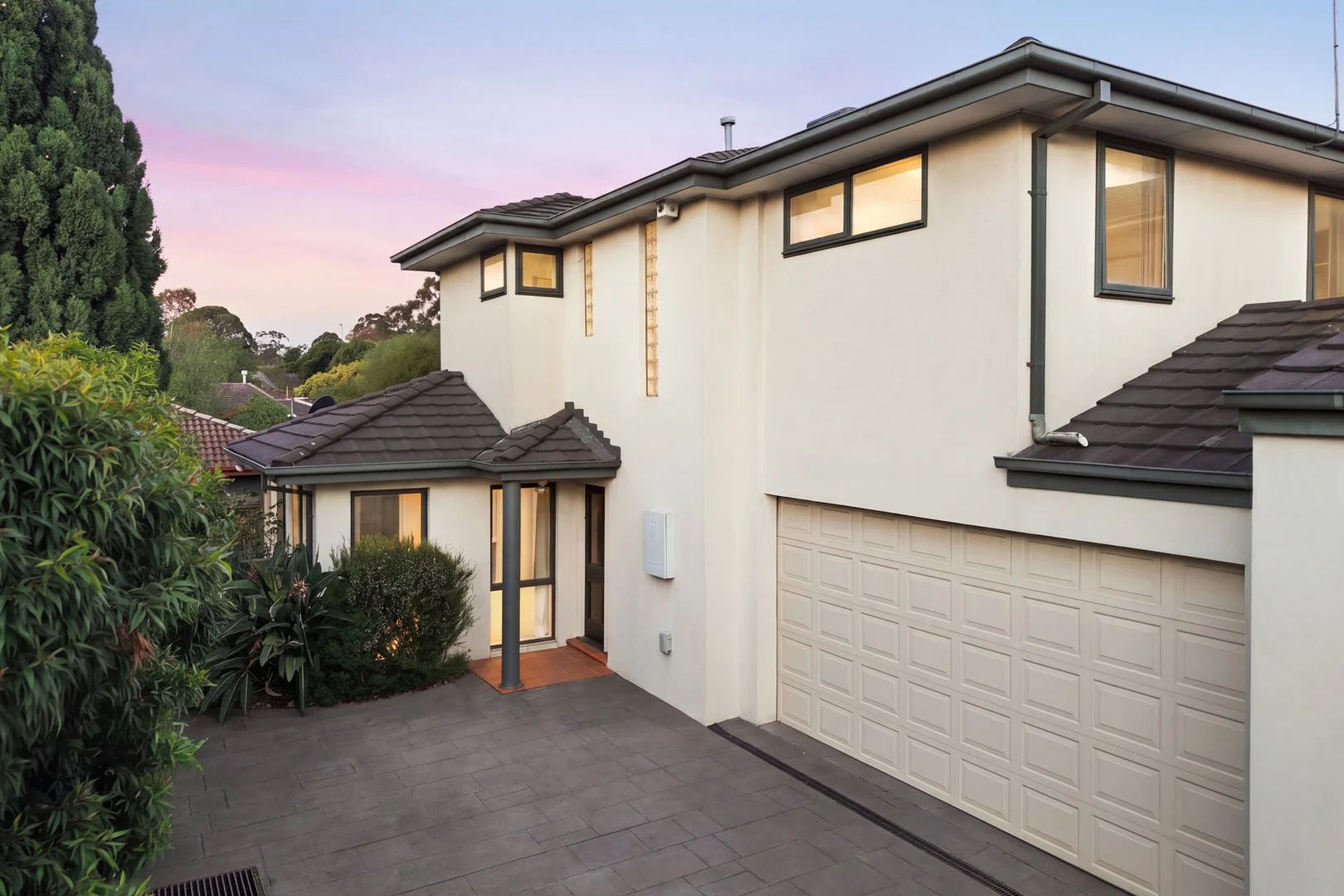 $920,000
Townhouse
$920,000
Townhouse
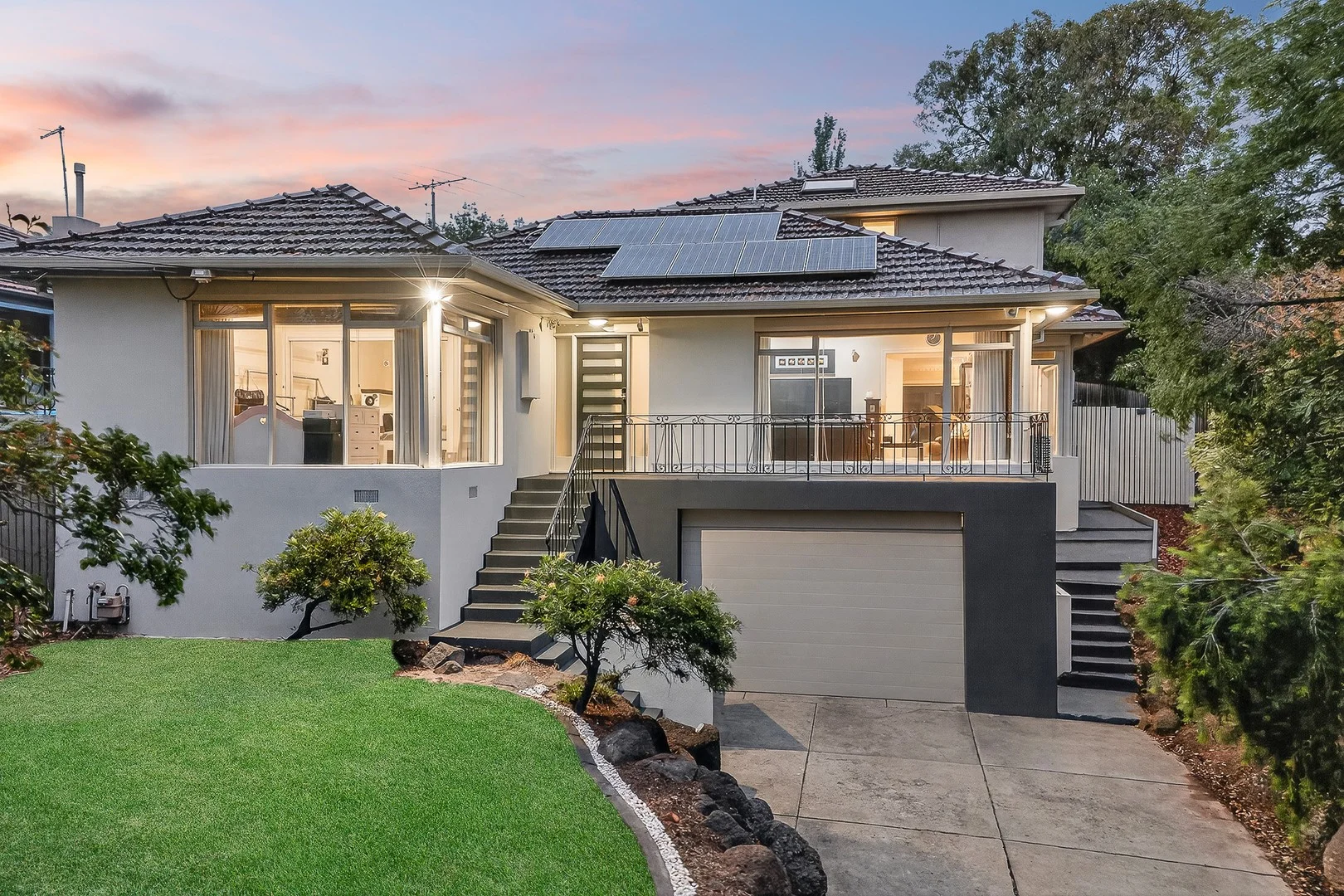 $1,350,000 - $1,450,000
House
$1,350,000 - $1,450,000
House
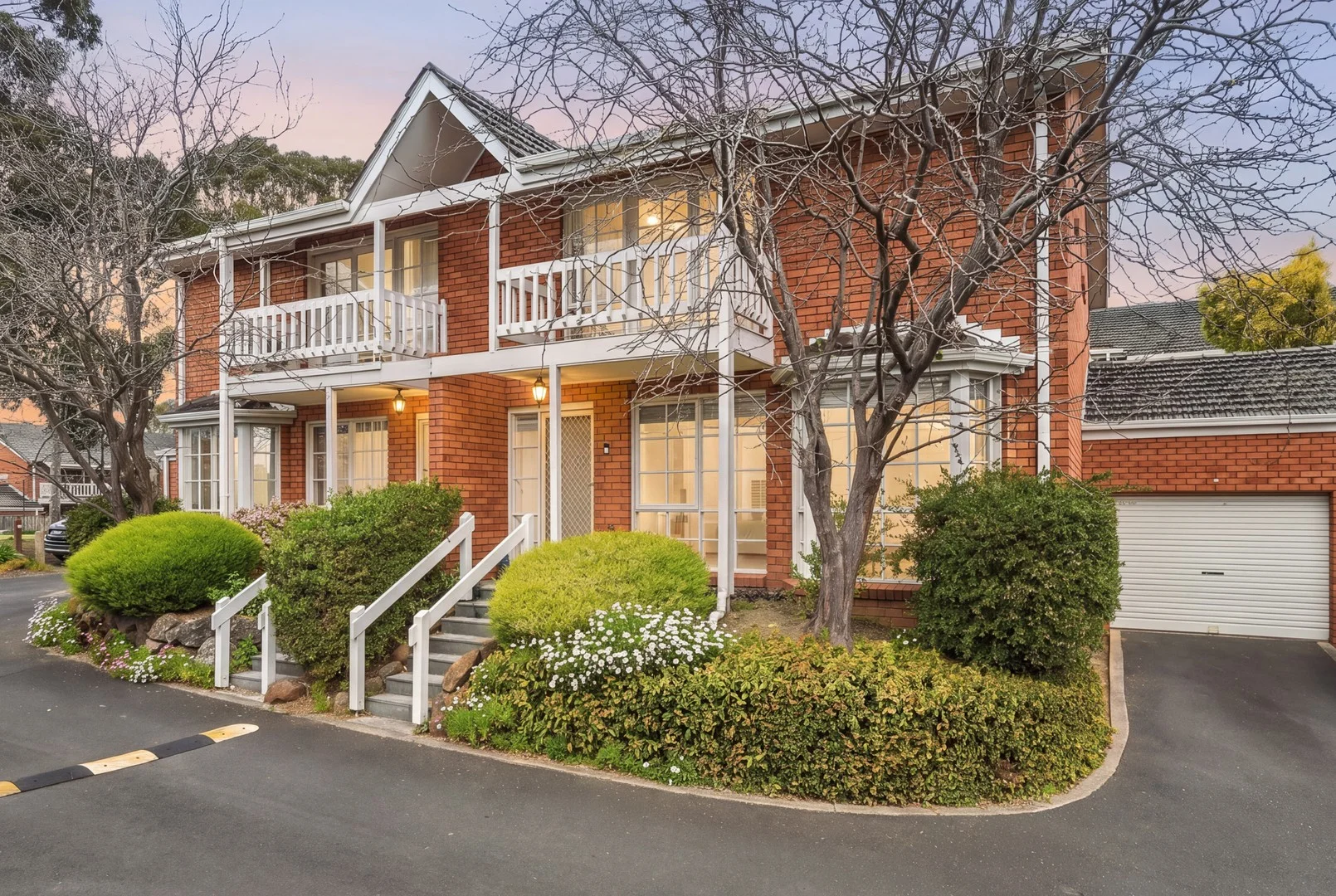 $795,000
Apartment / Unit / Flat
$795,000
Apartment / Unit / Flat
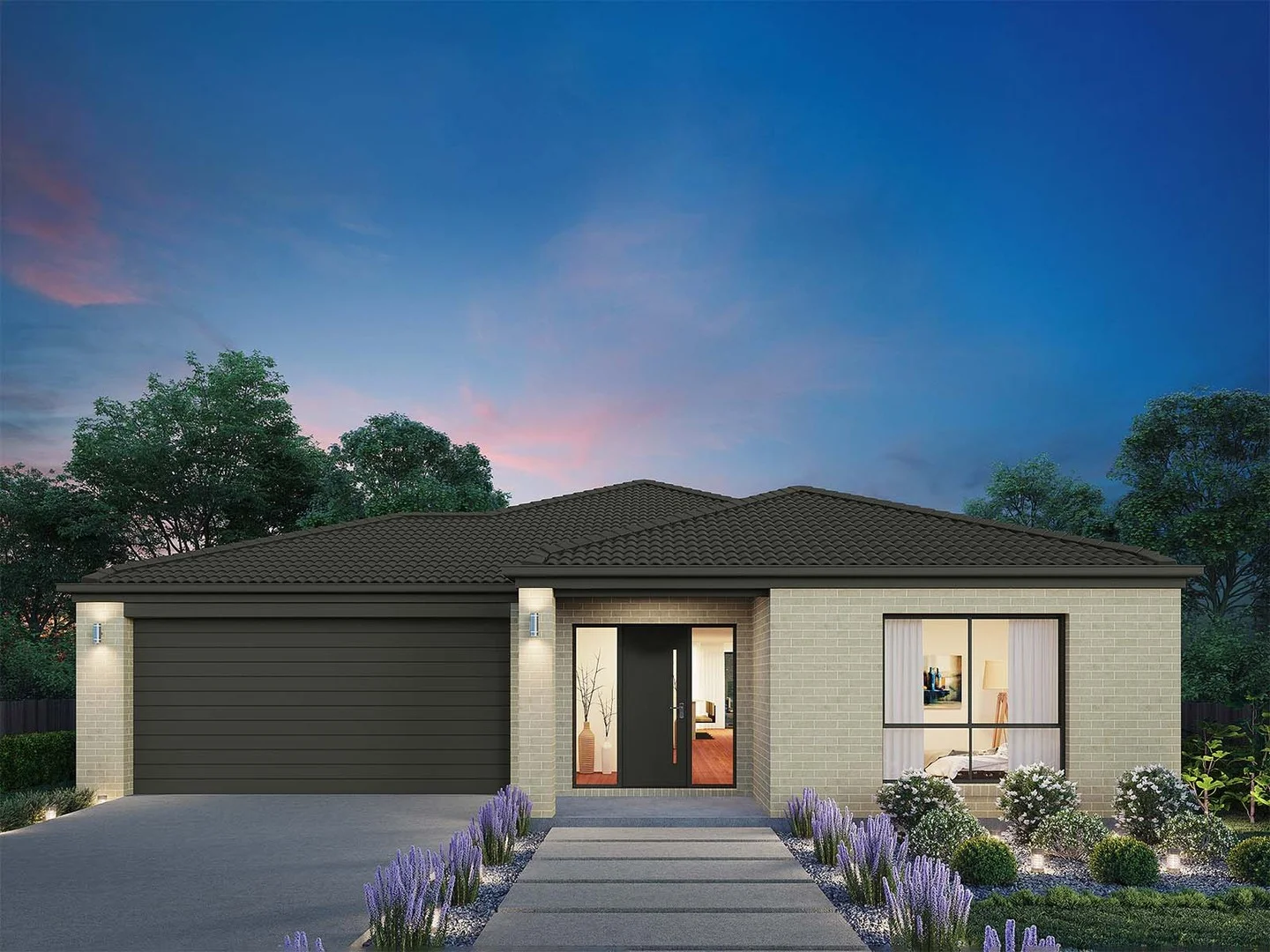 $850,880
propertyType.NEW HOUSE & LAND
$850,880
propertyType.NEW HOUSE & LAND


