1. Overview
Concord West Public School is a public primary school serving families in the Concord West area. It provides a comprehensive NSW curriculum for students from Kindergarten to Year 6, with a strong emphasis on inclusive education and community involvement.
As a medium-sized public school, it fosters a supportive and welcoming atmosphere that values both academic achievement and well‑being. Class sizes are typically around the mid‑20s, enabling teachers to offer thoughtful differentiation and personalised attention within a collaborative learning environment.
⸻
2. Academics & Learning
- Academic strengths: literacy and numeracy foundations are prioritised, with opportunities to develop skills in STEM, leadership, and languages as part of the broader curriculum.
- Special programs: access to Gifted and Talented Education (GATE) pathways and enrichment opportunities; targeted interventions to support diverse learner needs.
- NAPLAN / trends: the school tracks NAPLAN trends to identify gaps and inform pedagogy; year-on-year improvements and steady progress are typical aims, with annual reports providing trend details.
- Student-teacher ratios: class sizes and student-teacher ratios align with NSW primary education norms, supporting differentiated instruction and responsive teaching.
- Support for diverse learners: dedicated EAL/D support, inclusive practices, and access to support staff to assist students with additional learning needs.
⸻
3. Sports & Extracurricular Strengths
- Sports offered: a range of team and individual sports typical of NSW primary schools, including soccer, basketball, cricket, netball, athletics, and swimming programs.
- Strong teams or achievements: participation in inter-school events and local competitions; focus on teamwork, sportsmanship, and personal bests.
- Music, arts, drama programs: robust opportunities in music and performing arts, with showcases and school performances.
- Clubs: robotics, coding, chess, debating, and other interest-based clubs to support creativity and critical thinking.
- Partnerships: connections with local community clubs and inter-school leagues for competitions and development programs.
⸻
4. Wellbeing & Pastoral Care
- Anti-bullying approach: proactive anti-bullying policies, restorative practices, and a culture of respect and inclusion.
- House system: a house-based framework to build community, leadership, and healthy competition across year levels.
- Counsellors / wellbeing officers: access to school-based wellbeing staff focused on student resilience, social-emotional learning, and mental health support.
- Transition support for new students: structured orientation, buddy systems, and transition visits to help new students settle in smoothly.
⸻
5. Facilities
- Sports grounds: on-site spaces for physical education and sport.
- Libraries: well-stocked library supporting literacy across year levels.
- Science labs: dedicated spaces for practical science learning and experiments.
- Music/performing arts centers: facilities that support music education and school productions.
- Tech/innovation labs: opportunities for hands-on learning with technology and creative projects.
- Cafeteria: on-site canteen or lunch facilities with healthy options.
- Updated playgrounds: modern, age-appropriate play areas and outdoor learning spaces.
⸻
6. School Values & Community Culture
- School values / mission: emphasis on respect, responsibility, resilience, and inclusion; a culture that recognises each student’s potential.
- Leadership style: student voice and leadership opportunities (e.g., Student Representative Councils, peer mentoring) supported by a collaborative staff.
- Behaviour expectations: clear codes of conduct and positive behaviour for learning frameworks to guide student interactions.
- Community reputation: a welcoming, family-friendly environment with strong parent–teacher partnership and community involvement.
- Diversity & inclusion: active commitment to celebrating diversity and ensuring inclusive practices across all areas of school life.
⸻
7. School Logistics & Daily Operations
- School hours: typical school day runs from morning to afternoon with defined start and finish times; lunch and recess periods are scheduled.
- Before/after school care: available through approved external providers on or near the school site to support working families.
- Uniform requirements: school uniform policy in place; details provided by the school (stable daily attire with approved colours and items).
- Transport (train/bus routes): accessible transport options in the local area; information on bus routes and travel planning available through the school and NSW Transport authorities.
- Canteen availability: canteen or lunch facilities providing healthy meal options on set days.
- Fees (low/medium/high ranges): public schools in NSW typically have no tuition; there are voluntary contributions and modest costs for excursions, activities, and additional resources.
⸻
8. Enrolment & Admissions
11. What is the enrolment process and timeline?
- Check catchment eligibility and confirm year of entry (K generally, plus in-year entry for other years where spaces exist).
- Prepare required documents (proof of identity and address, birth certificate, immunisation history, and any additional documents requested by the school).
- Submit the enrolment form through the NSW Department of Education process or directly with the school, following the school’s preferred timelines.
- Await confirmation of placement and any orientation or transition arrangements (especially for new students).
12. Is there a waiting list, and how does it work?
- Waiting lists may apply for out-of-area placements or when year group spaces are limited. Placement decisions are often based on availability, catchment status, and timing of applications.
13. Are there any entry requirements, tests, or interviews?
- Generally, NSW public primary schools do not require entrance tests. An interview or meeting with parents and the student may occur in some cases (e.g., for out-of-area transfers or to discuss support needs).
14. Does the school accept mid-year transfers?
- Mid-year transfers are possible subject to vacancy and compliance with enrolment requirements. Families should contact the school as soon as possible to discuss available places and transition support.
⸻
9. Frequently Asked Questions
- Why Parents Choose This School?
- A welcoming, inclusive community with strong partnerships between home and school, a focus on wellbeing, and solid academic foundations.
- What type of student thrives at this school?
- Curious, motivated learners who engage in both academics and extracurriculars, contribute to the school community, and value teamwork and respectful conduct.
- What opportunities are available for students to extend their skills (academics, sports, arts)?
- Enrichment programs, gifted and talented pathways, robust clubs (robotics, coding, chess, debating), sports teams, and performing arts opportunities.
- How does the school communicate with parents?
- Regular newsletters, emails, a school app/portal, parent-teacher interviews, and annual reporting; clear channels for questions and updates.
- What is the school’s approach to teaching and learning?
- A student-centered approach with explicit instruction, differentiation to meet diverse needs, and ongoing assessment to drive instruction.
- How does the school support students who need extra academic help?
- In-class support, targeted interventions, EAL/D assistance, and access to support staff for additional learning needs.
- What support is available for academic challenges?
- Early identification, personalised support plans, and collaboration with parents to monitor progress and adjust strategies.
- How does the school communicate with parents? (Reiterated)
- See above: newsletters, digital updates, and formal meetings.
- What are the class sizes and how much individual attention do students receive?
- Class sizes are in the mid-20s, with teaching teams differentiating instruction and offering targeted support to individuals and small groups.
- What extracurricular and sports opportunities are available?
- A broad range of sports, clubs for robotics, coding, chess, debating, music and arts programs, and opportunities to participate in inter-school events.
- What facilities does the school offer (sports, science, arts)?
- Sports grounds, libraries, science labs, music/performing arts spaces, technology/innovation labs, canteen, and modern playgrounds.
- What is the school’s approach to technology and digital learning?
- Integration of digital tools and resources across the curriculum, with emphasis on safe and effective use of technology in learning.
- What transport and accessibility options are available?
- Local transport options (buses and nearby rail); accessible facilities and clear routes for families; information available from the school and local transport authorities.
- What are typical school fees or additional costs?
- Public schooling typically involves no tuition fees; there are voluntary contributions and costs for excursions, activities, and some materials.
⸻
10. Short Pros & Cons list
Pros
- Supportive, inclusive school culture with a focus on wellbeing.
- Strong balance of academics, sports, and arts with a wide range of clubs.
- Positive student leadership and opportunities for student voice.
- Good parent communication and community involvement.
- Modern facilities and well-maintained grounds.
Cons
- Class sizes average for NSW public primaries; some families may seek smaller groups for personalized attention.
- Out-of-area transfer requests can involve waiting lists and placement uncertainty.
- Some costs for add-on activities, excursions, and uniform items are not covered by standard funding.
⸻
 Free
Free










 $36,000,000 - $39,500,000
Vacant Land
$36,000,000 - $39,500,000
Vacant Land
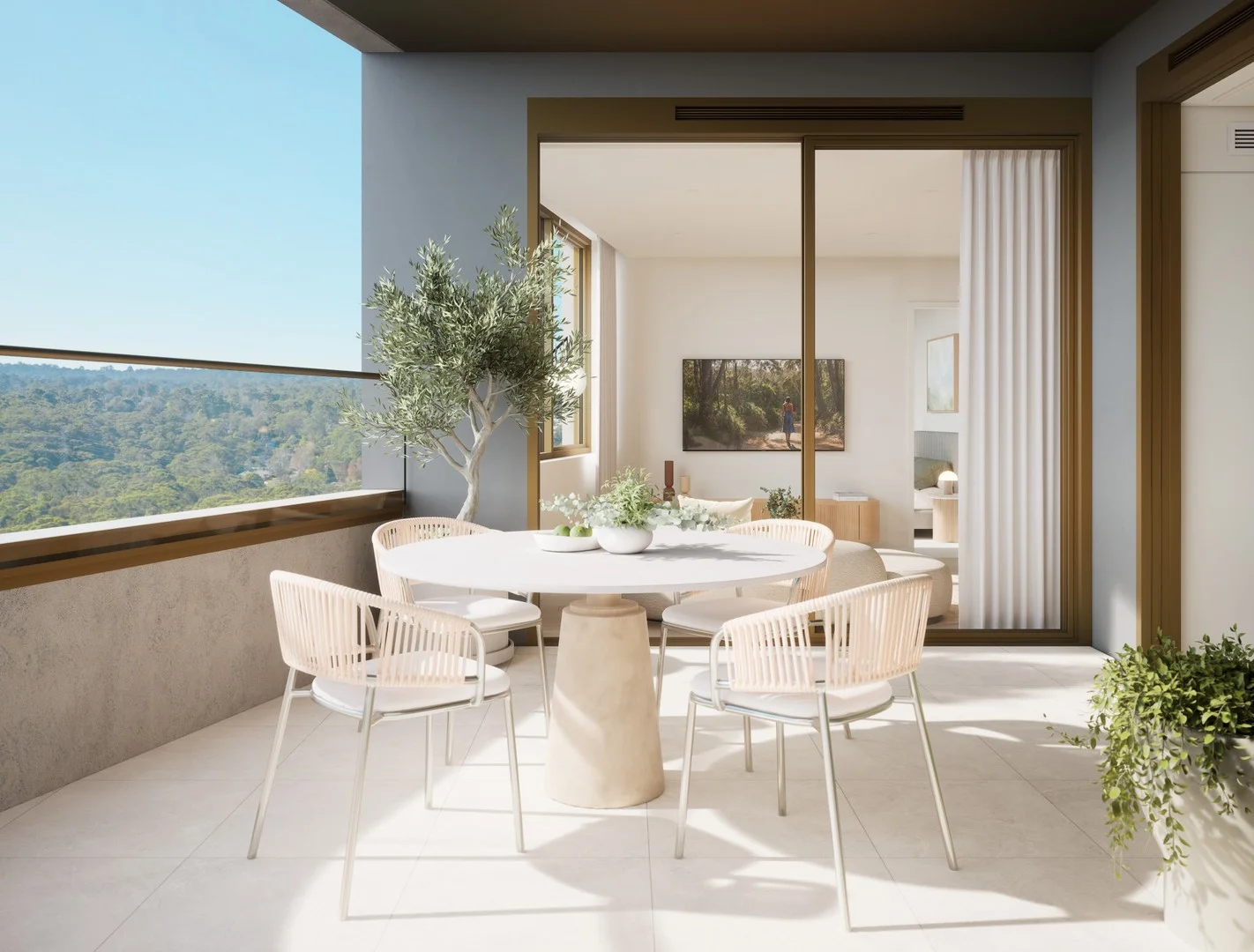 $1,525,000
Apartment / Unit / Flat
$1,525,000
Apartment / Unit / Flat
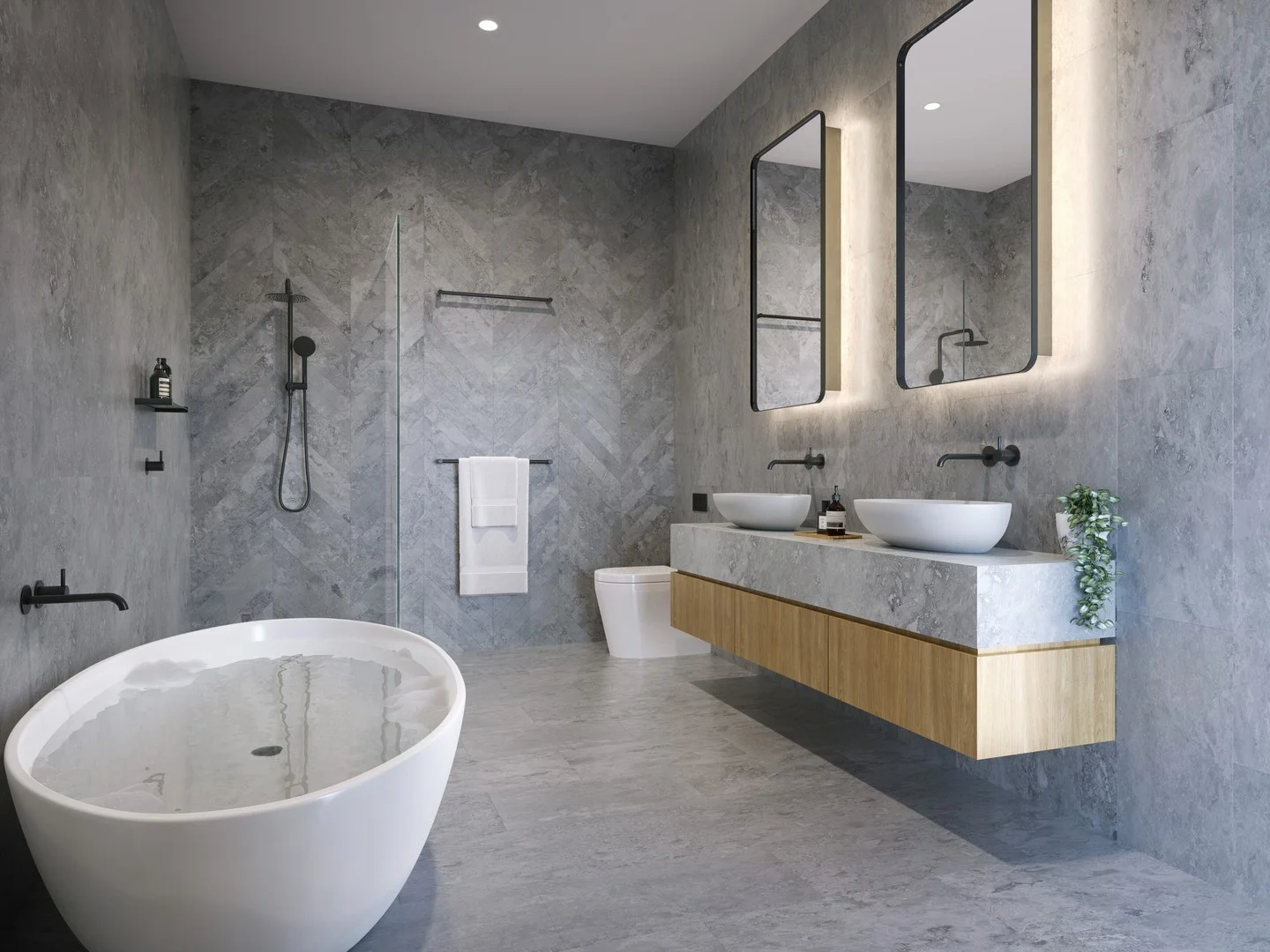 $2,824,000
Apartment / Unit / Flat
$2,824,000
Apartment / Unit / Flat
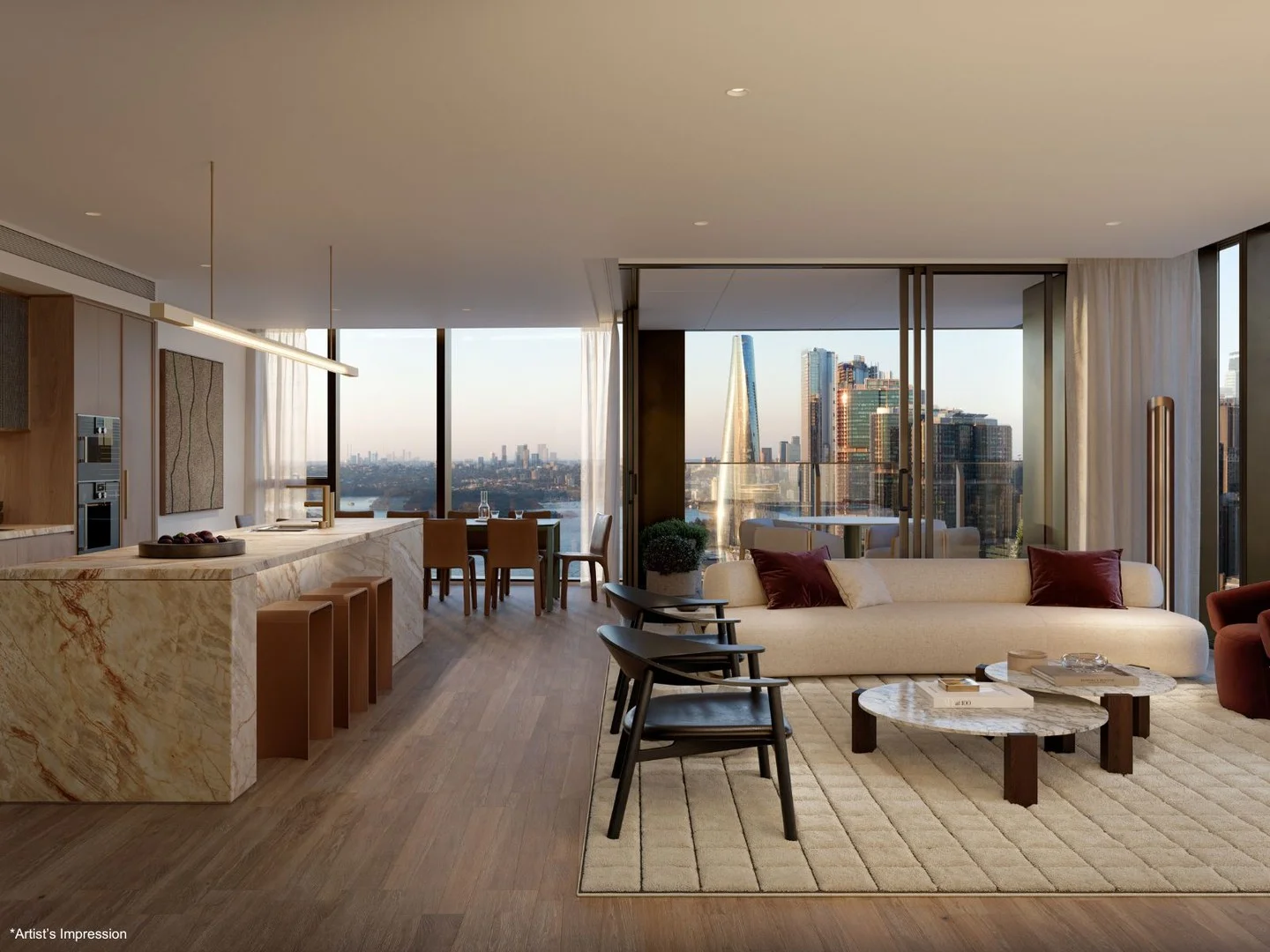 $12,980,000
propertyType.NEW APARTMENTS / OFF THE PLAN
$12,980,000
propertyType.NEW APARTMENTS / OFF THE PLAN
 $9,020,000
propertyType.NEW APARTMENTS / OFF THE PLAN
$9,020,000
propertyType.NEW APARTMENTS / OFF THE PLAN
 $8,630,000
propertyType.NEW APARTMENTS / OFF THE PLAN
$8,630,000
propertyType.NEW APARTMENTS / OFF THE PLAN
 $6,225,000
propertyType.NEW APARTMENTS / OFF THE PLAN
$6,225,000
propertyType.NEW APARTMENTS / OFF THE PLAN
 $26,550,000
propertyType.NEW APARTMENTS / OFF THE PLAN
$26,550,000
propertyType.NEW APARTMENTS / OFF THE PLAN
 $640,000 - $675,000
Apartment / Unit / Flat
$640,000 - $675,000
Apartment / Unit / Flat


