Overview
## 1. Overview
Victoria Avenue Public School is a public, co-educational primary school serving families in Concord West. The school aims to provide a welcoming, inclusive environment where every child can grow academically, socially and emotionally. With a medium-sized campus and strong community ties, the school focuses on building positive relationships and a collaborative culture between staff, students and families.
- School type: Public
- School size: Medium
- Class size: Approximately 24–28 students per class
- Atmosphere/culture: Inclusive, nurturing, diverse, community-focused
⸻
## 2. Academics & Learning
Victoria Avenue Public School emphasises solid literacy and numeracy foundations while expanding opportunities across STEM, creative arts and language learning. The school supports students to develop critical thinking, collaboration and problem-solving skills through a mix of teacher-led instruction and hands-on learning experiences.
- Academic strengths: Literacy and numeracy focus, STEM activities, literacy-rich programs, opportunities to build leadership and communication skills
- Special programs: Gifted and talented opportunities where available, integration of accelerated learning approaches, targeted programs to develop digital literacy and creative problem solving
- NAPLAN trends: Consistent, steady progress over time with a focus on growth for individual students; data-driven planning to support continuous improvement
- Student-teacher ratios: Generally strong, with classes typically around 24–28 students and additional support staff where needed
- Support for diverse learners: EAL/D support, tailored assistance for students with SEN, inclusive education practices and support plans
⸻
## 3. Sports & Extracurricular Strengths
A重点 area for many families is the balance of sport, performance and clubs. The school offers a range of activities that support physical development, teamwork and creativity.
- Sports offered: Core school sports, inter-school events in athletics, swimming and team games; opportunities for active participation across year levels
- Strong teams or achievements: Participation in district-level competitions; recognition for effort, teamwork and sportsmanship
- Music, arts, drama programs: Regular music sessions, school concerts and opportunities in drama and performance
- Clubs: Robotics, chess, coding, debating and other after-school clubs
- Partnerships: Collaborations with local clubs and community groups; participation in inter-school events and taster programs
⸻
## 4. Wellbeing & Pastoral Care
Wellbeing is a priority, with structures in place to support students’ emotional health, resilience and safe, respectful relationships.
- Anti-bullying approach: Clear anti-bullying policies, pro-social behavior programs and student-led initiatives
- House system: House-based activities to build belonging, teamwork and positive competition
- Counsellors / wellbeing officers: Access to school wellbeing staff and support services
- Transition support for new students: Orientation programs, buddy systems and targeted supports to help students settle in
⸻
## 5. Facilities
The school’s facilities support a broad program of learning and personal development, with spaces designed for collaboration and creativity.
- Sports grounds
- Libraries
- Science labs
- Music/performing arts centers
- Tech/innovation labs
- Cafeteria
- Updated playgrounds
⸻
## 6. School Values & Community Culture
The school fosters a culture that emphasises respect, responsibility and inclusion, with leadership that encourages student voice and collaboration.
- School values / mission: Respect, resilience, inclusivity, responsibility
- Leadership style: Distributed, student-friendly leadership with teacher guidance and mentoring
- Behaviour expectations: Clear code of conduct emphasizing respectful interactions and positive relationships
- Community reputation: Supportive, family-friendly and engaged community
- Diversity & inclusion: Celebrates diversity and practices inclusive education to support all learners
⸻
## 7. School Logistics & Daily Operations
Practical information helps families plan the daily routine and participation in school life.
- School hours: Typical day runs from start of morning sessions to an after-school period; exact times may vary by year
- Before/after school care:(OSHC or similar programs) available or coordinated through approved providers
- Uniform requirements: Mandatory school uniform with approved options
- Transport (train/bus routes): Access to public transport options; proximity to bus routes and local rail services
- Canteen availability: Canteen or canteen services on selected days
- Fees (low/medium/high ranges): Public school programs with minimal voluntary contributions and costs for excursions or materials; typically moderate for public sector schools
⸻
## 8. Enrolment & Admissions
11. What is the enrolment process and timeline?
- Submit an application through the NSW Department of Education process, with required documents (proof of residency, birth certificates, etc.). Timeline varies by term/year and catchment rules; places are allocated based on catchment and availability.
12. Is there a waiting list, and how does it work?
- Some year levels may have limited places; if oversubscribed, a waiting list may be used with priority given to catchment residents and siblings of current students.
13. Are there any entry requirements, tests, or interviews?
- NSW public primary schools generally do not require entrance tests or interviews. Admissions are typically based on catchment availability and residency. Some documentation or brief enrollment checks may be requested.
14. Does the school accept mid-year transfers?
- Mid-year transfers can be possible if places are available; the school follows the Department’s transfer process and coordinating procedures with intake dates aligned to term schedules.
⸻
## 9. Frequently Asked Questions
- Why Parents Choose This School?
- A supportive, inclusive community with strong literacy and numeracy foundations, plus broad extracurricular options and dedicated wellbeing support.
- What type of student thrives at this school?
- Students who are curious, collaborative and engaged; those who benefit from a balanced approach to academics, sport, arts and social development.
- What opportunities are available for students to extend their skills (academics, sports, arts)?
- Access to gifted/talented opportunities where available, clubs (robotics, coding, chess, debating), sports programs and music/arts events.
- How does the school communicate with parents?
- Regular newsletters, emails, parent-teacher meetings and school apps or portals to share updates and student progress.
- What is the school’s approach to teaching and learning?
- Student-centered, evidence-based practices that promote collaboration, problem-solving and effective feedback.
- How does the school support students who need extra academic help?
- Targeted interventions, EAL/D support, SEN support, learning plans and in-class differentiation.
- What support is available for academic challenges?
- Additional tutoring or practice opportunities, tailored learning goals and progress monitoring.
- How does the school communicate with parents? (Repeat)
- See above: newsletters, portals, meetings and direct contact with teachers.
- What are the class sizes and how much individual attention do students receive?
- Typical class sizes around 24–28 students, with teacher-led instruction and opportunities for small-group support or individual check-ins.
- What extracurricular and sports opportunities are available?
- Robotics, chess, coding, debating clubs; school sports programs and district-level competitions; music and arts activities.
- What facilities does the school offer (sports, science, arts)?
- Sports grounds, libraries, science labs, music/performing arts spaces, tech/innovation labs, and well-equipped play and learning areas.
- What is the school’s approach to technology and digital learning?
- Integration of digital literacy in lessons, use of devices and online resources to support learning and creativity.
- What transport and accessibility options are available?
- Proximity to bus routes and public transport; accessible facilities and supports for families with transport needs.
- What are the typical school fees or additional costs?
- Public school base costs are typically low, with possible charges for excursions, specialty programs or materials; uniform costs are separate.
⸻
## 10. Short Pros & Cons list
- Pros
- Inclusive, community-focused environment with strong literacy and numeracy foundations
- Broad range of extracurriculars including clubs and arts
- Supportive wellbeing and diverse learner programs
- Solid facilities that support STEM, arts and physical education
- Cons
- Like many NSW public schools, some programs or places may be limited by year-level capacity
- Mid-year transfers depend on availability and catchment rules
- Certain specialist programs may have waiting lists or eligibility considerations
⸻










 $36,000,000 - $39,500,000
Vacant Land
$36,000,000 - $39,500,000
Vacant Land
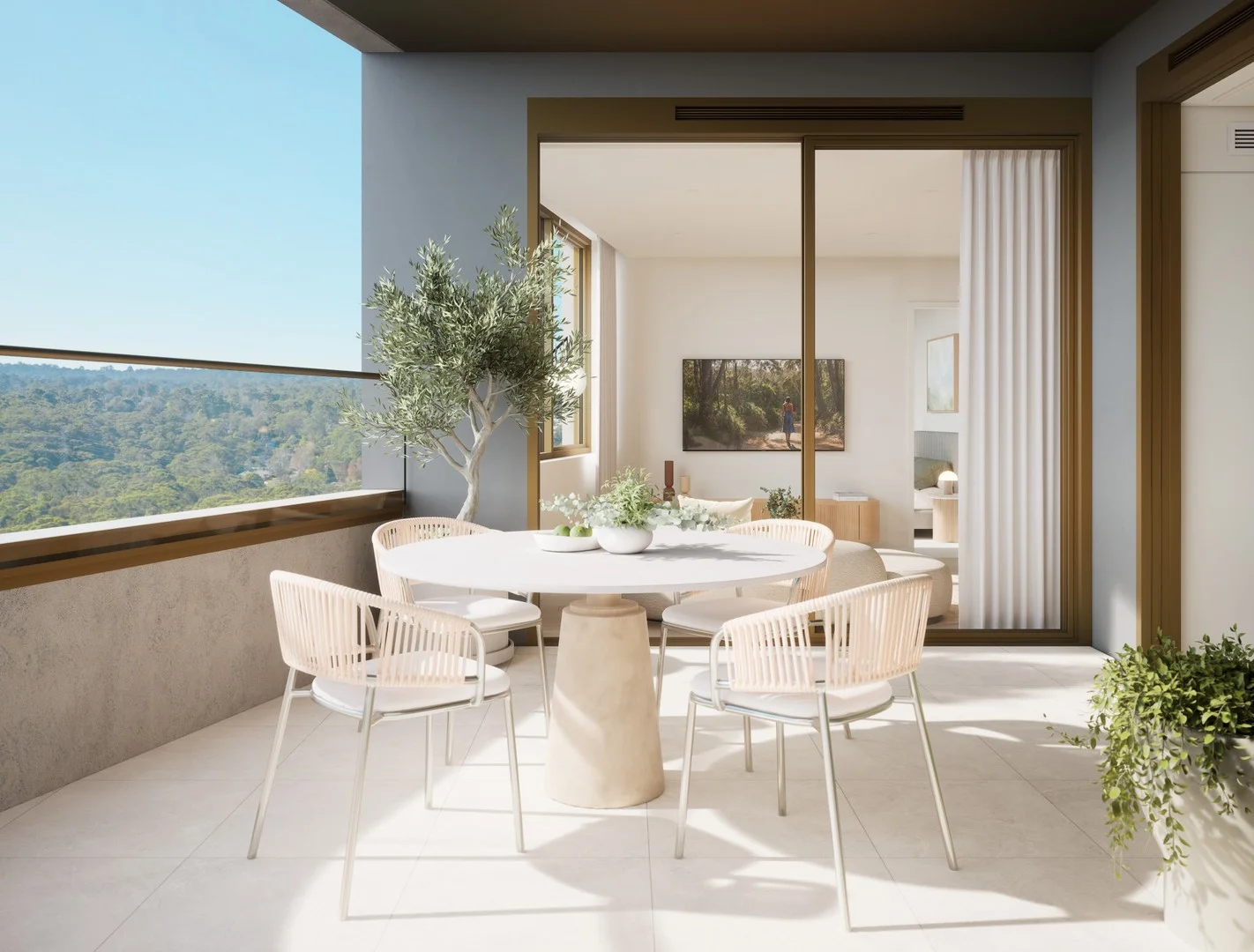 $1,525,000
Apartment / Unit / Flat
$1,525,000
Apartment / Unit / Flat
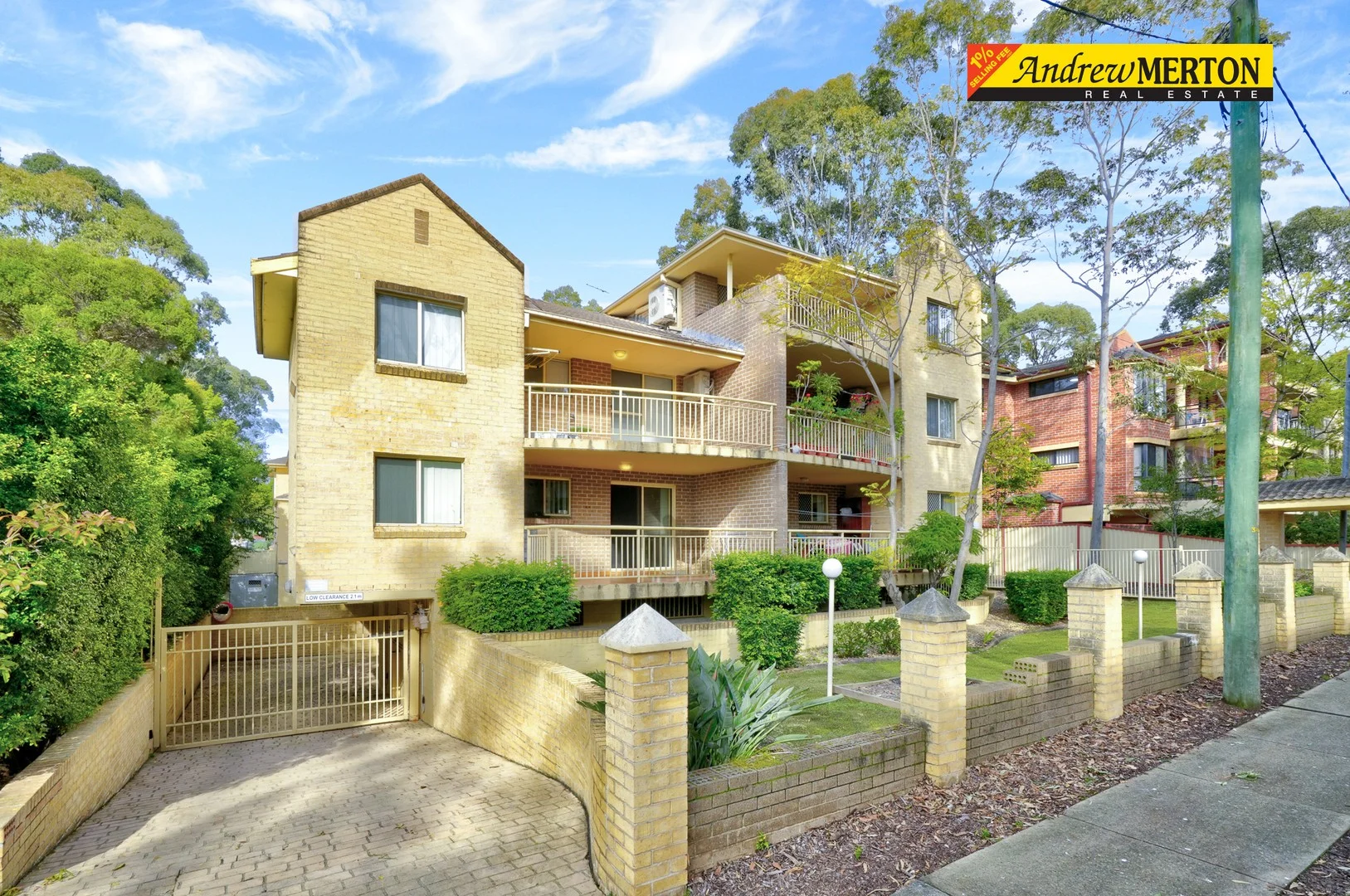 $530,000
Apartment / Unit / Flat
$530,000
Apartment / Unit / Flat
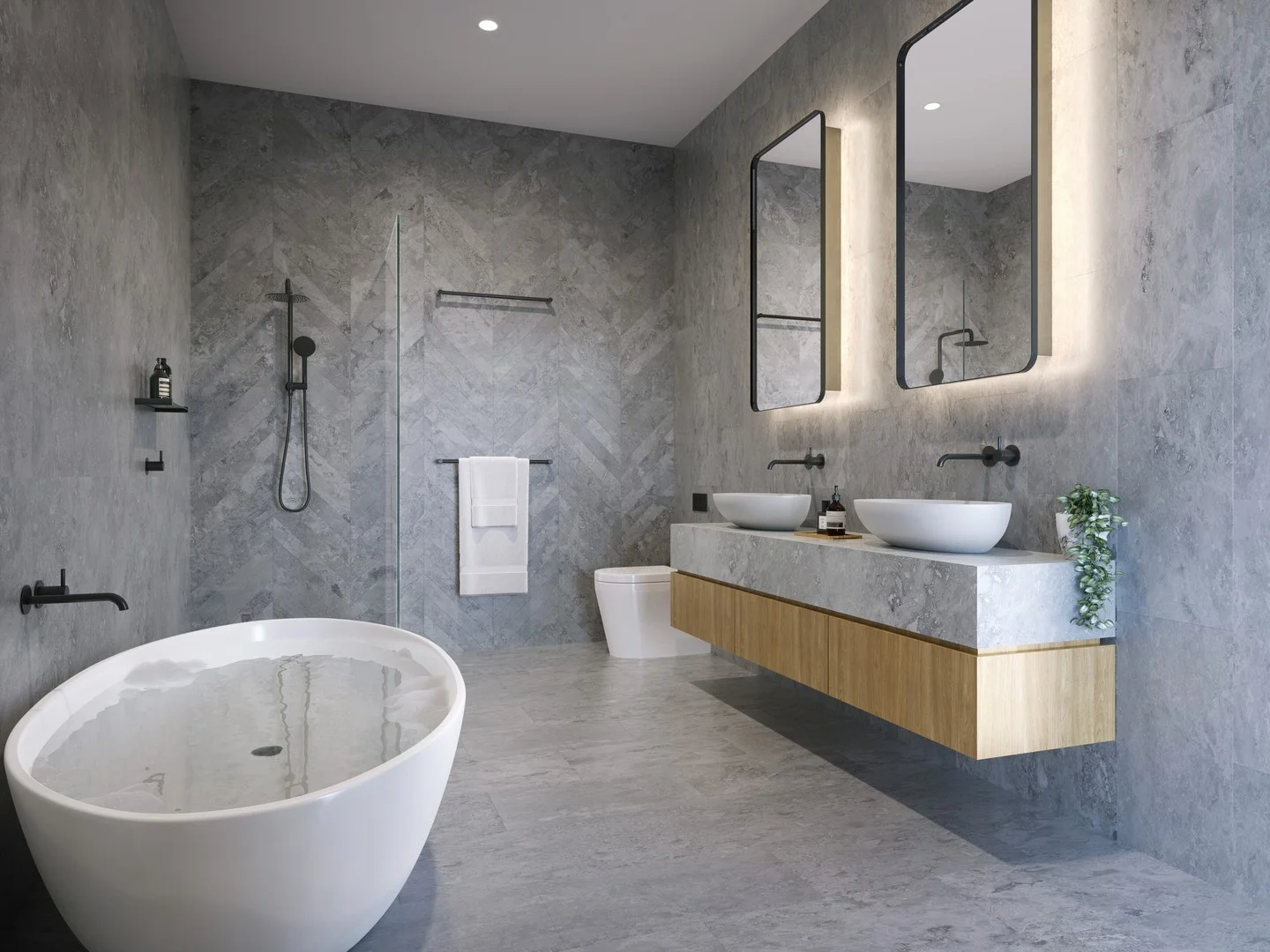 $2,824,000
Apartment / Unit / Flat
$2,824,000
Apartment / Unit / Flat
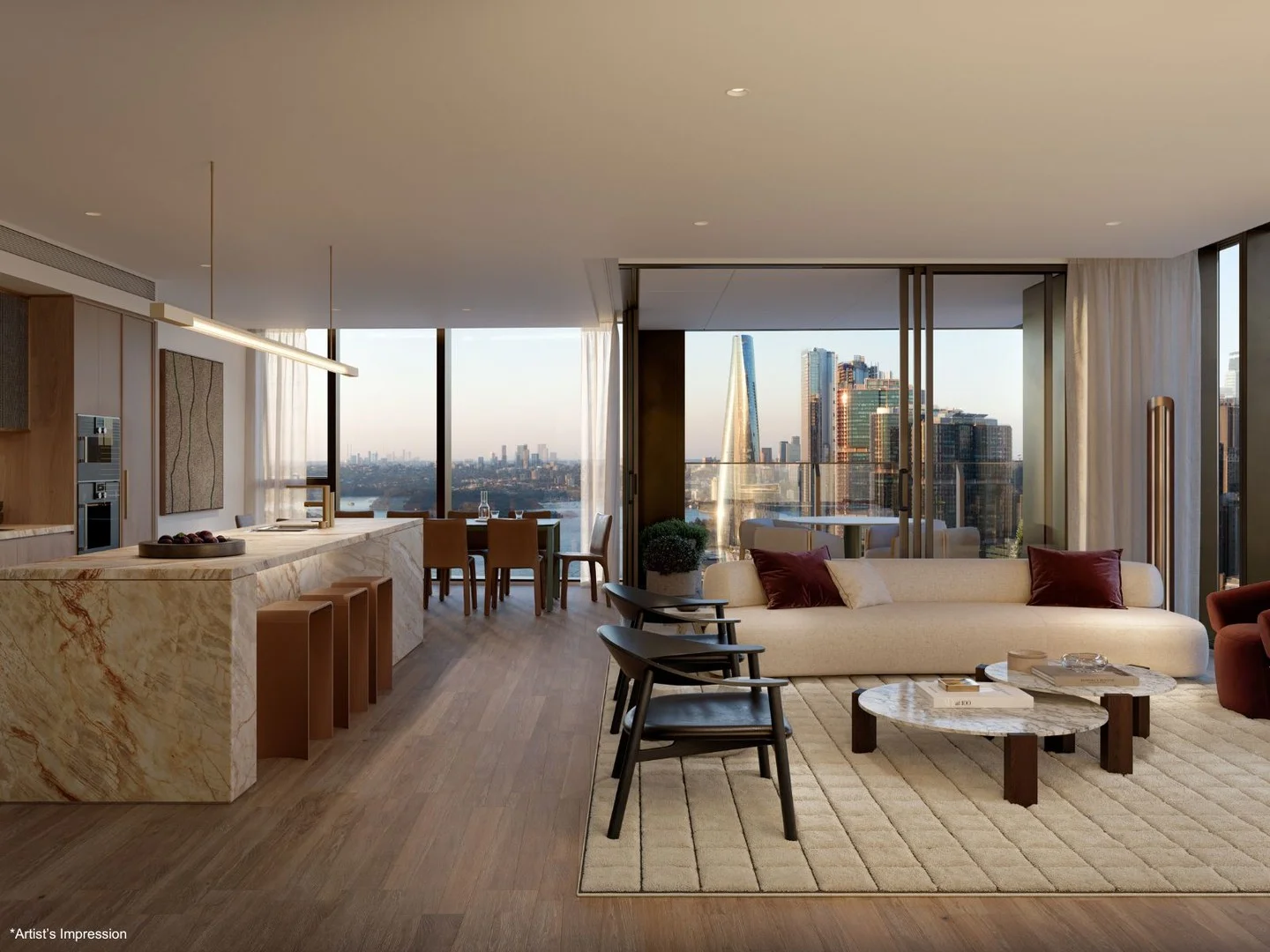 $12,980,000
propertyType.NEW APARTMENTS / OFF THE PLAN
$12,980,000
propertyType.NEW APARTMENTS / OFF THE PLAN
 $6,225,000
propertyType.NEW APARTMENTS / OFF THE PLAN
$6,225,000
propertyType.NEW APARTMENTS / OFF THE PLAN
 $8,630,000
propertyType.NEW APARTMENTS / OFF THE PLAN
$8,630,000
propertyType.NEW APARTMENTS / OFF THE PLAN
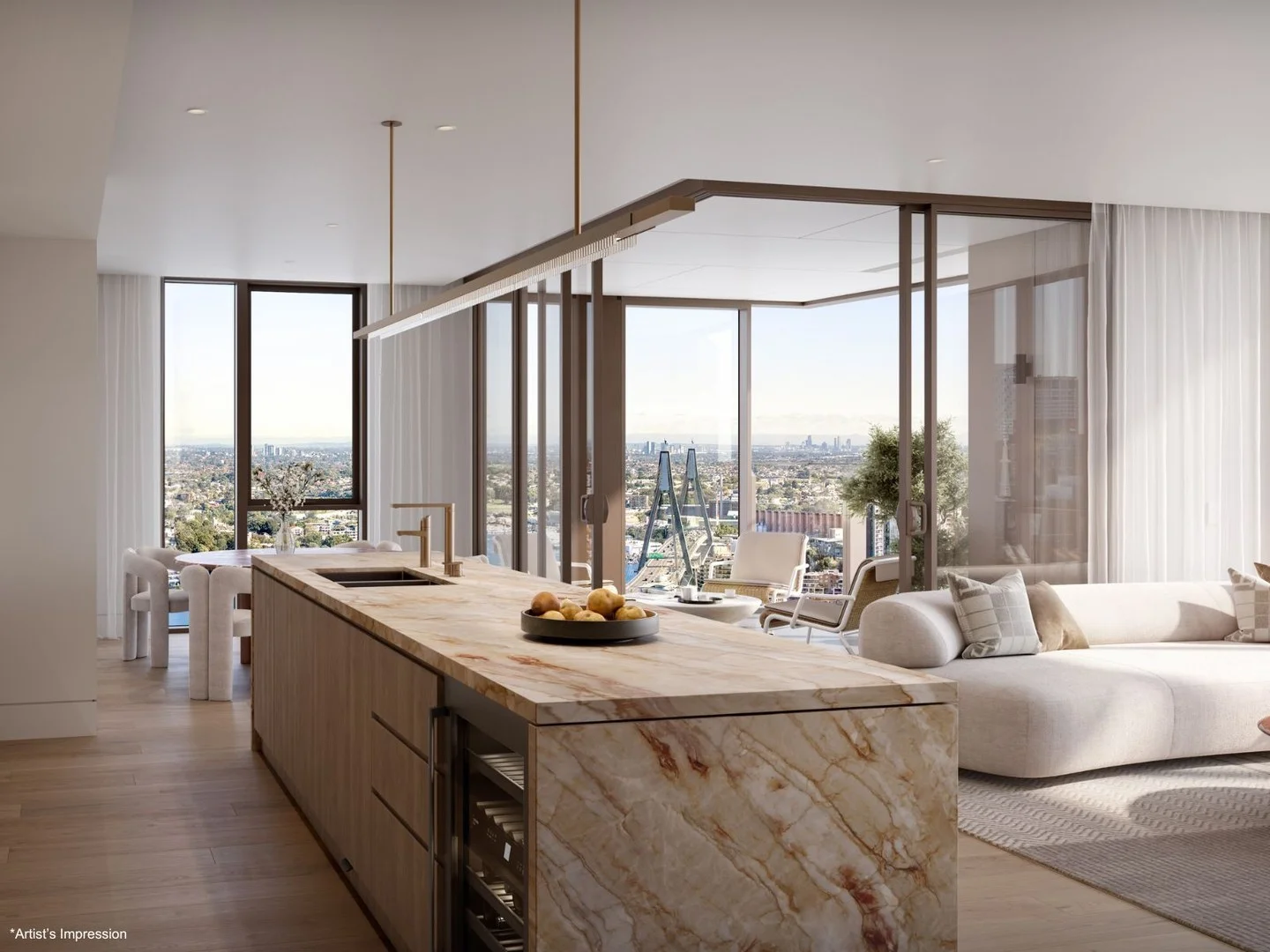 $9,020,000
propertyType.NEW APARTMENTS / OFF THE PLAN
$9,020,000
propertyType.NEW APARTMENTS / OFF THE PLAN
 $26,550,000
propertyType.NEW APARTMENTS / OFF THE PLAN
$26,550,000
propertyType.NEW APARTMENTS / OFF THE PLAN