1. Overview
St Ambrose Catholic Primary School is a Catholic primary school designed to nurture faith, learning, and community in Concord West. The school emphasises values-based education within a supportive, inclusive environment where students are encouraged to grow academically, socially and spiritually.
- School type: Catholic primary
- School size: small to medium
- Class size: typically around 20–25 students per class
- Atmosphere/culture: nurturing, inclusive, faith-centered, with a focus on strong community connections
2. Academics & Learning
- Academic strengths: Strong foundations in English and literacy, numeracy, and Religious Education, with integrated digital literacy and critical thinking skills woven throughout the curriculum.
- Special programs: Regular Catholic Education programs; opportunities for leadership roles and student-selected school projects; supportive learning pathways for gifted and talented learners where available.
- NAPLAN / trends: Local trends typically reflect steady progress and alignment with NSW state averages, with a focus on improving literacy and numeracy outcomes year over year.
- Student-teacher ratios: Class sizes around 20–25 students, with a teacher present in each classroom to support individual learning needs.
- Support for diverse learners: EAL (English as an Additional Language) support where needed; inclusive education practices; SEN coordination and access to school-based support personnel and referrals as appropriate.
3. Sports & Extracurricular Strengths
- Sports offered: Soccer, basketball, netball, cricket, athletics, and general fitness activities commonly featured in the school program.
- Strong teams or achievements: Participation in local and diocesan school competitions; emphasis on teamwork, fair play, and personal improvement.
- Music, arts, drama programs: School choir, school performances and opportunities to engage in music and drama activities.
- Clubs: Robotics, coding, chess, debating and other lunchtime or after-school clubs as available.
- Partnerships: Collaboration with local community groups, parish activities, and regional school sport programs to provide broader competition and enrichment opportunities.
4. Wellbeing & Pastoral Care
- Anti-bullying approach: Clear anti-bullying policies, age-appropriate programs, and a supportive culture that encourages reporting and resolution.
- House system: A house-based structure to foster belonging, friendly competition, and leadership opportunities (house activities and events are common).
- Counsellors / wellbeing officers: Access to school-based wellbeing staff or counsellors to support students’ social and emotional needs.
- Transition support for new students: Orientation days, buddy systems, and dedicated transition support to help new students settle in.
5. Facilities
- Sports grounds: Outdoor play spaces and sporting courts suitable for physical education and recess activities.
- Libraries: A school library for reading and research, supported by a librarian or teacher-librarian.
- Science labs: Dedicated spaces or classrooms for science activities and experiments.
- Music/performing arts centers: A space for music lessons, rehearsals, and performances.
- Tech/innovation labs: ICT resources and classroom technology to support digital learning.
- Cafeteria: On-site canteen or cafeteria options for breaks and lunch.
- Updated playgrounds: Modern, safe play areas for recharging and physical play.
6. School Values & Community Culture
- School values / mission: Faith-based education grounded in Catholic values such as respect, compassion, responsibility, and service to others.
- Leadership style: Collaborative and student-inclusive leadership with opportunities for student leadership roles and voice in school life.
- Behaviour expectations: Positive behaviour expectations aligned with school values; consistent routines and restorative practices to support learning.
- Community reputation: Generally positive standing within the local community and parish network, with emphasis on welcoming families from diverse backgrounds.
- Diversity & inclusion: Commitment to inclusivity and supporting students from varied backgrounds and abilities.
7. School Logistics & Daily Operations
- School hours: Typically aligned with NSW primary schedules (morning start and afternoon finish around standard school hours).
- Before/after school care: OSHC or similar programs often available for families needing supervision outside normal hours.
- Uniform requirements: Formal school uniform required; details provided by the school (seasonal changes and dress code expectations).
- Transport (train/bus routes): Public transport options available in the local area; school may provide guidance on bus routes and accessibility.
- Canteen availability: Canteen or lunch facilities available, with standard options for students.
- Fees (low/medium/high ranges): Families typically pay standard school fees and uniforms; specific amounts vary by year and programs.
8. Enrolment & Admissions
11. What is the enrolment process and timeline?
- Generally, families apply through the school's enrolment process, often coordinated or supported by the Catholic Education Diocese. Applications are reviewed, and families are notified about next steps, including interviews or information sessions. Timelines typically align with the Australian school year, with early-year applications encouraged.
12. Is there a waiting list, and how does it work?
- If the school reaches capacity, a waiting list may be established. Parents are notified of their child’s position, and vacancies are filled in order of priority (often by date of application and sibling considerations) as space becomes available.
13. Are there any entry requirements, tests, or interviews?
- Entry may involve a simple information session, application form, and documentation (such as birth and caregiver details, parish information, and immunisation status). Some schools may conduct a brief family interview or orientation meeting to understand the child’s needs and fit with the school community.
14. Does the school accept mid-year transfers?
- Mid-year transfers are considered if there is available space. Enquiries are typically handled on a case-by-case basis, with priority given to current capacity and the student’s needs.
9. Frequently Asked Questions
- Why Parents Choose This School?
- A faith-based, values-driven education with a nurturing environment, strong community connections, and focus on literacy, numeracy, and well-being.
- What type of student thrives at this school?
- Students who value a supportive, inclusive community, faith-informed learning, and balanced development across academics, sport, and the arts.
- What opportunities are available for students to extend their skills (academics, sports, arts)?
- Opportunities include leadership roles, extended literacy and numeracy tasks, sports teams, music and drama activities, and various clubs such as robotics, coding, and debating.
- How does the school communicate with parents?
- Regular channels such as newsletters, the school website, parent-teacher meetings, and digital platforms that share updates on learning, events, and student progress.
- What is the school’s approach to teaching and learning?
- A curriculum that integrates faith with learning, prioritises literacy and numeracy, and uses inclusive teaching practices to support diverse learners.
- How does the school support students who need extra academic help?
- Targeted support within the classroom, intervention programs, and access to school-based support staff as needed.
- What support is available for academic challenges?
- Additional tutoring or targeted interventions, collaboration with families to identify needs, and appropriate referrals to external services if required.
- How does the school communicate with parents? (duplicate)
- See above: newsletters, meetings, and digital platforms.
- What are the class sizes and how much individual attention do students receive?
- Classes typically around 20–25 students, with teachers providing ongoing supervision and differentiated instruction to meet individual needs.
- What extracurricular and sports opportunities are available?
- A range of sports (soccer, basketball, netball, cricket, athletics), music and drama, and clubs such as robotics, coding, chess, and debating.
- What facilities does the school offer (sports, science, arts)?
- Sports grounds, library, science labs, music/performing arts spaces, technology labs, canteen, and updated play areas.
- What is the school’s approach to technology and digital learning?
- Integration of ICT into the curriculum, with access to devices and digital resources to support learning.
- What transport and accessibility options are available?
- Local transport options (bus/train) and guidance on routes; accessibility considerations are typically provided by the school or local council.
- What are the typical school fees or additional costs?
- School fees and uniform costs are standard for NSW Catholic primary schools; exact amounts are provided by the school and updated annually.
10. Short Pros & Cons list
Pros
- Catholic faith-based environment with values-focused education
- Small to medium class sizes promoting individual attention
- Supportive, inclusive culture with strong pastoral care
- Range of academic, sport, arts, and club opportunities
- Active community connections with parish and local groups
Cons
- Fees and uniform costs can be a consideration for families
- Capacity limits may affect immediate availability for new families (waiting lists)
- Specific programs and facilities may vary by year and funding
Note: This profile is based on generalized characteristics of NSW Catholic primary schools and common features at St Ambrose Catholic Primary School in Concord West. For precise, up-to-date details (enrolment timelines, current facilities, exact class sizes, and fees), please contact the school directly.








 $36,000,000 - $39,500,000
Vacant Land
$36,000,000 - $39,500,000
Vacant Land
 $1,525,000
Apartment / Unit / Flat
$1,525,000
Apartment / Unit / Flat
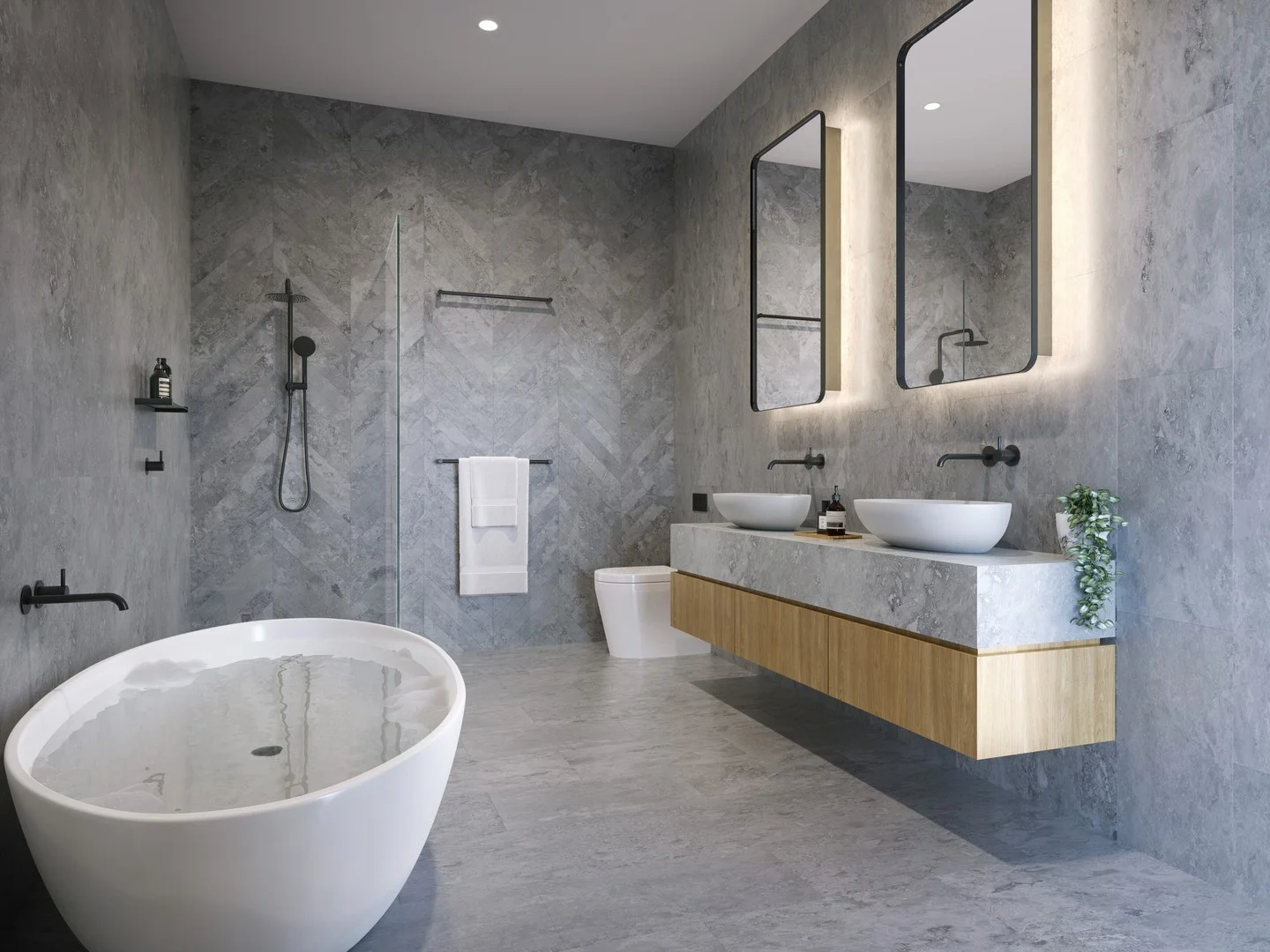 $2,824,000
Apartment / Unit / Flat
$2,824,000
Apartment / Unit / Flat
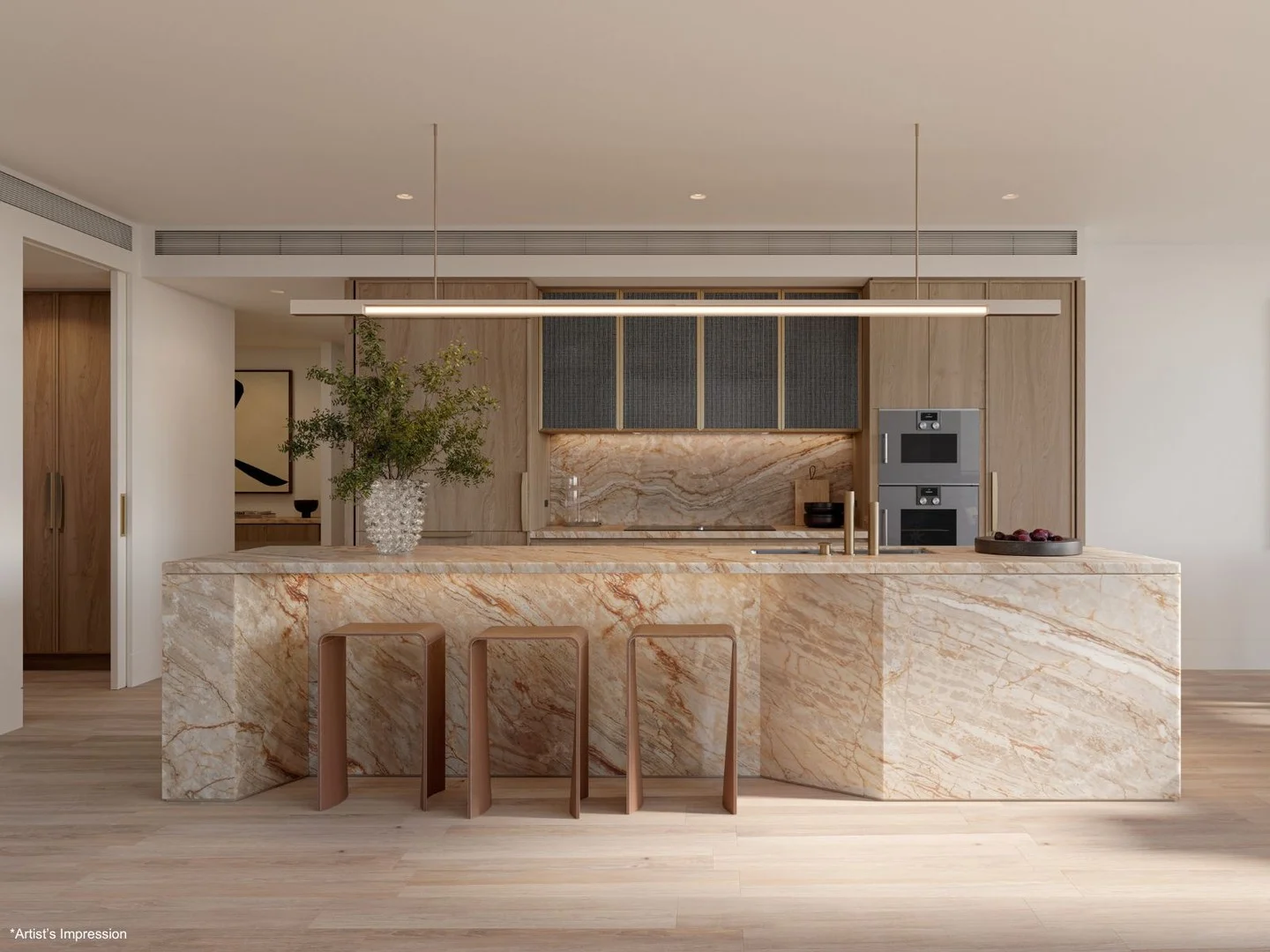 $6,225,000
propertyType.NEW APARTMENTS / OFF THE PLAN
$6,225,000
propertyType.NEW APARTMENTS / OFF THE PLAN
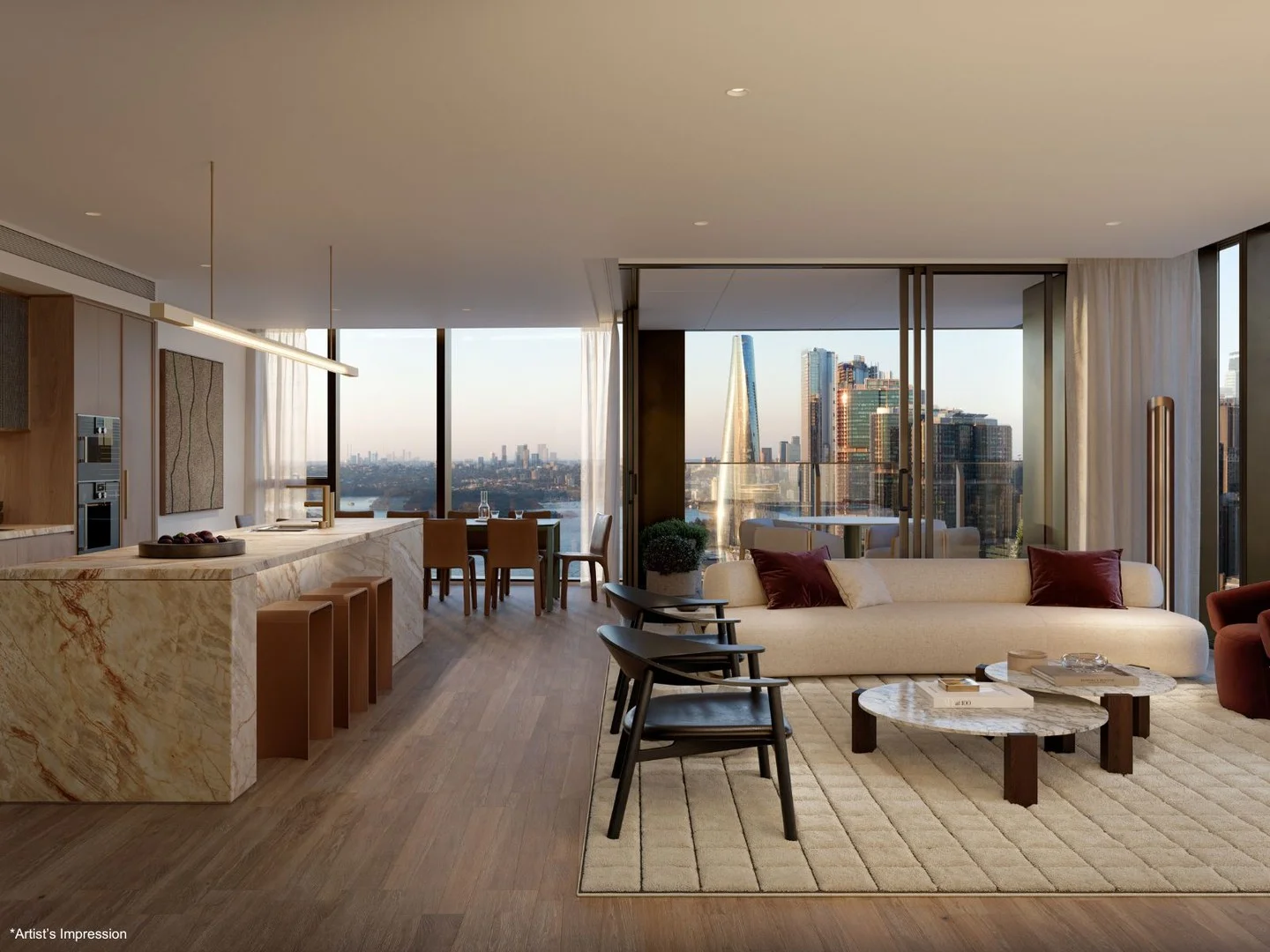 $12,980,000
propertyType.NEW APARTMENTS / OFF THE PLAN
$12,980,000
propertyType.NEW APARTMENTS / OFF THE PLAN
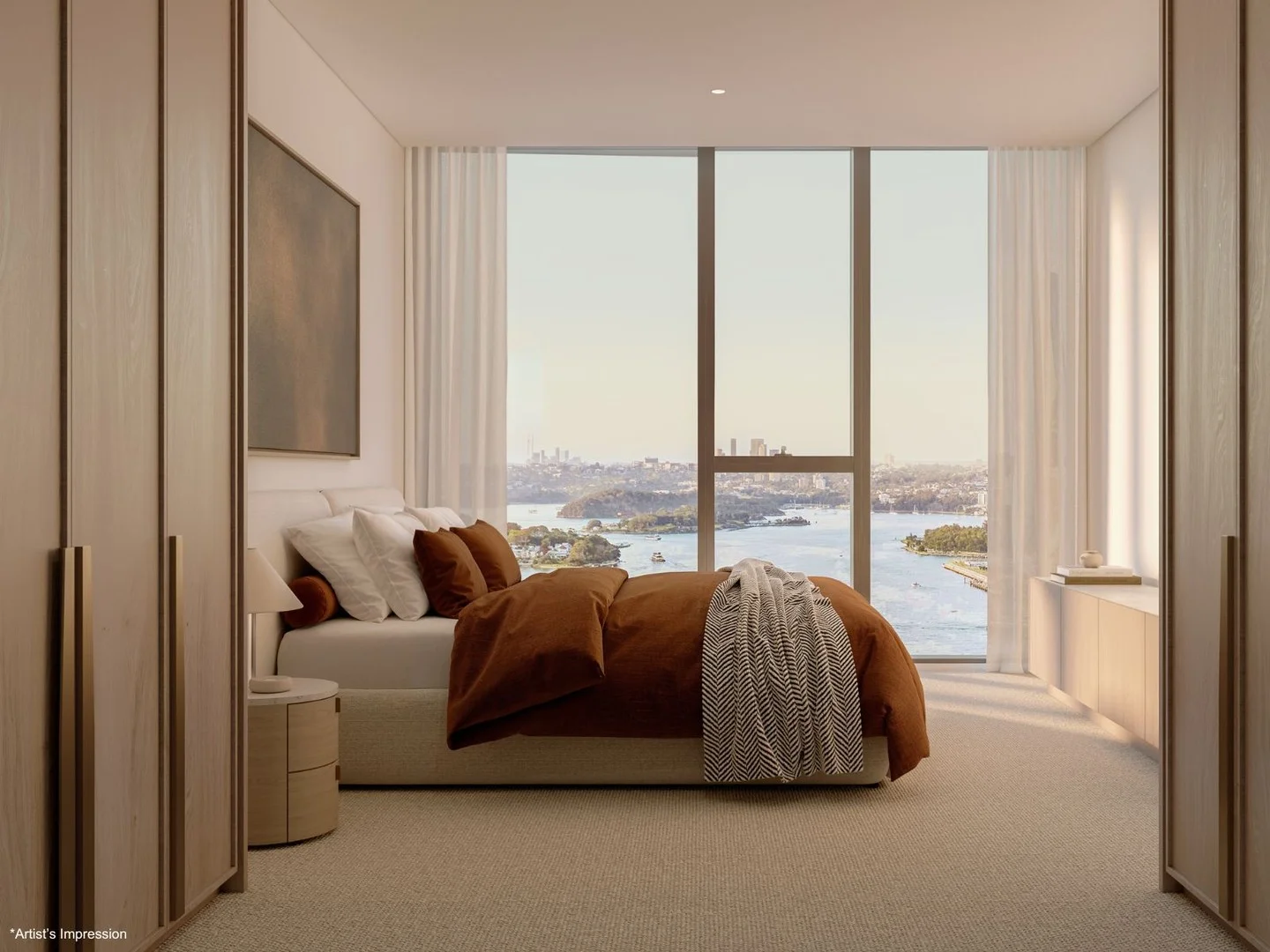 $8,630,000
propertyType.NEW APARTMENTS / OFF THE PLAN
$8,630,000
propertyType.NEW APARTMENTS / OFF THE PLAN
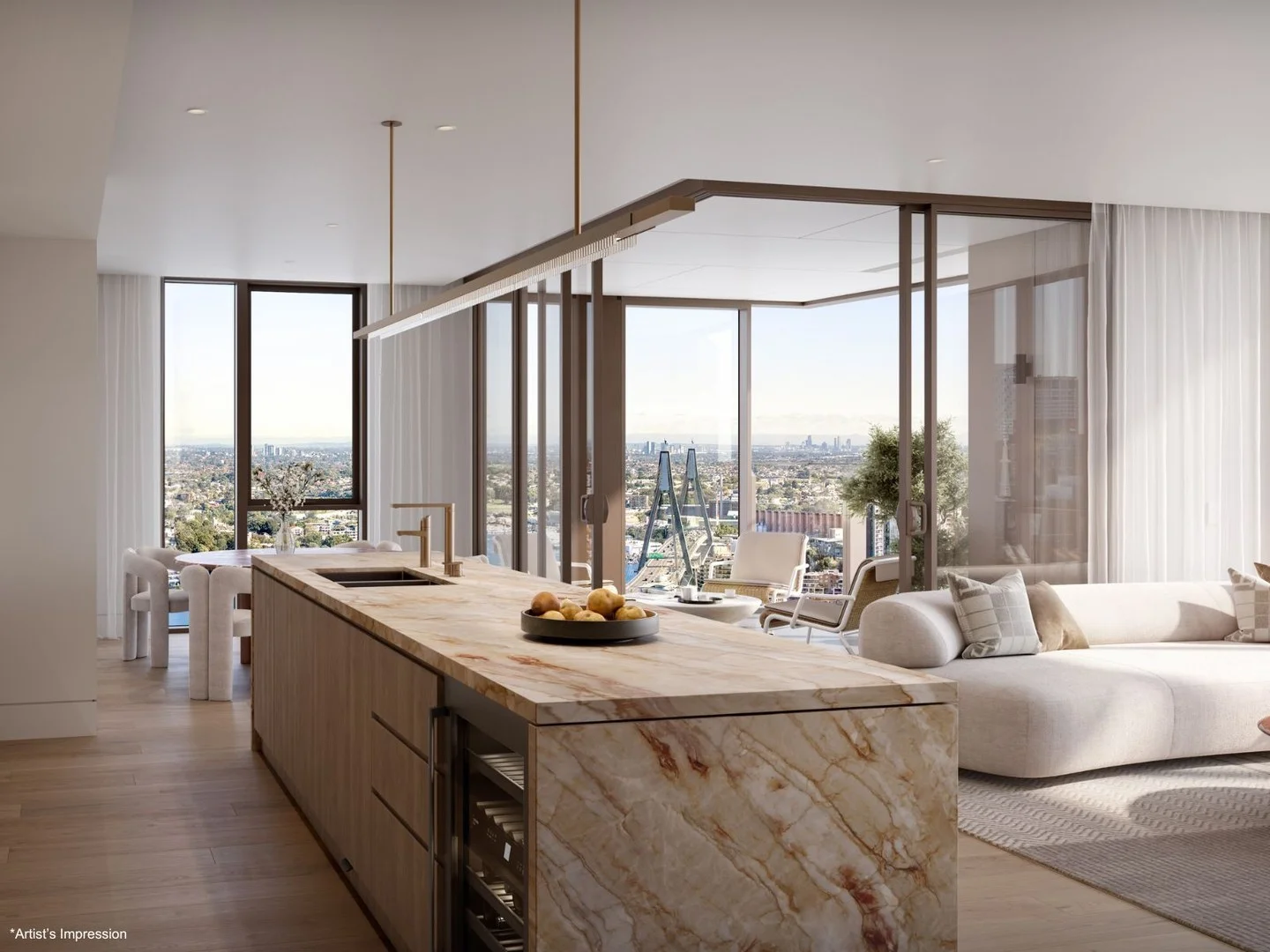 $9,020,000
propertyType.NEW APARTMENTS / OFF THE PLAN
$9,020,000
propertyType.NEW APARTMENTS / OFF THE PLAN
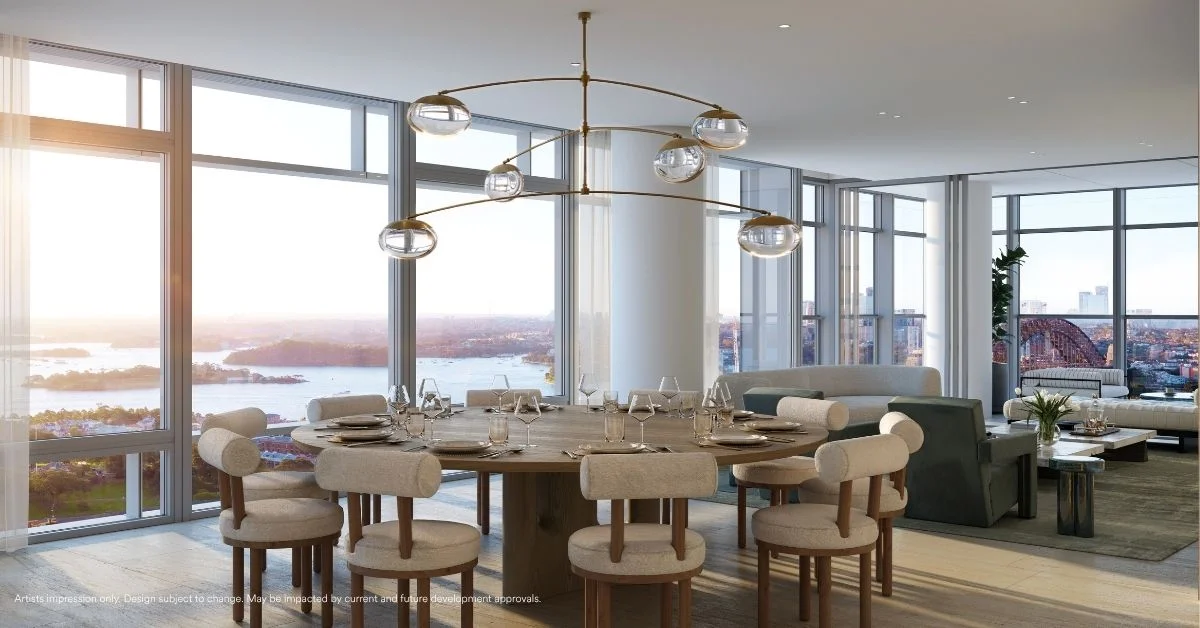 $26,550,000
propertyType.NEW APARTMENTS / OFF THE PLAN
$26,550,000
propertyType.NEW APARTMENTS / OFF THE PLAN
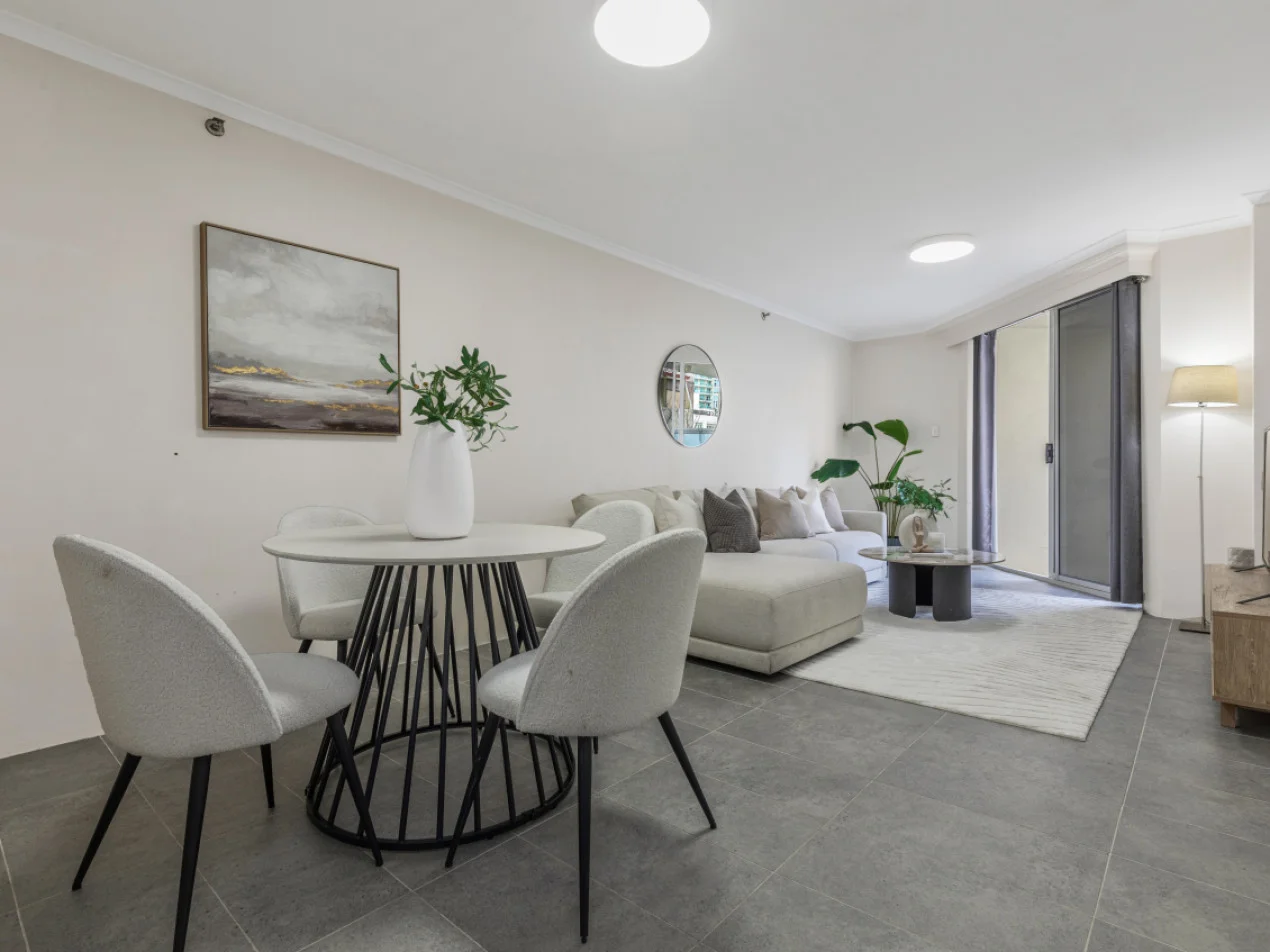 $640,000 - $675,000
Apartment / Unit / Flat
$640,000 - $675,000
Apartment / Unit / Flat


