Overview
1. Overview
Our Lady of the Assumption Catholic Primary School (North Strathfield) is a Catholic primary school that focuses on faith-based education within a nurturing, inclusive community. The school aims to balance strong academic foundations with opportunities for personal growth, leadership, and service. Class sizes are kept small to medium, with typical year-level cohorts around 20–23 students, allowing teachers to provide attentive, individualized support. The overall atmosphere is supportive and family-friendly, with a culture that values respect, collaboration, and responsible citizenship.
2. Academics & Learning
- Academic strengths: Focus on literacy and numeracy with integrated faith formation. The curriculum also emphasizes digital literacy, critical thinking, and STEAM-inspired learning to prepare students for a changing world.
- Special programs: Gifted and Talented identification and extension opportunities, leadership and student-initiated projects, and a strong Religious Education program embedded in all learning.
- NAPLAN / trends: Consistent performance improvements or stability in reading and numeracy over recent years, with targeted supports to address individual learning needs.
- Student-teacher ratios: Generally small-to-medium class sizes (approximately 1:18–1:22 depending on year level), enabling more individualized attention.
- Support for diverse learners: EAL/D support, inclusive education practices, and targeted assistance for students with additional learning needs through in-class support and learning plans.
3. Sports & Extracurricular Strengths
- Sports offered: Soccer, basketball, netball, cricket, athletics, and other local-district activities.
- Strong teams or achievements: Active participation in local fixtures and district competitions; opportunities for students to contribute to school teams and events.
- Music, arts, drama programs: School choir, instrumental or classroom-based music programs, and regular school productions or concerts.
- Clubs: Robotics, coding, chess, debating, and other subject or interest-based clubs; options may vary by year.
- Partnerships: Local community partnerships and diocese-sponsored events; opportunities to participate in inter-school and parish activities.
4. Wellbeing & Pastoral Care
- Anti-bullying approach: Proactive wellbeing framework with clear anti-bullying policies and personalized support, emphasizing respect and positive relationships.
- House system: A house system supports healthy competition, teamwork, and pastoral connection across year levels.
- Counsellors / wellbeing officers: Access to school-based counsellors or wellbeing staff to support social-emotional development and transitions.
- Transition support for new students: Orientation activities, buddy programs, and targeted onboarding to help students settle in smoothly.
5. Facilities
- Sports grounds: On-site sports fields or courts for outdoor activity.
- Libraries: A functional library for reading, research, and author events.
- Science labs: Dedicated spaces for hands-on science exploration.
- Music/performing arts centers: Areas for rehearsals, performances, and creative expression.
- Tech/innovation labs: Resources to support coding, robotics, and project-based learning.
- Cafeteria: On-site canteen or lunch service with healthy options.
- Updated playgrounds: Safe play spaces and outdoor learning areas.
6. School Values & Community Culture
- School values / mission: A faith-informed education that fosters respect, compassion, service, integrity, and community.
- Leadership style: Participatory and supportive, with student leadership opportunities and teacher facilitation that encourages responsibility and initiative.
- Behaviour expectations: Positive-behaviour approach with clear expectations and recognition for positive conduct.
- Community reputation: Known for a welcoming atmosphere, parish connections, and a supportive, inclusive culture.
- Diversity & inclusion: Commitment to diversity and inclusion, with supports for students from varied backgrounds and abilities.
7. School Logistics & Daily Operations
- School hours: Typical daytime schedule (e.g., starting mid-morning and finishing mid-afternoon), with variations by year level and term.
- Before/after school care: Available options for before and after school care or supervision.
- Uniform requirements: Formal school uniform for daily wear plus a sports uniform for physical education and extra-curricular activities; seasonal changes as per policy.
- Transport (train/bus routes): Accessible via local public transport with nearby train stations or bus routes; arrangements for school drop-offs and pick-ups may vary.
- Canteen availability: Canteen or lunch program offering healthy meal options.
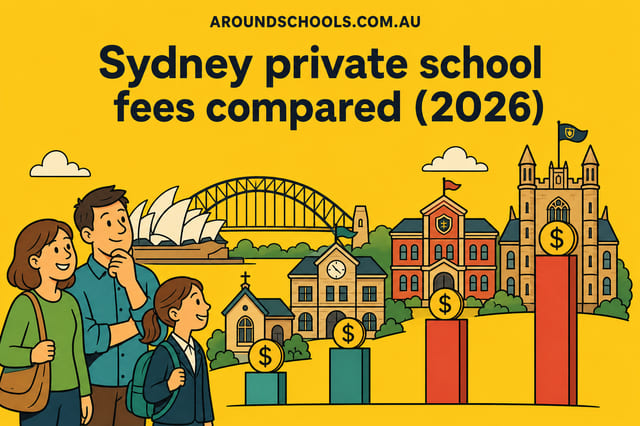
- Fees (low/medium/high ranges): Fees are in the mid-range for NSW Catholic primary schools, with additional costs for certain activities or camps.
8. Enrolment & Admissions
11. What is the enrolment process and timeline?
- Parents typically complete an enrolment application with supporting documents (birth certificate, immunization records, baptism certificate if applicable, etc.). Applications are reviewed by the school, with interviews or family information sessions as part of the process. Offers are made according to a published timeline, with orientation planning for new students.
12. Is there a waiting list, and how does it work?
- Yes, there is often a waiting list. Offers are prioritized based on space availability, with consideration given to siblings, parish proximity, and other standard admission criteria. The school will communicate next steps if a place is not immediately available.
13. Are there any entry requirements, tests, or interviews?
- Entry typically involves an interview with the family and student, and a review of documents. There is usually no formal academic entrance test, but some assessments or discussions may occur to determine support needs or alignment with the program.
14. Does the school accept mid-year transfers?
- Mid-year transfers are considered when spaces are available. Families should provide current school records, reports, and a transition plan. The school will coordinate with the current school to ensure a smooth transfer.
9. Frequently Ask Questions
- Why Parents Choose This School?
- A values-based Catholic education in a welcoming, supportive community; strong academics, pastoral care, and opportunities for leadership and service.
- What type of student thrives at this school?
- Students who value a faith-centered culture, collaborative learning, and a balanced approach to academics, arts, and sport; those who respond to a nurturing environment with clear expectations.
- What opportunities are available for students to extend their skills (academics, sports, arts)?
- Gifted/ Talented extensions, leadership programs, enrichment activities in literacy and numeracy, sports teams, music and drama performances, robotics and coding clubs, and debating.
- How does the school communicate with parents?
- Regular updates through newsletters, portals or apps, parent-teacher meetings, and open lines of communication with teaching and leadership teams.
- What is the school’s approach to teaching and learning?
- A balanced, student-centered approach that integrates faith formation with inquiry-based learning, differentiation to meet diverse needs, and a focus on developing critical thinking and digital literacy.
- How does the school support students who need extra academic help?
- Targeted in-class supports, learning plans, specialist or teacher aide assistance, EAL/D and SEN supports, and ongoing progress monitoring.
- What support is available for academic challenges?
- Small-group or one-on-one interventions, assessment-driven planning, and collaboration with families to set achievable goals and track progress.
- How does the school communicate with parents? (duplicate)
- See above: regular updates, meetings, and accessible channels for ongoing dialogue.
- What are the class sizes and how much individual attention do students receive?
- Class sizes are small-to-medium, typically around 20–23 students, with many opportunities for individual teacher attention through purposeful grouping and targeted support.
- What extracurricular and sports opportunities are available?
- Sports teams across common school sports, music and drama programs, clubs in robotics, coding, chess, debating, and other enrichment activities.
- What facilities does the school offer (sports, science, arts)?
- Sports grounds, library, science labs, performing arts spaces, tech/innovation labs, canteen, and updated outdoor play areas.
- What is the school’s approach to technology and digital learning?
- Integrated digital literacy across the curriculum, access to devices and software, and a focus on responsible online learning and critical thinking.
- What transport and accessibility options are available?
- Access via public transport routes and local drop-off/pick-up arrangements; information on accessibility and support for families with specific needs is provided by the school.
- What are the typical school fees or additional costs?
- Fees fall in the mid-range for NSW Catholic primary schools, with potential additional costs for books, camps, uniforms, and certain activities.
10. Short Pros & Cons list
Pros
- Strong sense of community and faith-based learning
- Small-to-medium class sizes enabling personalized attention
- Balanced focus on academics, wellbeing, and character development
- Active opportunities in sports, arts, and clubs
- Clear pastoral care and transition support for new students
Cons
- Fees align with mid-range for NSW Catholic primary schools, which may be higher than public options
- Availability of places can be subject to waiting lists or parish priorities
- Extracurricular slots may depend on staffing and space; some programs may have limited capacity at peak times
Note: This content is a draft designed to help families understand the school’s likely offerings. Please confirm specific details with the school to ensure accuracy and reflect current programs, facilities, timetables, and admissions processes.










 $36,000,000 - $39,500,000
Vacant Land
$36,000,000 - $39,500,000
Vacant Land
 $1,525,000
Apartment / Unit / Flat
$1,525,000
Apartment / Unit / Flat
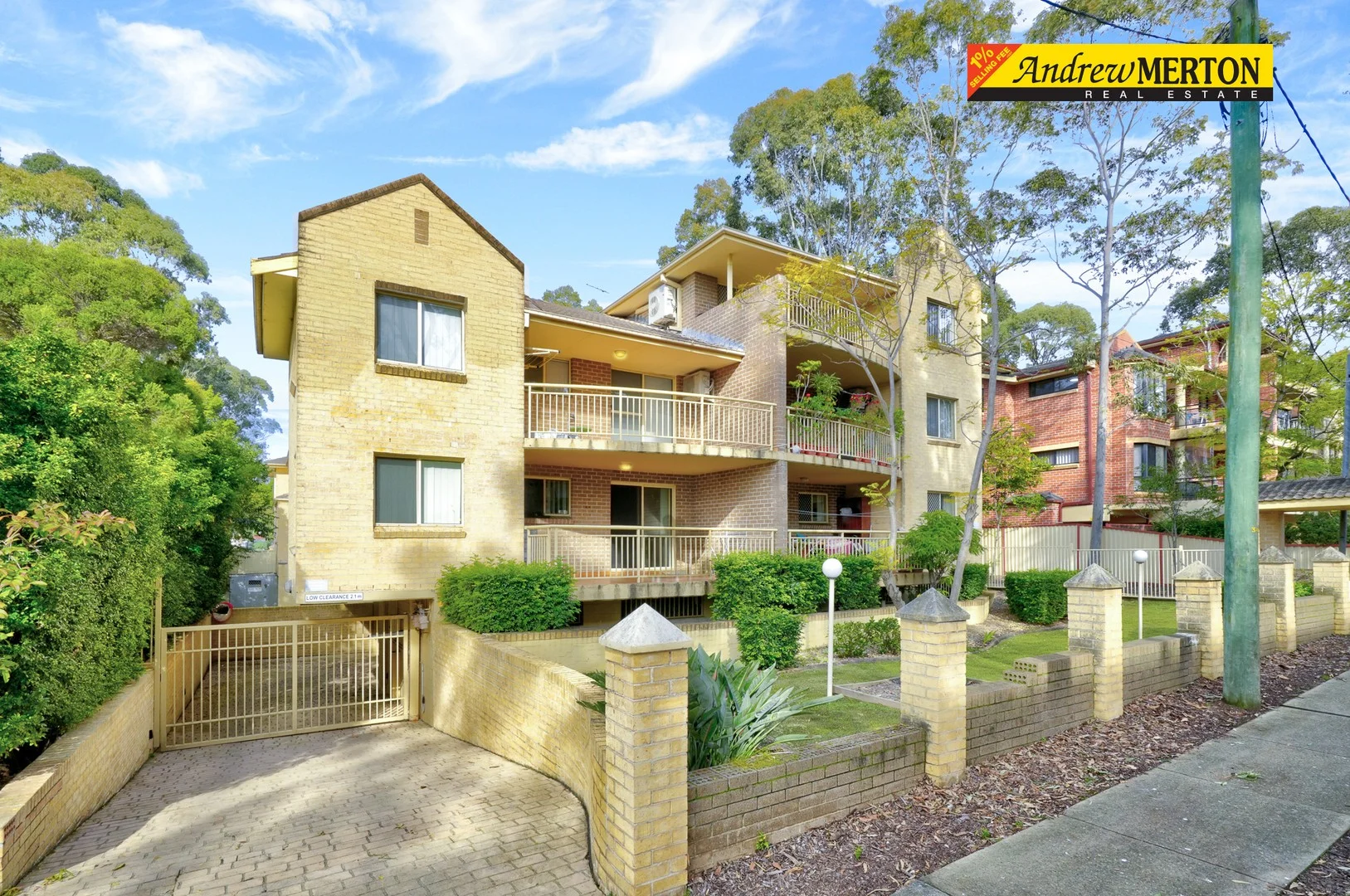 $530,000
Apartment / Unit / Flat
$530,000
Apartment / Unit / Flat
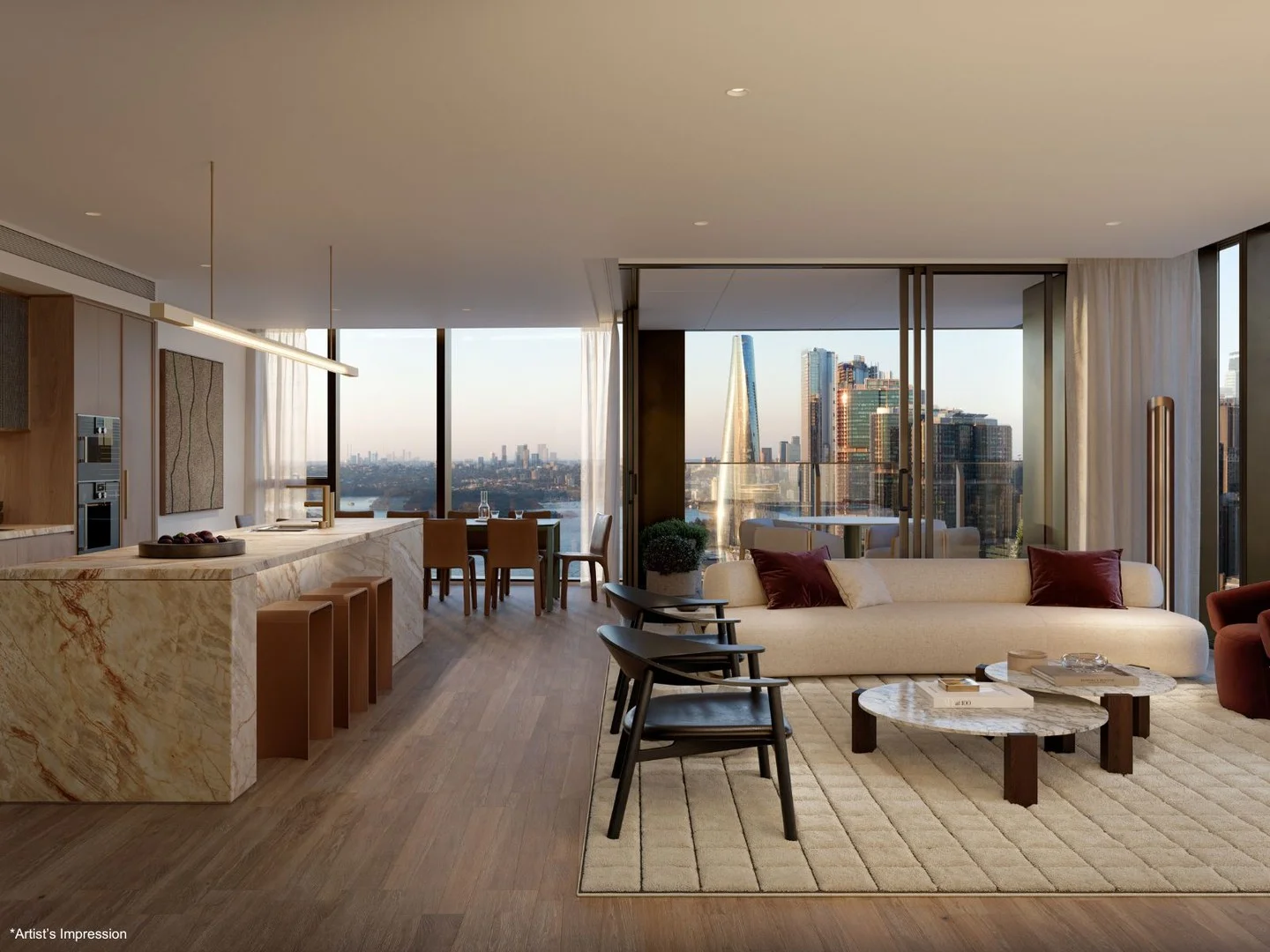 $12,980,000
propertyType.NEW APARTMENTS / OFF THE PLAN
$12,980,000
propertyType.NEW APARTMENTS / OFF THE PLAN
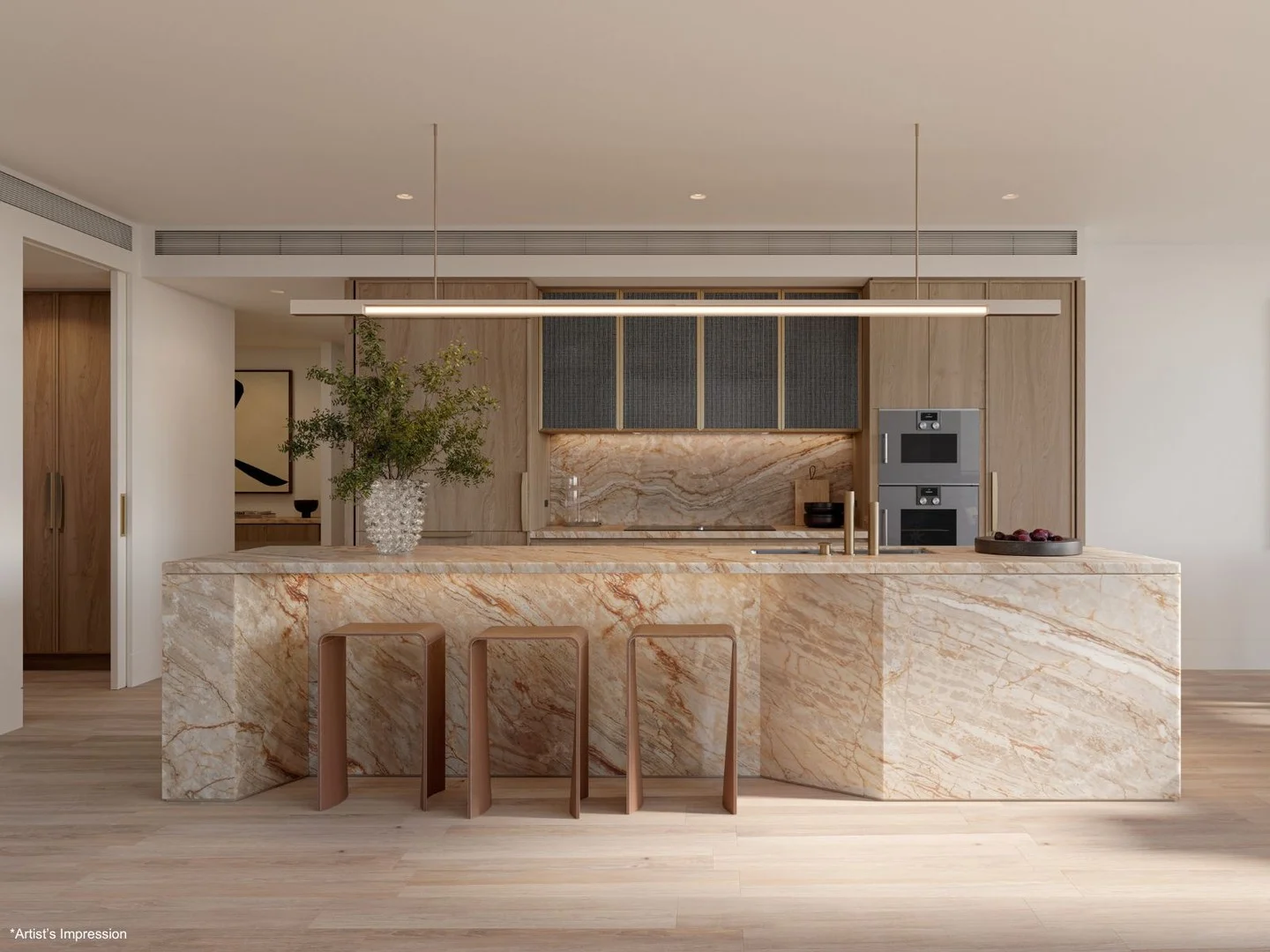 $6,225,000
propertyType.NEW APARTMENTS / OFF THE PLAN
$6,225,000
propertyType.NEW APARTMENTS / OFF THE PLAN
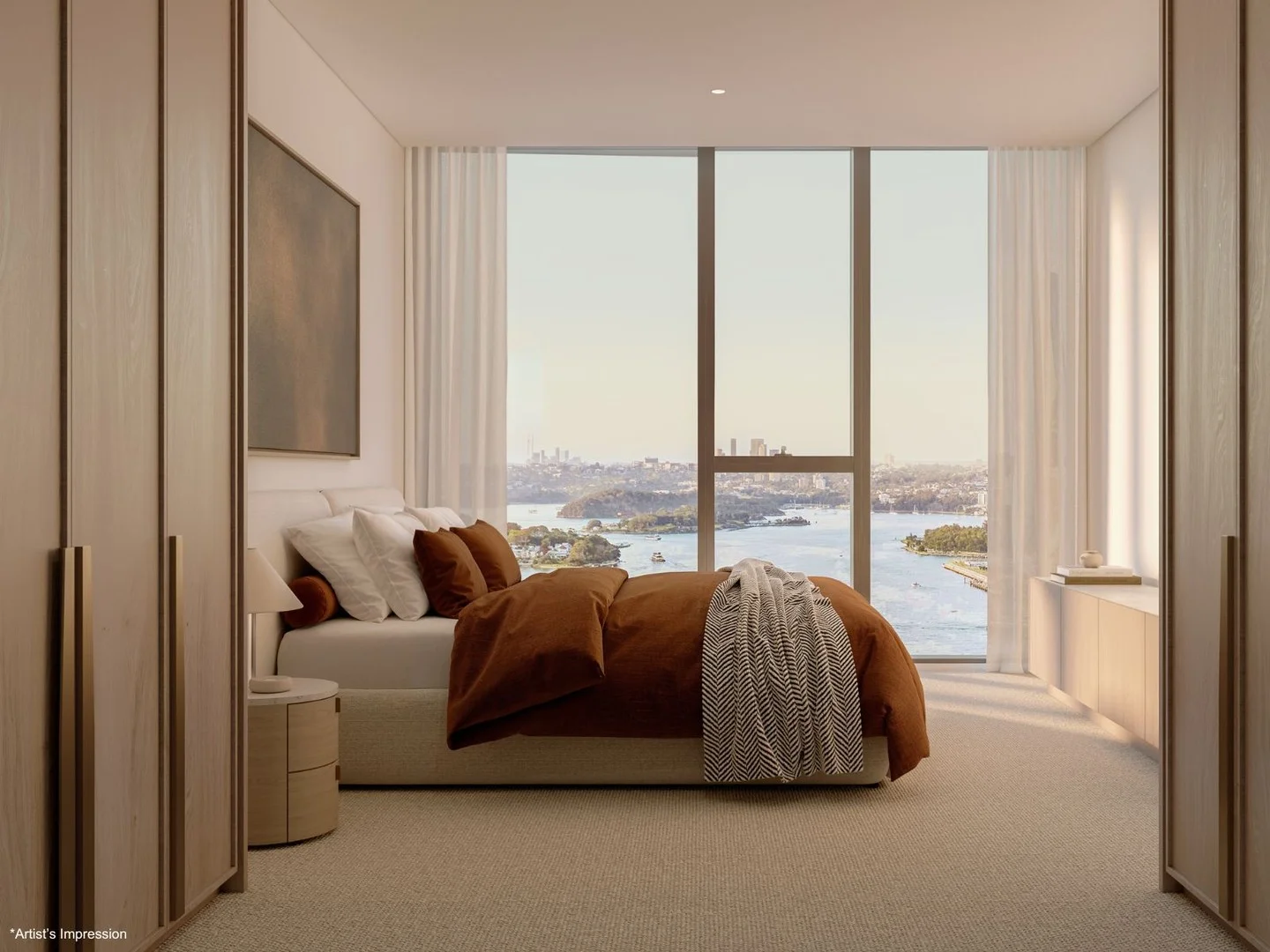 $8,630,000
propertyType.NEW APARTMENTS / OFF THE PLAN
$8,630,000
propertyType.NEW APARTMENTS / OFF THE PLAN
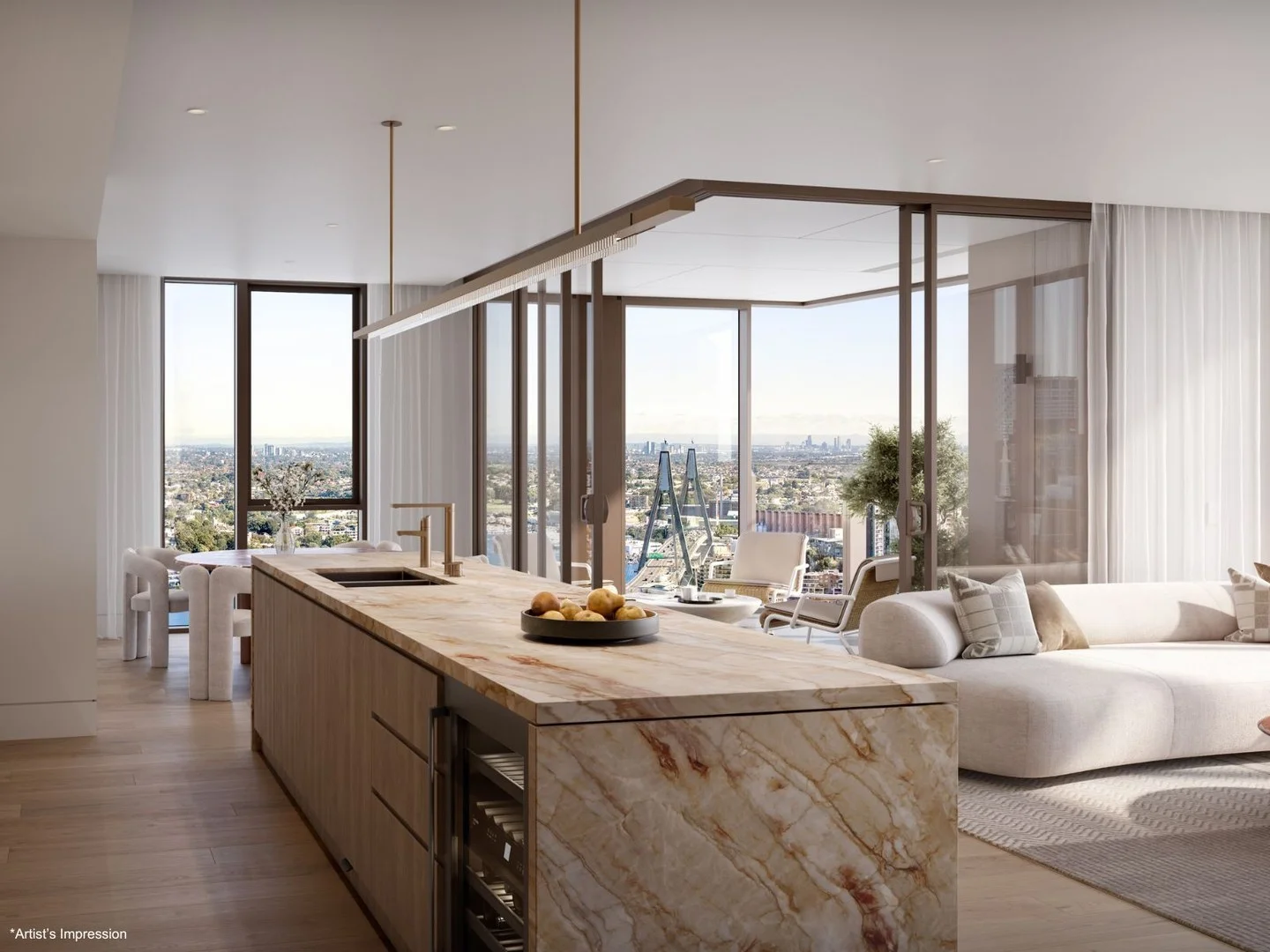 $9,020,000
propertyType.NEW APARTMENTS / OFF THE PLAN
$9,020,000
propertyType.NEW APARTMENTS / OFF THE PLAN
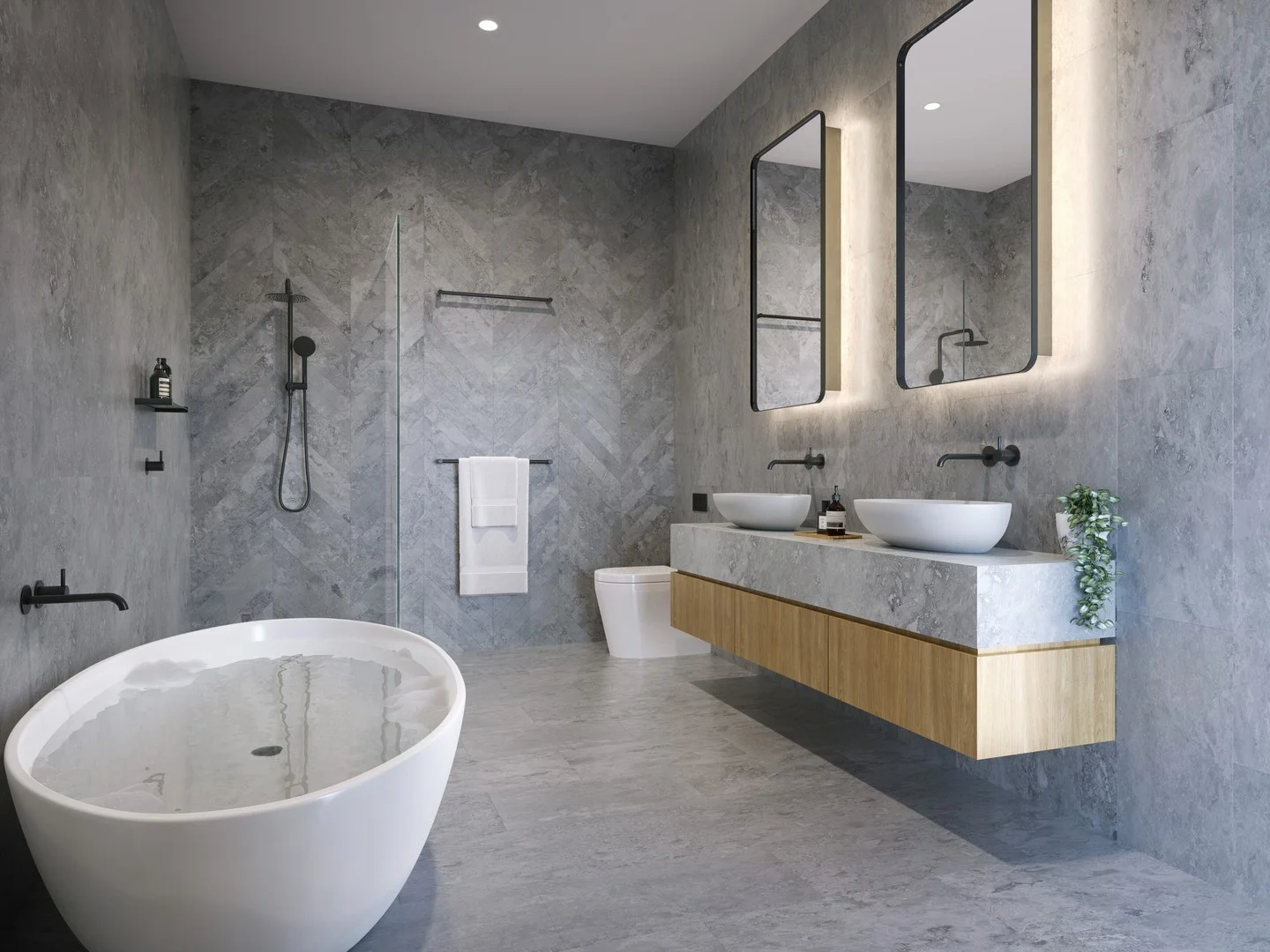 $2,824,000
Apartment / Unit / Flat
$2,824,000
Apartment / Unit / Flat
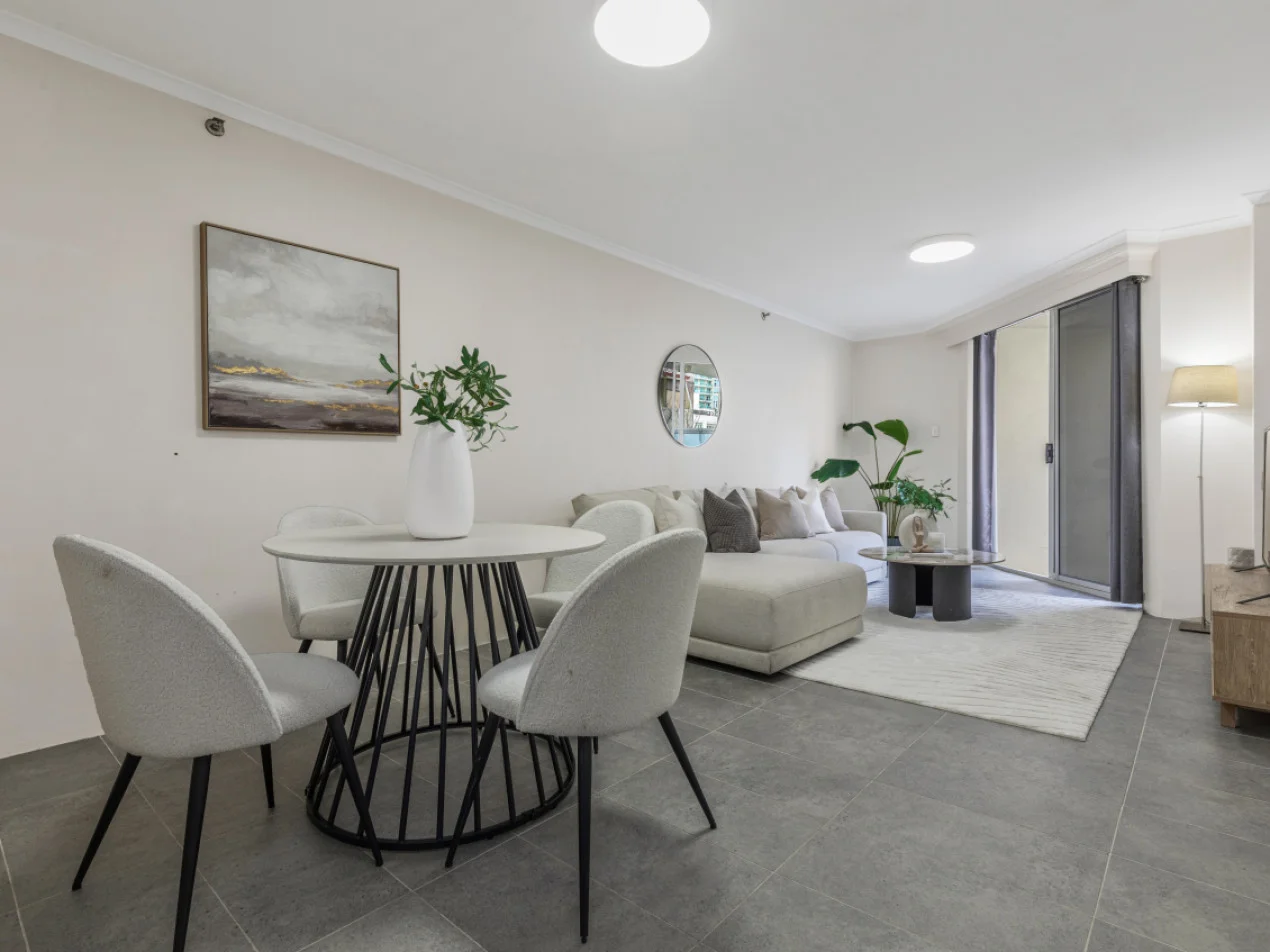 $640,000 - $675,000
Apartment / Unit / Flat
$640,000 - $675,000
Apartment / Unit / Flat