Note: This is draft content to support Aroundschools for Crafers Primary School (SA). Please verify all specifics (numbers, programs, and policies) with the school or official sources before publishing.
## 1. Overview
- School type: Public primary school
- School size: Small to medium
- Class size: Typically in the range seen in public primary settings (roughly mid-teens to low twenties per class)
- Atmosphere/culture: Nurturing, inclusive, community-focused with an emphasis on student wellbeing and belonging
## 2. Academics & Learning
- Academic strengths: Emphasis on core literacy and numeracy, with a focus on inquiry-based learning and student engagement
- Special programs: Possible pathways for gifted/talented students, support for diverse learners (including SEN and EAL/D), and opportunities in arts and STEM integration
- NAPLAN / Ofsted trends: For specifics, consult the school or state reporting; trends are best understood through year-by-year progress and longitudinal data published by the education department
- Student-teacher ratios: Typically small-to-medium primary-class ratios, enabling accessible teacher support
- Support for diverse learners: Dedicated supports for EAL/D and students with diverse learning needs, along with differentiated instruction within classrooms
## 3. Sports & Extracurricular Strengths
- Sports offered: Broad range of school sporting activities as part of PE and after-school programs (in line with Australian primary school practice)
- Strong teams or achievements: Schools of this size often participate in local inter-school events and termly competitions; details should be confirmed with the school
- Music, arts, drama programs: Opportunities in music and performing arts typically integrated into the timetable or through after-school programs
- Clubs: Robotics, coding, chess, debating, and other STEM or humanities clubs commonly offered
- Partnerships: Possible connections with local clubs, community groups, or regional competitions to broaden opportunities
## 4. Wellbeing & Pastoral Care
- Anti-bullying approach: Positive behaviour and anti-bullying policies designed to create a respectful school culture
- House system: A house or pastoral structure to foster belonging and healthy competition (if applicable)
- Counsellors / wellbeing officers: Access to school-based wellbeing staff or counsellors to support student wellbeing
- Transition support for new students: Buddy programs, orientation activities, and targeted support to help new students settle in
## 5. Facilities
- Sports grounds: On-site play and sports facilities appropriate to primary students
- Libraries: School library supporting reading and research
- Science labs: Dedicated spaces or practical science areas for hands-on learning
- Music/performing arts centers: Facilities or dedicated spaces for music and drama activities
- Tech/innovation labs: Access to digital learning tools and coding/tech activities
- Cafeteria: On-site canteen or lunch facilities
- Updated playgrounds: Age-appropriate play spaces and equipment
## 6. School Values & Community Culture
- School values / mission: Focus on respect, curiosity, inclusion, and life-long learning
- Leadership style: Likely collaborative and student-centered, with opportunities for student voice
- Behaviour expectations: Clear positive-behaviour framework to guide classroom and playground conduct
- Community reputation: Strong community involvement typical of local public schools
- Diversity & inclusion: Emphasis on an inclusive environment that welcomes students from diverse backgrounds
## 7. School Logistics & Daily Operations
- School hours: Standard primary school hours (consult the school for exact times)
- Before/after school care: Availability of before/after school care or wrap-around programs
- Uniform requirements: School uniform policy in line with public school expectations
- Transport (train/bus routes): School transport options typically include public transport connections and/or bus routes
- Canteen availability: On-site canteen or arrangements for student meals
- Fees (low/medium/high ranges): Public primary schools generally have modest fees beyond standard uniforms and activities; confirm current costs with the school
## 8. Enrolment & Admissions
11. What is the enrolment process and timeline?
- Inquiry and information gathering with the school
- Submission of the standard enrolment form and supporting documents
- Placement decisions aligned with availability and policy timelines
12. Is there a waiting list, and how does it work?
- Waiting lists may operate when vacancies are limited; placement often depends on space and pastoral considerations
13. Are there any entry requirements, tests, or interviews?
- Public primary schools typically do not require entrance exams; some schools may host information sessions or initial interviews to support transition
14. Does the school accept mid-year transfers?
- Mid-year transfers may be possible if space is available; timelines and process should be confirmed with the school
## 9. Frequently Asked Questions
- Why Parents Choose This School?
- A welcoming, community-focused environment with strong support for wellbeing, learning, and belonging
- What type of student thrives at this school?
- Curious, respectful, engaged students who participate in both academics and community activities
- What opportunities are available for students to extend their skills (academics, sports, arts)?
- Access to core academics plus clubs and programs in STEM, arts, coding, debating, and sports; involvement in local competitions and performances
- How does the school communicate with parents?
- Regular newsletters, emails, and parent meetings; updates likely via the school's preferred communication channels
- What is the school’s approach to teaching and learning?
- Australian Curriculum-aligned, student-centered, with differentiation and inquiry-based learning to meet diverse needs
- How does the school support students who need extra academic help?
- Differentiated instruction, targeted support within the classroom, and access to learning support staff or programs
- What support is available for academic challenges?
- In-class adjustments, progress monitoring, and targeted interventions as part of a holistic approach
- How does the school communicate with parents?
- See above (consistent parent communications via official channels)
- What are the class sizes and how much individual attention do students receive?
- Class sizes are typical for a public primary setting, with opportunities for teacher check-ins and small-group support
- What extracurricular and sports opportunities are available?
- A range of sporting, arts, and club options, including robotics, coding, chess, debating, and other enrichment activities
- What facilities does the school offer (sports, science, arts)?
- Sports grounds, library, science spaces, music/arts facilities, technology/innovation spaces
- What is the school’s approach to technology and digital learning?
- Integration of technology in daily learning, with digital literacy and coding components
- What transport and accessibility options are available?
- Standard school transport options and accessibility measures; confirm specifics with the school
- What are the typical school fees or additional costs?
- Modest fees beyond uniforms and standard activities; exact amounts vary Year by Year
## 10. Short Pros & Cons list
- Pros
- Supportive, community-focused environment
- Small-to-medium class sizes that facilitate individual attention
- Emphasis on wellbeing and inclusive learning
- Range of enrichment opportunities (arts, STEM, clubs)
- Local involvement and accessible facilities
- Cons
- May have fewer specialized programs than larger, metropolitan schools due to size
- Availability of specific after-school activities may depend on term and staffing
- Transport options may be more limited if you live farther from the campus
If you’d like, I can tailor this draft further with more precise details from the school’s official sources. Just provide any updated numbers, program names, or policies you have, and I’ll incorporate them.
 $40+
$40+








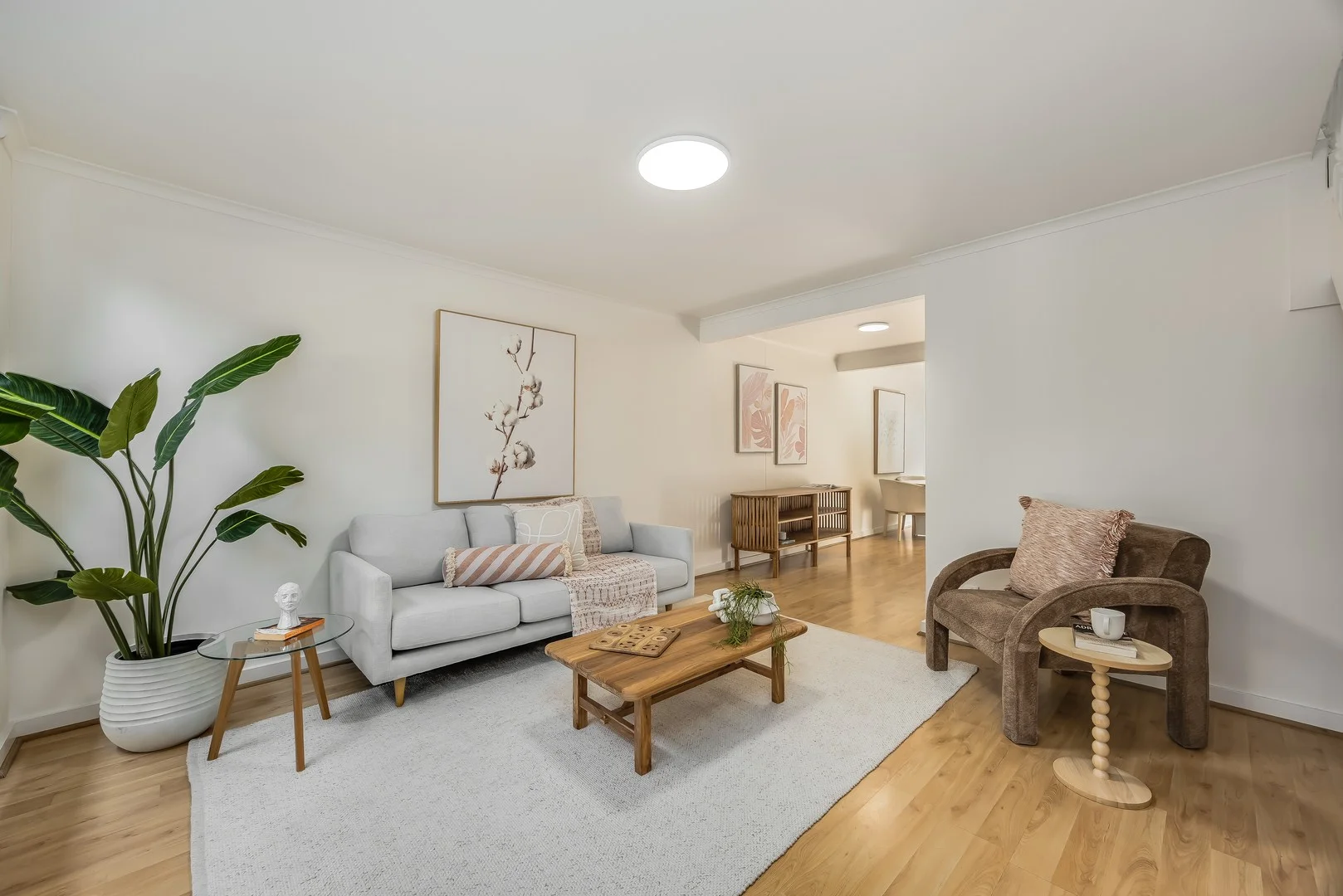 $775,000
House
$775,000
House
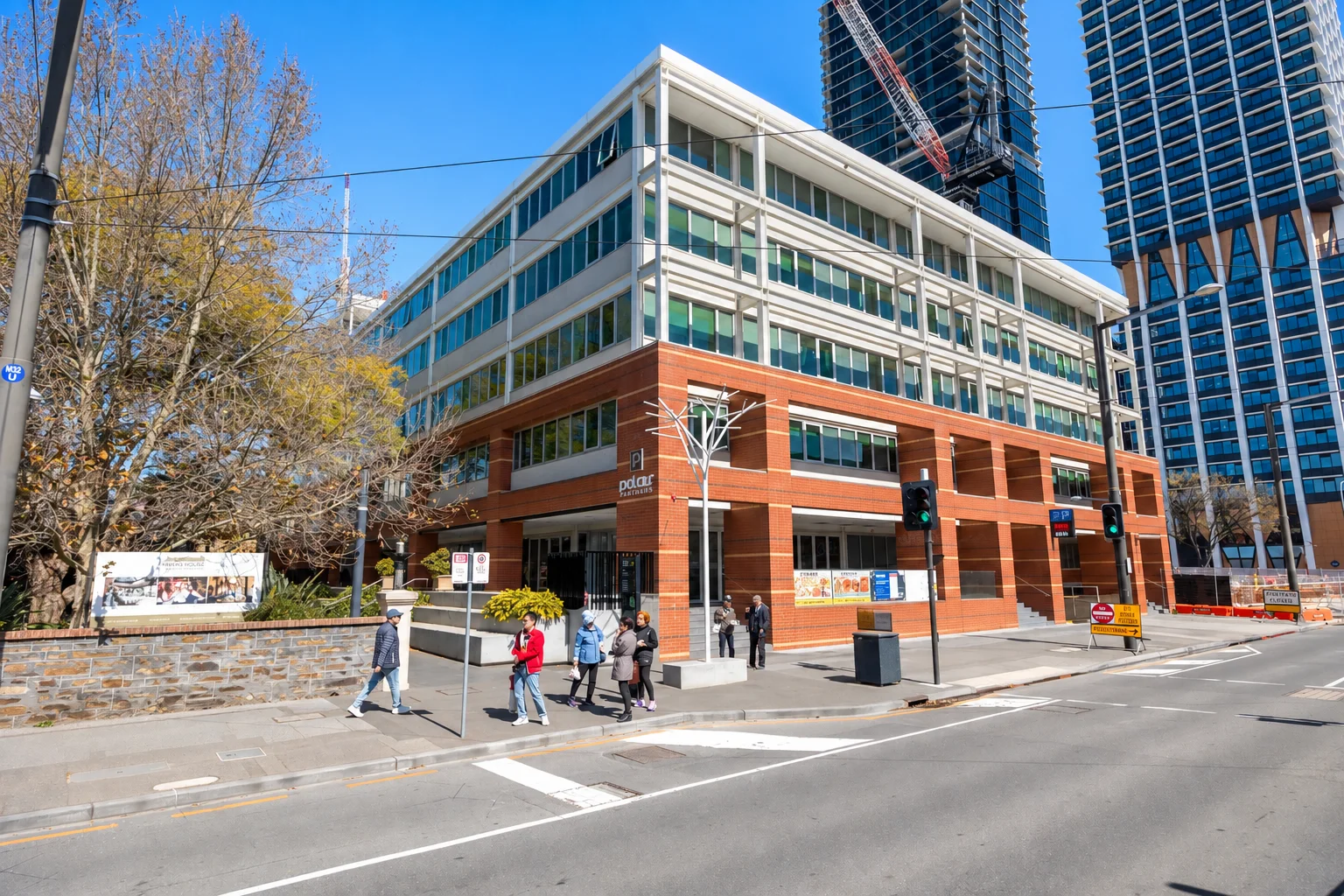 $545,000
Apartment / Unit / Flat
$545,000
Apartment / Unit / Flat
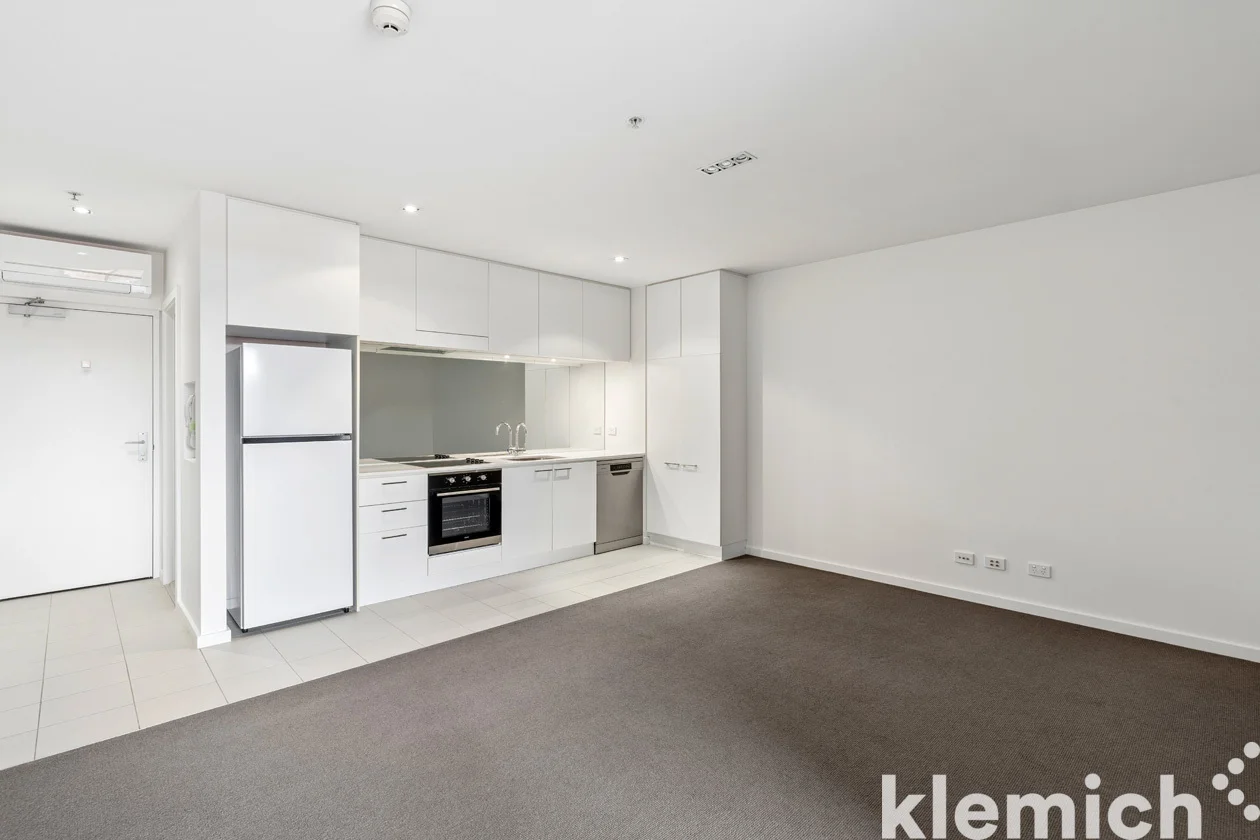 $440,000
Apartment / Unit / Flat
$440,000
Apartment / Unit / Flat
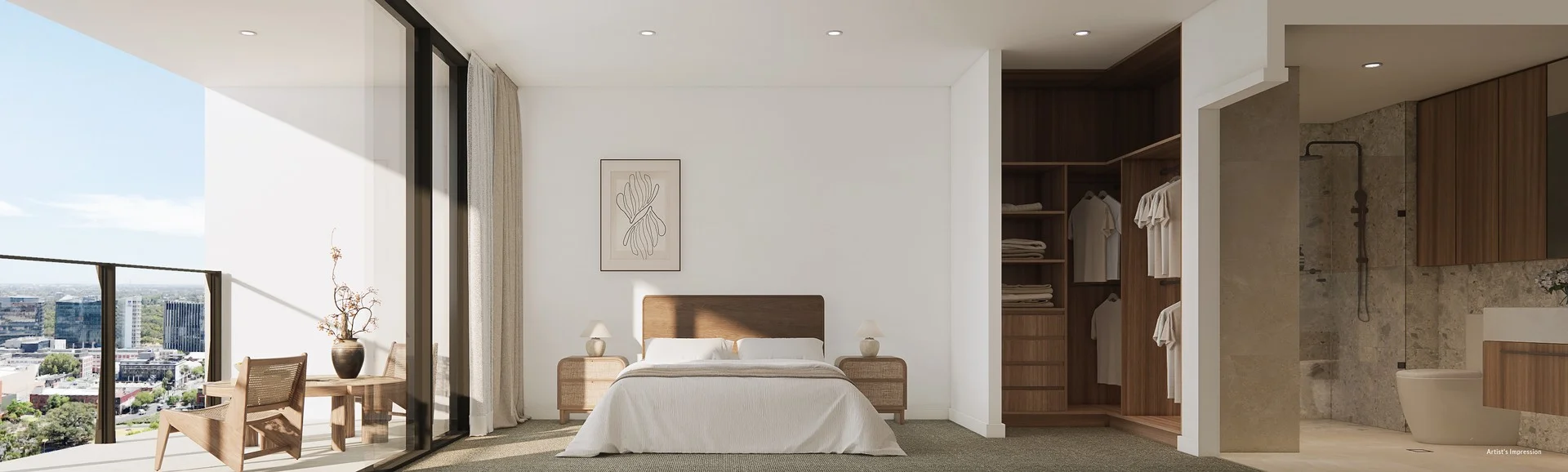 $1,056,000
Apartment / Unit / Flat
$1,056,000
Apartment / Unit / Flat
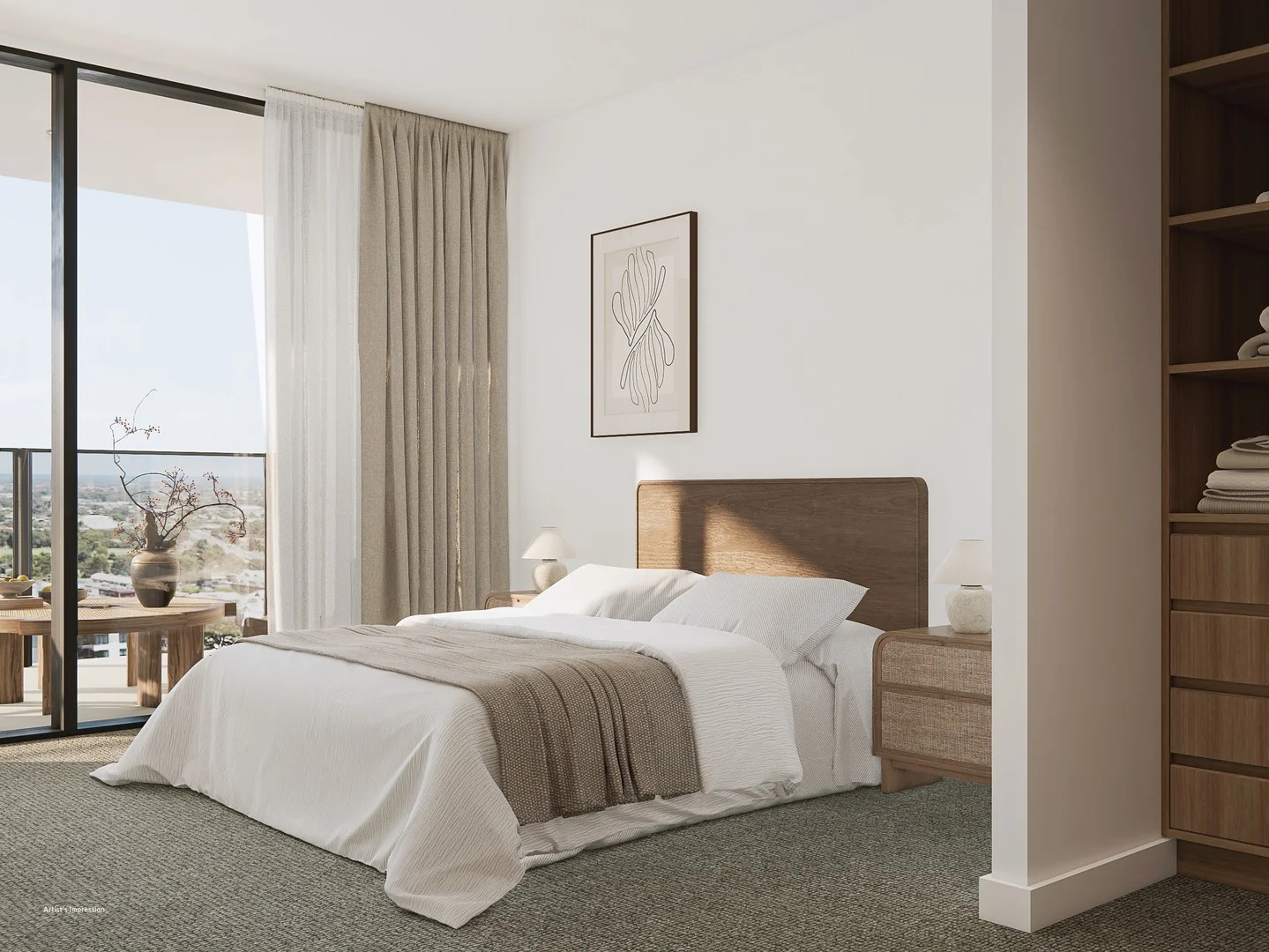 $935,000
Apartment / Unit / Flat
$935,000
Apartment / Unit / Flat
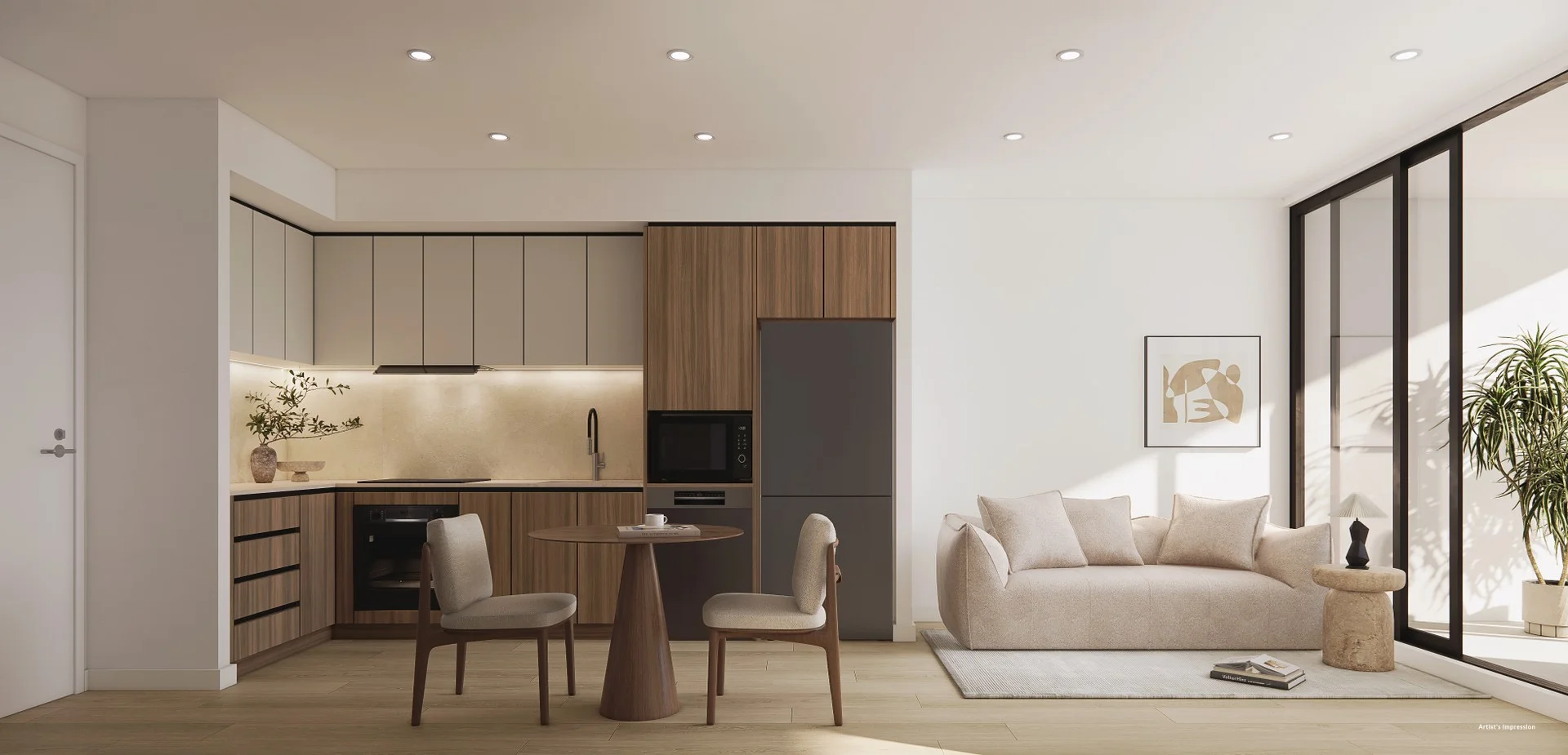 $588,000
Apartment / Unit / Flat
$588,000
Apartment / Unit / Flat
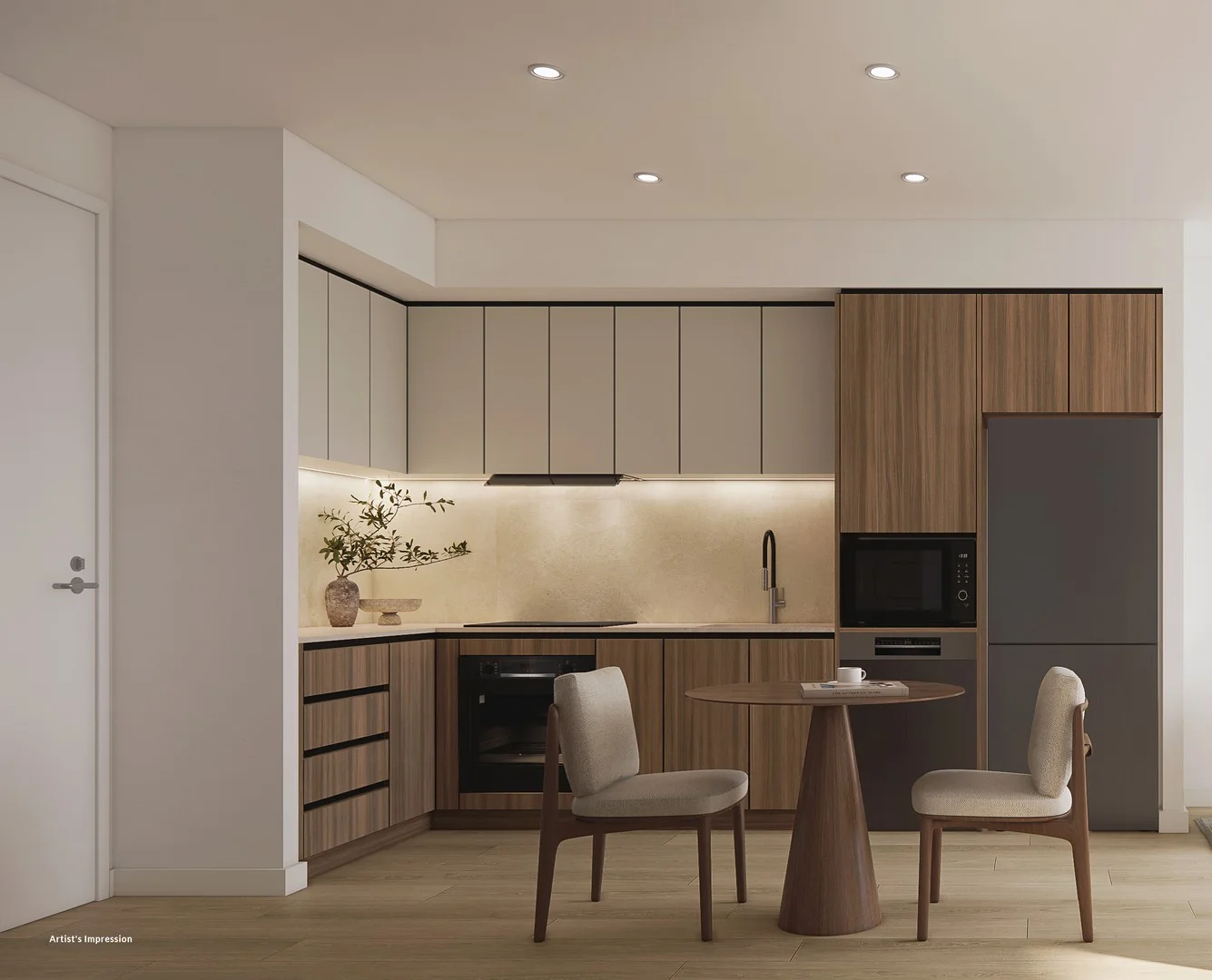 $557,000
Apartment / Unit / Flat
$557,000
Apartment / Unit / Flat
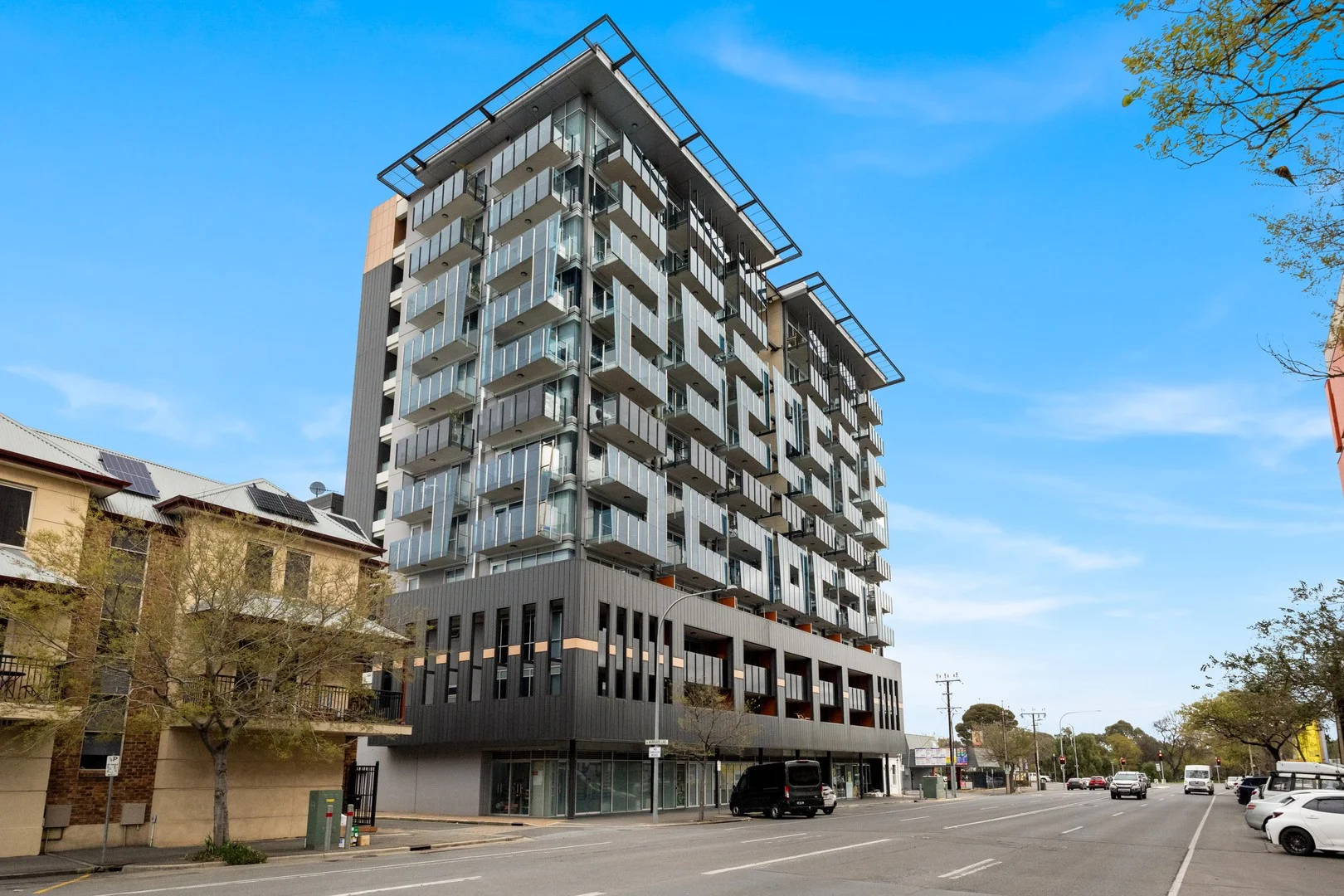 $1,100,000
Apartment / Unit / Flat
$1,100,000
Apartment / Unit / Flat


